Plaud Note

Search documents
年度AI产品十大赛道TOP 3|量子位智库AI 100
量子位· 2026-01-31 07:30
Core Insights - The article discusses the significant evolution of AI products in 2025, highlighting a shift from merely "talking" to "doing" [3][4] - The focus is on the transformation of interaction paradigms and the integration of AI into both digital and physical realms [5][6] - The article introduces the "AI 100" product list, categorizing AI products into flagship and innovative segments, along with five major application categories [6][9] Group 1: AI Product Development - AI products have shown differentiated growth across various sectors, with strong demand in general scenarios and AI efficiency, while AI life products are exploring better user experiences [14] - The common goal across all sectors is moving towards end-to-end delivery of productivity, shifting the value measurement from "how well it answers" to "how completely it delivers" [14][15] Group 2: Flagship AI Products - The "Flagship AI 100" and "Innovative AI 100" categories represent the strongest and most promising AI products, respectively [7][13] - The article outlines ten core tracks for AI applications, including AI smart assistants, AI agents, AI browsers, AI workstations, Vibe Coding, AI education, AI entertainment, AI health, multimodal creation, and AI consumer hardware [9][10] Group 3: AI Smart Assistants - AI smart assistants are the most traffic-intensive and revenue-near segment, evolving from answering questions to solving problems [16] - Top products in this category include: - Doubao from ByteDance, with over 57 million daily active users [18] - DeepSeek, known for its innovative interaction method that showcases AI reasoning [20] - Tencent Yuanbao, integrating various social networks for enhanced user experience [22] Group 4: AI Agents - AI agents have transitioned from mere conversational tools to executing tasks [23] - Notable products include: - Nano AI from 360 Group, which integrates over 80 large models for task execution [24] - Kouzi, a one-stop AI office space from ByteDance, automating complex workflows [26] - Xingliu, a new generation AI creation tool from Singularity Star, facilitating end-to-end creative processes [30] Group 5: AI Browsers - AI browsers are evolving from passive information displays to active task executors [32] - Key products include: - QQ Browser from Tencent, which integrates AI capabilities to understand user intent [33] - Quark from Alibaba, combining search, reading, and creation functionalities [36] - Fellou, focusing on a unified search and task experience [40] Group 6: AI Workstations - The competition in AI workstations has shifted from the number of features to complete workflow integration [41] - Leading products include: - Baidu Wenku, transforming from a document tool to a knowledge productivity platform [42] - Feishu, integrating AI capabilities into team workflows [46] - Tiangong, focusing on enhancing office and creative efficiency [50] Group 7: AI Education - AI education products are evolving to provide personalized tutoring and enhance learning experiences [61] - Top products include: - KuaiDui AI from Zuoyebang, focusing on personalized tutoring [62] - XiaoYuan AI from Yuanfudao, assisting parents and teachers in managing homework [65] - CapWords, an innovative language learning tool [69] Group 8: AI Entertainment - AI entertainment products are exploring how to provide unique value beyond traditional non-AI products [70] - Notable products include: - Kapi Camera, which enhances user photography experiences [73] - Xingye, a platform for emotional companionship and content creation [76] - DouDou Game Partner, focusing on gaming companionship [79] Group 9: AI Health - The AI health sector is cautiously exploring compliance and user experience [80] - Key products include: - Antifufu, a health management assistant from Ant Group [81] - XiaoHe AI Doctor, providing health consultations based on authoritative medical data [85] - OtterLife, a gamified health management product [88] Group 10: Multimodal Creation - AI creation tools are becoming integral to daily workflows for content creators [90] - Leading products include: - Jidream AI, focusing on video creation processes [91] - Liblib AI, a comprehensive AI creation platform [95] - Keling AI, a creative productivity platform leveraging short video and advertising [97] Group 11: AI Consumer Hardware - The AI consumer hardware sector is characterized by rapid innovation and high turnover [98] - Notable products include: - Plaud Note, an AI note-taking tool [99] - Thunderbird V3 AI glasses, integrating various functionalities [102] - CocoMate, an emotional companion toy [107]


手机之外,AI硬件还有哪些机会?从豆包手机说起
3 6 Ke· 2026-01-29 08:53
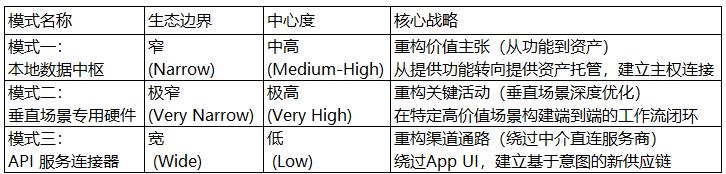
Core Insights - The controversy surrounding Doubao mobile assistant highlights the tension between innovation rights and ecosystem security, raising fundamental questions about its position in the digital ecosystem and the reasons behind the strong backlash against its technology [2][3]. Group 1: Doubao's Triple Dilemma - Dilemma One: Fundamental Mismatch of Ecological Positioning - Doubao's ecological position is characterized by low centrality, lacking control over core user resources, which limits its ability to challenge high-centrality ecosystems dominated by major players [3][4]. - Dilemma Two: Structural Vulnerability of Connection Method - Doubao's reliance on simulated clicks and screen recognition creates a fragile connection, as any updates to the interfaces of major apps can render its operational scripts ineffective, leading to a parasitic relationship [4][5]. - Dilemma Three: Fatal Flaw in Implementation Path - The approach of using simulated clicks for automation is likened to retrofitting an engine onto a horse, failing to fundamentally reconstruct the underlying logic of interaction, resulting in a suboptimal user experience [7][9]. Group 2: Pathways from Dilemma to Opportunity - Opportunity One: Local Data Hub - Reconstructing Value Proposition - This model positions hardware as a local custodian of users' digital assets, emphasizing privacy control, offline availability, and instant response, creating a strong lock-in effect as users accumulate data [12][13]. - Opportunity Two: Vertical Scene-Specific Hardware - Reconstructing Key Activities - This model focuses on designing dedicated AI hardware for specific high-value scenarios, achieving efficiency that surpasses general-purpose smartphones by creating end-to-end workflows [15][18]. - Opportunity Three: API Service Connector - Reconstructing Channel Pathways - This model emphasizes a dialog-based AI as an intent entry point, facilitating direct connections with external service providers through APIs, thus avoiding the pitfalls of parasitic relationships and fostering symbiotic connections [21][22]. Group 3: Strategic Recommendations - The company should explore new pathways rather than abandon the AI hardware space, leveraging its leading AI capabilities in a more suitable battlefield [26][27].
字节、OpenAI、Meta都在赌一件事
3 6 Ke· 2026-01-22 23:34
Core Insights - Major tech companies are entering the AI hardware market, with OpenAI planning to launch its first AI hardware device in the second half of 2026, indicating a significant shift in strategy from software to hardware [1] - This trend is seen across various companies including ByteDance, Alibaba, and Meta, which are all investing heavily in AI hardware despite past failures in the hardware sector [1][2][4] Group 1: Reasons for Past Failures - Historically, major tech companies have struggled with hardware due to a lack of understanding of the complexities involved, often leading to failed products and financial losses [2][3][5] - The inherent arrogance of internet companies, which thrive on rapid iteration and low marginal costs, has hindered their ability to manage the high stakes and complexities of hardware production [6][7][8] Group 2: Changes in the Market - The emergence of AI models has changed the dynamics of hardware development, allowing for simpler interaction methods that reduce the need for complex designs [9][10] - AI hardware is now viewed as a sensor for AI, enabling companies to gather real-world data that can enhance their models, thus making hardware development more appealing [11][22][23] Group 3: Strategic Shifts - Companies like ByteDance, Meta, and OpenAI are now focusing on creating their own hardware to maintain control over user interactions and data, as the risk of losing direct access to users increases [15][17] - The collaboration between software and hardware companies is becoming more common, allowing for reduced development times and shared risks, making hardware ventures less daunting [25][26] Group 4: Future Implications - The AI hardware trend reflects a broader fear among software companies of being sidelined in the evolving tech landscape, as they seek to embed themselves into users' daily lives [27][28] - The proliferation of AI devices raises questions about the necessity and impact of such technology on human life, suggesting a deeper integration of AI into everyday activities [27][29]

AI录音设备大混战
Hua Er Jie Jian Wen· 2026-01-20 12:22
Core Viewpoint - The emergence of AI recording devices represents a significant shift in the hardware market, driven by the integration of AI capabilities into everyday tools, transforming them into knowledge assets rather than mere audio files [2][3]. Group 1: AI Recording Device Market Overview - The AI recording device market is evolving with new entrants like Anker and ByteDance's Feishu, which recently launched the Anker AI Recording Bean, a compact device priced at 899 yuan [2][3]. - The product features AI capabilities such as voiceprint recognition, real-time transcription and translation, and intelligent summary generation, enhancing the utility of recorded audio [2][3]. - The market has seen a shift from traditional recording devices, which focused on sound quality and storage, to AI-enhanced devices that cater to high-information-density scenarios like meetings and interviews [3][4]. Group 2: Competitive Landscape - The AI recording device sector is becoming a battleground for various players, including established companies like Sogou and iFlytek, as well as newer entrants like Plaud and DingTalk [4][5]. - Plaud's Note, launched in 2023, is recognized as a pioneer in the card-style AI recording device category, addressing the need for recording iPhone calls and achieving over 1 million units sold globally [5][6]. - The competitive landscape includes four main types of participants: traditional recording pen manufacturers, AI technology firms, office ecosystem giants like Feishu and DingTalk, and fast-following white-label manufacturers [9][10]. Group 3: Future Trends and Challenges - The market is currently experiencing explosive growth and technological upgrades, with competition intensifying around AI processing capabilities, sound capture, and product portability [10]. - The card-style devices are gaining attention for their lightweight and user-friendly design, which is becoming a key differentiator in the market [10]. - As the market becomes saturated, the challenge will be to create unique value propositions beyond basic hardware specifications, focusing on building a complete usage ecosystem [10].
AI Christmas: The latest devices from Amazon, Meta, Google and more
CNBC· 2025-11-22 12:00
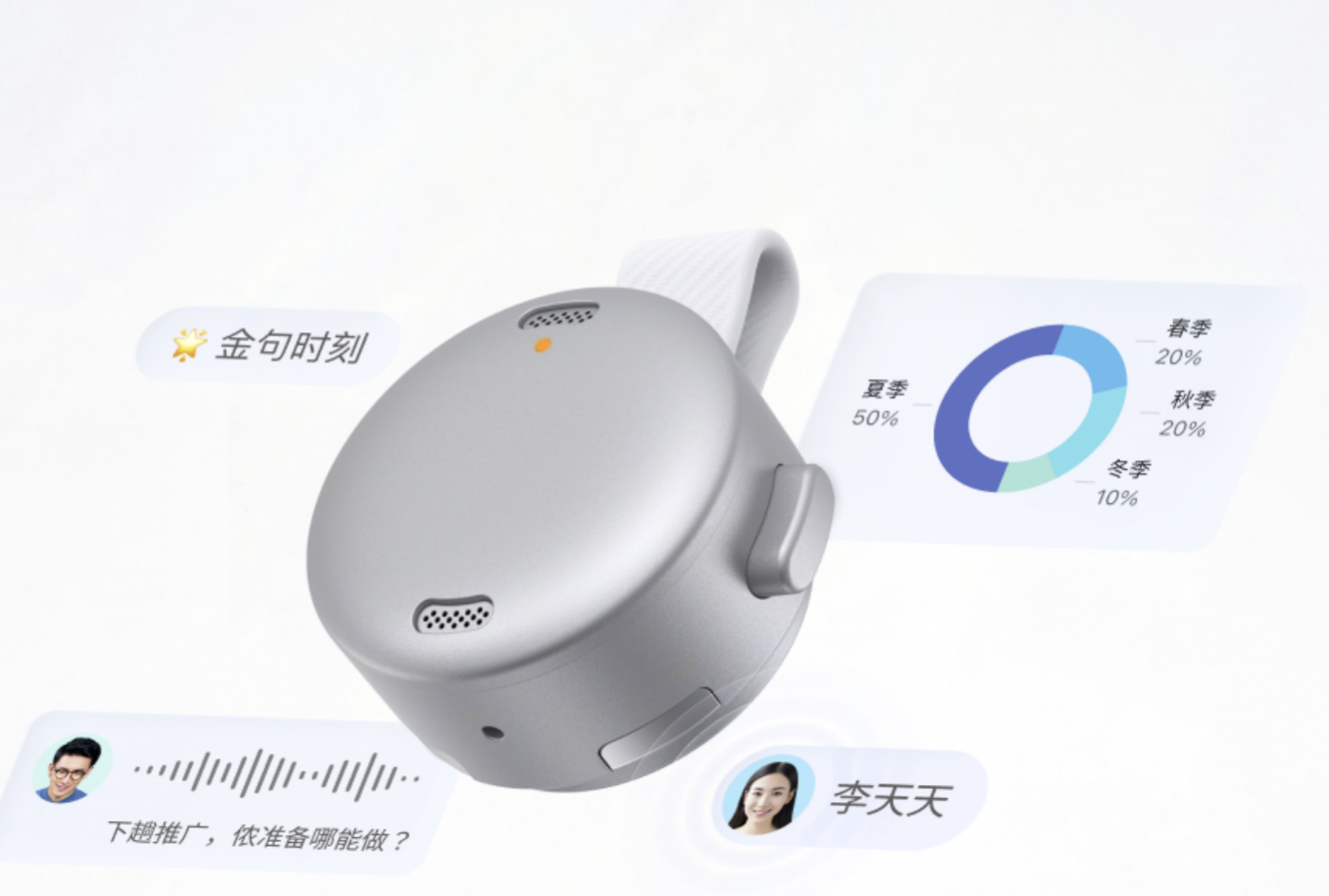
Core Insights - The market for generative AI devices has expanded significantly since the launch of OpenAI's ChatGPT, with new products from major companies like Amazon, Alphabet, and Meta, as well as smaller firms, being introduced for the 2025 holiday shopping season [1][4] Group 1: Product Launches and Features - Amazon has introduced a new lineup of Echo devices featuring the upgraded Alexa+ assistant, which aims to enhance user interaction by allowing more natural conversations without the need for a wake word [6][10] - The Echo Dot Max is priced at $100, while the Echo Show models range from $180 to $220, with Black Friday discounts of 10% to 11% being offered [7][11] - Google's Pixel 10 series smartphones, starting at $799, integrate AI features such as live translation and text-based photo editing, with discounts of $200 to $300 available until December 6 [15][17] - Meta has launched the Ray-Ban Meta smart glasses, priced at $379, which include an AI assistant for various tasks, and the new Oakley Meta smart glasses aimed at athletes, priced between $399 and $499 [20][21] Group 2: Market Trends and Consumer Reception - Despite the influx of new AI devices, reviews have been mixed, with no single product emerging as a clear leader in the market [2] - The tech industry has largely focused on AI applications rather than hardware, with many AI capabilities accessible via existing smartphones [3][4] - The AI pendant from Friend, priced at $129, aims to provide companionship through conversation analysis, but has sparked societal debates about the role of AI in personal relationships [25][26] - The Plaud Note, a voice recorder with extensive transcription capabilities, is marketed for note-taking and is currently available at a discount during the holiday season [28][30]



起底Plaud不融资却卖100万台的秘密
虎嗅APP· 2025-11-08 09:29
Core Viewpoint - The article discusses the success of the AI hardware company Plaud, highlighting its unique market position, product offerings, and the strategic decisions that have led to its profitability without external funding [4][5][6]. Group 1: Company Overview - Plaud's first AI product, "Plaud Note," achieved cumulative sales of 1 million units by July 2023, despite initial skepticism about its market demand [4][5]. - The company has not taken any external funding since its inception, which is attributed to its profitability from day one and a cautious approach to financing [5][6]. - The CEO, Mo Zihua, emphasizes the importance of Product-Market Fit (PMF) as a key factor in the company's success [6][10]. Group 2: Product Features and Market Strategy - Plaud Note Pro features a sleek design, measuring less than 3mm thick, and is user-friendly with minimal operational complexity [6][7]. - The core functionality of Plaud products is to capture and analyze conversations, providing users with actionable insights beyond simple transcription [10][11][12]. - The company strategically launched its products in overseas markets before entering the domestic market, capitalizing on higher brand recognition abroad [17][18]. Group 3: Competitive Landscape - Plaud's early success is partly attributed to timing, as it entered the market just as AI technologies were gaining traction, particularly with the emergence of ChatGPT [19][20]. - The company faces competition from both established players and emerging startups, but its unique soft-hard integration capabilities set it apart from white-label products [20][21]. - Mo Zihua believes that while larger tech companies may eventually enter the AI hardware space, their focus on AI glasses as the next big thing may limit their resources for competing directly with Plaud [21][22]. Group 4: Lessons for Other Startups - The article suggests that other AI hardware startups can learn from Plaud's emphasis on rigorous PMF validation and maintaining focus in a competitive environment [23]. - The unpredictable nature of market timing is highlighted as a challenge for replicating Plaud's success, but the principles of careful planning and execution remain applicable [23].
中金2026年展望 | 电信软件教育:AI惊喜不断,电信分红可期(要点版)
中金点睛· 2025-11-07 00:09
Core Viewpoint - The AI sector is expected to remain a significant growth driver in the software industry through 2026, with AI infrastructure (AI Infra) showing sustained high growth due to emerging applications and increasing enterprise-level AI deployment [2][3]. AI Applications - AI applications are proliferating, leading to upward revisions in investment expectations. Key areas of focus include AI search, multimodal capabilities, innovative hardware, next-generation interactions, intelligent cockpits, and embodied intelligence [4]. - AI search is predicted to capture 25% of traditional search traffic by 2026, creating new market opportunities beyond traditional ecosystems [4]. - The multimodal sector is advancing, with industrial models capable of understanding long videos, potentially doubling the market space for video generation [5]. - Innovative hardware is expected to accelerate the practical application of AI technologies, with companies like Plaud and OpenAI leading the charge in creating AI-native hardware [6][7]. Next-Generation Interactions - The next generation of voice interaction is emerging, with real-time voice communication becoming a standard capability among major model providers. This trend is expected to expand significantly [8]. Intelligent Cockpits and Driving - The integration of large models into intelligent cockpits is gaining traction, with companies exploring AI Box solutions to enhance vehicle capabilities [9]. Embodied Intelligence - The focus in embodied intelligence is shifting from physical robots to their cognitive capabilities, indicating a move towards collaborative industry models [10]. B2B AI Applications - The landscape for B2B AI applications is becoming clearer, although significant breakthroughs may still take time. The pace of AI application deployment varies widely across companies [11]. Telecommunications Services - Telecom operators are entering a post-5G cycle, with revenue growth slowing and capital expenditures decreasing, which supports dividend capabilities [12][13]. - Data centers are entering a performance realization phase, benefiting from increased downstream capital expenditures [14]. Education Sector - The "AI + Education" landscape is diversifying, with market concentration increasing in K12 education and a potential reshaping of the industry due to AI products [15][16]. - In higher education, attention is on cost trends and operational transitions, with signs of positive developments in the sector [17].

年入2.5亿美元的AI硬件“黑马”Plaud回归国内 能否复刻海外增长?
Mei Ri Jing Ji Xin Wen· 2025-10-16 15:47
Core Insights - Plaud, a Shenzhen-based AI hardware company, expects to achieve total revenue of $250 million by 2025, with its AI note-taking products already shipped to over 170 countries and exceeding 1 million units sold [1][2][3] Company Overview - Founded less than three years ago, Plaud initially focused on overseas markets due to previous entrepreneurial experiences and identified a significant demand gap in the audio transcription sector [1][2] - The company launched the world's first card-style AI note-taking product, Plaud Note, and a wearable version, Plaud NotePin, which have gained traction in international markets [2][3] Market Strategy - After initial success abroad, Plaud returned to the domestic market in September 2023, reducing AI recording device prices to the "hundred-yuan level" to cater to local demand [2][5] - The company aims to balance functionality innovation with market acceptance in a highly competitive domestic AI hardware landscape, where major players like Alibaba DingTalk and iFlytek are aggressively pricing their products [2][5] Competitive Landscape - The domestic AI hardware market is described as a "red ocean," with numerous competitors offering lower prices, raising questions about Plaud's ability to replicate its overseas success in China [2][5] - Despite the competitive environment, Plaud's team of over 400 employees and its commitment to product quality and user experience are seen as significant advantages [6][7] Product Development and Technology - Plaud emphasizes the importance of stable product experience over aggressive marketing, relying on word-of-mouth for growth rather than traditional advertising [3][6] - The company collaborates with Amazon Web Services (AWS) for cloud services, which aids in compliance and resource acquisition, allowing Plaud to focus on business security [6][7] Future Outlook - Plaud does not prioritize short-term sales targets in the domestic market but aims to build a strong brand and deep product offerings [5][6] - The company plans to continue innovating and developing new product forms while maintaining a commitment to high-quality offerings, regardless of market share [7]

为什么说中国出不了第二个Plaud?
雷峰网· 2025-10-11 10:07
Core Insights - Plaud is recognized as one of the most successful AI hardware companies, having launched its product Plaud Note on Kickstarter, raising $1.1 million in its first month, breaking crowdfunding records in the AI recording device category [2][3] - The company achieved significant milestones, including reaching the top of Amazon's best-seller list in 2024 and surpassing 700 million RMB in annual revenue [3] - Despite its success, there are ongoing debates about Plaud's long-term viability, with some critics arguing that its achievements are due to luck and market timing rather than sustainable business practices [3][8] Group 1: Product Development and Market Strategy - Plaud Note is not the first AI recording device from founder Xu Gao, who previously launched iZYREC, which raised over $200,000 in crowdfunding [5][7] - The product's core selling point is its ability to solve the iPhone's limitation of not being able to record calls, along with AI-driven audio organization features [5][7] - Xu Gao's strategic decision to focus on the recording pen market stems from the observation that it is overlooked by larger companies, allowing Plaud to fill a niche [9][10] Group 2: Leadership and Resource Integration - Xu Gao is characterized as open, sincere, and resourceful, leveraging his entrepreneurial experience and investor background to enhance Plaud's capabilities [11][14] - The collaboration with Liu Ye, a key figure in hardware development, has been instrumental in refining Plaud's product offerings and operational strategies [14][16] - Plaud emphasizes extreme attention to detail in product design and user experience, which has contributed to its competitive edge [16][17] Group 3: Business Model and Market Positioning - Plaud employs a "hardware payment + software subscription" business model, which has faced skepticism due to the prevalence of free alternatives available on smartphones [19][21] - The pricing strategy positions Plaud Note at $159, with hardware costs significantly lower, allowing for profitability [21][22] - Targeting high-income consumers in the U.S. and Japan, Plaud aims to avoid price competition and focus on delivering value through enhanced productivity tools [22] Group 4: Competitive Landscape and Future Prospects - Plaud's success has inspired competitors, but many lack the brand recognition and market timing that Plaud has achieved [24][27] - The company is exploring B2B opportunities and plans to expand its workforce significantly, indicating ambitions beyond just consumer hardware [30][31] - Xu Gao believes that understanding user needs and investing in product development are critical differentiators that competitors may struggle to replicate [28][30]

收入2.5亿美金,中国最成功的AI硬件,爆火全球
创业邦· 2025-10-02 10:09
Core Viewpoint - The article highlights the success of Plaud's AI recording card as a leading AI hardware product in China, surpassing traditional devices like recording pens and gaining significant market traction due to its innovative features and subscription-based revenue model [4][5]. Group 1: Product Overview - The AI recording card combines functionalities of a recording pen, conference machine, translation device, and AI assistant, providing a compact solution that can be easily attached to smartphones [7]. - Plaud's product, the Plaud Note, has achieved over one million units shipped globally, with projected revenues of $250 million in 2023, driven largely by AI subscription services [5][6]. Group 2: Market Dynamics - Major companies like Alibaba and 360 have entered the market following Plaud's success, creating similar products that emphasize lightweight design and subscription-based revenue models [8][9]. - The hardware is priced competitively, with Plaud Note at $159 and subscription services costing $240 annually, indicating a shift towards monetizing software services over hardware sales [9][10]. Group 3: Competitive Landscape - Competitors like DingTalk and TicNote have differentiated their offerings by enhancing audio capture capabilities and integrating with existing office software, while also emphasizing unique features like AI memory and visual mapping [12][14]. - The rapid sales growth of competitors, such as TicNote selling over 30,000 units within two months, reflects the increasing demand for AI recording solutions [14]. Group 4: Strategic Insights - Plaud's success is attributed to its focus on high-value professional users, termed "three high" groups, which include individuals with high industry knowledge, high reliance on verbal communication, and significant decision-making influence [23][25]. - The product philosophy emphasizes deep integration with office workflows, allowing users to highlight important information during meetings and facilitating seamless data transfer to other software [26][30]. Group 5: Future Outlook - The article suggests that while Plaud has established a strong market presence, the long-term sustainability of such AI hardware will depend on continuous evolution and integration into broader organizational processes [30][31]. - The ongoing development of AI capabilities and user preferences will shape the future of AI hardware, with Plaud needing to adapt to maintain its competitive edge [32].