lululemon运动服饰

Search documents
lululemon深陷宫斗戏,股价跌超37%,70岁创始人沦为局外人
21世纪经济报道· 2026-01-17 13:21
Core Viewpoint - Lululemon is facing significant challenges due to internal management turmoil and external pressures, particularly from its founder, Dennis Chip Wilson, who is advocating for a return to creative leadership and criticizing the current board for failing to innovate and maintain brand integrity [1][4][11]. Group 1: Stock Performance and Market Position - As of January 16, Lululemon's stock price fell by 1.53% to $201.87, marking a decline of over 37% from its peak of $340.25 on June 3, 2025 [1]. - The company's market capitalization has decreased significantly, dropping from a high of $600 billion to approximately $240.49 billion [11]. Group 2: Leadership and Governance Issues - Dennis Chip Wilson has publicly criticized the current management for stagnation in innovation and loss of brand identity, prompting him to nominate three independent board candidates for the upcoming shareholder meeting [4][11]. - Current CEO Calvin McDonald is set to resign on January 31, 2026, amid ongoing leadership disputes and pressure from Wilson [4][11]. Group 3: Historical Context and Founder’s Influence - Wilson's loss of control began in 2003 when he brought in external capital, which diluted his influence over the board despite retaining a majority stake [7]. - The company has seen significant growth under McDonald, with revenues more than doubling and expansion into over 30 regions, including a notable 46% revenue increase in the Chinese market [12]. Group 4: Competitive Landscape and Future Strategies - Lululemon is facing increasing competition from emerging brands like Alo Yoga and Vuori, which poses a challenge to its market position [15]. - The company is exploring further expansion into new product categories and markets, with a focus on returning to its high-end brand positioning under potential new leadership [13][15].


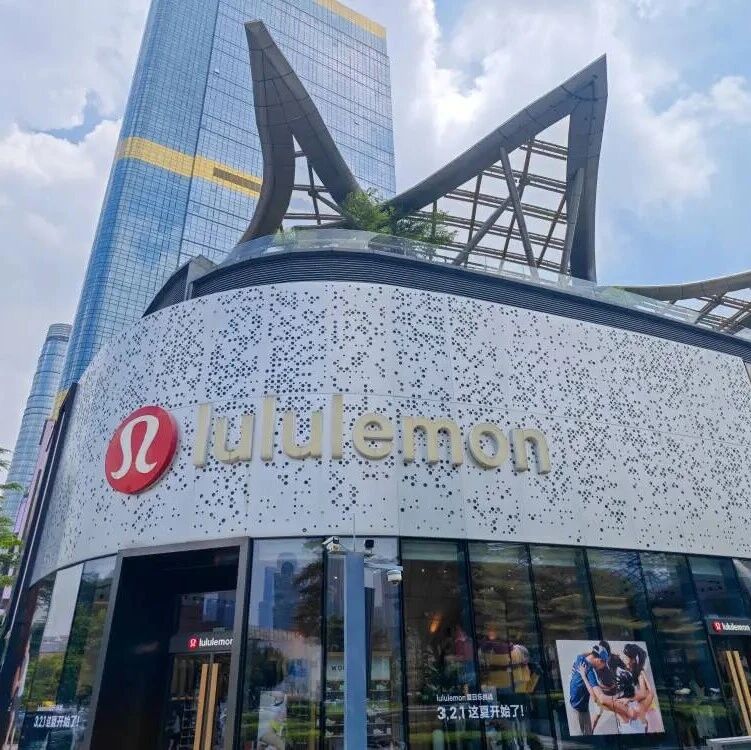
中国业绩大增,lululemon为何换帅?丨消费参考
2 1 Shi Ji Jing Ji Bao Dao· 2025-12-16 02:29
Core Viewpoint - Lululemon is undergoing significant adjustments, highlighted by the resignation of CEO Calvin McDonald amid criticism from founder Chip Wilson regarding poor decision-making and a substantial decline in brand value and stock price [1][2]. Financial Performance - In the latest fiscal quarter ending November 2, 2025, Lululemon's net revenue in the Americas decreased by 2% to $1.7 billion, accounting for 68% of total revenue, with comparable sales down by 5% [2]. - Conversely, Lululemon's revenue in the Chinese market grew by 46% to $465.4 million, representing 18% of total revenue, with comparable sales increasing by 24% [3]. - Other international markets also saw a revenue increase of 19% to $367.2 million, making up 14% of total revenue, with comparable sales up by 9% [3]. Market Challenges - The competitive landscape in the Chinese market is intensifying, as evidenced by Li Ning's retail revenue experiencing a mid-single-digit decline, and Nike's revenue in Greater China dropping by 10% to approximately $1.512 billion [4]. - The struggles in Lululemon's core Americas market raise concerns about potential brand perception issues in China [5]. Management and Strategic Direction - Chip Wilson emphasizes the need for Lululemon to accelerate its adjustments to address the challenges it faces [6].

永辉超市回应股价大涨;全球最大冰淇淋公司上市;Lululemon中国三季度大涨46%|品牌周报
36氪未来消费· 2025-12-14 12:29
Group 1: Yonghui Supermarket - Yonghui Supermarket's stock price surged by 41.22% over four days, with three days hitting the daily limit [3] - Following the surge, the stock price fell to 5 yuan per share, but still recorded a weekly increase of 27.23%, marking the largest weekly gain of the year [3] - The company reported a revenue of 42.434 billion yuan for the first three quarters of 2025, a year-on-year decline of 22.21%, and a net loss of 710 million yuan, attributed to store adjustment plans affecting revenue and gross margin [4] - Major shareholders, including the chairman, reduced their holdings, with a total of 90.75 million shares sold for approximately 377 million yuan [4] Group 2: Dream Ice Cream Company - Dream Ice Cream Company went public on December 8, with a total share capital of 612 million shares, achieving a market capitalization of 78 billion euros (approximately 642 billion yuan) on its listing day [5] - The company reported projected sales of 7.9 billion euros for 2024, holding a global market share of 21%, significantly higher than its closest competitor [5] - The company is expected to localize its products, channels, and marketing strategies in the Chinese market following its split from Unilever [7] Group 3: Laopuhuang Gold - Laopuhuang Gold's revenue is projected to surpass that of Richemont's jewelry business in China by 2025, with a significant increase in market share attributed to its successful product offerings [8] - The brand's average sales per store reached 459 million yuan in the first half of 2025, outperforming all domestic and international jewelry brands [8] - The rise of Laopuhuang Gold has drawn international attention, with Richemont acknowledging the competitive landscape and the cultural significance of the brand in China [9] Group 4: Lululemon - Lululemon reported a 46% year-on-year increase in net revenue in mainland China for the third quarter of fiscal year 2025 [11] - The company plans to open approximately 46 new stores in China this year, with a focus on expanding in second and third-tier cities [11] - Despite a decline in revenue in the Americas, the Chinese market accounted for 18% of total revenue, indicating strong growth potential [11] Group 5: Tims China - Tims China reported total revenue of 358 million yuan for the third quarter of 2025, a slight decline of 0.4% year-on-year, while system sales increased by 12.8% [23] - The number of stores reached 1,030, with 15 new stores added during the quarter, expanding its presence in second and third-tier cities [23]

优衣库大中华区同店销售回暖;耐克CEO承认中国市场存在挑战;宗馥莉二度辞职哇哈哈|品牌周报
36氪未来消费· 2025-10-12 11:14
Group 1: Uniqlo's Performance - Uniqlo's parent company, Fast Retailing, reported a record operating profit of 564.27 billion yen for the fiscal year ending August 2025, marking the fourth consecutive year of growth [3] - The Southeast Asia, India, and Australia regions showed significant sales performance, with North America and Europe also achieving double-digit growth in both revenue and profit [3] - In North America, revenue increased by 24.5% year-on-year, while profit rose by 35.1%; Europe saw revenue growth of 33.6% and profit growth of 23.7% [3] - Despite the overall decline in revenue in Greater China by 4.0% to 650.2 billion yen, the recovery in same-store sales in Japan and Greater China contributed to profit growth [3] - Uniqlo's success in the U.S. market was driven by a combination of price increases (approximately 5% on core items) and cost control measures, leading to a same-store sales growth of 3% [3] Group 2: Nike's Challenges in China - Nike's CEO acknowledged structural challenges in the Chinese market, which has seen a decline in performance for five consecutive quarters [5][6] - In the first quarter of fiscal year 2026, Nike's revenue in Greater China was $1.512 billion, down from $1.735 billion and $1.666 billion in the previous two fiscal years [5] - The company is focusing on improving sales trends through store updates, enhancing brand differentiation, and reducing inventory buildup among partners [5][6] Group 3: Wahaha's Leadership Changes - Zong Fuli has resigned from her positions at Wahaha Group, transitioning to focus on her own brand, "Wah Xiao Zong," while retaining a 29.4% stake as the second-largest shareholder [7] - The resignation is linked to compliance issues regarding the use of the "Wahaha" trademark, prompting her to shift her focus to her new brand [7] - Recent family disputes have negatively impacted Wahaha's sales and market confidence, with reported declines in daily sales and live-streaming events [8] Group 4: H&M and Designer Collaborations - H&M announced a collaboration with Chinese designer Jacuques Wei for the upcoming Year of the Horse Spring Festival, marking the second designer partnership in a long-term project with Shanghai Fashion Week [10] Group 5: Lululemon and Erewhon Collaboration - Lululemon partnered with Erewhon, a high-end organic supermarket, to launch a collection of apparel and accessories, set to debut in Shanghai [11] Group 6: Gucci's Increased Foot Traffic - Following the debut of Demna's collection, Gucci experienced a significant increase in store traffic, with a 53% rise in weekly visits at the Rodeo Drive location in Los Angeles [14] Group 7: Blue Bottle Coffee Expansion - Blue Bottle Coffee opened its third store in Shenzhen, continuing its slow but steady expansion in China, with a total of 15 stores across major cities [15] Group 8: Anker's New COO Appointment - Anker appointed a new Chief Operating Officer to enhance its market share, with plans to expand the use of its innovative manufacturing technology [16] Group 9: Zhou Dasheng's Acquisition of MBL - Zhou Dasheng Jewelry Group acquired the high-end audio brand MBL, which recently emerged from bankruptcy, aiming to expand its global sales network, particularly in the growing Chinese high-end audio market [17]