
Zhong Guo Hua Gong Bao

Search documents
灯火里的追光少年 | 2026新春走基层
Zhong Guo Hua Gong Bao· 2026-02-09 02:02
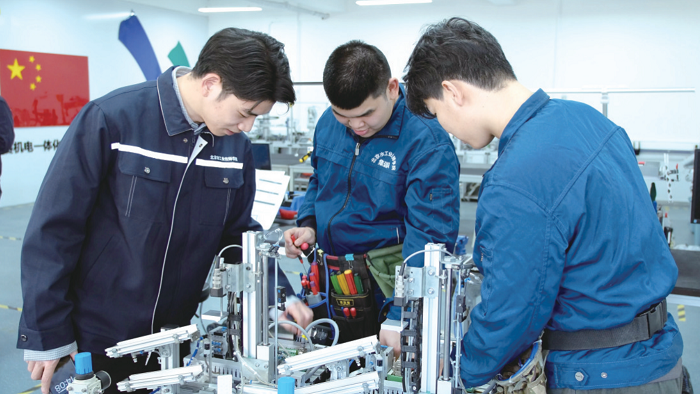
Core Viewpoint - The article highlights the dedication and training of young talents at the Beijing Industrial Technician College as they prepare for the 48th World Skills Competition, emphasizing the importance of skilled workers in advancing China's manufacturing capabilities [1][7]. Group 1: Training and Preparation - Young competitors are training rigorously at the national training base for the World Skills Competition, aiming to represent China on an international stage [1]. - Participants in the water treatment technology project are learning to integrate knowledge from various disciplines to become future engineers in modern wastewater treatment [4]. - In the CNC machining training base, competitors are engaged in precision manufacturing, with their work being evaluated through rigorous quality checks [5]. Group 2: Skill Development and Recognition - The article discusses the evolution of the training program at the Beijing Industrial Technician College, which has developed a comprehensive selection mechanism and training system over the years [7]. - The college's achievements in the World Skills Competition have transformed the perception of vocational education, showcasing that skilled workers are essential for national manufacturing upgrades [7]. - The narrative emphasizes the importance of cultivating high-skilled talents and the need for a strong workforce in the manufacturing sector to enhance China's industrial strength [10][11]. Group 3: Broader Implications - The article reflects on the broader implications of skill development for national manufacturing, indicating that the lack of skilled workers can hinder the effective use of advanced technology and equipment [9][10]. - It stresses that a strong industrial nation requires a robust base of skilled technicians and craftsmen, highlighting the critical role of vocational training in achieving this goal [9][10].

兰州新区化工园区:戈壁荒滩蝶变产业高地
Zhong Guo Hua Gong Bao· 2026-02-08 07:17
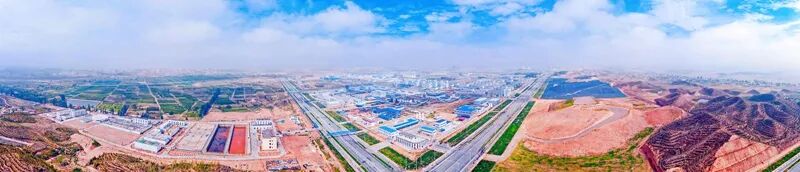
Core Viewpoint - The Lanzhou New Area Chemical Park has made significant progress in developing a modern, green, and intelligent chemical industry hub, integrating into Gansu Province's regional development strategy and focusing on innovation, safety, and environmental protection. Group 1: Development Progress - Over the past five years, the Lanzhou New Area Chemical Park has transformed from a barren land into a thriving industrial base, with 151 operational enterprises and an expected industrial output value of over 13 billion yuan by 2025 [2][4] - The park has been recognized as a key base for foreign trade transformation and upgrading, and it has been included in the top 100 chemical parks in China [4] Group 2: Industry Focus and Achievements - The park focuses on fine chemicals, new chemical materials, and high-end specialty chemicals, with the number of projects increasing from 107 in 2020 to 267 currently [4] - It has developed over 1,000 chemical products, with 120 breaking import monopolies and 220 achieving export sales [4] Group 3: Innovation and R&D - The park has invested over 3 billion yuan in R&D, achieving breakthroughs in 46 key technologies and localizing the production of critical products [7] - Collaboration with academic institutions has led to the establishment of innovation platforms, enhancing the park's technological capabilities [7] Group 4: Safety and Environmental Management - A comprehensive smart management platform has been established, significantly improving safety monitoring and emergency response times [14][15] - The park has implemented a dual prevention mechanism for safety and environmental protection, achieving a low safety risk level and being recognized as a model for safety management in Gansu Province [14] Group 5: Infrastructure and Service Optimization - The park has developed extensive infrastructure, including a 60-kilometer road network and various utility facilities, enhancing operational efficiency [20] - Service improvements have led to a 96% satisfaction rate among enterprises, with significant cost reductions and increased logistics efficiency [20] Group 6: Future Goals - By 2030, the park aims to achieve an industrial output value of 100 billion yuan, with a focus on high-end products and innovation [22] - Plans include the establishment of a comprehensive smart management system and the cultivation of a deep integration of industry, academia, and research [22]
咋了?农药巨头正在考虑,把自己卖了!
Zhong Guo Hua Gong Bao· 2026-02-08 07:07
Core Viewpoint - FMC Corporation is exploring various strategic options, including the potential sale of the company, due to significant financial challenges and declining revenues [1][2] Financial Performance - FMC reported a revenue of $3.47 billion for 2025, a decrease of 18% compared to 2024, primarily due to a 6% drop in product prices [1] - The company experienced a net loss of $2.24 billion for the year, which is a reduction of $2.58 billion from the previous year [1] - For 2026, FMC expects revenues to be between $3.6 billion and $3.8 billion, reflecting a 5% decline from the previous year [2] - Adjusted EBITDA is projected to be between $670 million and $730 million, a 17% decrease year-over-year [2] Strategic Challenges - The expiration of the patent for the insecticide Rynaxypyr has posed strategic and operational challenges for FMC [1] - The company is facing ongoing debt issues, with a plan to repay $1 billion through asset sales and licensing agreements [1] - Standard & Poor's downgraded FMC's credit rating from BBB- to BB+, indicating a non-investment grade status, due to anticipated competitive pressures from generic products, particularly in Latin America and Asia [2] Business Outlook - FMC's chairman and CEO, Pierre Brondeau, emphasized the focus on implementing operational plans to strengthen the balance sheet and enhance overall business competitiveness by 2026 [2] - The company is optimistic about its four new active ingredients and believes that increased investment in these technologies could significantly enhance shareholder value [1]
化工巨头又退出一项业务
Zhong Guo Hua Gong Bao· 2026-02-07 05:42
Core Viewpoint - Mitsubishi Chemical announced its exit from the coking and carbon materials business operated by its subsidiary, which includes needle coke and pitch coke products, due to a prolonged downturn in the overseas coking market [1] Group 1: Business Exit Details - The company expects a non-recurring loss of approximately 85 billion yen from this business exit [1] - Production of related products is scheduled to cease in the second half of 2027, with sales gradually reducing and equipment to be dismantled promptly after production halts [1] - The exited business generated revenue of 115.7 billion yen for the fiscal year ending March 2025 and employed around 600 staff as of February 2, 2026 [1] Group 2: Market Conditions - The decision to exit is attributed to a persistent slump in steel demand and oversupply in the global coking market, leading to a supply-demand imbalance [1] - The carbon materials production system is closely tied to coke oven operations, meaning that the cessation of coke production will directly impact the cost structure of the carbon materials business [1] - Given the ongoing oversupply and weak demand in the industry, Mitsubishi Chemical believes that stopping coke production is the most viable development option [1] Group 3: Strategic Shift - In recent years, Mitsubishi Chemical has accelerated its exit from traditional petrochemical businesses, having decided at the end of 2021 to phase out oil and coal chemical operations over several years [1] - The company has also announced exits from the PET bottle business and has undertaken a series of restructuring actions, including the closure of the Mitsubishi Chemical Shimonoseki and Shinryo Hama factories [1]
“十四五”石化行业经济运行整体稳中有进
Zhong Guo Hua Gong Bao· 2026-02-06 12:04
Core Insights - The petrochemical industry in China is expected to see significant growth in revenue and profit by 2025, with revenue projected to reach 15.67 trillion yuan, a 41.4% increase from 2020, and total profit expected to be 702.09 billion yuan, a 36.2% increase from 2020 [2][3] Group 1: Industry Performance - During the "14th Five-Year Plan" period, the petrochemical industry's average annual revenue growth rate is projected to be 4%, while the average annual profit growth rate is expected to be 6.4% [2] - The industrial added value is anticipated to grow by 6.9% compared to 2024, surpassing the national industrial added value growth rate by 1 percentage point [2] Group 2: Market Dynamics - The industry is responding to external environmental changes and domestic supply-demand imbalances, maintaining stable economic operations and contributing positively to national energy and food security [3] - Key energy and chemical production is stable, with crude oil production increasing for seven consecutive years and natural gas production increasing for nine consecutive years [3] Group 3: Future Outlook - The petrochemical industry is expected to face challenges in structural adjustment and optimization, as well as in original innovation and key technology development [3][4] - However, opportunities arise from global industrial chain restructuring and moderate global economic growth, suggesting that the industry will transition from a "bottom wandering" phase to a "bottom recovery" phase in 2026 [3] Group 4: Strategic Focus - The industry needs to balance traditional and emerging strategic industries, transition between old and new development drivers, and manage fossil and low-carbon resources effectively [4] - Emphasis will be placed on quality improvement and efficiency, with a focus on independent innovation, structural upgrades, and green low-carbon transformation [5]
生态环境领域科技成果转化绿皮书发布
Zhong Guo Hua Gong Bao· 2026-02-06 04:48
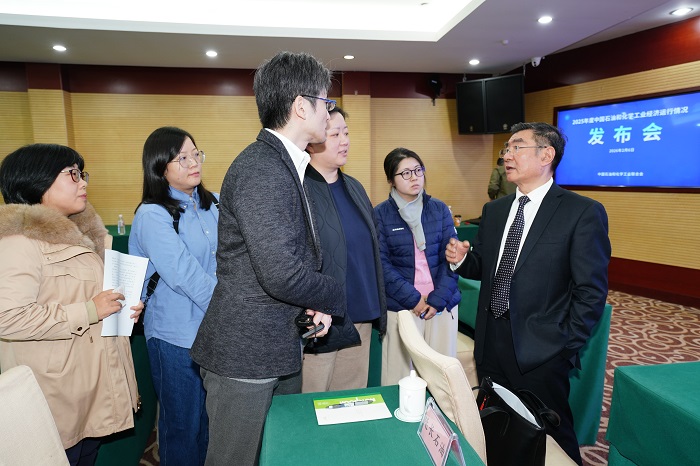
Core Viewpoint - The "Green Book on the Transformation of Scientific and Technological Achievements in the Ecological Environment Sector (2025)" highlights the shift of ecological environment technology in China towards solving practical problems, with achievement transformation becoming a core engine driving green, low-carbon, and high-quality development [1] Policy Guidance - The policy framework is increasingly完善, with laws such as the "Law of the People's Republic of China on Promoting the Transformation of Scientific and Technological Achievements" and the "Law of the People's Republic of China on Scientific and Technological Progress" establishing a solid legal foundation [1] - Key reforms in职务科技成果赋权, evaluation reform, and state-owned asset management innovation have effectively stimulated transformation vitality [1] Practical Innovation - A diverse transformation ecosystem is formed by local explorations, innovations from universities and research institutions, and enterprise-led initiatives [1] - In 2024, the total amount of transformation contracts from units under the Ministry of Ecology and Environment reached 4.07 billion yuan, with an average annual growth of approximately 7% [1] - Over 80% of typical case analyses show that enterprise-led cases dominate, with transformation clusters forming in regions such as the Yangtze River Delta, Beijing-Tianjin-Hebei, and Guangdong-Hong Kong-Macao [1] - Process and product innovations are becoming the leading forms of transformation [1] Future Outlook - The "Green Book" emphasizes the need to address challenges such as insufficient high-quality supply of achievements, weak pilot testing, and inadequate financial support [1] - It advocates for the construction of a new transformation ecosystem that deeply integrates government, industry, academia, research, application, and finance [1] - The goal is to promote deep collaboration between technological innovation and industrial innovation, injecting continuous momentum into the modernization of harmonious coexistence between humans and nature [1]
南化获评重污染天气绩效A级
Zhong Guo Hua Gong Bao· 2026-02-06 04:27
南化公司持续加大环保投入,累计投资1.68亿元推进大气污染防治提标改造项目,确保有机废气处理等 关键指标全面达到A级标准。同时,公司依托自身研发优势,自主创新破解行业环保难题研发钠碱吸收 技术,成功应用于大型硫酸生产装置酸雾尾气治理,通过"碱洗脱硫+两级电除雾"组合工艺,实现硫酸 雾去除率超90%,二氧化硫及硫酸雾排放指标均优于特别排放限值。 中化新网讯近日,江苏省生态环境厅发布2025年度重污染天气重点行业绩效评价A级、引领性和B(含 B-)级企业公示名单。中国石化集团南京化学工业有限公司(以下简称南化公司)通过省级部门审核评定, 获评石油化工行业重污染天气绩效A级企业。 据悉,重污染天气绩效A级标准不仅对污染物排放浓度提出了远严于国标、地标的超低要求,更构建了 涵盖装备水平、工艺管控、能源清洁度、无组织排放治理、监测监控体系、清洁运输及环境管理水平等 全链条的严苛评价体系,实行"短板原则",任何一项指标不达标即无法获评。对于获评A级的企业,监 管部门将纳入"正面清单",实施"无事不扰"的差异化监管。 为实现"达A"目标,南化公司系统开展自评自纠、材料申报与现场整改提升工作,全面梳理环保管理短 板,优化完善 ...
宁夏宁东科技创业投资有限公司现代煤化工中试平台:打造煤化工产业的“西部试验田”
Zhong Guo Hua Gong Bao· 2026-02-06 04:01
Core Insights - The Ningxia Ningdong Energy and Chemical Base plays a crucial role in the national energy strategy, with its modern coal chemical pilot platform serving as a key hub for connecting laboratory research and industrialization [1] Group 1: Importance of the Pilot Platform - The pilot platform is the first of its kind in the Northwest region and addresses common challenges in chemical pilot projects, such as lengthy approvals and slow implementation [1] - It employs a collaborative model of "Eastern R&D + Western maturation" and a "1+N+X" service system to attract innovation resources to the West, fostering the development of coal-based new materials and green chemicals [1] Group 2: Policy Innovations for Accelerating Technology Transfer - The platform has introduced innovative policies to streamline the approval process, allowing pilot projects to be completed within two months from initiation to entry [2] - It has successfully attracted 41 projects, with 70% sourced from Eastern regions, and established a technology investment model that promotes rapid industrialization of high-tech achievements [2] Group 3: Comprehensive Support Infrastructure - The platform features a production operation center, collaborative innovation center, and testing center, along with advanced facilities and a shared equipment platform to support enterprises from small trials to industrialization [3] - It has invested approximately 188 million yuan in advanced equipment, achieving domestic and international standards in various technologies [3] Group 4: Deep Engagement in Project Development - The platform actively collaborates with companies to optimize processes and improve product yields, exemplified by a lithium battery project that increased yield from 78% to 82% [4] - It has also addressed production challenges in other projects, demonstrating its role as an "innovation partner" rather than just a service provider [4] Group 5: Building a Sustainable Innovation Ecosystem - The platform aims to create a sustainable innovation ecosystem by linking a core pilot platform with multiple enterprise pilot workshops and national research institutions [5] - It focuses on a comprehensive R&D transformation system, targeting key areas such as industrial catalysis and green chemistry to support high-quality development in the Ningdong coal chemical industry [6] Group 6: Future Development Goals - The platform's short-term goal is to become a leading pilot platform in China, covering key industrial chains and meeting diverse technological needs [6] - In the long term, it aims to establish multiple public pilot lines for low-risk common technologies, supporting the transition of the modern coal chemical industry towards high-end and green development [6]

智能优化控制让锅炉降耗减排
Zhong Guo Hua Gong Bao· 2026-02-06 04:01
Core Insights - The company has implemented an advanced process control (APC) system integrated with industrial large models to optimize boiler operations, enhancing efficiency and environmental performance [1][2] - The traditional boiler control relied on manual experience, which led to inefficiencies in energy consumption and emissions [1] - The new intelligent control platform allows for data-driven, multi-variable coordination, significantly improving combustion and environmental optimization [2] Group 1: Technological Advancements - The integration of an AI-driven control system represents a significant upgrade from traditional automation, focusing on both economic and environmental benefits [2] - The system employs soft measurement and automatic online optimization mechanisms to create a coal coordination control strategy based on energy balance [2] - Real-time data collection enables dynamic adjustments to coal and air ratios, improving denitrification efficiency and reducing nitrogen oxide emissions [2] Group 2: Environmental and Economic Impact - Since the system's operation, it has reduced carbon dioxide emissions and decreased other pollutants such as nitrogen oxides, sulfur dioxide, and particulate matter by 556.4 kilograms [2] - The company anticipates annual cost savings of 843,000 yuan, achieving a balance between environmental protection and economic efficiency [2]

环境新规冲击欧洲化工行业
Zhong Guo Hua Gong Bao· 2026-02-06 03:55
Group 1 - The European chemical industry faces increased pressure due to new climate and circular economy regulations set to be implemented by the EU in 2026, raising compliance costs and weakening competitiveness [1] - The EU Carbon Border Adjustment Mechanism (CBAM) will officially take effect on January 1, 2026, covering fertilizers and hydrogen, with a potential expansion to the refining and chemical sectors by 2028 [1] - The EU Emissions Trading System (EU ETS) will gradually eliminate free emission allowances by 2034, posing long-term challenges for chemical and petrochemical producers [1] Group 2 - The fertilizer industry is particularly impacted by CBAM, with significant fees for imports from Turkey, Egypt, and Morocco, which could undermine the international competitiveness of EU fertilizer companies [2] - The EU's target to reduce greenhouse gas emissions by 90% by 2040 compared to 1990 levels is accompanied by flexible provisions, leading to concerns about the balance between economic realities and climate goals [2] - The Circular Economy Act (CEA) aims to double the EU's circular economy rate by 2030, transitioning the industry from a linear to a circular economic model, with the European Chemical Industry Council proposing an action plan to address regulatory coordination and innovation [2] Group 3 - The EU Packaging and Packaging Waste Regulation (PPWR) requires that by 2030, all EU packaging be recyclable or reusable, adding uncertainty to the industry due to unclear implementation details [3] - The European plastic recycling industry faces challenges from insufficient infrastructure and technological bottlenecks, exacerbated by policy uncertainties that hinder projects like chemical recycling [3] - The EU's stringent environmental regulations and approval processes are seen as key factors undermining the global competitiveness of its petrochemical industry, with high compliance and carbon tax costs creating an uneven playing field [4] Group 4 - The current global petrochemical industry is experiencing a downturn due to weak demand and overcapacity, further complicating the operational challenges faced by EU petrochemical companies [4] - Despite the EU's commitment to save the chemical industry at least €363 million annually in compliance costs, companies continue to call for improved regulatory efficiency [4]