
Zhong Yang Ji Wei Guo Jia Jian Wei Wang Zhan

Search documents
悟规律 明方向 学方法 增智慧丨以辩证思维做好纪检监察工作
Zhong Yang Ji Wei Guo Jia Jian Wei Wang Zhan· 2025-11-25 00:33
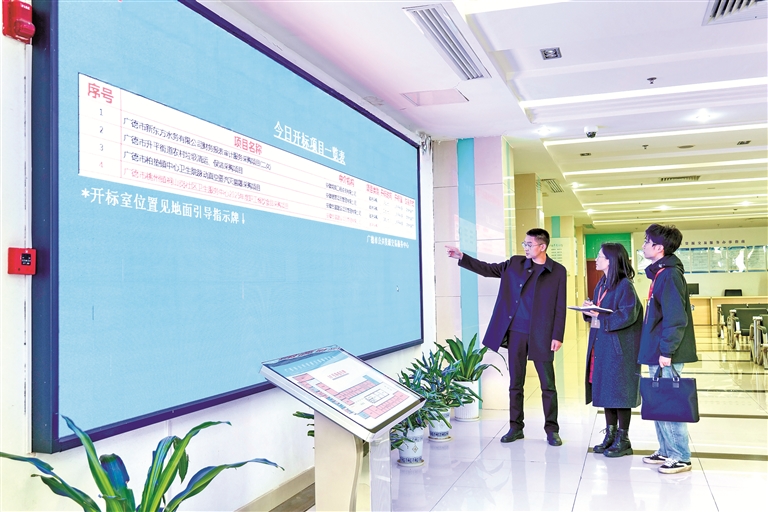
Core Viewpoint - The article emphasizes the importance of dialectical thinking in promoting high-quality development of discipline inspection and supervision work, highlighting the need to address corruption and improve governance through systematic and targeted approaches [4][10][14]. Group 1: Dialectical Thinking in Governance - Dialectical thinking is essential for understanding the internal characteristics and connections of discipline inspection and supervision work, enhancing the systematic and coordinated approach to governance [6][11]. - The integration of "key minority" and "absolute majority" in governance reflects a valuable experience in strict party management, emphasizing the need for higher standards for senior officials while maintaining general requirements for all party members [5][7]. Group 2: Focus on Key Issues - Identifying and addressing key issues and critical links is crucial for advancing discipline inspection work, with a focus on prominent problems in specific sectors such as engineering construction [8][12]. - The article discusses the need for a comprehensive approach to tackle systemic corruption risks, particularly in the engineering construction sector, by enhancing supervision and accountability mechanisms [8][12]. Group 3: Practical Applications and Strategies - The implementation of targeted strategies, such as the establishment of a public resource trading supervision committee and the use of AI models for regulatory efficiency, is highlighted as a means to improve governance in the bidding and tendering process [12][14]. - Continuous education and management of party members are emphasized to foster a culture of integrity and accountability, thereby enhancing the overall effectiveness of anti-corruption efforts [6][10].

纪检监察工作高质量发展·践悟丨护航区域协调发展战略落地落实
Zhong Yang Ji Wei Guo Jia Jian Wei Wang Zhan· 2025-11-25 00:33
Core Viewpoint - The article emphasizes the importance of political supervision in ensuring the effective implementation of regional coordinated development strategies in China, particularly focusing on the roles of local disciplinary inspection and supervision agencies in various regions [6][18]. Group 1: Regional Coordination Development - The Sichuan-Chongqing economic circle is highlighted as a key area for national development, requiring focused political supervision to ensure high-quality development [7]. - Hubei's strategy involves enhancing regional collaboration and integrating with surrounding urban clusters to boost economic competitiveness [8]. - Anhui's approach includes leveraging its strategic advantages in national development plans to ensure effective political supervision and collaboration with other regions [9]. Group 2: Supervision Mechanisms - The article discusses the establishment of collaborative supervision mechanisms across regions and departments to address issues such as information barriers and project delays [11][12]. - Emphasis is placed on creating a multi-dimensional supervision system that integrates data sharing and real-time monitoring to enhance accountability [10][16]. - The need for a systematic approach to supervision is underscored, focusing on key tasks and areas to ensure effective implementation of national strategies [15][16]. Group 3: Challenges and Solutions - The article identifies challenges such as bureaucratic inertia, lack of accountability, and regional protectionism that hinder effective regional coordination [14][15]. - Solutions proposed include enhancing communication between departments, establishing clear responsibilities, and implementing strict accountability measures for non-compliance [12][15]. - The importance of addressing local protectionism and ensuring the free flow of resources across regions is highlighted as essential for achieving coordinated development [18].
群众工作札记丨托起幸福“夕阳红”
Zhong Yang Ji Wei Guo Jia Jian Wei Wang Zhan· 2025-11-25 00:33
Core Viewpoint - The article highlights the improvements in elderly care services in Xiayi County, Henan Province, driven by enhanced supervision and governance mechanisms, addressing issues such as food quality and service standards for the elderly [1][2]. Group 1: Issues Identified - The county's disciplinary inspection and supervision found significant public complaints regarding elderly care services, including poor food quality, inadequate service, and risks of fraud [1]. - Key problems included lax financial oversight, inaccurate subsidy distribution, and non-compliance in service provision, which negatively impacted the elderly's sense of security and well-being [1]. Group 2: Measures Taken - A comprehensive approach was adopted, involving collaboration with various departments to address the root causes of issues in elderly care services [2]. - Specific actions included establishing a unique identification system for seniors over 80 to prevent fraudulent claims, resulting in the accurate distribution of subsidies totaling 11.75 million yuan to 33,133 elderly individuals [2]. - The county also implemented management guidelines for community elderly care centers and equipped 18 centers with necessary facilities to enhance service quality [2]. Group 3: Ongoing and Future Initiatives - To prevent recurrence of issues, a joint supervision model was established, including a dedicated monitoring office for elderly meal services and real-time oversight at food processing centers [3]. - The county is enhancing public reporting channels through online and offline platforms, ensuring transparency and accountability in elderly care services [3]. - Future plans include continuous monitoring of new challenges in elderly care and refining the supervision and improvement mechanisms to strengthen service guarantees for the elderly [3].
湖北精准监督破解不动产“登记难”让群众安居更安心
Zhong Yang Ji Wei Guo Jia Jian Wei Wang Zhan· 2025-11-25 00:33
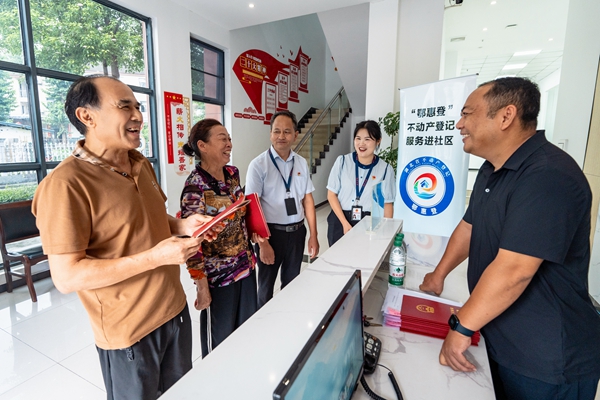
Core Viewpoint - The article highlights the efforts of the Hubei Provincial Commission for Discipline Inspection and Supervision to address the "difficulties in real estate registration" as a key livelihood issue, emphasizing the importance of collaboration among various departments to enhance service quality and efficiency for the public [6][7]. Group 1: Problem Identification and Response - Hubei Province has resolved 326,700 cases of "registration difficulties," reflecting the complexity of historical issues and the commitment of the disciplinary inspection and supervision agencies [7]. - The provincial disciplinary inspection and supervision committee has initiated a comprehensive campaign to address the "registration difficulties" since August 2024, focusing on collecting public feedback and implementing targeted solutions [7]. - The principle of "no fault of the public, immediate certification" is central to the campaign, although the causes of registration difficulties are complex, often involving multiple historical issues [7][8]. Group 2: Mechanism Innovation - The provincial committee has established a collaborative mechanism involving eight key departments, creating regular joint meetings and clear guidelines to facilitate problem resolution [8]. - Local governments, such as in Shiyan City, have implemented innovative reforms to streamline the registration process, separating responsibilities and ensuring that the rights of homebuyers are protected [8][9]. - The introduction of "embedded supervision" in Jingzhou City has significantly improved departmental collaboration and reduced the time taken to resolve issues by nearly 60% [9]. Group 3: Service Improvement and Public Feedback - The article emphasizes the importance of public sentiment in evaluating the effectiveness of the reforms, with initiatives like "dual-channel" services and "cloud services" for residents unable to visit registration centers [10]. - The provincial committee has focused on enhancing service quality and efficiency, with measures such as dedicated service windows and proactive outreach to communities [10][11]. - The systematic approach to addressing issues in real estate registration has led to a significant reduction in bureaucratic obstacles, improving the overall experience for citizens [11][12]. Group 4: Systematic Governance and Long-term Solutions - The provincial committee has implemented a closed-loop mechanism for supervision, focusing on identifying and addressing corruption and inefficiencies in the registration process [11][12]. - A comprehensive investigation into unregistered properties has been initiated, with a focus on ensuring that historical issues are resolved without compromising legal standards [12][13]. - The article discusses the importance of preventive measures to avoid future registration difficulties, including stricter oversight of the development process and improved inter-departmental communication [13][14]. Group 5: Case Study and Community Impact - The article features a case study from the Banqiao Pupu community, where residents received their property certificates after a prolonged wait, highlighting the positive impact of the reforms on individual lives [16][17]. - The proactive involvement of the disciplinary inspection and supervision agencies in addressing community concerns has led to successful resolution of complex historical issues, fostering a sense of security among residents [16][18].
本领论 | 坚持两点论和重点论的统一
Zhong Yang Ji Wei Guo Jia Jian Wei Wang Zhan· 2025-11-25 00:33
Core Viewpoint - The article emphasizes the importance of dialectical thinking in understanding and addressing the complexities of both domestic and international environments, highlighting the need for a comprehensive approach to recognize opportunities and challenges in the context of China's development and global changes [2][3]. Group 1: Dialectical Thinking - Dialectical thinking is presented as a crucial method for analyzing contradictions and understanding the development of various phenomena, advocating for a holistic and interconnected perspective [2][3]. - The concept of "two-point theory" is introduced, which suggests that one should view issues from both positive and negative angles, ensuring a balanced understanding of economic conditions [3]. - The article stresses the necessity of recognizing both the strengths and challenges within China's economic framework, emphasizing the resilience and potential for long-term growth despite current difficulties [3]. Group 2: Key Principles - The "key point theory" is discussed, which focuses on identifying and addressing the main contradictions and their primary aspects to drive overall progress [4][5]. - The article highlights the importance of technological self-reliance and innovation as critical areas for advancing high-quality development, indicating that breakthroughs in these areas can lead to broader economic improvements [4]. - The need for a nuanced approach to problem-solving is emphasized, advocating for specific analyses of unique situations rather than applying a one-size-fits-all solution [6]. Group 3: Practical Applications - The article illustrates the application of dialectical thinking in governance, particularly in balancing market forces and government intervention to optimize resource allocation [3]. - It discusses the significance of adapting strategies to local conditions, particularly in developing new productive forces and addressing environmental goals, to ensure effective implementation [6]. - The emphasis on comprehensive and coordinated policy measures reflects the need for a unified approach while considering regional differences in resource distribution and industrial structure [6].
西藏完善工作机制强化制度建设 织密基层监督网
Zhong Yang Ji Wei Guo Jia Jian Wei Wang Zhan· 2025-11-25 00:33
Group 1 - The core viewpoint emphasizes the effectiveness of the collaborative mechanism in enhancing supervision and case handling quality in Tibet's disciplinary inspection and supervision agencies [1][2] - The Baidi Town Discipline Inspection Commission identified abnormal fund flows in a village, leading to a deeper investigation and the initiation of a collaborative work mechanism by the Bayi District Discipline Inspection Commission [1] - The investigation revealed that the former secretary of the village party committee misappropriated and embezzled collective funds, resulting in three additional related issues being uncovered and three individuals being prosecuted [1] Group 2 - Various levels of disciplinary inspection and supervision agencies in Tibet are continuously improving work mechanisms to integrate personnel and deepen supervision and case handling [2] - In 2023, the inspection agencies in Shigatse City conducted over 640 supervisory checks, prompting the rectification of more than 1,980 issues and the handling of over 510 problem clues, leading to more than 210 cases being filed [2] - The Tibet Autonomous Region's Discipline Inspection Commission has streamlined county-level institutions by reducing 20 internal units, optimizing the allocation of personnel towards frontline supervision and investigation [2][3] Group 3 - The establishment of clear responsibilities and detailed measures in the institutional mechanisms is crucial for long-term governance [3] - The Lhasa City Discipline Inspection Commission is guiding the construction of village-level supervision systems and the establishment of community discipline inspection teams to enhance problem detection capabilities [3] - The Shannan City Discipline Inspection Commission has developed guidelines for the supervision and enforcement of township-level institutions, clarifying responsibilities and enhancing the effectiveness of grassroots supervision [3]
湖南聚焦政绩观偏差突出问题督促扛牢责任树立正确导向
Zhong Yang Ji Wei Guo Jia Jian Wei Wang Zhan· 2025-11-25 00:33
中央纪委国家监委网站 皮家璇 正确政绩观是从政之德、从政之道、施政之要。二十届中央纪委四次全会强调,教育引导干部牢固树立 和践行正确政绩观。 湖南省纪委监委开展深化"树牢正确政绩观,推动高质量发展"主题监督,将其作为2025年全省纪检监察 机关推进政治监督具体化、精准化、常态化的重要抓手,紧盯政绩观偏差突出问题,强化日常监督,促 进形成以正确政绩观推动高质量发展的鲜明导向。 在加大突出问题整治力度的同时,该省纪委监委同步指导各市州开展"一市一专题治理"。怀化市纪委监 委严肃查处麻阳县平台公司为偿还政府隐性债务违规设置收费停车位问题,处理处分15人,留置3人。 岳阳市纪委监委推动市县两级单位制定并落实履职用权正负面清单,将市公共资源交易中心、市城投集 团等10家市直单位和3个县(市、区)纳入监督改革试点范围,紧盯重点领域、重要岗位领导干部权 责,督促制定完善资金管理、招投标采购、选人用人等制度。 聚焦政绩观错位、权力观扭曲、事业观偏差等方面突出问题,湖南省各级纪检监察机关推动相关单位扎 实做好以案促改促治。 湖南省委巡视办深入查找"一把手"和领导班子政绩观扭曲偏差突出问题,形成巡视"政治画像"。湖南省 纪委监委 ...
吉林省财政厅党组书记、厅长陈宇龙接受纪律审查和监察调查
Zhong Yang Ji Wei Guo Jia Jian Wei Wang Zhan· 2025-11-24 09:19
(吉林省纪委监委) 中央纪委国家监委网站讯 据吉林省纪委监委消息:吉林省财政厅党组书记、厅长陈宇龙涉嫌严重违纪 违法,主动向组织交代问题,目前正接受吉林省纪委监委纪律审查和监察调查。 ...
山东省政协提案委员会原副主任毕荣青被开除党籍和公职
Zhong Yang Ji Wei Guo Jia Jian Wei Wang Zhan· 2025-11-24 08:05
(山东省纪委监委) 经查,毕荣青丧失理想信念,背弃初心使命,对抗组织审查;无视中央八项规定精神,违规收受礼品、 礼金、消费卡,接受可能影响公正执行公务的旅游等活动安排;违反组织原则,隐瞒不报个人有关事 项;廉洁底线失守,违规拥有非上市公司股份;贪欲膨胀,以权谋私,利用职务便利为他人在土地出 让、企业经营等方面谋利,并非法收受巨额财物。 毕荣青严重违反党的政治纪律、组织纪律和廉洁纪律,构成严重职务违法并涉嫌受贿犯罪,且在党的十 八大后不收敛、不收手,性质严重,影响恶劣,应予严肃处理。依据《中国共产党纪律处分条例》《中 华人民共和国监察法》《中华人民共和国公职人员政务处分法》等有关规定,经山东省纪委常委会会议 研究并报山东省委批准,决定给予毕荣青开除党籍处分;由山东省监委给予其开除公职处分;收缴其违 纪违法所得;将其涉嫌犯罪问题移送检察机关依法审查起诉,所涉财物一并移送。 中央纪委国家监委网站讯 据山东省纪委监委消息:经山东省委批准,山东省纪委监委对省政协提案委 员会原副主任毕荣青严重违纪违法问题进行了立案审查调查。 ...
兰州大学第二医院原院长王琛被开除党籍和公职
Zhong Yang Ji Wei Guo Jia Jian Wei Wang Zhan· 2025-11-24 08:05
王琛严重违反党的政治纪律、中央八项规定精神、组织纪律、廉洁纪律、群众纪律、工作纪律和生活纪 律,构成严重职务违法并涉嫌受贿犯罪,且在党的十八大后不收敛、不收手,性质严重,影响恶劣,应 予严肃处理。依据《中国共产党纪律处分条例》《中华人民共和国监察法》《中华人民共和国公职人员 政务处分法》等有关规定,经甘肃省纪委常委会会议研究,决定由兰州大学纪委给予王琛开除党籍处 分、国家监委驻兰州大学监察专员办公室给予其开除公职处分;收缴其违纪违法所得;由甘肃省监委将 其涉嫌犯罪问题移送检察机关依法审查起诉,所涉财物一并移送。 (甘肃省纪委监委、兰州大学纪委) 经查,王琛作为医疗领域党员领导干部,丧失理想信念,背弃初心使命,无视纪法红线,严重败坏医德 医风。对党不忠诚、不老实,与他人串供、订立攻守同盟,销毁涉案证据,转移隐匿财产,对抗组织审 查调查;罔顾中央八项规定精神,违规收受礼金、消费卡,接受可能影响公正执行公务的宴请,借用管 理服务对象车辆,让他人支付个人费用;违背组织原则,任人唯私,为他人在职称晋升、招录聘用方面 谋取利益;干预插手市场经济活动;违规向私营企业摊派费用,侵害群众利益;家风不正,对配偶失管 失教。贪婪成 ...