Ju Chao Zi Xun

Search documents
传vivo叫停AI眼镜项目 官方暂无回应
Ju Chao Zi Xun· 2026-01-23 02:48
Core Viewpoint - Vivo has halted its AI glasses project after about six months of secret preparation, indicating a strategic shift towards mixed reality (MR) development instead of pursuing AI glasses due to concerns over product differentiation and market competition [1][3][5] Group 1: Project Details - The AI glasses project involved collaboration with several well-known ODMs, including GoerTek and Zhongke Chuangda, to develop prototype products but did not reach mass production [1] - Internal discussions at Vivo explored various forms and technical paths for the AI glasses, including integrating audio and video functions and equipping a single green display [3] - The decision to pause the project was influenced by the assessment from Vivo's management, led by Executive Vice President Hu Baishan, who concluded that the current AI glasses lacked significant differentiation in user experience and core functionality compared to existing and potential competitors [3] Group 2: Strategic Shift - The halt of the AI glasses project does not signify a withdrawal from exploring new human-computer interaction interfaces; rather, it reflects a reallocation of resources and a clearer strategic focus [3][5] - Vivo will continue to concentrate on MR research and development, having already launched a substantial product in this area, the "Vivo Vision Exploration Edition" MR headset, set to be released in August 2025 [3][4] - The Vivo Vision Exploration Edition emphasizes comfort with a weight of 398 grams and features a Qualcomm Snapdragon XR2+ platform, which reportedly offers 2.5 times the performance of its predecessor [4] Group 3: Market Implications - Vivo's decisive adjustment to the AI glasses project highlights the cautious approach of consumer electronics giants in the face of cutting-edge hardware innovation, emphasizing the need to avoid homogenized competition and find paths with genuine user value and technological barriers [5] - The focus on the MR sector, which is perceived to have greater differentiation potential, illustrates Vivo's strategic choices and prioritization of resources [5] - As MR/AR/VR technologies continue to evolve and market education deepens, Vivo's future actions in the MR field and its strategy to build a collaborative ecosystem centered around smartphones and MR devices will be of significant interest to the industry [5]


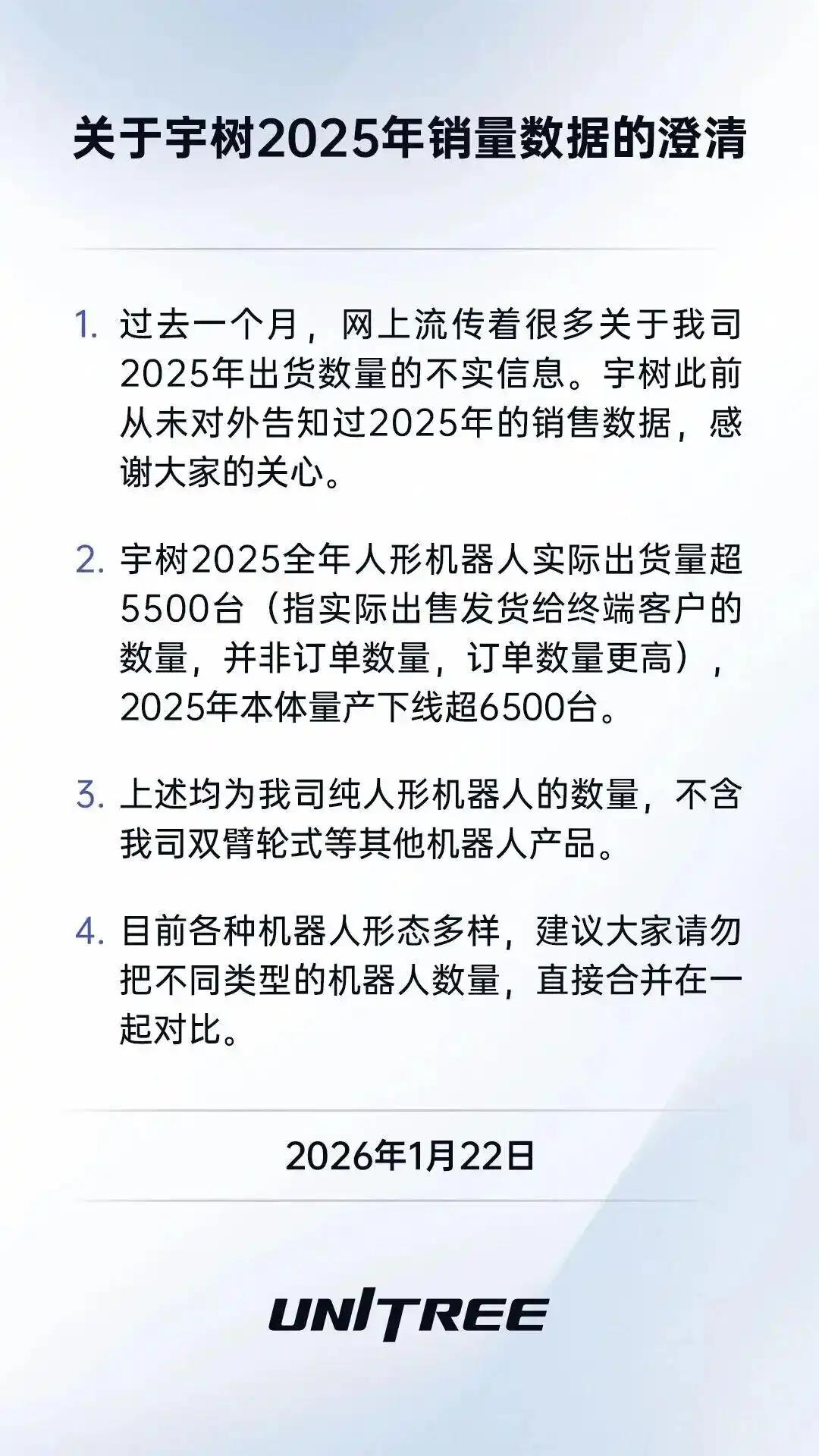
宇树科技澄清:2025年人形机器人实际出货超5500台
Ju Chao Zi Xun· 2026-01-23 02:41
宇树科技在声明中同时呼吁,由于当前机器人形态多样,应用场景各异,建议业界与公众避免将不同类型(如人形与四足)机器人的销售数量简单合并对 比,应区分品类进行评估。 根据公开信息,宇树科技的产品矩阵涵盖四足机器人和人形机器人等多品类。尽管近年来其人形机器人因前沿技术备受瞩目,但四足机器人业务仍是公司 稳健发展的"基本盘"。 去年9月披露的信息显示,宇树科技2024年的收入结构中,四足机器人、人形机器人及相关零部件产品的销售额占比分别为65%、30%和5%。其中,约 80%的四足机器人应用于科研、教育和消费领域,其余20%用于巡检、消防等工业场景;而人形机器人则全部聚焦于科研、教育和消费领域。 在这份备受关注的声明中,宇树科技首次明确了其核心产品之一——纯人形机器人——在2025年的关键经营数据:实际出货量超过5500台(指已实际出售 并发货给终端客户的数量),同时,本体量产下线数量超过6500台。公司特别说明,上述数据均为纯人形机器人业务板块的统计,不包含其双臂轮式机器 人等其他产品线的销量。 此次公布的实际出货数据,显著高于市场研究机构Omdia此前的预测。Omdia在近期发布的《通用具身机器人市场雷达》报告中 ...

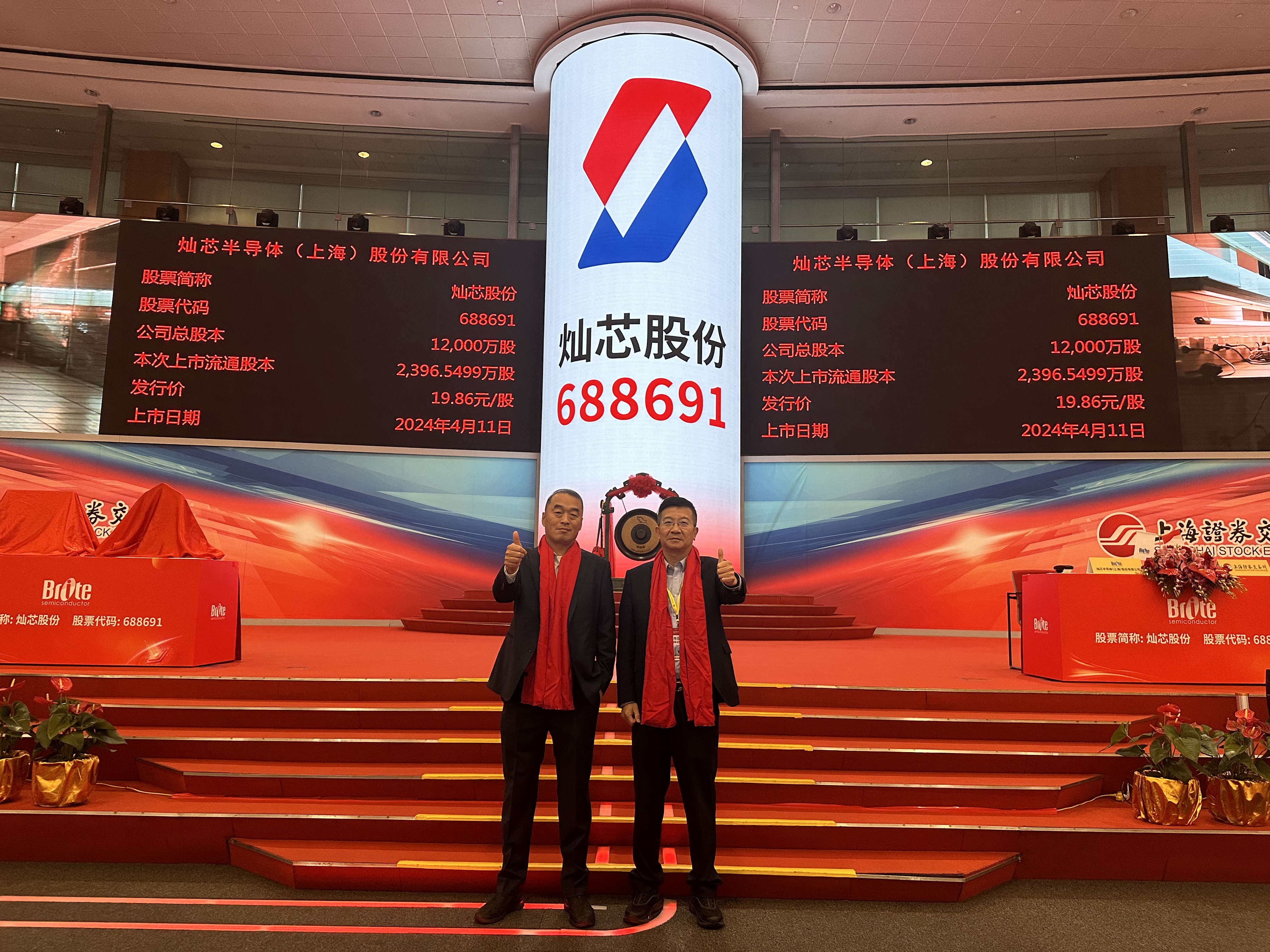
灿芯股份2025年预亏1.1亿-1.5亿,在手订单约9亿元
Ju Chao Zi Xun· 2026-01-22 10:36
Group 1 - The core business of the company focuses on consumer electronics, industrial control, and artificial intelligence, providing one-stop services from chip definition to mass production [3] - For the fiscal year 2025, the company forecasts a net profit attributable to shareholders of the parent company to be between -150 million to -110 million yuan, with a non-recurring net loss of 157 million to 117 million yuan [3] - The company's revenue and gross margin are expected to decline year-on-year due to fluctuations in downstream customer demand, while R&D expenses are increasing to strengthen technical barriers, which is expected to negatively impact short-term profit performance [3] Group 2 - Despite short-term pressures, the company has a solid long-term development foundation, with a stable order backlog of 900 million yuan as of the end of 2025 [4] - The number of completed tape-out projects for the year is expected to increase significantly year-on-year, laying the groundwork for future mass production and revenue recovery [4]
解码全球CIS六巨头2025年资本图谱:一超多强下,谁在兑现盈利,谁在透支未来?
Ju Chao Zi Xun· 2026-01-22 10:35
Core Viewpoint - The CMOS image sensor (CIS) industry is experiencing accelerated technological iteration and expanding application scenarios, driven by trends in smartphone multi-camera systems, increasing demands from automotive intelligence, and the proliferation of AIoT devices [2] Group 1: Market Performance - Six major global CIS-related listed companies—Gekewei, OmniVision, SmartSens, Sony, ON Semiconductor, and STMicroelectronics—exhibit diverse performances in the capital market, reflecting varying market evaluations and expectations based on their 2025 total market value, total share capital, and price-to-earnings (P/E) ratio changes [2] - Sony leads with a market value exceeding 1 trillion RMB, significantly surpassing the other five companies, indicating its strong barriers in consumer electronics and imaging sensors [2] - OmniVision, ON Semiconductor, and STMicroelectronics form a market value tier in the hundreds of billions, while Gekewei and SmartSens are valued between 38 billion to 40 billion RMB, showcasing characteristics of high-growth tech companies [2] - SmartSens leads with a market value increase of over 23%, followed by OmniVision and Sony, both with increases exceeding 17%, while ON Semiconductor's market value contracted by about one-fifth [2][4] Group 2: P/E Ratio Changes - The P/E ratios of ON Semiconductor and STMicroelectronics surged by 418% and 218% respectively over the year, reaching approximately 76 times and 47 times [4] - Gekewei and SmartSens, which had relatively high P/E ratios, saw their valuations stabilize or significantly decline, with SmartSens's P/E ratio dropping from 75 times to 49 times [4][5] - OmniVision and Sony maintained P/E ratios in the relatively stable range of 30-40 times and below 20 times, respectively [5] Group 3: Company Strategies and Developments - SmartSens's rapid growth is attributed to successful product upgrades and market breakthroughs, including the launch of a 200-megapixel ultra-high-definition mobile sensor and full-process domestic production of automotive CIS [5] - OmniVision's steady growth is supported by a balanced business layout, with strong revenue growth in automotive electronics and leading positions in emerging markets like action cameras and AI PC sensors [5] - Sony's market value growth benefits from strong performance in imaging and sensor solutions, with ongoing demand for high-performance sensors in mobile devices and digital cameras [6] - ON Semiconductor and STMicroelectronics face short-term performance challenges but are expected to benefit from long-term strategic transformations, with ON Semiconductor making significant progress in AI data center power solutions [8][9] - Gekewei's unique path involves a Fab-Lite model, achieving mass production of high-end single-chip products and actively entering AI PC sensor and automotive pre-installation markets, reflected in its high P/E ratio of 185 times [9] Group 4: Industry Trends - The competitive logic in the CIS industry is undergoing profound changes, with success no longer solely dependent on pixel enhancement but also on system-level performance such as ultra-high dynamic range and low power consumption [9] - The market is rewarding companies not just for current profitability but also for clear future potential, as seen in the varied strategies of SmartSens, OmniVision, ON Semiconductor, STMicroelectronics, and Gekewei [10]

方正科技2025年业绩预增超67%,AI算力业务为增长核心
Ju Chao Zi Xun· 2026-01-22 10:10
Core Viewpoint - Fangzheng Technology expects a significant increase in net profit for the fiscal year 2025, driven by strategic positioning in the AI industry and expansion into high-value business orders [2] Financial Performance - The company anticipates a net profit attributable to shareholders of the parent company between 430 million to 510 million yuan, representing a year-on-year growth of 67.06% to 98.14% [2] - The non-recurring net profit is projected to be between 360 million to 450 million yuan, with a year-on-year increase of 71.27% to 114.09% [2] Business Strategy - The growth is attributed to a precise market positioning that capitalizes on the AI industry's explosive opportunities, focusing on artificial intelligence and computing power sectors [2] - Fangzheng Technology is accelerating the expansion of AI servers, high-speed optical modules, and high-end switches, which are high-value business orders [2] Product Application - The company's PCB products serve a diverse range of clients and are widely used in various applications, including communication equipment, consumer electronics, optical modules, servers and data storage, automotive electronics, digital energy, industrial control, and medical electronics [2] Management and Efficiency - The implementation of equity incentives aims to bind the core team, promoting refined management and strengthening cost control [2] - The company is enhancing operational efficiency and profitability simultaneously [2]


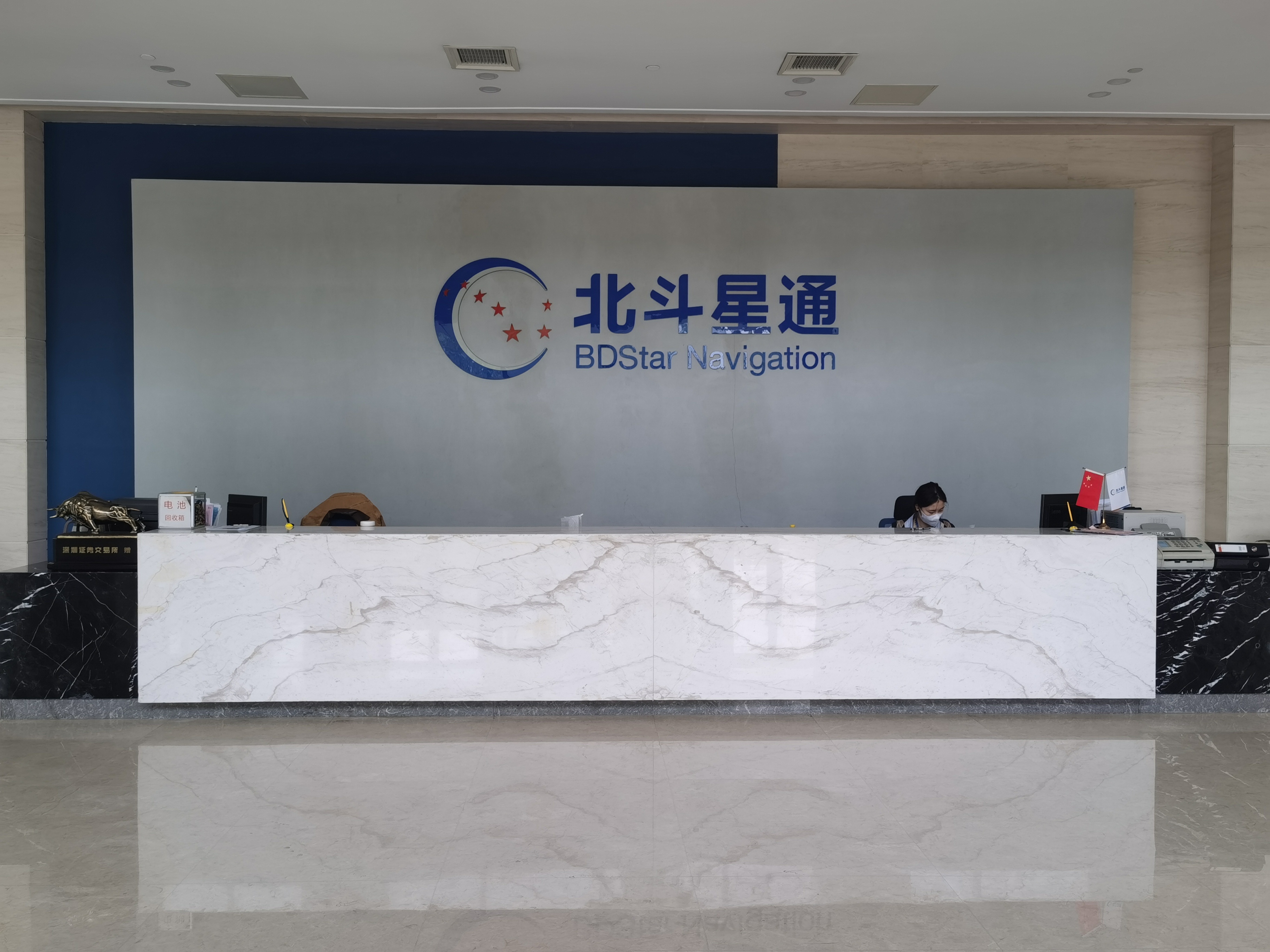
北斗星通2025年预亏大幅收窄 芯片模组与天线产品线收入显著增长
Ju Chao Zi Xun· 2026-01-22 09:35
Core Viewpoint - Beidou Star's 2025 annual performance forecast indicates a significant reduction in net loss compared to the previous year, reflecting ongoing strategic adjustments and market opportunities in emerging sectors [1][4] Financial Performance - The company expects a net profit attributable to shareholders of between -290 million yuan and -230 million yuan for 2025, an improvement from -349.74 million yuan in the same period last year [1] - The expected net profit after deducting non-recurring items is projected to be between -350 million yuan and -290 million yuan, also narrowing from -416.62 million yuan year-on-year [1] Business Development - The company is focusing on two main businesses: "smart location digital foundation" and "ceramic components," while building a "cloud-core integration" business model to seize market opportunities [4] - Revenue from chip modules and antenna product lines has significantly increased due to the rapid expansion in emerging fields such as lawn mowers, smart driving, and consumer electronics [4] Strategic Initiatives - The acquisition of Shenzhen Tianli has accelerated the company's antenna business in the automotive market, further expanding its market reach and contributing to profit improvement [4] - The company plans to recognize goodwill impairment of approximately 150 million yuan due to accounting standards and market environment changes [4] - Research and development investment remains high at around 430 million yuan to support the "cloud-core integration" strategy [4] - The company is actively reducing its special equipment business, which has seen a decline in revenue and significant losses [4] Overall Outlook - Beidou Star is characterized by a dual approach of business growth and structural adjustment in 2025, with product lines targeting high-growth sectors gradually contributing to revenue [4] - The company is laying a solid foundation for long-term competitiveness through impairment recognition, focused R&D, and business contraction, with expectations for improved operational quality as strategic adjustments take effect and emerging market demand continues to grow [4]

巨化股份2025年预盈35.4亿元到39.4亿元,同比大增超80%
Ju Chao Zi Xun· 2026-01-21 15:20
一是第三代氟制冷剂自2024年实行生产配额制后,行业库存消化充分,下游需求旺盛,行业生态改善,产品 价格持续恢复性上涨,毛利大幅提升; 二是公司积极应对市场变化,加强管理、拓展市场、优化结构,实现了主要装置的稳定生产和产销量稳定; 三是公司对存在减值迹象的全资子公司衢州巨化锦纶有限责任公司的相关生产装置计提资产减值准备合计 32,088.96万元,并列入2025年度损益。 巨化股份于1月22日发布了2025年度业绩预增公告,预计2025年度实现归属于上市公司股东的净利润为35.4亿 元到39.4亿元,较上年同期的19.59亿元增加15.8亿元到19.8亿元,同比增长80%到101%。 扣除非经常性损益后,归属于上市公司股东的净利润预计为35.14亿元到39.14亿元,较上年同期的19.03亿元 增加16.11亿元到20.11亿元,同比增长85%到106%。 公司指出,本次业绩大幅增长主要归因于核心产品氟制冷剂价格持续恢复性上涨,以及主要产品产销量稳 定,带动主营业务毛利上升、利润增长。具体原因包括 ...

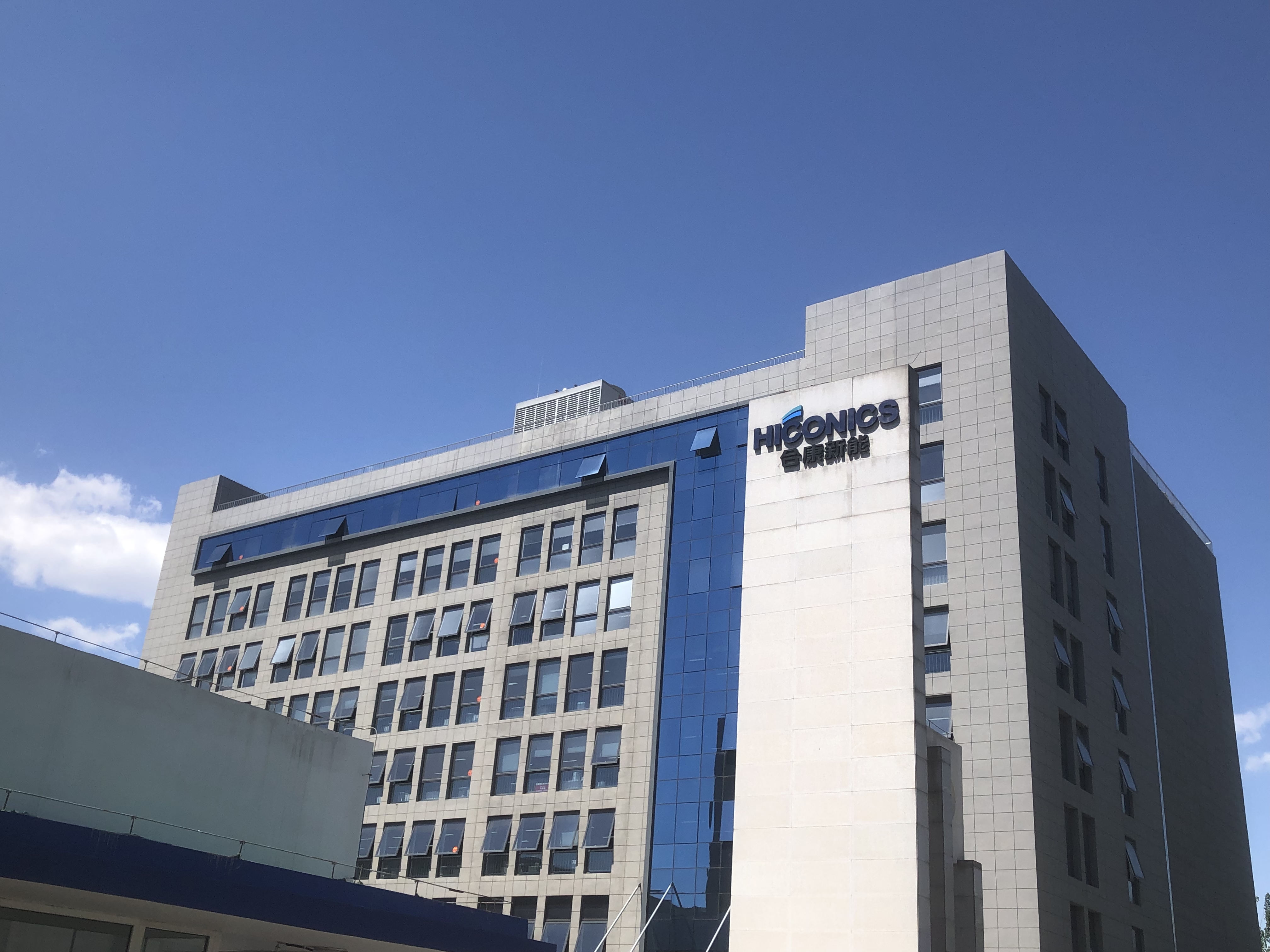
合康新能2025年预盈5000万元-7500万元,同比预增超385%
Ju Chao Zi Xun· 2026-01-21 15:01
Core Viewpoint - The company, HeKang New Energy, forecasts a significant increase in net profit for the year 2025, projecting a range of 50 million to 75 million yuan, representing a substantial growth of 385.62% to 628.43% compared to the previous year's profit of 10.2961 million yuan [3]. Group 1 - The expected net profit attributable to shareholders for 2025 is projected to be between 50 million and 75 million yuan, a dramatic increase from 10.2961 million yuan in the previous year [3]. - The net profit, excluding non-recurring gains and losses, is anticipated to be between 8 million and 12 million yuan, reflecting a growth of 4.75% to 57.17% compared to the previous year's figure of 7.6372 million yuan [4]. - The primary driver for this significant profit increase is attributed to the company's enhanced focus on expanding its photovoltaic EPC business, leveraging its resources and industry experience to boost revenue and profits [3]. Group 2 - The household energy storage business is still in the cultivation stage, with the company concentrating on product development and market capability enhancement while accelerating the expansion of its overseas sales network [4]. - The impact of non-recurring gains and losses on net profit for 2025 is estimated to be around 50 million yuan [4].

合力泰2025年预盈2200万-3300万元,同比暴跌97.83%至98.55%
Ju Chao Zi Xun· 2026-01-21 15:01
Core Viewpoint - The company Helitai has forecasted a significant decline in net profit for the year 2025, projecting a profit of between 22 million to 33 million yuan, which represents a decrease of approximately 97.83% to 98.55% compared to the previous year's profit of 1,519.23 million yuan [2] Financial Performance - The expected net profit attributable to shareholders for 2025 is between 22 million to 33 million yuan, a stark contrast to the previous year's profit of 1,519.23 million yuan [2] - The net profit after deducting non-recurring gains and losses is projected to be between 32 million to 48 million yuan, compared to a loss of 230.10 million yuan in the same period last year [2] - The basic earnings per share are expected to be between 0.0029 yuan and 0.0044 yuan, down from 0.2 yuan per share in the previous year [2] Reasons for Performance Change - The decline in net profit is primarily attributed to two factors: 1. The company completed a restructuring in 2024, which resulted in a substantial debt restructuring gain of 4.803 billion yuan, contributing to high non-recurring profit in the previous year, which will not be repeated in the current reporting period [2] 2. The company has made structural adjustments in its production and operations, focusing resources on the general display and electronic paper business segments. The demand for electronic paper applications has increased, leading to significant growth in production efficiency, customer delivery capabilities, and overall revenue and net profit [2] Risk Notification - The company is currently under investigation by the China Securities Regulatory Commission for suspected violations of information disclosure, with the investigation ongoing and no conclusive opinions or decisions received yet [2]

菲利华2025年预盈4.12亿元-4.72亿,同比预增超31%
Ju Chao Zi Xun· 2026-01-21 14:56
Core Viewpoint - The company, Feiliwa, forecasts a significant increase in net profit for the fiscal year 2025, driven by recovery in the aerospace sector and growth in the semiconductor industry [2] Financial Performance - The projected net profit attributable to shareholders for 2025 is estimated to be between 412 million and 472 million yuan, representing a year-on-year growth of 31.12% to 50.22% from 314.21 million yuan in the previous year [2] - The net profit excluding non-recurring gains and losses is expected to be between 370 million and 430 million yuan, reflecting a year-on-year increase of 40.04% to 62.75% from 264.21 million yuan in the prior year [2] Growth Drivers - The company attributes its strong performance to two main factors: 1. A recovery in demand within the aerospace sector, leading to a continuous restoration of orders 2. Steady growth in the semiconductor segment, driven by improved industry conditions and domestic substitution [2] Non-Recurring Gains - The company anticipates that non-recurring gains will impact net profit by approximately 42 million yuan, primarily from government subsidies and investment income, compared to 50 million yuan in the same period last year [2]