思宇MedTech

Search documents
迈瑞香港上市提速,年度最大医械融资背后的信号
思宇MedTech· 2025-09-17 03:59
Core Viewpoint - Mindray Medical is accelerating its secondary listing in Hong Kong, aiming to raise at least $1 billion, which would be one of the largest medical device secondary listings in Hong Kong this year [3][4]. Group 1: Business Structure and Financial Performance - Mindray Medical's business is divided into three main pillars: Life Information and Support, In Vitro Diagnostics, and Medical Imaging, which together form a robust revenue base [4]. - In 2024, the company expects total revenue of 36.73 billion RMB, with a net profit of approximately 11.7 billion RMB and R&D investment exceeding 4 billion RMB, maintaining a high ratio of about 11% of revenue [4]. - The company's international business revenue reached 16.4 billion RMB in 2024, a year-on-year increase of 21.3%, accounting for nearly 45% of total revenue [16]. Group 2: Technological Advancements - Mindray launched the "Qiyuan" critical care AI model in 2024, achieving over 95% accuracy in clinical applications, marking a significant step for domestic medical AI products [13]. - The company has integrated automation in laboratory systems to enhance efficiency and standardization, showcasing its capability in system integration [7][10]. Group 3: Globalization Strategy - Mindray's international strategy has evolved from exporting to localizing operations, with significant investments in local production and service teams in key markets like India and Brazil [16][14]. - The company has established localized production projects in 13 countries, transitioning from an "exporter" to a "multinational medical solution provider" [16]. Group 4: New Growth Areas - Mindray is actively expanding into minimally invasive surgery and high-value consumables, acquiring a 24.61% stake in Huatai Medical for 6.65 billion RMB to enter the cardiovascular intervention market [17]. - The minimally invasive surgery segment has seen over 90% growth, with significant breakthroughs in ultrasound knives and energy platforms [18]. Group 5: Market Challenges - The medical device industry faces challenges from centralized procurement policies, which have significantly reduced prices, impacting profit margins [21]. - Domestic competitors are rapidly emerging, necessitating Mindray to leverage R&D and system integration to maintain a competitive edge [21]. Group 6: Rationale for Hong Kong Listing - The timing of the Hong Kong secondary listing is driven by the need for capital to support significant investments in new headquarters and AI medical centers [22]. - Listing in Hong Kong will enhance Mindray's international brand recognition and attract global institutional investors [22][23]. Group 7: Conclusion - The secondary listing in Hong Kong represents a pivotal moment in Mindray's global strategy, emphasizing its capabilities in digital ecosystems, AI applications, and international market localization [24].



数千万融资!医疗器械出海平台完成B轮
思宇MedTech· 2025-09-17 03:59
Core Viewpoint - The article highlights the significant growth potential in the global medical device market, emphasizing the strategic importance of companies like Yilujiuge in leveraging innovative business models and overseas expansion to capture new market opportunities [2][3][4][12]. Company Overview and Financing Progress - Yilujiuge, established in 2013 in Guangzhou, is one of the pioneers in exploring the S2B cross-border e-commerce model for medical devices, with a registered capital of 4.2533 million yuan and a workforce of around 100 [7]. - The company has maintained a steady financing rhythm since 2017, with the recent B-round financing marking a new phase in its global expansion, bringing total financing to over 100 million yuan [9]. Market Dynamics and Trends - The global medical device market is projected to exceed $600 billion in 2024 and approach $1 trillion by 2030, with emerging markets in Latin America, Southeast Asia, the Middle East, and Africa becoming key growth areas due to their urgent need for affordable and maintainable medical devices [3]. - Traditional export models face challenges such as long logistics cycles and low customer repurchase rates, which hinder Chinese manufacturers from establishing stable market shares despite their price advantages [3]. Innovative Business Model - The rise of the S2B cross-border e-commerce model is enabling companies to integrate upstream supply chains and establish localized services and logistics nodes, enhancing efficiency in entering overseas markets [4]. - Yilujiuge's strategy of building overseas warehouses and local teams reflects the industry's shift towards prioritizing service and efficiency as it enters a more competitive phase [4]. Digital Transformation and Operational Efficiency - Yilujiuge's core competitiveness lies in its integration of online customer acquisition with offline presence, achieving a 200% increase in order response efficiency through a self-developed digital system [10]. - The company has successfully reduced customer acquisition costs in Mexico to 1/20 of traditional methods, creating a replicable model for other countries [10]. Global Strategy and Logistics Network - Since 2019, Yilujiuge has been establishing overseas warehouses, with the first in the Philippines enabling 48-hour delivery and 24-hour after-sales response [11]. - The company plans to set up 200 overseas warehouses in 100 countries over the next decade, deploying over 5,000 staff to enhance global service and delivery capabilities [11]. Industry Significance and Future Outlook - The medical device export sector is transitioning from a focus on price advantages to a comprehensive approach that includes branding, service, and digital capabilities [13]. - With the recent financing, Yilujiuge aims for exponential growth, targeting 2 billion yuan in revenue by 2030, contingent on successfully replicating its Mexican model in other markets [13].

石墨烯脑机接口首进美国,让帕金森告别“一刀切”刺激
思宇MedTech· 2025-09-16 03:00
Core Viewpoint - InBrain Neuroelectronics has partnered with Mayo Clinic to accelerate the clinical validation and commercialization of its graphene-based brain-computer interface platform (BCI-Tx), marking a significant step towards entering the U.S. market [1][2][17] Group 1: Collaboration Content and Significance - The partnership involves a non-exclusive technical collaboration to evaluate the BCI-Tx platform in an ethically approved environment, aiming to enhance clinical benefits through the integration of graphene and AI technologies [2][5] - InBrain's CEO emphasized the importance of Mayo Clinic's expertise in expediting the validation process within real-world workflows [2][5] Group 2: Product Structure, Function, and Technical Features - The BCI-Tx platform features a cortical interface made of ultra-thin flexible graphene electrode arrays (approximately 10 μm thick), which allows for high-resolution recording and stimulation [3][11] - The platform can support up to 1,024 contact points, enabling a closed-loop approach to record, decode, and modulate neural activity for therapeutic purposes [11][12] Group 3: Industry Comparison and Clinical Application Pathways - InBrain's BCI-Tx platform differs from traditional metal electrodes, which may cause tissue inflammation or scarring due to their rigidity [14] - The platform is positioned as a precision therapeutic BCI, utilizing AI algorithms for dynamic neural modulation, contrasting with the fixed parameter stimulation of deep brain stimulation (DBS) [16][17] - The initial focus is on Parkinson's disease, with potential applications in stroke rehabilitation, epilepsy, and neuropsychiatric disorders [16][17] Group 4: Progress in Various Regions - InBrain's headquarters and R&D are located in Barcelona, Spain, with significant funding support from the Spanish PERTE Chip program [16] - The company has established a U.S. subsidiary in Boston to serve as a clinical trial hub and plans to expand its treatment applications beyond Parkinson's disease [16] - As of 2025, InBrain has raised approximately $124 million, with backing from various industry and research capital resources [16]

3.6亿A轮融资!AI推动辅助生殖进入自动化时代
思宇MedTech· 2025-09-16 03:00
上海活动报名: 2025医疗器械研发创新论坛 2025年9月15日,医疗科技企业 Conceivable Life Sciences 宣布完成 5000万美元A轮融资 (约合人民币3.6亿) ,由Advance Venture Partners(AVP)领投,ARTIS Ventures、Stride和ACME等现有投资者跟投,使公司累计 融资总额达到7000万美元。 这笔资金将用于加速 全球首个AI驱动的自动化IVF(体外受精)实验室平台 的开发和商业化落地,推动生育 治疗的可及性、标准化和成功率提升。 这一融资事件不仅是Conceivable的重要里程碑,也被业内视作生育科技赛道的重要风向标。面对全球日益增长 的不孕不育需求,AI和机器人技术有望推动这一传统依赖"手工艺"的领域走向工业化和规模化。 # 融 资细节 与 投 资 方 背 景 本轮融资由AVP领投,延续了其在颠覆性医疗科技和AI驱动企业的长期投资策略。ARTIS Ventures、Stride、 ACME等现有投资者继续追加投资,显示对Conceivable的技术路径与商业模式的高度认可。 回顾融资历史,Conceivable在2022年12月 ...

上海首次官宣提出,高端医疗器械行动方案
思宇MedTech· 2025-09-16 03:00
Core Viewpoint - The Shanghai Municipal Government has issued the "Action Plan for Promoting the Full-Chain Development of High-End Medical Device Industry," marking a significant shift in focus towards high-end medical devices as an independent sector rather than a subset of biomedicine [1][4]. Summary by Sections 1. Background and Rationale - The issuance of the action plan is a response to the rapid development of the local medical device industry, which has reached a manufacturing output of 55.51 billion yuan, accounting for 27.6% of the biomedicine sector [4][14]. - The plan aims to align with national strategies and international competition, particularly in advanced fields like AI and surgical robotics, to establish Shanghai as a global industrial hub [4][7]. 2. Quantitative Goals - The action plan sets four major quantitative targets to be achieved by 2027: - Complete 500 new Class III medical device registrations within three years, averaging about 170 per year, indicating a significant acceleration in approval processes [8]. - Achieve 100 overseas product approvals, emphasizing the importance of global market entry [9]. - Cultivate two leading enterprises with annual revenues exceeding 10 billion yuan, focusing on quality over quantity [10]. - Establish three high-end medical device industrial clusters in Pudong, Minhang, and Jiading, promoting specialized regional development [11]. 3. Key Product Areas - The action plan identifies eight key product areas for support, including: - High-end medical imaging - High-end implantable devices - High-end surgical systems - High-end in vitro diagnostics (IVD) - High-end radiation therapy [12][13]. 4. Comprehensive Support Strategy - The plan emphasizes a full-chain support approach, addressing every stage from research and clinical trials to approval and market entry [16][19]. - Specific tasks include: - Innovation sourcing - Clinical empowerment - Streamlined approval processes - Product application support - Enterprise cultivation - Building an innovative ecosystem [17]. 5. Industry Impact and Signals - The action plan signals a shift in the role of hospitals from mere application sites to key players in innovation and product evaluation [22]. - It aims to attract more investment by reducing uncertainties related to payment and financial mechanisms, thus encouraging capital inflow into the sector [22][23]. 6. Future Outlook - The plan represents a strategic move for Shanghai to enhance its global competitiveness in high-end medical devices through institutional innovation and financial support [24][25]. - The success of this initiative will be measured by the ability to cultivate internationally influential enterprises and translate institutional innovations into tangible outcomes [25].

数千万融资!神经外科新锐械企完成B轮
思宇MedTech· 2025-09-15 04:09
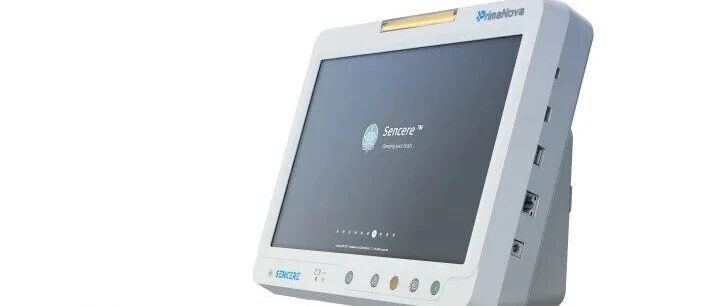
上海活动报名: 2025医疗器械研发创新论坛 2025年9 月15日, 湃诺瓦医疗科技宣布完成 B轮 首关融资,金额达 数千万元 ,由集富亚洲投资公司领投, 源壹资本担任独家财务顾问。本轮资金将主要投入到神经外科高性能医疗器械的多款产品,加速商业化 落 地。 就在一个月前,湃诺瓦的核心产品—— Sencere ® 颅内监护系统 已正式发布上市。从融资到上市,湃诺瓦几 乎在同一时间节点完成了"资本加速+产品落地"的双重动作,也标志着这家年轻的公司正在迈入新的发展阶 段。 # 颅内监护的临床痛点 在神经外科和神经重症的救治过程中,颅内压监测几乎是不可或缺的指标。但长期以来,传统有线监测方式带 来了一系列问题: 感染风险高、探条移位或误拔的情况时有发生,甚至可能导致脑脊液渗漏 。 这些隐患不仅增加了护理负担,也影响到患者的安全和预后。对重症医生来说,真正理想的监护系统应当是 ——既能实时、连续、稳定地反馈数据,又能减少操作过程中的潜在风险。 Sencere ® 的推出,正是瞄准了这些痛点。通过无线连接的设计,它试图去掉那条"最麻烦的线",让监护不 再成为额外的风险源,而是回归到它的本质:为临床决策提供稳定可靠的数据 ...
估值500亿美元!年度最大医疗器械IPO重启进程
思宇MedTech· 2025-09-15 04:09
Core Viewpoint - Medline Industries is advancing its IPO process, aiming for a valuation exceeding $50 billion, with expected fundraising between $4 billion to $5 billion, marking it as a significant event in the medical device industry for 2025 [2][3]. Group 1: IPO Process and Financials - Medline's IPO was initially planned for the first half of 2025 but was postponed due to global trade uncertainties and increased supply chain costs from tariffs [3]. - The updated S-1 draft includes Q2 2025 financial data, showing adjusted revenue of approximately $93.5 billion and an expected EBITDA of $3.8 billion, reflecting a year-on-year growth of about 20% [5][6]. - The board is currently evaluating the timing for the IPO, with potential issuance in late 2025 or early 2026 depending on market conditions [5][6]. Group 2: Company Background and Market Position - Founded in 1966, Medline is the fourth-largest medical device company globally, offering over 550,000 clinical solutions, including surgical gloves and diagnostic equipment [7]. - Medline has a robust sales network across more than 125 countries, with over 70% of U.S. hospitals having purchased its products, indicating strong market penetration [7]. Group 3: Growth Strategy and M&A Activity - Medline's growth strategy includes both organic growth and acquisitions, having made several significant purchases to enhance its product lines and operational efficiency [8]. - Recent acquisitions include the $1.675 billion purchase of AngioDynamics' fluid management business and a $2.86 billion acquisition of Teleflex's respiratory systems business, which have contributed to revenue growth and improved gross margins [8]. Group 4: Industry and Market Implications - Medline's IPO is seen as a milestone for the medical device industry and a critical test for private equity exits, with expectations of significant returns for investors involved in its 2021 acquisition [9]. - The successful IPO could enhance Medline's international profile and capital strength, potentially leading to a wave of IPOs from other large medical distribution companies [9]. Group 5: Ongoing Uncertainties - Despite the renewed IPO process, uncertainties remain regarding global trade policies and market volatility, which could impact the timing and scale of the offering [10].

最新!两家巨头扩大合作,对国内厂商有何影响?
思宇MedTech· 2025-09-15 04:09
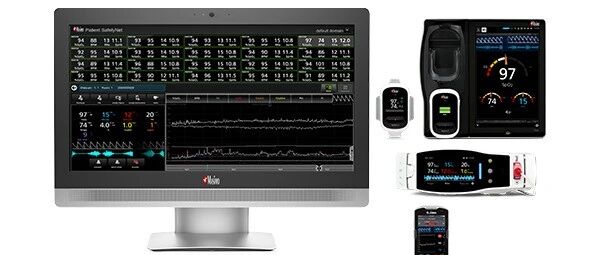
Core Viewpoint - The strategic collaboration between Philips and Masimo in patient monitoring signifies a shift towards integrated solutions in the medical device industry, highlighting the importance of partnerships to meet clinical demands for comprehensive healthcare solutions [1][6]. Collaboration Content and Focus - Philips and Masimo will deepen their collaboration through technology integration, focusing on enhancing patient monitoring capabilities [2]. - The partnership aims to develop next-generation patient monitoring solutions that address the clinical needs for mobility, wearability, and intelligence, incorporating AI algorithms for improved patient outcomes [5]. Product Features and Collaborative Foundations - Philips has a strong presence in multi-parameter patient monitoring devices, particularly in high-acuity settings, while Masimo specializes in non-invasive sensors and innovative monitoring parameters [4]. - Key technologies include Masimo's SET pulse oximetry technology and Radius PPG wearable sensors, which will be integrated into Philips' monitoring systems [4][5]. Insights for Domestic Manufacturers - Domestic companies often excel in specific innovations but may struggle to scale without partnerships with larger firms. Finding complementary partners to embed innovations into comprehensive solutions is crucial for growth [9]. - Mindray serves as a representative example of a domestic firm that integrates sensors, algorithms, and monitoring platforms internally, adopting a "full-stack self-research" model [9]. Areas Suitable for Collaboration - The medical device industry is moving towards systematic strategies for collaboration, emphasizing the need for integrated solutions rather than isolated innovations [6][10]. - Collaborations can enhance market efficiency, shorten the path from R&D to market, and facilitate access to reimbursement and regulatory approvals [10]. Areas Unsuitable for Collaboration - Direct competition in core devices, such as ventilators and surgical robots, may hinder collaboration due to potential dilution of competitive advantages [11]. - Areas with severe product homogeneity or conflicting business models may also present challenges for effective partnerships [11]. Future Observations - The trend of collaboration among multinational companies to quickly address market gaps may influence domestic firms to consider open partnerships in emerging fields like AI and wearable sensors [12].


又20起合作达成!医疗器械BD月报首发
思宇MedTech· 2025-09-14 01:08
Core Viewpoint - The article discusses the evolving landscape of the medical device industry in China, highlighting the importance of business development (BD) strategies that go beyond mere numbers to encompass strategic partnerships, market expansion, and technological integration [1][24]. Group 1: Key Trends in Medical Device BD - The primary keywords for the period from July to September include cross-border introduction and global distribution, strategic cooperation, and capital and cross-industry integration [2]. - Companies are accelerating market expansion and ecosystem building through transactions across various fields, including cardiovascular, neuro-intervention, ophthalmology, IVD, and critical care [3]. Group 2: Representative Events - A total of 20 significant events were summarized, showcasing a "multi-line advancement" scenario in the industry [4]. - Notable collaborations include: - Nanjing Jianxin Medical and Heqi Family Office focusing on medical device R&D and wealth management [6]. - Olympus and Xingchenhai Medical signing a global distribution agreement for disposable urology products [6]. - He’s Eye Group and Zeiss China Medical forming a strategic partnership to enhance ophthalmic surgical technology [6]. Group 3: Cross-Border and Global Distribution - Cross-border transactions remain a hot topic, with domestic companies leveraging global markets for growth while foreign giants introduce Chinese innovations [9]. - The partnership between Ruichao Dinkai Group and Beijing Amite focuses on vascular intervention products, marking a new phase in safety standards [7]. Group 4: Strategic Cooperation and Channel Expansion - Strategic cooperation is increasingly focused on building ecosystems rather than single product breakthroughs, with companies forming partnerships in fields like ophthalmology, IVD, and diagnostics [19]. - The collaboration between Wanfu Biological and Beiden Medical aims to match products with non-public medical channels effectively [15]. Group 5: Capital Support and Cross-Industry Integration - Capital is becoming an invisible driver of medical device BD, with partnerships exploring new models for medical device distribution [20]. - The collaboration between Beijing Huamai Supply Chain Management and Hongyi Consulting aims to create a one-stop service for medical device distribution [20]. Group 6: Smart Hospitals and Full-Chain Coordination - The focus on smart hospitals and full-chain coordination is becoming a priority for large enterprises, integrating supply chains, academic promotion, and clinical needs [23]. - Collaborations like that of Ruibo Zehou Technology and China National Pharmaceutical Group aim to develop automated systems for smart hospitals [21]. Conclusion - The medical device industry in China is transitioning from a "single product-driven" phase to a more diversified approach supported by capital, channels, and ecosystems, indicating a long-term growth trajectory [24].



报名!上海交大医工创新转化工作坊第三期
思宇MedTech· 2025-09-14 01:08
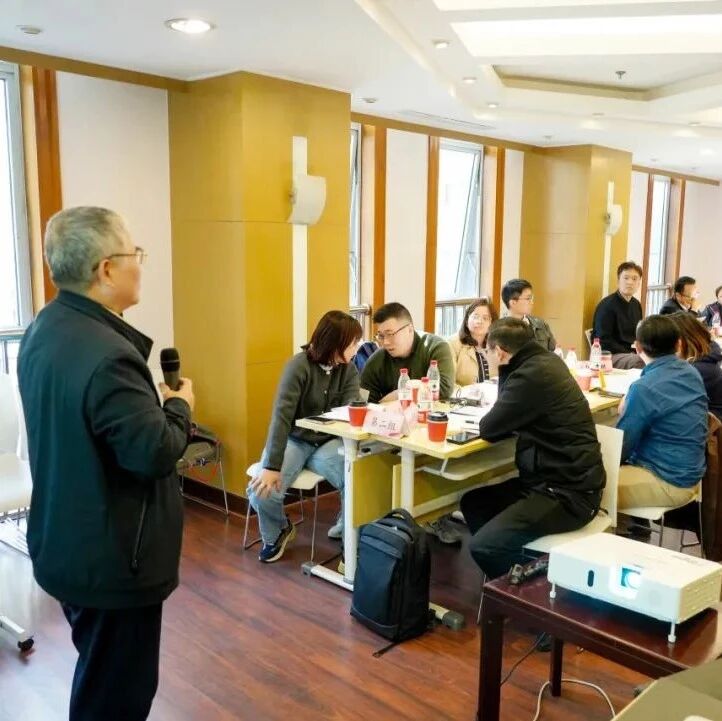
Core Insights - The article promotes a workshop focused on medical device innovation and technology transfer, organized by Shanghai Jiao Tong University School of Medicine and its affiliated institutions [2][3] - The workshop aims to bridge the gap between medical needs and engineering solutions, fostering collaboration among doctors, engineers, and investors [3][4] Course Highlights - Participants will gain access to a high-end network of professionals, including doctors, researchers, industry experts, and investors, enhancing career development opportunities [3] - The workshop will cover the Biodesign innovation methodology, emphasizing the transformation of clinical needs into innovative solutions [4][10] - The program includes practical training on the complete path from concept to market for medical devices, addressing common challenges in medical innovation [4][6] Target Audience - The workshop is designed for various professionals, including doctors from different specialties, engineering personnel from research institutions, manufacturers, distributors, and entrepreneurs interested in medical device innovation [6][10] Training Structure - The training spans one and a half days, featuring intensive sessions on medical technology innovation, intellectual property management, and collaborative problem-solving [5][11] - Participants will engage in group discussions, case studies, and presentations to refine their innovative solutions and receive feedback from experts [11][12] Expert Faculty - The workshop will be led by top-tier faculty from Shanghai Jiao Tong University, including experts in biomedical engineering, medical AI, and technology commercialization [13][14][15] - The faculty has extensive experience in both academia and industry, providing valuable insights into the medical device landscape and investment opportunities [14][15][16] Registration Information - The workshop is scheduled for October 11-12, 2025, at Shanghai Jiao Tong University, with a fee of 2,800 yuan per participant [6][20] - Participants will receive a certificate of completion and continuing medical education credits upon successful completion of the workshop [20]