智能生态系统

Search documents
协同共生,智能跃迁的算力“密码”
Xin Lang Cai Jing· 2026-01-27 12:25
Core Insights - The evolution of artificial intelligence (AI) is increasingly reliant on computational power, which transcends its traditional role as a mere tool, becoming essential for the realization and development of intelligent forms [1][9] - The emergence of intelligent paradigms is fundamentally rooted in the specific "computational space-time" provided by computational power, which shapes the boundaries of intelligent possibilities [1][9] Group 1: Computational Power as the "Possibility Space" for Intelligence - The emergence of intelligence can be viewed as a complex optimization activity within a high-dimensional parameter space, where computational power defines the radius of AI's cognitive capabilities [2][10] - As parameter scales increase from millions to billions, there is not only a quantitative accumulation but also a qualitative leap in the complexity of intelligence [2][10] - Models with trillions of parameters can accommodate richer knowledge graphs and establish more complex connections between knowledge, enabling AI to exhibit remarkable creativity in reasoning processes [2][11] Group 2: The Transition of AI Learning Paradigms Driven by Computational Power - AI learning has evolved from supervised learning to self-supervised learning and then to generative learning, revealing that qualitative changes in computational supply drive transformations in learning paradigms [4][13] - The limitations of supervised learning, which requires extensive manual labeling, can hinder the speed and breadth of intelligent development, while self-supervised learning allows systems to autonomously discover patterns in vast amounts of unlabeled data [4][13] - Breakthroughs in generative AI, such as diffusion models and generative adversarial networks, rely on modeling high-dimensional data distributions, necessitating substantial computational resources for iterative generation and discrimination [4][13] Group 3: The "Co-evolution" of Computational Power and Algorithms - The history of intelligent development is characterized by the mutual adaptation and co-evolution of algorithms and computational power, continuously driving technological advancement [7][16] - Innovations in computational architecture influence algorithm design, as seen with the rise of the Transformer architecture due to the effective utilization of GPU parallel computing [7][16] - The demand for algorithms also propels innovations in computational architecture, leading to the development of AI acceleration chips and high-bandwidth memory technologies [7][16] Group 4: Future "Ecological Evolution" - The deep coupling of intelligent technologies and computational resources is leading to an exponential increase in computational demand and the formation of an intelligent ecosystem [8][17] - This ecosystem exhibits multi-layered characteristics, with new computing architectures like quantum and optical computing exploring breakthroughs beyond traditional limits [8][17] - Future competition will not be about individual technologies but rather about entire ecosystems, where entities with complete technology stacks capable of end-to-end optimization will hold advantageous positions in the intelligent era [8][17]


海尔新能源启动IPO辅导,资本版图再扩张
Zhong Guo Jing Ying Bao· 2026-01-06 08:08
Group 1 - Haier Group's subsidiary, Haier New Energy, has initiated the process for its initial public offering (IPO) with guidance from Guotai Junan Securities [1][2] - Haier New Energy was established on May 11, 2022, with a registered capital of 337 million yuan, and is primarily owned by Haier Group's wholly-owned subsidiary, Qingdao Nahui Holdings, which holds 59.4% of the shares [3] - The company completed over 700 million yuan in Series A financing in April 2025, attracting investments from various firms, and was recognized as a "global unicorn" in December of the same year [3] Group 2 - Haier New Energy focuses on providing integrated services in photovoltaic and energy storage systems for residential and commercial users, expanding its market presence to over 50 countries and regions globally [3] - Other home appliance companies, such as Midea, Gree, TCL, and Skyworth, have also entered the new energy sector, each with different strategic focuses [4] - The shift of home appliance giants into the photovoltaic and energy storage markets is seen as advantageous due to their established brand and distribution channels [4] Group 3 - Haier New Energy's strategy avoids direct involvement in manufacturing photovoltaic components and energy storage cells, instead concentrating on user-side system solutions, which are currently more profitable [4][5] - The distributed energy market faces challenges from recent policy changes and market conditions, which may impact investment and profitability [5] - Companies like Haier New Energy and Skyworth are encouraged to leverage existing sales and service channels to integrate energy storage systems with smart home and office solutions, creating a comprehensive intelligent ecosystem [6]


新股前瞻 | “非洲之王”的二次进化:传音控股赴港上市,开启AI与智能生态新篇章
Zhi Tong Cai Jing· 2025-12-20 10:27
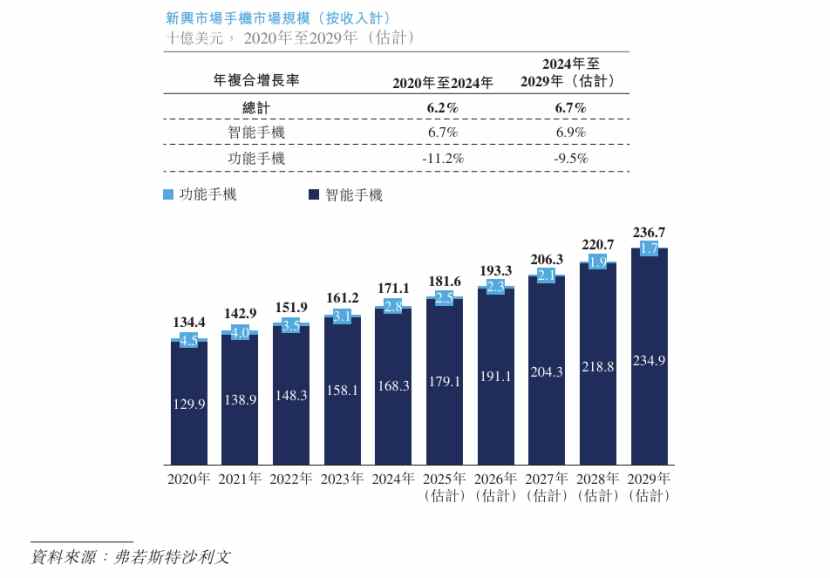
Core Viewpoint - Transsion Holdings, known as the "King of Africa" in the mobile industry, has submitted an H-share listing application to the Hong Kong Stock Exchange to diversify its financing channels and support its strategic transformation into a smart ecosystem service provider, covering mobile internet services, energy storage, and electric mobility [1][2]. Group 1: Market Position and Financial Performance - Transsion has established a dominant position in emerging markets, particularly in Africa, where it holds a market share of 61.5%, and is the largest smartphone provider in emerging markets with a share of 24.1% as of 2024 [1][2]. - The company's total revenue is projected to grow from RMB 465.96 billion in 2022 to RMB 687.15 billion in 2024, with net profit increasing from RMB 24.67 billion to RMB 55.97 billion during the same period [2]. - However, in the first half of 2025, the company experienced a revenue decline from RMB 346 billion in 2024 to RMB 291 billion, with a drop in gross margin from 20.8% to 19.0%, attributed to smartphone product release cycles and intensified competition in emerging markets [2]. Group 2: Strategic Transformation and Future Growth - The long-term growth strategy of Transsion is to transition from hardware sales to building a smart ecosystem driven by mobile internet services and diversified IoT products [2][5]. - The company aims to leverage its large user base to drive high-growth services and products, with over 270 million average monthly active users as of June 30, 2025, and a focus on mobile internet services that have a gross margin of 78.0% [5][6]. - Transsion is also expanding into energy storage and light electric mobility, launching brands like itel Energy and DYQUE Energy to address power supply issues in Africa, and introducing electric mobility solutions for both personal and commercial users [6][7]. Group 3: Market Opportunities and Projections - Emerging markets are expected to be the main growth driver for the global smartphone market, with a projected compound annual growth rate (CAGR) of 6.7% from 2024 to 2029, surpassing the global market's expected 4.6% [3][5]. - The market sizes for mobile internet services, IoT products, energy storage, and light electric mobility are projected to grow significantly, with CAGRs of 26.9%, 19.4%, 16.4%, and 15.6% respectively from 2024 to 2029 [6][7]. - To support its ecosystem transformation and maintain technological leadership, Transsion plans to use funds from the H-share listing to enhance AI capabilities and upgrade its operating system [6].

格力博:公司开发了多个电池组动力平台
Zheng Quan Ri Bao Wang· 2025-11-24 09:44
Core Viewpoint - Greebo (301260) has developed multiple battery pack power platforms (24V, 40V, 60V, 80V, and 82V) based on a deep understanding of the trends in new energy power and smart technology, creating an intelligent ecosystem centered around battery packs [1] Company Summary - The company primarily sells complete machines and related products, with the revenue from standalone battery pack products being relatively small [1]
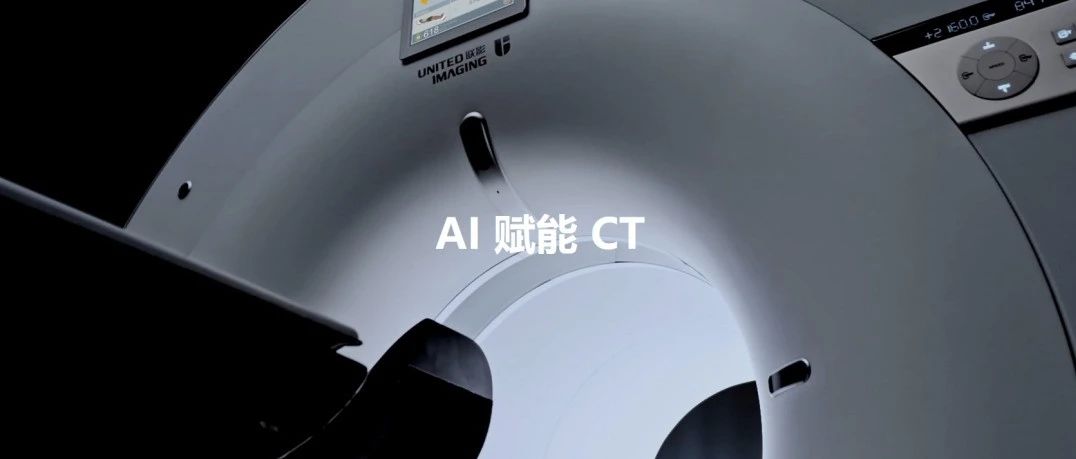
小米SU7首次亮相日本,有意在日本销售
日经中文网· 2025-09-28 03:28
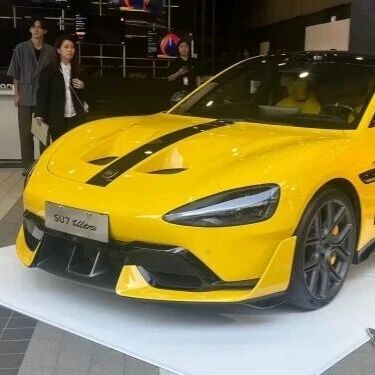
Group 1 - The core viewpoint of the article is that Xiaomi is planning to expand its electric vehicle (EV) sales into Japan, following the successful launch of its EV "SU7" in China, which has already sold over 300,000 units [1][5]. - Xiaomi's "SU7 Ultra" model was showcased in Japan, with prices ranging from approximately 4.5 million yen for the standard model to 11 million yen for the highest configuration [3][4]. - The company aims to create an ecosystem in Japan similar to that in China, where its EVs can interact with Xiaomi smartphones and home appliances [2][3]. Group 2 - The "SU7" received 90,000 orders within 24 hours of its launch, indicating strong market demand [5]. - The company has plans to introduce another pure electric SUV, "YU7," which achieved over 200,000 orders within just 3 minutes of opening for orders [5]. - Xiaomi's confidence in rapidly increasing EV production and sales is highlighted by the significant order volumes and sales growth [5].

小米进军欧洲,就在2027年
Hua Er Jie Jian Wen· 2025-09-25 04:11
Core Insights - Xiaomi plans to officially enter the European electric vehicle market by 2027, with a clear strategy emerging for its expansion [1] - The company has already conducted on-ground research in Europe to establish a sales network and find partners [1][2] - Xiaomi aims to replicate its successful showroom model from China in Europe, focusing on user experience and showcasing its electric vehicles and smart ecosystem [2][3] Group 1 - Xiaomi's initial strategy in Europe will involve opening showrooms to allow potential customers to test drive vehicles and understand the complete product ecosystem [2] - Local production is not the first step for Xiaomi in Europe, but it is part of a long-term strategy to become one of the top five global automotive manufacturers within 15 to 20 years [3] - The company plans to use existing, market-validated models rather than designing new products specifically for Europe, having already delivered over 300,000 vehicles since entering the electric vehicle market [3] Group 2 - Xiaomi's slower market entry is justified by the need for thorough preparation to ensure product reliability and high standards for European consumers [3] - The company emphasizes that its products will not be random Chinese imports but will be tailored to provide the best user experience for European customers [3]
放下身段,拥抱主流:方程豹钛7的“务实”转型
Tai Mei Ti A P P· 2025-09-10 21:34
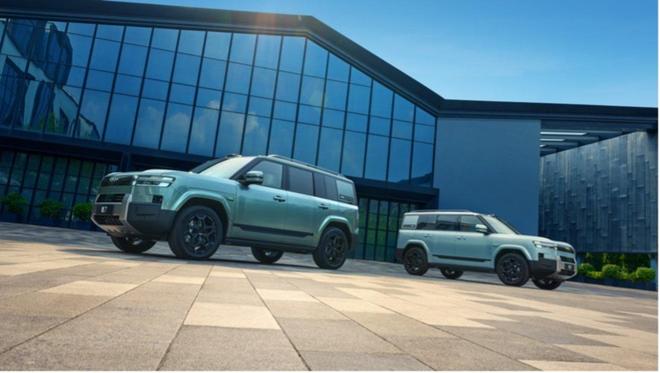
Core Viewpoint - BYD's Fangchengbao brand has launched the Ti7 model, aiming to penetrate the mainstream family vehicle market with competitive pricing and high-end features, potentially reshaping the 200,000 RMB SUV segment [2][6]. Group 1: Product Launch and Features - The Ti7 was officially launched on September 9, with a starting price of 219,800 RMB, lower than the anticipated 250,000 RMB threshold [2]. - All variants of the Ti7 come equipped with high-spec features such as a dual-arm front suspension, leather seats, and BYD's latest intelligent driving assistance system [2]. - The Ti7 is designed with a focus on family users, offering spacious interiors and practical storage solutions, including a 1,880-liter cargo space when the rear seats are folded [4][5]. Group 2: Market Positioning and Strategy - The Fangchengbao brand initially gained traction in the niche off-road market with models like the Leopard 5 and Leopard 8, but aims to expand into the larger family vehicle market for sustained growth [3][4]. - The Ti7 is positioned to compete in a highly competitive segment, facing rivals such as Li Auto L6 and AITO M7, which are all vying for the same family-oriented consumer base [6][7]. Group 3: Intelligent Ecosystem and User Experience - The Ti7 introduces an innovative smart ecosystem, including the BYD Pad, which supports various vehicle control functions and enhances the in-car experience [5]. - The vehicle aims to transcend traditional transportation roles, becoming a personalized mobile space that caters to the needs of young families [5][7]. Group 4: Sales Goals and Market Challenges - The brand's general manager has set an ambitious sales target of 20,000 units per month for the Ti7, with aspirations to reach 30,000 units [6]. - The competitive landscape in the 200,000 RMB SUV market is intense, requiring brands to focus on comprehensive user experiences beyond just hardware specifications [7][8].

理想汽车-W发布第二季度业绩 归母净利润10.93亿元 同比减少0.91%
Zhi Tong Cai Jing· 2025-08-28 08:55
Core Insights - Li Auto (理想汽车) reported unaudited financial results for the quarter ending June 30, 2025, showing a vehicle sales revenue of RMB 28.885 billion, a year-on-year decrease of 4.7% [1] - Total revenue reached RMB 30.246 billion, down 4.5% year-on-year, with a net profit attributable to shareholders of RMB 1.093 billion, a slight decrease of 0.91% [1] - The company maintains its position as the top-selling Chinese automotive brand in the RMB 200,000 and above new energy vehicle market [1] Financial Performance - The gross margin for the quarter was reported at a healthy 20.1%, with quarterly net profit increasing by 69.6% to RMB 1.1 billion [1] - The basic earnings per share were RMB 0.54 [1] Product and Market Strategy - The CEO highlighted the strong market response to the Li MEGA Home version, which has topped the sales chart for MPVs priced above RMB 500,000 since May [1] - The company continues to innovate in electric vehicles and smart technology, with the launch of the Li i8, a six-seat pure electric SUV, and the self-developed VLA driver model [1] - A brand upgrade was announced to cater to a broader range of consumers, including families, aiming to enhance product quality and private space [1] Future Outlook - The company is set to launch the Li i6 in September, which is expected to further expand its product matrix and strengthen its position in the high-end pure electric vehicle market in China [1]

理想汽车-W(02015)发布第二季度业绩 归母净利润10.93亿元 同比减少0.91%
智通财经网· 2025-08-28 08:48
Core Viewpoint - Li Auto reported a decline in vehicle sales revenue and total revenue for the quarter ending June 30, 2025, but maintained a strong market position in the high-end electric vehicle segment [1][2]. Financial Performance - Vehicle sales revenue reached RMB 28.885 billion, a year-on-year decrease of 4.7% [1]. - Total revenue was RMB 30.246 billion, down 4.5% year-on-year [1]. - Net profit attributable to shareholders was RMB 1.093 billion, a decrease of 0.91% year-on-year [1]. - Basic earnings per share stood at RMB 0.54 [1]. - Gross margin remained healthy at 20.1% [2]. - Quarterly net profit increased by 69.6% quarter-on-quarter to RMB 1.1 billion [2]. Market Position and Product Development - Li Auto continues to hold the top position in the Chinese automotive brand sales for new energy vehicles priced above RMB 200,000 [2]. - The Li MEGA Home version has received a strong market response, leading the sales chart for MPVs priced above RMB 500,000 since May [2]. - The company launched the Li i8, a six-seat pure electric SUV, and introduced self-developed technologies like the VLA driver model and Li Xiang intelligent assistant [2]. - A brand upgrade was announced to cater to a broader range of consumers, including families [2]. - The upcoming launch of the Li i6 in September is expected to further expand the product matrix and enhance the company's position in the high-end pure electric vehicle market [2].
10亿融资!联影加码医疗AI赌局
思宇MedTech· 2025-06-20 06:36
Core Viewpoint - The article discusses the strategic advancements and challenges faced by Shanghai United Imaging Healthcare Co., Ltd. (United Imaging) in the field of AI-driven medical technology, emphasizing its recent A-round financing and the broader implications for the medical AI industry [1][3]. Financing Insights - United Imaging successfully completed an A-round financing of 1 billion RMB, marking a significant investment in AI technology despite the current market's conservative sentiment [1][3]. - This financing reflects a long-term strategic commitment from United Imaging and its investors, recognizing AI capabilities as a core competitive advantage [3]. AI Development Strategy - Founded in late 2017, United Imaging has focused on embedding AI into clinical settings, starting with diagnostic tools and expanding to over 100 products across various medical fields [4][7]. - The company has achieved significant regulatory milestones, including 22 NMPA Class II certifications and 12 Class III certifications, along with FDA and CE approvals for several applications [4]. Business Model Challenges - Despite rapid product development, United Imaging reported revenues of 254 million RMB and a loss of 136 million RMB in 2023, highlighting the ongoing struggle to establish a clear commercial model in the medical AI sector [11][12]. - Key challenges include hospitals' reluctance to pay for software, especially in a cost-controlled environment, and the need for comprehensive solutions that address multiple disease types rather than single-function products [12][13]. Technological Innovations - United Imaging is developing a multi-modal AI platform, uAI, which integrates various data types to enhance clinical workflows and improve diagnostic accuracy [14][17]. - The company aims to create a "smart ecosystem" where AI acts as a self-evolving system, enhancing efficiency across all hospital processes [18][20]. Future Outlook - The medical AI industry is shifting from a focus on model parameters to ecosystem strength, with United Imaging positioning itself as a platform company rather than a tool provider [22][23]. - The company faces high costs associated with continuous model iteration and the integration of AI into clinical settings, but its comprehensive approach may provide a sustainable competitive edge in the long term [24][25].