QYResearch

Search documents
全球半导体离子注入机行业总体规模、主要企业国内外市场占有率及排名2025版
QYResearch· 2025-12-09 03:06
Core Insights - The semiconductor ion implanter industry is experiencing a critical development phase driven by technological breakthroughs, market expansion, and domestic substitution [4][5] - The global market for semiconductor ion implanters is projected to grow from $3.102 billion in 2024 to $3.530 billion by 2031, with a CAGR of 2.7% from 2025 to 2031 [5] - The Chinese market is rapidly evolving, expected to account for approximately 39.40% of the global market by 2031, up from 38.28% in 2024 [5] Market Overview - The semiconductor ion implanter industry is characterized by high technological barriers and is predominantly led by American and Japanese manufacturers, creating a concentrated and monopolistic competitive landscape [4][11] - Domestic manufacturers have made significant progress in medium and high current platforms, with some equipment already integrated into 12-inch production lines, indicating accelerated domestic substitution [4][5][11] Product and Application Insights - Logic devices are expected to hold a market share of approximately 42.78% in 2024, with a CAGR of about 1.2% in the coming years [8] - High-temperature and hydrogen/helium ion implantation technologies are gaining market share due to the rapid development of power devices [8] Competitive Landscape - The top five global manufacturers, including Applied Materials, Axcelis, and Nissin, dominate approximately 95.6% of the international market share [11] - In the Chinese market, the top five manufacturers hold about 93.6% of the market share, with increasing competition from new entrants [11] Industry Characteristics - The ion implanter is one of the four core equipment in chip manufacturing, with a high degree of system integration and complex technology requirements [12][26] - The market is characterized by a clear differentiation of mainstream technology types, including low-energy and high-energy ion implanters [14][15] Growth Drivers - The demand for ion implanters is driven by the expansion of global wafer manufacturing capacity and the rapid growth of emerging applications such as power devices and image sensors [16][17] - National policies and local government support are fostering a conducive environment for domestic ion implanter manufacturers [18] Challenges - The high technological barriers and long R&D cycles, typically ranging from 5 to 8 years, pose significant challenges for new entrants [20][26] - The international market remains dominated by American and Japanese firms, creating strong customer loyalty and making it difficult for domestic equipment to penetrate high-end markets [21][22] Barriers to Entry - The industry faces significant barriers including high technical requirements, lengthy customer validation processes, and reliance on imported core components [26][27][23] - There is a notable shortage of talent and experience in critical technology areas, limiting the ability of domestic firms to rapidly develop competitive products [24][28]



行业聚焦:全球超高纯度TEOS行业头部企业市场份额及排名调查
QYResearch· 2025-12-09 03:06
超高纯度 TEOS (原硅酸四乙酯)是一种高纯度有机硅化合物,化学式为 Si(OC₂H₅)₄ ,纯度通常达到 99.999% ( 5N )或更高。它通过精馏和蒸馏等精细提纯工艺生产,以去除痕量杂质(金属、水分、有机残留物),是 一种无色透明、低粘度、高挥发性的液体。作为一种关键的前驱体材料,它广泛应用于半导体制造、光学涂层 和先进陶瓷领域,在化学气相沉积( CVD )和溶胶 - 凝胶合成等工艺中发挥着至关重要的作用,用于形成具 有优异均匀性和介电性能的高质量二氧化硅薄膜或基质 。 超高纯度 TEOS 市场目前呈现稳步增长的态势,主要受半导体制造(尤其是集成电路、分立器件和微机电系 统)强劲需求的驱动。作为化学气相沉积( CVD )工艺制备高质量二氧化硅薄膜的关键前驱体, TEOS 因其 超高纯度、稳定的挥发性和与先进微加工工艺的兼容性而备受青睐。该市场集中度较高,全球领先制造商占据 主导地位,亚太地区是其核心消费和生产中心。新兴市场的国内企业正通过推进提纯技术并满足严格的行业标 准,加速进口替代。 超高纯度 TEOS 全球市场总体规模 QYResearch 调研显示, 2024 年全球超高纯度 TEOS 市场 ...

从怀疑到信赖:一位客户与QYResearch的合作故事
QYResearch· 2025-12-09 03:06
在市场研究领域,客户的选择从来都不是偶然的。当南京某知名气体分析仪器制造商的技术总监刘总第一次接触到 QYResearch时,他抱着审慎的态度。当 时他们正在寻找关于"紫外气体分析仪"的深度市场分析报告,而在众多的咨询公司中,QYResearch凭借什么赢得了他们的青睐? 从最初的谨慎试探到如今的深度信赖,这家南京企业与 QYResearch的合作故事,正是无数客户与QYResearch建立长久合作关系的缩影。在这个信息爆炸 的时代,专业的市场研究和客观的数据分析显得尤为珍贵。QYResearch用实际行动证明,专业不是口号,而是体现在每一个数据、每一次沟通、每一份报 告中的专业精神。 QYResearch 分析师 王鑫鑫 "最初我们接触了5家研究机构,"刘总回忆道,"但QYResearch的团队给我们留下了深刻印象。他们没有急于推销报告,而是花了整整两个小时的电话会议 与我们进行了深入沟通,包括调研方法、数据准确度、售后服务等报告层面的内容进行探讨,然后又就行业发展、未来机会进行了沟通"刘总坦言,"我们对 市面上一些'模板化'的报告心存顾虑,我们需要的是能够真正指导业务决策的专业见解。" 正是这种真诚的沟通 ...

FEVE氟碳树脂行业调查:全球TOP5 生产商排名及市场份额
QYResearch· 2025-12-08 06:19
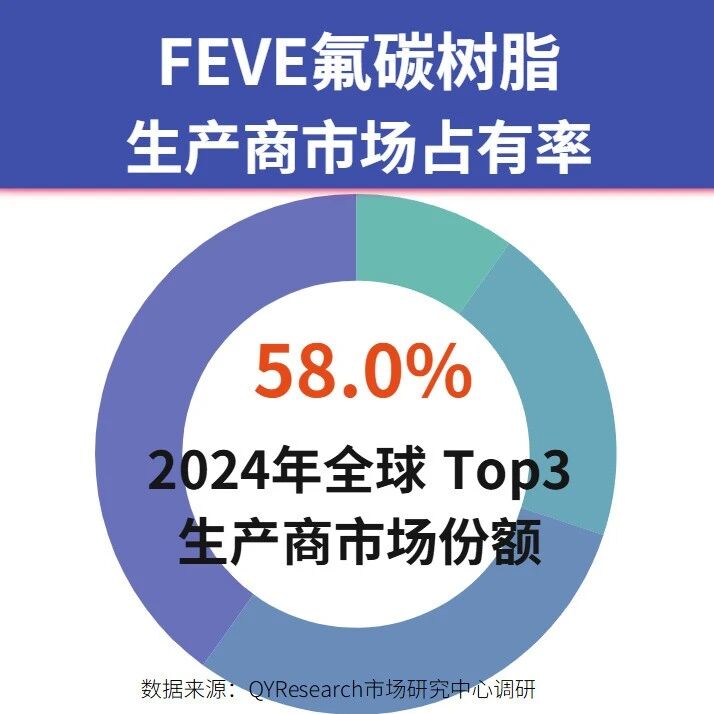
Core Viewpoint - The global FEVE fluorocarbon resin market is projected to reach USD 170 million by 2031, with a compound annual growth rate (CAGR) of 5.8% in the coming years [4]. Market Overview - The global market for FEVE fluorocarbon resin is expected to grow significantly, driven by its superior performance characteristics and wide application demand [17]. - The top three manufacturers are expected to hold approximately 58.0% of the market share by 2024 [6]. Product Segmentation - Solvent-based resins currently dominate the product type segment, accounting for about 74.0% of the market share [8]. - Liquid coatings are the primary application for FEVE, representing approximately 91.8% of the demand [11]. Key Players - Daikin is a major player in the market, involved in the manufacturing and sales of air conditioning, refrigeration, and chemical products [13]. - AGC Chemicals, a subsidiary of AGC Group, specializes in fluoropolymers and has a diverse product portfolio [15]. - Zhenbang Group, established in 1999, focuses on the R&D, production, and sales of FEVE fluorocarbon resin and coatings [16]. Market Drivers - The strong growth of the FEVE fluorocarbon resin market is attributed to its excellent weather resistance, chemical stability, and heat resistance, making it suitable for high-end coatings in construction and transportation [17]. - Continuous investment in infrastructure and the need for protection against extreme environmental conditions are creating significant market opportunities [17]. - Environmental policies and technological innovations are driving industry upgrades, with FEVE resins being able to produce water-based eco-friendly products [18]. Market Challenges - The industry faces challenges related to technical misconceptions and quality control during the coating application process, with approximately 75% of heavy anti-corrosion projects experiencing premature coating failures [19]. - Barriers such as funding, talent, technology, and brand recognition, along with high-quality control requirements during production, limit market expansion [19].
全球与中国硝酸甘油原料药市场现状及未来发展趋势
QYResearch· 2025-12-08 06:19
Core Viewpoint - Nitroglycerin, a key active pharmaceutical ingredient (API) for treating angina, has a stable clinical application with moderate growth in demand driven by increasing cardiovascular disease rates. The market is characterized by stringent safety regulations and a focus on automation and green production technologies [3][4][6]. Industry Status Analysis - The nitroglycerin API market is stable but not rapidly growing, primarily driven by rigid demand from anti-angina formulations. The market faces challenges such as high safety production costs, environmental pressures, and limited market size [3][4]. - Regulatory scrutiny has increased compliance costs, leading to the exit of non-compliant capacities from the market, resulting in tighter supply and slight price increases [3][4]. - Recent advancements in production technology, including automation and continuous reaction systems, have improved safety and efficiency, helping domestic companies maintain competitiveness in international markets [3][4]. Development Trends - The demand for nitroglycerin APIs is expected to grow moderately, particularly in emerging markets like Asia, Latin America, and the Middle East, where procurement from primary healthcare institutions is increasing [6][7]. - In developed regions, the market is characterized by low growth and stable demand due to the fixed usage of nitroglycerin as a classic generic drug, with a shift towards supply chain security and drug quality consistency [6][7]. - The global nitroglycerin API market is projected to reach USD 5.973 billion in 2024 and USD 8.731 billion by 2031, with a compound annual growth rate (CAGR) of 5.51% from 2025 to 2031 [7][11]. Supply Chain Analysis - The upstream supply of nitroglycerin APIs relies on glycerin, nitric acid, sulfuric acid, and anhydrous ethanol, with varying sensitivities to market conditions and regulatory requirements [22][23]. - Compliance and logistics are critical constraints, as the production of nitroglycerin involves hazardous chemicals subject to strict regulations, impacting availability and costs [22][23]. Key Manufacturers - Major global manufacturers of nitroglycerin APIs include Novasep, Copperhead Chemical, Dipharma, Bharat Pharma, Shandong Xinyi Pharmaceutical, Beijing Yimin Pharmaceutical, and Lesheng Pharmaceutical, with the top five companies holding a 77.16% market share in 2024 [11].
CAGR 12.8% 领跑全球:东南亚家用脱毛仪市场正进入结构性扩张黄金期
QYResearch· 2025-12-08 06:19
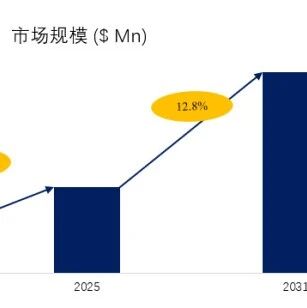
Core Viewpoint - The at-home hair removal device market in Southeast Asia is experiencing rapid growth, driven by increasing consumer interest, particularly among young women, and the rise of e-commerce platforms. The market is projected to grow from $188 million in 2024 to $530 million by 2031, with a CAGR of 12.8% [2][5]. Market Growth and Trends - Southeast Asia's at-home hair removal device market is one of the fastest-growing regions globally, with a strong consumer base and increasing acceptance of light medical beauty products [2]. - The market is expected to expand through three main growth paths: smart technology upgrades, localized brand operations, and the emergence of the male market [7]. Consumer Behavior - Young women in Southeast Asia, particularly in Vietnam, Thailand, Malaysia, and Singapore, are increasingly interested in at-home hair removal devices, with over 60% of urban women aged 18-35 expressing a willingness to try these products [5]. - The demand for home self-care is rising due to high salon prices and long wait times, making at-home devices a natural extension of personal care routines [5]. Competitive Landscape - Chinese brands like Ulike, JOVS, and Jmoon are gaining significant market share in Southeast Asia, leveraging their understanding of Asian skin tones and hair characteristics, competitive pricing, and effective content marketing [8]. - International brands such as Philips and Panasonic maintain a stable presence in the high-end market but face challenges in growth and online penetration compared to their Chinese counterparts [8]. Brand Analysis - Philips holds a strong position in the high-end market due to its global medical safety certifications but struggles with growth in the mass market due to higher prices [9]. - Ulike excels in ice point technology and has a leading sales ranking in several countries, but faces challenges in establishing a robust cross-border after-sales service [9]. - JOVS is recognized for its design and multifunctionality, benefiting from content marketing but needs to improve local channel presence and service optimization [10]. Industry Challenges - The industry faces structural challenges related to skin tone adaptation and safety awareness, with a need for better technology to accommodate diverse skin tones and improve user safety perceptions [11]. - Weak after-sales support, particularly for cross-border purchases, affects market trust and brand reputation [11]. Technological Advancements - The hot and humid environment in Southeast Asia makes comfort a key factor in consumer purchasing decisions, with cooling technologies becoming a core selling point [12]. - Devices that offer a "high energy, low pain" experience are expected to become mainstream, pushing the industry towards comfort and intelligence [12]. Conclusion - Southeast Asia is positioned as a high-potential market for at-home hair removal devices, driven by a young population, strong consumer demand, and solid e-commerce foundations. Future growth will depend on technological upgrades, comfort experiences, localized service capabilities, and content ecosystem development [13].
初心不改:QYResearch为何始终专注于市场研究这一件事?
QYResearch· 2025-12-08 06:19
Core Viewpoint - QYResearch emphasizes the importance of in-depth interviews and real insights over mere data compilation, aiming to uncover hidden industry dynamics and maintain a strong influence in a rapidly changing market [2][4][6]. Group 1: Research Methodology - The traditional reliance on secondary sources like databases and yearbooks is limited due to their lagging nature and inability to capture nuanced market changes [4]. - QYResearch shifts its focus from "data compilation" to "real voices," establishing in-depth interviews as the core of its research system to extract "dark knowledge" not available in public data [4][5]. - A stable and extensive global network is crucial for QYResearch, with localized teams in countries like the US, China, Japan, and India, allowing for more accurate and contextually relevant research [4][5]. Group 2: Interview Process - In-depth interviews are a highly professional research process, requiring analysts to prepare thoroughly on various aspects such as company background, product technology, and competitive landscape [5]. - The company emphasizes the importance of understanding information rather than just collecting it, with experienced analysts able to identify market turning points and risks from subtle cues [5]. - QYResearch adheres to a "triangular verification" principle, ensuring that information is corroborated through multiple sources and logical reasoning before being included in research conclusions [5]. Group 3: Technology and Future Outlook - Despite advancements in AI and big data, QYResearch believes that the value of in-depth interviews will not diminish; rather, technology will enhance efficiency, allowing analysts to focus on deeper industry insights [6]. - The company prioritizes research quality over commercial scale, emphasizing a long-term commitment to uncovering industry truths through rigorous methodologies [6]. - QYResearch's consistent focus on real information and logical rigor has enabled it to thrive in a tumultuous market environment, reinforcing its commitment to providing clear insights for industry exploration [6].

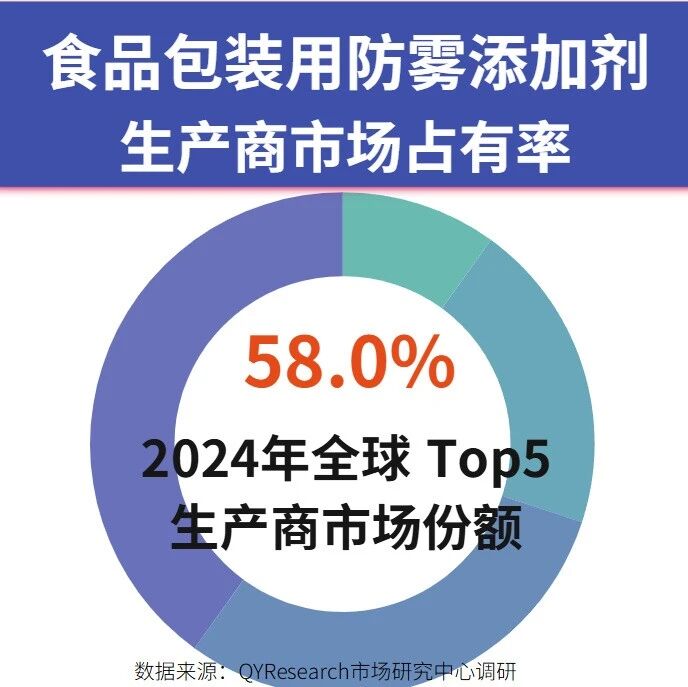
【市场聚焦】全球食品包装防雾添加剂市场格局明朗,前五大厂商市占率近六成
QYResearch· 2025-12-05 01:53
Core Viewpoint - The article discusses the significance and growth potential of anti-fog additives used in food packaging, highlighting their role in enhancing product visibility and consumer experience while addressing market trends and industry dynamics [2][5][8]. Industry Overview - Anti-fog additives are functional agents that prevent fog formation on plastic food packaging materials, ensuring clear visibility and maintaining shelf appeal [2]. - The global production of food packaging anti-fog additives is projected to reach 900,000 tons in 2024, with an average price of $360 per ton and a gross margin of 15%-30% [5]. Industry Chain - The industry chain consists of three segments: upstream (raw material supply), midstream (additive production), and downstream (film and sheet production) [4]. - Upstream involves suppliers of petrochemical and fatty chemical raw materials, while midstream focuses on the formulation and processing of anti-fog additives [4]. - Downstream includes film manufacturers who incorporate anti-fog agents into packaging for various food products, driven by consumer demands for "fog-free, high transparency, and recyclable" solutions [4]. Market Drivers and Opportunities - The increasing demand for fresh refrigerated foods and visually appealing packaging is a key driver for the anti-fog additive market [8]. - The expansion of modern retail, cold chain logistics, and e-commerce for fresh produce creates opportunities for anti-fog solutions in packaging [10]. Market Trends - The anti-fog additive market is expected to grow at a compound annual growth rate (CAGR) of 3.75%, reaching a market size of $430 million by 2031 [5]. - The primary application area for these additives is food packaging films, particularly for fresh produce, meat, dairy, and ready-to-eat foods [11]. - Glycerol esters remain the dominant chemical in the food packaging sector due to their cost-effectiveness and safety [11].
全球与中国搅拌摩擦焊接设备市场现状及未来发展趋势
QYResearch· 2025-12-05 01:53
Core Viewpoint - Friction Stir Welding (FSW) technology has matured and is now widely adopted in various industries, particularly in the manufacturing of lightweight components for electric vehicles and other sectors, marking a significant shift towards automation and efficiency in production processes [4][21]. Group 1: Current Status of the FSW Equipment Industry - FSW technology has transitioned from experimental applications in aerospace to large-scale production in industries such as electric vehicles, rail transportation, and shipbuilding, indicating its broadening industrial application [4][21]. - The demand for FSW equipment is driven by the need for lightweight, high-performance, and environmentally friendly manufacturing technologies, particularly in strategic emerging industries [6][7]. Group 2: Acceleration of Domestic Substitution - Chinese companies are rapidly gaining market share in the mid-to-high-end and general markets due to lower procurement and maintenance costs, faster localization response, and flexible customization capabilities [5]. - Despite existing gaps in core components and top-tier technology databases compared to international leaders, some leading domestic firms have made breakthroughs in specific application areas through continuous R&D investment [5]. Group 3: Market Expansion - The FSW equipment market is expanding, fueled by the urgent demand for lightweight materials in sectors like new energy and aerospace, with significant growth in the production of core components such as battery trays and electric drive housings [6][7]. - The market is also benefiting from technological upgrades in traditional sectors like shipbuilding and power equipment, as well as the increasing demand for automated and digital welding solutions [7]. Group 4: Development Trends - There is a strong focus on the localization and performance breakthroughs of core components, with efforts to develop more durable and high-performance materials for FSW tools and systems [8]. - The trend towards specialization and customization in FSW equipment is growing, requiring manufacturers to provide comprehensive services tailored to specific industry needs [9]. - Integration and automation of FSW processes are becoming essential, with advancements in robotics and automated systems enhancing production efficiency [10]. Group 5: Global Market Analysis - The global FSW equipment market is projected to grow significantly, with sales expected to reach $404 million in 2024 and $606 million by 2031, reflecting a compound annual growth rate (CAGR) of 5.89% from 2025 to 2031 [15]. - China is anticipated to dominate the market, accounting for approximately 46.82% of the global share in 2024, with expectations to increase to 48.28% by 2031 [19]. - The automotive sector is projected to hold a significant market share, with an estimated 47.50% in 2024 and a CAGR of about 4.05% in the coming years [19]. Group 6: Policy Analysis - Policies are being implemented to promote the upgrade and technological transformation of high-end equipment, particularly in the production of electric vehicles and their components [22][23]. - The focus is on establishing a robust manufacturing technology innovation system by 2025, enhancing the overall technological capabilities of the manufacturing sector [23][26].

2031年市场规模达3.5亿美元!全球手持式手术牵开器市场稳健增长
QYResearch· 2025-12-05 01:53
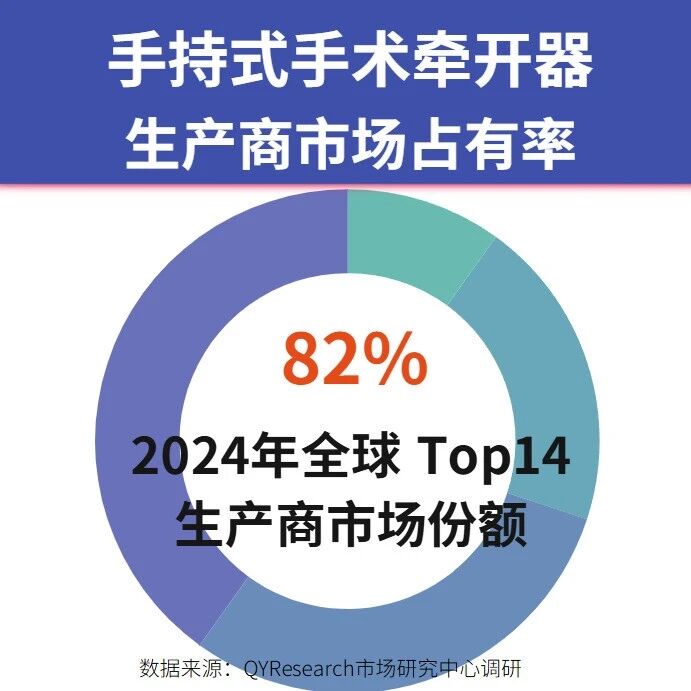
Core Viewpoint - The handheld surgical retractor market is projected to reach $350 million by 2031, with a compound annual growth rate (CAGR) of 3.18% in the coming years [3]. Market Overview - The global market for handheld surgical retractors is characterized by stable demand for traditional instruments and technological upgrades leading to structural optimization [4]. - The top 14 manufacturers hold approximately 82% of the market share, with key players including Johnson & Johnson, Medtronic plc, and Becton, Dickinson & Co. [8]. Industry Development Trends - The industry is experiencing a shift from standardized stainless steel tools to high-performance, low-damage, and specialized products [4]. - The demand for handheld retractors is driven by the increasing volume of surgical procedures, particularly in general surgery, orthopedics, and neurosurgery [9]. - There is a growing trend towards disposable handheld retractors and replaceable blade kits in specific departments, driven by infection control and efficiency needs [4][9]. Upstream Supply Chain - The upstream supply chain consists of medical-grade metals, precision processing equipment, surface treatment technologies, and sterile packaging materials [10]. - Key raw materials include medical-grade stainless steel and titanium alloys, which are crucial for the retractor's durability and safety [10]. Midstream Manufacturing - The midstream sector focuses on instrument design, precision manufacturing, quality verification, and brand management [11]. - Midstream companies are adapting to various surgical scenarios by developing multiple blade shapes and handle structures [11][12]. Downstream Applications - Handheld surgical retractors are widely used across various surgical departments, including general surgery, orthopedics, and emergency trauma [13]. - The demand structure is evolving towards a combination of general high-volume needs and specialized, refined retractors for specific surgical applications [13].