QYResearch

Search documents
年复合增长率28.27%!全球大规模向量索引系统市场规模总体调查及2026年展望
QYResearch· 2025-12-12 02:22
市场总体规模(全球及中国地区) 0 1 大规模向量索引系统行业正处于快速发展和技术迭代阶段,已成为人工智能、生成式 AI 、多模态应用以及企业知识管理 的重要基础设施。行业产业链涵盖上游的算力硬件、算法与模型提供、大数据与云平台支撑,中游的向量数据库开发和系 统集成,以及下游的金融风控、医疗影像、政务知识管理、电商推荐、智能客服等多样化应用场景。国内企业在政策支 持、市场需求和开源生态推动下快速发展,但仍面临技术成熟度、标准化水平、人才储备和国际竞争等挑战。行业发展趋 势表现为云原生化、高性能索引优化、多模态支持、行业定制化以及与大模型和生成式 AI 的深度融合,同时向量检索能 力正逐渐嵌入数据库、大数据平台和企业应用系统,推动企业智能化转型和业务效率提升。总体来看,大规模向量索引系 统行业在技术创新、市场扩张和政策引导的多重推动下,具备广阔的发展空间和持续增长潜力。 2024 年,全球大规模向量索引系统市场规模达到了 3,114.34 百万美元,预计 2031 年将达到 16,364.73 百万美元, 2025-2031 年复合增长率( CAGR )为 28.27% 。 大规模向量索引系统是一种专门用于高效 ...


激光隐形晶圆开槽机产业链及全球市场规模增长趋势
QYResearch· 2025-12-11 02:36
Core Insights - The laser stealth wafer grooving machine is a critical semiconductor equipment for advanced packaging and wafer cutting processes, utilizing short pulse laser beams to create precise grooving paths without contact, thus enhancing yield in semiconductor manufacturing [1][2]. Market Overview - The global market for laser stealth wafer grooving machines is projected to grow from USD 237 million in 2024 to USD 364 million by 2031, with a compound annual growth rate (CAGR) of 6.2% from 2025 to 2031 [2]. Industry Development Trends - Integration of ultrafast laser and AI technology is becoming a core feature, reducing thermal damage and enhancing precision for processes below 5nm [6]. - The trend towards automation and modularity is evident, with features like online detection and digital twin simulation being integrated into the machines [6]. - The demand for high-precision grooving is increasing due to the proliferation of advanced packaging technologies like Chiplet and TSV, necessitating upgrades in laser power and cutting control for third-generation semiconductor materials [6]. Industry Opportunities - Rapid growth in emerging fields such as electric vehicles, AI, and 5G is driving demand for high-performance laser stealth wafer grooving machines [7]. - The acceleration of semiconductor equipment localization in countries like China is creating opportunities for domestic manufacturers to capture market share [7]. - The third-generation semiconductor materials market, particularly SiC and GaN, is expanding, with laser stealth wafer grooving machines becoming essential for processing these materials [7]. Industry Challenges - Technical difficulties in achieving high precision when wafers are thinned below 50 μm pose challenges to product yield [8]. - The reliance on imported core components, such as high-end lasers and precision motion control systems, creates supply chain risks [8]. - High entry barriers due to the need for extensive knowledge in laser technology and precision mechanics limit new entrants in the market [8]. Industry Chain Analysis - Key components include ultrafast lasers, optical systems, motion control systems, and detection components, which are essential for the operation of laser stealth wafer grooving machines [9][10]. - The manufacturing process involves equipment integration, laser source debugging, and precision calibration, highlighting the complexity of production [10]. Future Outlook - The market is expected to continue expanding with advancements in semiconductor process nodes, widespread adoption of advanced packaging technologies, and the growth of the third-generation semiconductor industry [10]. - Focus on higher precision, automation, and compatibility with special materials will drive the development of more specialized and efficient solutions [10].
全球高频喷射呼吸机行业总体规模、主要企业国内外市场占有率及排名
QYResearch· 2025-12-11 02:36
Core Viewpoint - The global high-frequency jet ventilator market is experiencing steady growth driven by the increasing demand for precision medicine and advancements in critical care technology [4][7]. Industry Overview and Market Size - The high-frequency jet ventilator market is segmented to meet diverse clinical scenarios, with a focus on intelligent integration, high-frequency and conventional mode fusion, and miniaturization [4]. - The market is projected to grow from $0.50 billion in 2024 to $0.82 billion by 2031, with a compound annual growth rate (CAGR) of 7.29% from 2025 to 2031 [7]. - North America and Europe are the primary production and consumption centers, holding market shares of 43.01% and 35.43% respectively in 2024 [7]. - The Asia-Pacific region, particularly China, is emerging as a new growth engine, with the market expected to increase from $173 million in 2024 to $453 million by 2031 [8]. Market Concentration - The market is highly concentrated, with the top five manufacturers accounting for 87.84% of the global market share in 2024 [10]. - Single jet ventilators dominate the market, expected to reach a share of 59.74% by 2031, while dual jet ventilators are gaining traction in complex surgical scenarios [10]. Technological Advancements - High-frequency jet ventilators are evolving into intelligent respiratory support platforms, integrating smart algorithms and remote management technologies [11]. - The devices are designed to enhance ventilation precision and operational safety across various clinical applications [4]. Industry Characteristics - The market is characterized by high entry barriers due to technological complexities and brand dominance by established players [13][19]. - The product segmentation is tailored to specific patient populations and clinical indications, enhancing treatment efficacy [15]. Favorable Factors for Industry Development - The unique physiological advantages of high-frequency jet ventilators, such as reduced risk of lung injury and effective ventilation in challenging clinical conditions, drive their adoption [16]. - The increasing prevalence of chronic respiratory diseases and acute respiratory failure due to an aging population is boosting demand for these devices [16]. - Government policies supporting high-end medical equipment development provide external support for technological advancements [16]. Unfavorable Factors for Industry Development - Domestic companies face high dependency on foreign core technologies, limiting their competitive edge in the high-end market [17]. - Potential clinical complications associated with high-frequency jet ventilation may restrict its widespread application [17]. - The high costs of development, production, and maintenance of these devices pose challenges for market penetration, especially in grassroots medical institutions [18].

基于欧洲和中东油气市场的压力控制校准器前景分析
QYResearch· 2025-12-11 02:36
Core Insights - The article discusses the significance of pressure control calibrators in the oil and gas industry, highlighting their role in high-precision pressure measurement and calibration, which is essential for exploration, drilling, transportation, and equipment maintenance [1]. Market Analysis - The development of pressure control calibrators in the European and Middle Eastern oil and gas markets is driven by energy security transitions and the establishment of digital verification systems. The demand for measurement, monitoring, and safety calibration equipment has significantly increased due to the diversification of energy sources post-Russia-Ukraine conflict [2]. - According to QYResearch, the global market for pressure control calibrators is expected to reach $330 million by 2031, with a compound annual growth rate (CAGR) of 8.1% over the coming years [2]. Supply Chain Overview - The upstream supply chain includes critical components such as high-pressure motor assemblies, servo pump bodies, pressure sensor cores, seals, and corrosion-resistant metal housings. The cost of pressure sensor cores accounts for approximately 35% to 40% of the total cost, influencing overall measurement accuracy and temperature stability [5]. Technological Trends - Key technological advancements include: - Smart and remote control capabilities with ±0.005% FS stability, supporting Bluetooth, Modbus, and Ethernet communication for integration into oilfield monitoring networks [6]. - Lightweight and portable designs with built-in battery systems for independent operation in remote locations [6]. - Enhanced corrosion resistance and explosion-proof features, compliant with ATEX and IECEx certifications [6]. - Integration with SCADA systems for automatic data upload and compliance reporting [6]. - Energy-efficient and low-noise motors to reduce operational noise in oil and gas environments [6]. Industry Policies - Energy independence policies in Europe are increasing investments in natural gas storage and oilfield longevity, raising standards for equipment testing and maintenance [8]. - Stricter safety and compliance regulations, such as the EU's ATEX Directive and Pressure Equipment Directive, mandate that pressure testing instruments meet specific safety and accuracy standards [8]. - The strengthening of metrology certification systems, including ISO/IEC 17025 and EN ISO 9001, is driving demand for high-end pressure control calibrators [8]. Market Development Factors - Driving factors include: - Growing demand for high-precision measurement in the oil and gas sector, particularly with the expansion of deep-sea drilling and unconventional gas facilities [9]. - The promotion of automated calibration and digital factory initiatives, leading to increased adoption of pressure control calibrators with smart control modules [9]. - Enhanced safety and efficiency in testing processes, particularly in hazardous environments [9]. - The aging of global energy facilities necessitating maintenance and calibration, increasing the frequency of instrument calibration [10]. Barriers to Growth - High-end technology barriers and cost constraints, with electric calibrators priced between $5,000 and $15,000, making them 2 to 3 times more expensive than manual or pneumatic devices [11]. - Differences in metrology standards and certification barriers across countries, leading to high costs and long cycles for product export certification [12]. - Lack of a robust metrology regulatory framework in emerging markets like the Middle East and Africa, limiting the demand for high-precision calibration [13]. - Environmental challenges such as high temperatures and humidity affecting the performance of pressure control calibrators [14]. Development Opportunities - The trend towards digital operations and predictive maintenance in the oil and gas industry presents opportunities for pressure control calibrators to integrate with monitoring systems for self-calibration and remote data management [16]. - The rise of local manufacturing capabilities in markets like China and India is driving the trend of import substitution, with domestic companies gradually capturing the mid-range market [17]. - Potential for cross-industry applications, including nuclear power, pharmaceuticals, aerospace, and hydrogen energy testing, particularly as hydrogen pressure testing requirements increase [17]. - Innovations in low-power and explosion-proof products are becoming a focus for new product development, with integrated designs expected to dominate the market in the coming years [17].
深入产业链每一个环节:QYResearch的实地调研方法论
QYResearch· 2025-12-11 02:36
Core Viewpoint - The article emphasizes the necessity of in-depth field research to obtain accurate and comprehensive insights into industry conditions, as relying solely on public data is insufficient in a rapidly changing global market [1]. Group 1: Methodology Core Concepts - The field research methodology of QYResearch is based on two core concepts: vertical penetration and horizontal validation [3]. - Vertical penetration involves comprehensive research along the value chain, from upstream suppliers to downstream end-users, to capture subtle changes in cost structures, technological barriers, and supply-demand relationships [3]. - Horizontal validation entails comparing and verifying information across similar companies in different regional markets or segments to enhance the robustness of market size, share, and growth rate predictions [4]. Group 2: Key Steps in Field Research - QYResearch's field research process is systematized into four interconnected stages, starting with in-depth corporate interviews and factory visits to gather critical insights from key functional leaders [5]. - The second step involves market channel and end-user visits to understand how products reach final users, which is crucial for predicting market prospects [5]. - The third step includes data cross-validation and insight extraction, where information obtained is systematically verified and integrated to identify anomalies and enhance predictive accuracy [7][8]. Group 3: Unique Value of Field Research - The rigorous methodology allows QYResearch to provide unique value in its reports, combining solid field insights with robust data models to support clients' strategic decision-making [9]. - The research offers real cost structure analysis, uncovering raw material, labor, and manufacturing costs to forecast industry profit trends [10]. - It also reveals unpublished technological developments and provides a precise view of capacity layouts, identifying actual production rhythms and scales [10].

赋能客户成功,是我们最大的成就感来源
QYResearch· 2025-12-10 03:21
Core Insights - QYResearch has been dedicated to driving client value growth through professional research since its establishment in 2007, serving over 68,000 clients globally [1][6]. Group 1: Data Foundation - QYResearch has built a comprehensive "panoramic data ecosystem" that includes a core database covering 80 million products, enabling detailed market analysis [3]. - The company connects with over 200 customs databases and compiles data from national statistical agencies and 1,500+ associations to ensure accurate macro trend assessments [3]. - An expert interview mechanism and a unique 30-angle interview confirmation system are in place to filter noise and extract key decision-making insights [3]. Group 2: Customized Services - QYResearch emphasizes the importance of tailored services to meet the unique and deeper needs of clients, moving beyond standardized reports [4][5]. - The company offers a decision support system that integrates data, wisdom, and experience, providing actionable solutions for feasibility studies, IPO consulting, and business plan writing [5]. Group 3: Global Perspective and Local Insights - With headquarters in major economic hubs, QYResearch possesses a "dual-city perspective" that allows for both global trend analysis and local market understanding [6]. - The client base includes Fortune 500 companies, SMEs, investment institutions, and academic research organizations, reflecting the company's ability to cater to diverse needs [6]. Group 4: Future Outlook - QYResearch is committed to continuous innovation by integrating advanced technologies like natural language processing and machine learning into its data models [8][9]. - The company aims to expand its research scope, focusing on emerging technologies and industry transformations while maintaining a commitment to quality and survival [9].

全球与中国压电马达市场现状及未来发展趋势
QYResearch· 2025-12-10 03:21
Core Viewpoint - The piezoelectric motor market is experiencing a decline due to reduced demand in the camera lens sector, while other applications such as medical devices and robotics show steady growth potential [9][10]. Industry Current Status Analysis - The growth of the piezoelectric motor market is driven by strong demand from emerging industries, including industrial automation, smart manufacturing, and the rapid development of electric vehicles [3]. - The consumer electronics sector, particularly in smartphone applications, continues to consume a significant amount of micro piezoelectric motors [3]. Technical Characteristics - The core advantages of piezoelectric motors stem from their unique working principle, allowing for nanometer-level precision and rapid response times [4]. - They are compact, have high power density, and produce minimal noise, making them irreplaceable in precision drive applications [4]. Downstream Applications - Piezoelectric motors are widely used in consumer electronics, industrial automation, medical devices, and high-end manufacturing sectors [4]. - Future applications are expected to expand further with the trends of miniaturization and high performance [4]. Market Competition Landscape - The global piezoelectric motor market is characterized by diversified competition, with leading companies from Japan and Europe dominating the high-end market [4][16]. - China's piezoelectric motor industry is rapidly developing, gradually increasing its market share [16]. Miniaturization and Integration - There is a continuous trend towards reducing the size of piezoelectric motors to meet the demands of compact and high-functionality drive components in consumer electronics and medical devices [5]. - Integration with control electronics is being pursued to achieve more precise and faster feedback control [5]. Development of High-Performance Piezoelectric Materials - Research is focused on developing lead-free piezoelectric ceramics to comply with environmental regulations [5]. - Enhancements in performance metrics such as piezoelectric coefficients and thermal stability are being targeted for specific applications [5]. Energy Harvesting Technology - Piezoelectric elements are being utilized to convert environmental energy into electrical energy for powering IoT devices and wireless sensor networks [6]. Technological and Structural Innovations - New sensor topologies and manufacturing techniques, including MEMS microfabrication and 3D printing, are being developed to optimize piezoelectric motor performance [7]. - Efforts are being made to improve cost-effectiveness and durability of piezoelectric motors [7][8]. Global Market Size Analysis - The global piezoelectric motor market is projected to reach $294.81 million by 2024, with a forecasted decline to $230.33 million by 2031, reflecting a CAGR of -2.97% from 2025 to 2031 [10]. - The market is significantly influenced by the performance of leading companies like Canon and Tamron, particularly in the camera lens segment [9][10]. Consumer and Production Market Insights - Japan is the largest consumer market for piezoelectric motors, holding a 52.44% market share in 2024, followed by Southeast Asia and China [15]. - On the production side, Japan and Europe dominate, with Japan accounting for 95.03% of the market share in 2024 [15][16].

行业聚焦:全球核电站防护涂料市场头部企业份额调研(附Top10 厂商名单)
QYResearch· 2025-12-10 03:21
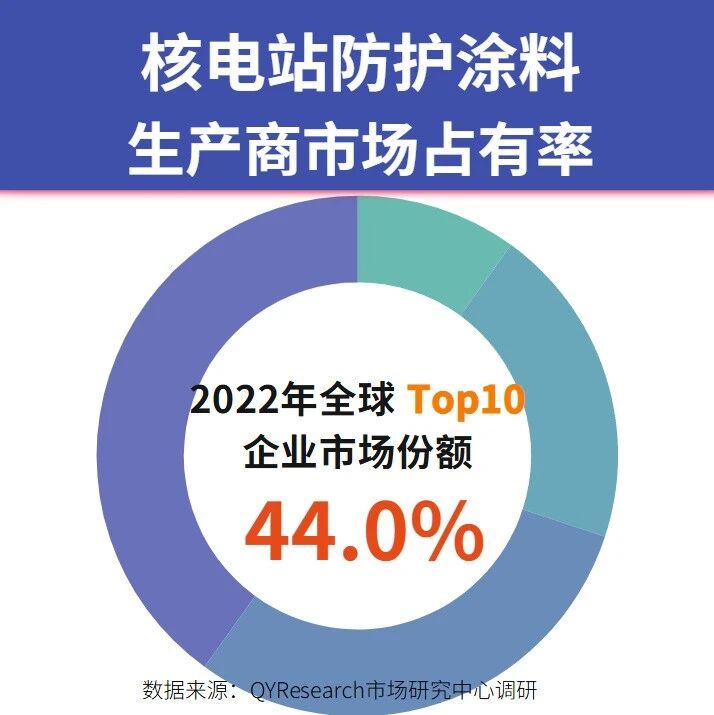
核电站防护涂料是专为承受辐射、腐蚀和高温等恶劣环境而设计的特种材料。常见的防护涂料包括环氧涂料(因其耐久性和 抗辐射性而被广泛应用)以及其他体系,例如用于防火和耐化学腐蚀等特定用途的无机锌和聚脲涂料。这些涂料的选择和性 能很大程度上取决于正确的表面处理、施工和固化工艺。 根据 QYResearch 头部企业研究中心调研,全球范围内核电站防护涂料生产商主要包括 Teknos 、 Advanced Colour Coatings 、 Hempel 、 Jotun 、 Xinhe New Materials Co., Ltd. 、 Zhongke Meisi Nuclear Coatings (Yantai) Co., Ltd. 、 PPG Industries 、 Sherwin-Williams 、 Sigma Paints 、 MetaLine Surface Prot 等。 2022 年,全球前十强厂商占有大约 44.0% 的市场份额。 从市场格局来看,行业集中度呈现逐步提升的趋势。 2022 年,全球核电站防护涂料市场中前十大生产商的合计市场份额已达 到约 44.0% ,反映出头部企业在技术积累、品牌认可 ...
行业聚焦:全球环锭纺细纱机市场头部企业份额调研(附Top10 厂商名单)
QYResearch· 2025-12-10 03:21
Market Overview - The global ring spinning machine market is expected to grow steadily, reaching a market size of $2.04 billion by 2031, with a compound annual growth rate (CAGR) of approximately 8% over the next five years. This growth is driven by the ongoing demand for high-quality yarn, smart manufacturing upgrades, and green energy-efficient production in the downstream textile and apparel industry [2]. Policy Support - Governments, particularly in major textile-producing countries like China, India, and Vietnam, are promoting the textile machinery industry towards high-end and intelligent development through industrial upgrade plans and technology renovation subsidies. China's "smart manufacturing" and "green manufacturing" strategies support the elimination of outdated, high-energy-consuming equipment and the introduction of intelligent spinning machines with advanced features [4]. Market Expansion - The increasing global population and demand for clothing, along with the transfer of the textile industry to emerging markets (such as South Asia and Southeast Asia), are driving strong demand for new capacity and replacement of outdated capacity. Developed countries are also demanding customized yarns in small batches, requiring spinning machines to have more flexible process parameter adjustments and shorter changeover cycles [4]. Corporate Strategy - Major spinning machine manufacturers are transitioning from "single machine sales" to providing comprehensive solutions that include "spinning system integration + software platforms + preventive maintenance services." This transformation leverages industrial IoT, big data analytics, and AI technology to achieve digital monitoring and optimization throughout the spinning process, significantly improving yarn quality consistency and energy management efficiency [4]. Key Drivers - The demand for ring spinning machines is closely tied to the yarn industry's performance. The persistent demand for clothing and home textiles necessitates regular updates of old machines or capacity expansion by spinning mills. The rising demand for high-quality yarns (such as high-count yarns and compact yarns) ensures long-term resilience in the demand for high-end spinning machines [10]. - Automation and energy-saving upgrades are significant drivers for equipment iteration, as rising labor costs and the need for energy consumption control push spinning mills to invest in automated spinning machines that reduce labor intensity and improve yarn quality [11]. - Continuous advancements in domestic spinning machine technology enhance the domestic substitution rate, with Chinese spinning machines increasingly matching or exceeding the performance of imported equipment, thus promoting market expansion and accelerating the replacement of imported brands [12]. Major Obstacles - The volatility of downstream demand leads to cyclical investment periods, as the spinning industry is significantly affected by external trade environments, cotton price fluctuations, and inventory cycles. This results in spinning mills delaying expansion or investment decisions during downturns, leading to a decline in orders for spinning machines [13]. - The concentration of supply and cost fluctuations for key components, such as steel components and control chips, pose risks to the profitability and delivery timelines of machine manufacturers when supply tightens or costs rise [14]. - Intensified competition in the mid-to-low-end spinning machine market, characterized by frequent price wars and similar performance among devices, compresses profit margins and limits research and development investments [15]. Industry Development Opportunities - The demand for smart manufacturing and digital factory renovations is rapidly growing, with spinning machines becoming key equipment in the digital upgrade process, creating new growth points for spinning machine manufacturers [16]. - The ongoing transfer of textile production capacity to countries like India, Bangladesh, and Vietnam is expanding international market opportunities, with strong demand for cost-effective and stable-performing Chinese spinning machines [17]. - The increasing demand for high-quality and functional yarns is driving the upgrade of high-end equipment, as the growth in high-end yarn demand necessitates continuous iterations of high-end spinning machines [18]. Downstream Industry Focus - The high-end yarn manufacturing sector is one of the most stable and fastest-growing application areas for ring spinning machines, with a significant increase in demand for high-count yarns and high-quality cotton yarns in China and Southeast Asia. By the end of 2023, China's high-count yarn capacity accounted for over 35% of total capacity, up nearly 12 percentage points since 2018 [19]. - The market for functional and differentiated fibers is expanding, driven by the rapid development of sportswear and outdoor fabrics, which require spinning machines with precise control capabilities [20][21]. - The digitalization of spinning factories is becoming a strategic emerging market for ring spinning machines, with projections indicating that over 7,000 smart spinning workshops will be established or renovated globally by 2030, with China accounting for over 45% of this total [22].
行业聚焦:全球电磁干扰吸收板行业头部企业市场份额及排名调查
QYResearch· 2025-12-09 03:06
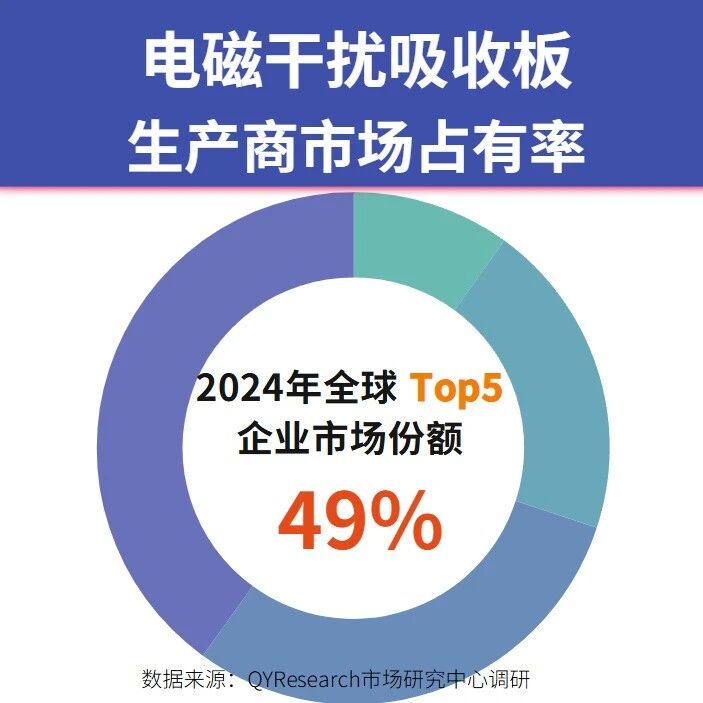
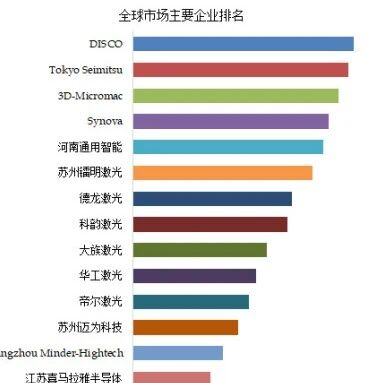
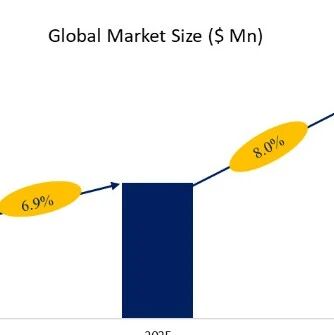
全球电磁干扰吸收板市场已进入稳步增长阶段,这主要得益于电子设备日益复杂化以及各行业对电磁兼容性需求 的不断增长。 据 QYResearch 预测,该市场规模从 2024 年的 3.26 亿美元增长至 2031 年的 4.44 亿美元, 2025 年至 2031 年的复合年增长率( CAGR )为 4.61% 。这一增长趋势表明,电磁干扰吸收技术仍将是下一代通信 基础设施、国防和航空航天应用以及更广泛的工业电子领域的关键推动因素。这种稳健而适度的增长速度既体现 了该行业的成熟度,也展现了市场需求在不断变化的监管、技术和供应链挑战面前的韧性。 从产品细分的角度来看,窄带电磁干扰吸收 板 仍然是主导产品类别 , 2024 年的市场规模为 1.79 亿美元,预计 到 2031 年将达到 2.34 亿美元。其持续的需求与精密设备(尤其是航空航天和国防系统)中特定的频率抑制要求 密切相关,在这些领域,定向吸收仍然至关重要。 与此同时,宽带电磁干扰吸收 板 虽然 2024 年的基数较小( 1.48 亿美元),但预计其相对增长速度更快,到 2031 年将达到 2.09 亿美元。这反映了多频段无线通信技术、 5G 基础设施、物 ...