QYResearch

Search documents
行业聚焦:全球海岸工程与水文建模行业头部生产商市场份额及排名调查
QYResearch· 2025-11-18 01:52
Core Insights - The article emphasizes the importance of coastal engineering and hydrological modeling as essential technologies for sustainable coastal resource development and disaster prevention [1][3]. - The market for coastal engineering and hydrological modeling is driven by climate change, urbanization, and the increasing demand for resilient water infrastructure [3][4]. - The integration of advanced modeling techniques, including numerical simulation and data analysis, is crucial for designing sustainable coastal protection structures and optimizing flood management [4][5]. Market Overview - The global market for coastal engineering and hydrological modeling is projected to reach USD 607.70 million by 2024, with a compound annual growth rate (CAGR) of 5.39% [8]. - The market is characterized by significant investments in coastal protection, flood management, and sustainable water resource management [4][21]. Development Status - The market is currently experiencing steady growth and technological advancements, with notable progress in numerical simulation software and integrated data analysis tools [4][5]. - The increasing frequency of extreme weather events and the urgent need for climate adaptation strategies are accelerating the application of advanced modeling services [4][5]. Future Trends - The integration of digital twin technology is gaining popularity, allowing engineers to analyze scenarios and optimize designs for coastal resilience [5]. - The application of artificial intelligence and machine learning is enhancing predictive capabilities and automating data analysis in hydrological modeling [5]. - There is a growing focus on nature-based solutions (NBS) for sustainable development, such as mangrove restoration and wetland construction [5]. - The expansion of offshore renewable energy projects is creating opportunities for coastal engineering expertise in site selection and environmental impact assessments [5]. - Geographic Information Systems (GIS) and remote sensing technologies are becoming essential for high-precision coastal mapping and environmental monitoring [5]. SWOT Analysis - **Strengths**: The market benefits from advanced modeling technologies that accurately predict coastal and hydraulic processes, combining engineering expertise with environmental factors [6]. - **Weaknesses**: High implementation and operational costs, along with the need for specialized technical knowledge, may limit application, especially in developing regions [6]. - **Opportunities**: Growing global investments in climate adaptation and sustainable urban development present significant growth potential [6]. Market Segmentation - Coastal engineering design currently represents the largest product segment, accounting for approximately 40.12% of the market share [15]. - Government agencies are the primary demand source for coastal engineering and hydrological modeling, holding about 58.82% of the market share [18]. Regional Development - The Americas, particularly North America, are driven by government and academic investments in coastal resilience and flood management [21]. - Europe leads in advanced numerical modeling and sustainable coastal management, supported by strong regulatory frameworks [21]. - The Asia-Pacific region is experiencing rapid growth due to extensive coastal infrastructure development and urbanization [21]. - The Middle East and Africa are increasingly focusing on coastal modeling due to expanding port construction and the need to address coastal erosion and flooding [21].

行业聚焦:全球工业插头插座行业头部生产商市场份额及排名调查
QYResearch· 2025-11-18 01:52
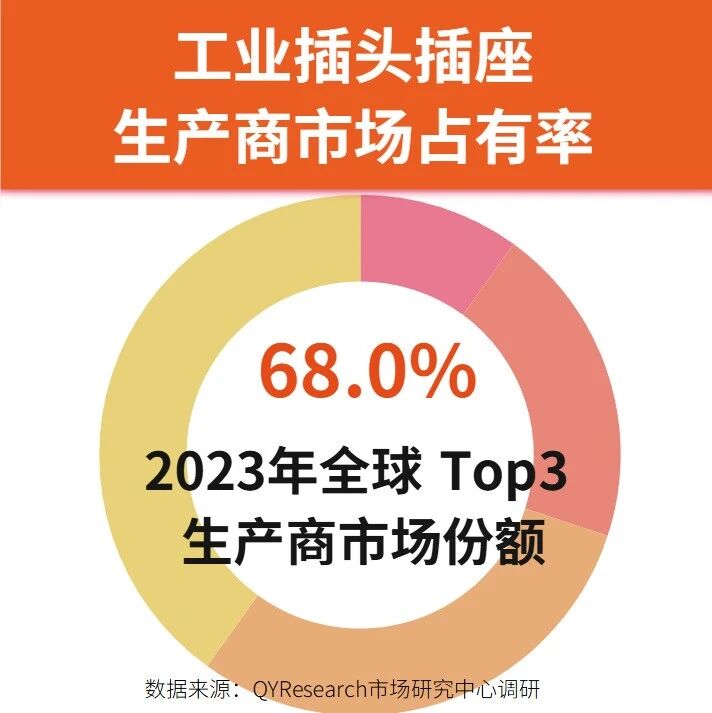
Core Viewpoint - The industrial plug and socket market is crucial for reliable energy connection and transmission in various industries, emphasizing safety, durability, and performance under harsh conditions [1][5]. Industry Chain Analysis - **Upstream**: Key materials include metal conductors (copper, brass, stainless steel), insulation materials (nylon, polycarbonate, rubber), and sealing components. Copper prices significantly impact production costs, accounting for approximately 30% to 40% of total costs [6]. - **Midstream**: The manufacturing process involves mold making, injection molding, metal stamping, and quality control. European brands lead in high-end products, while companies in China and Southeast Asia excel in mid-to-low voltage products [7]. - **Downstream**: Applications span manufacturing, energy, construction, and transportation, with B2B channels accounting for about 70% of sales [8][10]. Development Trends, Opportunities, and Challenges - **Trends**: The industry is moving towards smart interfaces, high protection levels, modular designs, and green manufacturing practices [12][13][14][15]. - **Opportunities**: Growth in smart manufacturing, renewable energy, infrastructure projects, and the potential for Chinese brands to replace European ones in international markets [17][18][19][20]. - **Challenges**: Fluctuating raw material costs, complex safety standards, and the need for technological innovation pose significant hurdles [21][22][23][24][25]. Downstream Industry Analysis - The demand for industrial plugs and sockets is primarily driven by six sectors: manufacturing (40% market share), construction, energy, transportation, communication, and commercial facilities [26][27][28][29][30][31]. Entry Barriers Analysis - **Technical Barriers**: High-performance products require advanced technology in various aspects, including resistance control and material compatibility [34]. - **Capital Barriers**: Initial investment in production lines is high, making it difficult for small enterprises to scale [35]. - **Certification Barriers**: Compliance with multiple international standards is costly and time-consuming [36]. - **Brand Barriers**: Established brands have a competitive edge due to customer loyalty and reputation [37]. - **Supply Chain Barriers**: Large clients demand quick delivery and customization, favoring suppliers with robust capabilities [38]. - **Environmental Barriers**: Compliance with environmental regulations increases entry costs [39].
以数据驱动决策,助力客户公司成功申报“专精特新”企业
QYResearch· 2025-11-18 01:52
Core Viewpoint - QYResearch emphasizes the importance of data-driven decision-making in helping clients successfully apply for "specialized, refined, distinctive, and innovative" enterprise certifications [4][9]. Group 1: Initial Challenges - The client company, a high-tech enterprise in the smart manufacturing sector, initially believed that their generic product had significant advantages for the certification application [6]. - QYResearch identified that the generic product lacked distinct competitive advantages and faced intense market competition, failing to meet the core requirements of the "specialized, refined, distinctive, and innovative" policy [6]. Group 2: Data-Driven Insights - QYResearch conducted thorough horizontal and vertical data analysis of the client's product line, comparing market share, technology levels, and competitive landscape [7]. - The analysis revealed that the client had a significant competitive advantage in a specific niche product area, possessing independent intellectual property and leading industry status, which became a pivotal point for adjusting the application strategy [7]. Group 3: Application Support - After establishing a new direction, QYResearch developed a data-driven application system highlighting the client's unique advantages in core technology, market position, and value within the industry chain [8]. - Key highlights of the application materials included validation of industry position, quantification of innovation capabilities, assessment of market influence, and a growth potential model predicting sustainable development in the target niche market [8]. Group 4: Future Outlook - QYResearch's successful assistance in the client's application reflects its core service capability of data-driven decision-making, supporting clients in strategic planning, product positioning, market entry, and policy applications [9]. - As the "specialized, refined, distinctive, and innovative" policy continues to advance, more SMEs are seeking to stand out and gain policy benefits, with QYResearch positioned as a powerful "think tank" and "data engine" for these enterprises [9].

人工智能(AI)在农业育种行业的应用现状与商业化前景
QYResearch· 2025-11-17 01:21
Industry Background: Transition to a "Data-Driven" Era in Breeding - Traditional breeding relies heavily on time-consuming field trials and personal experience, typically requiring 7-12 years for completion, which is costly and has a limited success rate. The global breeding industry is undergoing a fundamental shift from "experience-driven" to "data + model-driven" due to the significant decrease in genome sequencing costs, widespread application of high-throughput phenotyping technologies, and continuous enhancement of AI computing power [2]. Core Applications of AI in the Breeding Industry - **Genomic Selection**: This technology analyzes vast amounts of genetic markers to accurately predict key traits such as crop yield, quality, and disease resistance. AI can reduce the breeding cycle from 7-10 years to 4-6 years and improve trait prediction accuracy by 10-25%, while significantly lowering field validation costs. Leading companies like Bayer and KWS have implemented this at scale for major crops [6]. - **Phenotypic Analysis**: AI enhances the efficiency and accuracy of collecting phenotypic data through automated analysis of plant growth, disease severity, and canopy structure using drones and hyperspectral cameras. This technology increases selection efficiency by 5-10 times and provides objective quantitative data for field trials [7]. - **Hybrid Combination Prediction**: AI integrates multi-dimensional data to improve the accuracy of predicting successful hybrid combinations, addressing the issue where over 95% of traditional combinations fail to meet expectations. This allows for the early elimination of ineffective combinations, focusing resources on high-potential materials [8]. - **Environmental Modeling**: AI constructs G×E (genotype × environment) models to predict how different genotypes perform in various environments, facilitating a shift from reliance on multi-site trials to model-driven predictions, thus overcoming geographical limitations in breeding [10]. Global Application Status: From Experimental Exploration to Large-Scale Implementation - The global breeding industry has formed three distinct tiers in AI application: - Leading seed companies like Bayer and Syngenta have established comprehensive data infrastructures and AI breeding systems, creating high technical barriers [12]. - Research institutions such as CGIAR and USDA are driving innovation in AI breeding projects for staple crops, providing theoretical and technical support [13]. - Small and medium enterprises are gaining capabilities through SaaS platforms, allowing them to access advanced breeding tools at lower costs [13]. Commercialization Models and Industry Transformation Directions - Three main commercialization models have emerged in AI breeding: - **SaaS Software Subscription Model**: Targets small and medium breeding companies, offering tiered pricing based on image processing volume or trial area, lowering the application threshold for AI technology [15]. - **Data Analysis Service Model**: Provides specialized services for specific breeding projects, converting professional knowledge into value [15]. - **AI-Driven New Variety Commercialization**: This mainstream model for seed companies enhances breeding efficiency, leading to faster market introduction and more stable traits, ultimately increasing seed sales revenue [15]. Future Prospects: AI Will Reshape the Global Breeding Competitive Landscape - The breeding industry is expected to undergo three distinct development stages driven by AI: - **Short-term (1-3 years)**: Rapid commercialization of single-point AI tools, with phenotypic analysis AI leading the way and genomic selection solidifying its mainstream status [17]. - **Mid-term (3-7 years)**: AI will evolve from single-point tools to a full-process breeding system, with digital field trials becoming common and hybrid combination prediction transitioning into routine production [17]. - **Long-term (7-10 years)**: The deep integration of AI with gene editing technologies will create a closed-loop system, significantly reducing breeding costs by 40-60% and shortening cycles by 30-50% [17]. Domestic Development Status: Breakthroughs in China's AI Breeding Field - The year 2025 is projected to be a landmark year for China's AI breeding, with several innovative achievements: - The Shanghai AI Laboratory, in collaboration with other institutions, launched the first autonomous scientific discovery system in biological breeding, capable of simulating molecular biologist functions [19]. - Zhejiang University and Huawei developed an "AI Breeder" that enhances cotton hybrid breeding efficiency by 20 times and reduces the breeding cycle from 6-8 years to 3-4 years [19]. - The establishment of a unified data platform by the Qiaozhou Bay National Laboratory and Huawei significantly improves breeding efficiency through standardized data collection [19]. Conclusion: AI Initiates the "Second Revolution" in the Breeding Industry - AI is leading the most profound transformation in the breeding industry since the advent of hybrid breeding technology, marking a shift from reliance on experience to data-driven predictions. This revolution fundamentally changes the breeding paradigm from "art" to "science," establishing quantifiable and predictable mathematical models [21]. The integration of AI with gene editing technologies will usher in an era of "precise design" in breeding, redefining competitive dynamics in the global seed industry [21].



中国无机抗菌剂市场现状研究分析与发展前景预测报告
QYResearch· 2025-11-17 01:21
Core Viewpoint - Inorganic antimicrobial agents, including silver ions and metal oxide photocatalysts, are gaining traction due to their broad-spectrum antibacterial properties, low toxicity, and heat resistance, especially with advancements in nanotechnology enhancing their effectiveness compared to traditional agents [1][4]. Market Overview - The inorganic antimicrobial agent market in China reached USD 92.30 million in 2024 and is projected to grow to USD 153.67 million by 2031, with a compound annual growth rate (CAGR) of 6.50% from 2025 to 2031 [4]. - The market volume is expected to increase from 4,287.0 tons in 2024 to 6,403.0 tons by 2031, reflecting a CAGR of 5.65% during the same period [4]. Product Types and Applications - The market is segmented into various product types, including silver-based, copper-based, and zinc-based antimicrobial agents, with silver-based agents holding a market share of 60.75% in 2024 [6]. - Key application areas include plastics and rubber, coatings, textiles, furniture and appliances, construction materials, medical applications, footwear materials, and glass, with plastics and rubber accounting for 19.48% of the market share in 2024 [6]. Supply Chain Analysis - The upstream supply chain involves sourcing raw materials such as metal ions (silver, zinc, copper) and inorganic fillers (zirconium phosphate, titanium dioxide, silica, zeolite), which directly impact the performance of antimicrobial agents [9]. - The midstream focuses on the research and development of new antimicrobial products, with collaboration between research institutions and companies to innovate and improve product efficacy [10]. - The downstream sector encompasses the application and marketing of antimicrobial agents across various industries, enhancing product competitiveness through added antimicrobial properties [11]. Market Drivers - Technological advancements, particularly in nanotechnology and artificial intelligence, are facilitating the development of new antimicrobial agents, improving efficacy and reducing resistance [12]. - Increasing public health concerns regarding bacterial infections and antibiotic resistance are driving demand for effective antimicrobial solutions [12]. - The expansion of applications in various industries, including healthcare, coatings, textiles, and food packaging, is further propelling market growth [12]. Market Restraints - Limitations in technology and product performance, such as reduced antimicrobial activity in extreme pH or high-temperature environments, pose challenges [14]. - Cost pressures from fluctuating raw material prices and high production costs for advanced formulations hinder market penetration [18]. - High application concentration in specific sectors limits broader adoption in higher-value areas like food packaging and medical devices [19]. Regulatory Environment - Stringent regulations on synthetic preservatives and a preference for natural, biodegradable products are influencing market dynamics [13]. - Variability in regulations across regions regarding antimicrobial material standards necessitates compliance for export-oriented companies [21]. Key Policies - The "Heavy Metal Environmental Safety Hazard Investigation and Rectification Action Plan (2025-2030)" aims to enhance heavy metal pollution control, impacting the production and use of inorganic antimicrobial agents [24]. - New standards for antimicrobial performance testing and safety requirements are being implemented to ensure product efficacy and consumer safety [24]. Industry Competitors - Major players in the Chinese inorganic antimicrobial agent market include Toagosei, Ishizuka, Shanghai Langyi Functional Materials, BASF, and Microban, with the top five companies holding a market share of 64.89% in 2024 [6][27].

行业聚焦:全球园林工具行业头部生产商市场份额及排名调查
QYResearch· 2025-11-17 01:21
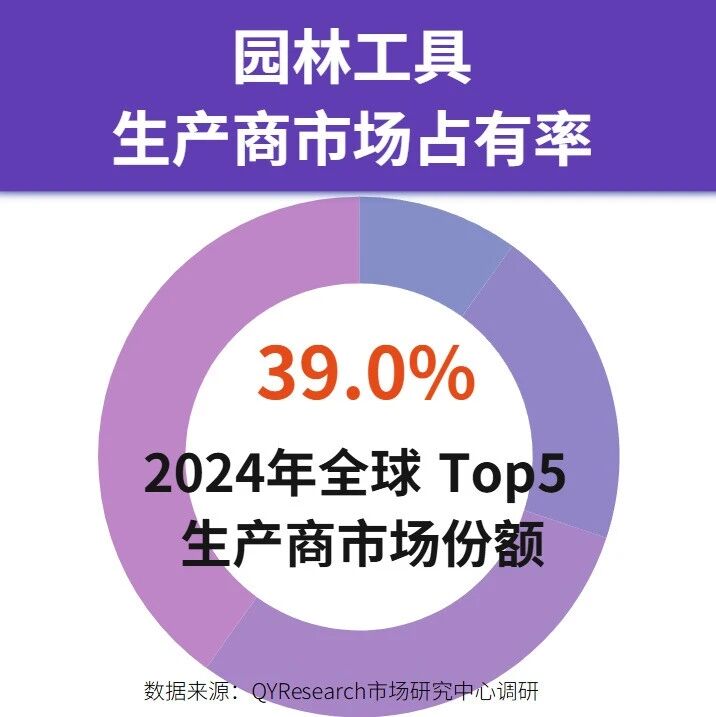
Core Viewpoint - The garden tools market is expected to experience steady growth driven by increased environmental awareness, the rise of home gardening culture, and the proliferation of smart battery-powered devices, with a projected market size of $34.9 billion by 2030 and a CAGR of 4.3% in the coming years [2][4]. Market Overview - Garden tools are specifically designed to assist in gardening, landscaping, and horticultural activities, helping users manage plants, lawns, and soil efficiently [1]. - The market is seeing a shift towards sustainable and durable tools due to global trends in sustainability and urban greening [2]. Market Trends - The global garden tools market is expanding due to the increasing popularity of home gardening, urban beautification, and sustainable lifestyles [14]. - There is a growing demand for smart, ergonomic, and battery-powered garden tools, with innovations such as lithium-ion battery technology and robotic lawn mowers gaining traction [14]. Market Drivers - Key drivers of the garden tools market include the growth of residential construction, urban greening projects, and the rise of leisure gardening and outdoor aesthetics [15]. - Increased disposable income and heightened environmental sustainability awareness are making gardening a lifestyle choice [15]. Market Size and Segmentation - The global garden tools market is projected to reach $34.9 billion by 2030, with a CAGR of 4.3% [4]. - As of 2024, the top five manufacturers hold approximately 39.0% of the market share, with major players including Husqvarna, Stihl, and Toro [9]. - In terms of product type, lawn mowers currently dominate the market with a share of about 39.8% [11]. - Offline sales represent the primary demand source, accounting for approximately 74.5% of the market [13]. Supply Chain Dynamics - The garden tools industry relies on raw materials such as carbon steel, stainless steel, aluminum, plastic, and rubber for manufacturing [17]. - Distribution occurs through retail chains, hardware stores, and e-commerce platforms, serving home gardeners, landscaping companies, and municipal departments [17].
行业聚焦:全球羽毛球装备行业头部生产商市场份额及排名调查
QYResearch· 2025-11-17 01:21
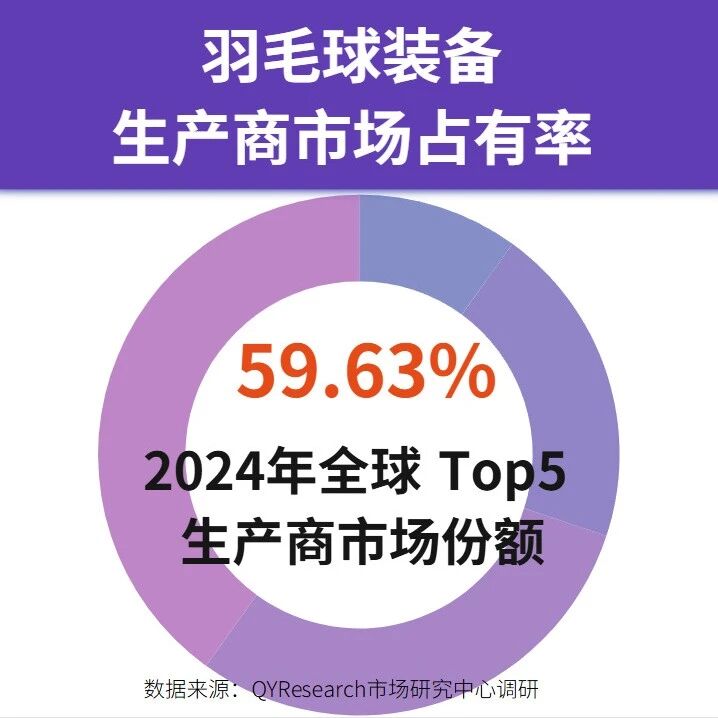
Core Viewpoint - The badminton equipment market is experiencing diversification, technological advancement, and market expansion, driven by the global popularity of badminton, especially in Asia, and the increasing demand for high-performance, personalized, and smart equipment [1][6]. Market Overview - The global badminton equipment market is projected to reach USD 1.659 billion in 2024 and is expected to grow to USD 2.421 billion by 2031, with a compound annual growth rate (CAGR) of 5.7% from 2025 to 2031 [2]. - Major companies in the market include Yonex, Victor, Li Ning, Kawasaki, and Lingmei, with the top five companies holding a market share of 59.63% as of 2024 [3]. Regional Distribution - The Asia-Pacific region dominates the global badminton equipment market, particularly in countries like China, India, Japan, and South Korea, due to the widespread popularity of the sport [6]. - The European market is growing, especially in Denmark and the UK, driven by a robust badminton training system and professional events [6]. - North America is in a developmental stage, with increasing market potential as badminton gains popularity [6]. Market Drivers - National fitness policies are promoting badminton as a low-barrier, high-participation sport, leading to increased market demand [7]. - Rising consumer income levels are driving a shift from basic to high-end, specialized equipment, fostering product innovation [7]. - The expansion of e-commerce and digital channels is lowering sales costs and broadening the consumer base, enhancing market penetration [7]. - The proliferation of badminton events and professional athletes is stimulating demand for specialized equipment [7]. Market Opportunities - The development of synthetic shuttlecock technology is reducing costs and promoting wider adoption [8]. - Environmental sustainability is becoming a key trend, with leading companies developing eco-friendly products and circular economy initiatives [8]. - Increasing consumer demand for personalized and high-end products is creating significant growth opportunities in the market [8]. Market Challenges - Intensifying competition is leading to price wars, which compress profit margins and impact brand image [10]. - Fluctuations in raw material costs, particularly for carbon fiber and natural feathers, can increase production costs and affect profitability [10]. - The cyclical nature of consumer demand for badminton equipment can lead to inventory buildup and sales pressure [10]. - Continuous innovation and R&D investment are necessary to meet the rising demand for high-performance equipment, with the risk of obsolescence for brands that fail to innovate [10].
行业聚焦:全球海缆敷设船行业头部生产商市场份额及排名调查
QYResearch· 2025-11-14 01:15
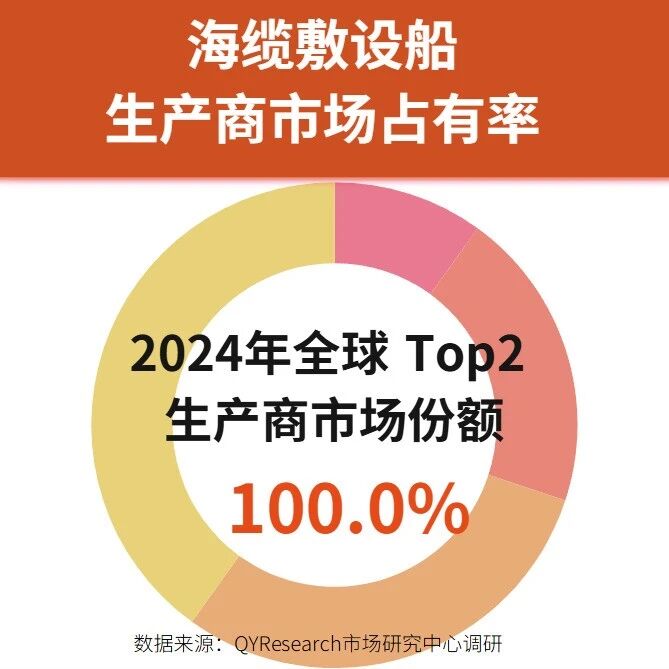
Core Viewpoint - The subsea cable laying vessel market is expected to grow steadily due to the expansion of offshore wind energy, global internet demand, and fleet modernization, despite challenges such as high operational costs, geopolitical risks, and environmental regulations [1][2][7]. Market Overview - The global subsea cable laying vessel market is projected to reach $230 million by 2030, with a compound annual growth rate (CAGR) of -14.4% in the coming years [2][4]. - The top two manufacturers currently hold approximately 100% of the market share [6]. Market Trends - The market is rapidly expanding driven by the surge in global data traffic, offshore wind projects, and intercontinental grid connections [7]. - Investments in 5G infrastructure, renewable energy, and cloud computing are accelerating the demand for new subsea cable lines [7]. - Modern vessels are being upgraded with automated cable management systems, dynamic positioning technology, and environmentally friendly propulsion systems [7]. Market Drivers - Key drivers for the subsea cable laying vessel market include the growing demand for global internet connectivity, the expansion of offshore wind farms, and the increase in intercontinental power exchange projects [8]. - Government support for green energy transitions and digital economies further promotes market expansion [8]. - Aging cable systems require replacement and maintenance, creating a continuous demand for specialized vessels [8]. Supply Chain Dynamics - The upstream supply chain includes materials and systems such as steel, propulsion systems, dynamic positioning systems, cable trays, underwater robots, and tensioners from suppliers like Rolls-Royce, Wärtsilä, and ABB [9]. - Major shipbuilding companies like Ulstein, Vard, Damen Shipyards, and China Merchants are responsible for designing and constructing these vessels [9]. - Downstream users include telecom operators, offshore wind developers, and transmission companies, such as Prysmian Group, Nexans, SubCom, and Ørsted, who deploy subsea cables for data and power applications [9].
行业聚焦:全球固体氧化物电解(SOEC)技术行业头部生产商市场份额及排名调查
QYResearch· 2025-11-14 01:15
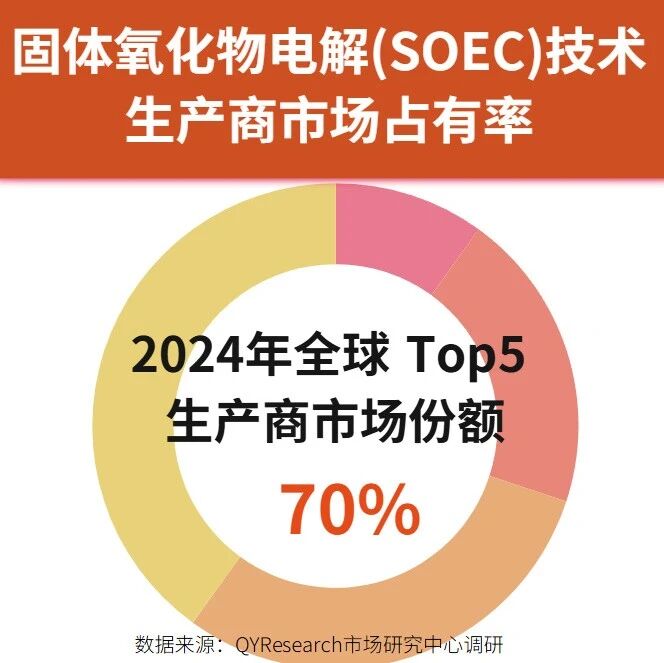
Core Viewpoint - Solid Oxide Electrolysis Cell (SOEC) technology is a cutting-edge device for efficient electrochemical energy conversion at high temperatures, crucial for large-scale green hydrogen production and CO2 resource utilization [1][2]. Market Overview - The global SOEC technology market is projected to reach $1.684 billion by 2031, with a compound annual growth rate (CAGR) of 37.49% over the next few years [2]. - The top five manufacturers dominate approximately 70% of the market share, with key players including Bloom Energy, Sunfire, Topsoe, Ceres Power, and Fuel Cell Energy [7]. Product Type Segmentation - Standard water electrolysis (SOEC) currently represents the primary product type, accounting for about 95% of the market share [10]. Application Segmentation - Industrial hydrogen production is the main demand source, comprising around 70% of the market [13]. Key Drivers - Decarbonization policies are driving the adoption of SOEC technology, with significant support from government initiatives like the EU hydrogen strategy and the U.S. Inflation Reduction Act [18]. - The urgent need for decarbonization in heavy industries such as steel and chemicals creates strong market demand for SOEC technology, which can effectively integrate industrial waste heat [19]. - SOEC technology addresses the challenges of renewable energy consumption and grid balancing by converting excess electricity into hydrogen or syngas during periods of surplus [20]. Major Challenges - High initial investment and material costs pose significant barriers to the adoption of SOEC technology [21]. - Material durability and long-term lifespan challenges arise from the high-temperature operation of SOEC, affecting its commercial viability [22]. - A fragile supply chain and limitations in raw materials, particularly rare earth elements and special ceramics, hinder large-scale production [23]. Industry Development Opportunities - Future SOEC technology may expand from hydrogen production to co-electrolysis of CO2 and water, creating high-value chemicals and fuels, thus enhancing economic benefits [24]. - Proton-conducting SOEC is emerging as a significant development direction, operating at lower temperatures to improve material longevity and reduce costs [25]. - The industry is restructuring supply chains and developing more economical materials to mitigate supply chain risks and cost pressures [26].
本地化服务:全球网络与本地洞察的深度融合
QYResearch· 2025-11-14 01:15
Core Viewpoint - QYResearch integrates global insights with local understanding through a comprehensive service network, enabling precise research services tailored to regional markets, thus identifying growth opportunities in complex global markets [4][5]. Global Service Network - QYResearch has established a localized service network covering over 160 countries, with dual headquarters in Los Angeles and Beijing, focusing on North America, Latin America, and the Asia-Pacific region [6]. - The company has set up research centers in major Chinese cities, employing local experts in fields like semiconductors and new energy vehicles to support multinational companies entering China and assist Chinese firms in international expansion [6]. - Offices in Southeast Asia focus on digital economy and photovoltaic manufacturing, addressing local challenges such as policy fragmentation and labor cost fluctuations [6][7]. - In North America, the team specializes in high-end manufacturing and compliance research, particularly in AI chips and biomedicine, analyzing the impact of significant policies on the industry [8]. - The European team is well-versed in compliance requirements and focuses on renewable energy and automotive industries, aiding clients in navigating regional trends [8]. - Emerging markets like the Middle East and Africa are targeted for high-growth potential, with local analysts providing insights into oil and gas transformation and infrastructure investments [9]. Core Competencies of Localization Services - QYResearch's localization services go beyond mere data translation, offering deep ecological understanding of regional markets, combining global research frameworks with local characteristics [10]. - The company excels in decoding policies and regulations, providing insights into local land policies and labor laws that affect business operations [10][11]. - It possesses a granular understanding of industry ecosystems, enabling precise identification of capacity differences and cultural impacts on production efficiency [11]. - The team also uncovers hidden consumer demands by analyzing cultural nuances and consumption habits, aiding in product localization strategies [12][13]. Case Studies of Localization Services - A Chinese renewable energy company received tailored research on the European distributed photovoltaic market, resulting in a 5% market share increase within six months [14]. - A multinational pharmaceutical company benefited from comprehensive research on the Indonesian market, leading to its generic drug entering the local top 10 prescription list within three months of approval [15]. Underlying Logic of Localization Services - QYResearch's approach is characterized by a model of "global standards, local solutions," integrating standardized data collection and analysis frameworks with regional market specifics [16].