QYResearch

Search documents
行业聚焦:全球激光三角测距传感器市场头部企业份额调研(附Top10 厂商名单)
QYResearch· 2025-09-05 09:29
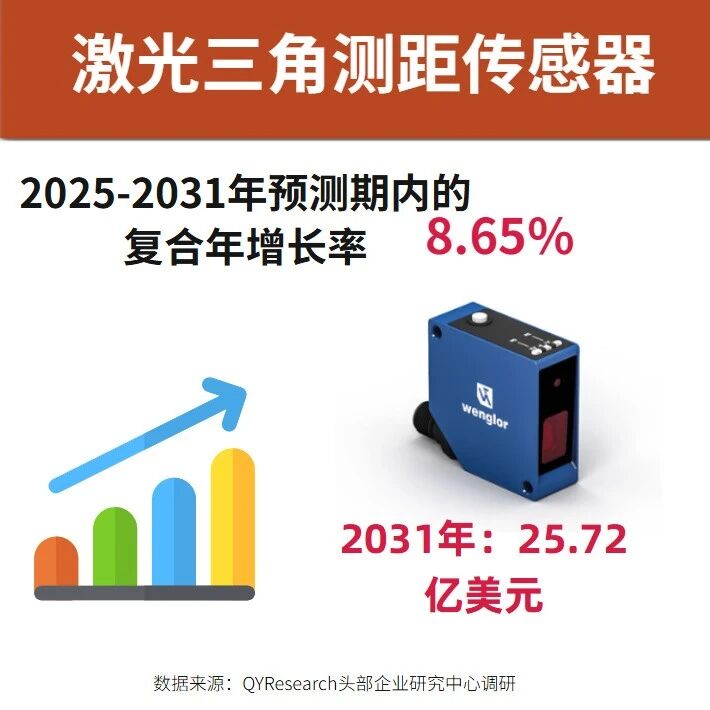
Core Viewpoint - The laser triangulation distance sensor market is experiencing robust growth driven by automation upgrades and demand from various industries such as automotive, logistics, and healthcare. The market is expected to reach $1.427 billion in 2024 and grow to $2.572 billion by 2031, with a compound annual growth rate (CAGR) of 8.65% from 2025 to 2031 [5]. Market Overview - The global market for laser triangulation distance sensors is primarily driven by the automotive industry, with significant demand in the Asia-Pacific region, especially in China, Japan, and South Korea, as well as Europe [3][9]. - Major manufacturers in the market include KEYENCE, Panasonic, and SICK, among others [8][20]. Industry Trends - **High Precision and Sub-Micron Breakthroughs**: The accuracy of laser triangulation sensors is approaching nanometer levels, becoming essential in high-end fields like semiconductor manufacturing and aerospace [12]. - **Cost Reduction and Domestic Substitution Acceleration**: Domestic manufacturers are achieving significant cost reductions through technological advancements and scale production, with expectations that the domestic market share for high-end industrial sensors will rise from under 20% to over 45% by 2025 [13]. - **Intelligent Integration with AI**: The integration of AI technologies is transforming sensor functionalities, enabling predictive maintenance and improved measurement robustness in complex environments [14]. - **Miniaturization and Integration Design**: Sensors are evolving towards miniaturization to meet the stringent space requirements of consumer electronics and drones, with multi-modal integration becoming a trend [15]. - **Environmental Production and Green Manufacturing**: The industry is increasingly focusing on sustainable practices, with new projects adopting eco-friendly facilities and materials to reduce environmental impact [16]. - **Industry Chain Integration and Ecological Collaboration**: Vertical integration across the supply chain is becoming common, enhancing collaboration between different sectors and reducing R&D costs [17]. - **Standardization and International Expansion**: The industry is pushing for unified standards to address market fragmentation, with significant growth expected in the Asia-Pacific region, particularly in China [18]. - **Multi-Scenario Expansion and Cross-Industry Applications**: The application boundaries of laser triangulation sensors are broadening, with innovative uses emerging in fields like healthcare and agriculture, as well as in space economics [19].

行业聚焦:全球液态锂电池用电解铜箔、压延铜箔及3D集流体市场市场头部企业份额调研(附Top10 厂商名单)
QYResearch· 2025-09-05 09:29
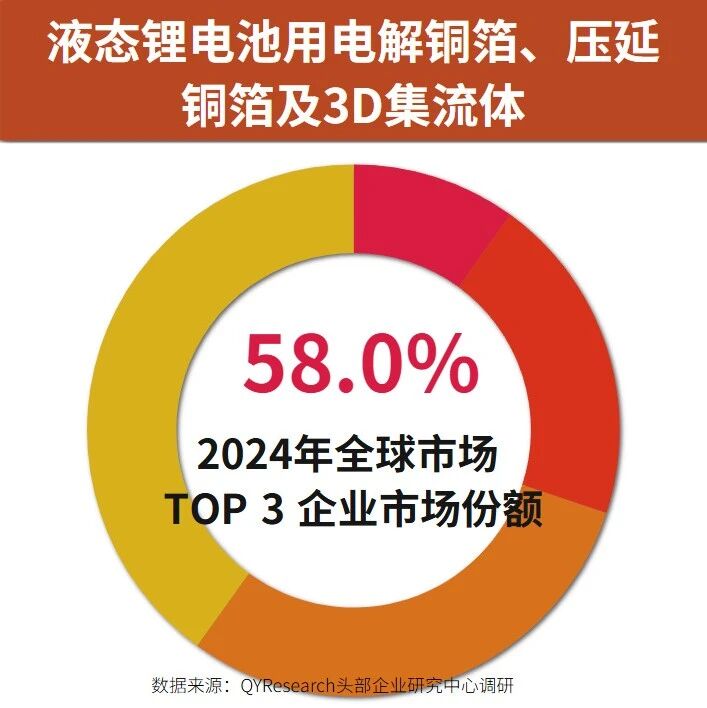
Core Viewpoint - The liquid lithium battery market for electrolytic copper foil, rolled copper foil, and 3D current collectors is projected to reach $20.17 billion by 2030, with a compound annual growth rate (CAGR) of 11.8% from 2024 to 2030 [1][12]. Market Overview - The electrolytic copper foil is the dominant product type, accounting for approximately 49% of the market share [6]. - The automotive sector is the primary demand source, representing about 55% of the market [9]. Key Players - Major manufacturers in the global liquid lithium battery copper foil market include Longdian Huaxin, Jiujiang Defu Technology, Guangdong Jiayuan Technology, Changchun Group, SK Nexilis, Nord New Materials, LOTTE Chemical, Hubei Zhongyi Technology, JX Advanced Metals, and Guangdong Chaohua Technology [4]. Market Drivers and Challenges - Key drivers include the rapid development of new energy vehicles and energy storage systems, increasing demand for high-performance lithium batteries, and the recognition of 3D current collectors for enhancing battery energy density and safety [12]. - Challenges include fluctuations in copper prices, technical difficulties in processing high-end ultra-thin copper foil, and the long verification cycles for new products in the industry [12]. Opportunities - The demand for high-performance current collector materials is expanding due to the growth of solid-liquid hybrid batteries and high-energy-density liquid lithium batteries. Innovations in electrolytic and rolled copper foil technologies present significant opportunities [12].
中国助焊剂去除剂市场现状研究分析与发展前景预测报告
QYResearch· 2025-09-05 09:29
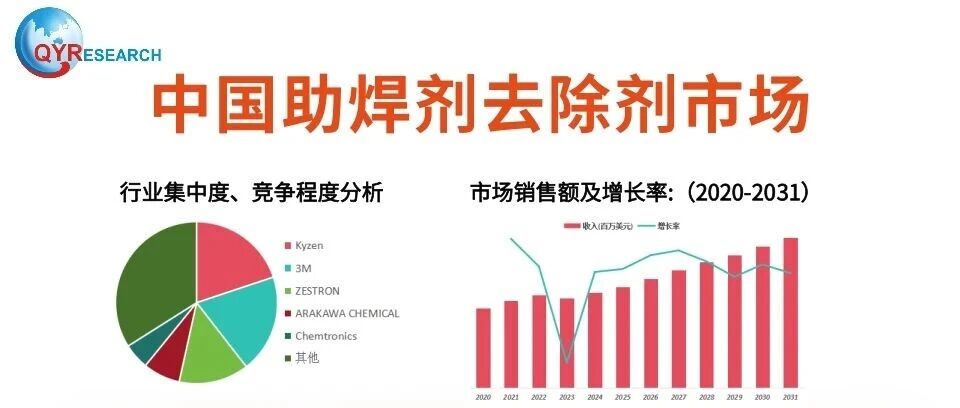
Core Viewpoint - The flux remover industry in China is experiencing significant growth, driven by the increasing demand for high-quality electronic components and the rapid development of technologies such as 5G, IoT, and AI [7][10]. Market Size - In 2023, the market size for flux removers in China reached $43.60 million, with projections to grow to $68.82 million by 2031, reflecting a compound annual growth rate (CAGR) of 6.82% [7]. - The rise in electronic device production necessitates the use of flux removers to ensure the performance and reliability of electronic components, creating new growth opportunities for the market [7]. Key Players - Major manufacturers in the Chinese flux remover market include Kyzen, 3M, ZESTRON, ARAKAWA CHEMICAL, Chemtronics, Kester Solder, and others [8]. - Kyzen is projected to be the largest seller in 2024, with revenues of $8.67 million, accounting for 19.89% of the total market, followed closely by 3M with $8.54 million, or 19.59% of the market [8]. Product Types - Flux removers are primarily categorized into aerosol cleaners, immersion cleaners, and other types, with immersion cleaners dominating the market at $22.97 million in 2024, representing 52.69% of the market [8]. Industry Drivers - The rapid development of the electronic industry, particularly in high-precision components, is driving the demand for high-quality flux removers [10]. - The automotive industry's shift towards electrification and smart technology is increasing the need for reliable flux removers to ensure welding quality and electronic component performance [10]. - Technological advancements in semiconductor packaging and surface mount technology (SMT) are also boosting demand for efficient, low-residue flux removers [12]. Regulatory Environment - The industry is subject to strict environmental regulations, which require manufacturers to adopt greener production methods and comply with standards regarding volatile organic compounds (VOCs) [15][16]. - Local policies, such as those in Shanghai, support the development and application of environmentally friendly products through financial incentives [16]. Challenges - Increasing compliance costs due to stringent environmental regulations pose a significant challenge for manufacturers, particularly smaller companies [13]. - Fluctuations in raw material prices, which include solvents and surfactants, can impact production costs and profit margins [13]. - The competitive landscape is intense, with both international and domestic companies vying for market share, leading to price wars that can erode profitability [13]. Conclusion - The flux remover market in China is poised for growth, driven by technological advancements and increasing demand across various industries, despite facing challenges related to regulatory compliance and market competition [19].
行业聚焦:中国LED芯片市场头部企业份额调研(附Top10 厂商名单)
QYResearch· 2025-09-04 09:43
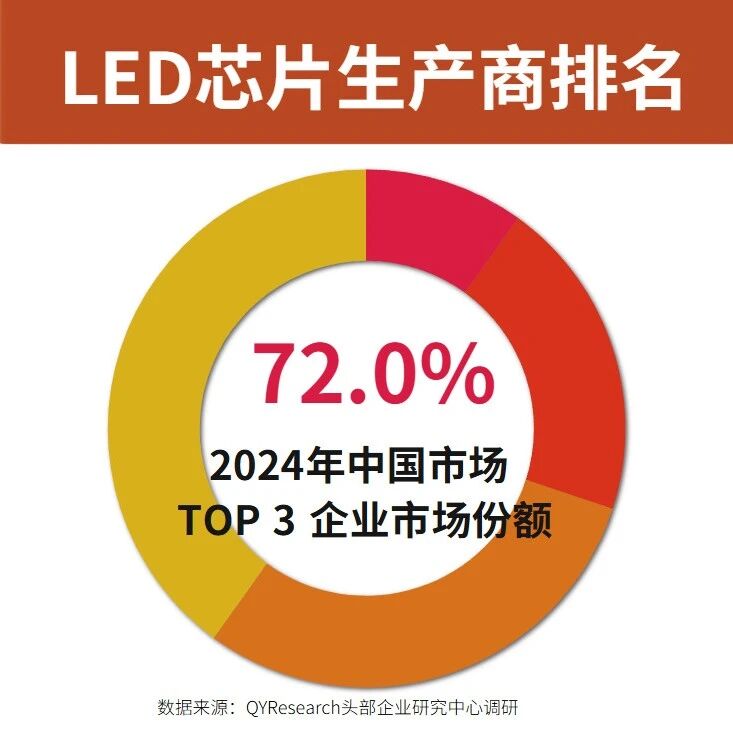
Core Insights - The global LED chip production is projected to reach 87.24 billion units in 2024, with an average price of $0.39 per thousand units, highlighting the significant scale of the market [1] - The LED chip market is driven by the urgent global demand for energy efficiency and sustainable solutions, supported by government policies promoting LED adoption [2] - The market is experiencing a shift towards high-value applications, with emerging sectors such as automotive, smart homes, and ultra-high-definition displays driving growth [3] Market Dynamics - The LED chip market is primarily led by major players like Sanan Optoelectronics, which dominate the domestic market through scale production and technological advantages [1][8] - The market is expected to grow at a compound annual growth rate (CAGR) of 6.5%, reaching a size of $4.101 billion by 2031 in China [5] - High-power LEDs account for 70.25% of the market share, indicating a strong preference for this product type [10] Technological Trends - Mini/Micro LED technology is becoming a focal point for industry upgrades, enhancing display performance and integration density [3] - The maturity of compound semiconductor technologies, such as GaN-on-Si, is optimizing cost-performance balance in LED manufacturing [3] Application Expansion - LED chips are transitioning from general lighting to high-value sectors, including plant lighting, UV LEDs for sterilization, and automotive optics [3] - The integration of LED technology with smart systems is advancing, offering health-oriented lighting solutions through spectral adjustments [3] Competitive Landscape - The top five manufacturers in China hold approximately 72.0% of the market share, indicating a concentrated competitive environment [8] - The industry is witnessing accelerated consolidation, with leading companies enhancing competitiveness through vertical integration [3]
全球与中国汽车人造革市场现状及未来发展趋势
QYResearch· 2025-09-04 09:43
Core Viewpoint - The automotive synthetic leather industry is evolving with a shift from traditional materials like PVC to more advanced options such as PU and ultra-fine microfiber, driven by consumer demand for comfort, aesthetics, and sustainability [2][3][4]. Industry Current Status - The automotive synthetic leather has undergone three development stages: reliance on genuine leather, coexistence with PVC synthetic leather, and the current trend of replacing PVC with PU and ultra-fine leather due to PVC's shortcomings [2]. - In luxury and high-end vehicles, genuine leather remains irreplaceable, while PU synthetic leather is becoming the mainstream alternative in mid-range vehicles due to its cost-effectiveness and comfort [3][4]. Product Types and Applications - PVC synthetic leather is widely used in economical models and non-skin-contact areas due to its excellent water resistance and processing flexibility, despite lower comfort and breathability compared to PU and genuine leather [4]. - TPO synthetic leather is gaining popularity in high-temperature and scratch-resistant areas due to its recyclability and lightweight properties, although it struggles to compete in soft-touch applications [4]. - Ultra-fine microfiber leather is emerging as a bridge between genuine leather and synthetic options, offering durability and comfort for high-contact areas in smart cabins [5]. Environmental and Technological Trends - The industry is focusing on eco-friendly production methods, with a shift towards water-based and solvent-free materials to reduce organic solvent pollution [6]. - High-end vehicles are increasingly integrating smart features into leather surfaces, such as temperature regulation and touch response, enhancing functionality without compromising aesthetics [6]. Market Size and Growth - The global automotive synthetic leather market is projected to reach approximately 26.2 billion yuan in sales by 2024, with an expected CAGR of 4.75% from 2025 to 2031 [10]. - China is the largest consumer market, accounting for about 41.78% of the global market share in 2024, with significant growth anticipated in the coming years [10][11]. Key Manufacturers - Major global manufacturers in the automotive synthetic leather sector include Continental, Sealy, Republic Leather, Gattuso, and Vulcaflex, collectively holding a significant market share [13].

行业聚焦:中国药品包装服务市场头部企业份额调研(附Top5 厂商名单)
QYResearch· 2025-09-04 09:43
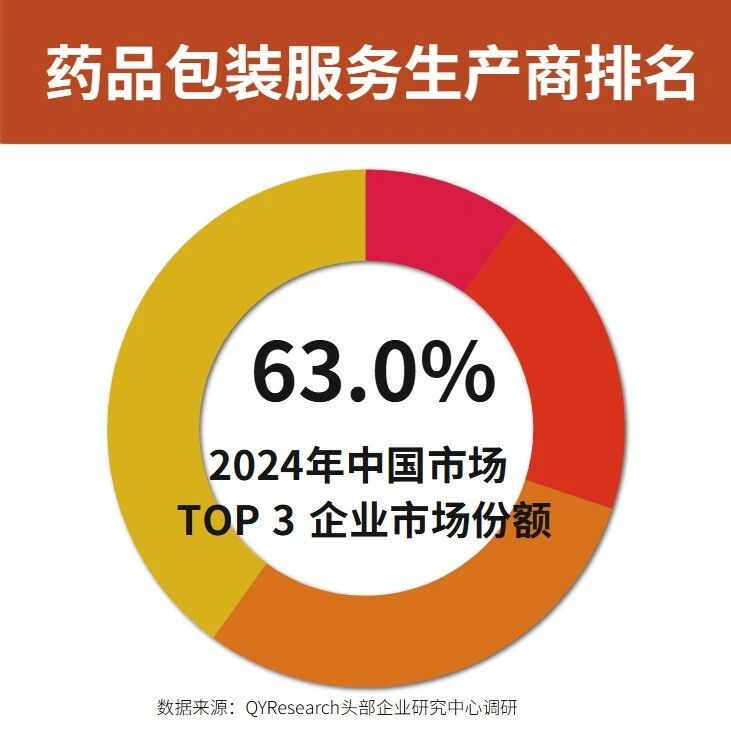
Core Viewpoint - The pharmaceutical packaging service market is driven by the trend of asset-light operations in the pharmaceutical industry, particularly among small and medium-sized biotech firms and startups, which outsource terminal processes to focus resources on drug development [3]. Group 1: Market Overview - Pharmaceutical packaging services encompass the entire or partial packaging process for pharmaceutical companies, including initial packaging, secondary packaging, labeling, repackaging, and logistics management [1]. - The market for pharmaceutical packaging services in China is projected to reach $20.35 billion by 2031, with a compound annual growth rate (CAGR) of 5.3% in the coming years [5]. - The independent third-party packaging service companies currently hold the largest market share at 50.87% [8]. Group 2: Industry Drivers - The increasing stringency of global pharmaceutical regulations, such as serialization and anti-counterfeiting requirements, is driving demand for packaging services, as companies seek to achieve compliance and reduce operational risks [3]. - The need for supply chain resilience has become more pronounced in the post-pandemic era, prompting companies to outsource packaging to achieve flexibility and geographic diversity in production capacity [3]. Group 3: Service Providers - The pharmaceutical packaging services are typically provided by three types of suppliers: CDMO companies, in-house packaging departments of pharmaceutical firms, and independent third-party packaging service companies [1]. - In 2024, the top three manufacturers in China are expected to account for approximately 63.0% of the market share [7]. Group 4: Application and Trends - Clinical drugs are the primary source of demand for packaging services, accounting for 60.12% of the market [11]. - There is a noticeable trend towards technological integration and service upgrades, with packaging services increasingly incorporating digital solutions such as serialization systems and IoT monitoring [3].
行业聚焦:全球深海水密连接器市场头部企业份额调研(附Top 5厂商名单)
QYResearch· 2025-09-03 09:34
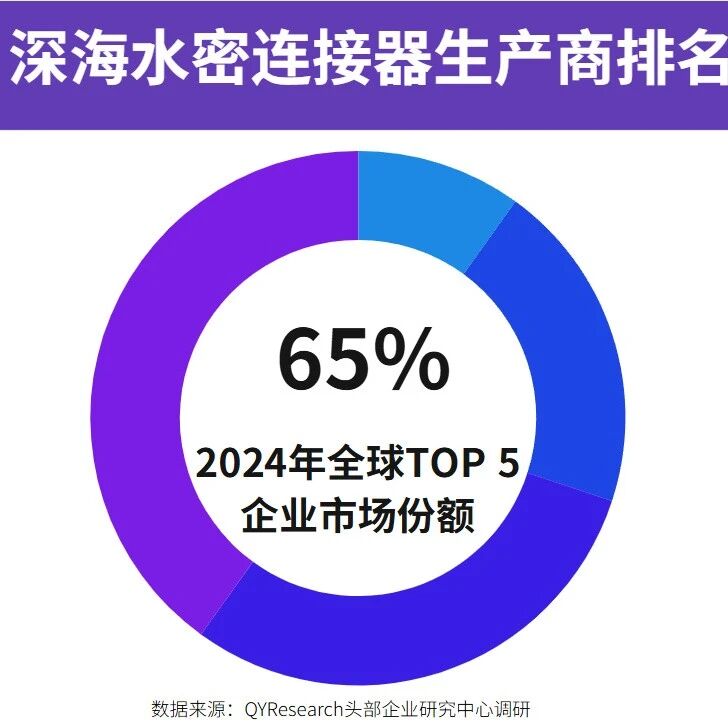
Core Viewpoint - The deep-sea waterproof connector is a critical component designed for extreme underwater environments, ensuring stable transmission of electrical and optical signals while maintaining mechanical reliability and durability. The market for these connectors is expected to grow significantly due to increasing demand in various sectors such as oil and gas, military, and deep-sea research [1][8]. Market Outlook - The global market for deep-sea waterproof connectors is projected to reach $1,256.21 million by 2031, with a compound annual growth rate (CAGR) of 6.82% from 2025 to 2031 [1]. Industry Competition - The market is currently dominated by a few technologically advanced companies from Europe and the United States, which hold approximately 65% of the international market revenue. However, as countries like China increase their demand for marine resource development, local manufacturers are expected to enhance their technological capabilities and manufacturing capacity, potentially altering the market landscape [4][1]. Product Segmentation - Fiber optic connectors represent the largest product segment, accounting for about 48% of the revenue share in the deep-sea waterproof connector market [5]. Application Segmentation - The oil and gas sector is the primary source of demand for deep-sea waterproof connectors, contributing approximately 45% to the revenue share [7]. Driving Factors - The performance of deep-sea waterproof connectors has been significantly improved by the application of polymer sealing materials, seawater-resistant alloys, and ceramic insulation technologies. The ongoing expansion of global marine resource development provides a stable market demand for these connectors [8]. Challenges - One of the main challenges in using deep-sea waterproof connectors is ensuring their long-term waterproof status. Harsh underwater environments can lead to connector damage or corrosion, resulting in leaks or failures. Frequent and costly maintenance increases operational costs and limits the widespread adoption of these connectors [9]. Industry Development Challenges - The safety and reliability of deep-sea connectors are directly related to the performance testing, industry certification, and customer validation processes. High reliability standards and complex certification processes create significant barriers to entry for new players, requiring them to gain experience and trust before securing large-scale project orders [10].
中国无氰镀金市场现状研究分析与发展前景预测报告
QYResearch· 2025-09-03 09:34
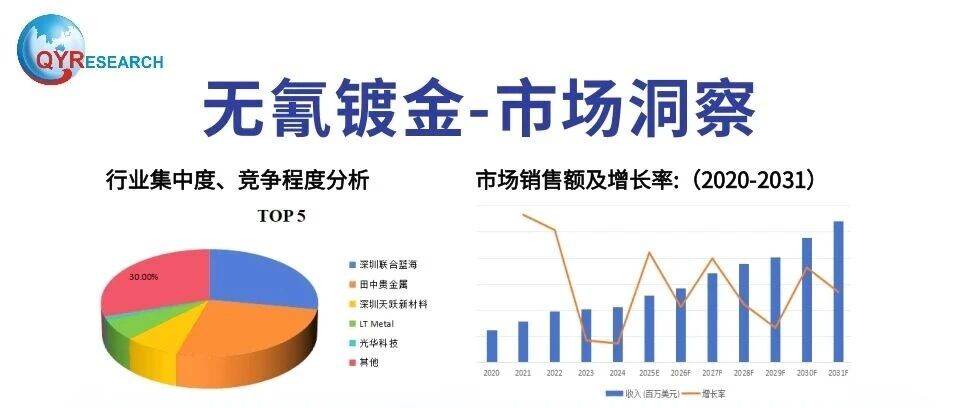
Core Viewpoint - The article discusses the definition, advantages, market trends, and applications of cyanide-free gold plating technology, highlighting its growing importance in various industries due to environmental and safety concerns [2][3][20]. Group 1: Definition and Scope - Cyanide-free gold plating is a metal plating process that does not use cyanide compounds, offering a safer and more environmentally friendly alternative to traditional cyanide-based methods [2]. - This technology is increasingly adopted in high-end manufacturing sectors, particularly in electronics and semiconductors, where it is expected to replace traditional cyanide plating due to its lower environmental impact [2][3]. Group 2: Market Size and Growth Trends - The cyanide-free gold plating market in China is projected to reach USD 106.34 million in 2024 and is expected to grow to USD 270.76 million by 2031, with a compound annual growth rate (CAGR) of 13.20% from 2025 to 2031 [3]. - The market volume is anticipated to increase from 69.65 tons in 2024 to 174.57 tons by 2031, with a CAGR of 13.57% during the same period [3]. Group 3: Product Types and Applications - The market is segmented into two main product types based on gold content: above 15g/L and below 15g/L, with the former accounting for 67.15% of the market share in 2024 [7]. - Applications of cyanide-free gold plating include electronics and semiconductors (40.70% market share in 2024), jewelry, precision instruments, and watches, among others [10][12][13][15]. Group 4: Industry Drivers - The shift towards cyanide-free gold plating is driven by environmental regulations and the need for safer manufacturing processes, particularly in the electronics sector [20][21]. - The technology offers economic advantages, such as lower cleaning and wastewater treatment costs, while maintaining production efficiency and product quality [3][20]. Group 5: Industry Challenges - The maturity of cyanide-free plating technology is still developing, with challenges in adhesion, corrosion resistance, and consistency compared to traditional methods [21]. - High research and development barriers, along with the high switching costs for downstream customers, pose significant challenges for widespread adoption [21][22]. Group 6: Key Policies - Various policies are in place to promote cleaner production and environmental protection in the plating industry, emphasizing the need for compliance with environmental standards [23][24]. Group 7: Competitive Landscape - The market is characterized by high concentration, with the top five manufacturers holding a 70% market share in 2024, indicating intense competition in the industry [20].
行业聚焦:全球桥式坐标测量机市场头部企业份额调研(附Top10厂商名单)
QYResearch· 2025-09-03 09:34
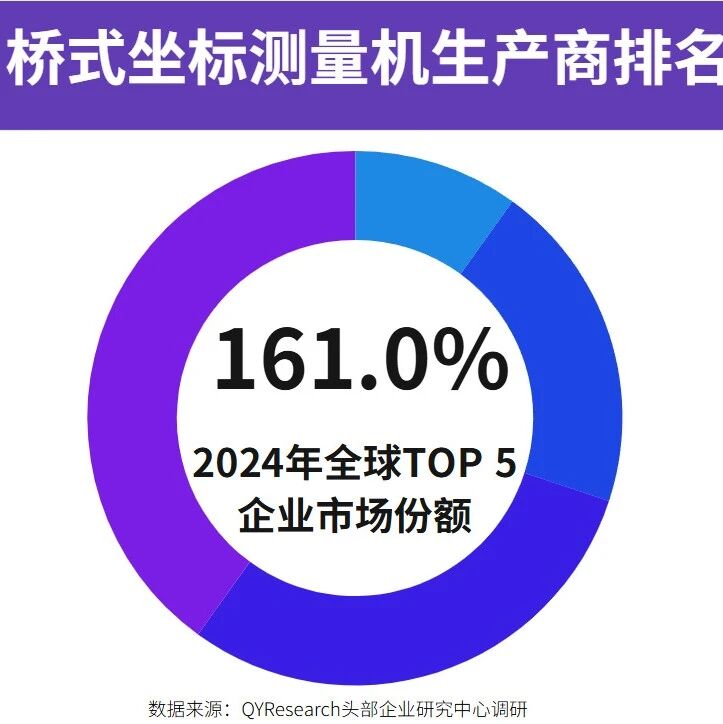
Core Viewpoint - The global bridge coordinate measuring machine (CMM) market is projected to reach USD 1.18 billion by 2031, with a compound annual growth rate (CAGR) of 5.6% in the coming years [1]. Market Overview - The structure of a bridge CMM includes a bridge frame, worktable, Z-axis spindle, probe system, control system, and measurement software, allowing for precise measurement of various components [1]. - Major manufacturers in the global bridge CMM market include Hexagon, Carl Zeiss, LK Metrology, Mitutoyo, and Qingdao Leighton, with the top five companies holding approximately 61.0% market share in 2024 [5]. - CNC bridge CMMs dominate the product type segment, accounting for about 95.0% of the market share [9]. - The automotive industry is the primary application sector, representing approximately 31.7% of the demand [10]. Market Drivers - The demand for manufacturing upgrades is increasing as industries move towards high-end and intelligent manufacturing, necessitating precise measurement equipment [12]. - Government policies supporting manufacturing and smart manufacturing, such as the requirement for a 75% localization rate for key measurement equipment, are beneficial for the bridge CMM industry [12]. - Technological advancements in measurement, sensor, and computer technologies are enhancing the precision, automation, and efficiency of bridge CMMs, expanding their application areas [12]. - The rapid development of emerging industries like additive manufacturing and semiconductors is creating new measurement demands, providing opportunities for market growth [12]. Market Challenges - The reliance on imported core technologies, such as high-precision grating scales and probe systems, limits the domestic bridge CMM industry's ability to develop high-end markets and increases production costs [13]. - Intense competition exists in the market, with international brands like Zeiss and Hexagon holding significant market shares and technological advantages [13]. - The difficulty of technological innovation in key areas, such as three-dimensional spatial modeling algorithms, poses challenges for the industry [13]. - A shortage of specialized talent for the operation, maintenance, and research of bridge CMMs is hindering industry growth and technological innovation [13].
行业聚焦:全球高纯碳化硅粉末市场头部企业份额调研(附Top10厂商名单)
QYResearch· 2025-09-02 08:44
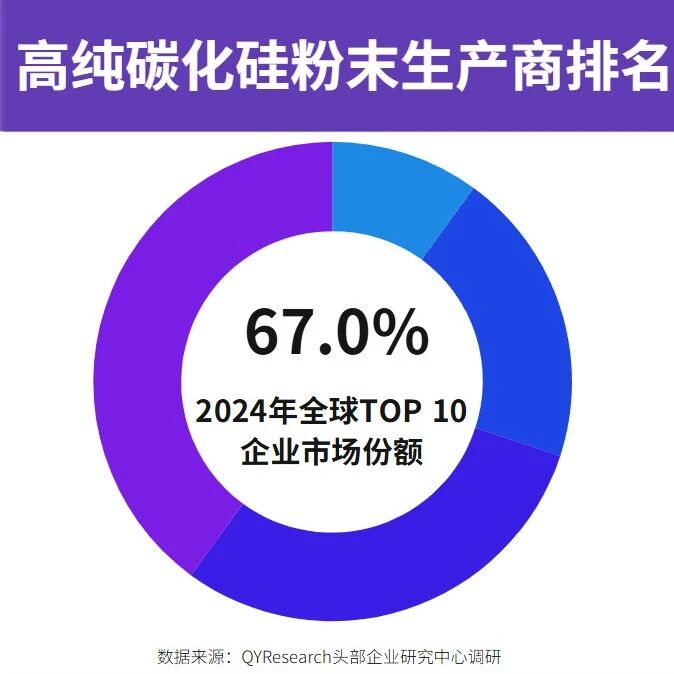
Core Insights - The global high-purity silicon carbide (SiC) powder market is projected to reach $550 million by 2031, with a compound annual growth rate (CAGR) of 19.6% over the coming years [3]. Market Overview - The primary producers of high-purity SiC powder globally include Wolfspeed, Coherent, SiCrystal, Tianyue Advanced, Tianke Heda, Nanomakers, SK Siltron, Fiven, Shanxi ShuoKe Crystal, and Washington Mills. In 2024, the top ten manufacturers are expected to hold approximately 67.0% of the market share [6]. - The self-propagating high-temperature synthesis (SHS) method is the leading product type, accounting for about 65.3% of the market [7]. - SiC wafers are the main demand source, representing approximately 78.6% of the market [11]. Key Drivers - The rapid growth in demand for SiC-based power semiconductor devices, particularly in electric vehicles (EVs), renewable energy systems, and industrial power supplies, is a significant driver. SiC devices offer higher voltage resistance, faster switching speeds, and excellent thermal conductivity, leading to strong demand for 5N+ SiC powder for manufacturing high-performance components [14]. - The increasing application of high-purity SiC in 5G infrastructure, aerospace, and satellite communication is driving demand for ultra-pure SiC substrates, which are essential for high-frequency applications [14]. - Advanced SiC-based ceramics and ceramic matrix composites (CMCs) are being adopted in aerospace, defense, and nuclear energy sectors due to their lightweight, radiation resistance, and ability to withstand temperatures over 1500 °C [15]. - Governments and industry alliances are investing in domestic SiC supply chain development to reduce reliance on imported materials, viewing high-purity SiC powder as a strategic investment for semiconductor self-sufficiency and national security [15]. Key Challenges - Producing high-purity (5N and above) SiC powder requires precise control over raw material purity, reaction conditions, and post-synthesis purification techniques, posing significant entry barriers for new manufacturers [16]. - The production processes for 5N and 6N SiC powders are energy-intensive and require specialized equipment, leading to high capital and operational costs, which can be a challenge for small and medium-sized enterprises [16]. - The manufacturing processes, particularly using SHS, carbon thermal reduction, or chemical vapor deposition (CVD), generate significant emissions and solid waste, raising compliance burdens due to increasing environmental regulations [17]. Industry Trends - A notable trend in the high-purity SiC industry is the vertical integration efforts by wafer and device manufacturers, such as Wolfspeed and SK Siltron, to invest in internal powder synthesis and crystal growth capabilities [18]. - Manufacturers are actively expanding production capacity in response to the surging demand for SiC power devices driven by the electric vehicle and renewable energy sectors [18]. - Sustainability is becoming a core focus, with manufacturers facing pressure to reduce carbon emissions and manage chemical waste, leading to the adoption of cleaner energy and environmentally friendly purification processes [19].