QYResearch

Search documents
汽车启动电池市场调研,中国生产商排名及市场份额
QYResearch· 2025-06-05 09:58
Core Viewpoint - The automotive starter battery market in China is projected to reach $7.46 billion by 2031, with a compound annual growth rate (CAGR) of 5.8% from 2025 to 2031 [1]. Market Overview - The automotive starter battery is essential for providing high current to start internal combustion engines and is primarily based on lead-acid technology [1]. - The top five manufacturers in China hold approximately 62.0% of the market share [5]. - The dominant product type in the market is flooded batteries, accounting for about 57.1% of the market share [8]. - The aftermarket is the largest downstream market, representing approximately 74.5% of the demand [10]. Driving Factors - The continuous growth of global vehicle ownership, especially in developing countries, is driving demand for starter batteries [11]. - Increased maintenance demand in the automotive aftermarket leads to a higher replacement frequency for starter batteries [12]. - There is a rising requirement for reliable cold-start performance, which is pushing the development of high-performance starter battery technologies [13]. - The proliferation of start-stop systems in traditional vehicles increases the demand for batteries with enhanced cycle life and starting performance [13]. Challenges - The accelerating trend of electric vehicle adoption poses a structural challenge to the demand for traditional starter batteries [14]. - Environmental regulations are restricting the development of lead-acid batteries due to their production and recycling impacts [15]. - Fluctuations in raw material prices, such as lead, are increasing manufacturing costs and compressing profit margins [16]. - New technologies, including lithium-ion and solid-state batteries, present competitive pressure on traditional lead-acid starter batteries [17]. Industry Opportunities - There is a growing demand for battery replacements in older vehicles, particularly those over five years old [18]. - The penetration of high-end start-stop technology in mid-to-high-end internal combustion vehicles is driving the upgrade of starter batteries [18]. - Rapid expansion in emerging markets, such as Africa and Southeast Asia, provides new sales opportunities for starter batteries [18]. - Advances in recycling and remanufacturing technologies can help alleviate environmental pressures and control costs [18].

柠檬酸马罗匹坦原料药,全球前7强生产商排名及市场份额
QYResearch· 2025-06-05 09:58
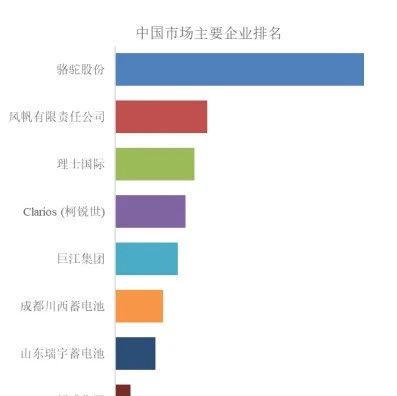
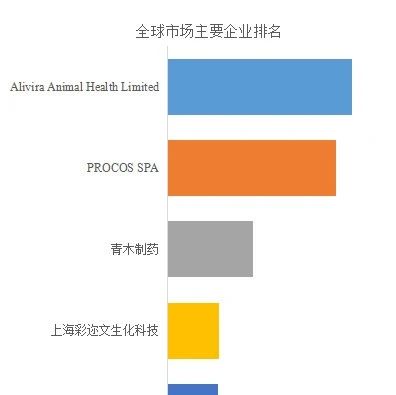
根据 QYResearch 头部企业研究中心调研,全球范围内柠檬酸马罗匹坦原料药生产商主要包括 Alivira Animal Health Limited 、 PROCOS SPA 、青木制药、上海彩迩文生化科技、青木制药等。 2023 年,全球前四大厂商占有大约 69.0% 的市场份额。 柠檬酸马罗匹坦 API 是马罗匹坦的柠檬酸盐,呈白色至灰白色结晶粉末。柠檬酸马罗匹坦是一种关键的活性药物成分 (API) ,广泛 应用于兽医学,尤其用于治疗和预防犬猫的恶心和呕吐。 据 QYResearch 调研团队最新报告"全球柠檬酸马罗匹坦原料药市场报告 2024-2030 "显示,预计 2030 年全球柠檬酸马罗匹坦原料药 市场规模将达到 3.1 亿美元,未来几年年复合增长率 CAGR 为 7.8% 。 全球 柠檬酸马罗匹坦原料药 市场前 7 强生产商排名及市场占有率(基于 2 025 年最新调研数据) 柠檬酸马罗匹坦原料药 ,就产品类型而言,目前纯度 ≥ 99% 是最主要的细分产品 就产品类型而言,目前纯度 ≥ 99% 是最主要的细分产品,占据大约 63% 的份额。 柠檬酸马罗匹坦原料药 ,全球市场规模,按应用细分 ...
全球及中国金属材料检测服务行业研究及十五五规划分析报告
QYResearch· 2025-06-05 09:58
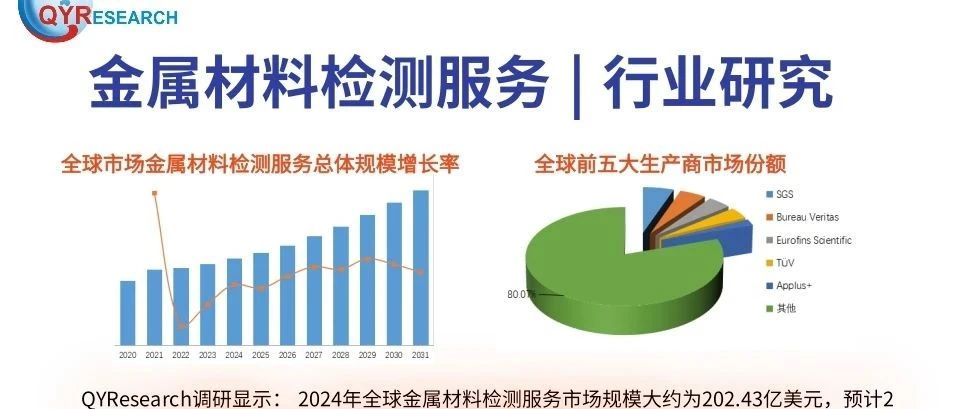
Core Viewpoint - The metal materials testing service industry is experiencing significant growth driven by technological advancements, increasing quality demands, and evolving regulatory standards, particularly in China and the Asia-Pacific region [3][4][7]. Industry Development Status and Market Outlook - The development history of China's testing industry is relatively short, beginning in the 1980s, with rapid growth following China's accession to the WTO and the demand for testing services due to economic expansion [3]. - The industry is currently facing both opportunities and challenges, with economic adjustments and overcapacity leading to slower growth rates across various sectors [4]. - Emerging technologies such as AI, robotics, and renewable energy are creating new business growth points for the testing industry, necessitating increased investment in R&D and innovation [4][5]. Global Metal Materials Testing Service Market Size and Forecast - The global metal materials testing service market is projected to reach approximately $20.243 billion in 2024 and $36.204 billion by 2031, with a compound annual growth rate (CAGR) of 9% from 2025 to 2031 [7]. - China is expected to hold a 31.26% share of the global market in 2024, with a forecasted CAGR of 10.15% over the next six years, reaching approximately $12.232 billion by 2031 [8]. Industry Policies and Standards - New policies, such as the export control of rare earth elements and updated laboratory accreditation criteria, are shaping the testing landscape, emphasizing the need for compliance and advanced capabilities in testing laboratories [11]. - National standards for recycled metal materials are being established to promote the standardized development of the recycling industry, impacting the testing requirements for these materials [11]. Competitive Landscape - The testing industry is witnessing increasing concentration, with larger, more capable institutions gaining competitive advantages, leading to market consolidation [6]. - Major global players in the metal materials testing service market include SGS, Bureau Veritas, and Eurofins Scientific, with the top three companies holding approximately 14.1% of the market share [8].
中国线束全自动柔性生产线市场:规模扩张,全球占比提升
QYResearch· 2025-06-04 09:57
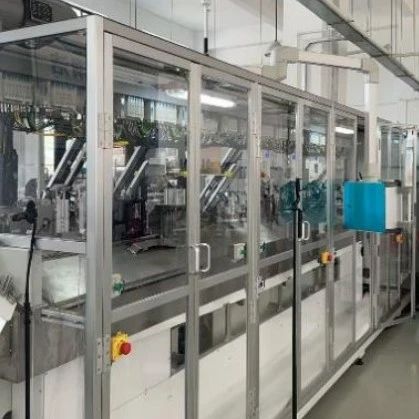
Core Viewpoint - The article discusses the significant growth and characteristics of the fully automated flexible production line for wire harnesses in China, highlighting its advanced automation, intelligence, and flexibility, as well as the competitive landscape and market trends in the industry [4][5]. Group 1: Characteristics of Fully Automated Flexible Production Line - The production line integrates advanced automation technologies, including automatic cutting, stripping, crimping, connecting, welding, testing, and marking, which reduces manual intervention and enhances production efficiency and consistency [3]. - It employs smart manufacturing technologies such as industrial robots, machine vision, PLC control systems, and MES, enabling real-time monitoring, data collection, process control, and quality traceability, thus improving product quality management [3]. - The system is highly flexible, allowing quick adjustments to production processes and equipment parameters to meet diverse product designs, effectively addressing efficiency and resource waste issues associated with frequent model changes [3]. Group 2: Market Growth and Trends - The Chinese market for fully automated flexible production lines is projected to grow from 557 million in 2023 to 612 million in 2024, capturing 28.49% of the global market, and is expected to reach 972 million by 2031, increasing its share to 31.08% [4]. - The competitive landscape is shifting, with Komax's market share decreasing from 27.05% in 2023 to 26.26% in 2024, while domestic manufacturers like Jinghong Super Precision Industry are gaining ground, increasing their market share from 13.98% to 15.40% in the same period [4]. - The demand for high-voltage production lines is surging due to the rise of electric vehicles, with high-voltage harness production lines expected to account for 44.72% of the market by 2031 [4]. Group 3: Future Outlook - Chinese companies are anticipated to leverage a combination of policy advantages, cost benefits, and deepening demand to expand their global market share in the fully automated flexible production line sector [5]. - The report emphasizes the importance of understanding the overall scale of the global market and the market share and rankings of major manufacturers, focusing on key metrics such as production capacity, sales volume, revenue, pricing, and market share [5].

2025年全球与中国以太网PHY芯片市场调查研究及发展趋势预测报告
QYResearch· 2025-06-04 09:57
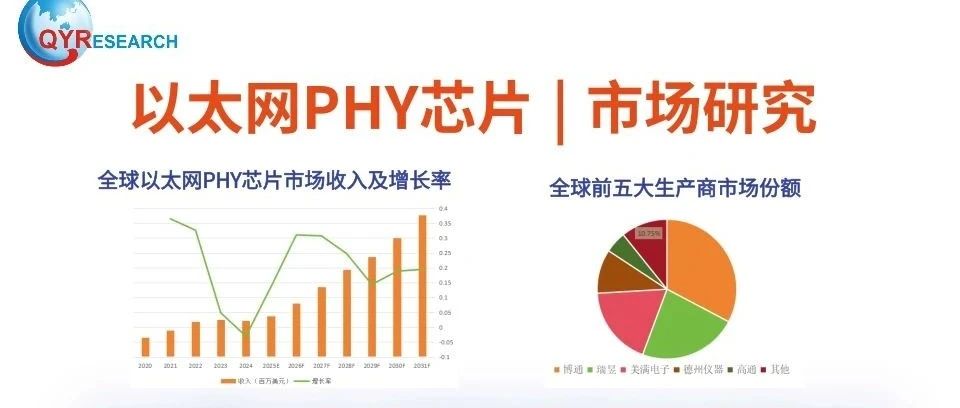
以太网物理层芯片(PHY)也称为收发器,是有线数据通讯和传输中的重要基础芯片之一。以太网PHY芯片工作于网络模型的第一层,是以以太 网有线传输为主要功能的通信芯片,用以实现不同设备之间的连接,广泛应用于数据中心和企业网络、信息通讯、汽车电子、消费电子、工业控 制等市场领域。 0 1 以太网PHY芯片行业规模总体概况 由于下游市场的需求以及国家政策的支持,对以太网PHY芯片行业的发展起到很大的推动作用,未来6年,全球以太网PHY芯片市场将保持这一 增长态势,2024年,全球以太网PHY芯片市场收入达到了24.25亿美元,预计2031年将达到95.55亿美元,年复合增长率(CAGR)为 23.02%(2025-2031)。 2024年,中国以太网PHY芯片市场收入达到了6.57亿美元,预计2031年将达到32.82亿美元,年复合增长率(CAGR)为27.72%(2023-2029)。 全球主要以太网PHY芯片制造商包括博通、美满电子、瑞昱、德州仪器、微芯、高通等。全球领先厂商以出色的产品性能和满意的服务在行业中 享有盛誉。但市场竞争日趋激烈,越来越多的厂商进入以太网PHY芯片市场;中国领先本土制造商,如裕太微电子 ...
全球与中国乘用车定位终端行业总体规模、主要企业国内外市场占有率及排名
QYResearch· 2025-05-30 09:24
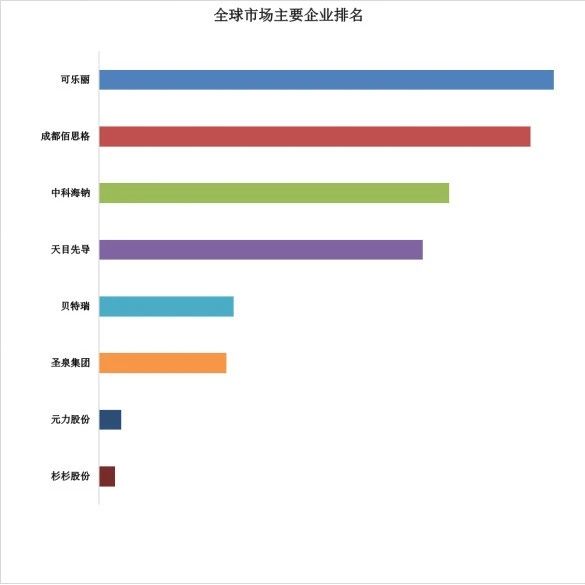
Core Viewpoint - The passenger vehicle positioning terminal industry is experiencing significant growth driven by advancements in technology and increasing demand across various sectors such as automotive finance, vehicle leasing, and smart transportation [2][5][11]. Industry Overview - The market for passenger vehicle positioning terminals is expanding due to the demand from automotive finance, shared leasing, fleet management, and smart transportation [2]. - Technological advancements in dual-mode positioning (Beidou/GPS), 5G, IoT, and AI are enhancing the precision and intelligence of positioning terminals [2][10]. - Government support for smart transportation and vehicle networking, along with the rise of electric vehicles and autonomous driving technologies, is further promoting the adoption of positioning terminals [2][11]. Market Size and Growth - The global market for passenger vehicle positioning terminals is projected to reach $482 million in 2024 and $904 million by 2031, with a CAGR of 8.77% from 2025 to 2031 [5]. - The Chinese market is expected to grow from $115 million in 2024 (23.83% of the global market) to $256 million by 2031 (28.36% of the global market) [5]. Regional Analysis - North America is seeing strong demand for high-precision, multifunctional smart positioning terminals due to the growth of UBI insurance and fleet management [6]. - Europe is focusing on high-end automotive-grade terminals driven by strict data privacy regulations and smart vehicle policies [6]. - The Chinese market, as the largest aftermarket, is primarily driven by vehicle loan risk control and leasing management needs [6]. - Emerging markets in Southeast Asia and Latin America are experiencing rapid growth, with low-cost wireless terminals being widely used for second-hand vehicle regulation and theft prevention [6]. Product Type and Application - Wired terminals are expected to hold a significant market share, projected to reach 65.31% by 2031 due to their stable power supply and high-precision capabilities [7]. - The automotive leasing sector is anticipated to account for approximately 38.43% of the market in 2024, with a CAGR of 8.69% [7]. - The demand for UBI insurance is growing, but its growth rate varies by country due to regulatory influences [7]. Competitive Landscape - Major players in the international market include Shenzhen Jimi IoT, Shanghai Yiwei Communication, and Teltonika, with the top five companies holding about 51.49% of the market share [8]. - The market is characterized by a clear segmentation, with Chinese companies focusing on low-end products while foreign firms dominate the high-end segment [8]. Technological Advancements - The industry is witnessing rapid technological upgrades with the integration of 5G, dual-mode positioning, AI, and big data, enhancing the capabilities of positioning terminals [10][11]. Challenges - The industry faces challenges such as fluctuating raw material prices, intense competition in the low-end market, and significant product homogeneity [12]. - New entrants must overcome high capital requirements and establish distribution channels to compete effectively [14].

恒州博智QYResearch权威引用案例-2025.05月集合(持续更新)
QYResearch· 2025-05-30 09:24
Core Viewpoint - QYResearch provides authoritative industry analysis and customized reports, gaining high brand recognition and trust from various enterprises and media [1] Group 1: HVDC Market - The global HVDC transmission system market is projected to reach $15.59 billion by 2029, with a compound annual growth rate (CAGR) of 6.9% [4][5] - Major clients for HVDC systems include leading internet companies, China Mobile's cloud computing centers, and national supercomputing centers [4] Group 2: Automotive Lighting Market - The global smart automotive lighting market is expected to grow from $8 billion in 2023 to $11.3 billion by 2027, with a CAGR of 5.4% [6] - In China, the penetration rate of smart car lights is anticipated to rise from 15% in 2023 to 40% by 2030 [6] Group 3: Electric Scooter Market - The global electric scooter market is forecasted to reach $2.37 billion in sales by 2024 and $5.685 billion by 2031, with a CAGR of 13.5% [7] Group 4: Automotive Radar Market - The global automotive millimeter-wave radar market is estimated to reach $15.72 billion in 2023 and exceed $36.37 billion by 2030, with a CAGR of 15% [11] Group 5: Semiconductor Market - The global semiconductor secondary packaging market is projected to reach $2.2 billion by 2030, with a CAGR of 8.3% [15] Group 6: LPO Optical Module Market - The global LPO optical module market is expected to grow from $1 billion in 2023 to $8.9 billion by 2030, with a CAGR of 38.2% from 2024 to 2030 [18] Group 7: PAC Market - The global PAC market is projected to reach approximately $3.616 billion in 2024 and grow to $7.574 billion by 2031, with a CAGR of 11.1% [20] Group 8: Cardiovascular Intervention Market - The global cardiovascular intervention market is expected to reach $11.24 billion in 2024 and $15.53 billion by 2031, with a CAGR of 4.8% [22] Group 9: Plant Protein Market - The global plant protein market is projected to reach $12.39 billion by 2029, with the Chinese market expected to reach 225.2 billion RMB, growing at a CAGR of 7.6% [46] Group 10: Home Hair Removal Device Market - The global home hair removal device market is expected to grow from $4.397 billion in 2023 to $12.86 billion by 2030, with a CAGR of 15.7% [47] Group 11: Energy Drink Market - The global energy drink market is projected to reach $81.14 billion by 2030, indicating significant growth potential [74] Group 12: Outdoor Furniture Market - The outdoor furniture market is experiencing high demand in Europe and the US, with a focus on mid-to-high-end products [72]



全球钠离子电池用硬碳市场生产商排名及市场占有率
QYResearch· 2025-05-30 09:24
Core Viewpoint - The sodium-ion battery market is experiencing significant growth, with hard carbon as the mainstream anode material, driven by advancements in technology and increasing demand for energy storage solutions [2][13][18]. Market Size and Growth - The global market for hard carbon used in sodium-ion batteries is projected to reach $610 million by 2031, with a compound annual growth rate (CAGR) of 31.9% over the coming years [2]. - In 2023, the top four manufacturers accounted for approximately 77.0% of the market share [6]. Application and Product Segmentation - Energy storage is the primary demand source, representing about 91.5% of the market [8]. - Biobased hard carbon is the largest downstream market segment, holding approximately 75.8% of the share [10]. Industry Development Trends - The Chinese market is regaining vitality, with increased investments in sodium battery technology due to the high prices of lithium carbonate in 2022, followed by a decline in interest as prices fell [13]. - Technological advancements in hard carbon materials allow for better sodium storage and faster charging capabilities, enhancing the safety and application range of sodium-ion batteries [14]. - The diversity of hard carbon precursor routes is crucial, with biobased materials like coconut shells showing rapid industrial development, although supply chain stability and cost remain challenges [15][17]. Driving Factors - The growing demand for energy storage solutions, particularly in grid storage and renewable energy integration, positions sodium-ion batteries as a favorable choice due to their safety and cost-effectiveness [18]. - Government policies and incentives, especially in China, are prioritizing the development of sodium-ion batteries, with leading companies like CATL and HiNa Battery at the forefront [18][19]. Industry Limitations - The supply chain for hard carbon remains immature, with limited manufacturers capable of producing high-quality hard carbon at scale [21]. - Material quality can be inconsistent due to variations in biomass sources and pyrolysis methods [22]. - High initial investment costs for dedicated silicon anode production lines pose a barrier, despite compatibility with lithium-ion battery manufacturing [23]. - The potential for further price declines in hard carbon is limited as competition increases and commercialization progresses [24].
中国钢轨打磨车砂轮市场现状研究分析与发展前景预测报告
QYResearch· 2025-05-29 07:01
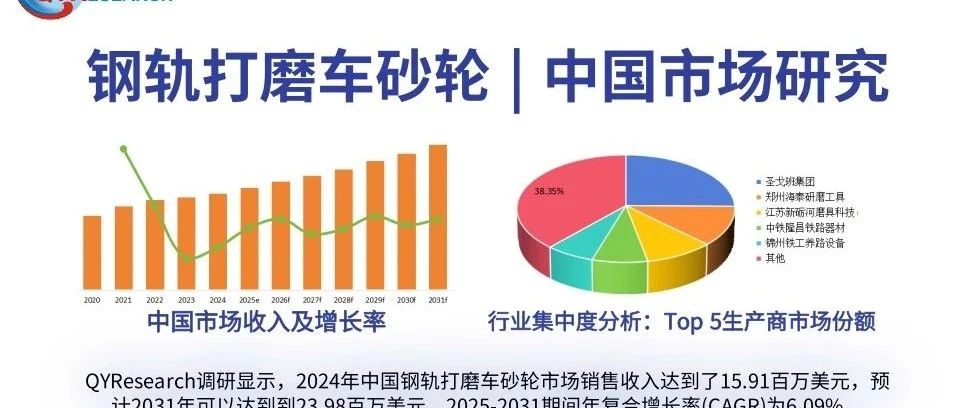
Core Viewpoint - The railway is a vital infrastructure for the national economy, and rail grinding technology is essential for maintaining rail quality and extending service life, which in turn enhances train operation comfort, safety, and stability [1][2]. Group 1: Current Status and Future Trends - The market for rail grinding wheels in China is projected to reach $15.91 million in sales revenue by 2024, with an expected growth to $23.98 million by 2031, reflecting a compound annual growth rate (CAGR) of 6.09% from 2025 to 2031 [2]. - Active grinding wheels will dominate the market, expected to account for 93.04% of the share by 2031, while high-speed rail applications will represent approximately 43.01% of the market in 2024, with a CAGR of about 6.02% from 2026 to 2031 [10]. Group 2: Key Players in the Market - Major players in the Chinese market include Saint-Gobain Group, Zhengzhou Haitai Grinding Tools, Jiangsu Xinlihe Abrasives Technology, and others, with the top three companies holding approximately 46.95% of the market share in 2024 [7]. Group 3: Driving Factors for Industry Development - National railway construction plans are driving demand, with the goal of reaching 200,000 kilometers of railway by 2035, which will increase the need for high-performance grinding wheels [11]. - The demand for new rail lines and urban transit systems is expected to boost the need for precision grinding wheels, with significant investments in railway construction anticipated in 2025 [12]. - Preventive grinding can extend rail life by 5-8 years and reduce maintenance costs by over 20%, leading to stable growth in grinding wheel consumption [13]. - Innovations in materials and processes, such as silicon carbide and aluminum oxide, are enhancing grinding wheel lifespan and performance, while automation is improving production efficiency by 40% [14]. Group 4: Constraints on Industry Growth - Fluctuations in raw material prices, such as diamond powder and silicon carbide, significantly impact production costs [16]. - Environmental compliance costs are rising due to stringent policies requiring low-dust and low-noise production processes [16]. - The market is highly concentrated, with established players dominating, creating barriers for new entrants [16]. - International competition is intensifying, with foreign companies leveraging technological advantages, while domestic firms face challenges in exporting due to technical barriers [16]. - The cyclical nature of railway investment affects demand stability, with potential slowdowns in growth rates impacting production capacity [16]. - Diverse performance requirements for different rail applications complicate product development, increasing R&D costs and time [16]. - Many small to medium enterprises lag in adopting smart manufacturing technologies, limiting their ability to meet evolving customer demands [16].
全球异形铜带行业总体规模、主要企业国内外市场占有率及排名
QYResearch· 2025-05-29 07:01
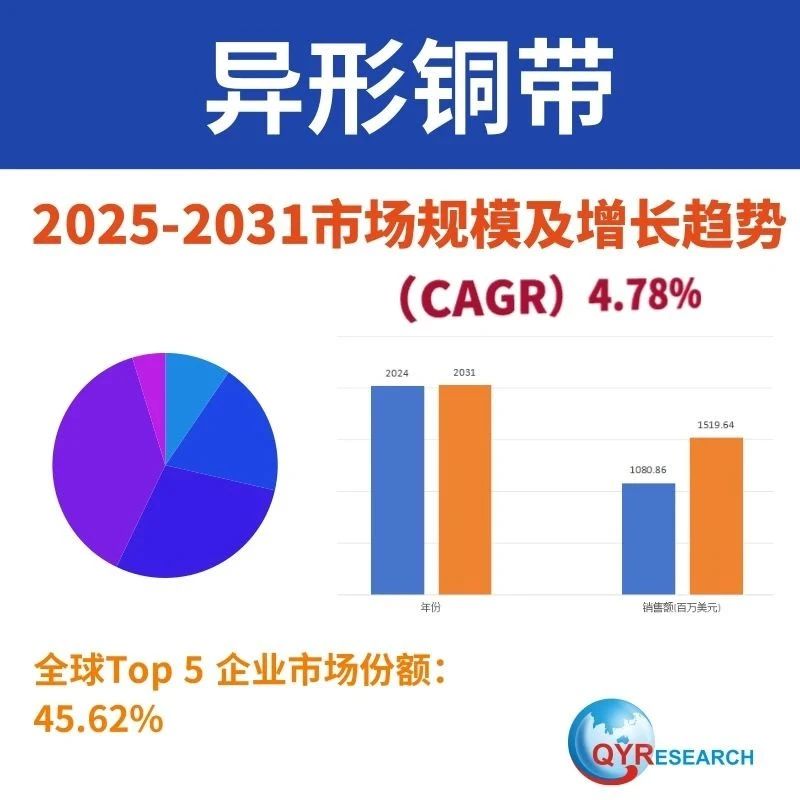
Core Viewpoint - The global market for shaped copper strips is projected to grow significantly, with sales expected to reach $1,080.86 million in 2024 and $1,519.64 million by 2031, reflecting a compound annual growth rate (CAGR) of 4.78% from 2025 to 2031 [3] Market Overview - The shaped copper strip market is primarily driven by demand in China, which is expected to account for 48.54% of the market revenue in 2024, followed by Taiwan and Japan at 19.76% and 18.56% respectively [3] - The production capacity and end-users are mainly concentrated in Asia, particularly in China, due to the rising demand for electronic products, especially in the automotive and renewable energy sectors [3] Product and Application Insights - Copper alloys are expected to dominate the market, with a projected revenue share of 89.43% by 2031 [4] - Lead frames are anticipated to account for approximately 86.58% of revenue in 2024, with a CAGR of about 4.87% from 2025 to 2031 [4] - The shaped copper strip is crucial in semiconductor applications, requiring high thermal resistance, corrosion resistance, and excellent electrical conductivity [4] Industry Characteristics - The industry is characterized by diverse applications, high technical intensity, and reliance on advanced manufacturing technologies such as precision rolling and laser cutting [4] Domestic Market Dynamics - Domestic companies have accelerated the pace of replacing imported products, achieving breakthroughs in self-research and development, which has led to increased domestic production capacity [5][11] - The market is currently dominated by Japanese and European companies, but domestic firms are gradually increasing their market share [7] Growth Drivers - Technological innovations in production methods have led to improvements in product quality and precision, addressing the strength limitations of traditional copper materials [8] - The demand for shaped copper strips is expected to rise due to their superior electrical and mechanical properties, particularly in high-precision electronic applications [9] - Government policies supporting the development of high-end copper alloys are creating more opportunities for the industry [10] Challenges and Barriers - The industry faces challenges such as fluctuations in raw material prices and supply risks, particularly due to high dependence on electrolytic copper [12] - Production processes are energy-intensive, and rising energy and environmental costs are putting pressure on profit margins [13] - New entrants face significant barriers, including high technical, financial, and market entry challenges due to established competitors and stringent environmental regulations [15][16][17][18]