WitsView睿智显示

Search documents
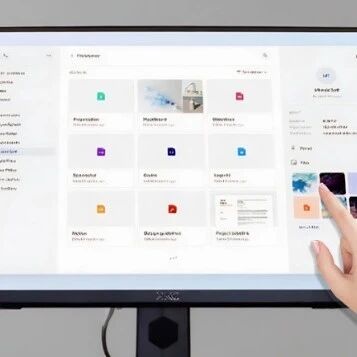
韩媒:苹果又一款入门级产品将采用OLED
WitsView睿智显示· 2025-11-26 03:38
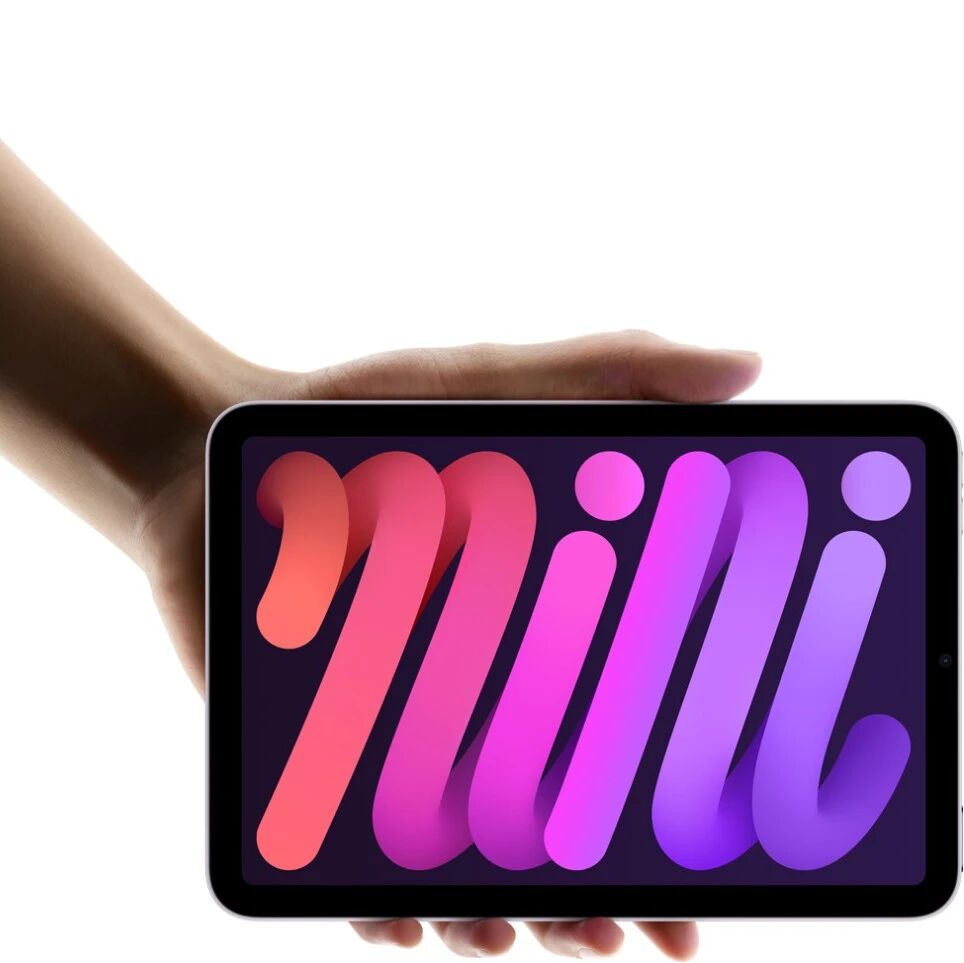
Core Insights - Samsung Display plans to start mass production of 8.4-inch OLED panels for iPad mini around July next year, marking the first use of OLED technology in this product line [1] - The OLED panel will utilize a single-layer light-emitting structure and low-temperature polycrystalline silicon (LTPS) TFT technology, which is a cost-effective solution compared to the iPad Pro's OLED panels [1][3] - The expected annual production capacity for these panels is approximately 3 million units, with the iPad mini featuring OLED screens likely to launch in Q3 or Q4 of next year [1] Group 1 - The transition to OLED technology in iPad mini is seen as a significant step for Apple towards adopting OLED screens across its tablet product line [3] - The iPad mini is positioned as an entry-level product with a smaller screen and lower price point compared to the high-end iPad Pro, which may enhance its market appeal [3][4] - Apple is also planning to launch its first OLED-screen MacBook Pro next year, with a release date expected to be close to that of the iPad mini [4] Group 2 - The iPad Air is expected to adopt OLED displays starting in 2028, indicating a broader trend towards OLED technology in Apple's product lineup [4] - Despite the high demand for OLED in the iPad Pro, its higher price point has led to lower-than-expected actual demand, suggesting that the iPad mini's price adjustment may facilitate a quicker transition to OLED technology [4]


广东江门晶智铱锘光学膜材项目开工
WitsView睿智显示· 2025-11-26 03:38
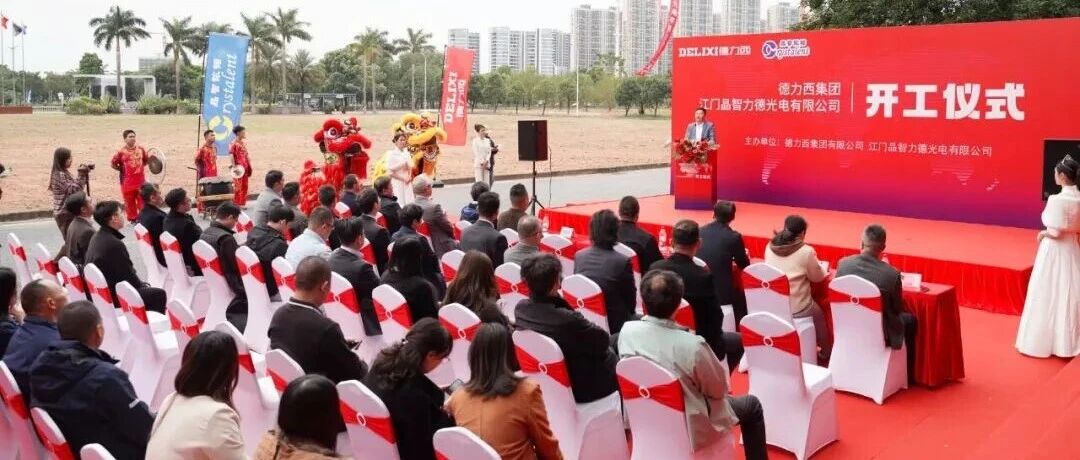
11月20日,由德力西集团投资、晶智铱锘运营的光学膜材项目在江门市正式开工。 图片来源: 德力西集团 据介绍,本次在江门落地的光学膜材产线,将率先投产新一代高透光防窥膜、高清投影幕布、高 性能增亮膜等产品。这些产品不仅在透过率、视角控制、光损耗等关键指标上达到业内领先水 平,更在材料配方、表面微结构设计、涂布与复合工艺上实现全流程自主可控。 项目一期工程预计于2026年一季度建成投产,达产后可生产30万平方米膜材/年。在完成初期产 能布局后,该项目还将进一步向车载光控(前装)产品延展。 德力西集团表示,此前旗下另一家上市公司已切入锂电池裁切精密模具、切刀等业务,选择车载 光学膜材作为新的产业落脚点,将为集团新能源相关业务开辟新的细分赛道。未来,德力西将根 据产业发展和市场需要,积极推进江门项目二期建设。 11月24日,合肥新站高端光学膜生产基地项目完成竣工验收工作。 该 项目位占地面积约70亩, 总建筑面积约7.6万平方米,主要建设内容为7栋多层厂房及1栋综合配套楼。 项目以战略性新兴 产业"高端光学膜"生产制造为主导,积极延伸光学膜上下游产业,实现膜材料企业加快集聚,增 强产业链供应链韧性。(集邦Displ ...
辽宁首富入局,杉杉集团重整再迎新投资方
WitsView睿智显示· 2025-11-26 03:38
Core Viewpoint - The restructuring process of Shanshan Group has made new progress, with Fangda Carbon announcing its intention to participate in the substantive merger restructuring of Shanshan Group and its wholly-owned subsidiary, Ningbo Pengze Trading Co., Ltd. [1][4] Group 1: Shanshan Group Restructuring - Fangda Carbon's participation in the restructuring does not constitute a related transaction or major asset restructuring, and there remains uncertainty about whether it will become a formal restructuring investor [1][4] - Shanshan Co., Ltd. focuses on lithium battery anode materials and polarizers, achieving an operating revenue of 14.809 billion yuan, a year-on-year increase of 11.48%, and a net profit attributable to shareholders of 284 million yuan, a year-on-year increase of 1121.72% in the first three quarters of 2025 [4] - The core assets of the restructuring include a 23.32% stake in Shanshan Co., Ltd., most of which is pledged or judicially frozen, along with shares in Huishang Bank, Shanshan Medical Investment, real estate, and approximately 9.598 billion yuan in receivables [4] Group 2: Previous Investment Attempts - In September, TCL Technology planned to participate in the merger bankruptcy restructuring through a consortium but the restructuring plan proposed by the consortium was not approved by the creditors' meeting, leading to the termination of the investment agreement [4] - On November 7, the restructuring manager announced the termination of the original investment agreement and continued to publicly recruit interested investors [4] Group 3: Fangda Carbon's Strategy - Fangda Carbon, part of the "Fangda system," aims to participate in the restructuring as an industrial synergy partner to accelerate its anode industry layout, achieve integration of the industrial chain, stabilize the supply chain, and enhance its profitability and core competitiveness [5]



“业界最亮手机屏”来了!华为Mate 80系列发布
WitsView睿智显示· 2025-11-25 08:00
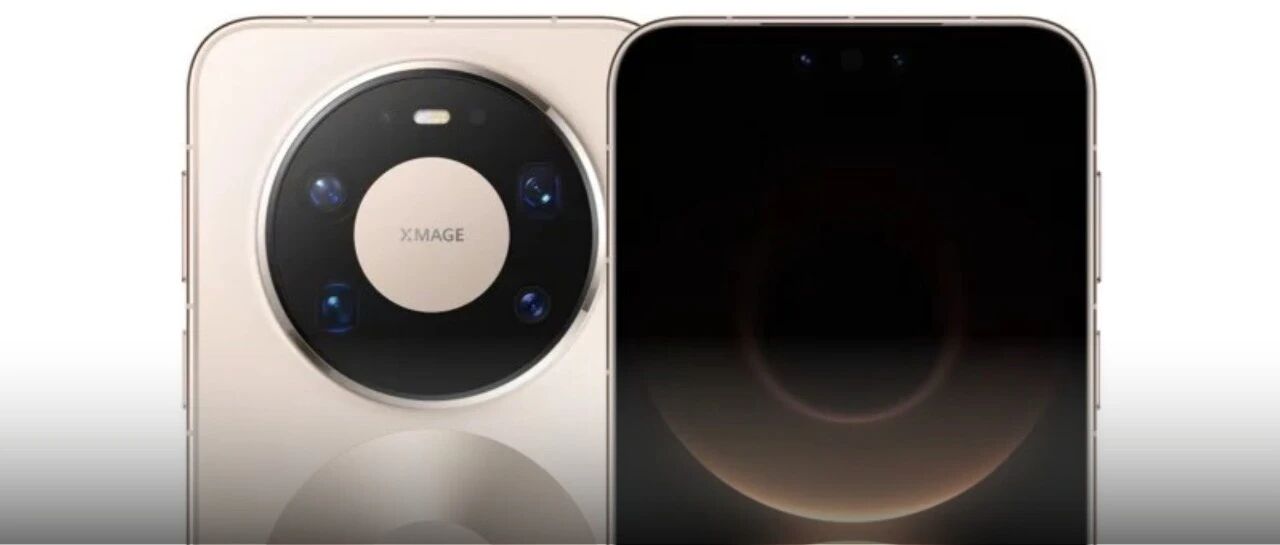
Core Viewpoint - Huawei officially launched the Mate 80 series smartphones, which include Mate 80, Mate 80 Pro, Mate 80 Pro Max, and Mate 80 RS, on November 25 [1]. Display Features - The Huawei Mate 80/Pro features a 6.75-inch OLED display with a resolution of 2832x1280 [2]. - The Mate 80 Pro Max introduces the Linglong screen, boasting a peak brightness of 8000 nits, making it the "brightest smartphone screen in the industry." The screen's peak brightness has increased by 80%, and its lifespan has improved by 40% [4]. Performance Enhancements - The Mate 80 series is equipped with the Ark graphics engine, resulting in a 45% improvement in operational smoothness and a 34% increase in loading speed compared to the Mate 70 series. It also supports 3DGS rendering acceleration, which is 33% faster than the previous series [6]. - The series features the second-generation Hongfeng imaging technology, with the Mate 80 Pro Max's camera allowing for a 96% increase in light intake and a 300% enhancement in high dynamic range [6]. Communication Capabilities - The Mate 80 series supports satellite communication, including Tiantong and Beidou messaging, and is the first to offer 700MHz emergency communication without a network, capable of connecting up to 13 kilometers away [6]. Additional Features - All models in the Mate 80 series are rated IP68 for dust and water resistance and support 50W wireless fast charging. They also run on the HarmonyOS 6 operating system [6]. Pricing Information - Pricing for the new models is as follows: - HUAWEI Mate 80: 12GB+256GB for 4699 yuan; 12GB+512GB for 5199 yuan; 16GB+512GB for 5499 yuan - HUAWEI Mate 80 Pro: 12GB+256GB for 5999 yuan; 12GB+512GB for 6499 yuan; 16GB+512GB for 6999 yuan; 16GB+1TB for 7999 yuan - HUAWEI Mate 80 Pro Max: 16GB+512GB for 7999 yuan; 16GB+1TB for 8999 yuan - HUAWEI Mate 80 RS: 20GB+512GB for 11999 yuan; 20GB+1TB for 12999 yuan [7].
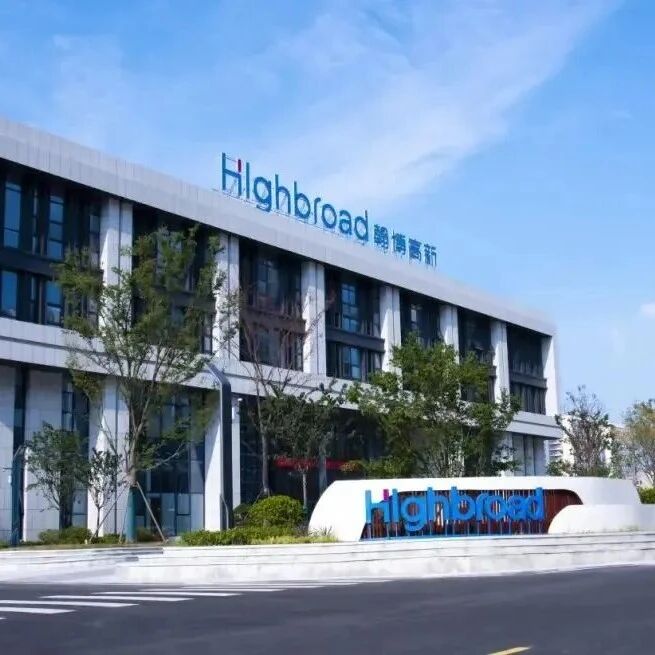
翰博高新与LGD达成合作
WitsView睿智显示· 2025-11-25 03:23
Core Viewpoint - The partnership between Hanbo High-Tech and LG Display marks a significant milestone in the company's internationalization strategy, enhancing its presence in the high-end display module market and improving its global supply chain system [5][6]. Group 1: Company Overview - Hanbo High-Tech is a comprehensive solution provider for semiconductor display panel backlight modules and key components, with products including backlight display modules, light guide plates, precision structural parts, and optical materials [4]. - The company's products are widely applicable in various end-user fields such as laptops, tablets, desktop displays, automotive displays, medical monitors, industrial control displays, and VR [4]. Group 2: Production Capacity - Hanbo High-Tech's subsidiary in Vietnam, Hanwei Technology (Vietnam) Co., Ltd., officially opened in September 2023, with plans for phased construction, aiming for full automation certification and mass production of backlight sources and LCM products by 2025 [4]. - The company also initiated the construction of a precision structural parts base in Ho Chi Minh City in July 2023, expected to be operational by the end of 2025, focusing on precision stamping, injection molding, and in-mold injection production [4]. Group 3: Financial Performance - In the first three quarters of 2025, the company achieved operating revenue of 2.424 billion yuan, a year-on-year increase of 44.06%, with a net profit attributable to shareholders of -8.7869 million yuan [4]. - In the third quarter, the operating revenue reached 870 million yuan, up 33.34% year-on-year, with a net profit attributable to shareholders of 17.6625 million yuan, reflecting a significant year-on-year growth of 153.33% [4].

TCL华星拟在武汉扩产
WitsView睿智显示· 2025-11-25 03:23
Core Viewpoint - TCL Huaxing Optoelectronics Technology Co., Ltd. has signed an agreement to build a pilot verification platform for printed OLEDs in Donghu High-tech Zone, with an investment of approximately 1.5 billion yuan, aimed at enhancing China's innovation capability and global competitiveness in the new display sector [1]. Group 1 - The printed OLED pilot verification platform project will increase monthly production capacity from 3,000 to 9,000 large panels, focusing on upstream materials and equipment verification to accelerate the industrialization of printed OLEDs [1]. - Since its establishment in Wuhan in 2014, TCL Huaxing has invested over 80 billion yuan and created more than 17,000 jobs, developing a comprehensive industrial base that integrates R&D, manufacturing, and sales [2]. - In the first three quarters of 2025, TCL Huaxing achieved a revenue of 78.01 billion yuan, a year-on-year increase of 17.5%, and a net profit of 6.1 billion yuan, up 53.5% year-on-year [2].

惠科湖南90亿显示项目:明年1月主体竣工
WitsView睿智显示· 2025-11-24 10:08
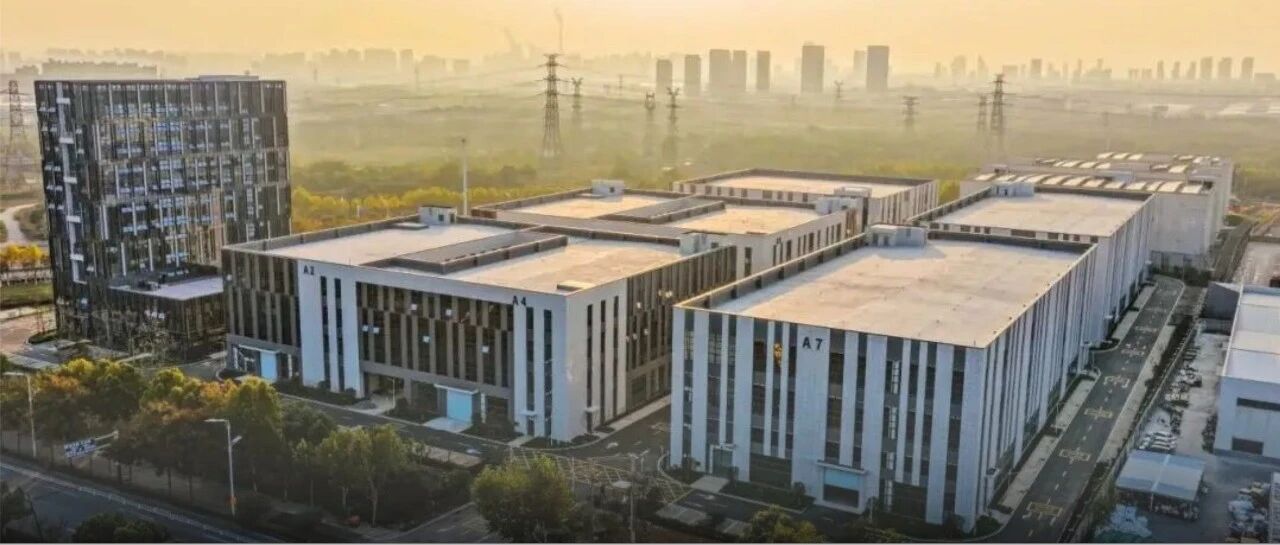
Core Viewpoint - The article highlights significant investments and developments by Huike in the Mini-LED and optical film sectors, indicating a strong commitment to expanding production capabilities and enhancing the supply chain in the display materials industry [1][2][3][4]. Group 1: Mini-LED Projects - Huike's Mini-LED backlight and direct display module project in Liuyang, Hunan, has a total investment of 9 billion yuan and is expected to complete its main structure by January next year [2]. - In addition to the Liuyang project, Huike is advancing Mini-LED projects in Mianyang and Nanchong, Sichuan, with a 5 billion yuan investment in Mianyang for 12 backlight module production lines and 8 direct display module production lines, projected to generate an annual output value of 7 billion yuan [3]. - A 10 billion yuan full-color M-LED chip base project in Nanchong is also underway, with an initial capacity of 150,000 pieces per month, aimed at bolstering the local display chip industry [3]. Group 2: Optical Film Production - The high-end optical film production base project in Hefei has completed acceptance checks, marking a significant milestone in the establishment of advanced manufacturing capabilities in this sector [4]. - The Hefei project covers an area of approximately 70 acres and includes the construction of multiple factory buildings, focusing on the production of high-end optical films to enhance the resilience of the supply chain [6]. - A related investment of 4 billion yuan is planned for an OLED new materials project, which will include four production lines for core materials used in optoelectronic displays [6].
供货京东方、维信诺等,多家韩国设备厂受益
WitsView睿智显示· 2025-11-24 10:08
Core Viewpoint - The article highlights the recovery of the South Korean display equipment industry, with seven companies turning profitable in Q3 compared to the previous year, largely due to investments by Chinese panel manufacturers in OLED production lines [1][2]. Group 1: Financial Performance of Companies - Seven South Korean display equipment companies reported a turnaround in profitability, with the number of loss-making companies decreasing from nine to two [1]. - Device and Sunic Systems showed the highest revenue growth, with increases of 638% and 587% respectively, reflecting the impact of Chinese panel manufacturers' investments [1]. - Sunic System transitioned from a loss of 1.6 billion KRW in Q3 last year to a profit of 19.5 billion KRW this year, attributed to contracts with BOE for OLED production line equipment [1][2]. Group 2: Specific Company Developments - Device achieved revenues of 39.1 billion KRW and an operating profit of 13.3 billion KRW in Q3, marking a 637% year-on-year revenue increase and a 504% rise in operating profit [5]. - ICD significantly reduced its operating loss from 3.1 billion KRW last year to 300 million KRW this year, with a cumulative profit shift from a loss of 16.8 billion KRW to a profit of 260 million KRW [6]. - TSI's cumulative operating profit increased from 26.2 billion KRW to 29.4 billion KRW, benefiting from orders from BOE and Visionox [6][7]. Group 3: Market Trends and Implications - The article notes that companies focusing on the Chinese market have shown significant performance improvements, with ICD's revenue from exports reaching 70% in Q3 [6]. - The increasing reliance on the Chinese market for equipment suppliers is seen as a necessary trend due to the rapid advancements in OLED technology by companies like BOE and TCL Huaxing [7].



三星显示与日本TSK合作开发蓝光OLED材料
WitsView睿智显示· 2025-11-24 10:08
Core Viewpoint - TSK Corporation has partnered with Samsung Display to develop next-generation blue OLED display materials using TSK's unique iron catalyst technology, aiming to address resource and environmental issues in OLED material synthesis [1][2]. Group 1: Collaboration Details - The collaboration focuses on replacing traditional rare metals with TSK's iron catalyst technology to enhance the efficiency and lifespan of blue OLED materials, which have been a significant limitation in the OLED display industry [2][3]. - Current commercial OLED screens primarily use fluorescent materials for blue subpixels, resulting in lower luminous efficiency and lifespan compared to red and green materials, leading to increased power consumption and limited panel longevity [2][3]. Group 2: Technological Innovations - TSK has successfully synthesized an original compound that is expected to be a key structural component of organic electroluminescent (EL) materials, showing performance that surpasses existing products and demonstrating significant commercial potential [3]. - The partnership aims to optimize material formulations through the development of iron-catalyzed compounds, with initial results already published in the renowned academic journal "Communications Materials" [3][4]. Group 3: Market Implications - The collaboration is expected to accelerate the commercialization of more sustainable and high-performance OLED display materials, paving a green and efficient path for future display technology development [4]. - As IT products transition to OLED screens, the demand for low-power, long-lifespan blue materials is becoming increasingly urgent [3].

惠科推出27英寸In-cell触控显示器
WitsView睿智显示· 2025-11-24 10:08
Core Viewpoint - Huike has launched a 27-inch In-cell touch display, which is currently the largest desktop display of its kind on the market, aiming to extend touch interaction from mobile small screens to larger desktop screens [1]. Group 1: Technology and Features - The display utilizes In-cell technology, integrating touch panel functionality directly within the liquid crystal pixels, eliminating the physical gap between the external touch module and the LCD panel, resulting in a thickness reduction of approximately 25% [2]. - In terms of performance, the display features 3600 touch zones for enhanced precision in capturing finger movements, supports 10-point simultaneous touch, and has a touch reporting rate of 120Hz, improving touch trajectory accuracy [2]. - The signal-to-noise ratio for touch signals exceeds 50dB, surpassing the industry standard of 30dB, which helps maintain signal clarity in complex electromagnetic environments [2]. Group 2: Display Quality - The display covers 100% of the DCI-P3 color gamut and has a static contrast ratio of 1200:1, meeting high color reproduction and detail performance requirements [3]. - The product is designed for various applications, including office collaboration, design creation, and home entertainment, with multi-touch functionality supporting team members in real-time document annotation and modification [3][4].