合成生物学与绿色生物制造

Search documents
10+亮点抢先看!第11届生物基大会暨展览|5.20-22 上海
合成生物学与绿色生物制造· 2026-02-13 09:43
Core Viewpoint - The Bio-based materials industry is a crucial pathway to achieve carbon neutrality goals and has significant market potential, becoming a global strategic focus and a key part of China's 14th Five-Year Plan [1] Group 1: Event Overview - The 11th Bio-based Conference and Exhibition (Bio-based 2026) will feature 9 major thematic forums, 9 concurrent activities, 1000 new product displays, and an innovation award ceremony, aimed at promoting green and low-carbon transformation in the industry [1] - The event will take place from May 20-22, 2026, at the Shanghai Fuyue Hotel, China [1] Group 2: Awards and Recognition - The 4th DT New Leaf Award 2026 has been launched to recognize outstanding products, technologies, solutions, and companies in the bio-based and bio-manufacturing sectors, with four award categories: Innovative Material Award, Innovative Application Award, Most Commercially Valuable Award, and Innovative Industry Solution Award [3] Group 3: Forums and Discussions - The conference will host 9 major forums covering various topics, including key chemicals and materials, bio-based CASE products, HMF-FDCA-PEF industry developments, biodegradable packaging, and bio-based materials for sportswear [7][10][12][14][15] - A special forum for international cooperation will invite leading global companies and experts to share the latest advancements in the bio-based industry [21] Group 4: Exhibition Highlights - The exhibition is expected to showcase over 1000 new products, focusing on bio-based innovative materials, packaging, 3D printing, and engineering solutions, aiming to connect industry players and promote collaboration [24] - Concurrent activities will include demand matching sessions for end brands, technical consultation meetings, and new product launches [25]

索尼牵头全球首个生物基供应链!中国企业道恩已加入
合成生物学与绿色生物制造· 2026-02-13 09:43
Core Viewpoint - Sony has established the world's first fully transparent and traceable bio-based plastic supply chain, marking a significant step in the bio-based materials sector [5][6]. Group 1: Sony's Initiative - On February 6, Sony announced the formation of a global bio-based plastic supply chain in collaboration with 13 companies, with Dawn Group becoming the only mainland enterprise in this supply chain [2][5]. - The supply chain starts with renewable naphtha produced by Neste in Finland and involves 14 companies across 4 countries, ultimately supplying products for Sony's major brands, including televisions [5][14]. Group 2: Importance for the Bio-based Industry - Sony's choice to invest in bio-based materials signals a potential shift in the industry, as its market dominance in CMOS image sensors and gaming consoles may influence other companies, including those in China, to follow suit [7][24]. - The establishment of this supply chain is crucial for reducing carbon emissions, as traditional plastics derived from petroleum contribute significantly to greenhouse gas emissions [11][13]. Group 3: Supply Chain Details - The supply chain consists of 14 companies, including three from China, with Qingdao Haier New Materials responsible for producing PC/ABS alloy materials [16][22]. - The supply chain employs a "Mass Balance Approach" to ensure that the bio-based plastics produced meet the same quality and performance standards as traditional fossil-based plastics [19][22]. Group 4: Market Growth Potential - The global bio-based plastics market is projected to grow from approximately 237 million tons in 2025 to 543 million tons by 2030, with a compound annual growth rate of 17.25% [24]. - China's significant production capacity in traditional chemical materials positions it well to transition into a strong player in the bio-based sector, especially as companies like Dawn Group begin to enter the market [24].


已证中试!杨世辉教授&费强教授:生物乙醇经济生产新突破
合成生物学与绿色生物制造· 2026-02-13 09:43
Core Viewpoint - The article discusses the upcoming 2026 Bio-based Conference and Exhibition in Shanghai, focusing on the advancements in cellulosic bioethanol production using genetically engineered Zymomonas mobilis, highlighting its potential for sustainable energy and environmental benefits [1][2]. Group 1: Event Overview - The 2026 Bio-based Conference will take place from May 20-22 in Shanghai, featuring 11 thematic forums, 7 concurrent activities, 1000 new product displays, and an industry award ceremony aimed at promoting green transformation in the industry [1]. - The event will also host the 5th Bio-based Frontier Technology Young Scientist Forum, emphasizing visibility for young scientists with 80 presentations scheduled [1]. Group 2: Technological Advancements - Research led by Professor Yang Shihui and Professor Fei Qiang has successfully engineered Zymomonas mobilis to produce ethanol from agricultural waste, specifically corncob residues, demonstrating commercial viability and environmental benefits [2][5]. - The engineered strain ZET5 showed a 122% increase in ethanol yield compared to the control strain, with significant improvements in biomass and ethanol production rates [6][8]. Group 3: Process Validation - The study confirmed the stability of the enzymatic hydrolysis and fermentation processes across different scales (5 L, 50 L, and 30 m³), achieving consistent glucose concentrations and ethanol yields [9][10]. - The fermentation process using ZET5 in a 30 m³ pilot scale produced 1.29 tons of ethanol from 5.4 tons of dry corncob residues in just 16 hours, showcasing the efficiency and cost-effectiveness of the method [11]. Group 4: Economic and Environmental Analysis - A techno-economic analysis indicated that the minimum selling price of bioethanol could range from $0.58 to $0.79 per kg, making it competitive with fossil fuel ethanol priced at $1.08 per kg [14]. - Life Cycle Assessment (LCA) revealed a 57% reduction in greenhouse gas emissions compared to fossil gasoline, with potential carbon revenue enhancing economic competitiveness [16][17]. Group 5: Future Prospects - The ZET5 strain integrates energy-saving and protein stability strategies, proving its robustness in industrial fermentation settings, positioning Zymomonas mobilis as a viable platform for lignocellulosic biorefinery [20]. - The technology is applicable to other agro-industrial wastes, such as wheat straw and sugarcane bagasse, indicating its versatility across different regions and crops [21].

帝斯曼-芬美意37亿欧元卖掉现金牛!是转型, 还是挑战?
合成生物学与绿色生物制造· 2026-02-12 06:07
Core Viewpoint - The merger of DSM and Firmenich has reached a significant milestone with the announcement of the sale of its Animal Nutrition and Health (ANH) business for approximately €2.2 billion, marking a total divestment value of €3.7 billion when including previously sold feed enzyme business [2][3][9]. Group 1: Transaction Details - The enterprise value of the ANH business sale is €2.2 billion, which includes a contingent consideration of up to €500 million [3]. - DSM-Firmenich retains a 20% equity stake in the ANH business post-divestment, indicating confidence in the future value of this asset [4]. - The ANH business is a leading provider of scientific animal nutrition and health solutions, covering a full range of products from vitamins to feed additives [5]. Group 2: Business Overview - The ANH business is projected to have an annualized net sales of approximately €3.5 billion in 2025 and employs around 8,000 people [6]. - Key technologies such as Bovaer® (a methane-reducing feed additive) and Veramaris™ (a joint venture for algal Omega-3) will remain within the DSM-Firmenich portfolio [7]. Group 3: Strategic Implications - The divestment will occur in two phases, splitting the ANH business into two independent companies: a Solutions Company and an Essential Products Company, both headquartered in Kaiseraugst, Switzerland [8]. - The valuation of the ANH business is based on normalized adjusted EBITDA, implying an EV/EBITDA multiple of approximately 7 times, which increases to 10 times when including the feed enzyme business [9]. Group 4: Financial Outlook - DSM-Firmenich expects to receive approximately €1.2 billion from the transaction, including around €600 million in net cash proceeds, €500 million in debt and liability transfers, and €100 million in supplier loan notes [9]. - The transaction is anticipated to be completed by the end of 2026, pending regulatory approvals and employee consultation processes [9]. Group 5: Market Reactions - Following a meeting with DSM-Firmenich's CFO, Deutsche Bank lowered the target price from €120 to €105 while maintaining a "buy" rating, primarily due to a downward revision of EBITDA forecasts for 2025-2027 by 1-6% [10][11]. - Analysts emphasize the need for DSM-Firmenich to restore organic sales growth and improve profit margins to achieve substantial value re-evaluation [11].

3项虾青素团体标准!南工大合成生物工程团队牵头制定
合成生物学与绿色生物制造· 2026-02-12 06:07
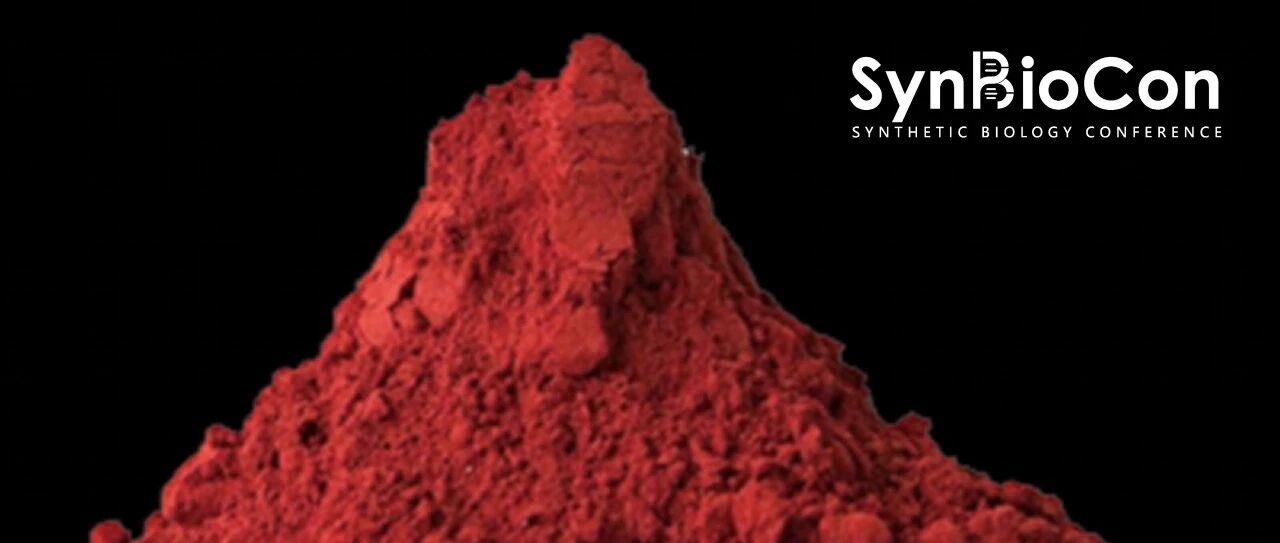
Core Viewpoint - The recent release of three group standards for astaxanthin production by Nanjing University of Technology marks a significant step in standardizing production technology in China, providing essential technical support for high-quality industry development [2][6]. Group 1: Standards Overview - The three standards include: 1. "Technical Requirements for the Production of Natural Astaxanthin for Health Foods," which outlines raw material selection, production processes, quality control, and safety evaluations to ensure compliance with food safety and efficacy requirements [12]. 2. "Quality Grade Evaluation of Natural Astaxanthin Raw Materials for Health Foods," which establishes quality grading standards for natural astaxanthin in health food applications, promoting high-quality industry development [12]. 3. "Technical Requirements for the Microbial (Red Yeast) Fermentation Method for Synthesizing Natural Astaxanthin," which provides systematic regulations covering strain selection, fermentation processes, extraction, purification, and product testing to promote green and efficient production technologies [12]. Group 2: Market Potential and Applications - Astaxanthin, a potent antioxidant, is widely used in health foods, cosmetics, and aquaculture, with increasing demand for natural products expected to drive market growth. The market size for astaxanthin is projected to reach $3.4 billion by 2027 [7]. - The successful heterologous synthesis of (S)-astaxanthin by the research team has achieved a yield of 0.9 g/L, and through adaptive evolution, a yeast strain has been developed that produces 4.6 times more astaxanthin at 25°C compared to the original strain [9]. - Various products have been developed for market release, including fish feed, carotenoid essential oils, pet snacks, and probiotics, facilitating the industrial application of this technology across multiple sectors [9].
剑指全球第一!央企303亿签约200万吨生物基项目
合成生物学与绿色生物制造· 2026-02-12 06:07
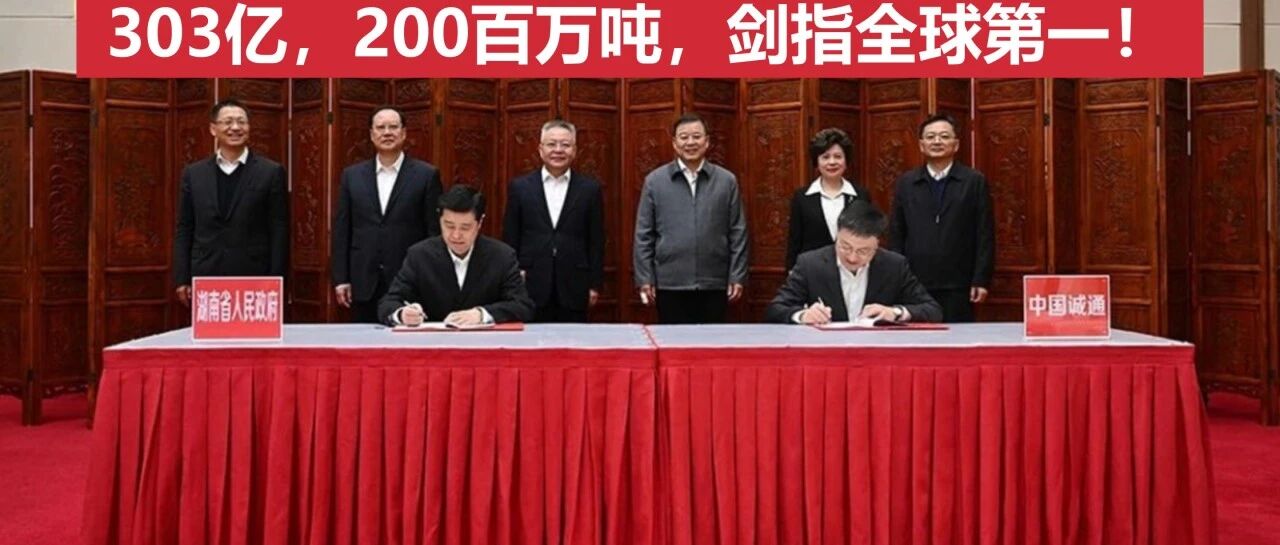
Core Viewpoint - The article discusses a significant investment of 30.3 billion yuan by China Chengtong Holdings Group in collaboration with the Yueyang government to establish a 2 million ton bio-based materials project, which is expected to become the world's largest production capacity upon completion [2][3]. Project Overview - The project involves the construction of a 2 million ton specialty cellulose and 450,000 ton household paper production base, with a total investment of 30.3 billion yuan [3][5]. - The project will be developed in two phases: the first phase will invest 17 billion yuan to build 1.1 million tons of specialty cellulose and 450,000 tons of household paper, starting construction in the first half of 2026 and expected to be operational by the end of 2027, generating an annual output value of 13.05 billion yuan [8]. - The second phase will focus on an additional 900,000 tons of specialty cellulose, with the timeline dependent on the completion of the first phase [8]. Specialty Cellulose Insights - Specialty cellulose refers to high-value cellulose derivatives that have undergone chemical or physical modification, including acetate cellulose and nitrate cellulose [7][9]. - The project is likely to focus on dissolving pulp, which is a key raw material for producing viscose fibers used in clothing [10][12]. - The global demand for dissolving pulp is projected to reach approximately 6.2 million tons in 2024, with China being the largest consumer, requiring over 4 million tons annually, leading to a significant import dependency [15][16]. Market Position and Competitive Landscape - Upon completion, Yueyang Lin Paper is expected to become the world's leading producer of dissolving pulp, significantly reducing China's import needs by nearly half [18][22]. - The project is strategically located in Yueyang, which has advantages such as port access, a developed petrochemical industry, and ample land resources for large-scale projects [19][25]. Operational and Strategic Implications - The operational management of the project is likely to be handled by Hunan Juntai New Materials Technology Co., a subsidiary of Yueyang Lin Paper, which has recently expanded its capabilities in the dissolving pulp market [24][30]. - The investment aligns with the growing trend towards bio-based materials as alternatives to petrochemical products, indicating a shift in the industry towards sustainable practices [26][27].

DT新叶奖竞选㉑ | 树合科技:植物基可微波防水防油全降解涂层纸与防油纸袋
合成生物学与绿色生物制造· 2026-02-12 06:07
Core Viewpoint - The article highlights the participation of Guangzhou Shuhe Technology Co., Ltd. in the 2026 DT New Leaf Awards, showcasing its innovative biodegradable packaging solutions aimed at providing environmentally friendly alternatives to traditional plastic packaging [2][3]. Group 1: Company Overview - Guangzhou Shuhe Technology Co., Ltd. was established in June 2020, originating from the Key Laboratory of Advanced Papermaking and Paper-Based Materials at South China University of Technology. It is a high-tech enterprise founded by experts in biomass materials and seasoned professionals in the polymer industry [5]. - The company focuses on the research and industrialization of key technologies for natural biomass application materials, positioning itself as a provider of "green packaging materials ESG solutions" [5]. Group 2: Product Participation - The company is competing for the "Innovation Materials Award" with its product, plant-based microwave waterproof and oil-proof fully biodegradable coating paper, and for the "Innovation Application Award" with its plant-based coated microwave oil-proof paper bags [6][12]. - The global food packaging market is experiencing an upgrade in demand for "safety + environmental protection + cost-effectiveness," yet current biomass packaging layers often face issues such as uneven film thickness and weak adhesion to paper, leading to unstable oil and water resistance [6]. Group 3: Product Features and Innovations - Shuhe Technology utilizes natural polysaccharides and natural resins as core materials, avoiding harmful chemicals while precisely controlling intermolecular forces to balance environmental friendliness and practical performance [7]. - The company has developed a core process involving "segment control - hydrogen bond reconstruction - molecular self-assembly," enabling the formation of uniform films with a thickness of 3-5μm, thus overcoming the performance limitations of traditional eco-friendly packaging [7]. - The products have achieved large-scale production, with an annual capacity of 3,000 tons for water-based coating paper and 1,000 tons for biomass-based coatings, and have begun entering mainstream markets in Europe, America, and Asia [7]. Group 4: Certifications and Standards - Shuhe Technology's products have received international composting certifications from organizations such as BPI in the U.S. and Dincertco in Europe, and the company holds over 10 patents [7]. - The raw materials used have a carbon footprint that is over 50% lower than traditional PE coated paper, and the production process employs a water-based coating system with zero VOC emissions [11]. - The products meet various safety and performance standards, including FDA and EU REACH certifications, and have a degradation rate of over 90% within 12 months in home composting [11].

酶赛生物, 斩获浙江省科技技术进步二等奖,宣布正式启动IPO!
合成生物学与绿色生物制造· 2026-02-11 03:16
Core Viewpoint - Enzyme Science is recognized for its innovative contributions to biomanufacturing, particularly in the development of chiral amines, and aims to lead advancements in synthetic biology and green manufacturing [2][3]. Group 1: Awards and Recognition - Enzyme Science's project on "Key Technology Innovation and Industrialization Demonstration of Biomanufacturing of Chiral Amines with Cyclic Structures" won the second prize of the 2024 Zhejiang Provincial Science and Technology Progress Award [2]. - The company has received multiple honors, including being recognized as a high-tech enterprise and a "little giant" in specialized and innovative sectors [3]. Group 2: Technological Innovations - The company utilizes protein crystallography and computational biology to reconstruct ancestral sequences and analyze the crystal structure of transaminases, enhancing enzyme stability, activity, and substrate universality [2]. - Enzyme Science has developed a "green biosynthesis - product precise separation - multi-category chiral amine large-scale manufacturing" technology system, achieving high-purity production of various chiral amines [2]. Group 3: Research and Development Efficiency - The establishment of the EnzyAI virtual computing platform has significantly improved R&D efficiency, allowing one person to achieve what previously required a team of five over several months [5]. - The number of new products developed annually has increased from two to over ten [5]. Group 4: Collaborations and Partnerships - Enzyme Science has formed partnerships with institutions like Shenzhen University of Technology to create a predictive and programmable intelligent biomanufacturing platform [5][7]. - The company is also collaborating with teams to explore marine extremophilic microbial enzyme resources and AI-assisted design [7]. Group 5: Commercialization and Market Reach - Enzyme Science has commercialized over 20 products across various sectors, including pharmaceutical intermediates and food additives, with expectations of doubling revenue this year [7]. - The company serves major global pharmaceutical firms such as AstraZeneca, Bayer, and Merck, contributing to significant medications for conditions like high cholesterol and diabetes [8]. Group 6: Future Plans and IPO - Enzyme Science plans to initiate an IPO in early 2026, with a Pre-IPO financing round aimed at expanding production capacity and enhancing cash flow, expecting a valuation exceeding 1.5 billion [8]. - The company aims to extend its applications beyond pharmaceuticals and food into sectors like new energy vehicles and textiles, contributing to carbon neutrality goals [8].
身价超20亿生物制造公司被收购!合作过爱马仕、凯迪拉克
合成生物学与绿色生物制造· 2026-02-11 03:16
Core Viewpoint - MycoWorks, a pioneer in sustainable mycelium leather, has been acquired by DFX Corp, aiming for business restructuring and expansion with significant backing from high-profile investors [2][4]. Group 1: Company Overview - MycoWorks has achieved commercial success over its eight years, collaborating with luxury brands like Hermès and Cadillac, with a pre-acquisition valuation of $300 million (approximately 2 billion RMB) [2]. - The company closed its self-built biomanufacturing facility in the U.S. last November, shifting from in-house mycelium cultivation to sourcing materials from external suppliers in Eurasia [4]. - CEO Matthew Scullin noted that the production model faced cost challenges in the current market environment, leading to a strategic pivot towards material processing and increased investment in Rei-Tan tanning technology [5]. Group 2: Industry Insights - China is positioned to lead in the large-scale application of bio-based leather within 3-5 years, with significant discussions at the Sustainable Application Forum focusing on commercialization timelines [6][9]. - Experts predict that bio-based leather will see widespread adoption in the casual footwear and bag sectors within 3-5 years, partial application in the automotive sector, and full integration as a luxury leather alternative may take over 10 years [9]. - SynMetabio is recognized as a leader in low-carbon bio-based leather production, with an annual production capacity of 6 million meters, expected to reach 20 million meters by 2026 [10]. Group 3: Future Events and Developments - The 11th Bio-based Industry Conference & Exhibition is scheduled for May 20-22, 2026, in Shanghai, aiming to foster collaboration and innovation in the bio-based materials sector [16][17]. - The event will feature 11 thematic forums and 7 concurrent activities, including the DT New Leaf Award, which recognizes innovation in the bio-based industry [17].
DT新叶奖参选:万华/华润双鹤/利夫/道生/聚维元创/华澄/碳和新材, 第二轮报名截止03.13
合成生物学与绿色生物制造· 2026-02-11 03:16
Core Viewpoint - The DT New Leaf Award is a global, professional, and comprehensive award focused on innovation in the bio-based sector, often referred to as the "Oscar of the bio-based industry" [2]. Group 1: Award Overview - The DT New Leaf Award features four main categories: Innovation Materials Award, Innovation Application Award, Most Commercially Valuable Award, and Innovative Industry Solution Award [2]. - Free registration for the award is open until March 13 [2]. Group 2: Participating Companies - Over 40 listed and representative companies have registered for the 2026 DT New Leaf Award, including notable firms such as Wanhua Chemical, Shuangqiang Technology, and Yutong Technology [3]. - Wanhua Chemical is recognized as a leading global chemical new materials company and has established a bio-based polyurethane industry chain [5]. - Shuangqiang Technology, known as the first stock of chopsticks in China, has partnered with Ningbo Materials to develop bamboo-based composite logistics pallets, showcasing significant market potential [7]. Group 3: Selected Products and Innovations - Wanhua Chemical's PCDL product utilizes dimethyl carbonate as a raw material, produced through carbon capture technology, and exhibits excellent mechanical properties [11]. - Shuangqiang Technology's bamboo-based composite pallets are noted for their high rigidity and toughness, with costs only 60%-70% of traditional plastic pallets [12]. - Huazhong University of Science and Technology's team has developed a unique liquid gel foaming technology aimed at producing 100% biodegradable gel foam materials [78]. Group 4: Industry Trends and Developments - The bio-based materials sector is seeing significant innovations, such as the development of bio-based 1,4-butanediamine by Huazhong University, which has been recognized in the Ministry of Industry and Information Technology's list of landmark bio-manufacturing products [9][10]. - Companies like Lifebio and Zhongke Guosheng are advancing in the production of bio-based chemicals and materials, with Lifebio's FDCA production line expected to yield 15,000 tons annually after reaching full capacity [16][17]. Group 5: Award Process and Evaluation - The award process includes registration, online voting for preliminary selection, and expert reviews for final selection, culminating in an award ceremony on May 21 [110]. - Evaluation criteria for the awards include innovation, application, functionality, commercial value, and sustainability, with different weightings for each category [111].