机器人大讲堂

Search documents
从技术领先到场景穿透,越疆部署十万台机器人,具身智能产业化落地最强者?
机器人大讲堂· 2025-12-15 10:24
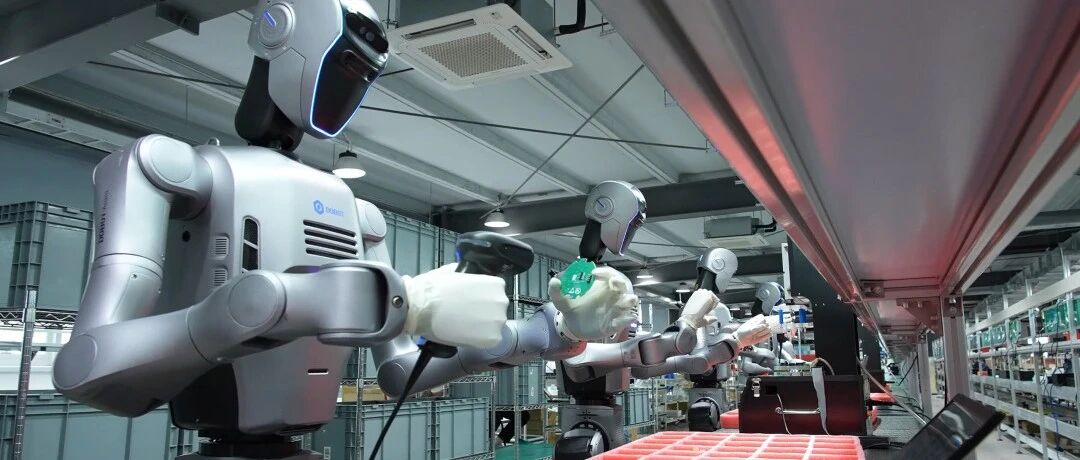
Core Viewpoint - The article emphasizes that true industry leaders are not mere followers of trends but innovators who redefine industry standards through technological advancements. It highlights the significant role of Chinese companies, particularly Yuejiang Robotics, in the global collaborative robotics arena, showcasing their achievements and innovations in the field [1][3]. Group 1: Technological Innovations and Achievements - Yuejiang Robotics won the first prize at the Guangdong Provincial Excellence in Artificial Intelligence and Robotics Awards for its "Key Technologies and Industrial Applications of Collaborative Robots," indicating its leadership in the field [1]. - The company is recognized for its comprehensive "industry-university-research-application" value system in robotics development, showcasing a successful model of innovation leading to tangible results [3]. - Unlike many robotics companies that start in laboratories, Yuejiang is noted as the "only embodied intelligent enterprise emerging from the manufacturing site," focusing on solving real industrial pain points [5]. Group 2: Industrial Applications and Impact - Yuejiang's robots have been deployed in over 100,000 units across various high-end manufacturing environments, including automotive and electronics, driving the industry's shift towards flexibility and intelligence [7]. - In Porsche's production line, Yuejiang robots improved the efficiency of precision glue application by three times while maintaining over 99.5% process consistency [7]. - The integration of over 300 Yuejiang robots into a flexible manufacturing system at Lingyi Intelligent Manufacturing achieved a 100% efficiency increase and reduced the investment return cycle to just six months [9]. Group 3: Expansion into Commercial Sectors - Yuejiang's robots are transforming commercial efficiency and experience, as seen in a smart coffee kiosk in Dubai that achieved a record sale of 1,440 cups per day [14]. - In the U.S., Yuejiang's embodied intelligent robots operate in an unmanned supermarket, demonstrating high efficiency and the ability to serve up to 2,000 customers daily in a compact space [16]. - The collaboration with Yaoshi Bang marks a significant step into the pharmaceutical retail sector, where robots manage inventory and ensure 24-hour service with high accuracy [18]. Group 4: Advancements in Embodied Intelligence - Yuejiang aims to create intelligent agents that can perceive, think, and act like humans in the physical world, leading the way in embodied intelligence with its humanoid robot DOBOT ATOM [21]. - The development of the VLA (Vision-Language-Action) multimodal model allows robots to understand and execute complex tasks autonomously, showcasing a significant leap towards industrial-grade thinking and response capabilities [26]. - The introduction of a humanoid robot capable of remote operation over 1,800 kilometers demonstrates Yuejiang's potential in high-risk environments and remote tasks [25]. Group 5: Market Demand and Future Prospects - Yuejiang's success is attributed to its alignment with global manufacturing trends, addressing labor cost increases and the demand for personalized solutions through collaborative robots [33]. - The company has secured significant orders, including a contract worth over 80.5 million yuan for humanoid robots, indicating strong market demand and recognition of its technological feasibility [29]. - Yuejiang's ambition extends beyond industrial applications, with plans to enter the consumer market with a smart home robot priced at 7,499 yuan, aiming to become a useful household companion [32].

终版议程出炉!与50余位产业领袖共话机器人发展新路径,第六届机器人行业年会报名即将截止~
机器人大讲堂· 2025-12-15 00:00
Core Viewpoint - The article highlights the upcoming 6th China Robotics Industry Annual Conference and LeadeRobot Industry Awards, emphasizing the significance of embodied intelligence in the robotics sector and its potential to drive industry transformation [1]. Event Highlights - The event will feature a dual-day experience focusing on the entire industry chain and practical sharing [2]. - It aims to establish authoritative rankings and set industry benchmarks while celebrating its 10th anniversary [2]. Agenda Summary - The conference will include a series of expert forums and discussions on topics such as the evolution of embodied intelligence, the current trends in humanoid robots, and the integration of AI with robotics [3][4]. - Notable speakers include leaders from various robotics and AI companies, discussing challenges and opportunities in the field [5][7]. Awards Ceremony - The LeadeRobot Industry Awards and appreciation dinner will take place on December 19, recognizing outstanding contributions in the robotics industry [6]. Application Forum - A dedicated forum will explore the practical applications of embodied intelligence in various industrial scenarios, featuring discussions on collaboration and technological advancements [7][8].

华控、深创投领投,因克斯再融2亿元!
机器人大讲堂· 2025-12-14 09:00
Core Viewpoint - Nanjing Inks Intelligent Technology Co., Ltd. has completed a new round of financing amounting to nearly 200 million RMB, indicating strong confidence in the embodied intelligence sector and affirming its leading position in core components [1][3]. Group 1: Company Overview - Founded in September 2022, Inks is led by CEO Zhu Zonghuang, who has extensive experience in robotics and joint module development since 2018, positioning the company as an early innovator in the core components sector [4]. - The company focuses on the research and development of humanoid and quadruped robot joint modules, establishing a forward-looking layout in the embodied intelligence landscape [4]. Group 2: Financing and Growth - The recent 200 million RMB financing will strengthen Inks' core competitiveness, enabling heavy asset investment in core technology and capacity construction [6]. - Inks has completed two rounds of financing within six months, reflecting the capital market's confidence in the embodied intelligence track and the company's explosive potential [3]. Group 3: Market Performance - In 2024, Inks is expected to achieve a shipment volume of over 10,000 robot joint modules, with a tenfold increase anticipated by 2025, making it the first company in the industry to reach an annual shipment volume of 100,000 units [8]. - The company has received high recognition from over 90% of industry clients, with a leading position in the market share [9]. Group 4: Product Development - Inks has developed a standardized joint product matrix covering various technical solutions, meeting diverse joint needs for different robot sizes [9]. - The company plans to launch a new hollow wiring joint product in 2025, further establishing itself as a standard setter in the industry [9]. Group 5: Strategic Expansion - Inks is expanding its strategic landscape beyond core joint modules, aiming to build a complete, self-sufficient hardware ecosystem [12]. - The company has introduced a communication module and a smart battery, forming a comprehensive power system solution for humanoid robots [14]. Group 6: Industry Context - The intelligent robotics industry has seen significant growth, with over 451,700 companies as of December 2024, marking a 206.73% increase since 2020 [16]. - Inks is positioned as a key partner for leading enterprises in the industry, facilitating the transition from technology validation to large-scale commercialization [16]. Group 7: Future Plans - The recent financing will primarily be used for building million-unit production capacity and supply chain development, enhancing Inks' ability for large-scale delivery [17]. - The company aims to play a crucial role in the hardware innovation infrastructure, contributing to the evolution of the artificial intelligence and robotics industry [17].

为什么全球顶尖具身实验室都在选一种七轴力控机器人?揭开斯坦福、Google DeepMind等钟爱的具身智能机器人神器
机器人大讲堂· 2025-12-14 04:50
| 1 | 2 | | --- | --- | | | 1 | | 1. Franka 机器人面向具身智能方向的基因… | | --- | | (1) 7 自由度设计为具身智能高维操作提供了关键条件 | | (2) Franka 的多模态力控能力在具身智能研究中发挥了重要作用。…………………………………………………………………………………………………………………………………………………………………………………3 | | (3) Franka 在科研和工业界形成了具身智能行业的成熟生态 . | | (4) PNP 问题思考:具身智能时代 7 轴机器人 和力控谁更重要 ? . | | 2 谷歌 DeepMind、丰田研究院、META等全球顶尖AI 机构的引领 | | (1) 谷歌 DeepMind-GERMINI 平台 . | | (2) 谷歌 DeepMind- ROBOBALLET 发表于《 Science Robotics » | | (3) 丰田研究院、哥伦比亚大学 Diffusion policy 策略 . | | (4) META 视触觉传感以及 VR 遥操作 | | (5) PNP 问题思考:你认为 ...
外交部发言人、央视齐赞!90后“赛博侠客”修仙大揭秘,不止万剑归宗
机器人大讲堂· 2025-12-14 04:50
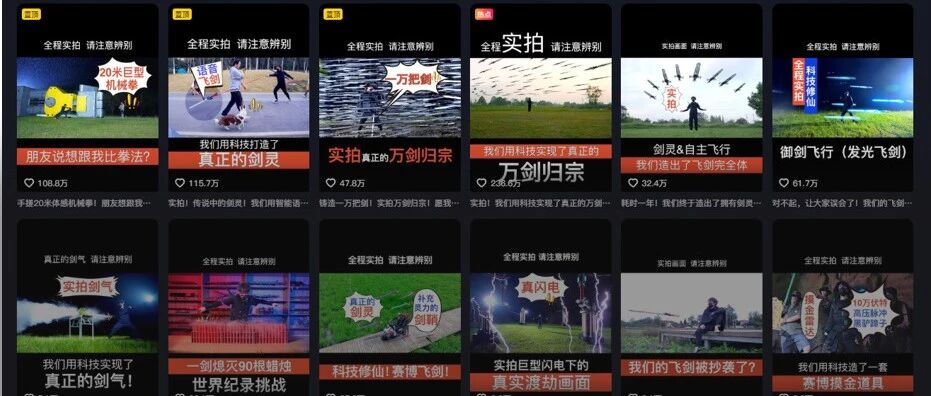
日前,外交部新闻发言人毛宁在海外社交平台,为一位中国博主高调点赞,称"太酷了 " 。 她分享的,正是成都 90 后博主 " 范十三 " 几天前完成的一次飞剑集群控制实验。视频中,他利用无人机技术 群 剑腾 空而起,如星河汇聚,听令 而动, 气势恢 宏, 如武侠小说中 " 万剑归宗 " 的画面 ,拍出属于 中国人的浪漫 。 这并非 CG ,也不是电影特效。这硬核的科技实践,不仅迅速引来《人民日报》的报道,连央视新闻都忍不住感叹: " 中国人会御剑飞行这件事,是真藏不住了 ! " 当各大媒体纷纷将聚光灯投向这位年轻人时,人们才发现, " 万剑归宗 " 仅仅是 冰山一角 。 这位被誉为 " 科技修仙第一人 " 的博主,其作品履历堪称惊艳:从 " 火焰 刀 " 到 " 寒冰剑 " ;从惊艳复刻结构复杂的 " 千 机伞 " ,到真正喷射高压气体的 " 剑 气 " ;从令人叹为观止的 " 20 米巨型机械臂 " ,到高压脉冲装饰驾驭的 " 雷枪 " ;从全球首把 " 载人飞剑 " ,到动手还原 《黑神话:悟空》中的经典角色 …… 他用一次次实践,将二次元与游戏中的幻想,一件件搬进了三维世界。下面是他的抖音账号主页,满满的 ...
美军“机器狗”装上机械臂,能开门能取样,武器化争议再起
机器人大讲堂· 2025-12-14 04:50
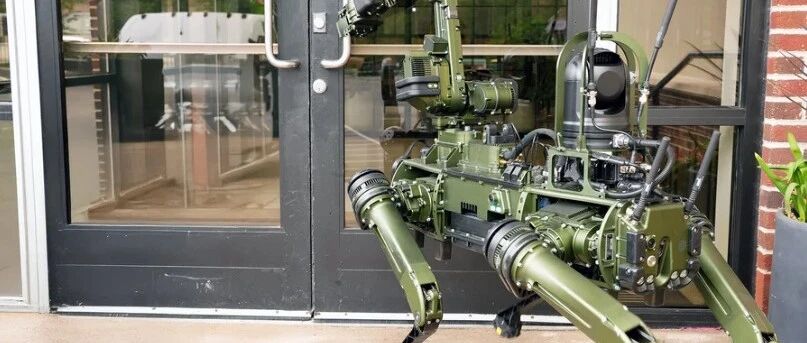
Core Viewpoint - Ghost Robotics has upgraded its Vision 60 robot dog with a multifunctional robotic arm, transforming it from a mere surveillance tool into a versatile operative capable of performing tasks such as opening doors and sampling, raising concerns about potential weaponization [2][4]. Group 1: Technological Advancements - The addition of the robotic arm significantly expands the operational capabilities of the Vision 60, allowing it to perform critical tasks in bomb disposal and biochemical reconnaissance [4]. - The robotic arm serves as a "fifth leg," designed to work in synergy with the robot's body, ensuring military-grade durability and functionality [4]. Group 2: Ethical Concerns - The integration of a robotic arm has reignited public debate over the ethical implications of weaponized robots, especially following past controversies involving Ghost Robotics' products [7][8]. - The CEO of Ghost Robotics emphasizes that while their robots may be weaponized, the decision-making regarding their use should remain within the bounds of government policy and ethics [8]. Group 3: Competitive Landscape - Ghost Robotics faces significant competition from Chinese companies, which are reportedly offering similar quadruped robots at a fraction of the cost, posing a serious threat to Western firms [11][13]. - A Chinese competitor is said to hold approximately 70% of the global quadruped robot market, highlighting the intense competitive pressure on Western robotics companies [13]. Group 4: Industry Implications - The upgrade of the robotic arm is not merely a product enhancement but signifies a pivotal moment at the intersection of technological advancement, ethical dilemmas, and global market competition [14]. - The industry is witnessing a transformation where quadruped robots are becoming essential in both commercial and governmental applications, necessitating ongoing strategic support from the U.S. government to remain competitive [13][15].
展商阵容揭晓!21家机器人领域先锋企业集结,第六届中国机器人行业年会邀你赴杭探商机!
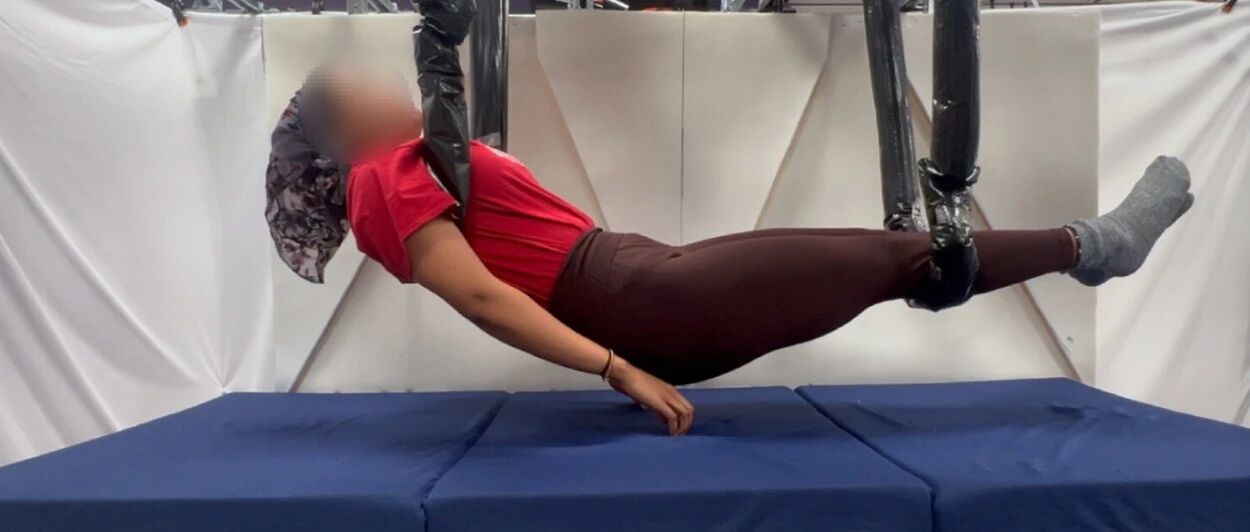
机器人大讲堂· 2025-12-14 00:00
Core Insights - The "6th China Robot Industry Annual Conference" will be held on December 18-19, 2025, in Hangzhou, focusing on humanoid robot technology and embodied intelligence [1] - The conference aims to create a high-end dialogue platform for government, industry, academia, and investment, leveraging Hangzhou's advantages in innovation and technology [1] - A total of 21 companies will exhibit their innovative products and case studies in the robotics field at the conference [1] Company Highlights - **HIT Huawike**: Founded by an academician from the Chinese Academy of Sciences, focusing on flexible intelligent perception technology, with over 150 intellectual property rights and participation in 8 national/industry standards [3][4] - **Linkerbot**: Holds over 80% of the global market share in high-freedom dexterous hands, recognized in multiple prestigious awards, and collaborates with top universities and companies [6][7] - **Greens Harmonic Drive**: A leading manufacturer in precision harmonic drive technology, holding the largest domestic market share and second globally, with 160 patents and 6 national standards [16][18] - **Hefei Xinghui Sensing Technology**: Established in April 2025, focuses on robot tactile sensors, with a management team from a global leader in the field [26][27] - **Yinshij Robot**: Specializes in micro precision actuators, with over 80 intellectual property rights and a production capacity of 100,000 micro servo cylinders annually [29][30] - **Yushu Technology**: A well-known civil robot company, involved in high-performance humanoid robots and dexterous robotic arms, with participation in major events like the Winter Olympics [39][40] - **Shenzhen Anpeilong Technology**: A national-level specialized enterprise focusing on intelligent sensors, with a complete vertical industry chain from chip development to sensor manufacturing [51][52] - **Cloud Deep Technology**: Focuses on embodied intelligence technology, with core technologies in motion control and intelligent environment perception, leading in various industry applications [58][59] - **Blue Dot Touch Control**: Dominates the domestic market for six-dimensional force sensors, with a 95% share in joint force sensors expected in 2025 [66] Event Details - The conference will feature various forums and discussions on topics such as the current trends in humanoid robots, AI integration, and the commercialization of embodied intelligence [127][128] - Notable speakers include experts from leading universities and companies, discussing the future of humanoid robots and their applications [127][128]

携手行业顶尖大脑,解码机器人年度趋势与商业机遇,2025第六届中国机器人行业年会报名即将截止
机器人大讲堂· 2025-12-14 00:00
Core Points - The article discusses the upcoming 6th China Robotics Industry Annual Conference and LeadeRobot Industry Awards, scheduled for December 18-19, 2025, in Hangzhou, China, highlighting the significance of the event in showcasing the advancements in the robotics industry and the emergence of embodied intelligence [1][41]. Event Highlights - The event will feature a dual-day experience with comprehensive industry insights and practical sharing across the entire supply chain [2]. - It aims to establish authoritative rankings and set industry benchmarks while leading developmental thought with its annual theme [2]. - The conference will also celebrate its 10th anniversary, envisioning a new blueprint for the future of robotics [2]. Conference Agenda - The opening ceremony will include a forum led by renowned experts and industry leaders, discussing topics such as the evolution of embodied intelligence and the current trends in humanoid robots [3]. - Key presentations will cover various aspects of robotics, including AI integration, core component development, and advancements in tactile technology for next-generation humanoid robots [3][5]. - A roundtable discussion will focus on the commercialization opportunities and challenges of embodied intelligence technology [5]. Awards Ceremony - The 6th LeadeRobot Industry Awards and appreciation dinner will take place on December 19, recognizing outstanding contributions in the robotics sector [6]. Application Forum - A dedicated forum will explore the industrial application of embodied intelligence, featuring discussions on creating a national team for industrialization and the practical implementation of humanoid robots in various scenarios [7]. - Presentations will also address the role of collaborative robots in smart manufacturing and the future driven by AI [7]. Notable Participants - The event will host a range of distinguished guests from academia and industry, including professors, CEOs, and researchers from leading institutions and companies in the robotics field [9][10][12].

告别笨重钢爪!MIT/斯坦福让机器人用“温柔藤蔓”搬运人体
机器人大讲堂· 2025-12-13 13:30
Core Concept - The article discusses a groundbreaking robotic technology called "closed-loop grasping," developed by a team from MIT and Stanford, which allows robots to switch between flexible exploration and stable load-bearing modes, addressing the long-standing challenge of balancing strength and gentleness in robotic grasping [3][9]. Group 1: Challenges in Robotic Grasping - Traditional robotic grippers struggle to perform tasks requiring both gentleness and strength, such as picking up fragile objects and lifting heavy ones, due to the inherent trade-off between rigidity and flexibility [7][8]. - The grasping process is divided into two phases: establishing a grasp and maintaining it, where the first phase requires flexibility to navigate complex environments, and the second phase demands stability to resist various forces without damaging the object [8]. Group 2: Closed-Loop Grasping Mechanism - The "closed-loop grasping" paradigm allows robots to transform between different forms during the grasping process, inspired by topology, enabling them to adapt their structure based on the task at hand [9][12]. - The system operates in two stages: first, it enters an exploratory mode with an open-loop structure to navigate and find optimal grasping paths, and then it switches to a load-bearing mode where it becomes soft yet strong, distributing loads effectively [12][13]. Group 3: Design and Capabilities of the Vine Robot - The "vine robot," a flexible inflatable robot, mimics plant growth and can dynamically switch between open and closed-loop structures, achieving remarkable flexibility and strength [15]. - The maximum load capacity of a single closed-loop vine robot can reach 622 kg, showcasing its potential for heavy lifting [16]. Group 4: Demonstrated Applications - The vine robot has been successfully demonstrated in various scenarios, including gently lifting a 74.1 kg adult with a maximum contact pressure of only 16.95 kPa, significantly lower than standard medical slings [21]. - In a cluttered environment, the robot can navigate and grasp a 6.8 kg kettlebell, effectively solving complex robotic challenges [23]. - The system can create a stable grasp by forming interlocking structures, allowing it to securely hold objects without risk of dropping them [24]. Group 5: Future Implications - This research redefines robotic grasping, suggesting that robots can adapt their grasping mechanisms to meet specific needs, which could revolutionize fields such as healthcare, logistics, and agriculture [30][31]. - Future developments aim to integrate intelligent real-time navigation systems and optimize contact mechanics, enhancing the reliability and autonomy of the system in various applications [32].
第三批展商阵容重磅揭晓!绿的谐波、晶品特装、青瞳视觉等硬核企业强势入局,第六届中国机器人行业年会邀你赴杭共话未来!
机器人大讲堂· 2025-12-13 07:32
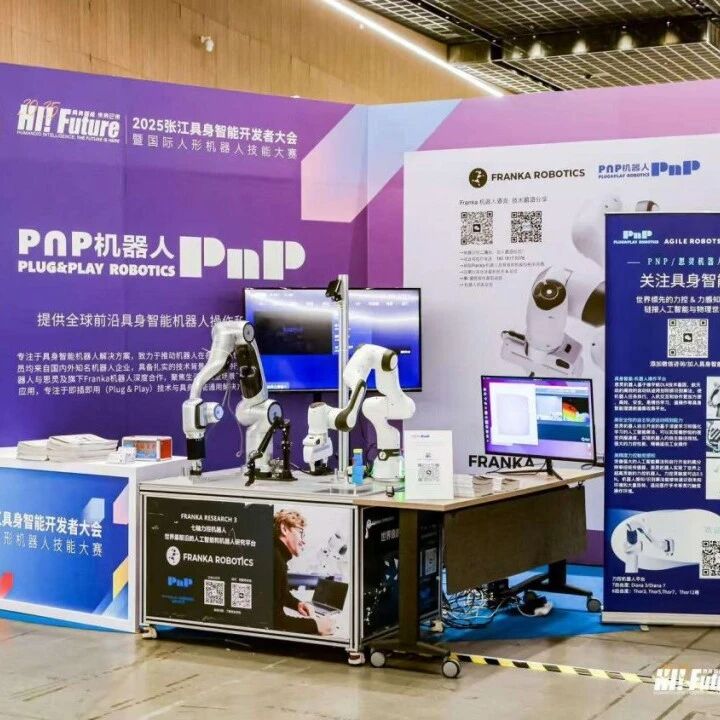
由立德机器人平台(机器人大讲堂)发起的「第六届中国机器人行业年会」,将于 2025年12月18日-19日在 浙江杭州滨奥皇冠假日酒店举办! 大会以 "见证中国机器人领军企业力量,点亮具身智能时代变革新星"为主 题,聚焦人形机器人技术与具身智能价值,搭建政产学研投高端对话平台。依托杭州科创枢纽优势,助力产业 集聚与全球竞争主动权,共筑共赢生态! 本届大会参展企业共计 21家, 第三批揭秘的6家展商分别为绿的谐波、晶品特装、青瞳视觉、PNP机器人、 安培龙、售后宝,六家企业 将携核心技术与前沿产品亮相年会现场。我们也将陆续带来展商展品速递资讯, 欢迎持续关注! ▍ 参展企业展品介绍 (以下排名不分先后) 【 苏州绿的谐波传动科技股份有限公司 】 绿的谐波是全球领先的核心零件制造商,自 2003年起专注精密谐波传动技术创新研发,率先打破国外技术垄 断,在谐波减速器领域国内市占率第一、全球第二,入选全球人形机器人百强。2020年在科创板上市,作为 国家专精特新"小巨人"与制造业单项冠军,公司拥有160项专利,主导6项国家标准,产品达国际领先水平, 广泛应用于机器人、具身智能、智能制造等领域。 1. 谐波减速器 2. ...