机器人大讲堂

Search documents
小米、百度都投了!这家公司带火人形机器人开源赛道,创始人为00后
机器人大讲堂· 2025-12-17 11:24
Core Viewpoint - RoboParty, a startup focused on open-source bipedal humanoid robots, has recently gained significant attention from investors, completing a new seed+ round of financing shortly after a previous seed round, indicating strong confidence in its business potential and technology path [1][3]. Financing and Investment - The latest financing round was led by prominent investors including SenseTime, Baidu Ventures, and Huaying Capital, with continued support from previous investors such as Matrix Partners and Xiaomi [1][3]. - The new funds will be used for self-research of core components, optimization of humanoid robot structure and motion control systems, and development of an open-source software stack and developer ecosystem [3]. Founder's Journey - The story of RoboParty is closely linked to its founder, Huang Yi, a young entrepreneur born in 2004, who gained recognition by winning a national college technology competition in 2023 [4]. - Huang Yi created his first bipedal robot, AlexBot, in his dormitory using limited resources, which led to a significant open-source sharing initiative that allowed many universities and companies to replicate the technology [6][9]. Open-Source Philosophy - Huang Yi's commitment to an open-source model stems from a mission to democratize access to humanoid robotics and foster collaboration among global developers, which he believes is essential for accelerating technological advancement [11][13]. - Despite receiving investment offers from established companies, Huang Yi prioritized building a high-quality developer ecosystem over short-term financial gains, reflecting a long-term strategic vision [13]. Product Development and Ecosystem Goals - RoboParty aims to create a leading open-source robotics ecosystem, with its first humanoid robot prototype, Atom, showcasing a lightweight design and advanced capabilities, including 20 degrees of freedom [16]. - The company’s strategy emphasizes low-cost, high-performance, and open-source sharing, positioning it uniquely in a competitive market [14][16]. Challenges and Future Outlook - As a startup, RoboParty faces challenges in maintaining technological leadership, balancing open-source ideals with commercial viability, and competing against industry giants [17]. - The emergence of RoboParty represents a shift towards a new technological paradigm characterized by openness, collaboration, and shared innovation in the robotics field [17].

明日启杭!第六届中国机器人行业年会,以议程绘就产业新蓝图,即刻报名参会~
机器人大讲堂· 2025-12-17 11:24
2025 总冠名 ■ 周期間 见证中国机器人领军企业力量 点亮具身智能时代变革新星 第六届中国机器人行业年会 暨LeadeRobot机器人行业颁奖典礼 2025年12月18日-12月19日 | 中国 | 杭州 组织架构 主办单位:立德机器人平台(机器人大讲堂) 协办单位:杭州高新区(滨江)互联网产业园 (滨江具身智能机器人小镇) 活动亮点 0 双日五维 深度体验 c 全产业链 实战分享 权威榜单 树立行业标杆 年度主题 引领发展思潮 十周年庆典 共绘新蓝图 12月18日 开幕式 09:00-09:40 开幕式环节 知名专家领军企业家论坛 《潜在泡沫破局:具身智能的进化路径与关键挑战》 09:40-10:00 王田菌 智友·雅瑞科创平台发起人 北航机器人研究所名誉所长、教授 中关村智友研究院院长 蔡颖鹏 因时机器人 CEO 《工业具身智能落地路径思考》 11:40-12:00 王 鑫 启智机器人 副总裁 | | 作"的最后一毫米》 | | --- | --- | | 13:30-13:50 | 《六维力及关节力传感器,机器人跨越"感知"到"操 刘昊月 蓝点触控董事长&CEO | H FININGE 《如何看待当 ...

大疆系创企璇玑动力获近亿元天使轮融资,全栈自研技术布局机器人赛道
机器人大讲堂· 2025-12-17 05:08
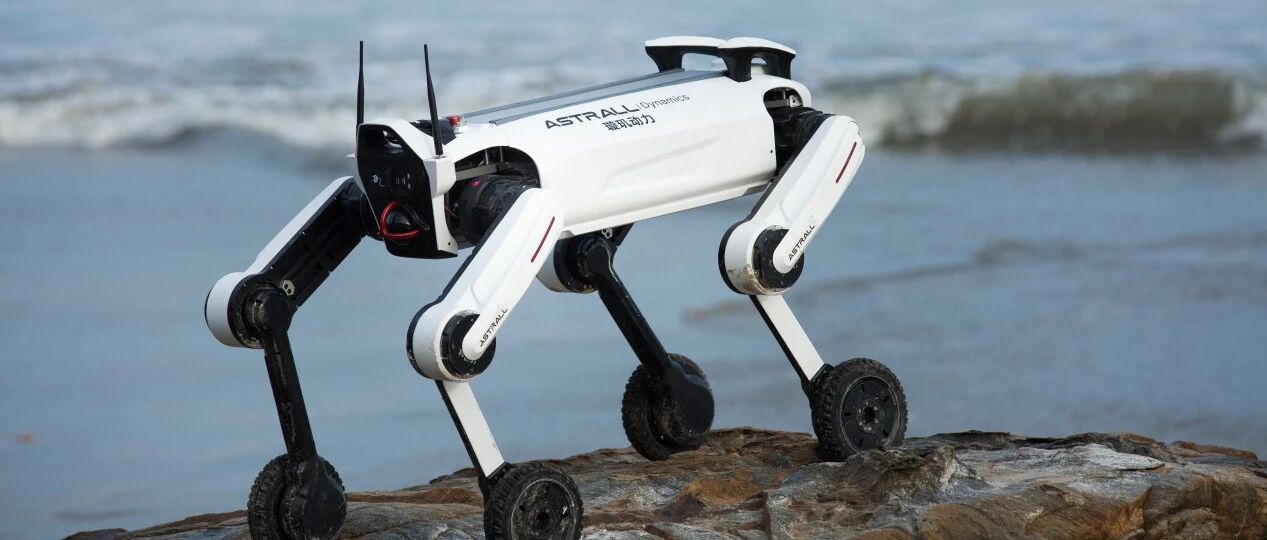
Core Viewpoint - Xuanji Power, a robotics platform company founded by former DJI executive Odi, has completed nearly 100 million RMB in angel financing, which will support the mass production of heavy and light quadrupedal robots and the development of a consumer-grade robot set to launch next year [1][2]. Group 1: Company Overview - Xuanji Power was established in June 2024 and focuses on the research, manufacturing, and sales of intelligent robots, aiming to provide high-performance and reliable robotic solutions for both industry clients and consumers [1]. - The company is located in Bao'an District, Shenzhen, and emphasizes self-research in core components and the entire robot body [1]. Group 2: Team and Expertise - The core team of Xuanji Power consists of members from DJI, with founder Odi having extensive experience in high-end manufacturing and robotics, particularly in leading the development of DJI's Inspire series [2][3]. - Odi's background includes roles in product definition, core research, and large-scale production, providing the team with significant advantages in complex product system collaboration and supply chain management [3]. Group 3: Technological Innovations - Xuanji Power's core competitive advantage lies in its full-stack self-research approach, achieving breakthroughs in key technologies such as axial-flux motors and integrated joint modules [4][5]. - The self-developed axial-flux motor features a flat structure that delivers higher torque output compared to traditional radial motors, achieving a peak torque of 596 N·m and a torque density of 240 N·m/kg, setting industry-leading performance standards [4]. Group 4: Market Position and Opportunities - The quadrupedal and wheeled robot market is entering a phase of accelerated commercialization, with the global quadrupedal robot market projected to reach approximately 1.3 billion RMB in 2024, indicating significant growth potential [6]. - Xuanji Power has secured deep collaborations with leading industry clients, such as Southern Power Grid, to launch the "Feiyun Titan" quadrupedal robot for power inspection, addressing key pain points in traditional inspection methods [6]. - The company is also accelerating its entry into the consumer robot market, planning to launch new products next year to create a comprehensive product ecosystem [6]. Group 5: Production and Competitive Advantage - Xuanji Power has integrated mass production thinking into its product design from the outset, establishing an engineering system centered on modular architecture and system collaboration [9]. - This systematic engineering capability allows Xuanji Power to maintain a sustainable cost advantage and respond quickly to market demand changes, forming a core moat for the company's scalable development [9].
参会攻略丨第六届机器人行业年会,交通/住宿/直播一键查
机器人大讲堂· 2025-12-16 09:30
Core Points - The event titled "2025 Sixth China Robot Industry Annual Conference and LeadeRobot Industry Awards Ceremony" will focus on the theme of witnessing the power of leading Chinese robot enterprises and illuminating the new stars of the embodied intelligence era [1] - The conference will take place from December 18 to December 19, 2025, at the Crowne Plaza Hotel in Hangzhou [3][4] - The event will feature over 50 industry experts and corporate leaders, providing a platform for efficient networking and resource sharing [1] Event Details - **Date and Time**: December 18 (9:00 AM - 5:00 PM) and December 19 (9:00 AM - 4:00 PM) [3] - **Location**: Crowne Plaza Hotel, Binjiang District, Hangzhou [3] - **Parking**: Free parking available at the venue, but limited [3] Registration Process - **Check-in Time**: Begins at 8:00 AM on December 18 [3] - **Check-in Location**: Lobby of the Crowne Plaza Hotel [4] - **Check-in Methods**: - Present the registration SMS with the QR code for scanning [5] - Scan the verification QR code provided on-site using WeChat [7] Transportation and Accommodation - **Transportation from Xiaoshan International Airport**: - Recommended: Metro Line 7 to Aoti Center, transfer to Line 6 to Jiangling Road Station (approximately 45 minutes) [21] - Airport bus available for 20 yuan, taking about 50 minutes [21] - **Nearby Hotel Recommendations**: - Hanting Hotel: ¥260/night [24] - Radisson Blu: ¥350/night [24] - Atour Hotel: ¥400/night [24] - Crowne Plaza Hotel: ¥800/night [24] Agenda Highlights - **December 18**: - Opening ceremony and expert forums covering topics such as the evolution of embodied intelligence and trends in humanoid robots [30][31] - A series of presentations from industry leaders discussing advancements in robotics technology and applications [30][31] - **December 19**: - Focus on the application of embodied intelligence in various industries, including manufacturing and healthcare [33][34] Special Offers - Attendees who share the event's promotional content on social media before December 18 can receive a complimentary copy of the "2025 China Robot Development Yearbook" [16][20]

破壁微米!首个细胞级尺寸、会思考的机器人诞生| Science Robotics
机器人大讲堂· 2025-12-16 09:30
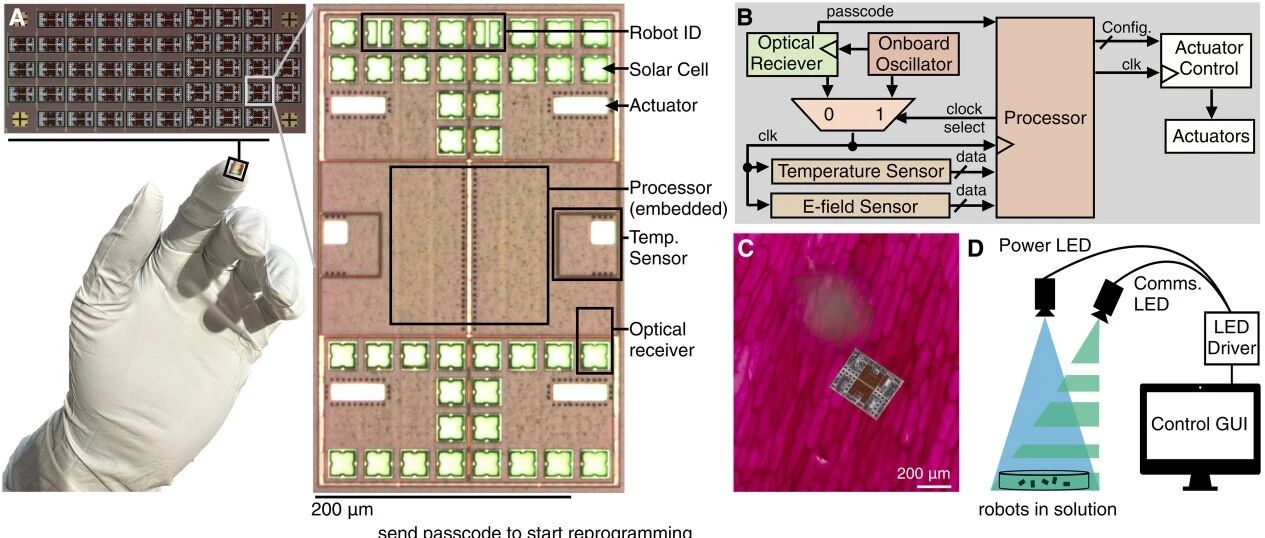
Core Insights - The article discusses a groundbreaking development in micro-robotics, where researchers have created a micro-robot comparable in size to a paramecium, measuring approximately 340 micrometers by 210 micrometers and only 50 micrometers thick, which is about the size of a period [1] - This micro-robot is equipped with an onboard computer that allows it to think autonomously, utilizing onboard computation, perception, memory, movement, and communication systems to operate without human intervention [1] Group 1: Technological Breakthroughs - The research team has developed a new design philosophy that constructs a complete robotic system on a microchip, rather than simply miniaturizing existing components [5] - The micro-robot integrates a photovoltaic cell that converts light into approximately 100 nanowatts of power, which is about one ten-thousandth of the power consumption of a typical calculator [8] - The micro-robot features a custom 11-bit processor capable of running specialized algorithms at ultra-low power, processing data from sensors, and making decisions [9] Group 2: Autonomous Functionality - The micro-robot is designed to autonomously respond to environmental changes, showcasing a significant advancement in robotics by integrating a high-precision temperature sensor with a resolution of 0.3 °C [10] - In experiments, the robot demonstrated the ability to autonomously seek warmer areas by initiating specific movements based on sensor feedback, marking a shift from passive execution to active adaptation [11][14] Group 3: Potential Applications - The micro-robot's low manufacturing cost, potentially as low as $0.01 per unit, opens up vast possibilities for widespread deployment, particularly in the medical field for targeted drug delivery and micro-surgery [15] - In precision manufacturing, these robots could perform high-resolution inspections in areas inaccessible to traditional tools, detecting micro-cracks or blockages [15] - The technology lays the groundwork for collaborative behavior among micro-robots, allowing them to be assigned different tasks based on simple "codes" [16] Group 4: Future Developments - Despite the advancements, challenges remain, including improving movement speed and energy efficiency, as well as expanding interaction methods with the external environment [19] - The research team plans to enhance memory capacity by a hundredfold, develop new actuators, integrate more sensors, and explore novel communication methods suitable for micro-environments [20]
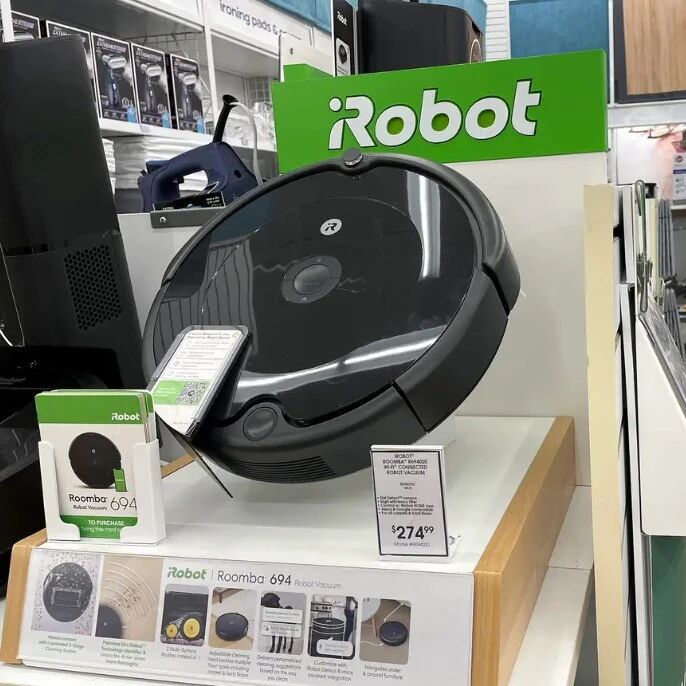
吃下iRobot的深圳隐形王者浮出水面
机器人大讲堂· 2025-12-16 09:30
Core Viewpoint - The acquisition of iRobot by Shenzhen-based company Shanjun is seen as a strategic move to revitalize the brand and leverage its legacy, despite skepticism regarding Shanjun's ability to manage a historically significant brand with substantial debt [2][4][10]. Group 1: iRobot's Decline - iRobot, founded in 1990, was a pioneer in the robotic vacuum industry, achieving over 80% market share at its peak with the Roomba model [5][6]. - The company faced challenges as Chinese brands advanced in technology, leading to a significant decline in market share, dropping to 7.9% by 2025 [9][10]. - Financially, iRobot was in dire straits with only $24.8 million in cash against $508 million in debt by September 2025, ultimately leading to its bankruptcy filing [9][10]. Group 2: Shanjun's Strengths - Shanjun, backed by strategic investments from major firms, has evolved from a contract manufacturer to a "hidden champion" with a valuation exceeding $1 billion and a revenue of 4.06 billion yuan in 2024 [12][14]. - The company boasts over 1,100 patents and a strong R&D team, allowing it to produce core components in-house, reducing costs by approximately 30% compared to iRobot [12][14]. - Shanjun's successful partnerships with international brands like Dyson and its rapid growth in the domestic market highlight its competitive position [14][18]. Group 3: Strategic Acquisition Benefits - The acquisition provides Shanjun access to iRobot's extensive patent portfolio, which includes over 2,000 patents, facilitating quicker product development and legal protection in international markets [15][16]. - iRobot's established brand and distribution channels in the U.S. and Japan offer Shanjun a valuable platform to expand its own brand, 3i, into global markets [16][18]. - The integration of Shanjun's advanced technology into iRobot's product line is expected to enhance product competitiveness and reduce costs, allowing for more aggressive pricing strategies [19][20]. Group 4: Future Outlook - Shanjun aims to revitalize iRobot through technological upgrades, cost-effective manufacturing, and a dual-brand strategy targeting different market segments [22][23]. - The acquisition signifies a shift in global manufacturing power, with Chinese companies increasingly taking control of technology and brand integration, as seen in Shanjun's strategic moves [24][25]. - The evolving landscape of the robotic vacuum market indicates that companies with core technology and supply chain advantages will emerge as leaders in the future [28][29].
报名倒计时3天!第六届中国机器人行业年会终极议程发布!汇聚50+产业领袖,共探发展新路径~
机器人大讲堂· 2025-12-16 00:00
2025 总冠名 ■ 周期間 见证中国机器人领军企业力量 点亮具身智能时代变革新星 第六届中国机器人行业年会 暨LeadeRobot机器人行业颁奖典礼 2025年12月18日-12月19日 中国 = 杭州 组织架构 18:00-20:00 第六届LeadeRobot机器人行业颁奖典礼&答谢晚宴 主办单位:立德机器人平台(机器人大讲堂) 协办单位:杭州高新区(滨江)互联网产业园 (滨江具身智能机器人小镇) 活动亮点 x 双日五维 深度体验 全产业链 实战分享 权威榜单 树立行业标杆 年度主题 引领发展思潮 十周年庆典 共绘新蓝图 | | 活动议程 | | --- | --- | | | 12月18日 | | 开幕式 | | | 09:00-09:40 | 开幕式环节 | | 知名专家领军企业家论坛 | | | 09:40-10:00 | 《潜在泡沫破局:具身智能的进化路径与关键挑战》 | | | EST 智友·雅瑞科创平台发起人 | | | 北航机器人研究所名誉所长、教授 | | | 中关村智友研究院院长 | | 10:00-10:20 | 《如何看待当前人形机器人热》 | | | 赵 杰 哈尔滨工业大学机器人 ...

人形机器人赛道再掀热潮,11月揽获6笔超亿元大额融资
机器人大讲堂· 2025-12-15 15:30
根据机器人大讲堂与立德智库的不完全统计, 2025年11月中国机器人行业融资市场呈现"量额齐增、结构优 化"的鲜明特征,整体热度持续攀升。融资事件数量与金额较10月均实现稳步增长,资本持续聚焦核心零部 件、人形机器人及具身智能等核心赛道,成长期项目成为布局重点。在产业资本深度参与下,行业商业化落地 进程显著提速。 从整体态势看, 11月融资活力进一步释放,市场信心持续加码。全月共发生融资事件5 3 起,较 10月增加 3 起,延续了活跃态势。融资总金额预估介于 5 4.1亿 -6 7.3亿元之间,区间较上月更为集中且中枢上移,显示 资金正加速向优质项目聚集。其中超亿元融资达1 3 起, 较 10月 继续增多 ,大额资金的密集注入为企业技 术迭代、产能扩张与全球化布局提供了有力支撑。同时,市场信息透明度保持高位,有助于资本更精准地进行 价值判断与资源配置。 细分领域方面,核心零部件赛道以 14起融资事件蝉联榜首,技术落地导向 凸显 。灵巧手领域表现突出,例 如灵心巧手完成数亿元 A+轮融资,融资金额领跑该细分赛道。此外,资本也重点聚焦新型核心零部件与一体 化关节等环节,体现出对人形机器人执行器模块技术突破的高度 ...

5万亿美元人形机器人盛宴,摩根士丹利却可能指错了路
机器人大讲堂· 2025-12-15 10:24
摩根士丹利近日描绘了一幅震撼图景: 2050 年,全球将有超过 10 亿台人形机器人运行,市场规模突破 5 万亿美元。 这份名单像一份精密 设备 的 产业链 解剖图, 理性地标注每个关键部件 以及其在人形机器人中的占比 。 报告尤其指出中国供应链的优势, 百度、阿里、科大讯飞、地平线、禾赛、均胜电子、德赛西威七家企业上 榜。 这被解读为对中国硬件制造与供应链效率的一次全球认证。 与此同时,大摩 更列出一份 " 科技 25 强 " 名单,宣称投资组件供应商才是这场革命里的 " 卖水人 " 。 此观点引起业内哗然, 反对者认为,如果 当所有目光聚焦于 " 大脑 "" 眼睛 " 与 " 躯体 " 的供应商时,我 们是否过早地放弃了对 " 完整 人形机器人 " 的想象? | 公司名称 | 国家 | 细分领域 | 公司名称 | 国家 | 细分领域 | 公司名称 | 国家 | 细分领域 | | --- | --- | --- | --- | --- | --- | --- | --- | --- | | 百度 | 中国 | 综合 | 科大讯飞 | 中国 | 智能翻译 | 英伟达 | 美国 | 未言体 | | 阿里巴巴 | ...
具识工作坊正式发布:破解机器人场景开发难题
机器人大讲堂· 2025-12-15 10:24
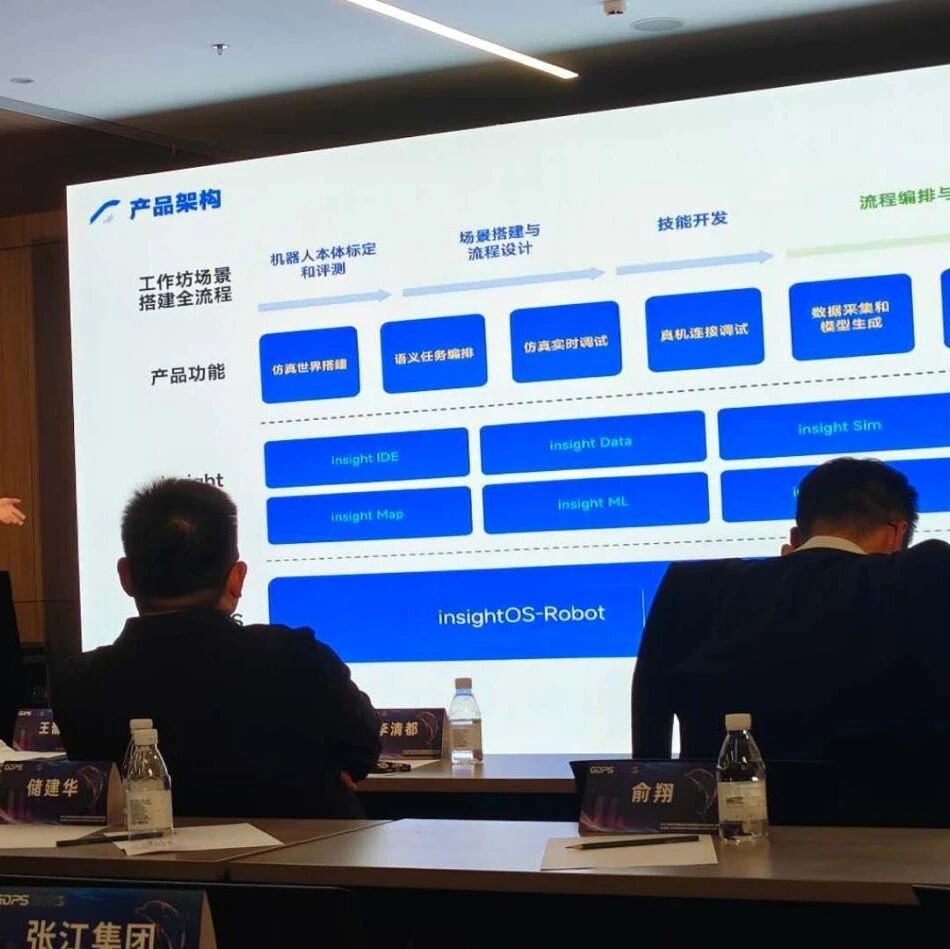
" 机器人要真正走进千行百业,核心是解决 ' 场景开发难 ' 的问题。 " 具识智能 COO 秦学在 GDPS 2025 全 球开发者先锋大会张江机器人谷生态论坛上发表《具识工作坊 : 帮助机器人开发千万场景》主题演讲时指出。 传统机器人开发依赖代码编程与定制化部署,一个新场景的落地往往需要数月甚至半年,成本高、效率低,严 重制约了机器人的规模化应用。 具识工作坊正是为破解这一难题而生,具识工作坊是上海具识智能科技有限公司推出的全栈开发平台,基于自 主研发的具身智能操作系统 insightOS 构建,旨在加速具身智能技术的产业落地。与传统机器人操作系统不 同,具识工作坊打造的是一套从场景认知到部署运维 ' 的全链路解决方案,让开发者无需编写复杂代码,通过 图形化拖拽、自然语言指令即可完成任务编排,帮助新场景开发效率大幅提升。 ▍ 三大产品线:覆盖多场景应用需求 具识工作坊目前包含工业版、教育版、运维版三大产品线,全面覆盖不同领域的应用需求: 1. 工业版 面向工业场景具身智能研发与生产落地的完整解决方案,融合多软件服务平台( IDE 、 OMC 、 Data&ML 、 EVA 等)和硬件设备方案(机器人、智能 ...