机器人大讲堂

Search documents
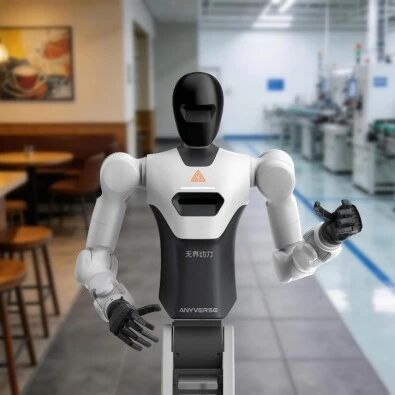
无界动力完成数亿元天使+轮融资,红杉、线性、高瓴等老股东持续追投
机器人大讲堂· 2026-02-14 09:25
Core Viewpoint - The article highlights the successful completion of over 200 million yuan in angel financing for Wujie Power, a company specializing in general embodied intelligent robots, with significant backing from top investment firms and a focus on accelerating the development of robotic technology and its deployment in global markets [1][8]. Financing and Investment - Wujie Power announced the completion of over 200 million yuan in angel financing, with continued investment from existing shareholders and new investors, bringing the total financing to nearly 800 million yuan [1]. - The funds will be used to enhance the development of the robot's general brain and hardware, facilitating large-scale deployment in various customer scenarios [1]. Technological Advancements - The company has made significant progress in technology research and commercialization within just six months of team expansion [2]. - Wujie Power is focused on building long-term technological barriers through key innovations in embodied intelligence, including the development of an end-to-end multimodal large model that enhances the robot's capabilities in complex tasks [4]. - The company has achieved breakthroughs in generalization and success rates across various tasks, gaining recognition from multiple clients [4]. Collaborations and Research - Wujie Power collaborates with top universities such as Tsinghua University and Shanghai Jiao Tong University to drive innovation in world models and simulation reconstruction [5]. - The company has achieved notable results in joint research projects that have been presented at prestigious international conferences [5]. Hardware Development - The robot hardware platform has undergone multiple iterations, focusing on a soft-hard integration design that meets the demands of real-world applications [7]. - Wujie Power has developed a domestic high-performance computing platform with over 1100 TOPS, supporting efficient inference and operation of large models in its humanoid robots [7]. Market Deployment - The robots have entered international clients' industrial production lines, marking a new phase of mass production and delivery [7]. - Wujie Power aims to establish itself as a leader in the global market by collaborating with top enterprises to refine its "general operational brain" capabilities in high-value sectors [7]. Future Vision - The company plans to continue advancing its core technologies and strengthen collaborations with global strategic clients to create practical value across various industries [8]. - Wujie Power is committed to its long-term vision of making intelligent robots reliable partners for humanity [8].

荣登《Science Robotics》封面!大象机器人产品赋能科研突破
机器人大讲堂· 2026-02-14 09:25
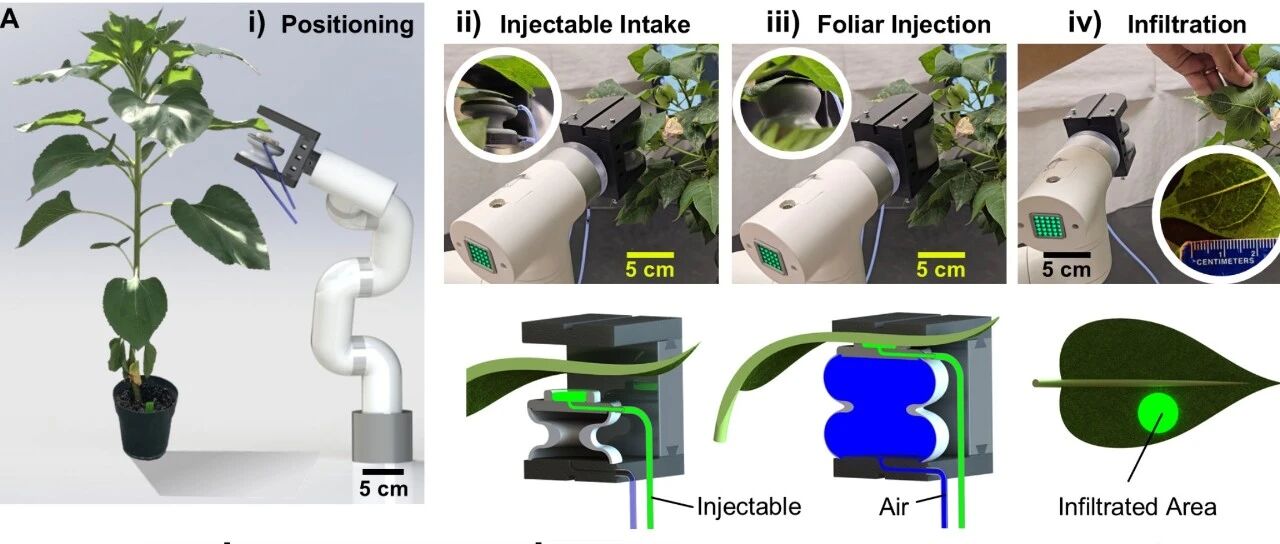
Core Insights - The article highlights the innovative applications of the myCobot robotic arm in various research fields, particularly in precision agriculture, robotics, and medical assistance, showcasing its high adaptability and cost-effectiveness [4][6][39]. Group 1: Precision Agriculture - A study from Cornell University developed a soft robotic leaf gripper using the myCobot arm, achieving over 91% success in injecting nanoparticles and genetic material into leaves with minimal damage, addressing traditional challenges in leaf surface injection [4]. - The myCobot robotic arm is being utilized in multiple prestigious universities globally, including Cornell University and Tokyo University, to enhance research efficiency and facilitate breakthrough results in plant bioengineering and high-throughput phenotyping [6]. Group 2: Robotics and Automation - A Tokyo University study introduced a hair styling robot system that uses image comparison to achieve high-precision hair styling, employing the myCobot 280 M5 for stable 3D trajectory execution [9]. - A Seoul National University research presented a dynamic inaudible frequency shift communication system for multi-robot collaboration, achieving over 97.5% communication accuracy in noisy environments without relying on WiFi or Bluetooth [12]. - A Michigan University study developed a multimodal explainability framework for autonomous mobile robots, enhancing human-robot trust through real-time environmental perception and behavior explanation [15]. Group 3: Food Manufacturing - A collaborative heterogeneous micro-robot 3D printer was developed to address challenges in multi-material food printing on curved surfaces, utilizing the myCobot 280 M5 to improve the consistency and integration of food inks [21]. Group 4: Medical Assistance - A self-learning robotic system based on deep imitation learning was introduced, capable of observing and mimicking human actions to assist medical professionals in tasks like drug delivery and patient support, utilizing the myCobot 280 Jetson Nano [39]. Group 5: Agricultural Automation - A system for autonomous blackberry picking was developed, integrating a soft pneumatic gripper and visual servoing with the myCobot Pro 320 arm, achieving a visual detection success rate of 98.4% and a grasping success rate of 76.6% [30]. - Research on a dual-arm humanoid robot focused on fruit localization and occlusion challenges in agriculture, demonstrating significant advancements in automation for dynamic environments [36]. Group 6: Collaborative Robotics - A study on heterogeneous three-robot collaboration for flexible handling proposed a reinforcement learning control method, significantly improving trajectory tracking accuracy and motion smoothness in complex environments [33].
机器人长出仿生瞳孔:液态金属仿遍猫羊乌贼,强光识别率飙升15%
机器人大讲堂· 2026-02-14 09:25
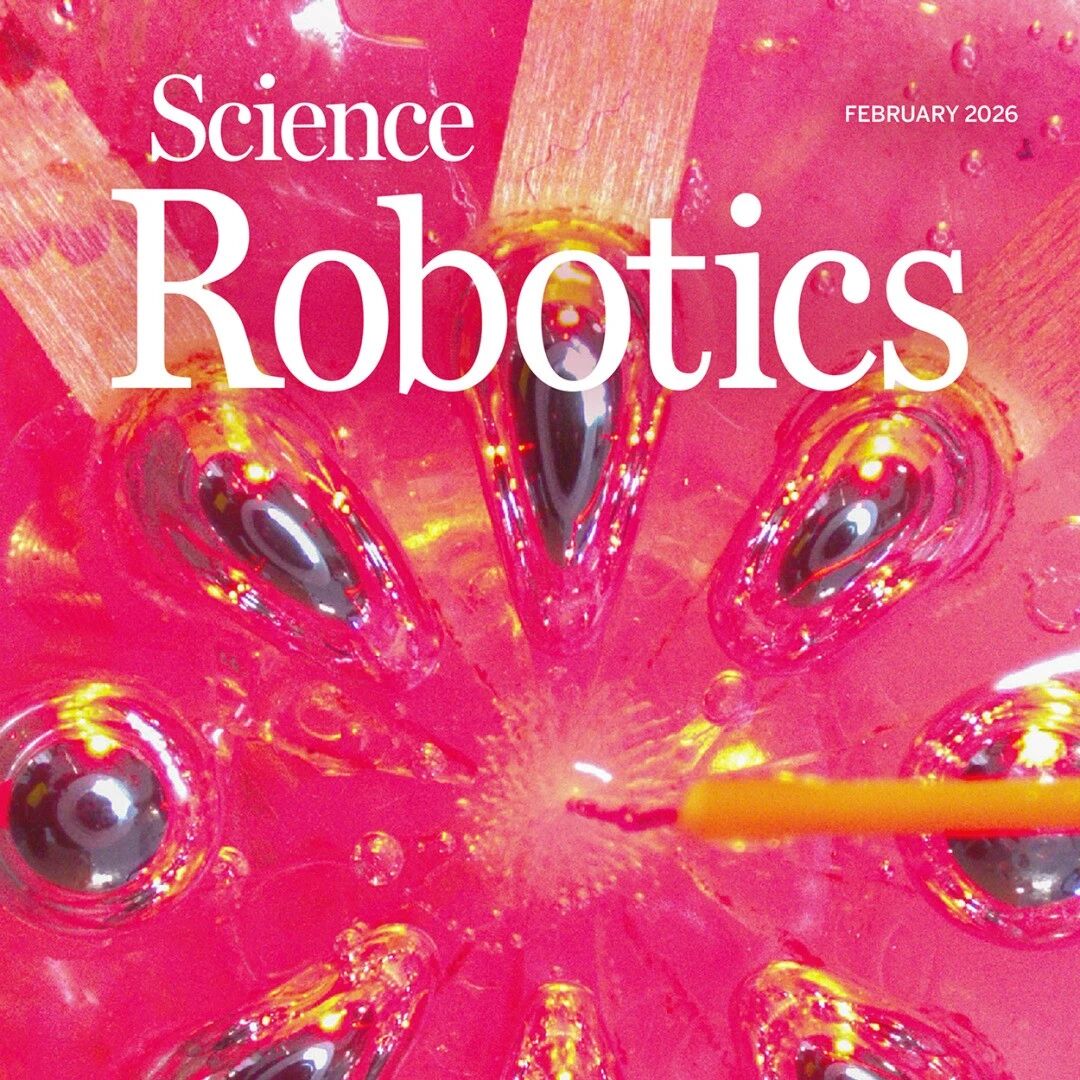
Core Insights - The article discusses a breakthrough in robotic vision systems, specifically a bionic adaptive pupil reflex visual system developed by teams from the University of North Carolina and Westlake University, which utilizes liquid metal technology to create a dynamic, self-adjusting pupil [2][3]. Group 1: Pupil Functionality - The new system can mimic various animal pupil shapes, such as vertical for cats and horizontal for sheep, allowing for better light regulation and image clarity. It improves image recognition accuracy from 68.38% to 83.56% in bright conditions [3][8]. - Traditional machine vision systems have fixed apertures, leading to overexposure or reliance on computational fixes, which are less efficient compared to the new hardware-based approach [4][12]. Group 2: Liquid Metal Technology - Liquid metal serves dual purposes: it acts as a programmable bionic pupil and simulates neural signals. The system can change shape based on electrical input, allowing for rapid adjustments to light conditions [5][12]. - The design involves eight independently controlled liquid metal units that can transform into various pupil shapes within two seconds, showcasing a significant advancement in hardware capabilities [5][12]. Group 3: Visual Memory and Recognition - The system incorporates a visual memory feature, where repeated exposure to visual stimuli allows for prolonged retention of light signals, akin to human short-term memory transitioning to long-term memory [7][12]. - In tests using the MNIST dataset, the adaptive pupil system significantly enhanced recognition rates under simulated overexposure conditions, demonstrating the effectiveness of hardware intervention over algorithmic solutions [8][12]. Group 4: Practical Applications - The implementation of this adaptive pupil system in robots can enhance their functionality in various scenarios, such as autonomous driving, security patrols, and search and rescue operations, by allowing real-time adjustments to lighting conditions without manual recalibration [12][12].
透视2026马年春节档:从舞台氛围组到产线实干家,机器人迎战新命题
机器人大讲堂· 2026-02-14 07:39
Core Viewpoint - The article discusses the evolving role of robots in the context of the 2026 CCTV Spring Festival Gala, highlighting a shift from performance-oriented robots to those that can solve real-world problems and enhance daily life [1][6][12]. Group 1: Robot Integration in Cultural Events - The CCTV pre-event activities, such as "Smart Market," focus on how technology integrates into traditional celebrations, showcasing robots as cultural mediators rather than mere performers [3][6]. - A robot from Zhongke Lingxi, equipped with a high-precision dexterous hand, became a highlight by writing the character "福" (blessing) on red paper, symbolizing the fusion of technology and tradition [3][5]. Group 2: Shift in Robot Functionality - The narrative around robots is transitioning from showcasing their performance capabilities to emphasizing their practical applications in solving industry challenges [11][12]. - The article notes that while previous robots gained popularity for their entertaining features, the current focus is on reliability and precision in real-world applications, such as industrial automation and safety in hazardous environments [11][21]. Group 3: Technological Advancements - Zhongke Lingxi has developed a dual-technology approach for its dexterous hands, featuring both rope-driven and linkage-driven designs, enabling them to perform a variety of tasks with high precision [16][20]. - The company has successfully implemented its technology in real-world scenarios, such as automating assembly processes in a small motor production factory, achieving a 99% assembly accuracy rate [19][21]. Group 4: Industry Implications - The article emphasizes that the core competitiveness of robot technology lies in its ability to be effectively deployed in practical applications, moving beyond mere demonstrations to real-world utility [21][24]. - The participation of Zhongke Lingxi in the "Tech Spring Festival" signifies a recognition of its contributions to solving genuine problems and creating real value in the industry [25].

乐聚展厅战略的“进与守”
机器人大讲堂· 2026-02-13 06:04
Core Viewpoint - The article emphasizes that the exhibition hall remains a valuable scene for the company, with the launch of the "Kua Fu" exhibition hall version 3.0 in early 2026, showcasing a commitment to refining this setting rather than rushing to prove capabilities in more complex areas [2]. Group 1: Product Development and Features - The "Kua Fu" exhibition hall version 3.0 focuses on "social intelligence," enabling robots to interact appropriately in various social contexts, such as maintaining polite distances and recognizing VIP visitors [4]. - The core pain point in visitor reception is not merely navigation but making visitors feel valued. The robots can now recognize important clients and greet them personally, enhancing the visitor experience significantly [6]. - Innovations such as a one-meter follow function allow visitors to explore at their own pace, transforming the robot's role from a leader to a companion, thus reducing psychological burdens during human-robot interactions [6]. - The deployment and operational aspects have been simplified, making the robots user-friendly for operational staff rather than requiring specialized teams for maintenance [8]. Group 2: Market Potential and Strategy - The market evaluation for exhibition hall scenarios should be grounded in the actual capacity of existing facilities, with core markets including museums and technology centers that have a clear demand for new technologies [10]. - The broader commercial market represents a strategic value where robots can transition from being mere exhibits to functional commercial devices, particularly as hardware costs decrease [12]. - The company has established benchmark cases across 23 provinces, which enhance its resource acquisition capabilities in industrial and research sectors, demonstrating the strategic value of these spillover effects [14]. Group 3: Competitive Advantages - The company has built trust through benchmark cases validated by high-profile events, making it difficult for competitors to replicate this level of credibility quickly [15]. - The first-mover advantage in scene data collection allows the company to refine its algorithms and interaction strategies, creating a positive feedback loop that is hard for newcomers to match [15]. - Collaborations with leading universities and industry players have strengthened the company's technological foundation and application in various sectors, enhancing its competitive edge [17][18]. Group 4: Challenges and Future Outlook - Despite advancements, challenges remain in flexibility and interaction capabilities, with current robots still exhibiting rigid movements and limited scripted actions [19]. - The dialogue capabilities of the robots need to evolve beyond basic responses to meet increasing visitor expectations for depth and personalization in interactions [21]. - The exhibition hall strategy serves as a pragmatic approach to mitigate technological uncertainties, allowing the company to establish a presence and generate revenue while preparing for broader commercial applications [22]. - The future success will depend on the company's ability to leverage accumulated interaction data and trust resources to expand into more diverse commercial service areas [24].
墙面秒变艺术馆!一群机器人让你的家每天换新皮肤
机器人大讲堂· 2026-02-13 06:04
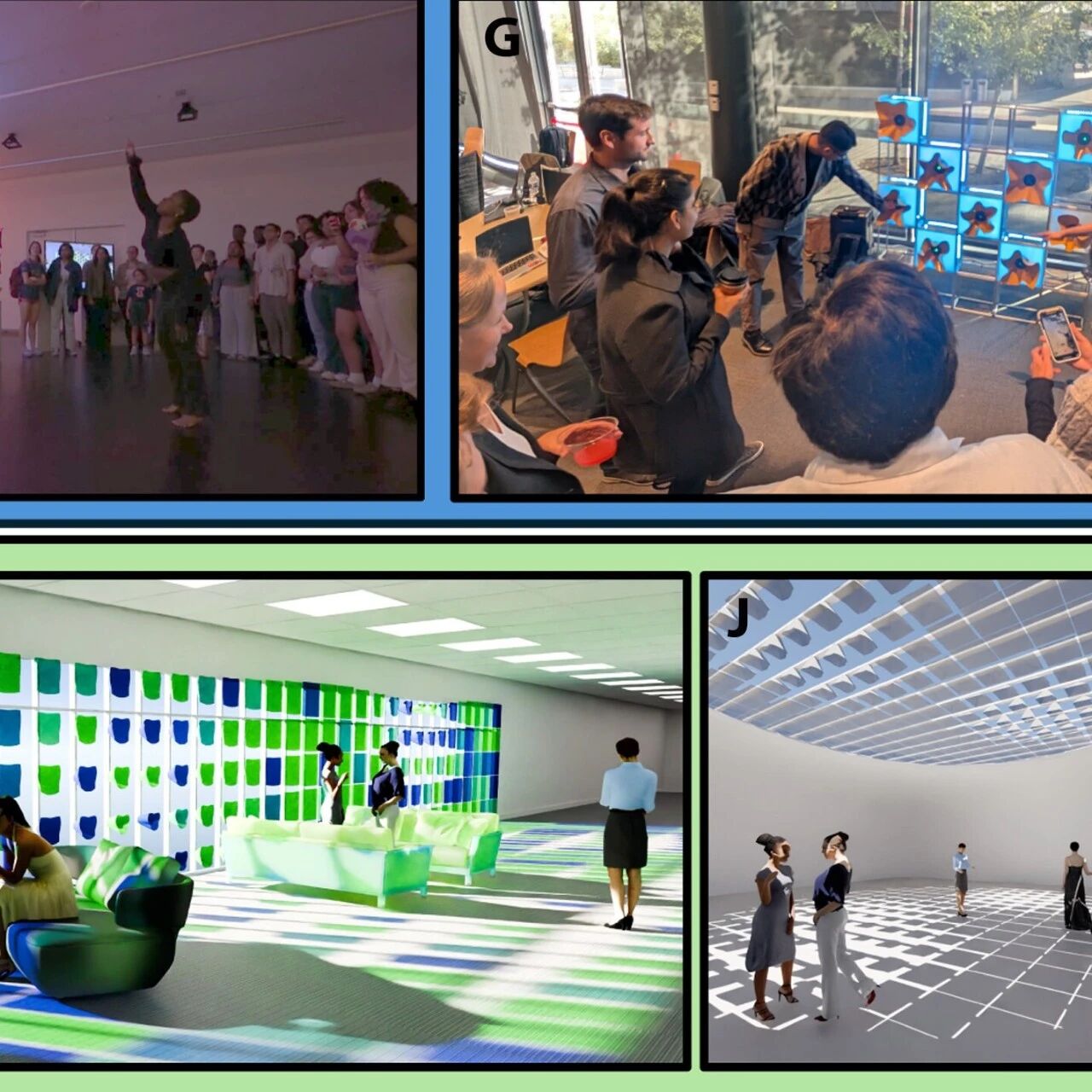
Core Concept - The article introduces the concept of "Building Collective Intelligence" through a modular robotic facade system called "Swarm Garden," developed by a research team from Princeton University and other institutions. This system allows buildings to adapt dynamically to environmental changes and human interactions, transforming traditional architecture into responsive, artistic structures [2][3]. Group 1: Inspiration from Nature - The research team draws inspiration from nature, noting that plants and animals exhibit intelligent behaviors without central control, such as plants adjusting their leaves for sunlight and ants forming living bridges. This contrasts with static human-made buildings that do not adapt to changing conditions [3][4]. - The goal is to create buildings that "come alive," allowing for self-organization and adjustment based on environmental factors and human preferences, rather than relying on fixed designs [3][4]. Group 2: Design and Functionality of SGbot - Each SGbot, the robotic module in the Swarm Garden, operates like a flower, capable of opening and closing with a simple drive mechanism that minimizes mechanical complexity. This design allows for smooth, organic shape changes [6][7]. - The initial version of the SGbot operated independently based on individual light sensors, achieving a high correlation (0.98) with light intensity but lacking communication among units [8]. - The upgraded version employs a collective decision-making algorithm, allowing SGbots to consider multiple inputs, including their own sensors and those of neighboring units, enhancing overall system resilience and adaptability [9][11]. Group 3: Interactive Exhibition and User Experience - During a public exhibition, the SGbot array demonstrated various interactive modes, including passive observation and active engagement with visitors, showcasing its ability to respond to human gestures and create dynamic visual displays [11][13]. - Feedback from the exhibition was overwhelmingly positive, with approximately 95.8% of attendees expressing admiration for the interactive and artistic aspects of the installation [15][16]. Group 4: Future Prospects - The Swarm Garden concept suggests a future where building facades function as distributed robotic systems that can adapt to environmental changes, respond to human needs, and enhance aesthetic experiences [17]. - Future developments will involve collaboration with architects for real-world testing, exploring sustainable materials, and creating diverse human-robot interaction interfaces, such as voice control [17].
《控制理论与应用》“具身智能与人形机器人”专刊征文通知
机器人大讲堂· 2026-02-13 06:04
《控制理论与应用》 "具身智能与人形机器人" 专刊征文通知 具身智能的核心在于智能体通过与物理环境的实时交互来学习、进化并执行任务. 人形 机器人凭借其类人的形态, 能够适应人类设计的非结构化环境, 但其高维度、强非线性及欠 驱动特性, 使得"感知决策控制"的闭环实现极具挑战. 当前, 学术界正致力于构建"大脑(认知 规划)+小脑(运动控制)"的协同架构, 试图解决SimtoReal(虚实迁移)鸿沟、灵巧操作的泛化性 以及人机共融的安全性等关键问题. 为了深入探讨具身智能大模型如何赋能人形机器人的运动控制与交互能力, 推动控制科 学、人工智能与机器人学的交叉融合, 分享最新的研究成果与实践经验, 本刊特此发起"具身 智能与人形机器人"专刊征稿活动, 诚邀广大专家学者贡献智慧与洞见. 征稿方向包括但不限于 1) 人形机器人动力学建模与控制; 2) 具身多模态感知与环境理解; 3) 具身灵巧操作与运动技能学习; 4) SimtoReal虚实迁移与泛化技术; 5) "大脑小脑"协同的分层控制架构; 6) 基于视觉语言动作(VLA)模型的端到端控制; 7) 基于世界模型(world models)的预测与规划; 随着 ...

当机器人握住“固态心脏”:欣界能源量产突破,释放机器人进化新可能
机器人大讲堂· 2026-02-13 06:04
2026年2月10日,欣界能源宣布其在杭州2GWh固态锂金属电池量产线顺利直通,同期, 欣界能源科技(浙 江)有限公司 正式投入运营。该公司作为一家从深圳起步、专注固态锂金属电池的国家高新科技企业,自创 立起便深耕氧化物固态电解质体系,致力于攻克传统锂电池的能量与安全难题,为具身机器人、eVTOL、高 端消费电子、动力等领域提供高效能固态电池解决方案。此次量产线的直通,标志着公司实现了技术验证到 大规模生产交付的关键一跃。 在直通仪式现场的合作伙伴展区,一台印着"众擎"标识的具身机器人格外引人注目。其身旁陈列的,正是欣 界能源最新发布的固态电池包与电芯。据现场技术人员介绍,应用于众擎具身机器人的固态电池单体能量密 度已达400Wh/kg以上,容量为传统电池的两倍以上,续航能力较原有方案提升约100%。"尤其是对于全天 候工作的商用机器人或高算力机器人而言,能源系统的小型化、轻量化是刚性需求,"技术负责人强调,"欣 界采用的固态电解质技术,消除了液态电解液泄漏、燃烧等风险,并通过定制化设计,真正让电池适应机器 人,而非让机器人迁就电池。" 在安全问题上,欣界能源具身机器人固态电池已经过针刺、挤压等测试——固态电 ...
从家电巨头到全球机器人前四,美的八年布局终破局
机器人大讲堂· 2026-02-13 00:00
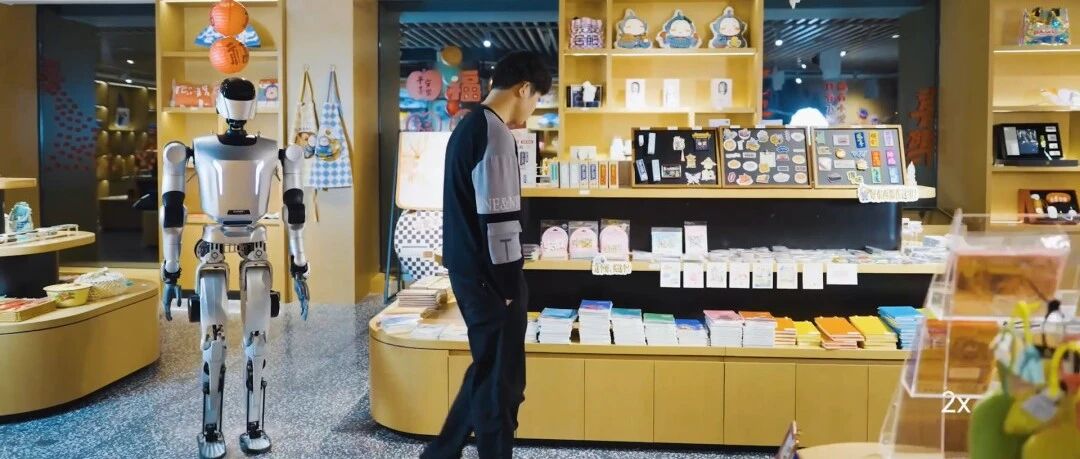
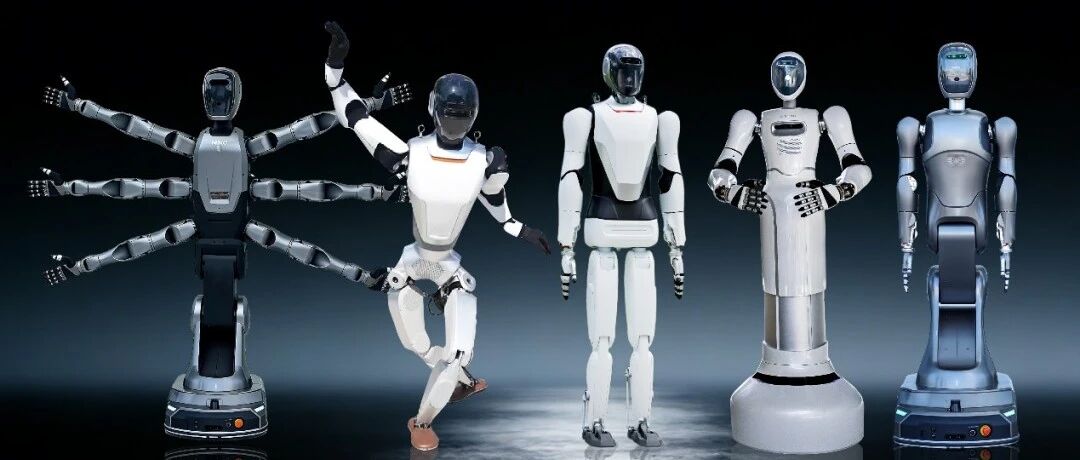
无锡的双高端洗衣机工厂里,六臂轮足的超人形机器人"美罗U"自主穿梭,360度原地转体后精准完成多臂协 同装配,生产线换线效率直提30%;美的洗衣机荆州工厂的产线上,机器人轮番作业, 10秒就能下线一台洗 衣机 ;2026年的线下门店,还能和美的自研的服务机器人"美拉"面对面互动,听它讲解家电、演示功 能…… 这是美的机器人布局的真实落地。谁能想到,那个靠家电称霸市场的美的,如今已是 全球前四的工业机器人 制造企业 ,手握全国最大的机器人生产基地,自研的人形机器人完成工业+商业双线布局,八年磨一剑,在 机器人赛道走出了一条独属于美的的硬核之路。 从2017年收购库卡引发争议,到如今核心零部件国产化率超85%、机器人业务2024年全年营收突破300亿 元,美的没有把机器人当成家电业务的"附属品",而是将其刻进了科技集团转型的核心基因。 做机器人,拼的从来都是硬实力,而美的早已把技术和产能的护城河筑得又高又深。 如今的美的,早已不是外界眼中的"家电企业",而是手握 全球前四工业机器人制造地位 的科技玩家:2023 年,美的库卡智能制造科技顺德园区全面建成投产,是全国最大的工业机器人生产基地,2025年交付量突破 3 ...

国地中心×北理工“龙驭”小脑模型发布:驾驭身外化身!实现人形机器人零样本全身高动态动作追踪!
机器人大讲堂· 2026-02-12 14:00
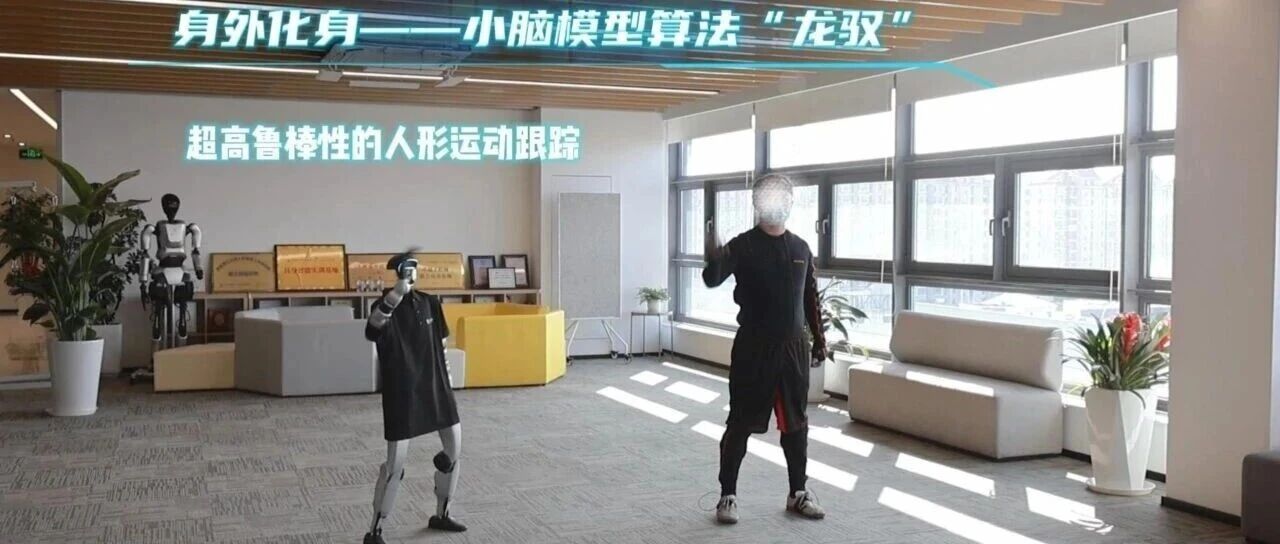
国家地方共建人形机器人创新中心(以下简称"国地中心")与北京理工大学联合研发的人形机器人"身外化 身"小脑模型—— "龙驭" ,目前已正式发布。 人形 机器人"身 外化身"通常是指,让机器人实时复刻人体全身高动态动作。 不同于传统机器人的遥操作, 仅在固定基座上复刻上肢准静态动作,"身外化身"需要在控制全身更多自由度的基础上兼顾本体的运动平 衡,甚至包含腾空起跳等高动态运动与落地平衡,对机器人运控算法提出了极高的要求。 此次推出的"龙驭"小脑模型,仅需前期少量动作数据训练,即可零样本泛化至真实场景的实时动捕、视频衍 生动作及全身遥操作等多样输入,在实体人形机器人上成功跟踪行走、奔跑、跳跃、舞蹈乃至武术等复杂技 能,并包含抗扰动,摔倒自动恢复能力,具备可用、耐用、能用的业界领先身外化身系统技术特征和优势。 "龙驭"具备三大核心特点: 1. 胃口小 ——打破数据等于智能的传统思维,利用模型设计精简与训练策略创新,仅需少量动作数据即可 达到高泛化性能力; 2. 动作精 ——一丝不苟地复现人体快速、剧烈的运动,无论是奔跑、跳跃、武术招式,还是搬运物品,都 能流畅跟随; 3. 响应快 ——遇到碰撞或干扰时可自行调整恢复 ...