机器人圈

Search documents
海尔入主后新时达动作频频:高管减持与机构扎堆调研背后的多空博弈
机器人圈· 2025-05-20 10:22
Core Viewpoint - The article discusses the strategic investment by Haier Group in New Times, highlighting the potential for synergy in the smart manufacturing sector and the market's mixed reactions to the company's transformation efforts [3][4][14]. Group 1: Haier's Strategic Investment - Haier Kaos acquired a 10% stake in New Times at a price of 19.61 yuan per share, representing a 93% premium over the pre-suspension price, totaling 1.3 billion yuan [4]. - Following a private placement, Haier's total investment reached 2.519 billion yuan, resulting in a controlling stake of over 40% in New Times, positioning Haier as the actual controller [4]. - The acquisition is seen as a strategic move to enhance Haier's capabilities in smart manufacturing, leveraging New Times' core technologies in motion control and industrial robotics [4]. Group 2: Market Reactions and Financial Performance - New Times' stock price surged by 90% within three months following Haier's investment, indicating positive market sentiment [7]. - However, New Times faces significant financial challenges, with cumulative losses exceeding 1.5 billion yuan from 2022 to 2024, and a net loss of 8.13 million yuan in Q1 2025 despite a 14.54% year-on-year revenue increase [7]. - The company's gross margin declined by 1.1 percentage points to 16.96%, raising concerns about its ability to improve profitability post-acquisition [7]. Group 3: Institutional Interest and Management Actions - In May 2025, New Times hosted nearly 100 institutional investors, focusing on three main areas: the progress of the Haier synergy, the development of humanoid robots, and inventory management strategies [8][9]. - The company plans to launch humanoid robots by the end of 2025 and is currently negotiating technology collaborations with several firms [8]. - On May 14, two executives announced plans to sell up to 200,000 shares, causing a temporary dip in stock prices, although the management emphasized their continued confidence in the company's future [10][14]. Group 4: Long-term Outlook - Analysts suggest that the enthusiasm from institutional investors reflects a recognition of the long-term potential in smart manufacturing, while the executives' share reduction serves as a cautionary signal regarding short-term valuation risks [13]. - The future success of New Times will depend on the realization of significant collaborative projects with Haier, which could determine the company's ability to navigate its transformation [14].




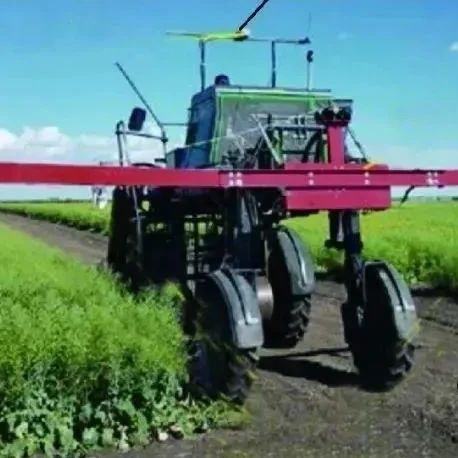
全球各国大田农业机器人发展现状
机器人圈· 2025-05-20 10:22
Core Viewpoint - The article discusses the advancements and applications of agricultural robots in various tasks such as crop phenotyping, field inspection, soil condition monitoring, weed removal, land leveling, and selective harvesting, highlighting the key technologies involved in these processes. Group 1: Information Acquisition Robots - Agricultural information acquisition robots are designed to collect data on crop development, growth status, pests, and soil properties, aiding in variety selection and field management decisions. The main technical challenges include developing cost-effective sensors and stable walking designs for field inspection platforms [2][3]. - Companies like Phenospex, LemnaTec, and RoboPec have developed automated phenotyping robots that can measure plant height, leaf area, and other parameters with high precision, achieving high-throughput analysis of 10,000 square meters daily [2]. - The TerraSentia robot from the University of Illinois uses machine vision algorithms for autonomous navigation and data collection in corn fields, monitoring plant vitality and estimating crop yields [3]. Group 2: Field Cultivation Robots - Field cultivation robots utilize autonomous navigation and precision control technologies to ensure consistent land preparation, precise sowing, and intelligent transplanting, which enhances crop yield and quality while reducing costs [7]. - The autonomous leveling robot developed by Lianzhinavigation uses high-precision satellite measurements to adjust the leveling blade height in real-time, ensuring accurate leveling [7]. - John Deere has created a laser-guided leveling machine that enhances operational efficiency through collaborative work among multiple machines [7]. Group 3: Field Management Robots - Field management robots perform tasks such as weeding, spraying, and fertilizing, focusing on precise application to improve the efficiency of pesticide and fertilizer use while reducing production costs [9]. - The AgBot II robot from Queensland University of Technology autonomously navigates fields for fertilization and weeding, achieving over 90% success in weed detection and classification [10]. - John Deere and BlueRiver have developed intelligent weeding robots that utilize advanced imaging technology for targeted herbicide application, significantly reducing pesticide usage [12]. Group 4: Harvesting Robots - Harvesting robots are designed to identify and selectively harvest crops using machine vision, addressing the challenges of automating the harvesting of crops that cannot be easily harvested on a large scale [21]. - The autonomous cabbage harvesting robot integrates navigation and vision technologies to align with crops for efficient harvesting, while CROO Robotics has developed a strawberry harvesting robot that utilizes flexible mechanisms for quick and accurate harvesting [21][23]. - Companies like Cerescon and AvL Motion have created selective harvesting robots for white asparagus, achieving high harvesting efficiency through advanced detection and execution technologies [23].
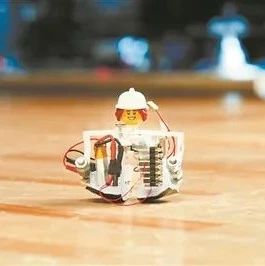
卡内基梅隆大学科研团队研发出全球最小的电动自主双足机器人“Zippy”
机器人圈· 2025-05-20 10:22
Group 1 - The Carnegie Mellon University research team has developed the world's smallest electric autonomous bipedal robot named "Zippy," which stands under 4 centimeters tall and can walk, turn, jump, and climb at a speed of 10 steps per second [1] - The bipedal design of "Zippy" allows it to adapt to rugged terrains and provides greater mobility compared to wheeled robots, marking a significant practical breakthrough in micro bipedal robotics [1] - "Zippy" achieves a running step frequency comparable to that of a human running at 31 kilometers per hour, setting a record for autonomous bipedal robots [1] Group 2 - The micro robot can access narrow spaces that are difficult for humans and other devices, with potential applications in disaster rescue, industrial inspection, and geological exploration [1] - Future enhancements for "Zippy" include equipping it with visual sensors for positioning and autonomous navigation, enabling it to perform complex tasks in hazardous environments through collaborative efforts [1]
聚焦人工智能,政治局会议上郑南宁院士报告全文
机器人圈· 2025-05-19 10:53
今天分享一个郑南宁院士做的报告,讲得非常好,难怪能给政治局讲课。以下为报告全文: 中共中央政治局近日就加强人工智能发展和监管进行第二十次集体学习。中国工程院院士、 西安交通大学教授郑南宁同 志就这个问题进行讲解,提出工作建议。 如果我们从人工智能技术的发展来看,我们可以把人工智能技术的发展分为如下阶段: " 第一阶段,统称之为"专家学习系统",专家系统是将领域知识和规则交给机器去搜索。 大家好,今天我报告的题目是"机器行为与具身智能"。 首先,我们来看一个相对简单的十字路口场景,场景中有行人、有非机动车和机动车,我们看一 看它的动态场景是如何构成的?十字路口的交通场景是不可预测的,但场景中的每个对象或称之为Object直觉的判断和他 们对相互之间的行为关系的理解,形成了这样一个相互关联的稳定系统。 人在这些场景中能够迅速的理解和判断各个对象在空间及其行为的关联性。而自动驾驶也必须要 能够抽象和表述这种关联性,才能做出准确地判断,而事实上我们要让机器机基于规律对交通场景的动态变化进行事先编 码是做不到的,我们需要研究在这种交互场景中,多个自主体的自适应行为。 举例来看,在F1比赛中,工作人员利用团队协作可以迅速 ...

预告︱机器人及人工智能领域近期相关活动预告
机器人圈· 2025-05-19 10:53
机器人产业蓬勃发展,正极大改变着人类生产和生活方式,为经济社会发展注入强劲动能。2023年年初,工业和 信息化部联合十六大部委印发《"机器人+"应用行动实施方案》,目标到2025年,制造业机器人密度较2020年实现 翻番,服务机器人、特种机器人行业应用深度和广度显著提升,机器人促进经济社会高质量发展的能力明显增 强。11月12日工业和信息化部又印发《人形机器人创新发展指导意见》,提出人形机器人有望成为继计算机、智 能手机、新能源汽车后的颠覆性产品,并明确2025年实现批量生产。 各项政策加持,热度非凡,行业活动也层出不穷,小编通过网络搜集整理了 未来两周国内外机器人及人工智能领 域行业活动活动榜单 ,供大家参考。 2025.05.19-06.01 机器人及人工智能相关活动预告 1 2025具身智能人形机器人感知与控制技术产业峰会 时间: 2025.05.21 地点: 深圳市 主办单位: 广东省机器人协会、白云建科集团 3 IRE 2025广州国际智能机器人展 时间: 2025.05.21-05.23 地点: 广州·广交会展馆D区 主办单位: 广东省机器人协会、汉诺威米兰佰特(广州)有限公司 4 2025第十四 ...

脑机接口赋能 “信鸽机器人”:从实验室到户外的飞行控制新突破
机器人圈· 2025-05-19 10:53
以下文章来源于Research科学研究 ,作者Research科学研究 Research科学研究 . 《Research》是《Science》自1880年创刊以来进行海外合作的第一本科技期刊,由科技导报社2018年出版,主要发 布交叉学科热点领域的最新突破性科研进展。《Science》为《Research》提供国际化的出版平台和推广服务。 Citation: Fang K, Wang Z, Tang Y, Guo X, Li X, Wang W, Liu B, Dai Z. Dynamically Controlled FlightAltitudes in Robo-Pigeons via LocusCoeruleus Neurostimulation. Research 2025; 8: Article 0632. https://doi.org/10.34133/research.0632 1 研究背景 信鸽机器人(Robo-pigeon/Cyborg pigeon)是一类结合微型植入式脑机接口(BCI)与微机电系统(MEMS)技术 开发的新型混合智能机器人系统。通过将真实鸽子的感知、运动及自主智能与ME ...

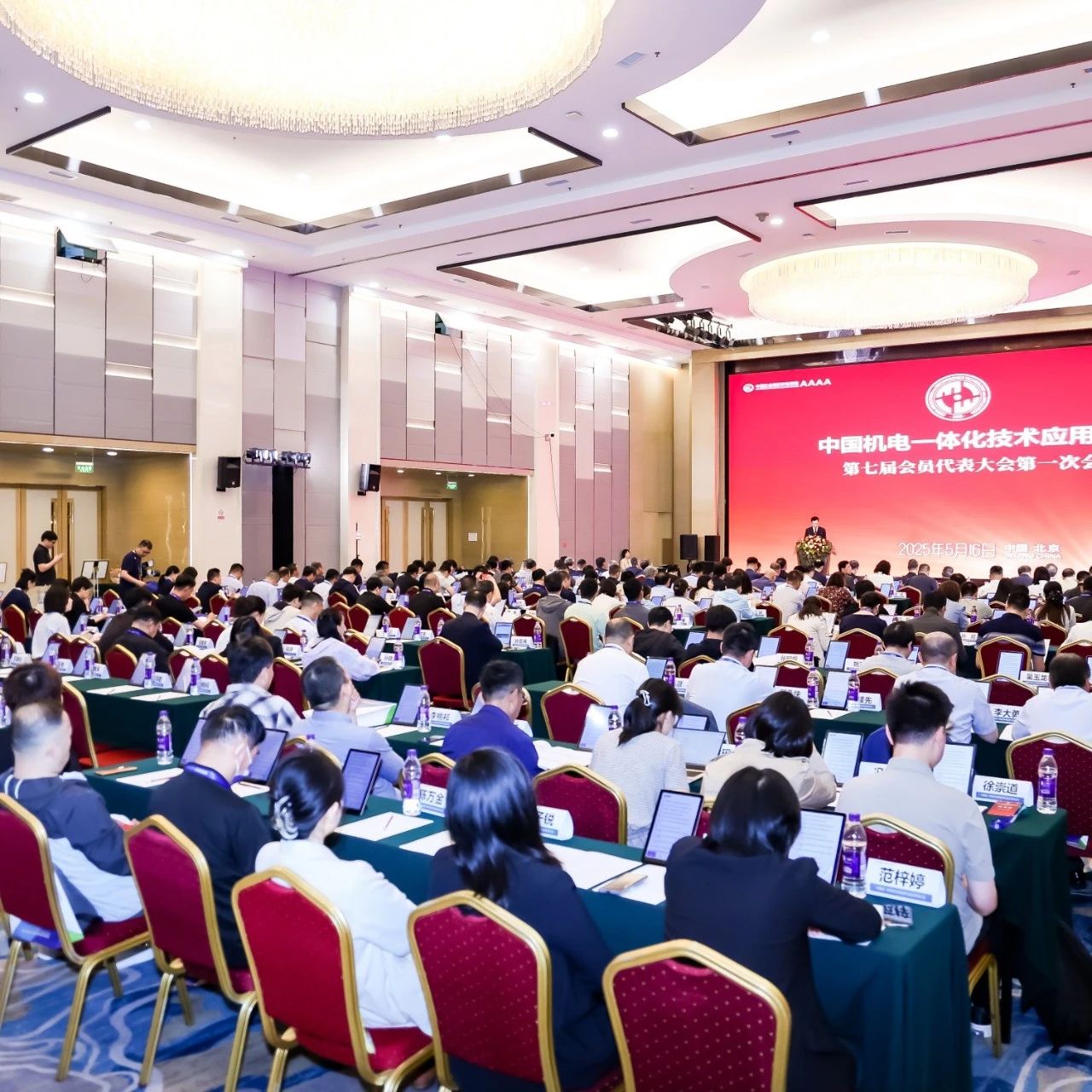
中国机电一体化技术应用协会第七届会员代表大会暨七届一次理事会在京成功召开
机器人圈· 2025-05-19 10:53
2025年5月16日,中国机电一体化技术应用协会(以下简称 "协会")第七届会员代表大会暨七届一次理事会在北 京成功召开。中国机械工业联合会副会长叶定达、党委工作部处长汤志华,协会第六届理事会会长李亚平,副会 长曲道奎、刘奕华、梁力强、赵杰、孙立宁、莫威、何春明及第七届理事会负责人候选人,与来自全国工业自动 化、机器人、智能制造领域的企业家、专家学者、兄弟协会领导、合作伙伴、特邀媒体等近300人出席了大会,共 同见证了这一具有里程碑意义的重要时刻。 在庄严的国歌声中,大会正式拉开帷幕。大会共分为三部分内容:召开第七届会员代表大会第一次会议、第二届 监事会第一次会议、第七届理事会第一次会议。大会由第六届理事会秘书长王继宏主持。 组图 1:大会暨开幕式现场 大会开幕式上,第六届理事会会长李亚平代表协会致欢迎辞。他指出,作为中央社会工作部领导下的国家 4A 级 行业协会,我们始终把 "两个维护" 融入行业发展血脉。过去八年,协会已成为智能制造的 "导航仪"、会员单位 成长的 "孵化器"、产业升级的 "助推器",始终充当着连接党和政府决策部署与企业需求的 "最后一公里" 桥梁。 最后,他希望协会新一届理事会领导班子以 ...
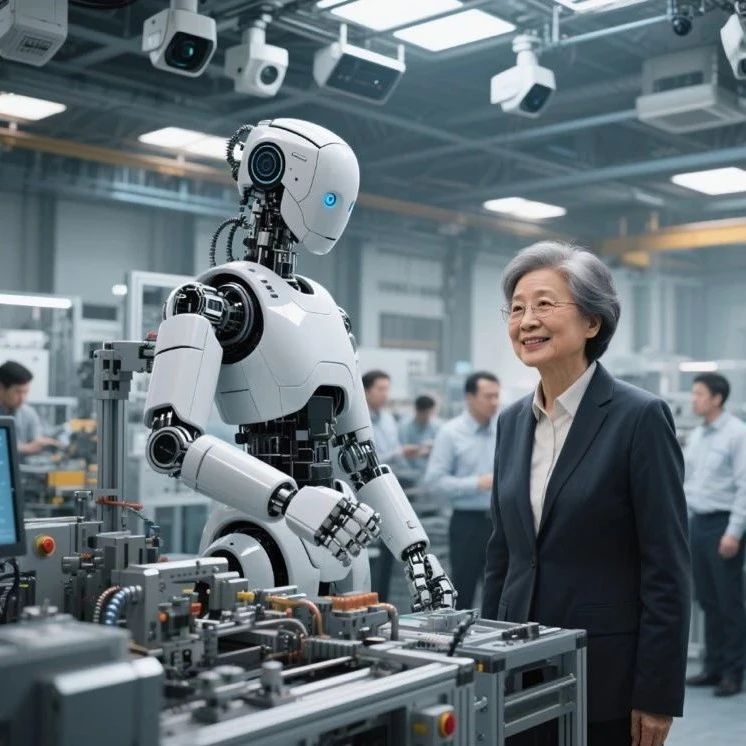
陈晓红院士专访文章《推动具身智能在多领域实现标杆应用》
机器人圈· 2025-05-19 10:53
当前,科技革命与大国博弈相互交织,人工智能已成为新一轮科技革命和产业变革的重要驱动力量。今年政府工 作报告明确提出,建立未来产业投入增长机制,培育包括具身智能在内的未来产业。 近日,湖南工商大学党委书记、湘江实验室陈晓红院士在接受《瞭望》新闻周刊记者专访时说,具身智能已成为 全球科技竞争合作的焦点。具身智能突破了传统人工智能在复杂环境理解和多模态交互方面的局限,可有效推动 传统产业智能化、数字化、绿色化转型,催生新产业、新业态、新模式,培育新的经济增长点,并更好地满足社 会民生需求。 "我国具身智能正向世界先进水平迈进。当前应从宏观和技术创新应用层面,让具身智能在多领域实现标杆应用, 推动我国具身智能产业发展。" "加强关键核心技术研发。重点支持类脑计算、柔性电子、高精度传感器等交叉领域研究。重点突破多模态感知、 自主运动控制、人机交互等核心技术。" "优化算力资源配置,依托国家超算中心、智算中心,为具身智能研究提供更充足的分布式计算、边缘计算支 持。" 颠覆传统人工智能的局限性 具身智能与传统人工智能的不同 具身智能是一种基于物理身体进行感知和行动的智能系统,通过智能体与环境的交互获取信息、理解问题、做出 ...
“2025´中国焊接产业论坛——机器人与智能化焊接技术及应用”三号通知
机器人圈· 2025-05-16 09:56
Core Viewpoint - The article highlights the upcoming "2025 China Welding Industry Forum" focusing on robotics and intelligent welding technology, emphasizing its significance in various industries and the participation of experts and companies in the field [3][4]. Group 1: Event Overview - The "2025 China Welding Industry Forum" will take place from June 15-17, 2025, in Jiaxing, a city known for its rich cultural history and scenic water towns [3]. - The forum is organized by the China Welding Association, with support from various academic and industry organizations, aiming to discuss advanced technologies and applications in welding [3][4]. Group 2: Topics and Presentations - The forum will feature 15 specialized reports from renowned experts in the field, covering topics such as intelligent welding robots, bridge welding technology, and applications in various sectors including shipbuilding, automotive, and renewable energy [6][7][8]. - Notable presentations include discussions on the current status and future prospects of embodied intelligent welding robots and innovative welding techniques used in major infrastructure projects like the Hong Kong-Zhuhai-Macao Bridge [6][7]. Group 3: Participation and Registration - The forum invites leaders from industry regulatory bodies, manufacturing units, and academic institutions to participate, fostering collaboration and knowledge exchange [4][6]. - Registration details include a fee of 1,500 yuan per person for general attendees, while special guests and presenters are exempt from fees [11][13].



“从自然中来,回自然中去”,可食用机器人开启舌尖上的新科技
机器人圈· 2025-05-16 09:56
Core Viewpoint - The article discusses the development of edible robots by the EPFL research team, highlighting their potential applications in various fields such as healthcare and environmental management, while addressing the innovative design that allows these robots to decompose naturally after use [1][4]. Group 1: Edible Robots Development - The EPFL team has created a water robot that is 5 cm long and weighs 1.43 grams, capable of moving three times its body length per second [2]. - The robot is made from freeze-dried fish feed and operates through a chemical reaction that generates carbon dioxide, providing propulsion [2]. - The "RoboFood" project, initiated in 2021, aims to develop edible robots for food preservation and emergency nutrition, supported by a €3.5 million EU grant [2]. Group 2: Applications and Benefits - Edible robots can enhance environmental monitoring and revolutionize drug delivery in aquaculture, providing precise medication and reducing water pollution [4]. - They can also deliver nutrients in emergencies, particularly benefiting wildlife rescue efforts by attracting animals with their food-like appearance [5]. - The RoboCake, an edible wedding cake, showcases the potential for innovative culinary experiences, combining taste with technology [5]. Group 3: Environmental Impact - The design philosophy of edible robots aligns with sustainability, addressing the issue of electronic waste, which amounts to 40 million tons annually [5]. - The concept of "from nature, back to nature" emphasizes the harmonious relationship between technology and the environment [5]. Group 4: Challenges and Considerations - There are significant challenges in creating edible robots, including the need for intelligent computing systems that are both digestible and effective [6]. - Safety concerns regarding the interactions of various edible components need to be addressed to prevent unforeseen adverse effects [6]. - Quality control and miniaturization are critical for ensuring the reliability of these robots in medical applications [6][7].