GLP1减重宝典

Search documents
速递|20.85亿美元!辉瑞引进复星医药一款小分子GLP-1激动剂
GLP1减重宝典· 2025-12-10 14:14
Core Viewpoint - The article discusses the global licensing agreement between Fosun Pharma's subsidiary, Yaoyou Pharmaceutical, and Pfizer for the oral GLP-1 receptor agonist project, YP05002, which aims to treat metabolic diseases including type 2 diabetes and obesity [5][7]. Group 1: Licensing Agreement Details - Fosun Pharma's Yaoyou Pharmaceutical has signed a global licensing agreement with Pfizer, granting exclusive rights for the development, production, and commercialization of YP05002 and related products [5]. - Under the agreement, Yaoyou Pharmaceutical will receive an upfront payment of $150 million and has the potential to earn up to $350 million in milestone payments based on project progress [5]. - If the product meets commercial sales targets, Pfizer will pay Yaoyou Pharmaceutical up to $1.585 billion in sales milestone payments [5]. Group 2: Product Overview - YP05002 is an oral small molecule GLP-1 receptor agonist developed by Fosun Pharma, designed to activate GLP-1 receptors to promote insulin secretion, suppress glucagon secretion, delay gastric emptying, and reduce energy intake [7]. - The candidate drug is primarily aimed at treating metabolic diseases, with potential indications including long-term weight management, type 2 diabetes, and non-alcoholic fatty liver disease [7]. - Currently, YP05002 is undergoing Phase I clinical trials in Australia [7].




速递|石药集团:司美格鲁肽减重适应症申报上市!
GLP1减重宝典· 2025-12-09 04:25
整理 | GLP1减重宝典内容团队 中国石药集团12月8日公告称,其子公司石药百克(山东)生物制药研发的司美格鲁肽注射液,已获得国家药监局受理的第二个上市申 请。本次申请的适应症为用于超重及肥胖成人的长期体重管理,需配合饮食控制与体力活动增加。 今年8月,司美格鲁肽的首个上市申请已提交,主要针对成人2型糖尿病的血糖控制。该产品采用化学合成工艺,按照化药2.2类递交, 即已知活性成分但在制剂工艺上有所改进,具备明确的临床优势。 此次申报基于一项Ⅲ期临床研究。数据显示,在非糖尿病肥胖成人中,该药可显著降低体重和腰围,并同步改善血糖、血脂及肝酶等指 标。整体疗效与诺和诺德司美格鲁肽高度一致,安全性相近,但不良事件略少。凭借在疗效、安全性及工艺上的综合优势,该产品有望 在肥胖治疗市场展现重要临床价值。 *本文仅供医疗卫生专业人士参考 版权声明:所有「GLP1减重宝典」的原创文章,转载须联系授权,并在文首/文末注明来源、作者、微信ID,否则减重宝典将向其追究法律责 任。部分文章推送时未能与原作者或公众号平台取得联系。若涉及版权问题,敬请原作者联系我们。合作事宜,请添加微信:andyxu365 由于避开了生物发酵过程中的 ...
一药多用,减重15%还能控血压、降血脂、降尿酸!创新药物为中国肥胖患者带来全新治疗选择
GLP1减重宝典· 2025-12-09 04:25
Core Viewpoint - The article discusses the rising global obesity rates and the emergence of innovative weight loss drugs, particularly focusing on Mazdutide, a dual agonist of GLP-1R and GCGR, which has shown significant weight loss and metabolic improvement in clinical trials [7][15]. Group 1: Clinical Trial Results - The GLORY-1 trial is a randomized, double-blind, placebo-controlled phase 3 study assessing the efficacy and safety of Mazdutide in Chinese adults with obesity [8]. - The study included 610 participants with a BMI of ≥28 kg/m² or ≥24 kg/m² with at least one weight-related comorbidity, with an average baseline weight of 87.2 kg and BMI of 31.1 kg [8]. - At 32 weeks, the Mazdutide 4 mg and 6 mg groups showed weight reductions of 10.97% and 13.38%, respectively, compared to a 0.24% reduction in the placebo group [9]. - At 48 weeks, the weight reductions were 12.05% for the 4 mg group, 14.84% for the 6 mg group, and 0.47% for the placebo group [10]. Group 2: Efficacy in Weight Loss - The proportion of patients achieving weight loss of ≥5% at 32 weeks was 76.3% for the 4 mg group, 84% for the 6 mg group, and 10.9% for the placebo group [11]. - At 48 weeks, these proportions were 73.5%, 82.8%, and 11.5%, respectively, with ≥10% weight loss achieved by 55.2% and 67.9% in the Mazdutide groups compared to 2.9% in the placebo group [11]. Group 3: Waist Circumference and Metabolic Benefits - At 48 weeks, waist circumference decreased by 9.48 cm in the 4 mg group, 10.96 cm in the 6 mg group, and 1.48 cm in the placebo group, indicating significant improvement in the Mazdutide groups [12]. - The study also monitored cardiovascular health, showing significant benefits from Mazdutide, including reductions in systolic blood pressure (6.75 mmHg), triglycerides (0.52 mmol/L), total cholesterol (0.45 mmol/L), LDL-C (0.31 mmol/L), serum uric acid (50.75 μmol/L), and ALT (10.00 U/L) at 48 weeks [13]. Group 4: Safety Profile - Common adverse effects of Mazdutide were mild to moderate gastrointestinal discomfort, with an overall good and manageable safety profile [14]. Group 5: Future of GLP-1/GCGR Agonists - The development of GLP-1/GCGR dual receptor agonists is progressing, with 11 drugs in the pipeline globally, including one that has submitted for market approval and five in phase 2-3 clinical trials [15][16].

伴随司美格鲁肽多适应症获批,男性使用率或进一步增加
GLP1减重宝典· 2025-12-09 04:25
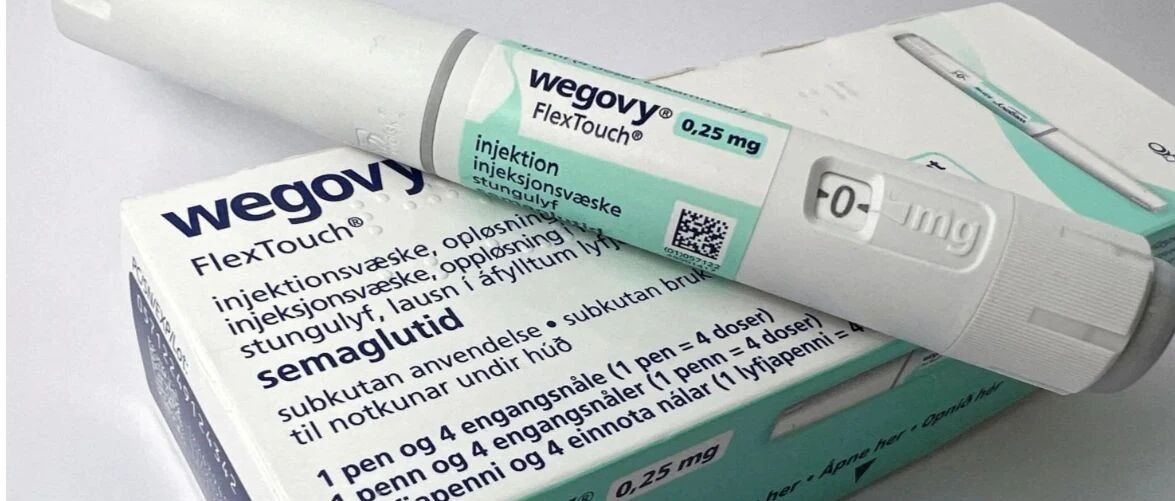
Core Viewpoint - The article discusses the gender differences in the usage of GLP-1 medications for weight loss, highlighting that women are more likely to use these drugs compared to men, who prefer dietary and exercise changes [4][5][6]. Group 1: Gender Differences in Usage - Women are more proactive in considering GLP-1 medications like semaglutide for weight loss, while men tend to delay this consideration [5] - A significant majority of prescriptions for Wegovy (78%) and Zepbound (76%) are issued to female patients, despite similar obesity rates between genders (43% for men and 42% for women) [6] - Cultural expectations contribute to the lower usage of weight loss medications among men, as societal norms often allow them to be less concerned about obesity [7] Group 2: Interest in Broader Health Benefits - Men show increasing interest in semaglutide for its cardiovascular, kidney disease, and alcohol use disorder benefits, which may shift the gender balance in usage [8] - The approval of Wegovy for reducing heart disease risk and the anticipated approval of Zepbound for sleep apnea may enhance male interest in these medications [8] - The perception of these drugs as health therapies rather than merely cosmetic solutions is gaining traction among male patients [8] Group 3: Celebrity Influence - High-profile figures like Boris Johnson and Elon Musk have publicly shared their positive experiences with semaglutide, potentially influencing public perception and acceptance of the drug among men [9][13] - Johnson noted a significant decrease in appetite and food intake after starting semaglutide, while Musk reported a weight loss of 30 pounds (approximately 13.6 kg) with the help of the drug [11][13] - Other celebrities, such as Jon Gosselin, have also reported substantial weight loss results, further promoting the drug's effectiveness [15]


速递|减脂又增肌!Wave Life Sciences一夜大涨147%
GLP1减重宝典· 2025-12-09 04:25
Core Viewpoint - Wave Life Sciences' candidate drug WVE-007 shows promising results in reducing overall and visceral fat while maintaining lean body mass, addressing key issues associated with current GLP-1 drugs [5][7][8]. Group 1: Clinical Trial Results - The INLIGHT trial, a randomized, placebo-controlled Phase I study, included over 100 participants with a BMI of 28–35 kg/m² and no other health issues [7][10]. - Data from 32 participants receiving a single 240 mg subcutaneous injection showed a 9.4% reduction in visceral fat and a 4.5% reduction in total fat after 85 days, with a 3.2% increase in lean body mass [7][8]. - The serum Activin E levels decreased by over 75% on average, indicating the potential for less frequent dosing [5][8]. Group 2: Safety and Tolerability - WVE-007 demonstrated good safety at doses up to 600 mg, with no serious adverse events reported and all treatment-related adverse reactions being mild [8]. - Clinical laboratory indicators, including lipid and liver function tests, showed no abnormal changes [8]. Group 3: Future Milestones - The company plans to release follow-up data for the 240 mg group in Q1 2026 and for the 400 mg and 600 mg groups in subsequent quarters [8]. - Future trials will explore WVE-007 in populations with higher BMI and comorbidities, both as a monotherapy and in combination with other agents [8]. Group 4: Mechanism of Action - WVE-007 targets INHBE mRNA, which is linked to fat distribution and metabolic health, with animal studies indicating that inhibiting INHBE can reduce fat cell size and improve insulin sensitivity [9]. - In combination with semaglutide, WVE-007 has shown to double weight loss effects in animal models and prevent weight regain after stopping semaglutide [9].

一文看懂!服用司美格鲁肽时不要吃哪些食物?如何控制饮食?(建议转发+收藏)
GLP1减重宝典· 2025-12-08 03:10
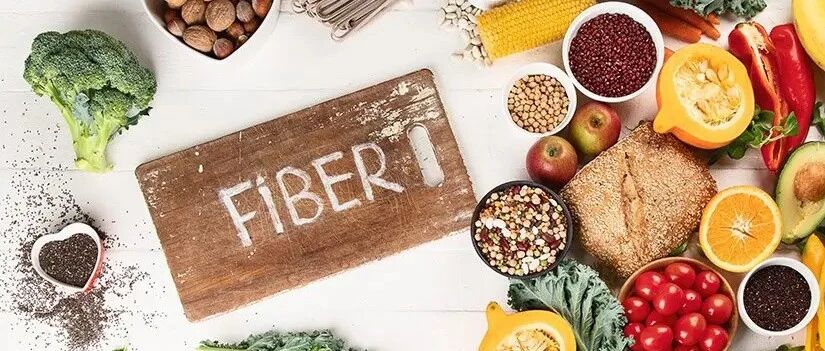
Core Viewpoint - GLP-1 drugs, such as semaglutide, mimic gut hormones to help manage blood sugar levels and promote weight loss by suppressing appetite and slowing gastric emptying [2][35]. Summary by Sections Effects and Side Effects of Semaglutide - Semaglutide helps lower HbA1c levels over time for diabetes patients and aids in weight loss by prolonging feelings of fullness [2]. - Common side effects include nausea, vomiting, diarrhea, constipation, and abdominal pain, which can vary based on individual body conditions [2][3]. Foods to Avoid While Taking Semaglutide - Patients are advised to avoid high-fat foods, particularly fried and greasy items, as they can exacerbate gastrointestinal issues [6][8]. - High-sugar foods, including candies and sugary beverages, should be limited to prevent spikes in blood sugar levels [10]. - Processed foods high in sodium can lead to increased blood pressure, posing risks for those with type 2 diabetes [12]. - Refined carbohydrates, such as white bread and sugary cereals, should be minimized to maintain stable blood sugar levels [14]. - Starchy vegetables like potatoes and corn should be limited due to their potential to raise blood sugar [16]. - Alcohol consumption should be restricted as it can irritate the gastrointestinal system and increase the risk of hypoglycemia [18]. Beneficial Foods While Taking Semaglutide - Low-glycemic foods that do not cause rapid blood sugar fluctuations are recommended, including high-fiber foods and healthy fats [19][21]. - Examples of beneficial foods include fresh fruits like apples and berries, various vegetables, whole grains, and low-fat dairy products [21]. - Maintaining hydration is crucial, with recommendations to drink 2-3 liters of water daily to prevent dehydration and related side effects [23]. Lifestyle Recommendations - Patients should consume sufficient calories, typically between 1,200 to 1,800 calories per day, to support weight loss while maintaining muscle mass [26]. - Eating smaller, more frequent meals can help manage hunger and prevent overeating [25]. - Adjusting eating habits, such as eating slowly and avoiding spicy foods, can also mitigate gastrointestinal discomfort [27].
速递|GLP-1药物,已开始帮助猫咪减肥
GLP1减重宝典· 2025-12-08 03:10
Core Viewpoint - The article discusses the potential of GLP-1 drugs in addressing obesity and diabetes in pets, particularly cats, highlighting a new study by Okava Pharmaceuticals aimed at tackling feline obesity through innovative drug delivery methods [6][8]. Group 1: Industry Context - Approximately 60% of cats and dogs in the U.S. are considered obese, with hundreds of thousands of pets diagnosed with diabetes, which is challenging to manage and requires daily medication [6]. - Current interventions for pet obesity primarily involve dietary control and increased activity, but these methods often yield limited results, especially for cats [7]. Group 2: Research and Development - The MEOW-1 study will include 50 cats, with some receiving a placebo and others implanted with a device that releases GLP-1 drugs over three months. All cats will be monitored for six months [7]. - If successful, Okava plans to seek regulatory approval for the drug between 2027 and 2028, with early trials indicating good safety profiles [8]. Group 3: Cost Considerations - The estimated monthly cost for the GLP-1 treatment for pets could be around $100, which may pose a significant consideration for pet owners [8].

速递|明年1月1日起,礼来替尔泊肽可使用医保报销!
GLP1减重宝典· 2025-12-08 03:10
Core Viewpoint - The article discusses the significant updates to China's National Medical Insurance Drug List, highlighting the inclusion of innovative drugs, particularly focusing on the GLP-1 receptor agonist, Tirzepatide, for the treatment of type 2 diabetes, which reflects the government's commitment to improving access to innovative therapies [5][7][9]. Summary by Sections National Medical Insurance Drug List Update - On December 7, the National Healthcare Security Administration announced a major update to the National Medical Insurance Drug List, adding 114 new drugs, including 50 innovative drugs [5]. - The success rate for drugs entering the negotiation and bidding process increased to 88%, up from 76% in 2024, indicating a more favorable environment for innovative drug approvals [5]. Inclusion of Tirzepatide - Tirzepatide injection, developed by Eli Lilly, has been officially included in the National Medical Insurance Drug List for adult patients with type 2 diabetes who do not achieve adequate blood sugar control with metformin and/or sulfonylureas [7]. - The new drug list will take effect on January 1, 2026, showcasing the clinical value of Tirzepatide and the government's focus on the accessibility of innovative drugs [7]. Impact on Diabetes Management - China has approximately 148 million adults with type 2 diabetes, with only about 50% achieving target blood sugar levels [9]. - The inclusion of Tirzepatide in the insurance list is expected to significantly enhance treatment access for patients, potentially improving long-term management and health outcomes for diabetes patients [9].

《Nature》聚焦:王卫庆、王计秋团队深入解析“脑肠轴”调控体重机制,专家观点引发热议
GLP1减重宝典· 2025-12-08 03:10
Core Viewpoint - The article discusses a groundbreaking study revealing a new physiological phenomenon where the central nervous system regulates intestinal nutrient absorption, particularly fat, through the vagus nerve, with implications for obesity and metabolic disease treatment [6][10]. Group 1: Research Findings - The study identifies that the dorsal motor nucleus of the vagus nerve (DMV) can directly influence fat absorption in the intestines, which was previously unexplored [6][10]. - Researchers found that inhibiting Phox2b DMV neurons in mice on a high-fat diet led to significant weight loss and reduced fat absorption, indicating a direct link between brain activity and gut fat processing [7][9]. - The study highlights the role of the herbal compound puerarin in reducing neuronal activity in the DMV, promoting fat excretion and aiding weight loss [8][10]. Group 2: Mechanism of Action - Puerarin was shown to enhance chloride ion influx through the GABA A receptor (GABRA1), which is specifically expressed in Phox2b neurons of the DMV, suggesting it acts as a positive allosteric modulator [8][9]. - The research confirmed that the GABRA1 receptor mediates the fat-excreting effects of puerarin, as mice lacking this receptor did not respond to the compound [9][10]. Group 3: Implications for Treatment - The findings open new avenues for drug development targeting the central regulation of gut fat absorption, potentially leading to innovative treatments for obesity and metabolic disorders [10]. - The study integrates advanced techniques across neuroscience, digestion, and metabolism, indicating a multidisciplinary approach to understanding and treating obesity [10].

中国父母,正在养出最胖的一代小孩
GLP1减重宝典· 2025-12-07 03:02
Core Viewpoint - The article discusses the rising trend of overweight and obesity among children and adolescents in China, highlighting the shift from past concerns of malnutrition to current issues of excessive weight gain and its implications for health [3][4][7]. Group 1: Trends in Child and Adolescent Weight - From 1992 to 2020, the average height and weight of children aged 6-17 in China have increased, with boys gaining an average of 1.4 kg and 1.6 cm in height from 2010-2013 to 2015-2017, while girls gained 0.6 kg and 1 cm [4]. - The obesity rates among boys aged 6-17 reached 10% from 2015-2017, which is 4.4 percentage points higher than that of girls [7][12]. - The prevalence of overweight and obesity in children aged 6-17 was reported at 11.1% and 7.9%, respectively, compared to 6.8% and 3.6% in children under 6 [7][12]. Group 2: Regional Disparities in Overweight Rates - Hunan, Hong Kong, and Macau have the highest rates of overweight preschool children, with Hunan's rate increasing from 27.8% in 2000 to 32.8% in 2019, and predictions suggest it could reach 40.6% by 2030 [13][17]. - The article notes that dietary habits, particularly the preference for rich and oily foods in Hunan, may contribute to the rising overweight rates [17][22]. Group 3: Influencing Factors - Parental attitudes towards weight, where having a bit of extra weight is often seen as a sign of health, contribute to the normalization of overweight among children [12][23]. - The article emphasizes that children born to overweight parents are more than three times likely to be overweight themselves, indicating a genetic and environmental influence on weight [23][29]. Group 4: Health Implications - Overweight children face significantly higher risks of developing chronic diseases, with studies indicating that obese children are 26.1 times more likely to suffer from non-alcoholic fatty liver disease compared to their normal-weight peers [29][32]. - The article highlights the long-term consequences of childhood obesity, suggesting that early weight issues can lead to lifelong health challenges [32].