GLP1减重宝典

Search documents
全球糖尿病危机加剧:中国未确诊患者达7300万,健康警报亟待关注
GLP1减重宝典· 2025-07-30 06:09
Core Viewpoint - The article highlights the alarming rise in global diabetes prevalence, with over 800 million adults affected, and emphasizes the urgent need for improved public health strategies and early intervention, particularly in high-risk populations like China [5][9][10]. Group 1: Global Diabetes Trends - The total number of global adult diabetes patients has surpassed 800 million, a fourfold increase since 1990, with 4.45 million untreated patients aged 30 and above in 2022 [5][9]. - By 2050, global diabetes patients are projected to exceed 1.31 billion, indicating a significant public health challenge ahead [7]. - The global diabetes prevalence rate increased by 90.5% from 1990 to 2021, rising from 3.2% to 6.1% [7]. Group 2: Diabetes in China - China has 148 million diabetes patients, ranking second globally, with over 52% of these patients untreated [9][10]. - The majority of new diabetes cases in China are type 2 diabetes, accounting for 99.2% of new cases in 2021 [10]. - The gender disparity in diabetes-related health burdens is notable, with men experiencing a higher disability burden compared to women [10]. Group 3: Complications and Healthcare Burden - Approximately 30% to 40% of diabetes patients may develop chronic kidney disease (CKD), with type 2 diabetes being a major contributing factor [8]. - The number of new CKD cases due to type 2 diabetes rose from 1.4 million in 1990 to 2.4 million in 2017, a 74% increase [8]. - The treatment resources for end-stage kidney disease (ESKD) are unevenly distributed globally, with only 27% to 53% of patients receiving necessary care [8]. Group 4: Prevention and Control Strategies - The updated "China Diabetes Prevention and Control Guidelines (2024)" indicates a continuous rise in diabetes prevalence, necessitating enhanced screening and diagnostic measures [11][12]. - The national health initiative aims to increase diabetes awareness and screening rates, targeting a 60% awareness rate among adults by 2030 [12][13]. - The guidelines emphasize the importance of regular blood sugar testing for high-risk groups and the need for improved healthcare capabilities at the grassroots level [12][13].

《财富》世界500强出炉!最赚钱前50公司的药企诺和诺德、默沙东新上榜
GLP1减重宝典· 2025-07-30 06:09
Core Insights - The article highlights the performance of pharmaceutical companies in the 2025 Fortune Global 500 list, with Merck, Novo Nordisk, and Johnson & Johnson being notable entries, showcasing the strength of the pharmaceutical sector [2][3]. Pharmaceutical Sector Performance - The total revenue of the 500 companies in the 2025 Fortune Global 500 list is approximately $41.7 trillion, accounting for one-third of global GDP, with a year-on-year increase of 1.8%. The total net profit is $2.98 trillion, showing a slight increase of 0.4% [2]. - The entry threshold for the list is $32.2 billion, which has slightly increased compared to the previous year [2]. - Among the top 50 most profitable companies, three are pharmaceutical firms: Merck, Novo Nordisk, and Johnson & Johnson. Notably, Merck and Novo Nordisk are making their debut on the list, while Novartis has dropped out [2]. Financial Performance of Key Companies - Merck reported a net profit of $17.117 billion, with a remarkable growth rate of 45.9% [3]. - Novo Nordisk achieved a net profit of $14.644 billion, reflecting a growth of 20.6% [3]. - Johnson & Johnson's net profit stands at $14.066 billion, indicating stable growth [3]. - Merck's revenue is significantly driven by its PD-1 cancer drug, Keytruda, which accounts for nearly one-third of its total revenue [3]. - Novo Nordisk's sales surged to $29.3 billion, a 38% increase, primarily due to its semaglutide product line, including Ozempic, Wegovy, and Rybelsus [3]. Novo Nordisk's Market Position and Challenges - Novo Nordisk's revenue for the 2024 fiscal year is reported at 290.4 billion Danish Krone (approximately $42.1 billion), with a net profit of 100.9 billion Danish Krone (approximately $14.64 billion), well above the entry threshold of $32.2 billion [5]. - The company boasts a profit margin of approximately 36%, placing it among the leaders in the global pharmaceutical industry [5]. - In terms of revenue ranking, Novo Nordisk is positioned within the top ten globally, following giants like Johnson & Johnson, Roche, Pfizer, and Merck [6]. Product Performance and Market Dynamics - The semaglutide product line is identified as the primary growth driver for Novo Nordisk, with total sales reaching $29.3 billion, contributing to over 25% growth in overall revenue [7]. - In Q1 2025, semaglutide sales hit $7.864 billion globally, surpassing Merck's Keytruda sales of $7.2 billion, temporarily making it the "king of drugs" [7]. Market Pressures and Strategic Adjustments - Novo Nordisk has revised its 2025 performance forecasts downward, with sales growth expectations adjusted from 13%-21% to 8%-14%, and operating profit expectations reduced from 16%-24% to 10%-16% [9]. - The downward revision is attributed to a slowdown in the U.S. market, increased competition from Eli Lilly's Mounjaro and Zepbound, and the widespread circulation of compounded GLP-1 drugs [9]. - Despite a 18% quarterly sales growth reported in Q2, the market reaction has been weak [10]. Leadership Changes and Strategic Focus - The company experienced a significant stock price drop of 21.8%-23% on July 29, resulting in a market value loss of over €6 billion, marking its largest single-day decline in history [11]. - In May, Novo Nordisk dismissed CEO Lars Fruergaard Jørgensen, appointing Maziar Mike Doustdar as the new CEO effective August 7, focusing on enhancing commercial execution and cost efficiency in the U.S. market [12]. - The company is also taking legal action against the proliferation of compounded drugs and is accelerating the establishment of official self-operated channels, such as NovoCare services, to address market chaos and improve the penetration of legitimate prescription channels [13]. Future Outlook - Novo Nordisk's strong performance in 2024, driven by its semaglutide product line, has positioned it among the most profitable pharmaceutical companies globally [14]. - However, the company faces significant challenges in the short term due to rising competition, declining market expectations, and regulatory issues related to compounded drugs [14]. - The new CEO Doustdar will need to navigate the pressures of reshaping the U.S. market while aiming to restore confidence through optimized execution and strengthened legitimate channels [14]. - If Novo Nordisk can successfully expand production capacity, control the circulation of counterfeit drugs, and maintain innovation in research and development, it is likely to solidify its leading position in the global pharmaceutical industry [15].



国家掀减肥风暴真因揭秘:中国超重人群激增,放任肥胖危机巨大
GLP1减重宝典· 2025-07-30 06:09
Core Viewpoint - The article emphasizes the urgent need for a national initiative to combat obesity in China, highlighting the alarming statistics and health risks associated with rising obesity rates, which have become a public health crisis rather than just an individual concern [3][5][10]. Group 1: National Initiatives and Guidelines - The National Health Commission has launched the "Weight Management Year" initiative to address the obesity crisis through comprehensive societal collaboration and policy design [5][7]. - The "Weight Management Guidelines (2024 Edition)" aim to promote scientific weight loss concepts and enhance health services, dietary habits, and exercise facilities [5][7]. - By 2024, the number of overweight and obese individuals aged 25 and above in China reached 402 million, with projections indicating this could rise to 627 million by 2050 if no action is taken [5][10]. Group 2: Obesity Statistics and Trends - China has transitioned from being known as a "thin country" to having the largest population of overweight individuals globally, with over 400 million affected [7][10]. - By 2030, it is projected that 70.5% of adults and 31.8% of children in China will be overweight or obese, with significant increases in male and female obesity rates [3][10]. - The prevalence of abdominal obesity is concerning, with 14% of individuals with normal BMI classified as having hidden obesity, particularly among men [8][10]. Group 3: Health Consequences of Obesity - Obesity is linked to over 200 diseases, including type 2 diabetes, hypertension, and various cancers, significantly impacting public health and healthcare costs [10]. - The rise in obesity rates poses a threat not only to individual health but also to national economic stability, with potential increases in healthcare expenditures and workforce productivity losses [10][13]. - The article warns that the growing number of obese children, projected to reach 35.2 million, represents a future public health crisis [10][13]. Group 4: Call to Action - The article encourages individuals to take proactive steps in managing their weight, emphasizing the importance of measuring BMI and waist circumference as part of a broader public health initiative [13][15]. - The government and various sectors are working together to create a supportive environment for weight management, making healthier food options and exercise facilities more accessible [13][15].

国家药监局原党组成员、副局长陈时飞严重违纪违法被开除党籍
GLP1减重宝典· 2025-07-30 06:09
Core Viewpoint - The article discusses the serious disciplinary violations and illegal activities of Chen Shifei, former Deputy Director of the National Medical Products Administration, leading to his expulsion from the Communist Party and legal consequences [2][3][4]. Group 1: Disciplinary Violations - Chen Shifei lost his ideals and beliefs, resisted organizational review, and violated the spirit of the Central Eight Regulations by accepting gifts, cash, and consumption cards [2][3]. - He engaged in profit-making activities against regulations, including private lending for substantial returns and conducting business related to his former position after retirement [2][3]. Group 2: Legal Consequences - Chen Shifei was found to have committed serious violations of political, organizational, and ethical disciplines, constituting severe job-related misconduct and suspected bribery [3]. - The Central Commission for Discipline Inspection decided to expel him from the Party, cancel his benefits, confiscate his illegal gains, and transfer his case to the judicial authorities for prosecution [3][4]. Group 3: Professional Background - Chen Shifei was born in July 1962 in Zhejiang and had a career spanning various roles in pharmaceutical management, culminating in his position as Deputy Director of the National Medical Products Administration in September 2018 [4].

司美格鲁肽再添力证!这个隐藏功效你了解吗?
GLP1减重宝典· 2025-07-29 13:05
Core Viewpoint - The article emphasizes the significant therapeutic potential of Semaglutide for patients with type 2 diabetes and peripheral artery disease (PAD), highlighting its multifaceted benefits beyond glucose control and weight loss [3][10]. Research Objectives - The study aims to analyze whether the efficacy of Semaglutide is consistent across different clinical characteristics in patients with type 2 diabetes and PAD, focusing on key variables such as diabetes duration, body mass index (BMI), HbA1c levels, and concurrent medication use [5][8]. Research Methodology - The STRIDE trial included 792 patients with symptomatic PAD and type 2 diabetes, employing a randomized, double-blind design over 52 weeks to assess the effects of Semaglutide compared to a placebo [7]. Key Assessment Indicators - The primary endpoint was the improvement in maximum walking distance (MWD) after 52 weeks, with supplementary assessments of pain-free walking distance (PFWD) [9]. Research Results - Semaglutide significantly improved both MWD and PFWD across various patient subgroups, indicating a stable therapeutic effect regardless of patient characteristics [10][12]. - The average weight loss was 4.09 kg, and HbA1c levels decreased by 0.99%, but the benefits for PAD appeared to operate through independent mechanisms [11][12]. Safety Profile - The safety profile of Semaglutide was found to be comparable to that of the placebo, with no new safety concerns identified, and common gastrointestinal reactions and hypoglycemia were evenly distributed among subgroups [13]. Conclusion - Semaglutide is positioned as a breakthrough treatment option for patients with type 2 diabetes and PAD, demonstrating efficacy that extends beyond traditional mechanisms, including improvements in endothelial function and anti-inflammatory effects [16].
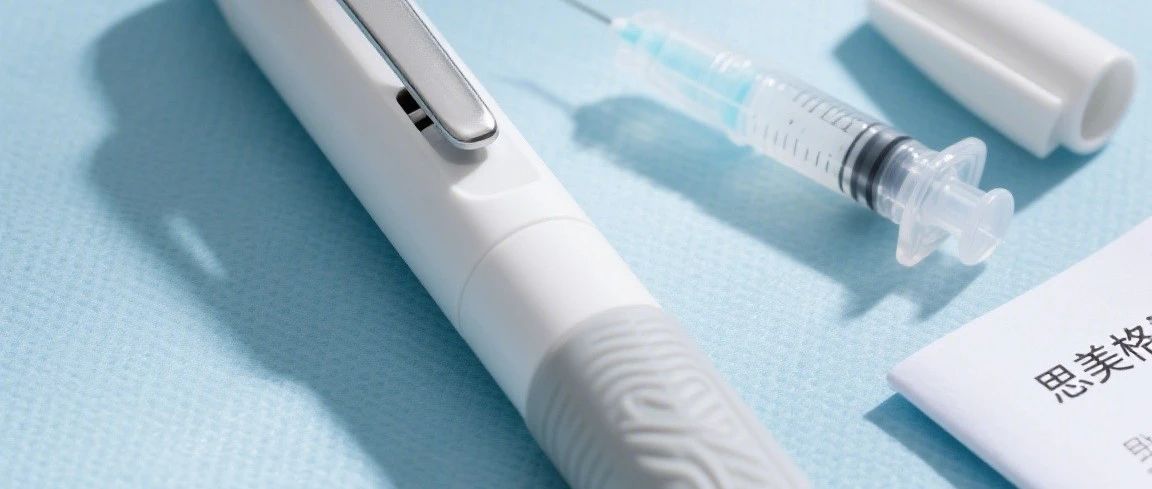
全民减肥风潮,为何成社会大事
GLP1减重宝典· 2025-07-29 13:05
Core Viewpoint - The article emphasizes the urgent need for weight management in China, highlighting the government's commitment to addressing obesity through the "Weight Management Year" initiative as part of the "Healthy China 2030" strategy [4][11][14]. Group 1: Government Initiatives - The National Health Commission announced plans to achieve full coverage of weight management clinics in hospitals by June 2025, encouraging the establishment of obesity prevention centers [4][11]. - The recent surge in patients seeking weight management services reflects a growing societal awareness and urgency regarding obesity and its health implications [4][11]. Group 2: Expert Opinions - Experts like Ma Guansheng stress the importance of addressing obesity as a public health crisis, warning of significant economic and health burdens if not managed promptly [5][11]. - The article discusses the challenges of lifestyle interventions for weight management, noting that while medical advice is available, long-term success relies heavily on individual commitment [7][10]. Group 3: Societal Factors - The article highlights that obesity is often perceived as a personal issue rather than a public health concern, complicating efforts to address it [7][10]. - Factors such as sedentary lifestyles, work-related stress, and societal pressures contribute to the rising obesity rates, particularly among men and women [9][10]. Group 4: Future Directions - The article suggests that improving public health requires a multi-faceted approach, including better access to healthy food options and more opportunities for physical activity [13][14]. - There is a call for stronger government oversight and accountability in implementing health policies aimed at reducing obesity rates among children and adolescents [13][14].
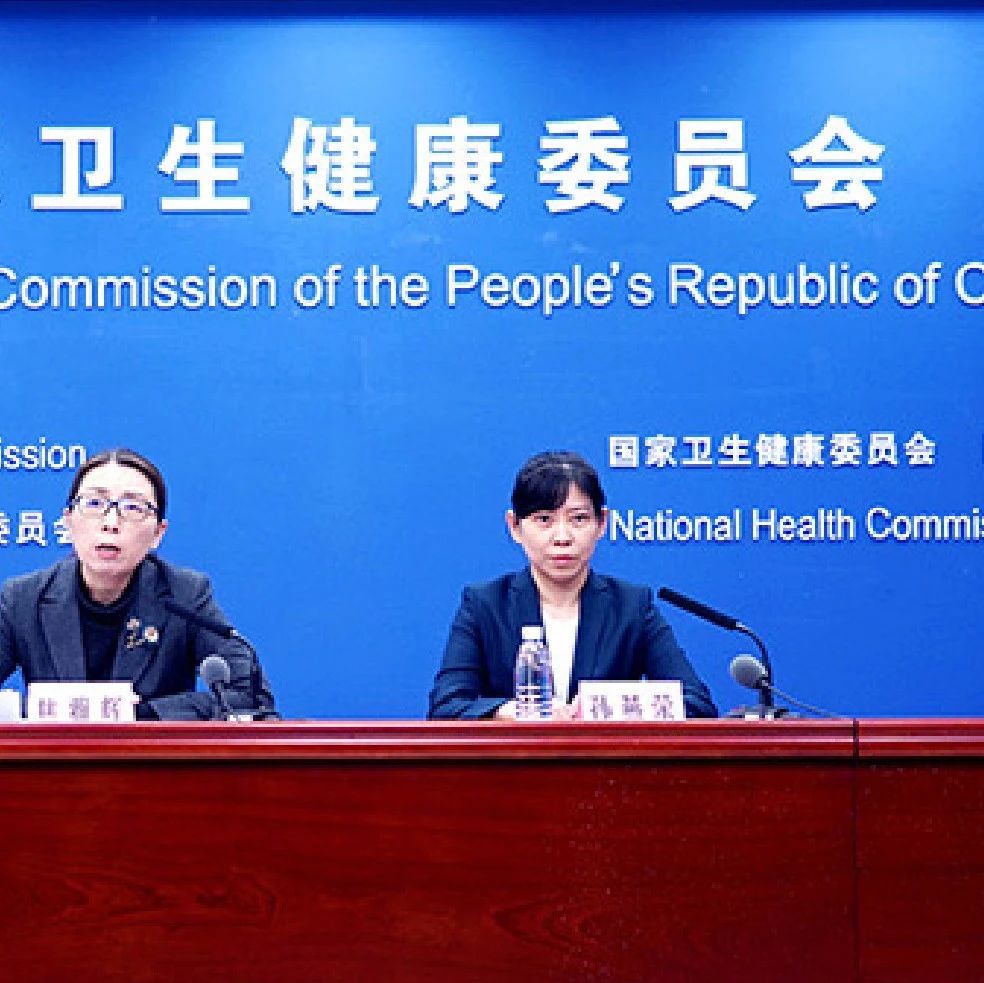
速递|盘前一度暴跌28%!诺和诺德在美销售放缓,并任命新任CEO
GLP1减重宝典· 2025-07-29 13:05
Core Viewpoint - Novo Nordisk has lowered its full-year sales and profit forecasts due to slowing growth of its main drugs in the U.S. market, alongside the appointment of a new CEO, Maziar Mike Doustdar, following the unexpected dismissal of Lars Fruergaard Jørgensen in May [2][4]. Group 1: Financial Forecast Adjustments - The company now expects sales growth for the year to be between 8% and 14% on a constant currency basis, down from the previous forecast of 13% to 21% [4]. - Operating profit growth expectations have been revised from 16% to 24% down to 10% to 16% [4]. Group 2: Market Challenges - The downward adjustment in performance is primarily attributed to weak sales prospects for Wegovy and Ozempic in the U.S. market during the second half of the year [5]. - The company noted that the adjustment for Wegovy's sales expectations in the U.S. is due to the widespread use of combination therapies of semaglutide, slower-than-expected market expansion, and increased competition [5][6]. Group 3: Competitive Landscape - Novo Nordisk has faced challenges in the U.S. Wegovy market, particularly due to intensified competition from semaglutide combination therapies, which gained popularity following FDA rulings related to drug shortages [6]. - Despite previous statements indicating that regulatory measures could reduce the supply of these generic drugs in the second half of the year, disappointing clinical trial results, especially for the new obesity treatment candidate CagriSema, have further weakened market confidence in the growth prospects of its obesity treatment product line [7].

想大吃大喝,可以暂停使用司美格鲁肽等减重药物吗?
GLP1减重宝典· 2025-07-29 13:05
Core Viewpoint - The article discusses the implications of pausing the use of semaglutide and provides guidance on how to do so safely while maintaining weight management and health benefits [2]. Summary by Sections Timeline: What Happens After Injecting Semaglutide - 1-2 hours: The drug begins to be absorbed into the bloodstream after subcutaneous injection [6]. - 24-48 hours: Peak concentration in the blood is reached, actively binding to GLP-1 receptors [7]. - 1-2 weeks: Initial noticeable effects such as reduced appetite and improved blood sugar regulation may begin [8]. - 4-5 weeks: Steady state levels are achieved, leading to more pronounced appetite suppression and accelerated weight loss [9]. Best Way to Pause Medication - It is recommended to start with the lowest dose and gradually increase it over months to minimize potential side effects. Sudden discontinuation does not typically cause withdrawal symptoms [10]. - Gradually reducing the dose is advised to mitigate increased hunger that may occur after stopping the medication [12]. - Adjusting injection intervals can help manage the pause: minimum 2 days between injections or less than 12 days for extending the cycle [12]. Effects After Stopping Medication - A 2021 clinical trial showed that participants lost an average of 10.6% of their weight during treatment, but those switched to a placebo regained an average of 6.9% of their weight, while those continuing semaglutide lost an additional 7.9% [13]. - An observational study indicated that 18% of patients regained their lost weight after one year off the medication, with 26% regaining over 25% of their lost weight [13]. Importance of Continuing Medication - The STEP 5 trial demonstrated that continuous use of semaglutide for 2 years resulted in a weight loss of 15.2% compared to placebo, with 77.1% of patients losing at least 5% of their weight [16]. - The SELECT trial showed that patients maintained an average weight loss of about 10% over 4 years, emphasizing the chronic nature of obesity and the need for long-term management [16]. Obesity as a Chronic Disease - Recent studies confirm obesity as a chronic disease, with 76.8% of patients and 94.6% of doctors agreeing on its classification [17]. - Obesity leads to various health issues, increasing the risk of type 2 diabetes and cardiovascular diseases, necessitating its inclusion in chronic disease management [17]. Weight Loss and Chronic Complications - Weight loss of 5% can improve hypertension and blood sugar levels, while a 10-15% reduction significantly lowers risks associated with cardiovascular diseases and diabetes [19]. - Overall, weight loss interventions can substantially reduce the risk of chronic complications and improve health outcomes for obese patients [19].

GLP-1药物先驱,权威期刊全面总结司美格鲁肽等药物减重降糖外的健康益处
GLP1减重宝典· 2025-07-28 10:18
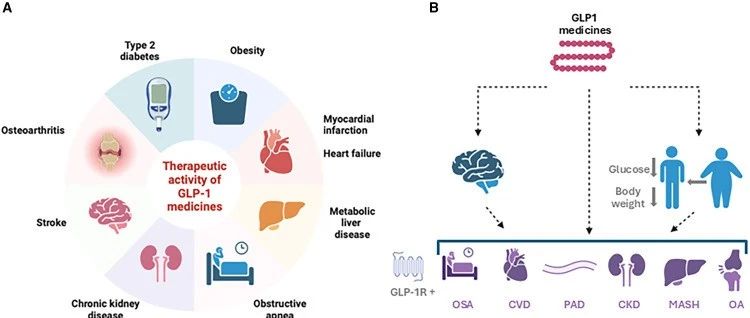
Core Viewpoint - GLP-1 drugs, initially developed for blood sugar and weight control, have shown potential in treating various chronic diseases, including cardiovascular diseases, chronic kidney disease, fatty liver, arthritis, and sleep apnea, with benefits stemming from their anti-inflammatory and metabolic regulatory mechanisms, some of which are independent of weight loss [2]. Group 1: Multiple Efficacies of Modern GLP-1 Drugs - Modern GLP-1 receptor agonists, such as liraglutide, dulaglutide, semaglutide, and dual agonists like tirzepatide, were initially used for type 2 diabetes (T2D) treatment, promoting insulin secretion and appetite suppression [3]. - Liraglutide, semaglutide, and tirzepatide are now approved for treating obesity or overweight individuals with at least one related disease [3]. Group 2: Broad Benefits Beyond Glycemic Control and Weight Loss - GLP-1 drugs significantly reduce the risk of chronic kidney disease (CKD), myocardial infarction, stroke, and cardiovascular mortality, particularly in patients with obesity and/or T2D [5]. Group 3: Cardiovascular and Renal Protective Effects - In 2024, semaglutide became the first FDA-approved drug for weight loss that also reduces cardiovascular event risks in non-T2D patients with obesity or overweight and cardiovascular disease risk [6]. - The SELECT trial showed that semaglutide reduced the incidence of major adverse cardiovascular events (MACE) by 20%, independent of weight loss [6]. - The FLOW trial indicated that semaglutide reduced significant adverse events related to kidney function deterioration by 24% over 3.4 years in T2D and CKD patients [6]. Group 4: Efficacy Against Metabolic Fatty Liver Disease - A 240-week phase 3 trial showed that 63% of patients with moderate to severe liver fibrosis achieved fatty liver inflammation resolution after 72 weeks of semaglutide treatment, with significant improvement in fibrosis compared to placebo [10]. Group 5: Improvements in Arthritis and Sleep Apnea - The STEP 9 trial demonstrated significant improvement in joint pain scores among participants with moderate knee osteoarthritis after 68 weeks of semaglutide treatment, with a weight loss of 13.7% [11]. - Tirzepatide was approved for treating moderate to severe obstructive sleep apnea (OSA) in 2024, showing significant reductions in apnea/hypopnea events [11]. Group 6: Efficacy in Peripheral Artery Disease - The STRIDE trial evaluated semaglutide's efficacy in T2D patients with intermittent claudication, showing significant improvement in maximum walking distance compared to placebo [12]. Group 7: Neuroprotective Potential and Inflammatory Mechanisms - Large clinical trials have found that GLP-1 drugs can reduce stroke risk, potentially through improved metabolism, central inflammation regulation, and enhanced vascular function [13]. - Ongoing trials are investigating the effects of oral semaglutide on early Alzheimer's disease, with results expected in 2025 [14]. Group 8: Potential Independent of Weight Loss - The therapeutic effects of GLP-1 drugs in various chronic diseases may not solely depend on weight loss, as they can significantly lower inflammatory markers independent of weight reduction [15]. - The anti-inflammatory mechanisms of GLP-1 drugs may involve direct action on GLP-1 receptor-positive cells and immune cells, indirect improvement of inflammation through weight loss and blood sugar control, and activation of specific neuronal populations in the central nervous system [15]. Group 9: Outlook and Future Directions - The benefits of GLP-1 drugs have expanded beyond glycemic control and weight loss to include multiple systemic diseases, with ongoing research exploring their effects on addiction, mental health, and neurodegenerative diseases [16]. - Future research should focus on ideal dosing in non-obese populations, potential use of lower doses in non-metabolic diseases, and identifying signaling pathways independent of weight loss [16].
国家重磅发力,减肥正式提上新高度
GLP1减重宝典· 2025-07-28 10:18
Core Viewpoint - The article emphasizes the urgent need for weight management in China, highlighting the alarming obesity rates and associated health risks, which have prompted the government to implement a three-year action plan to combat this issue [4][10][25]. Summary by Sections Obesity Impact - As of 2021, China has the highest number of overweight and obese individuals globally, with 402 million people aged 25 and above affected [5]. - Obesity is linked to over 200 diseases, including type 2 diabetes, hypertension, and various cancers, contributing to over 70% of the total disease burden [6]. - The obesity rate among Chinese youth is rising, with significant increases in overweight and obesity rates among school-aged children from 2010 to 2019 [7]. - The healthcare burden from obesity-related chronic diseases exceeds 300 billion yuan annually, with projections indicating that by 2030, obesity-related medical expenses could account for 22% of total health insurance expenditures [10][11]. Causes of Obesity - The rise in obesity rates is closely tied to economic development and lifestyle changes, with a positive correlation between national income and obesity prevalence [12][14]. - Since the 1980s, China's rapid economic growth and urbanization have led to decreased physical activity and increased consumption of high-calorie processed foods [14]. - The average sedentary time for Chinese individuals has reached 8.8 hours per day, while average sleep duration has decreased significantly [14]. Weight Management Initiatives - The National Health Commission has launched the "Weight Management Year" initiative, shifting the focus from treating diseases to promoting health [18]. - Investment in weight management is projected to yield long-term healthcare savings, with estimates suggesting that every yuan spent on weight management could save 3-5 yuan in medical costs [22]. - Other countries, such as the UK and Japan, have implemented innovative strategies to address rising obesity rates, including taxes on sugary drinks and mandatory waist measurements for employees [23][24]. Conclusion - Addressing obesity is crucial not only for public health but also for the sustainability of China's healthcare and social security systems, especially in the context of an aging population [25].