GLP1减重宝典

Search documents
司美格鲁肽再添力证!这个隐藏功效你了解吗?
GLP1减重宝典· 2025-07-28 10:18
Core Viewpoint - Semaglutide, a GLP-1 receptor agonist, shows significant benefits for patients with type 2 diabetes and peripheral artery disease (PAD), improving both walking distance and quality of life, beyond its glucose-lowering effects [3][10][13]. Research Objectives - The study aims to analyze the efficacy of semaglutide in improving functionality in type 2 diabetes patients with PAD, focusing on whether the effects are consistent across different clinical characteristics [5]. Research Methodology - The STRIDE trial included 792 patients with symptomatic PAD and type 2 diabetes, using a randomized, double-blind design over 52 weeks, comparing semaglutide treatment to a placebo [7]. Key Assessment Indicators - The primary endpoint was the improvement in maximum walking distance (MWD) after 52 weeks, with supplementary assessments on pain-free walking distance (PFWD) [9]. Research Results - Semaglutide significantly improved both MWD and PFWD across various patient characteristics, indicating a stable efficacy regardless of factors such as diabetes duration, body mass index (BMI), and blood glucose control [10][12]. - The average weight loss was 4.09 kg, and HbA1c levels decreased by 0.99%, but the benefits for PAD may operate through independent mechanisms [11][12]. Safety Profile - The safety of semaglutide was confirmed, with adverse event rates comparable to the placebo group, and no new safety concerns were identified [13]. Conclusion - Semaglutide is a promising treatment option for type 2 diabetes patients with PAD, demonstrating efficacy beyond traditional mechanisms, including improvements in endothelial function and microcirculation [16].

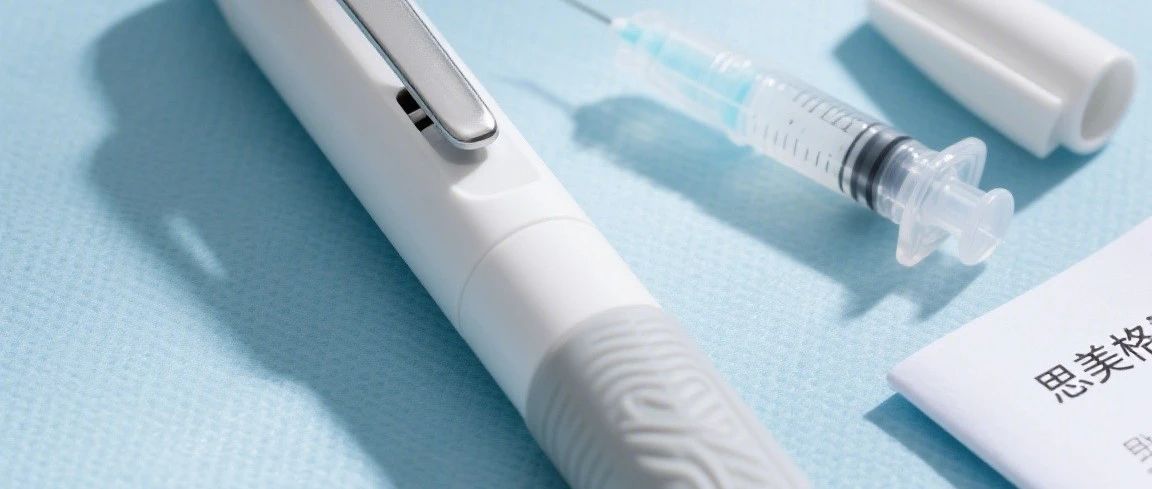
速递|刚刚,礼来替尔泊肽又一适应症联合胰岛素疗法在华获批
GLP1减重宝典· 2025-07-28 10:18
Core Viewpoint - The approval of Eli Lilly's GLP-1 drug Tirzepatide (brand name: Mounjaro) by the National Medical Products Administration of China for a new indication in treating adult Type 2 Diabetes Mellitus (T2DM) patients highlights its potential to improve blood sugar control when used in conjunction with insulin and lifestyle modifications [1][3]. Group 1 - The new indication for Tirzepatide aims to provide a safe and effective treatment option for T2DM patients who have a long disease course and have not achieved adequate blood sugar control despite insulin therapy [3]. - Tirzepatide has demonstrated significant advantages in blood sugar control, weight reduction, and metabolic improvement since its market launch [3]. Group 2 - The "GLP-1 Club" has established a network of hundreds of professionals, creating a premier platform for industry insights related to the GLP-1 sector [5]. - The club offers various resources, including academic promotions and consulting services, to support the GLP-1 community [6].


靠司美格鲁肽就能“躺瘦”?医生:用药也需调整饮食
GLP1减重宝典· 2025-07-27 03:13
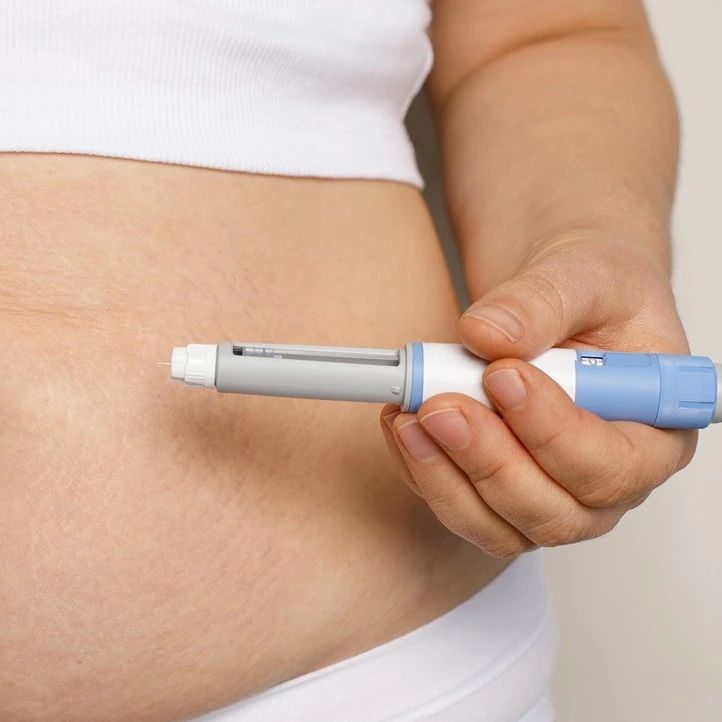
Core Viewpoint - The weight loss drug "Semaglutide" has officially launched in China, leading to an increase in consultations at weight loss and endocrinology clinics. It is emphasized that the use of weight loss medications requires professional evaluation and should be part of a comprehensive treatment plan that includes lifestyle changes [2]. Group 1: Medication Usage and Management - Semaglutide should be used under the guidance of qualified medical professionals to ensure its rational and effective application [2]. - Relying solely on medication for weight loss is insufficient; lifestyle modifications are crucial for achieving effective results [2]. Group 2: Dietary Recommendations During Medication - Maintaining a balanced diet is essential while taking Semaglutide. It is recommended to reduce the intake of refined carbohydrates and sugary beverages, with a daily salt intake limited to 5 grams [4]. - During dinner, it is advised to avoid greasy and sweet foods, opting for light and easily digestible options to prevent gastrointestinal discomfort [4]. Group 3: Foods to Avoid - High-fat foods, such as fried items and heavily cooked dishes, should be avoided as they can cause gastrointestinal issues, especially during Semaglutide treatment [5]. - Foods high in trans fats and saturated fats, including full-fat dairy products and red meats, may exacerbate gastrointestinal discomfort and affect the drug's efficacy. Healthier fat sources like olive oil and nuts are recommended [5]. - High-sugar foods, including sauces, baked goods, and sugary drinks, should be strictly limited as they can conflict with the medication's effects, particularly for diabetic patients [5]. - High-sodium foods, such as chips and pickled products, can raise blood pressure and pose risks for patients with type 2 diabetes [7]. - Refined carbohydrates and high-sugar starchy vegetables should be minimized to avoid blood sugar spikes, with a preference for whole grains and low-sugar vegetables [7]. - Alcohol should be reduced or avoided as it can aggravate digestive issues and increase the risk of hypoglycemia while on Semaglutide [8].

最新研究揭示:10天不运动的双重危害,胰岛素与记忆力双双"告急"
GLP1减重宝典· 2025-07-27 03:13
Core Viewpoint - The article emphasizes the detrimental effects of a sedentary lifestyle, highlighting that just ten days without exercise can lead to significant metabolic and cognitive decline, including insulin resistance and memory impairment [6][12]. Group 1: Impact of Sedentary Lifestyle - A study led by Dr. Nathan Kerr from the University of Missouri reveals that ten days of inactivity can accelerate insulin resistance and negatively affect memory function [6]. - The research involved a hindlimb immobilization experiment on four-month-old female Wistar rats, demonstrating that lack of exercise triggers a "degenerative storm" in both the body and brain [6][8]. Group 2: Cognitive Decline Mechanisms - The hippocampus shows signs of insulin resistance after just ten days of inactivity, disrupting glucose metabolism and leading to mitochondrial dysfunction and increased reactive oxygen species (ROS) [8][9]. - Abnormal levels of amyloid precursor protein (APP) and tau protein, markers for Alzheimer's disease, were observed, indicating a potential risk for cognitive decline [9]. Group 3: Iron Metabolism Imbalance - The study found that muscle inactivity leads to abnormal iron accumulation in muscles while causing a significant decrease in iron levels in the brain, creating a negative correlation that exacerbates oxidative stress and insulin resistance in the hippocampus [11]. Group 4: Modern Lifestyle Concerns - The article notes that modern individuals sit for over eight hours daily, contributing to a surge in type 2 diabetes rates and a decrease in healthy life expectancy post-65 years [12]. - Insulin resistance from lack of exercise is linked to both physical and cognitive health deterioration, potentially triggering early onset of Alzheimer's disease [12]. Group 5: Recommendations for Physical Activity - The article suggests that exercise is essential for maintaining cognitive function, proposing simple methods to incorporate more movement into daily life, such as taking stairs, walking, and outdoor activities [16]. - It emphasizes that immediate action yields the greatest health benefits, particularly in middle age to prevent cognitive decline [16][14].

速递|女性福音!司美格鲁肽在缓解多囊卵巢综合征PCOS展现潜力
GLP1减重宝典· 2025-07-27 03:13
Core Viewpoint - GLP-1 receptor agonists show promise in alleviating symptoms related to Polycystic Ovary Syndrome (PCOS), such as irregular menstruation and weight gain, despite not being FDA-approved for this indication yet [2][5]. Group 1: GLP-1 Receptor Agonists and PCOS - Clinical data indicates that patients with PCOS treated with semaglutide experience significant weight loss and symptom improvement, with fewer adverse reactions [2][6]. - Women with PCOS report benefits from GLP-1 drugs like semaglutide (Wegovy) and tirzepatide (Zepbound), including restored menstrual cycles, reduced pain, and improvements in weight, anxiety, depression, and even hair loss [2][5]. - A study published in 2023 evaluated semaglutide's effects on 27 obese women with PCOS, showing an average weight loss of 7.6 kg and a 3.1 decrease in BMI after three months [5][6]. Group 2: PCOS Overview and Treatment - PCOS is a hormonal disorder affecting ovarian function, characterized by irregular menstruation, elevated androgen levels, and polycystic ovaries, potentially leading to fertility issues, hair loss, weight gain, and acne [4]. - There is a significant unmet need for effective PCOS treatments, as the primary treatment methods have remained unchanged for nearly 50 years [5]. - Early diagnosis and intervention are crucial due to the risk of insulin resistance and related complications, including cardiovascular disease and type 2 diabetes [5]. Group 3: Research and Future Directions - Further large-scale and long-term studies are needed to understand the comprehensive effects of GLP-1 drugs on PCOS symptoms, including potential differences in efficacy across age groups and drug types [7]. - Accessibility to these medications remains a challenge, as insurance may not cover their use for non-approved indications, particularly during drug shortages or policy changes [7].
体重管理:国家队行动,健身健康赛道迎来新机遇
GLP1减重宝典· 2025-07-27 03:13
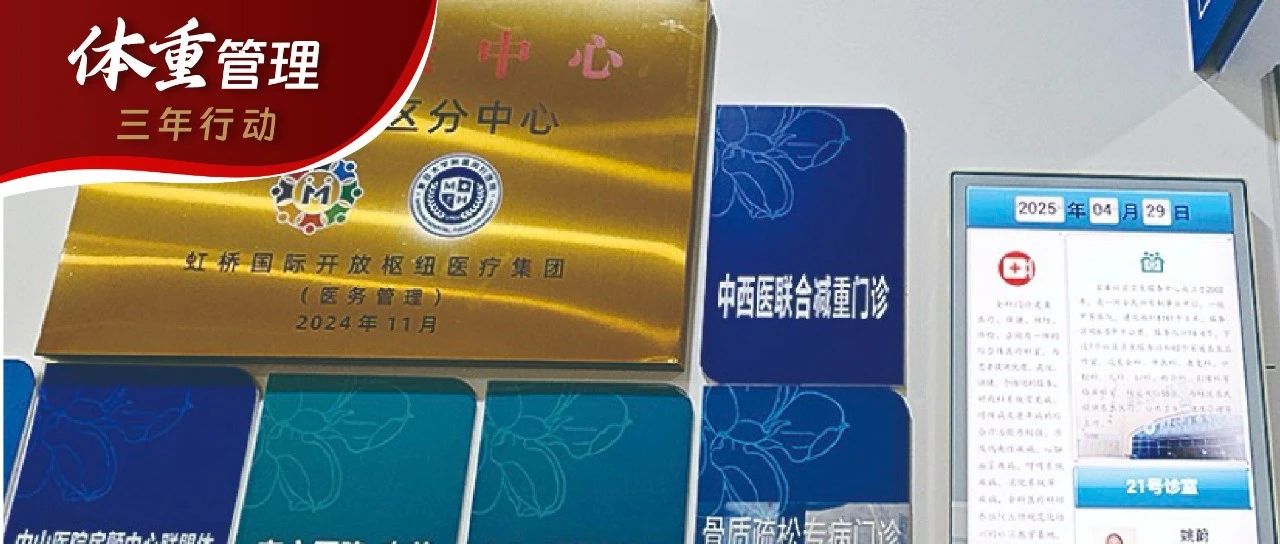
Core Viewpoint - The "Weight Management Year" initiative is a national response to the growing obesity crisis in China, aiming to promote healthy lifestyles and chronic disease prevention through a comprehensive three-year action plan [3][4][10]. Group 1: National Strategy and Health Crisis - The initiative was highlighted by the National Health Commission, emphasizing the need for weight management due to the alarming obesity rates, with over 400 million adults classified as overweight or obese as of 2021 [3][10]. - Obesity is recognized as a significant public health challenge in China, being the sixth leading risk factor for death and disability, necessitating urgent action [4][10][11]. - The "Weight Management Year" is part of a broader "Healthy China 2030" strategy, which includes goals for promoting fitness and balanced diets [8][10]. Group 2: Opportunities for the Health Industry - The action plan encourages the development of health-related products, particularly in the health food sector, promoting low-calorie and nutritious options [5][13]. - The fitness industry is expected to benefit from increased public engagement in health activities, with initiatives like National Fitness Day and Sports Promotion Weeks driving participation [5][15]. - The integration of AI and big data into weight management is anticipated to expand the market for smart fitness applications and devices, making weight management a more systematic and accessible process [6][16][17]. Group 3: Market Trends and Consumer Behavior - There is a growing consumer demand for low-calorie foods and health products, with significant sales increases in health-oriented items such as whole grain bread and low-calorie snacks [14][15]. - The initiative is expected to shift health consumption from optional to essential, creating a new wave of health-conscious consumer behavior [18][21]. - The rise in public health awareness is likely to lead to increased participation in fitness activities, benefiting gyms and outdoor fitness spaces [15][19]. Group 4: Employment and Industry Growth - The health initiative is projected to create numerous job opportunities in various sectors, including fitness training, nutrition, and rehabilitation, as the demand for health professionals rises [19][21]. - Collaboration between fitness facilities and educational institutions, communities, and businesses is expected to enhance resource sharing and industry growth [19][21].

数据解读“体重管理”:减肥如此小事,为何国家格外关注?
GLP1减重宝典· 2025-07-26 05:08
Core Viewpoint - The article highlights the severe obesity issue in China, indicating that over 400 million adults are overweight or obese, prompting the government to initiate a three-year national weight management campaign to address this public health challenge [4][5][6]. Group 1: Current Obesity Statistics - As of 2021, 402 million adults aged 25 and above in China are classified as overweight or obese, the highest number globally [9]. - By 2025, it is projected that 41% of adults will be overweight and 9% will be obese, with estimates suggesting that by 2030, the number of overweight and obese individuals could rise to 515.04 million [4][5]. - The obesity rate in China is significantly higher than the World Health Organization's estimate of 37% for adults globally [7]. Group 2: Government Initiatives - The National Health Commission announced the official launch of the "Weight Management Year" starting in 2024, aiming to promote weight management across the nation for three years [7][11]. - The initiative is part of a broader strategy to elevate weight management from a personal issue to a national priority, with support from various governmental departments [6][11]. Group 3: Regional Differences in Obesity - Obesity rates vary significantly across regions, with northern provinces like Inner Mongolia and Shandong showing the highest rates at 37.1% [12][13]. - Southern provinces such as Guangdong and Hainan have the lowest obesity rates, attributed to different dietary habits and lifestyle factors [13][27]. Group 4: Demographic Insights - The average BMI of surveyed individuals is 24.1, with men generally exhibiting higher rates of overweight and obesity compared to women, particularly in the age groups of 35-54 for men and 65-74 for women [20][24]. - Stress and lifestyle choices, such as alcohol consumption and irregular sleep patterns, are identified as contributing factors to obesity, especially among men [29][30][31]. Group 5: Dietary and Lifestyle Factors - Dietary habits, particularly the preference for high-calorie foods in northern China, are a significant factor in the rising obesity rates [25][27]. - The article emphasizes the importance of balanced nutrition and physical activity in managing weight, recommending a reduction in energy intake and an increase in physical activity levels [36][38].
学历与体重成反比?《柳叶刀》揭示中国肥胖新趋势
GLP1减重宝典· 2025-07-26 05:08
Core Insights - The article discusses the rising obesity challenge in China, highlighting the unique trends and disparities in obesity rates across urban and rural areas, as well as the impact of education levels on obesity risk [6][8][12]. Summary by Sections Obesity Trends in China - Between 2004 and 2018, the average BMI in China increased from 22.7 kg/m² to 24.4 kg/m², with the obesity rate rising from 3.1% to 8.1%, indicating that nearly 85 million adults are now facing obesity issues, a threefold increase since 2004 [8][9]. - The growth rate of obesity has slowed significantly since 2010, with the average annual increase in BMI dropping from 0.17 kg/m² to 0.09 kg/m², likely due to public health interventions implemented after 2010 [8][10]. Urban-Rural Disparities - Urban areas have seen a significant slowdown in obesity rates, while rural areas, particularly among women, continue to experience rising obesity rates. By 2018, the average BMI of rural women surpassed that of urban women [9][12]. - The disparity in obesity rates is attributed to uneven resource allocation, with urban residents benefiting from better health education and medical resources compared to their rural counterparts [9][12]. Impact of Education on Obesity - Higher education levels correlate with lower obesity rates, particularly among women, who exhibit better health management practices. Conversely, higher education among men is associated with increased BMI, potentially due to sedentary work and social eating habits [9][12][13]. - The findings suggest a need for differentiated obesity prevention strategies that consider gender-specific behaviors and educational backgrounds [12][13]. Socioeconomic and Policy Influences - The slowdown in obesity growth post-2010 is attributed to effective public health policies, such as the "National Non-Communicable Disease Comprehensive Prevention and Control Demonstration Zone" and the "National Healthy Lifestyle Action" initiatives [10][11]. - Increased health awareness and lifestyle changes among urban residents, driven by improved education and health information dissemination, have contributed to healthier behaviors [10][11]. Structural Challenges and Recommendations - The article emphasizes the structural challenges in addressing obesity, particularly in rural areas where health resources are scarce and dietary habits are shifting towards high-calorie foods without corresponding health education [12][13]. - It advocates for targeted interventions that address the specific needs of different demographic groups, including enhancing health education for low-education populations and improving access to healthy food options [12][13].

速递|美国国会议员呼吁FDA:打击司美格鲁肽等GLP-1仿制减重药泛滥!
GLP1减重宝典· 2025-07-26 05:08
Core Viewpoint - A bipartisan group of over 80 U.S. lawmakers is urging the FDA to enhance regulation of the growing market for counterfeit and illegal weight loss drugs, citing rising safety concerns [2][4]. Group 1: Legislative Actions - Lawmakers have sent a letter to the FDA, expressing concern over the surge of illegal and counterfeit anti-obesity medications, particularly generics of GLP-1 drugs like Wegovy and Zepbound [2]. - The initiative is led by Representatives Richard Hudson and Herb Conaway, who are calling for stricter enforcement against illegal weight loss drugs, including monitoring of online retailers and compounding pharmacies [2][4]. - They have requested a written response from the FDA by July 30 to reflect the urgency of the issue [4]. Group 2: FDA's Response and Actions - An FDA spokesperson stated that the agency will work with the HHS to provide a comprehensive response to the lawmakers' concerns, emphasizing the importance of ensuring the safety of the U.S. drug supply [5]. - The FDA has acknowledged the rise of counterfeit GLP-1 drugs in the market and has previously allowed some pharmacies to compound these medications during supply shortages, but this permission has since been revoked as production capacity has increased [5][6]. Group 3: Market Concerns and Risks - Counterfeit drugs are often produced by unlicensed entities using illegally imported ingredients, posing significant health risks to patients [6]. - Some patients are resorting to purchasing raw materials online to compound their medications at home, which is highly risky [6]. - The FDA has confirmed that some hospitalizations may be linked to these counterfeit drugs, although adverse reactions may be underreported [6]. Group 4: Industry Response - Companies like Novo Nordisk and Eli Lilly have been urging consumers not to use compounded or counterfeit GLP-1 products and have taken legal action against telehealth companies providing these products [6]. - There is increasing pressure on federal regulators to balance the rising demand for GLP-1 drugs with the proliferation of counterfeit products, which is becoming a critical challenge for the FDA [7].

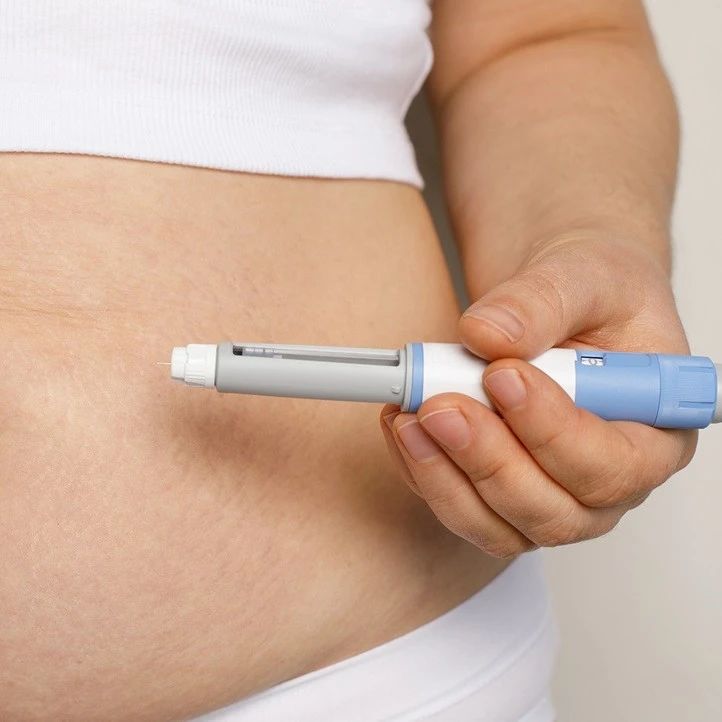
糖尿病进展风险降低94%!替尔泊肽不仅治疗,更可预防糖尿病
GLP1减重宝典· 2025-07-26 05:08
Core Viewpoint - Lifestyle interventions can effectively reduce the risk of progressing to type 2 diabetes in prediabetic patients, especially those who are overweight or obese. Additionally, drug treatments, particularly the dual receptor agonist tirzepatide, have gained attention for their potential in diabetes prevention [1]. SURMOUNT-1 Trial Results - The SURMOUNT-1 trial demonstrated that after 176 weeks, the proportion of participants developing type 2 diabetes in the tirzepatide group was 1.2%, compared to 12.6% in the placebo group, indicating a 94% reduction in diabetes progression risk [3]. - Even after a 17-week treatment cessation, the diabetes development rate in the tirzepatide group was 2.4%, versus 13.7% in the placebo group, showing an 88% risk reduction [3]. - Weight loss contributed over half (55.2%) to the reduction in diabetes risk [3]. Efficacy of Tirzepatide - Among patients receiving any dose of tirzepatide, 94.5% reverted from prediabetes to normal blood glucose levels, while only 60.4% in the placebo group achieved the same [5]. - In the 15 mg dose group, no participants progressed to diabetes, with only 2.8% remaining in the prediabetes category [5]. - Tirzepatide significantly reduced HbA1c levels by an average of 0.5% to 0.65% [5]. - Weight loss in the tirzepatide groups was significantly higher than in the placebo group, with average weight reductions of 12.3%, 18.7%, and 19.7% for the 5 mg, 10 mg, and 15 mg groups, respectively, compared to 1.3% in the placebo group [5]. Participant Demographics and Trial Design - The SURMOUNT-1 trial involved 1,032 participants randomly assigned to different doses of tirzepatide or placebo, with treatment lasting 176 weeks followed by a 17-week non-treatment period [8]. - All participants received lifestyle interventions, including dietary guidance and at least 150 minutes of exercise weekly, aiming for a daily caloric reduction of 500 kcal [8]. - Baseline characteristics included an average HbA1c of 5.8%, weight of approximately 236 pounds, and a BMI of 38.8 [8]. Health Improvements - The tirzepatide group showed significant improvements in various health metrics, including waist circumference reductions of 7.9 inches (15 mg), 7.2 inches (10 mg), and 5.1 inches (5 mg), compared to 1 inch in the placebo group [9]. - Blood pressure improvements were also notable, with systolic pressure decreasing by 5.9 to 8.5 mmHg and diastolic pressure by 4.2 to 5.9 mmHg in the tirzepatide group, compared to minimal changes in the placebo group [11]. - Lipid profiles improved, with HDL cholesterol increasing by an average of 14% and triglycerides decreasing by 32.4% in the tirzepatide group, compared to 2.5% and 4.2% in the placebo group, respectively [11]. Safety and Adverse Events - The mortality rate and incidence of serious adverse events were similar between the tirzepatide and placebo groups, with serious adverse event rates of 13.4%, 14.5%, 12.6%, and 11.9% for the 15 mg, 10 mg, 5 mg, and placebo groups, respectively [12]. - The most common adverse events were gastrointestinal, with nausea rates of 31.6% (15 mg), 32.8% (10 mg), and 24.3% (5 mg), compared to 11.9% in the placebo group [12]. - A notable concern was the occurrence of acute pancreatitis in the 5 mg group, leading to treatment discontinuation [13]. Innovation and Future Research - The SURMOUNT-1 trial is significant as it is the first Phase 3 clinical trial to utilize the GIP/GLP-1 dual receptor agonist tirzepatide for weight loss and diabetes prevention, with a long follow-up period [14]. - The trial results indicated an average weight loss of 20.9%, which is 2 to 5 times greater than previous diabetes prevention trials, alongside a 94% reduction in new type 2 diabetes cases [14]. - Further research is needed to determine whether weight loss reduces diabetes risk solely through improved insulin sensitivity or glucose-dependent insulin secretion [15].