GLP1减重宝典

Search documents
特朗普态度大转弯!计划将司美格鲁肽等减重药纳入医保与医疗补助计划
GLP1减重宝典· 2025-08-02 08:33
Core Insights - The Trump administration is preparing a pilot program to allow Medicare and Medicaid to cover the costs of weight-loss drugs, specifically GLP-1 medications, to address the growing obesity crisis in the U.S. [2][5] - This initiative represents a significant policy shift, as it will enable the use of GLP-1 drugs for weight management without requiring the presence of obesity-related diseases [5][9] - If successful, the pilot program could pave the way for permanent inclusion of these medications in public healthcare systems [9] Group 1: Policy Changes - The pilot program is set to begin in April 2026 for Medicaid and January 2027 for Medicare, marking a notable change from earlier government positions that did not support coverage for weight-loss drugs [7] - The program will evaluate the effectiveness, economic burden, and long-term impacts of GLP-1 medications within the healthcare system [9] Group 2: Market Implications - Leading companies in the GLP-1 market, such as Novo Nordisk and Eli Lilly, are expected to benefit significantly from this policy change, with projections indicating that the sector could generate over $150 billion in global revenue by 2030 [7][9] - The high annual cost of GLP-1 medications, estimated between $5,000 to $7,000, has raised concerns about financial sustainability, especially as demand increases [5][9] Group 3: Public Health Context - The U.S. has the highest obesity rate among developed countries, with approximately 42% of adults classified as obese, prompting calls for expanded medical interventions to improve overall health and reduce preventable diseases [9] - Public health experts advocate for the integration of medical treatments like GLP-1 drugs to enhance obesity management strategies [9]



速递|最高2.82亿!华润三九引进博瑞医药GLP-1新药
GLP1减重宝典· 2025-08-02 08:33
Core Viewpoint - The strategic partnership between Borui Pharmaceutical and China Resources Sanjiu aims to advance the development and commercialization of the GLP-1/GIP dual-target agonist BGM0504 injection in mainland China, with a milestone funding of up to 282 million RMB for clinical trials [2][4]. Group 1: Product Development - BGM0504 is a self-developed dual agonist targeting GLP-1 and GIP receptors, showing synergistic effects in blood sugar control, weight management, and treatment of non-alcoholic fatty liver disease (NASH) [2]. - The product has demonstrated superior efficacy in Phase II clinical trials compared to the single-target drug Semaglutide, covering three major areas: type 2 diabetes, weight loss, and NASH, indicating a significant market potential [4]. - Currently, BGM0504 is undergoing three Phase III clinical trials in China and one in Indonesia, with the weight loss indication already having received IND approval in the U.S. [4]. Group 2: Future Prospects - An oral formulation of BGM0504 is in the preclinical stage, which may overcome existing limitations of GLP-1 class drugs regarding administration routes [4]. - The Phase III clinical trials in China are in the patient enrollment and follow-up stages, with expectations to enter the market application process between 2025 and 2026 [4].


替尔泊肽显著改善糖尿病患者肌肉质量!基于英国生物库MRI数据验证的肌肉健康新证据
GLP1减重宝典· 2025-08-01 08:32
Core Findings - The study confirms that the GLP-1/GIP dual receptor agonist Tirzepatide effectively reduces muscle fat deposition in type 2 diabetes patients while maintaining reasonable muscle mass changes [4][5] - After 52 weeks of treatment, patients showed significant weight loss and improved muscle fat infiltration, with muscle mass changes scientifically aligned with weight loss [4][5] - The research utilized data from the UK Biobank, involving nearly 3,000 real-world cases, providing a precise reference for clinical outcomes [4][5] Research Background - This milestone study originated from the MRI subgroup analysis of the SURPASS-3 clinical trial and was published in The Lancet Diabetes & Endocrinology in June 2025 [5] - The research team employed high-precision MRI technology to systematically compare the effects of Tirzepatide and insulin degludec on thigh muscle volume, fat infiltration, and standardized Z-scores after 52 weeks [5][7] Clinical Significance - Weight management is a core strategy in type 2 diabetes treatment, with over 10% weight loss potentially leading to disease remission and cardiovascular benefits [7] - Traditional weight loss methods often result in muscle loss, increasing the risk of sarcopenia in elderly patients [7] - Tirzepatide, as the first GIP/GLP-1 dual receptor agonist, has demonstrated superior weight loss and fat regulation effects, with this study providing authoritative data on its impact on muscle composition [7][8] Research Methodology - The study employed an international multicenter, randomized controlled trial design, including strictly defined type 2 diabetes patients [8] - Participants were divided into four groups: Tirzepatide 5mg/10mg/15mg weekly injection groups and a daily injection control group of insulin degludec [8] Key Research Highlights - Precise imaging assessments were conducted at baseline and after 52 weeks using MRI to quantitatively measure thigh muscle fat infiltration, lean muscle volume, and standardized Z-scores [9] - The introduction of UK Biobank data established a muscle-weight change model, enhancing the generalizability of the results [9] - Key findings indicated that weight loss does not equate to muscle loss, showcasing Tirzepatide's unique advantages [9][10] Clinical Breakthrough - The study innovatively utilized MRI technology to assess the effects of Tirzepatide on muscle composition in type 2 diabetes patients [13] - It revealed that significant weight loss (average 10.1%) was achieved while effectively reducing muscle fat infiltration, with muscle mass decline within physiological adaptation limits [13][14] Multiple Clinical Benefits - Tirzepatide demonstrated a unique "fat loss, muscle preservation" advantage, significantly reducing muscle fat infiltration by 0.36 percentage points [15] - The muscle mass reduction of 0.64 liters was proportionate to weight loss, outperforming muscle loss associated with simple dieting [15] - The study provided critical decision-making references for clinicians, particularly for patients needing enhanced weight management [15] Limitations and Future Directions - The study did not assess changes in muscle strength and daily activity capabilities [15] - There was a lack of strict control over lifestyle factors such as diet and exercise [15] - Long-term efficacy and safety beyond one year require further validation [15]
《自然》重磅解密:少食真能长寿?谷歌抗衰老团队揭示"延寿代价"
GLP1减重宝典· 2025-08-01 08:32
Core Viewpoint - The article discusses the implications of recent research on calorie restriction (CR) and intermittent fasting (IF) on health and longevity, highlighting the potential trade-offs between lifespan extension and overall health [9][11][19]. Summary by Sections Research Findings - A study conducted by Calico Life Sciences in collaboration with other institutions revealed that calorie restriction can extend lifespan significantly, with a 40% CR group showing a lifespan increase of 36.3% compared to ad libitum (AL) groups [13][15]. - Intermittent fasting (IF) showed some benefits in lifespan extension, but its effects were less pronounced than those of calorie restriction, with the 1D and 2D fasting groups showing only slight increases in lifespan [13][19]. Health Implications - While CR can extend lifespan, it may lead to adverse health effects, such as reduced immune function and weight loss, which could increase infection risk [15][19]. - The study found that IF could also have health risks, such as increased red blood cell distribution width (RDW), which is associated with aging and mortality [16][19]. Weight and Longevity Paradox - The research highlighted a paradox where lower body weight does not necessarily correlate with longer lifespan, suggesting that maintaining an appropriate weight and fat content is crucial for longevity [17][19]. - Genetic factors were found to play a significant role in lifespan variation, with 23.6% of lifespan variation in younger mice explained by genetics, compared to only 7.4% by diet [17][19]. Conclusion - The findings suggest that while dietary restrictions can extend lifespan, they may compromise health, indicating a need for caution regarding extreme dieting methods [19]. Further research is required to understand the specific impacts of these dietary practices on human longevity [19].

爆火全球的司美格鲁肽,至高降低阿尔茨海默病患病风险67%!
GLP1减重宝典· 2025-08-01 08:32
Core Viewpoint - The latest research indicates that GLP-1 receptor agonists, used for treating type 2 diabetes, may be superior to metformin in preventing dementia, potentially influencing future treatment guidelines to prioritize drugs with both glycemic control and neuroprotective effects [2][4][6]. Group 1: Research Findings - The study analyzed anonymous electronic health records from 2004 to 2024, involving 87,229 patients each on GLP-1 receptor agonists and metformin, with an average age of 58 years, all having taken the medication for at least six months [4]. - Results showed that while both drug classes had similar effects on vascular dementia, GLP-1 receptor agonists had a lower overall dementia diagnosis rate: approximately 2.5% (2,130 individuals) in the GLP-1 group versus nearly 5% (4,215 individuals) in the metformin group, indicating a relative risk reduction of about 10% [4][6]. - Specifically, the risk of Alzheimer's disease was reduced by 12% and the risk of non-vascular dementia was reduced by 25% among GLP-1 users [4][6]. Group 2: Demographic Insights - The protective effects of GLP-1 receptor agonists were consistent across all age groups but were most pronounced in individuals over 60, women, and white patients [6]. - The mortality rate during the study was about 5% for GLP-1 users compared to nearly 9% for metformin users [6]. Group 3: Mechanisms of Action - The neuroprotective effects of these drugs may stem from various mechanisms, including reducing neuroinflammation, enhancing insulin sensitivity, and improving cerebral vascular function. GLP-1 receptor agonists can cross the blood-brain barrier, directly affecting the central nervous system, unlike metformin, whose effects are primarily systemic [6][8]. - The study emphasizes the complexity of vascular dementia's pathogenesis, which includes small vessel disease and white matter lesions, making treatment through metabolic or neurodegenerative pathways challenging [8]. Group 4: Implications for Treatment - The findings suggest that GLP-1 receptor agonists could become a first-line treatment option for type 2 diabetes, considering the significant societal, familial, and economic burdens associated with diabetes-related dementia [8][9]. - The research indicates a potential paradigm shift in diabetes treatment, focusing more on preventing cognitive complications [8][9]. Group 5: Additional Research - A separate study found that semaglutide could reduce the risk of Alzheimer's disease by 40-70% among older patients with type 2 diabetes and other comorbidities [12][18]. - The study utilized a large cohort of 1,094,761 new users of anti-diabetic medications, with semaglutide users showing significantly lower rates of Alzheimer's diagnosis compared to those on other diabetes medications [12][14]. Group 6: Limitations and Future Directions - The study acknowledges limitations, including its observational design, which may not account for overdiagnosis, underdiagnosis, or unmeasured confounding factors [22]. - Further research is needed to clarify the mechanisms by which semaglutide reduces the risk of Alzheimer's disease [21][22].

速递|特朗普施压17家药企CEO:限期降低美国药价
GLP1减重宝典· 2025-08-01 08:32
Core Viewpoint - The article discusses President Trump's public letter to 17 major pharmaceutical companies, demanding that they align U.S. prescription drug prices with international markets, particularly those of other developed countries [3][4]. Group 1: Government Actions - Trump signed an executive order in May requiring drug companies to align their prices with international minimums or face government intervention, including the possibility of importing cheaper drugs [4]. - The letter specifies that all drug companies must provide "most favored nation pricing" to Medicaid patients, meaning the lowest price available in OECD countries [6]. - Companies are also required to return excess profits gained from higher prices abroad to U.S. patients and taxpayers [6]. Group 2: Industry Response - Following the announcement, stock prices of several pharmaceutical companies, including Pfizer and Eli Lilly, fell by approximately 2%, with the NYSE Arca Pharmaceutical Index dropping by 3% [6]. - Some companies, like Pfizer and Novartis, expressed willingness to cooperate with the government to improve drug affordability [7]. - Industry experts have raised doubts about the feasibility of implementing these price reductions, suggesting that while some companies may attempt direct sales to patients, comprehensive execution remains challenging [6][7]. Group 3: Market Context - U.S. patients currently pay significantly higher prescription drug costs compared to other developed nations, with some drug prices being three times higher than in other countries [7]. - Pharmaceutical companies argue that high U.S. prices are necessary to fund extensive research and development for new drugs, warning that enforced price reductions could hinder innovation [7].



速递|“不安全且非法的大规模仿制药”持续冲击!诺和诺德下调25全年业绩和盈利预期
GLP1减重宝典· 2025-07-31 09:21
Core Viewpoint - The Danish pharmaceutical giant Novo Nordisk has lowered its full-year sales and profit forecasts due to slowing growth of its key drugs in the U.S. market, particularly Wegovy and Ozempic, amid increased competition and regulatory challenges [2][4]. Group 1: Sales and Profit Forecasts - The company now expects sales growth for the year to be between 8% and 14% on a constant currency basis, down from the previous forecast of 13% to 21% [2]. - Operating profit growth expectations have been revised from 16% to 24% down to 10% to 16% [2]. Group 2: Market Challenges - The downward adjustment in sales expectations for Wegovy in the U.S. is attributed to the widespread use of mixed formulations of semaglutide and slower-than-expected market expansion, along with intensified competition [4]. - The company faces challenges in the U.S. Wegovy market, particularly due to increased competition from mixed formulations of semaglutide that have gained popularity following FDA rulings on drug shortages [4]. Group 3: Regulatory and Safety Concerns - Despite the FDA's set deadline for large-scale compounded drugs ending on May 22, 2025, illegal and unsafe compounded medications remain prevalent in the market, posing significant health risks to patients [4][5]. - Novo Nordisk is actively pursuing legal actions to protect patients from counterfeit drugs and has expressed high concern over the ongoing circulation of unregulated GLP-1 compounds [5]. Group 4: Future Outlook - The company previously indicated that with increased regulatory enforcement, the supply of these generic drugs is expected to gradually decrease in the second half of the year, potentially alleviating competitive pressure [6]. - Disappointing clinical trial results, particularly for the new obesity treatment candidate CagriSema, have further weakened market expectations for the growth of its obesity treatment product line [8].

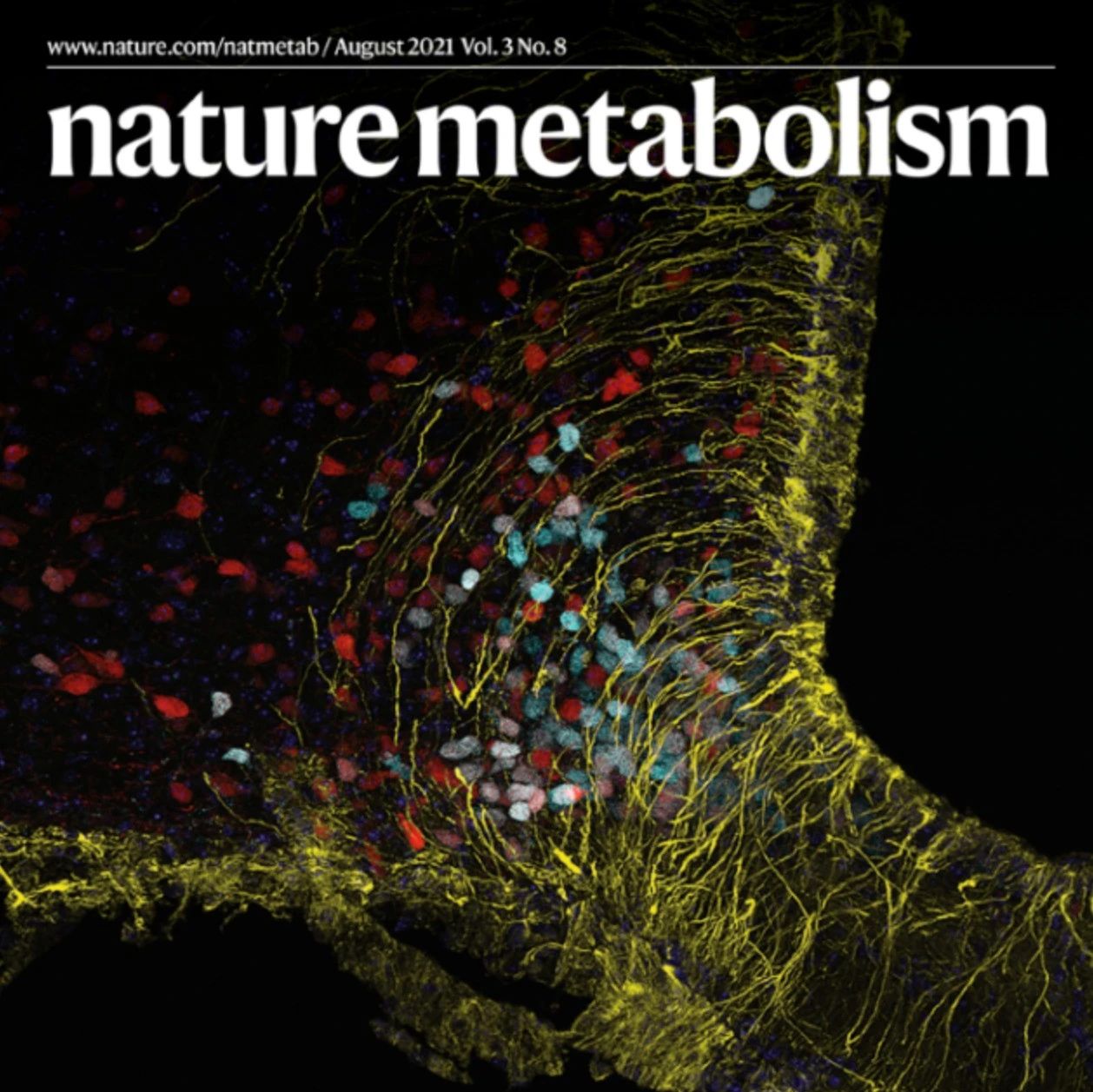
《自然·代谢》重磅:生酮饮食为何真能瘦?复旦科学家破解肠道微生物与胆汁酸协同阻断能量吸收新机制
GLP1减重宝典· 2025-07-31 09:21
Core Viewpoint - The article discusses the rising popularity of ketogenic diets and presents new research findings that reveal the mechanisms behind weight loss associated with this diet, particularly focusing on the role of specific bile acids and gut microbiota [5][15]. Group 1: Mechanisms of Ketogenic Diet - Ketogenic diets induce the production of ketone bodies, prompting the body to utilize fat as an energy source, but recent studies indicate that the weight loss mechanisms are more complex [5]. - Research from Fudan University shows that ketogenic diets alter gut microbiota composition, leading to decreased levels of bile salt hydrolase (BSH), which results in increased levels of taurodeoxycholic acid (TDCA) and taurocholic acid (TUDCA) in the bloodstream [5][6]. - TDCA and TUDCA inhibit the expression of intestinal carbonic anhydrase 1, directly blocking calorie absorption [5][12]. Group 2: Clinical Observations and Findings - A clinical study involving over 400 participants confirmed the findings, suggesting that TDCA and TUDCA could serve as potential drug targets for treating obesity and its complications [6]. - In a 7-week study on mice fed a high-fat ketogenic diet (75.1% fat), significant reductions in body weight and fasting blood glucose were observed, alongside an increase in 22 metabolites, including six bile acids [9]. - The study also indicated that the presence of certain bile acids, particularly TDCA and TUDCA, plays a crucial role in the weight loss effects of the ketogenic diet [9][14]. Group 3: Gut Microbiota and Weight Loss - Analysis of the gut environment in mice revealed that the levels of TDCA and TUDCA are closely related to gut microbiota changes, with specific strains like Lactobacillus murinus ASF361 significantly impacting body weight and blood glucose levels [11][12]. - The study found that L. murinus ASF361 reduces serum levels of TDCA and TUDCA by metabolizing them into other bile acids, which suggests a complex interaction between diet, gut bacteria, and metabolic outcomes [12]. Group 4: Human Study Correlation - Data from 416 healthy participants indicated a correlation between low plasma levels of TDCA and TUDCA with high BMI and fasting blood glucose levels [14]. - Participants in a 12-week ketogenic diet study lost an average of 5.27 kg, with significant increases in plasma TDCA and TUDCA levels, aligning with findings from mouse experiments [14].
晚餐时间竟由基因决定?现代人健康饮食的奥秘不仅在于"吃什么",更关键的是"几点吃"!
GLP1减重宝典· 2025-07-31 09:21
Core Viewpoint - The timing of meals, influenced by genetic factors, significantly impacts blood sugar metabolism and diabetes risk, suggesting that adjusting meal times could be a key strategy in diabetes prevention [6][14][17]. Group 1: Genetic Influence on Eating Habits - Genetic factors control meal timing preferences, with the first meal's timing having a heritability of 59.2% and peak caloric intake timing having a heritability of 34.5% [16][19]. - Delaying meal times by one hour increases the risk of blood sugar fluctuations [7][12]. - Late eating is associated with higher BMI and waist circumference, even when controlling for sleep, age, and gender [11][12]. Group 2: Impact of Meal Timing on Metabolism - Eating later in the day is linked to poorer insulin sensitivity and higher fasting insulin levels, indicating a greater risk of insulin resistance [15][17]. - The concept of a "metabolic clock" suggests that meal timing is crucial for managing blood sugar levels and preventing type 2 diabetes [10][18]. Group 3: Recommendations for Meal Timing - Adjusting meal times, such as having the main meal three hours earlier, can significantly improve blood sugar levels and insulin sensitivity [18][19]. - Personalized dietary plans based on genetic characteristics are essential for effective management of eating habits and metabolic health [19].

司美格鲁肽口服片:每天早上吃一粒,两个月瘦了十多斤
GLP1减重宝典· 2025-07-31 09:21
Core Viewpoint - Semaglutide, marketed as a weight loss drug, has gained popularity among users who report significant weight loss and improved body composition after using it for a short period [2]. Group 1: Product Approval and Mechanism - Semaglutide tablets have been approved for use in China for the treatment of type 2 diabetes in adults by the National Medical Products Administration (NMPA) in 2024 [3]. - The drug works by activating GLP-1 receptors, which helps lower blood sugar and body weight through multiple mechanisms, including promoting insulin secretion, inhibiting glucagon secretion, delaying gastric emptying, and suppressing appetite [4]. - Semaglutide oral tablets are the first GLP-1 receptor agonist available in oral form, significantly enhancing bioavailability by approximately 100 times due to the absorption enhancer SNAC [4]. Group 2: Clinical Research Findings - The global PIONEER clinical trial, involving 11,505 patients, demonstrated that semaglutide not only significantly lowers blood sugar but also provides benefits in weight loss, blood pressure reduction, and lipid regulation [6]. - In the PIONEER 6 study, semaglutide oral tablets showed excellent cardiovascular safety, particularly in patients with cardiovascular diseases or risk factors [6]. - The PIONEER PLUS trial results indicated that higher doses of semaglutide (25mg and 50mg) resulted in greater reductions in HbA1c levels and weight loss compared to the 14mg group, with weight loss averaging 7.0kg and 9.2kg respectively [7]. Group 3: Weight Loss Efficacy - The OASIS 4 study revealed that participants using semaglutide experienced an average weight loss of 13.6%, compared to only 2.2% in the placebo group, with potential weight loss reaching 16.6% if all participants completed the treatment [9].