NCI(01336)

Search documents
保险资金长期投资改革试点加速推进 新增225亿元即将到位
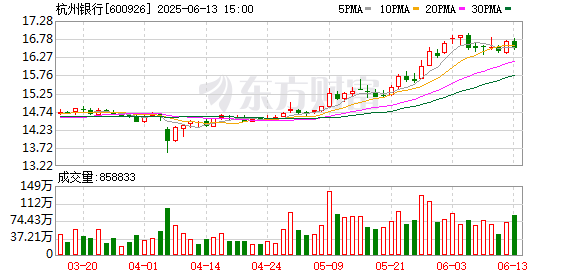
Zheng Quan Ri Bao· 2025-06-13 16:13
Core Viewpoint - The recent progress in the long-term investment reform pilot for insurance funds in China is marked by the joint investment of 225 billion yuan by New China Life Insurance and China Life Insurance in the Honghu Zhiyuan Phase III private equity fund, indicating a significant influx of long-term investment funds into the capital market [1][2][3]. Group 1: Investment Details - New China Life Insurance and China Life Insurance each plan to invest 11.25 billion yuan in the Honghu Zhiyuan Phase III fund, which has a total investment of 225 billion yuan [1][2]. - The Honghu Zhiyuan Phase III fund has a duration of 10 years, with the possibility of extension based on contractual agreements [2]. - This investment marks the third collaboration between New China Life and China Life in private equity funds, following previous investments in Honghu Zhiyuan Phase I and II [3]. Group 2: Reform Pilot Expansion - Since the pilot program began in 2023, the scale of long-term investment reform for insurance funds has been expanding, with a total approved scale expected to reach 222 billion yuan upon the completion of the third batch of 600 billion yuan [1]. - The pilot program allows insurance companies to establish private equity funds primarily targeting the secondary market for stocks, promoting a long-term holding strategy [4]. Group 3: Fund Structure and Taxation - The structure of private equity funds is diversifying, with the first fund being a company-type fund and subsequent funds being contract-type funds, which are easier to manage and do not require corporate governance mechanisms [4][5]. - Contract-type funds avoid double taxation issues that company-type funds face, as the tax burden is borne by the fund's shareholders rather than the fund itself [5][6]. Group 4: Market Impact and Future Outlook - The long-term investment reform pilot is expected to help insurance institutions optimize asset allocation, increase equity investment ratios, and act as a stabilizing force in the capital market [6]. - The establishment of private equity funds by insurance institutions is anticipated to enhance their participation in the capital market, potentially leading to a larger scale of funds and institutions involved in the pilot program in the future [6].

保险行业周报(20250609-20250613):部分险企2026年可暂缓执行新准则,准则切换或持续利好OCI类股票-20250613
Huachuang Securities· 2025-06-13 15:16
Investment Rating - The report maintains a "Recommendation" rating for the insurance industry, indicating an expected increase in the industry index by more than 5% over the next 3-6 months compared to the benchmark index [21]. Core Insights - The insurance index rose by 2.07% this week, outperforming the broader market by 2.33 percentage points. Individual stocks such as Taiping (+10.36%) and ZhongAn (+4.57%) saw significant gains [1]. - The new insurance contract accounting standards are set to be implemented on January 1, 2026, with some companies allowed to defer compliance if they provide justification by June 30, 2025. This transition is expected to benefit the industry by allowing better management of financial reporting during the changeover [4][5]. - The report highlights that the implementation of new accounting standards has increased the volatility of listed insurance companies' performance, primarily due to fluctuations in financial assets measured at fair value through profit or loss (FVTPL) [5]. Summary by Sections Market Performance - The insurance sector's total market capitalization is approximately 30,425.11 billion, with a circulating market value of 21,038.53 billion [6]. - The absolute performance over the last 12 months is 41.6%, with a relative performance of 32.0% compared to the benchmark [7]. Regulatory Developments - The Ministry of Finance and the National Financial Regulatory Administration issued a notification on June 12 regarding the implementation of new insurance contract accounting standards [2]. - China Pacific Insurance received approval for its chairman's qualification from the financial regulatory authority [2]. Investment Recommendations - The report suggests a focus on FVOCI asset allocation to mitigate the impact of stock market fluctuations on performance, especially for mid-sized insurance companies [5]. - The current price-to-earnings (PE) and price-to-book (PB) ratios for major companies are provided, with China Ping An rated as a "Strong Buy" and others like China Pacific Insurance and China Life rated as "Recommended" [10].


225亿元!险资“长钱”入市迎新进展
Guo Ji Jin Rong Bao· 2025-06-13 11:07
Group 1 - The core viewpoint of the news is that Xinhua Insurance plans to invest up to 15 billion yuan in a private fund initiated by Guofeng Xinghua, aligning with national policies to promote long-term capital market participation [1][2] - The private fund, named Guofeng Xinghua Honghu Zhiyuan Phase III, has a total size of 22.5 billion yuan, with Xinhua Insurance and China Life each contributing 11.25 billion yuan [1][2] - The investment will primarily target large listed companies that are constituents of the CSI A500 Index, which reflects the performance of 500 representative securities from various industries [1][2] Group 2 - Xinhua Insurance emphasizes its commitment to long-term, value, and prudent investment strategies, leveraging its advantages as a long-term capital provider [2] - The investment is part of the third batch of insurance capital long-term investment reform pilot programs initiated in 2023, allowing insurance companies to establish private equity funds for long-term stock market investments [2][3] - As of December 31, 2024, the book value of the investment in Honghu Fund Phase I was 26.358 billion yuan, with a net profit of 0.917 billion yuan for the year [3] Group 3 - The long-term investment reform pilot encourages insurance capital to establish private funds that are accounted for as long-term equity investments, which helps mitigate the impact of fair value fluctuations on financial statements [3][4] - The private funds are expected to favor high-dividend and high-return assets, with a focus on stable income generation [4]

中证ECPI ESG可持续发展40指数下跌0.22%,前十大权重包含新华保险等
Jin Rong Jie· 2025-06-13 10:33
Core Points - The China Securities Index ECPI ESG Sustainable Development 40 Index (ESG 40) experienced a decline of 0.22%, closing at 1634.71 points with a trading volume of 44.528 billion yuan [1] - Over the past month, the ESG 40 Index has increased by 0.09%, while it has risen by 0.34% over the last three months, but has decreased by 3.30% year-to-date [1] - The index is composed of 40 listed companies selected based on high ESG ratings from the Shanghai Stock Exchange 180 Corporate Governance Index, reflecting the overall performance of these companies [1] Index Holdings - The top ten weighted companies in the ESG 40 Index include: - Shengyi Technology (3.1%) - Industrial Bank (3.07%) - New China Life Insurance (3.01%) - Hengrui Medicine (3.0%) - Sany Heavy Industry (2.86%) - Juhua Group (2.82%) - Huaneng International (2.79%) - Agricultural Bank of China (2.77%) - Daqin Railway (2.76%) - Huadian International (2.76%) [1] - The index is fully composed of companies listed on the Shanghai Stock Exchange, with a 100% allocation [1] Industry Composition - The industry distribution of the ESG 40 Index holdings is as follows: - Industrial: 34.32% - Utilities: 12.24% - Financials: 11.44% - Materials: 9.60% - Consumer Staples: 7.16% - Consumer Discretionary: 6.90% - Health Care: 5.62% - Energy: 4.54% - Information Technology: 3.10% - Communication Services: 2.72% - Real Estate: 2.37% [2] Index Adjustment Mechanism - The index samples are adjusted biannually, with adjustments occurring on the next trading day after the second Friday of January and July [3] - The sample adjustment typically does not exceed 10%, unless more than 10% of the old samples are removed from the sample space [3] - In cases of significant temporary changes in the ECPI ESG ratings, the index will undergo temporary adjustments [3]
险资持续增持银行股!新华保险43亿元接盘杭州银行外资股权
Nan Fang Du Shi Bao· 2025-06-13 10:08
Core Viewpoint - Xinhua Insurance has acquired 329.6 million shares of Hangzhou Bank from the Commonwealth Bank of Australia for a total price of 4.32 billion yuan, making it the fourth largest shareholder with a 5.09% stake [2][3]. Group 1: Transaction Details - The share acquisition was completed at a price of 13.095 yuan per share, totaling 4.32 billion yuan [3]. - Following the transaction, the Commonwealth Bank no longer holds shares in Hangzhou Bank, which maintains no controlling shareholder or actual controller [3]. - The top three shareholders of Hangzhou Bank as of Q1 2025 are Hangzhou Financial Investment Group (18.2%), Red Lion Holdings Group (11.1%), and Hangzhou Urban Construction Investment Group (6.9%) [3]. Group 2: Investment Rationale - Analysts believe Xinhua Insurance's investment reflects confidence in Hangzhou Bank's long-term development prospects, given its strong performance and strategic location in the economically vibrant Yangtze River Delta [3]. - Hangzhou Bank reported a revenue of 38.38 billion yuan in 2024, a year-on-year increase of 9.6%, and a net profit of 16.98 billion yuan, up 18.1%, maintaining a leading growth rate in the industry [3]. Group 3: Broader Industry Trends - Since 2025, several insurance companies, including China Life and Ping An, have increased their holdings in bank stocks, indicating a positive outlook for the banking sector [5]. - The banking sector index has risen over 12% year-to-date, with several bank stocks reaching historical highs [5]. - The trend of insurance capital investing in bank stocks is driven by the need for asset allocation optimization and recognition of the long-term value of bank stocks [6]. Group 4: Future Outlook - High-quality banks are expected to become a priority for insurance capital in equity investments, providing a continuous source of incremental capital for the sector [7].


一周保险速览(6.6—6.13)
Cai Jing Wang· 2025-06-13 09:56
Regulatory Updates - The new accounting standards for insurance contracts have been issued, with mandatory implementation for non-listed companies by 2026, while companies that have already adopted the standards must continue to do so [1] - The notification also includes simplified processing options for insurance companies [1] Industry Trends - As of the end of May, insurance capital has been increasingly active in the market, with the number of stakes taken approaching the total for the previous year, focusing on sectors like banking and public utilities [1] - Health insurance has shown robust growth, with property insurance companies reporting an 8.47% increase in health insurance premium income for the first four months of 2025, while overall health insurance premium income reached 455.7 billion yuan, a 4.06% year-on-year increase [2] Corporate Developments - Xinhua Insurance plans to invest up to 15 billion yuan in private equity funds, pending contract finalization [3] - Taikang Life is set to increase its registered capital by 2 billion yuan, raising it from 9 billion yuan to 11 billion yuan to meet business development and solvency needs [4] - Asia-Pacific Property Insurance has undergone a change in ownership, with a 10% stake transferred to Cheng Tai (Qingdao) Technology Services Co., Ltd. through a court ruling [5] - He Tai Life announced a 1% stake transfer from Beijing Yingke Bicheng Technology to Shenzhen Jin Shiji Engineering Co., Ltd., pending regulatory approval [6] Personnel Changes - The China Banking and Insurance Regulatory Commission has approved Yu Bin as the chairman of China Pacific Property Insurance [7] - Reports indicate that the former general manager of China Post Life Insurance, Dang Junzhang, has gone missing amid investigations [7]
新华保险(601336) - 新华保险保费收入公告
2025-06-13 09:01
上述原保险保费收入数据未经审计,提请投资者注意。 特此公告。 | A股股票代码:601336 | A股股票简称:新华保险 编号:2025-036号 | | --- | --- | | H股股票代码: 01336 | H股股票简称:新华保险 | 新华人寿保险股份有限公司 保费收入公告 新华人寿保险股份有限公司董事会及全体董事保证本公告内容不存 在任何虚假记载、误导性陈述或者重大遗漏,并对其内容的真实性、准 确性和完整性承担法律责任。 根据中华人民共和国财政部《企业会计准则第 25 号——原保险合同》(财 会〔2006〕3 号)及《保险合同相关会计处理规定》(财会〔2009〕15 号),新华 人寿保险股份有限公司(以下简称"公司")于 2025 年 1 月 1 日至 2025 年 5 月 31 日期间累计原保险保费收入为人民币 9,908,568 万元,同比增长 26%。公司专 业化、市场化、体系化改革向纵深推进,"以客户为中心"的服务生态体系建设 持续完善,立足客户需求丰富产品体系,加强销售队伍建设,增强基层机构市场 竞争力,公司业务品质和价值不断提升,高质量、高能级发展基础进一步夯实。 新华人寿保险股份有限公 ...
外资撤退险资进场,杭州银行与澳洲联邦银行20年的“联姻”落幕
Guan Cha Zhe Wang· 2025-06-13 08:51
Core Viewpoint - The transfer of shares from Commonwealth Bank of Australia to New China Life Insurance marks a significant shift in the shareholder structure of Hangzhou Bank, with New China Life becoming the fourth largest shareholder, reflecting a broader trend of foreign banks reducing their stakes in Chinese banks [1][4][5]. Group 1: Share Transfer Details - On June 10, Hangzhou Bank announced that New China Life Insurance completed the transfer of 330 million shares from Commonwealth Bank of Australia, resulting in New China Life holding 5.09% of Hangzhou Bank's shares [1]. - The share transfer agreement was signed in January 2023 at a price of 13.095 yuan per share, totaling 4.32 billion yuan [4]. - The transfer does not trigger a mandatory takeover bid, and Hangzhou Bank remains without a controlling shareholder or actual controller post-transaction [4]. Group 2: Shareholder Structure and Trends - Following the transfer, the municipal finance bureau's total shareholding in Hangzhou Bank increased to 23.55%, with Commonwealth Bank of Australia becoming the second largest shareholder until its complete exit [5]. - The exit of Commonwealth Bank is part of a broader trend where foreign banks are reducing their stakes in Chinese banks, influenced by increased compliance costs and regulatory pressures since the introduction of the Interim Measures for the Management of Bank Equity in 2018 [5][6]. - New China Life's investment aligns with its asset allocation strategy, as it seeks to increase its equity asset allocation in a low-interest-rate environment [5]. Group 3: Performance and Strategic Implications - Hangzhou Bank has shown strong performance, with a projected net profit of 16.983 billion yuan for 2024, representing an 18.07% year-on-year growth, ranking fifth among 42 A-share listed banks [5]. - The bank's long-term lack of a controlling shareholder may impact strategic coherence, especially after the dissolution of the concerted action among major state-owned shareholders in February 2023 [6]. - The diversified shareholding structure may pose challenges in decision-making efficiency, as different shareholders have varying risk preferences [7]. Group 4: Market Dynamics - The entry of New China Life into the banking sector reflects a new trend where domestic institutions, particularly insurance companies and local state-owned enterprises, are filling the void left by foreign banks [8]. - In 2024, insurance capital's involvement in the market reached a record high with 20 instances of share acquisitions, indicating a growing trend towards investing in high-dividend stocks for asset diversification and long-term growth [8].

鸿鹄基金三期来了,新华保险最高认购150亿
Huan Qiu Lao Hu Cai Jing· 2025-06-13 07:18
Group 1 - Core viewpoint: Xinhua Insurance plans to invest up to 15 billion yuan in a private equity fund managed by Guofeng Xinghua, focusing on large listed companies in the CSI A500 index [1] - The fund's total size is set at 22.5 billion yuan, with Xinhua Insurance and China Life each contributing 11.25 billion yuan [1] - The investment aligns with national policies promoting long-term capital market entry and reflects the company's strategy of long-term, value, and prudent investment [1] Group 2 - The fund subscribed by Xinhua Insurance is part of the third batch of pilot projects for long-term stock investments by insurance funds [2] - The first batch of pilot projects was approved in October 2023, with Xinhua Insurance and China Life each investing 25 billion yuan in a 50 billion yuan fund [2] - The total amount for long-term investment pilot projects will increase to 222 billion yuan after the approval of the third batch [2]
225亿资金要来了!险资长期股票投资试点,有最新进展
天天基金网· 2025-06-13 07:10
Core Viewpoint - The article discusses the latest developments in the third batch of insurance funds' long-term stock investment pilot program, highlighting significant investments by major insurance companies like Xinhua Insurance and China Life [1][7]. Group 1: Investment Details - Xinhua Insurance plans to invest up to 15 billion yuan in a private fund managed by Guofeng Xinghua, specifically the Guofeng Xinghua Honghu Zhiyuan Phase III Private Securities Investment Fund [2]. - The fund has a total size of 22.5 billion yuan, with both Xinhua Insurance and China Life each contributing 11.25 billion yuan [3]. - The fund aims for steady dividend income through low-frequency trading and long-term holding of stocks, focusing on large listed companies that meet specific governance and operational criteria [4]. Group 2: Fund Structure and Duration - The private fund has a duration of 10 years, with the possibility of extension following procedural changes [5]. - It will be raised through a non-public offering to qualified investors, with a fundraising period not exceeding three months from the start of the fund's share sale [6]. Group 3: Policy and Strategic Alignment - This investment aligns with national policies promoting long-term capital market entry and reflects Xinhua Insurance's strategic direction towards long-term, value, and stable investments [7]. - The third batch of pilot programs has a total approved amount of 60 billion yuan, with various insurance companies participating, including smaller firms [7][14]. - The long-term investment pilot program aims to alleviate investment bottlenecks for insurance funds, enhancing their role as market stabilizers and promoting healthy interactions with the capital market [15].