
INTEL(04335)

Search documents
谷歌(GOOGL.US)TPU引爆行业趋势!英特尔(INTC.US)或成背后“隐形赢家”
智通财经网· 2025-11-28 01:16
Core Insights - Google's latest seventh-generation Tensor Processing Unit (TPU) "Ironwood" has gained significant industry attention, particularly following the successful launch of the Gemini 3 model, which was trained using Ironwood TPUv7 [1][2] - The success of Google's custom chips is highlighting the growing role of custom ASICs in the AI computing era, potentially benefiting Intel's foundry services and product roadmap [1][3] Google TPU Overview - The Ironwood TPU offers a 2x improvement in performance/efficiency compared to its predecessor, the Trillium TPU, and is being used to train Gemini 3, a leading multimodal and reasoning model [2] - There are speculations that Meta may invest billions in Google TPUs starting in 2027, and Anthropic has expanded its partnership with Google, committing to use up to 1 million TPUs from 2026 [2] TSMC's Role - TSMC is the primary manufacturer for Google's TPU and the latest ARM architecture Axion CPU, with the Ironwood TPU likely utilizing TSMC's N3 process [3] - TSMC's advanced node capacity is currently constrained, with demand outpacing supply, which could impact Google's TPU production [3] Opportunities for Intel's Foundry Services - The increasing interest in TPUs may lead Google to diversify its manufacturing strategy, potentially creating opportunities for Intel's foundry services [4] - Intel's advanced packaging technologies, such as Foveros and EMIB, are seen as favorable alternatives due to ongoing capacity constraints at TSMC [4] Intel's Manufacturing Capacity - Intel's foundry services in the U.S. align with Google's need for regional and capacity diversification, similar to Tesla's recent agreement with Samsung for AI processor production [5] - Intel has secured contracts to manufacture Microsoft's next-generation custom AI processor, indicating its growing role in the custom chip market [5] Intel's Product Department Potential - The momentum of Google's TPU could benefit Intel's product department, which is focusing on optimizing inference performance and cost-effectiveness in AI solutions [6][7] - Intel's upcoming "Crescent Island" AI processor is optimized for AI inference workloads, aligning with the growing demand for custom ASICs [7] Custom ASIC Market Dynamics - Google's success with TPUs may encourage further adoption of custom AI ASICs, positioning Intel's product department favorably in the competitive landscape [8][9] - The industry's shift towards optimizing performance per dollar per watt is increasing the demand for efficient custom ASICs like Google's TPU, especially amid supply constraints for NVIDIA's AI processors [9][10] Conclusion - The strong demand for custom ASICs and the breakthrough of Google's TPU suggest that Intel's AI strategy under CEO Pat Gelsinger is becoming more compelling, potentially enhancing growth prospects for both its product and foundry departments [10]


资深高管窃密“投敌”,台积电点名炮轰英特尔|硅谷观察
Xin Lang Ke Ji· 2025-11-28 01:00
Core Viewpoint - TSMC has filed a lawsuit against former senior executive Luo Wei-ren for allegedly taking valuable trade secrets to Intel, highlighting the intense competition in the semiconductor industry and the potential impact on the global chip foundry landscape [2][5]. Group 1: Legal Action and Allegations - TSMC officially filed a lawsuit against Luo Wei-ren for violating non-compete agreements and trade secret laws, specifically accusing him of transferring core business secrets to Intel [2][5]. - The lawsuit has drawn global attention due to the competitive relationship between TSMC and Intel, which could reshape the semiconductor industry [2][5]. - TSMC's legal action is based on Luo's alleged concealment of his intentions to join Intel shortly after retirement, which TSMC views as a breach of trust and contractual obligations [5][8]. Group 2: Luo Wei-ren's Background and Role - Luo Wei-ren, a 75-year-old semiconductor expert, has a significant history in the industry, having worked at Intel for 18 years before joining TSMC in 2004 [3][4]. - During his 21 years at TSMC, Luo played a crucial role in the development of advanced process technologies, holding over 1,500 patents, with approximately 1,000 being U.S. patents [3][4]. - His contributions were pivotal in TSMC's rise as a global leader in chip foundry services, particularly in advanced nodes from 28nm to 2nm [3][4]. Group 3: Technology Transfer and Implications - TSMC alleges that Luo took sensitive information related to 2nm technology and other advanced processes, which could provide Intel with a significant competitive advantage [8][12]. - The 2nm process is set to begin mass production in late 2025 and represents the pinnacle of semiconductor manufacturing technology [8][12]. - If the information is indeed transferred to Intel, it could allow the company to close the technological gap with TSMC and potentially reclaim key customers [8][12]. Group 4: Industry Context and Competitive Dynamics - The relationship between TSMC and Intel has evolved from competition to collaboration and back to rivalry, reflecting the complexities of the semiconductor industry [12][13]. - Intel has faced challenges in maintaining its technological edge, particularly in advanced process nodes, which has led to a reliance on TSMC for some manufacturing needs [12][13]. - The ongoing legal battle may have broader implications for talent mobility and intellectual property protection within the semiconductor sector [17]. Group 5: Internal Control and Security Concerns - TSMC has faced multiple incidents of internal leaks, raising questions about its ability to safeguard sensitive information [14][15]. - The company invests over $10 billion annually in R&D, making the protection of its core technologies critical to its competitive position [17]. - The outcome of the lawsuit could influence future practices regarding employee transitions and the safeguarding of proprietary information in the industry [17].


迎在华四十周年节点 英特尔详阐Intel 18A最新进程
Zhong Guo Jing Ying Bao· 2025-11-28 00:04
Core Insights - The global semiconductor industry is entering a critical phase with the countdown to the mass production of 2nm technology, intensifying competition among major players like Intel, TSMC, and Samsung [1][7] - Intel has unveiled its Intel 18A advanced process technology, which is positioned to compete with TSMC and Samsung's 2nm offerings, aiming to regain its leadership in process technology [1][4] Group 1: Intel 18A Technology - Intel 18A, equivalent to 1.8nm, will be utilized in the next-generation AI PC platform, Panther Lake, leveraging two key technologies: RibbonFET and PowerVia [1][2] - RibbonFET technology enhances control over current flow, significantly reducing leakage, while PowerVia addresses internal chip congestion by relocating power delivery to the back of the chip [2][3] - Intel 18A demonstrates impressive efficiency metrics, with over 15% performance improvement at the same power consumption, and over 25% power reduction for the same performance, alongside a 30% increase in transistor density [3] Group 2: Panther Lake and Future Developments - Panther Lake, based on Intel 18A, is set to enhance multi-core performance by 50% and graphics performance by over 40%, with an AI computing power of 180 TOPS [4][5] - The first Panther Lake processors are currently in production, with an official launch planned for January at CES [5] Group 3: Competitive Landscape - The competition in advanced semiconductor processes is primarily among TSMC, Samsung, and Intel, with TSMC currently leading in 2nm technology with a yield rate of 60%-65% [7][8] - Samsung faces challenges with its 3nm process yield, which is between 20%-40%, impacting its ability to secure major clients [7][8] - Intel's 18A process, while not yet matching TSMC's capacity, has a potential advantage in power efficiency due to its unique PowerVia technology, which could attract high-performance computing and mobile device markets [8] Group 4: AI Ecosystem Development - Intel aims to build a comprehensive AI ecosystem leveraging the Intel 18A process, transitioning PCs from AI-enhanced to AI-native platforms [9] - The Panther Lake platform integrates CPU, GPU, and NPU architectures, supporting advanced AI models and enhancing performance metrics significantly [9] - Intel emphasizes collaboration with local Chinese software ecosystems to optimize AI applications and improve performance across various use cases [10]
涉嫌向英特尔泄密 台积电前高管住所遭检方搜查、电脑被扣
Sou Hu Cai Jing· 2025-11-27 14:26
Core Points - The Taiwan prosecutors have conducted a search at the residence of former TSMC executive Luo Wei-ren, seizing computers and other evidence [2] - TSMC has filed a lawsuit against Luo for allegedly leaking trade secrets to Intel, which Intel denies, claiming the accusations lack basis [2] - The investigation involved searches at two locations in Taipei and Hsinchu, with the court approving the seizure of Luo's stocks and real estate [2] - Luo worked at TSMC for 21 years, contributing to the production of advanced 5nm, 3nm, and 2nm technologies, before retiring in July and joining Intel in October [2] - Prior to his tenure at TSMC, Luo spent 18 years at Intel [2] Company and Industry Summary - TSMC is actively pursuing legal action against former employees to protect its intellectual property, highlighting the competitive nature of the semiconductor industry [2] - The incident underscores the ongoing tensions and competitive dynamics between TSMC and Intel, two major players in the semiconductor market [2] - The investigation and legal proceedings may impact TSMC's reputation and operational focus, as well as Intel's recruitment strategies in the industry [2]
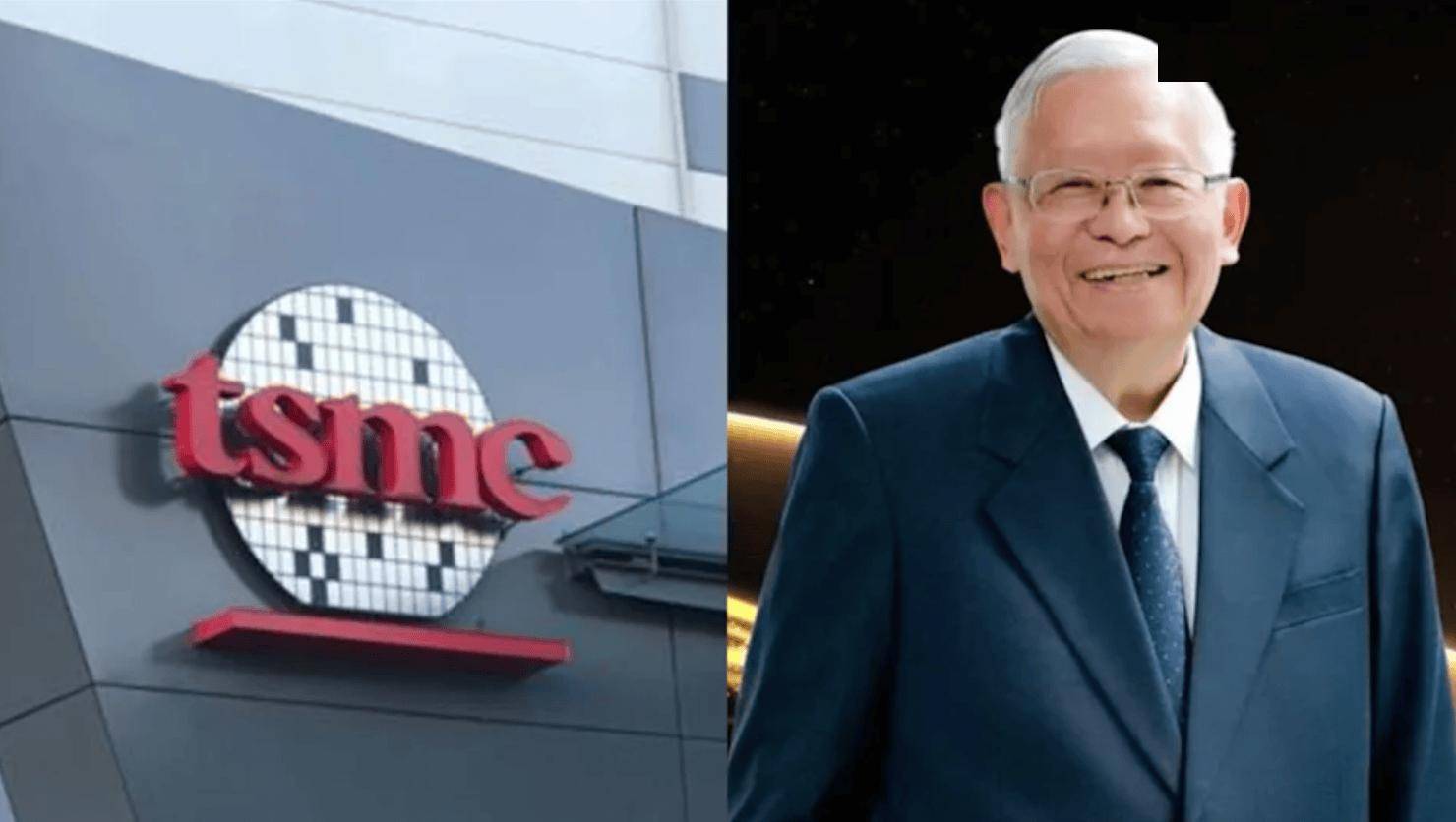
英特尔取得利用集成熔丝模块化衬底设计的微电子器件专利
Jin Rong Jie· 2025-11-27 12:41
Core Viewpoint - Intel has obtained a patent for a microelectronic device utilizing a modular substrate design with integrated fuses, indicating ongoing innovation in semiconductor technology [1] Group 1 - The patent is titled "Microelectronic device utilizing modular substrate design with integrated fuses" [1] - The patent was granted under announcement number CN109216318B [1] - The application date for the patent was May 2018 [1]
高管跳槽引爆争议:英特尔(INTC.US)驳斥台积电(TSM.US)泄密指控,先进制程角力加剧
智通财经网· 2025-11-27 09:13
Core Viewpoint - Intel denies allegations from TSMC regarding the leakage of trade secrets by former TSMC executive Lo Wen-jen, emphasizing its commitment to protecting intellectual property and welcoming Lo's return to the company [1][2]. Group 1: Allegations and Responses - TSMC has filed a lawsuit against Lo Wen-jen, claiming he may have leaked confidential information to Intel, prompting an investigation by Taiwan's Ministry of Economic Affairs [2]. - Intel's CEO Lip-Bu Tan refuted any speculation of wrongdoing, asserting that the company respects all chip manufacturing intellectual property [2][3]. Group 2: Industry Context - Intel and TSMC have a complex relationship, where Intel is both a customer and a competitor to TSMC, which holds a dominant position in the semiconductor foundry market [3]. - TSMC's market capitalization exceeds $1.15 trillion, making it the leading chip foundry globally, far surpassing Intel's historical prominence in the semiconductor industry [2]. Group 3: Intel's Strategic Shift - Intel is focusing on advanced process technology to compete with TSMC and Samsung, aiming to develop cutting-edge chips at 2nm and below [4][5]. - The company is transitioning to a foundry model, targeting high-end chip manufacturing for major clients like NVIDIA and AMD, with the success of its 18A and 16A technologies being crucial for its turnaround [5].
台积电前高管转投英特尔惹争议
Sou Hu Cai Jing· 2025-11-27 06:22
Core Points - The former senior vice president of TSMC, Luo Wei-ren, plans to join Intel as an executive vice president, prompting TSMC to file for a temporary injunction to prevent his transition [2] - The case has garnered significant attention, particularly regarding whether Luo can retain his status as an "Academician of the Industrial Technology Research Institute" [2] - TSMC's legal action is based on concerns over potential leakage of core technologies if Luo joins a competitor, citing employment contracts and non-compete clauses as legal grounds [2][3] Group 1 - TSMC has filed a request with the Intellectual Property and Commercial Court to prohibit Luo Wei-ren from taking up his new position at Intel, with the court confirming the case has been accepted [2] - The Ministry of Economic Affairs has initiated procedures to revoke Luo's academician status, indicating that his actions may violate security and trade secret laws [2] - TSMC emphasizes the need to protect trade secrets and has requested the court to keep related information confidential until the case is clarified [2] Group 2 - Prior to his retirement, Luo allegedly instructed subordinates to compile technical briefs covering TSMC's advanced processes, including 2nm and A16 technologies, and is suspected of taking confidential documents with him [3] - Luo joined TSMC in 2004 and has been instrumental in key technology development, holding over 1,500 patents and playing a crucial role in overcoming the 10nm process technology bottleneck [3] - His leadership in the "Night Owl Project" established a continuous R&D operation model, significantly supporting TSMC's success in critical process nodes [3]
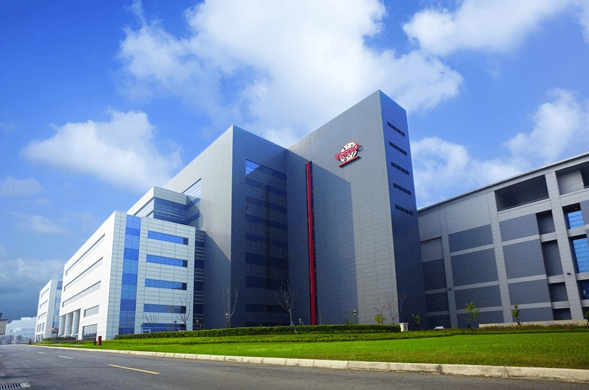
英特尔CEO陈立武:完全支持罗唯仁,台积电的指控毫无根据!
Sou Hu Cai Jing· 2025-11-27 06:17
Group 1 - TSMC has filed a lawsuit against former senior vice president Luo Wei-ren for allegedly taking confidential information related to 2nm and advanced processes to Intel [2][3] - Intel CEO Pat Gelsinger expressed full support for Luo, stating that the accusations from TSMC are baseless and emphasizing the company's commitment to respecting intellectual property [2] - Gelsinger highlighted Luo's return to Intel after 18 years, where he was responsible for wafer process technology development, and dismissed the allegations as rumors and speculation [2] Group 2 - TSMC's lawsuit is based on the employment contract signed with Luo, which includes confidentiality and non-compete clauses, asserting that he violated these agreements by joining Intel shortly after leaving TSMC [3] - TSMC believes there is a high likelihood that Luo may have used or disclosed its trade secrets to Intel, prompting the legal action for breach of contract and potential damages [3]
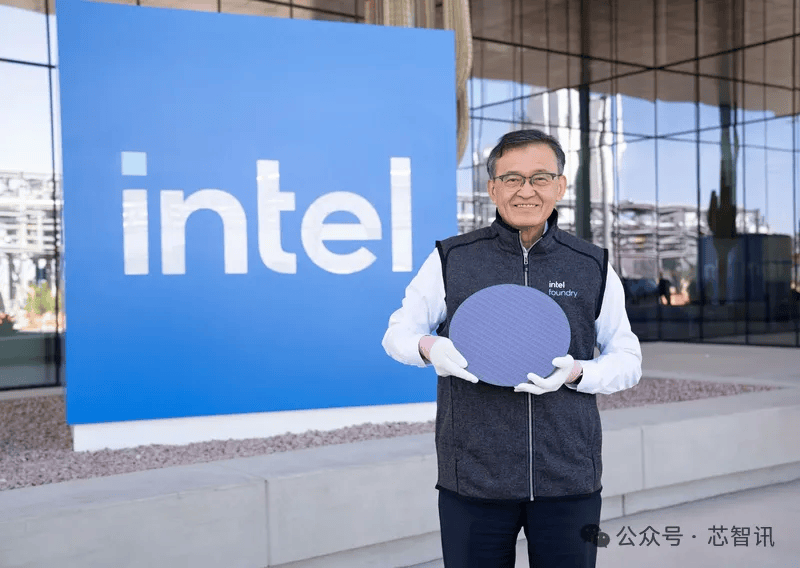
员工跳槽引发巨头激烈对峙!台积电:罗唯仁涉嫌将2nm等先进制程机密泄露给英特尔,英特尔回击:毫无依据
Ge Long Hui· 2025-11-27 05:01
Core Viewpoint - Intel has responded to TSMC's lawsuit, emphasizing its strict policies against the use or transfer of third-party confidential information and intellectual property [1] Group 1 - TSMC has filed a lawsuit against Intel, accusing former senior vice president Luo Wei-ren of violating confidentiality agreements and non-compete obligations [1] - The lawsuit alleges that Luo Wei-ren leaked advanced process secrets, including those related to 2nm technology, to Intel [1] - Intel asserts its commitment to upholding confidentiality and compliance with corporate policies [1]

员工跳槽引发激烈对峙:台积电称已泄密,英特尔回击
Di Yi Cai Jing· 2025-11-27 04:16
Core Viewpoint - The semiconductor industry is currently facing a significant controversy involving Intel and TSMC, centered around allegations of trade secret theft related to advanced manufacturing processes [1][2]. Group 1: Legal Dispute - TSMC has filed a lawsuit against former senior vice president Luo Wei-ren, accusing him of violating confidentiality agreements and transferring proprietary information about 2nm technology to Intel [1]. - Intel has responded by asserting that it has strict policies in place to prevent the use or transfer of third-party confidential information, labeling TSMC's claims as unfounded rumors [2]. Group 2: Technological Developments - Intel's 18A process technology, which utilizes RibbonFET transistors and PowerVia technology, has commenced mass production in Arizona, achieving a 30% increase in transistor density and a 15% performance improvement at the same energy consumption compared to the previous generation [2]. - The differences between Intel's and TSMC's process technologies are highlighted, with Intel being an early adopter of High-NA EUV technology, which TSMC has not yet implemented [2]. Group 3: Market Dynamics - The global pure wafer foundry industry is projected to see a 33% year-on-year revenue growth in Q2 2025, driven primarily by the application of advanced processes in AI GPU sectors [3]. - Intel's ability to enhance the yield of its 18A process to commercial levels within the next 1-2 years is critical, as failure to do so may result in losing its competitive edge in the high-end foundry market to TSMC and Samsung [3].