
先进制程

Search documents
晶晨股份(688099):盈利能力持续提升,端侧AI开启新程
NORTHEAST SECURITIES· 2026-03-31 05:47
Investment Rating - The report maintains a "Buy" rating for the company, indicating expected stock price growth exceeding the market benchmark by 5% to 15% over the next six months [4]. Core Insights - The company achieved a record high in revenue for 2025, with total revenue reaching 6.793 billion yuan, a year-on-year increase of 14.63%. The net profit attributable to shareholders was 873 million yuan, reflecting a growth of 6.21% year-on-year [1]. - In Q4 2025, the company reported revenue of 1.722 billion yuan, a significant increase of 33.89% year-on-year, although it saw a slight decline of 1.07% quarter-on-quarter. The net profit for this quarter was 175 million yuan, down 23.19% year-on-year and 12.92% quarter-on-quarter [1]. - The company demonstrated strong operational resilience, with chip sales surpassing 174 million units despite fluctuations in the global semiconductor cycle. The gross margin improved from 36.23% in Q1 to 40.46% in Q4, leading to an annual gross margin of 37.97%, up 1.42 percentage points year-on-year [1]. - The company has made significant advancements in its product offerings, achieving nearly 9 million units in sales of SoC chips based on 6nm technology in 2025, with expectations to reach 30 million units in 2026 [2]. - The company has established a comprehensive platform covering multimedia, connectivity, AIoT, and automotive sectors, enhancing its growth potential through a diversified product lineup [2]. - The company is a leader in edge AI chips, with over 20 self-developed NPU chips already integrated into its products. The shipment of edge AI chips exceeded 20 million units in 2025, marking a year-on-year growth of nearly 160% [3]. - The company has formed deep partnerships with nearly 270 global operators in the B2B sector and collaborated with major companies like Google, Samsung, and Walmart in the B2C sector [3]. - Revenue is projected to grow by 25% to 45% year-on-year, driven by the increasing demand for edge AI computing capabilities [3]. Financial Summary - For 2025, the company reported total revenue of 6,793 million yuan and a net profit of 873 million yuan. The projected revenues for 2026, 2027, and 2028 are 8,916 million yuan, 11,101 million yuan, and 13,626 million yuan, respectively, indicating a compound annual growth rate of 31.25%, 24.50%, and 22.75% [4][10]. - The net profit forecasts for 2026, 2027, and 2028 are 1,461 million yuan, 1,876 million yuan, and 2,310 million yuan, respectively, with corresponding P/E ratios of 23, 18, and 15 [4][10]. - The company’s gross margin is expected to improve, with projections of 38.0% in 2025, 38.9% in 2026, and 39.9% in 2027 and 2028 [10].

电子行业深度报告:AIASIC:从台系ASIC厂商发展历程看国产产业链机遇
Soochow Securities· 2026-03-25 05:24
Investment Rating - The report maintains an "Accumulate" rating for the electronic industry, specifically focusing on AI ASIC opportunities within the domestic supply chain [1]. Core Insights - The ASIC design service industry is characterized by significant technical barriers and economies of scale, which create a competitive moat for service providers. The complexity of advanced processes has established these service providers as key players in the industry [10][14]. - The rise of Taiwanese ASIC supply chains is attributed to continuous upgrades in business models and a shift towards high-value AI/HPC orders. Companies like Alchip have evolved from contract ASIC design to a comprehensive turnkey platform, enhancing their capabilities in advanced processes and packaging [16][29]. - Customer stickiness for ASIC service providers is derived from deep integration with advanced process and packaging platforms, which creates a comprehensive competitive advantage. This integration leads to increased switching costs for clients, solidifying long-term relationships [42][44]. Summary by Sections 1. ASIC Design Services: Technical Complexity and Cost Optimization - The increasing complexity of advanced processes has made ASIC service providers essential intermediaries, ensuring successful first silicon and system-level stability [10]. - Cost optimization is achieved through economies of scale, allowing service providers to distribute high fixed development costs across multiple projects, thus reducing marginal costs and enhancing delivery efficiency [14][15]. 2. Growth Potential from Taiwanese ASIC Supply Chains - Alchip's evolution from a contract ASIC design firm to a turnkey service provider has positioned it well for high-value AI/HPC orders, with a focus on advanced nodes and packaging capabilities [16][19]. - Global Unichip (GUC) has also transitioned to a platform-based model, integrating advanced packaging and IP supply, which enhances its competitiveness in the AI/HPC market [29][34]. 3. Customer Stickiness of ASIC Service Providers - The ability to deeply integrate with foundry and packaging platforms is crucial for ASIC service providers, as it enhances their project acquisition and management capabilities [42][43]. - GUC's focus on AI/HPC solutions emphasizes the integration of high-bandwidth memory and advanced packaging, showcasing the necessity of a comprehensive development framework for complex projects [44].

电子行业深度报告AIASIC:从台系ASIC厂商发展历程看国产产业链机遇
Soochow Securities· 2026-03-25 05:13
Investment Rating - The report maintains an "Accumulate" rating for the electronic industry, specifically focusing on AI ASIC opportunities within the domestic supply chain [1]. Core Insights - The ASIC design service industry is characterized by significant technical barriers and economies of scale, which create a competitive moat for service providers. The complexity of advanced processes has established these service providers as key players in the industry, with their value being reassessed under advanced process technologies [5][10]. - The rise of Taiwanese ASIC supply chains is attributed to continuous upgrades in business models and a shift towards high-value AI/HPC orders. Companies like Alchip have evolved from contract ASIC/SoC design to a comprehensive turnkey platform, enhancing their capabilities in advanced packaging and process technologies [5][16]. - Customer stickiness for ASIC service providers is derived from their ability to integrate deeply with foundry and advanced packaging ecosystems, providing comprehensive solutions that increase switching costs for clients [5][42]. Summary by Sections 1. ASIC Design Services: Dual Drivers of Technical Complexity and Cost Optimization - The increasing complexity of advanced processes has made ASIC service providers essential intermediaries, ensuring successful first silicon and system-level stability [10][11]. - Cost optimization is achieved through economies of scale, allowing service providers to distribute high fixed development costs across multiple projects, thus reducing marginal costs and enhancing delivery efficiency [14][15]. 2. Growth Potential from the Rise of Taiwanese ASIC Supply Chains - Alchip's evolution from a contract design firm to a turnkey service provider highlights the industry's shift towards high-value AI/HPC orders, with a focus on advanced process nodes [16][19]. - GUC has also transitioned to a platform-based model, integrating advanced packaging capabilities and focusing on AI/HPC applications, which enhances its growth trajectory [29][34]. 3. Customer Stickiness of ASIC Service Providers - The competitive advantage of ASIC design service providers lies in their deep integration with foundry platforms and their ability to provide comprehensive, system-level solutions that meet the increasing complexity of AI/HPC projects [42][44]. - The integration of advanced packaging and high-speed interconnects into a unified development framework is crucial for meeting the demands of high-complexity AI/HPC projects [44][45].
谁在决定良率?揭秘AI芯片狂飙背后的“隐形控制力”
半导体行业观察· 2026-03-25 00:40
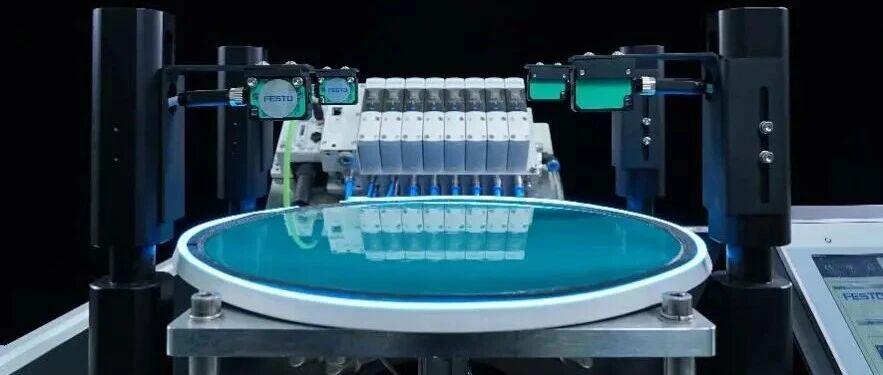
Core Viewpoint - The article emphasizes the critical importance of precision control in semiconductor manufacturing, particularly in the context of AI-driven advancements and the increasing complexity of manufacturing processes [2][4][18]. Group 1: Importance of Control Systems - The evolution of semiconductor manufacturing has shifted from optimizing single process nodes to managing a highly coupled dynamic system that requires extreme precision, stability, and cleanliness [2][4]. - Festo, a key player in automation, highlights that the core components driving equipment functionality are essential for achieving process innovations, underscoring the importance of control systems in the AI era [3][4]. Group 2: Festo's Technological Solutions - Festo presented four core technological solutions at the SEMICON China 2026 conference, showcasing how control capabilities translate into manufacturing value across various processes [6][18]. - The pneumatic system has evolved to achieve micron-level precision, crucial for maintaining stability and yield in advanced semiconductor processes [7][8]. - Festo's non-contact wafer warping solution addresses the challenges posed by warped wafers, ensuring stable handling and improved bonding yields [10]. - The Transfer Valve control solution enhances cleanliness by reducing vibration and particle generation during valve operations, significantly improving overall process cleanliness [13][14]. - Festo's liquid control solution utilizes piezo technology to achieve precise liquid dispensing and recovery, ensuring zero droplet and zero contamination during critical processes [16][18]. Group 3: Localization Strategy - Festo has invested in a comprehensive localization strategy in China, employing over 400 technical personnel to support product design, customization, and on-site validation, ensuring rapid response to local OEM demands [20]. - The establishment of a semiconductor innovation center in Shanghai aims to create an independent quality and delivery system, facilitating a transformation in China's semiconductor equipment capabilities [20]. Conclusion - The article concludes that in the age of AI computing, the ability to maintain precise control over manufacturing processes is essential for achieving breakthroughs in semiconductor technology, with Festo's solutions playing a pivotal role in this evolution [21].

华虹半导体Q4销售收入同比增22.4%,母公司拥有人应占利润为1750万美元,去年同期为亏损2520万美元
Hua Er Jie Jian Wen· 2026-02-12 08:56
Core Insights - Huahong Semiconductor reported a significant revenue rebound and profitability recovery in Q4, driven by strong demand in consumer electronics and the domestic market, successfully reversing the losses from the previous quarter [1] Financial Performance - Q4 sales revenue reached $659.9 million, a substantial increase of 22.4% quarter-over-quarter, aligning with the upper end of the company's prior guidance [1] - Gross margin improved to 13.0%, with a net profit of $34.1 million, compared to a loss of $40.5 million in the previous quarter, indicating a substantial performance turnaround [1] - Annual gross profit was $282.9 million, a year-over-year increase of 37.9, but net profit remained modest due to high operating expenses totaling $425.6 million and financing costs of $2.23 million [2] Production and Capacity Utilization - Overall capacity utilization reached 103.8% in Q4, with both 8-inch and 12-inch production lines operating at full capacity [1][4] - Q4 wafer shipments totaled 486,000 8-inch equivalent wafers, with an annual shipment of 1.448 million wafers, reflecting a year-over-year growth of 19.4% [4] Product and Market Segmentation - Revenue from 12-inch products in Q4 was $407 million, accounting for 61.7% of total revenue, up from 53.2% year-over-year [3] - The 65nm product revenue was $186.7 million, representing 28.3% of total revenue, with a year-over-year growth of 44.7% [3] - Consumer electronics accounted for 63.7% of revenue, with a year-over-year increase of 21.8%, while industrial and automotive applications grew by 18.3% [3] Future Outlook - The company anticipates that by the end of 2025, the FAB9 (12-inch) and FAB5 production lines will reach full capacity, further increasing the share of 12-inch products and advanced process capacity [6] - The product mix is shifting towards high-value areas, with embedded non-volatile memory business revenue growing by 106.1% year-over-year [6] - The company reported a significant increase in contract liabilities, reflecting improved pre-order situations [6]
富创精密:全球化产能布局完善,先进制程加速推进-20260209
China Post Securities· 2026-02-09 10:24
Investment Rating - The report maintains a "Buy" rating for the company, indicating an expected relative increase in stock price of over 20% compared to the benchmark index within the next six months [5][10]. Core Insights - The company is strategically investing in core assets, which may lead to temporary profit pressure. It is projected to incur a net loss attributable to shareholders of between -12 million to -6 million yuan in 2025, primarily due to increased investments in key resources, advanced capacity, and talent reserves [3][5]. - The company has successfully completed its domestic and international capacity layout in Shenyang, Nantong, Beijing, and Singapore, significantly increasing its fixed asset scale to approximately 4.9 billion yuan, a growth of about 3.5 billion yuan compared to 2022 [4]. - The company is focusing on advanced process development, with new projects such as gas distribution plates and special coatings already validated and in mass production [4][10]. - The company is expected to achieve revenues of 3.75 billion, 5 billion, and 7 billion yuan in 2025, 2026, and 2027 respectively, with a projected net profit of -0.08 billion, 0.3 billion, and 0.66 billion yuan for the same years [5][9]. Financial Projections - Revenue is projected to grow at rates of 47.14%, 23.48%, 33.49%, and 39.80% for the years 2024, 2025, 2026, and 2027 respectively [9][12]. - The company’s EBITDA is expected to increase from 507.87 million yuan in 2024 to 1.41 billion yuan in 2027 [9]. - The net profit attributable to shareholders is forecasted to recover from a loss of 7.9 million yuan in 2025 to a profit of 660.43 million yuan in 2027, reflecting a significant turnaround [9][12].

中国豪夺70%成熟制程产能
半导体芯闻· 2026-02-09 10:10
Core Viewpoint - The global semiconductor industry is undergoing structural adjustments, with 70% of mature process chip orders concentrated in Chinese factories by the end of 2025 to early 2026, indicating a significant shift in the semiconductor manufacturing landscape [1][2]. Group 1: Market Dynamics - The shift in orders is primarily focused on 28nm and above process nodes, breaking the long-standing balance in global semiconductor manufacturing and raising concerns about China's influence on global semiconductor rules [1]. - In 2023, China held a 52% share of mature process orders, which has rapidly increased, positioning China as a crucial hub in the global foundry system [1][2]. - The U.S. export controls have created a "loophole" that allows Chinese semiconductor companies to capture global orders, particularly as competitors like Toshiba face idle factories [2]. Group 2: Competitive Landscape - Despite the significant order concentration, the data has limitations: it pertains only to 28nm and above processes, while TSMC maintains over 70% market share in advanced processes below 14nm, indicating that local companies like SMIC still have a limited presence in this segment [2]. - The overall global semiconductor market sees China as the largest consumer, yet domestic chips account for only 25% to 30% of the global market share, highlighting a disparity in the production of core materials and equipment [2][3]. Group 3: Production Capacity and Cost Advantage - China has over 40 mature process wafer fabs in operation, ranking high globally in total capacity and showcasing diverse production capabilities to meet various market demands [3]. - The cost advantage of Chinese semiconductor manufacturing is significant, with production costs 30% to 40% lower than those of foreign counterparts, attributed to increasing domestic equipment and material sourcing, competitive labor costs, and a well-developed industrial ecosystem [3]. - SMIC's 28nm process has achieved a yield rate of around 98%, demonstrating minimal gap with international standards, which creates a strong competitive barrier [3]. Group 4: Future Outlook - The concentration of 70% of mature process orders in China signifies that the country has established a solid foundation in the semiconductor industry, providing stable cash flow and a large industrial scale that could support future technological advancements [4].


日本芯片,“复仇”韩国?
3 6 Ke· 2026-02-09 05:13
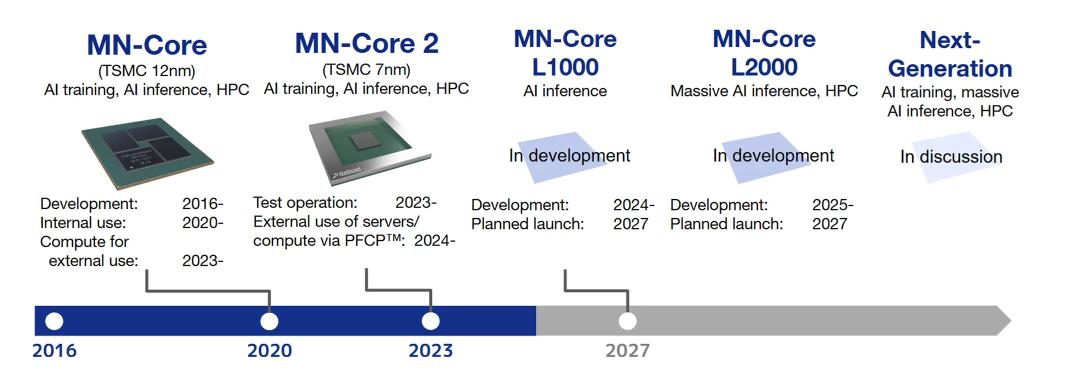
Group 1 - The global storage industry has undergone a significant power shift over the past thirty years, with Japan losing its dominance in the DRAM market to South Korean manufacturers [1][2][10] - In the 1980s, Japanese companies held over 50% of the global DRAM market share, benefiting from a strong manufacturing base and government support for semiconductor development [3][4][8] - The decline of Japanese DRAM dominance began in the 1990s due to economic challenges, structural changes in the DRAM industry, and increased competition from South Korean firms like Samsung and SK Hynix [8][9][10] Group 2 - High Bandwidth Memory (HBM) has emerged as a critical component in AI computing, with South Korean manufacturers capitalizing on their expertise in DRAM technology to dominate this market [12][13] - Japan's current presence in the HBM market is minimal, primarily limited to materials and equipment, lacking significant production capacity or technological advancements [13][14] - The introduction of SAIMEMORY, a subsidiary of SoftBank, aims to innovate in memory technology with the development of Z-Angle Memory (ZAM), which seeks to overcome limitations of current memory architectures [15][16][18] Group 3 - Japan's semiconductor strategy has shifted from attempting to regain past dominance to focusing on securing positions in key technological areas, such as advanced logic processes and packaging technologies [19][20][30] - The establishment of Rapidus represents Japan's effort to maintain a foothold in advanced semiconductor manufacturing, collaborating with IBM and ASML to ensure technological relevance [19][20] - Japanese companies are also investing in AI chip development, with firms like PFN and EdgeCortix leading initiatives to create specialized AI processors for various applications [21][26][28] Group 4 - The overall strategy for Japan's semiconductor industry is to avoid direct competition with South Korea and the U.S. by focusing on niche markets and innovative technologies rather than scale [30][31] - Japan's renewed focus on semiconductor technology reflects a strategic re-evaluation of its position in the global market, aiming to redefine its role in the evolving landscape of AI and memory technologies [29][30]
日本芯片,“复仇”韩国?
半导体行业观察· 2026-02-07 03:31
Core Viewpoint - The global memory industry has undergone a significant power shift over the past three decades, with Japan losing its dominance in DRAM to South Korean manufacturers, who now benefit from the lucrative HBM market driven by AI demands. Japan is attempting a comeback through innovative memory technologies and strategic partnerships [2][6][24]. Historical Context - In the 1980s and 1990s, Japanese companies dominated the DRAM market, holding over 50% market share, supported by government-led initiatives and a strong domestic supply chain [3][4]. - The decline of Japanese DRAM manufacturers began in the 1990s due to economic challenges, structural market changes, and increased competition from South Korea, leading to a shift in focus towards other semiconductor areas [5][6]. South Korea's Rise - South Korean firms, particularly Samsung and SK Hynix, adopted aggressive strategies, including government support and a willingness to incur losses for market share, which allowed them to dominate the DRAM market and later the HBM segment essential for AI applications [6][7]. Japan's Current Challenges - Japan currently lacks significant DRAM production capacity and HBM technology, with its presence limited to materials and equipment, raising concerns about its ability to define core device forms in the evolving computing landscape [7][9]. Japan's Strategic Response - SAIMEMORY, a new memory company under SoftBank, aims to commercialize Z-Angle Memory (ZAM), a 3D memory technology that could potentially outperform HBM in terms of power efficiency and bandwidth [9][10][11]. - Japan's semiconductor strategy has shifted from broad ambitions to focusing on key technological nodes, such as advanced logic processes and packaging technologies, to ensure a competitive edge [12][13]. AI Chip Development - Japanese companies are forming a diverse AI chip ecosystem, with firms like PFN and EdgeCortix developing specialized processors for AI applications, indicating a strategic pivot towards niche markets rather than direct competition with established players like NVIDIA [14][19][22]. Conclusion - Japan's current approach reflects a realistic strategy to regain its footing in the semiconductor industry by focusing on innovation and strategic partnerships rather than attempting to replicate past successes in scale [24].
恒运昌(688785.SH):第三代产品Aspen系列可支撑先进制程,达到国际先进水平
Ge Long Hui· 2026-02-05 13:44
Core Viewpoint - The company, Hengyun Chang (688785.SH), is focusing on developing a product matrix centered around plasma technology, aiming to break the long-standing monopoly of major American companies in the domestic market [1] Group 1: Product Development - The company has developed a range of self-researched products including plasma RF power systems, plasma excitation devices, and plasma DC power supplies, along with essential components like vacuum pumps and mass flow meters [1] - The company has established a comprehensive technical system with three foundational technologies and eight supporting technologies, covering key aspects such as signal sampling, phase locking, and rapid frequency modulation [1] Group 2: Market Position - Over the past decade, the company has launched three product series: CSL, Bestda, and Aspen, successfully breaking the domestic monopoly held by two major American companies for decades [1] - The second-generation Bestda series supports 28nm processes, while the third-generation Aspen series is designed for advanced processes, achieving international advanced levels and filling a domestic gap [1] Group 3: Future Developments - The latest generation of plasma RF power systems, the Cedar series, is currently in the validation stage and targets cutting-edge process fields [1]