WINGTECH(600745)

Search documents
闻泰科技:敦促安世荷兰切实回应沟通解决控制权问题 保障全球供应链稳定
Zheng Quan Ri Bao Zhi Sheng· 2025-11-23 13:41
Group 1 - The core viewpoint of the article is that Wentai Technology urges Nexperia Netherlands to respond to communication regarding control issues to ensure global supply chain stability [1][2] - Wentai Technology has expressed concerns about unilateral actions by Nexperia Netherlands that threaten the stability of the global semiconductor industry [1] - The company has shown willingness to engage in constructive dialogue to resolve the current dispute and restore its legitimate control rights [1] Group 2 - The statement emphasizes the importance of rational and responsible actions from all parties to maintain the stability and prosperity of the semiconductor industry [2] - Wentai Technology calls for Nexperia Netherlands to propose constructive and sincere solutions based on respect for facts and laws [1]

闻泰科技,最新发声!
证券时报· 2025-11-23 13:27
Core Viewpoint - The company emphasizes the need for constructive communication with ASML Netherlands to restore its legitimate control and shareholder rights, highlighting the importance of global semiconductor supply chain stability [2][4]. Group 1: Company Statements - On November 23, the company released a statement urging ASML Netherlands to respond to its proposals for resolving control issues, expressing disappointment over the lack of substantial replies from ASML [2][4]. - The company has shown goodwill and a responsible attitude, seeking to engage in constructive dialogue to resolve the current disputes and ensure the stability of global chip supply [4][6]. Group 2: Government Interactions - On November 18 and 19, discussions took place between Chinese and Dutch government departments regarding the ASML issue, with China stressing that the responsibility for the current semiconductor supply chain chaos lies with the Netherlands [6]. - The Dutch Minister of Economic Affairs announced the suspension of an administrative order related to ASML, but the company clarified that a court ruling from October 7, 2025, still restricts its control over ASML [6][7]. Group 3: Demands for Resolution - The company insists that any resolution must restore its complete rights as a shareholder and its legitimate control over ASML, rejecting any attempts to legitimize illegal outcomes [7]. - The company calls for the permanent withdrawal of the administrative order and the restoration of ASML to its status prior to September 29, 2025, emphasizing that any solution must be based on restoring its rights [7].

闻泰科技最新声明
券商中国· 2025-11-23 12:59
关于敦促安世荷兰切实回应沟通解决控制权问题以保障全球供应链稳定的声明 近日,我方注意到安世荷兰及其相关方的一系列单方面行为,已对全球半导体产业链的稳定构成潜在威 胁。为避免局势进一步升级,维护各方合法权益,我司特此发表声明如下: 百万用户都在看 直线飙涨!人工智能,重磅传来! 凌晨,直线猛拉!英伟达,重大发布! 利空突袭!集体大跌! 深夜!全线大跌!美股,利空来袭! 违法和不良信息举报电话:0755-83514034 邮箱:bwb@stcn.com 看券商中国 知天下财经 鉴于此,我们要求安世荷兰能在切实尊重事实和法律的基础上,就如何恢复闻泰科技的合法控制权与完整 股东权利,提出具有建设性且真正富有诚意的解决方案。 全球半导体产业的稳定关乎行业发展大局。我们再次呼吁各方以理性、负责任的态度行事,共同维护安世 半导体的稳定与繁荣,保障全球客户的供应链安全。 闻泰科技股份有限公司 2025年11月23日 来源:闻泰科技 责编: 刘珺宇 校 对: 吕久彪 自荷兰经济部不当干预以来,本着负责任的态度和维护全球客户利益的原则,在中国相关政府部门的大力 帮助与推动下,我方已主动释放善意,明确表达了愿意与安世荷兰方面就如何 ...

宏观周报:增强消费品供需适配性,进一步促进消费-20251123
KAIYUAN SECURITIES· 2025-11-23 12:44
Domestic Macro Policy - The Chinese government is focusing on enhancing the adaptability of consumer goods supply and demand to further promote consumption, with a strategic emphasis on the "Two Heavy" construction during the 14th Five-Year Plan period[2] - The National Development and Reform Commission (NDRC) has recommended 105 infrastructure REITs projects, with a total fund issuance of 207 billion yuan, expected to drive over 1 trillion yuan in new project investments[12] - The Ministry of Finance emphasizes improving the effectiveness of fiscal policy and macroeconomic regulation to better promote high-quality development during the 14th Five-Year Plan period[14] Infrastructure and Industry Policy - By 2030, a multi-level and efficient renewable energy consumption and regulation system is expected to be established, with new electricity demand primarily met by new renewable energy generation[3] - As of October 29, 500 billion yuan in new policy financial tools have been fully deployed, supporting key areas of private investment projects[12] Real Estate Policy - Policies are being implemented to accelerate the construction of quality housing and promote urban renewal actions across various cities, including Shanghai and Chengdu[16] Financial Regulation - China International Capital Corporation (CICC) announced a merger with Dongxing Securities and Xinda Securities through a share swap, aiming to enhance its capabilities in the investment banking sector[18] Overseas Macro Policy - The probability of a Federal Reserve rate cut in December has increased to approximately 70%, with significant discussions among officials regarding the need for further rate adjustments[23] - The U.S. government has ended its shutdown, which had significant economic implications, with losses estimated at 1.5 trillion yuan[26] Risk Warning - There is a persistent divergence in domestic and foreign monetary policies, with domestic policy execution potentially falling short of expectations[29]



闻泰科技:安世荷兰迄今未对我方的沟通提议作出任何实质性回应
Guan Cha Zhe Wang· 2025-11-23 12:36
闻泰科技 2025年11月23日 18:42 江苏 微信公众号"闻泰科技"11月23日发布声明,敦促安世荷兰切实回应沟通解决控制权问题以保障全球供应链稳定。 以下为声明全文: 近日,我方注意到安世荷兰及其相关方的一系列单方面行为,已对全球半导体产业链的稳定构成潜在威胁。为避免 局势进一步升级,维护各方合法权益,我司特此发表声明如下: 自荷兰经济部不当干预以来,本着负责任的态度和维护全球客户利益的原则,在中国相关政府部门的大力帮助与推 动下,我方已主动释放善意,明确表达了愿意与安世荷兰方面就如何恢复闻泰科技的合法控制权、妥善解决当前争 端进行建设性沟通。我们始终相信,通过坦诚对话解决分歧,是保障公司正常运营和全球芯片供应稳定的切实正确 途径。 然而,令人深感遗憾与不解的是,尽管我方展现出最大诚意,安世荷兰方面迄今未对我方的沟通提议作出任何实质 性回应。 鉴于此,我们要求安世荷兰能在切实尊重事实和法律的基础上,就如何恢复闻泰科技的合法控制权与完整股东权 利,提出具有建设性且真正富有诚意的解决方案。 全球半导体产业的稳定关乎行业发展大局。我们再次呼吁各方以理性、负责任的态度行事,共同维护安世半导体的 稳定与繁荣,保 ...

三天内第二次!闻泰科技再发声明
第一财经· 2025-11-23 12:18
Core Viewpoint - The article discusses the recent developments regarding the control and asset freeze of Anshi Semiconductor, a subsidiary of Wentai Technology, highlighting the potential threats to the global semiconductor supply chain and the ongoing legal and administrative challenges faced by the company [3][4][5]. Group 1: Company Developments - Wentai Technology issued a statement urging Anshi Netherlands to respond constructively to resolve control issues and ensure the stability of the global supply chain [3]. - The Dutch Minister of Economic Affairs announced the suspension of an administrative order that previously restricted Anshi Semiconductor and its subsidiaries from making any adjustments to their assets and operations for a year [4]. - Despite the suspension of the administrative order, the emergency measures imposed by the Amsterdam court remain in effect, limiting Wentai Technology's control over Anshi Semiconductor [5]. Group 2: Financial Implications - Anshi Semiconductor reported an annual revenue of approximately 14.7 billion yuan [6]. - Wentai Technology indicated that if control over Anshi is not restored by the end of 2025, the company may face risks of revenue, profit, and cash flow adjustments [6]. - The Dutch government's actions against Anshi Semiconductor have been criticized as excessive intervention based on geopolitical biases, citing "national security" concerns [6].
刚刚!闻泰科技最新发声
是说芯语· 2025-11-23 12:05
Core Viewpoint - The company emphasizes the importance of constructive communication with Nexperia Netherlands to resolve control issues and ensure the stability of the global semiconductor supply chain [1][2]. Group 1: Company Position - The company has expressed a willingness to engage in constructive dialogue with Nexperia Netherlands to restore its legitimate control and resolve the current dispute, highlighting a responsible attitude and commitment to global customer interests [1][4]. - Despite the company's efforts to initiate communication, Nexperia Netherlands has not provided any substantial response to the proposals made by the company [2][4]. Group 2: Industry Implications - The stability of the global semiconductor industry is crucial for the overall development of the sector, and the company calls for all parties to act rationally and responsibly to maintain the stability and prosperity of the semiconductor industry [2][4].
三天内第二次!闻泰科技再发声明
Di Yi Cai Jing· 2025-11-23 12:00
Core Viewpoint - The unilateral actions of Nexperia Netherlands and related parties pose a potential threat to the stability of the global semiconductor supply chain [1][2]. Group 1: Company Developments - Wentech Technology's subsidiary, Nexperia Semiconductor, has had its assets frozen and control restricted, prompting the company to issue a statement urging Nexperia Netherlands to respond constructively to resolve control issues and ensure global supply chain stability [2][3]. - Despite Wentech's efforts to communicate, Nexperia Netherlands has not provided any substantial response, leading to concerns about the ongoing situation [2]. - The Dutch Minister of Economic Affairs announced on November 19 that an administrative order against Nexperia Semiconductor has been suspended, which Wentech views as a step towards addressing the current issues [2][3]. Group 2: Legal and Regulatory Context - The emergency measures imposed by the Amsterdam Enterprise Court remain in effect, requiring the Dutch Ministry of Economic Affairs to fully resolve the issues surrounding Nexperia Semiconductor [3]. - These emergency measures include the suspension of Zhang Xuezheng from his role as executive director of Nexperia Semiconductor and the management of Wentech's shares in Nexperia by an independent third party [3]. - Wentech has indicated that even with the suspension of the administrative order, its control over Nexperia Semiconductor remains limited, and the company is exploring legal remedies to protect its rights [3]. Group 3: Financial Implications - Nexperia Semiconductor reported revenue of approximately 14.7 billion yuan last year [4]. - Wentech has warned that if control over Nexperia is not restored by the end of 2025, the company may face risks of revenue, profit, and cash flow adjustments [4]. - The Dutch government's actions against Nexperia Semiconductor, justified by alleged "national security" concerns, are viewed by Wentech as excessive interference based on geopolitical biases [4].
安世母公司闻泰科技最新发声
Xin Lang Cai Jing· 2025-11-23 11:47
自荷兰经济部不当干预以来,本着负责任的态度和维护全球客户利益的原则,在中国相关政府部门的大 力帮助与推动下,我方已主动释放善意,明确表达了愿意与安世荷兰方面就如何恢复闻泰科技的合法控 制权、妥善解决当前争端进行建设性沟通。我们始终相信,通过坦诚对话解决分歧,是保障公司正常运 营和全球芯片供应稳定的切实正确途径。 然而,令人深感遗憾与不解的是,尽管我方展现出最大诚意,安世荷兰方面迄今未对我方的沟通提议作 出任何实质性回应。 鉴于此,我们要求安世荷兰能在切实尊重事实和法律的基础上,就如何恢复闻泰科技的合法控制权与完 整股东权利,提出具有建设性且真正富有诚意的解决方案。 全球半导体产业的稳定关乎行业发展大局。我们再次呼吁各方以理性、负责任的态度行事,共同维护安 世半导体的稳定与繁荣,保障全球客户的供应链安全。 闻泰科技11月23日发布关于敦促安世荷兰切实回应沟通解决控制权问题以保障全球供应链稳定的声明。 近日,我方注意到安世荷兰及其相关方的一系列单方面行为,已对全球半导体产业链的稳定构成潜在威 胁。为避免局势进一步升级,维护各方合法权益,我司特此发表声明如下: ...
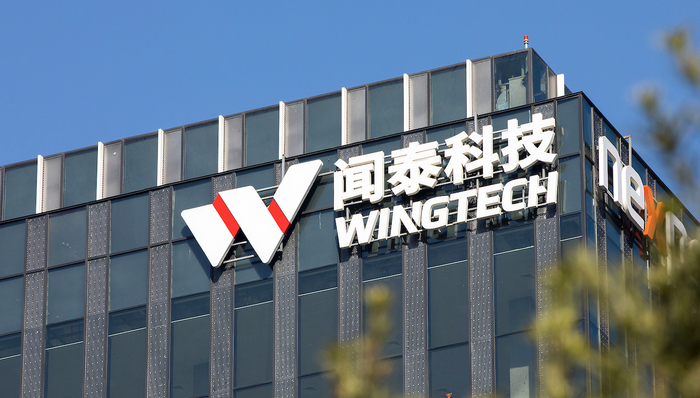
闻泰科技发声:安世荷兰迄今未作出实质性回应
中国基金报· 2025-11-23 11:44
近日,我方注意到安世荷兰及其相关方的一系列单方面行为,已对全球半导体产业链的稳定构成潜在威 胁。为避免局势进一步升级,维护各方合法权益,我司特此发表声明如下: 2025年11月23日 自荷兰经济部不当干预以来,本着负责任的态度和维护全球客户利益的原则,在中国相关政府部门的大 力帮助与推动下,我方已主动释放善意,明确表达了愿意与安世荷兰方面就如何恢复闻泰科技的合法控 制权、妥善解决当前争端进行建设性沟通。我们始终相信,通过坦诚对话解决分歧,是保障公司正常运 营和全球芯片供应稳定的切实正确途径。 然而,令人深感遗憾与不解的是,尽管我方展现出最大诚意,安世荷兰方面迄今未对我方的沟通提议作 出任何实质性回应。 鉴于此,我们要求安世荷兰能在切实尊重事实和法律的基础上,就如何恢复闻泰科技的合法控制权与完 整股东权利,提出具有建设性且真正富有诚意的解决方案。 全球半导体产业的稳定关乎行业发展大局。我们再次呼吁各方以理性、负责任的态度行事,共同维护安 世半导体的稳定与繁荣,保障全球客户的供应链安全。 闻泰科技股份有限公司 来源:闻泰科技 闻泰科技:关于敦促安世荷兰切实回应沟通解决控制权问题以保障全球供应链稳定的声明 les ...