
CCB(601939)

Search documents
黄金投资带火银行“小众”业务
Zheng Quan Ri Bao· 2026-01-20 23:20
Core Insights - The demand for bank safe deposit boxes is surging due to the increasing interest in gold investments among residents, leading to a significant supply-demand imbalance in the market [1][4][5] - Many banks are experiencing a shortage of available safe deposit boxes, with waiting times for larger boxes extending up to 3 to 5 years [2][3][5] - The safe deposit box rental business, traditionally a niche service, is gaining mainstream attention as more customers seek to store physical gold and other valuables [3][4] Demand Factors - The rising trend of gold investment among residents has led to a marked increase in the demand for safe deposit boxes to store physical gold and precious metals [4][5] - Customers prefer physical gold over other investment products due to its perceived stability and security [4] Supply Factors - The supply of safe deposit boxes is constrained by the fixed capacity of bank facilities, making it difficult to expand the number of available boxes [5][6] - The rental process is slow, with many customers opting for long-term leases, which further limits the turnover of available boxes [5][6] Business Dynamics - The safe deposit box rental service is characterized by high initial investment and ongoing operational costs, which may deter banks from expanding this service [6][7] - Some banks have ceased offering safe deposit box services due to business adjustments and the high costs associated with maintaining security standards [6][7] Technological Advancements - The integration of digital and intelligent technologies is revitalizing the traditional safe deposit box business, enhancing security and customer experience [7][8] - Innovations such as biometric verification and automated safe deposit boxes are being introduced, allowing for more efficient and secure access [7][8]




银行保管箱“一箱难求”黄金投资带火银行“小众”业务
Zheng Quan Ri Bao· 2026-01-20 16:24
Core Viewpoint - The demand for bank safe deposit boxes is surging due to the increasing interest in gold investments among residents, leading to a supply-demand imbalance in the market [1][5]. Group 1: Market Demand - Over 200 customers are currently waiting to reserve small-sized safe deposit boxes, with larger boxes potentially requiring a wait of several years [1][2]. - The demand for safe deposit boxes is primarily driven by the need to store physical gold and other precious metals, as many customers prefer tangible assets over fluctuating investment products [5][6]. - The rental of safe deposit boxes has become a popular service among banks, with many branches reporting a lack of available boxes and long waiting lists for customers [2][4]. Group 2: Supply Constraints - The supply of safe deposit boxes is limited due to the fixed nature of bank facilities, making it difficult to expand capacity quickly [5][6]. - Many banks have ceased offering safe deposit box services or reduced their availability due to operational adjustments and high initial investment costs [7]. - The rental process is slow, as most customers opt for long-term leases, resulting in low turnover rates for available boxes [5][7]. Group 3: Technological Advancements - Banks are integrating digital and intelligent technologies into their safe deposit box services, enhancing security and operational efficiency [8][9]. - New technologies such as biometric identification and AI-driven monitoring systems are being implemented to improve safety and customer experience [9]. - Automated safe deposit boxes are being introduced, allowing customers to access their boxes without bank staff assistance, thus increasing privacy and convenience [8].


与上海同行 建行助力打造全球一流营商环境
Zhong Guo Jin Rong Xin Xi Wang· 2026-01-20 13:55
Core Viewpoint - The article emphasizes the importance of optimizing the business environment in Shanghai, highlighting the initiatives taken by the Shanghai branch of China Construction Bank (CCB) to support this goal through innovative financial services and products aimed at enhancing efficiency and reducing costs for businesses [1][2][3][4][5][6][7] Group 1: Financial Support for Innovation - CCB Shanghai branch has developed a "value flow" evaluation model to convert "soft strengths" like technology patents into quantifiable "hard credit," enabling tech companies to secure loans based on intellectual property [2] - By the end of 2025, CCB Shanghai branch aims to serve nearly 20,000 tech enterprises, achieving a market coverage rate of over 50% and a loan balance exceeding 130 billion yuan in the tech innovation sector [2] Group 2: Solutions for Small and Medium Enterprises - CCB Shanghai branch employs an "industry map service" to analyze SMEs within the context of their entire industry chain, facilitating access to credit loans based on digital credit assessments [3] - In 2025, the balance of CCB Shanghai branch's loans for small and micro enterprises is projected to reach nearly 170 billion yuan, benefiting over 70,000 market entities in Shanghai [3] Group 3: Enhancing Cross-Border Financial Services - CCB Shanghai branch has upgraded its FT account system to streamline cross-border fund flows, significantly improving the efficiency of capital turnover for enterprises operating internationally [4][5] - The branch has established a global financial service center to provide comprehensive support for both outbound and inbound enterprises, positioning itself as a crucial financial bridge in the dual circulation economy [5] Group 4: Integration of Financial Services with Governance - CCB Shanghai branch has integrated its financial services with local governance through smart terminals that facilitate various administrative services, enhancing convenience for residents [6] - The bank has launched products aimed at supporting urban green transformation and has established community service points to provide essential services to outdoor workers, reflecting its commitment to improving the quality of life in the city [6][7]
【微头条】财政部等四部门发布关于优化实施设备更新贷款财政贴息政策的通知
Xin Lang Cai Jing· 2026-01-20 13:39
Core Viewpoint - The Ministry of Finance and other departments have issued a notice to optimize the implementation of the equipment renewal loan interest subsidy policy, aimed at supporting enterprises in equipment upgrades and technological transformation, reducing financing costs, and promoting effective investment [1][6]. Group 1: Support Scope - The central government will provide a 1.5% interest subsidy on the principal of fixed asset loans for equipment renewal projects, applicable for a maximum of two years from the loan issuance date [1][6]. - The policy will include new technology innovation loans issued by banks starting in 2026, with the implementation period set until December 31, 2026, subject to possible extension [1][6]. Group 2: Expanded Support Areas - The policy expands support to various sectors including construction, municipal services, energy equipment, aviation materials, electronic information, safety production, agricultural facilities, fishing vessels, cold chain facilities, grain and oil processing, waste recycling, small hydropower, commercial facilities, artificial intelligence, and elderly care [2][7]. Group 3: Participating Banks - A total of 26 banks are designated to handle the interest-subsidized loans, including major state-owned banks and several joint-stock commercial banks [2][7]. Group 4: Interest Subsidy Process Optimization - The subsidy funds will be allocated through a "pre-allocation + settlement" method, with provincial banks required to submit annual subsidy fund requests by January 31, 2026 [3][8]. - Provincial finance departments must respond to these requests within 10 working days, and a joint review mechanism will be established to streamline the approval process [3][8]. Group 5: Fund Settlement and Clearing - From 2027, provincial banks must submit annual settlement requests for the previous year's subsidy funds by January 31, with finance departments providing feedback by February 20 [4][9]. - By January 31, 2029, provincial banks will submit clearing requests for subsidy funds, with a one-month response time expected from finance departments [4][9]. Group 6: Implementation and Supervision - The Ministry of Finance, National Development and Reform Commission, and other regulatory bodies will oversee the implementation of the policy, ensuring proper auditing and monitoring of fund usage [5][10]. - Banks are required to maintain strict loan monitoring to prevent misuse of funds, and any violations will lead to penalties, including the recovery of subsidy funds [5][10]. Group 7: Reporting Requirements - Banks must establish reporting systems to submit monthly policy execution reports to the Ministry of Finance, including details on loan issuance and subsidy usage [11].

马币马钞兑换首日市民排队,每人限20枚20张
Bei Ke Cai Jing· 2026-01-20 12:57
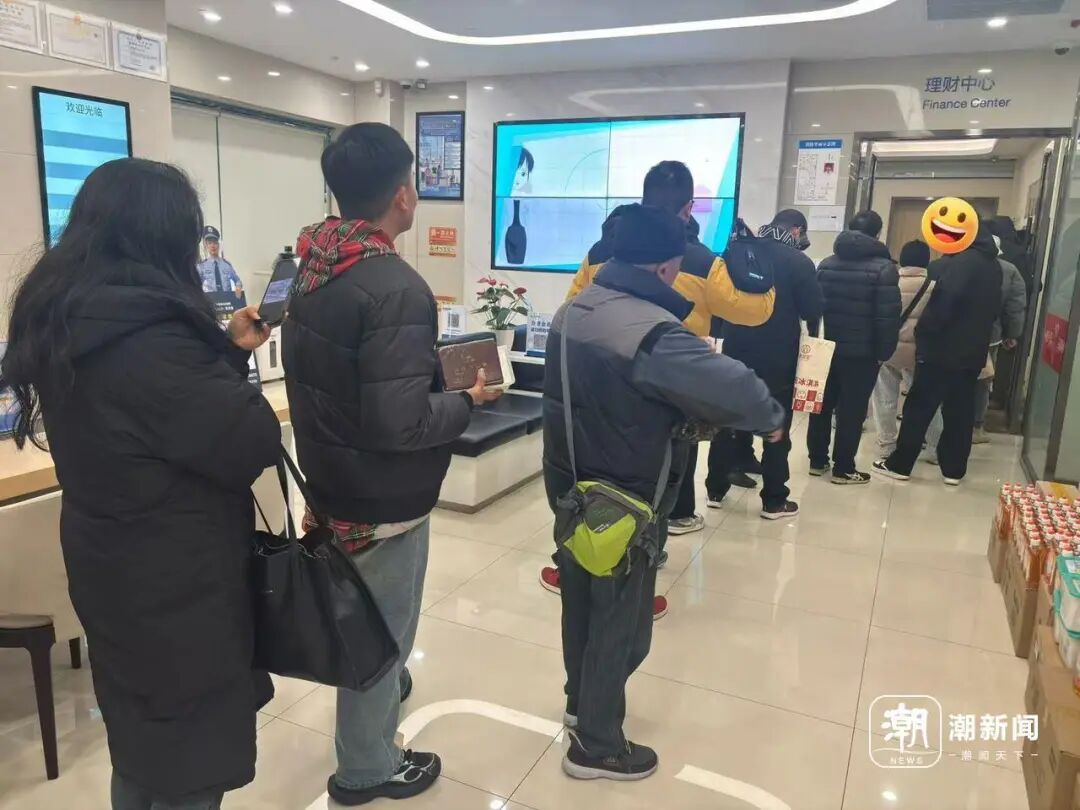
Core Viewpoint - The exchange of the 2026 Year of the Horse commemorative coins and notes has seen high demand, with banks experiencing significant customer turnout on the first day of exchange [1][2]. Group 1: Exchange Process and Details - The exchange period for the 2026 Year of the Horse commemorative coins and notes is from January 20 to January 26, 2026, and customers must visit the designated bank branch as per their reservation [2]. - Each individual can reserve a maximum of 20 commemorative notes and 20 coins, with a total allocation of 3 million coins and 3 million notes for the Beijing branch of China Construction Bank [1][2]. - Customers are required to present their second-generation resident ID card for the exchange, and if they are exchanging on behalf of others, they must provide the ID cards of both the agent and the principal, with a limit of five people [2]. Group 2: Customer Engagement and Sentiment - There is a strong enthusiasm among the public for collecting the commemorative coins and notes, as evidenced by the rapid booking of online reservations [1]. - Many customers are not only exchanging for themselves but also for friends, indicating a communal interest in the collection [2]. - The banks are advising customers to avoid peak times and to prepare their identification and payment methods in advance to facilitate a smoother exchange process [2].

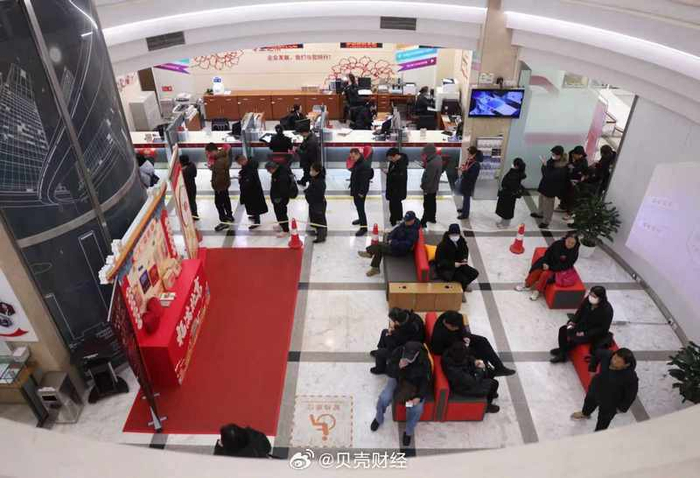
“马币”“马钞”兑换首日,有网点排长队!杭州大爷很开心:真漂亮,过年送人蛮好
Xin Lang Cai Jing· 2026-01-20 10:39
Core Viewpoint - The exchange of the Year of the Horse commemorative coins and banknotes has officially begun, attracting significant public interest and participation in the collection market [1][9]. Group 1: Exchange Process - The exchange period for the Year of the Horse commemorative coins and banknotes runs from January 20 to January 26 [1]. - Banks, such as China Construction Bank, have opened early to accommodate customers, indicating high demand [1]. - The introduction of mobile banking pre-payment options by banks like Industrial and Commercial Bank of China and China Construction Bank has optimized the exchange process and improved efficiency [7]. Group 2: Public Interest and Market Dynamics - A long queue of approximately 20 people was observed at a bank branch for the exchange, highlighting the popularity of the commemorative items [1]. - Many citizens are collecting these items for personal enjoyment and as gifts, with some expressing excitement over their successful reservations [3][5]. - The market for these commemorative items has seen the emergence of resellers, with prices for "lucky numbers" reaching up to 900 yuan, indicating a strong demand for specific items [7]. Group 3: Collectible Significance - The Year of the Horse commemorative coin is the final piece in the second series of zodiac coins, while the banknote is the third zodiac banknote issued by the People's Bank of China, making them particularly significant for collectors [9]. - The cultural significance of phrases like "马到成功" (success comes swiftly) and "龙马精神" (spirit of the dragon and horse) has contributed to the heightened market interest [9]. Group 4: Issuance Details - The total issuance of the Year of the Horse commemorative coins and banknotes is set at 100 million each nationwide, with 4.76 million issued in Zhejiang Province [10]. - Citizens must present valid identification to exchange their reserved items, and specific procedures are in place for those collecting on behalf of others [10].
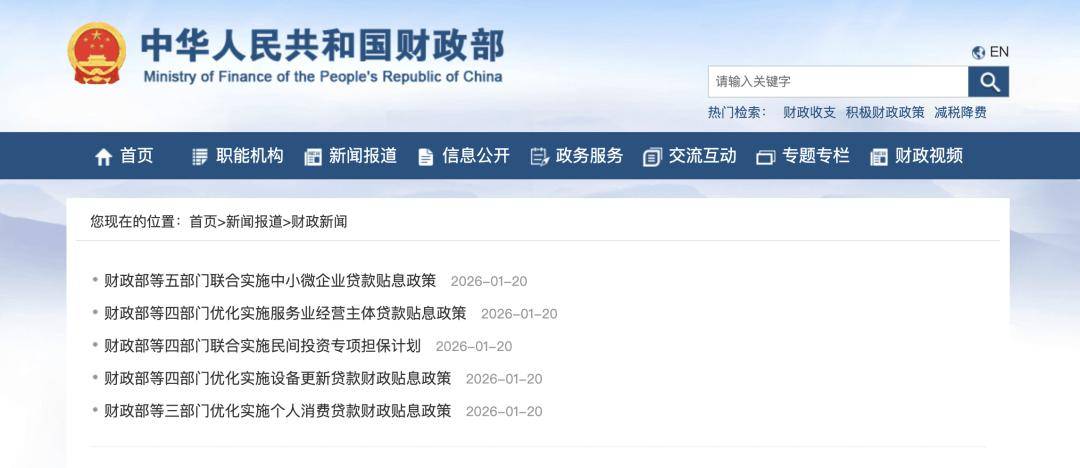
财政部连发多份重要文件,事关贷款贴息、民间投资贷款担保等 一揽子政策全文公布
Sou Hu Cai Jing· 2026-01-20 09:03
Group 1 - The core viewpoint of the news is the implementation of a financial subsidy policy for equipment renewal loans to support businesses in reducing financing costs and promoting effective investment [3][4][5] - The policy includes a 1.5% interest subsidy on fixed asset loans for equipment renewal projects, applicable for a maximum of two years, and is effective until December 31, 2026 [3][4] - The scope of support has been expanded to include various sectors such as construction, aviation, digital technology, and green energy, emphasizing high-end, intelligent, and digital equipment updates [4][6] Group 2 - A total of 26 banks are designated as eligible for processing the interest subsidy loans, including major national banks and several regional banks [4][5] - The subsidy process has been optimized to include a "pre-allocation + settlement" method, streamlining the application and approval process for banks and provincial financial departments [5][6] - The policy aims to enhance the experience of businesses by ensuring timely communication regarding subsidy payments through modern technology [6][7] Group 3 - The policy for small and micro enterprises includes a 1.5% interest subsidy on fixed asset loans, with a maximum loan amount of 50 million yuan, effective from January 1, 2026 [8][9] - The targeted sectors for this subsidy include new energy vehicles, medical equipment, and various service industries, aiming to stimulate investment and production [9][10] - The operational mechanism involves a "total-to-total" model for coordination between financial institutions and fiscal departments to ensure efficient processing of subsidy funds [11][12] Group 4 - The service industry loan subsidy policy has been extended until December 31, 2026, with an increased maximum loan amount of 10 million yuan and a 1% interest subsidy for one year [16][17] - New sectors such as digital, green, and retail have been added to the support scope, enhancing the policy's relevance to current economic trends [17][18] - The funding allocation process has been refined to improve efficiency and reduce redundancy in the approval process [18][19] Group 5 - A special guarantee plan for private investment has been introduced with a total quota of 500 billion yuan over two years, aimed at supporting small and micro enterprises [22][24] - The plan includes risk-sharing mechanisms where banks bear at least 20% of the loan risk, while the government guarantee fund covers up to 80% [24][25] - The initiative encourages innovative financing models and aims to enhance the capital strength of the government guarantee fund to support private investments effectively [26][27]



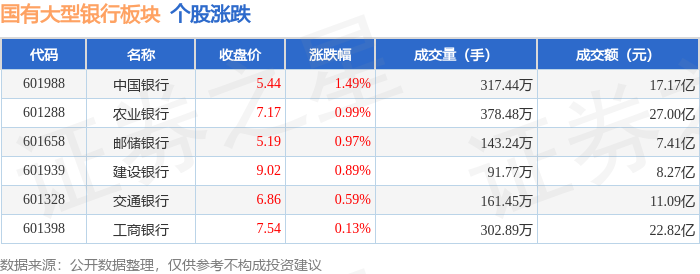
国有大型银行板块1月20日涨0.78%,中国银行领涨,主力资金净流入7.21亿元
Zheng Xing Xing Ye Ri Bao· 2026-01-20 08:56
Group 1 - The core viewpoint of the news is that the state-owned large bank sector experienced a rise of 0.78% on January 20, with China Bank leading the gains [1] - The Shanghai Composite Index closed at 4113.65, down 0.01%, while the Shenzhen Component Index closed at 14155.63, down 0.97% [1] - The trading performance of individual stocks in the state-owned large bank sector showed varied results, with China Bank closing at 5.44, up 1.49%, and Agricultural Bank at 7.17, up 0.99% [1] Group 2 - The net inflow of main funds into the state-owned large bank sector was 721 million yuan, while retail investors saw a net outflow of 177 million yuan [1] - The detailed fund flow for individual banks indicated that Agricultural Bank had a net inflow of 210 million yuan from main funds, while it experienced a net outflow of 140 million yuan from speculative funds [2] - Industrial and Commercial Bank had a net inflow of 181 million yuan from main funds, but a significant net outflow of 254 million yuan from speculative funds [2]
建行淄博站北支行:跨越重洋的温情守护 暖心办结海外遗产继承业务
Qi Lu Wan Bao· 2026-01-20 08:18
Core Viewpoint - The article highlights the exceptional customer service provided by China Construction Bank (CCB) in handling a complex overseas inheritance case, showcasing the bank's commitment to supporting clients regardless of their location [1][2]. Group 1: Customer Experience - A client, Ms. Zhang, sought assistance from CCB for her mother's overseas inheritance, expressing anxiety over the complicated process and foreign documents [1]. - CCB's customer manager provided immediate support, clarifying the necessary steps and compiling a comprehensive list of required documents, including translation and consular certification [1]. Group 2: Service Approach - The bank's proactive approach included early communication with the notary office to address specific requirements for overseas inheritance, thereby minimizing the processing time [1]. - CCB staff accompanied Ms. Zhang throughout the notarization process, explaining each step and alleviating her concerns, which contributed to a positive service experience [1][2]. Group 3: Emotional Connection - Ms. Zhang expressed gratitude for the support received, noting that the bank's assistance made her feel connected to her homeland during a difficult time [2]. - The service exemplified CCB's philosophy of providing warm and accessible financial services, reinforcing the bond between overseas clients and their families back home [2].
小摩:预计内银今年股价上升 惟流动性顺风中相对落后 升民行评级至“增持”
Zhi Tong Cai Jing· 2026-01-20 06:49
Core Viewpoint - Morgan Stanley predicts that China Bank (601988) will experience absolute stock price appreciation but may underperform the market by 2026 [1] Group 1: Bank Ratings - Morgan Stanley upgraded the rating of Minsheng Bank (600016) from "Neutral" to "Overweight" [1] - The rating of Agricultural Bank (601288) was downgraded from "Overweight" to "Neutral" [1] Group 2: Market Liquidity and Growth Expectations - Approximately 110 trillion RMB of fixed-term deposits are expected to mature by 2026, including around 7 trillion RMB of excess household savings, which may provide liquidity support to the capital market and boost market performance [1] - The recovery of net interest income and wealth management fees is expected to lead to moderate improvements in revenue and profit growth for domestic banks in 2026 [1] Group 3: Stock Performance Preferences - In the context of high dividend stocks, Morgan Stanley prefers Bank of Communications (601328), China Bank (03988), and China Construction Bank (601939) [1] - Banks such as Ningbo Bank (002142), Shanghai Pudong Development Bank (600000), Industrial Bank (601166), and China Merchants Bank (600036) are seen as having better growth potential [1] - Growth-oriented stocks are expected to outperform high dividend stocks [1]
