
NH INTELLIGENT(000816)

Search documents
智慧农业让生产“更聪明”
Jing Ji Ri Bao· 2025-12-29 22:21
Core Viewpoint - The rapid development of smart agriculture in China is transforming agricultural production methods and providing crucial support for rural revitalization and agricultural modernization [1][2]. Group 1: Smart Agriculture Innovations - Smart agriculture is enhancing production efficiency through technologies like rail transport vehicles for citrus harvesting and remote monitoring for shrimp farming, leading to improved yield and quality [1]. - Artificial intelligence (AI) is significantly improving the intelligence level of the agricultural supply chain, enabling precise demand forecasting and optimized logistics, which reduces transportation costs and delivery delays [2]. Group 2: Challenges in Smart Agriculture - There are still areas for improvement in smart agriculture, such as uneven digital infrastructure in rural areas, which limits the effectiveness of precision monitoring and automated operations [3]. - The lack of a robust mechanism for agricultural data integration and sharing hinders the training accuracy of AI models and the efficient allocation of technological resources [3]. Group 3: Recommendations for Improvement - It is recommended to optimize the layout of digital infrastructure by increasing investment in digital infrastructure in underdeveloped regions, particularly in the central and western parts of China [4]. - Strengthening the cultivation of composite talents and promoting digital skills among farmers is essential, including the establishment of interdisciplinary programs in universities and training initiatives for agricultural technicians [4].

AI+农业打造大湾区农创谷!广州天河发布智慧农业新计划
Nan Fang Du Shi Bao· 2025-12-29 14:13
Core Viewpoint - The collaboration between the Guangdong Provincial Department of Agriculture and Rural Affairs and the Tianhe District aims to promote the implementation of advanced technologies such as intelligent equipment and bio-agriculture, establishing demonstrative scenarios for learning and promotion [1][2]. Group 1: Smart Agriculture Development - Tianhe District is leveraging its unique agricultural innovation resources within the Guangdong-Hong Kong-Macao Greater Bay Area, including numerous agricultural universities, research institutes, and corporate R&D centers [1]. - The district plans to utilize artificial intelligence to drive the "AI + Agriculture" sector, enhancing efficiency and reducing costs, ultimately enriching the food supply for residents [1][2]. Group 2: Key Initiatives - Two major initiatives are outlined for the high-quality development of smart agriculture: the establishment of a modern marine ranch technology innovation center and the cultivation of a modern seed industry [2]. - The marine ranch center aims to support the development of a modern marine economy in Guangdong, expanding the "blue granary" to provide high-quality deep-sea products to the public [2]. - The seed industry initiative focuses on technological empowerment and self-reliance in seed sources, promoting high-quality development in the modern seed industry within the Greater Bay Area [2]. Group 3: Economic Impact and Goals - The development of smart agriculture is integrated into the provincial modern agriculture layout, with plans to include significant projects in national and provincial planning to foster the entire agricultural value chain [2]. - The goal is to transform Tianhe District into a hub for agricultural innovation that enhances income and ensures supply, providing tangible benefits and a sense of security for residents [2]. - By the end of 2025, the number of enterprises in Tianhe District is expected to exceed 770,000, positioning it as a leader in economic quality development within the city [3].
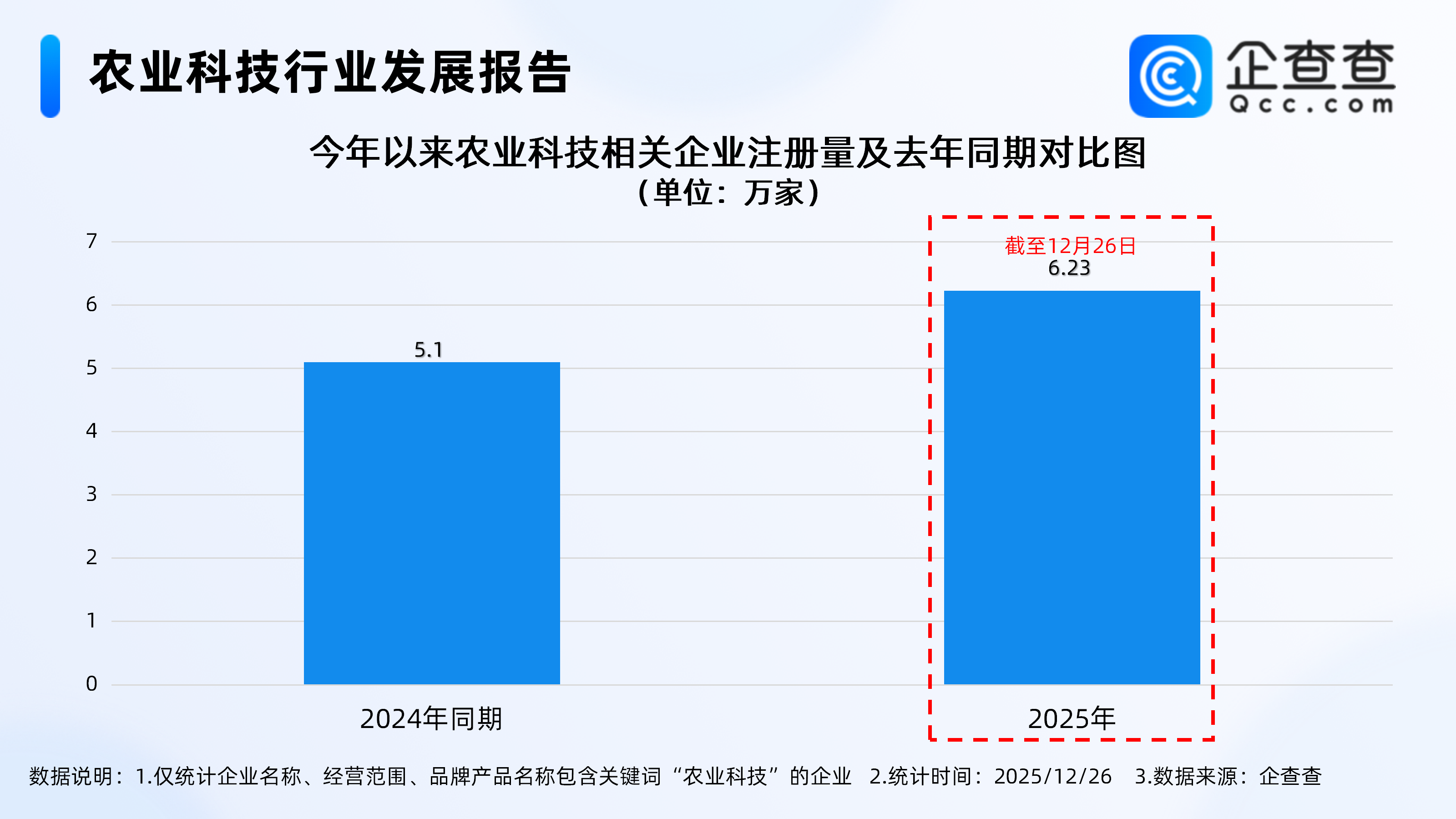
汗水农业向智慧农业加速迈进,今年农业科技相关企业注册量创新高
Qi Cha Cha· 2025-12-29 03:26
Core Viewpoint - The National Development and Reform Commission emphasizes the development of new agricultural productivity and the promotion of agricultural technology to enhance innovation and efficiency in the sector [1] Group 1: Agricultural Technology Development - The government aims to strengthen the agricultural technology innovation system and enhance the overall effectiveness of agricultural technology [1] - There is a focus on implementing actions to address shortcomings in agricultural machinery and promoting the development of high-end and regionally suitable agricultural equipment [1] - The initiative includes the construction of smart agriculture, expanding the application of big data, agricultural robots, and artificial intelligence in rural areas [1] Group 2: Agricultural Technology Enterprises - As of December 26, there are 430,000 existing agricultural technology-related enterprises in China [5][7] - The registration of agricultural technology enterprises has shown a significant increase, with 62,300 new registrations in 2023, marking a 22.12% year-on-year growth and the highest in the past decade [2][5] - The majority of these enterprises (31.94%) have been established for 5-10 years, while those established for 1-3 years and 3-5 years account for 21.29% and 18.44%, respectively [7] Group 3: Regional Distribution and Industry Classification - Agricultural technology enterprises are primarily concentrated in the East China region, accounting for 27.12% of the total [9] - Over 60% of these enterprises belong to the scientific research and technical services sector, with 65.11% classified under this category [11] - Other classifications include agriculture, forestry, animal husbandry, and fishery (22.03%) and wholesale and retail (7.39%) [11]

从“会思考的鱼塘”到“AI蚕保姆”,智慧农业让你大开眼界!
Xin Lang Cai Jing· 2025-12-28 07:01
Core Viewpoint - The article highlights the transformative impact of AI technology on agriculture, particularly in aquaculture and sericulture, showcasing how AI enhances efficiency, productivity, and product quality in these sectors [2][31]. Group 1: Aquaculture Innovations - In Guangxi's modern fishery innovation center, AI enables real-time monitoring and management of fish ponds, allowing for remote control via mobile devices [4][10]. - A precision feeding system has been implemented, resulting in a 15% increase in protein content and improved fish quality [9]. - The integration of ecological practices allows for the recycling of water from fish farming to irrigate crops, promoting a dual-use system that benefits both fish and agriculture [12][31]. - Advanced freezing technology at the processing plant ensures fish freshness, with a complete traceability system in place [14]. Group 2: Sericulture Advancements - AI technology has revitalized traditional silk farming in Guangxi, acting as a "cyber caretaker" for silkworms and providing real-time monitoring through smart devices [18][20]. - Automated inspection robots continuously monitor the health of silkworms, ensuring optimal conditions for growth [22]. - A data-driven approach has been adopted, utilizing decades of sericulture experience to train AI for disease recognition and management, enhancing the overall health and productivity of silkworms [27]. Group 3: Overall Impact of AI in Agriculture - AI is portrayed as a warm and productive tool rather than a cold technology, lowering barriers for new farmers and enabling them to replicate expert knowledge [31]. - The article emphasizes that technology is now deeply rooted in agricultural practices, contributing to increased income and improved product quality [31].

数览中国脉动|科技赋能!“汗水农业”向“智慧农业”加速迈进
Xin Lang Cai Jing· 2025-12-28 06:02
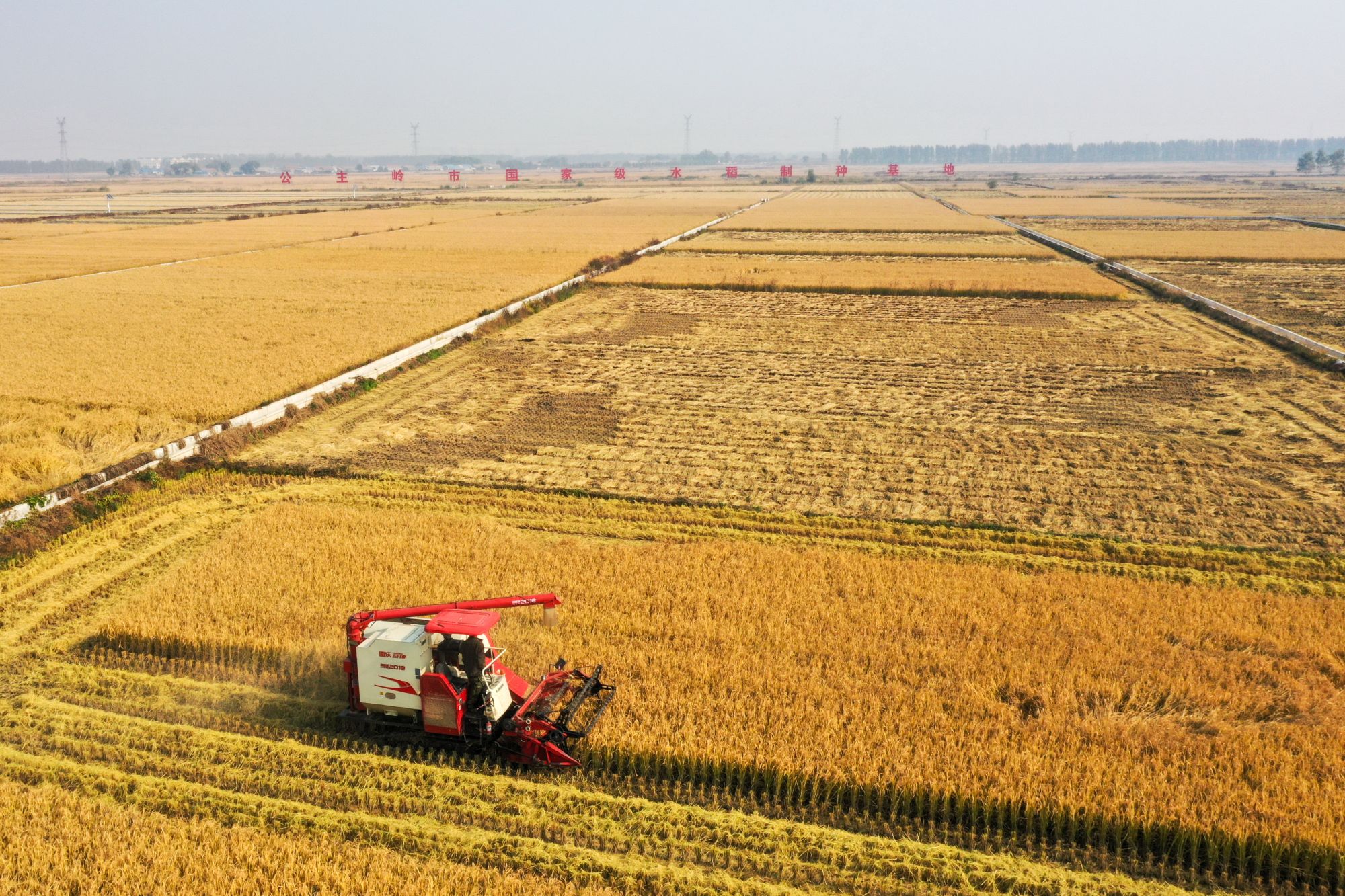
Group 1 - The core viewpoint emphasizes the importance of agricultural mechanization and intelligence as crucial supports for agricultural modernization [1] - China is accelerating the development of new agricultural productivity, leveraging technology to empower the entire chain of grain production, storage, and processing, transitioning from "labor-intensive agriculture" to "smart agriculture" [2] - Current data indicates that China has over 200 million agricultural machinery units, with over 2.2 million units of Beidou terminal equipment, total agricultural power exceeding 1.1 billion kilowatts, and a mechanization rate of over 75% [3] Group 2 - The application of advanced technologies such as AI, IoT, and big data in agriculture is increasing, reflecting the growth of the digital economy [6] - Significant achievements have been made in reducing food waste during processing, with the grain processing loss rate reduced to 0.8% and transportation loss rate to 0.08% [8] - Since the 14th Five-Year Plan, China's agricultural technology innovation has reached a leading position globally, with substantial improvements in the overall effectiveness of the agricultural technology innovation system and rapid breakthroughs in key core technologies [9]
数览中国脉动丨科技赋能!“汗水农业”向“智慧农业”加速迈进
Xin Hua She· 2025-12-28 05:40
Group 1 - The core viewpoint emphasizes the importance of agricultural mechanization and intelligence as crucial supports for agricultural modernization, with a focus on accelerating the transition from "labor-intensive agriculture" to "smart agriculture" through technological empowerment in the entire food production chain [1] Group 2 - Current data indicates that China's agricultural machinery ownership exceeds 200 million units, with over 2.2 million units of Beidou terminal devices applied, total agricultural power exceeding 11 billion kilowatts, and a mechanization rate of over 75%, demonstrating the efficient service of agricultural machinery to production [2] Group 3 - The application of advanced technologies such as AI, IoT, and big data is increasingly prevalent in the agricultural sector, reflecting the robust development of the digital economy [4] Group 4 - Significant achievements have been made in reducing food waste during processing, with the grain processing loss rate reduced to 0.8% and transportation loss rate to 0.8‰, showcasing effective efforts in the food circulation sector [6] Group 5 - Since the 14th Five-Year Plan, China's agricultural technology innovation has reached a leading position globally, with significant improvements in the overall effectiveness of the agricultural technology innovation system and rapid breakthroughs in key core technologies [8]
科技赋能!“汗水农业”向“智慧农业”加速迈进
Xin Hua She· 2025-12-28 03:08
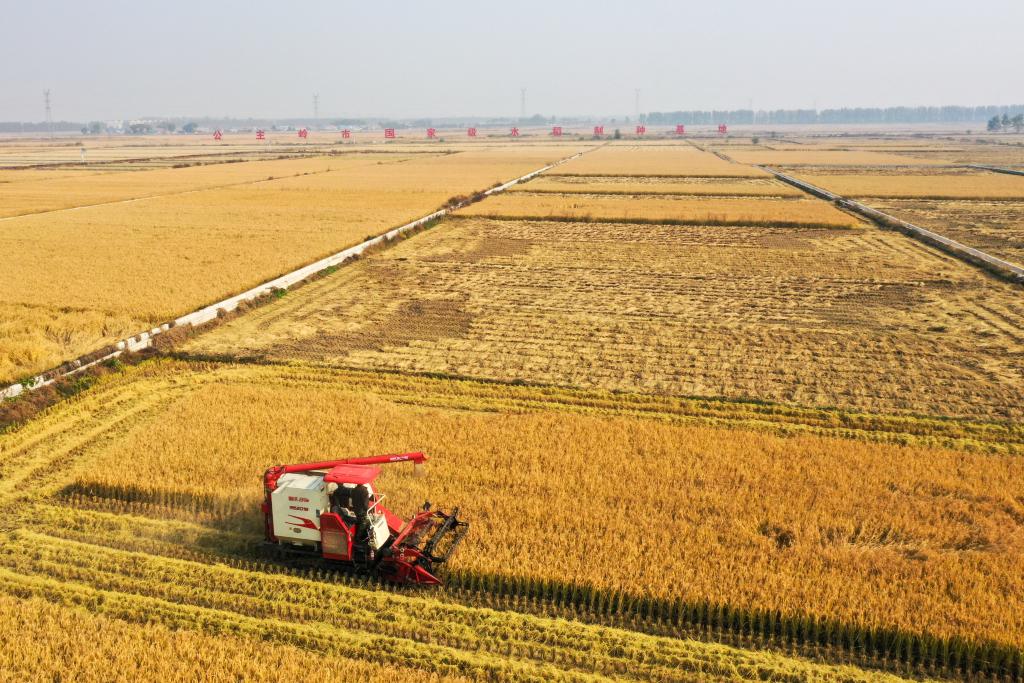
Group 1 - The core viewpoint emphasizes the importance of agricultural mechanization and intelligence as crucial support for agricultural modernization, with a focus on developing new productive forces in agriculture through technology [1] - The current agricultural machinery ownership in China exceeds 200 million units, with over 2.2 million units of Beidou terminal devices applied, total agricultural power exceeding 11 billion kilowatts, and a mechanization rate of over 75% [2] - The application of advanced technologies such as AI, IoT, and big data is increasingly prevalent in the agricultural sector, contributing to the transformation towards "smart agriculture" [4] Group 2 - Significant achievements have been made in reducing food waste during processing, with the grain processing loss rate reduced to 0.8% and transportation loss rate to 0.8‰ [6] - Since the 14th Five-Year Plan, China's agricultural technology innovation has reached a leading position globally, with substantial improvements in the overall effectiveness of the agricultural technology innovation system and rapid breakthroughs in key core technologies [8]
我国智慧农业建设全面提速
Yang Shi Wang· 2025-12-24 12:20
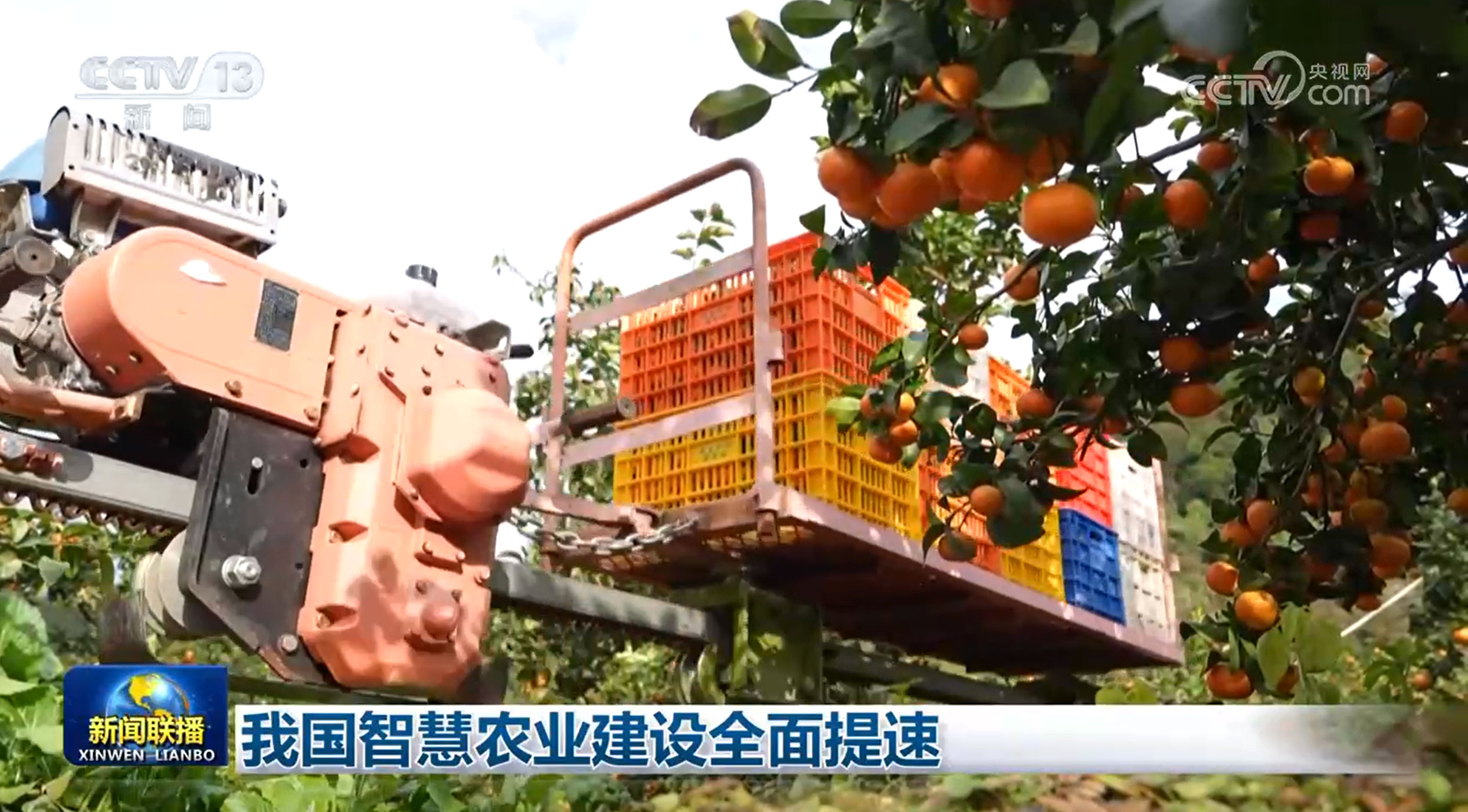
Group 1 - The core viewpoint of the articles highlights the rapid advancement of smart agriculture in China, showcasing its strong momentum and the new landscape of modern agricultural development [1] Group 2 - In Fujian Shunchang, 100,000 acres of citrus have been harvested, with rail transport vehicles and heavy-duty drones replacing traditional methods, significantly improving efficiency [2] - In Inner Mongolia's Dongwuzhumuqin Banner, herders are using smart collars for cattle, allowing real-time monitoring of activity levels and health status via mobile phones [2] - In Jiangsu Pukou, smart aquaculture has enabled remote monitoring and precise feeding of shrimp, with expected production increases of around 20% compared to the same period last year, alongside noticeable quality improvements [2] Group 3 - During the 14th Five-Year Plan period, China is implementing smart agriculture actions, with continuous improvements in innovation capabilities [4] - Breakthroughs have been made in 104 key technologies, including smart monitoring and robotic systems for field crops, and 62 types of intelligent equipment [4] - A total of 116 national smart agriculture innovation application projects have been established, with over 30 key technologies promoted and a technology implementation rate exceeding 95% [4] Group 4 - The application scenarios for smart agriculture are expanding across the entire chain, with 16 typical case studies released covering breeding, cultivation, processing, and sales [4] - A smart empowerment plan for farms and fisheries has been initiated, aiming to train over 1,500 leaders of large-scale entities within three years to develop smart agricultural practices [4] Group 5 - As China's agricultural digital transformation accelerates, grain production is moving towards precision and intelligence, while facility agriculture is beginning to achieve digital cultivation [5] - The entire agricultural industry chain is rapidly transitioning to digital and intelligent modifications, injecting strong momentum into agricultural modernization [5]
郭珍:向新而行激活智慧农业
Jing Ji Ri Bao· 2025-12-24 00:10
Core Insights - The development of smart agriculture in China is rapidly advancing, leveraging technologies such as AI, IoT, big data, and robotics to enhance productivity and resource utilization in agriculture [1][2] Group 1: Technological Advancements - Smart agriculture utilizes advanced technologies for information perception, intelligent decision-making, and precise operations, significantly improving land output and labor productivity [1] - The integration of sensors, data processing, and remote sensing technologies has enabled the collection of critical data on environmental conditions, pest monitoring, crop growth, and yield [1] - Intelligent decision-making is supported by agricultural knowledge graphs and core algorithms, generating precise prescriptions for environmental control and pest management [1] Group 2: Industry Advantages and Challenges - China possesses unique advantages in smart agriculture, with state-owned enterprises driving innovation and providing significant application scenarios for technology [2] - New infrastructure development in rural areas is reducing the costs associated with deploying smart agriculture solutions, although challenges such as data barriers and limited application scope remain [2] Group 3: Policy and Standardization - Establishing a mechanism for linking technological innovation outcomes with standardization is crucial for addressing issues like data barriers and system integration in smart agriculture [3] - The development and implementation of national and industry standards for smart agriculture are essential to enhance applicability and innovation, fostering a virtuous cycle of technology innovation and industry application [3] Group 4: Implementation Strategies - A comprehensive approach involving pilot demonstrations and application promotion is recommended to enhance the resilience of smart agriculture [3] - Setting up leading areas for smart agriculture in regions with better foundational conditions can facilitate the application of smart planting, livestock, and aquaculture solutions [3]
向新而行激活智慧农业
Jing Ji Ri Bao· 2025-12-23 22:04
Group 1 - The core viewpoint of the articles emphasizes the rapid advancement and diverse forms of smart agriculture in China, driven by technologies such as AI, IoT, big data, and robotics, which enhance productivity and resource utilization in agriculture [1][2]. - Since the "14th Five-Year Plan," significant progress has been made in smart agriculture, particularly in information perception, intelligent decision-making, and precise operations, supported by advanced technologies like sensors and remote sensing [1][2]. - China's unique advantages in smart agriculture include the integration of large state-owned agricultural enterprises, which facilitate the large-scale application of smart agricultural technologies and reduce deployment costs through new infrastructure [2][3]. Group 2 - Challenges such as data barriers and insufficient interoperability of equipment need to be addressed to enhance the development of smart agriculture, necessitating a focus on problem-solving and multi-dimensional strategies [2][3]. - Establishing a mechanism for the conversion of scientific innovation results and standards is crucial for improving the standard system of smart agriculture, promoting a virtuous cycle of technology innovation, standard formulation, and industrial application [3]. - The exploration of a comprehensive scenario design mechanism, including pilot demonstrations and application promotion, is essential for integrating smart agriculture technologies and enhancing resilience in development [3].