ZHONGSHENGYAOYE(002317)

Search documents
探底回升,钛白粉强势爆发,海南、航天等紧随其后,医药股回撤
Ge Long Hui· 2025-11-28 05:46
Market Performance - The three major indices experienced slight gains, with the Shanghai Composite Index up by 0.21%, the Shenzhen Component Index up by 0.72%, and the ChiNext Index up by 0.71% [1] - Over 3,500 stocks rose in the two markets, with a total trading volume of 976.3 billion [1] Sector Movements - Traditional Chinese medicine stocks saw a sharp decline, down by 1.08% at midday, with notable drops including Guangdong Wannianqing down 12.16% and Zhongsheng Pharmaceutical down 8.23% [3] - Titanium dioxide stocks surged, with a notable increase of 3.63%, and Jinpu Titanium Industry hitting the daily limit [3] - The Hainan sector continued to rise, with Hainan Ruize achieving three consecutive daily limits over four days [3] - The commercial aerospace sector experienced a breakout, with LeiKe Defense achieving four daily limits in five days and QianZhao Optoelectronics hitting a 20cm limit [3] - The Fujian sector saw significant gains, with multiple stocks like Fujian Cement and Haitong Development hitting daily limits [3] - The consumer sector remained active, with HaiXin Food achieving a remarkable trading pattern [3] Price Movements - Battery-grade EC prices increased by 13.5% from the beginning of the week, rising from 5,200 yuan/ton to 5,900 yuan/ton, marking a cumulative increase of 25% for the month [3] Infrastructure Developments - Beijing plans to construct and operate a centralized large-scale data center system with over 1,000 megawatts of power along a 700-800 km morning and evening rail line, aiming to transfer large-scale AI computing power to space [3]



众生药业:公司正在积极推进ZSP1601片IIb期临床试验
Zheng Quan Ri Bao Wang· 2025-11-27 07:12
证券日报网讯11月27日,众生药业(002317)在互动平台回答投资者提问时表示,公司正在积极推进 ZSP1601片IIb期临床试验。公司争取早日完成相关研究,申报药物上市,为广大患者提供更多治疗选 择。 ...
流感高发季催生用药需求,抗病毒药物供应链及投资机会梳理
Di Yi Cai Jing· 2025-11-27 01:04
Core Viewpoint - The flu season in China has begun, leading to an increase in demand for antiviral medications, which has positively impacted the stock prices of flu-related companies [1] Group 1: Market Overview - The flu activity level has significantly risen, with historical data indicating that the flu season typically starts in October to November, peaking around late December to early January [1] - E-commerce platforms report an increase in sales of antiviral medications for flu, reflecting heightened consumer demand [1] Group 2: Key Players and Supply Chain - Dongyang Sunshine Pharmaceutical holds a significant market share in the supply of Oseltamivir, a neuraminidase inhibitor, and has established a robust supply chain to ensure stable drug availability during peak flu seasons [2] - The company has comprehensive coverage across hospitals, chain pharmacies, and online platforms, maintaining sufficient inventory to meet market demands [2] Group 3: Antiviral Drug Developments - In the RNA polymerase inhibitor category, Marbofloxacin has gained traction due to its convenience as a single oral dose, marketed as "Xufuda" by Roche [3] - Roche has initiated local production of Xufuda in Shanghai to shorten supply chain times and enhance responsiveness to market needs [4] Group 4: Supply Assurance and New Entries - Roche has increased the supply of Xufuda to over three times that of the previous year, with contingency plans in place to respond quickly to sudden surges in flu cases [5] - Three new RNA polymerase inhibitors have been launched by domestic companies, including Qingfeng Pharmaceutical's Mabulosavir, which is similar to Roche's Xufuda, and is currently approved for adult treatment [5][6] - Zhongsheng Pharmaceutical's Angladiwe has been recognized as the world's first PB2 protein inhibitor for treating influenza A in adults, with a stable supply chain established for its distribution [6]

国产流感创新药迎首考 上市公司积极回应关注
Zheng Quan Ri Bao Wang· 2025-11-26 13:12
Core Insights - The article discusses the recent launch of three domestic influenza innovative drugs in China, highlighting their effectiveness and market potential as flu activity rises across the country [1][2]. Group 1: Product Overview - Three domestic influenza innovative drugs have been approved for market: 1. Marzula Shave Tablets (Yisuda) by Jiangxi Kairui Pharmaceutical Co., a subsidiary of Qingfeng Pharmaceutical Group [1]. 2. Angladiwei Tablets (Anruiwei) by Guangdong Zhongsheng Pharmaceutical Co., a subsidiary of Guangdong Zhongsheng Ruichuang Biotechnology Co. [1]. 3. Maxiluo Shave Tablets (Jike Shu) developed by Hubei Jichuan Pharmaceutical Co. in collaboration with Nanjing Zhengxiang Pharmaceutical Co. [1]. - These drugs have achieved breakthroughs in "one-time dosing" and effectiveness against flu viruses, particularly for adolescents [2]. Group 2: Efficacy and Clinical Trials - Jichuan Pharmaceutical's Jike Shu is a new generation targeted RNA polymerase PA inhibitor, requiring only one dose for treatment of uncomplicated influenza in healthy adults [2]. - Angladiwei is the world's first oral drug targeting the RNA polymerase PB2 for type A influenza, showing significant symptom relief and low resistance in clinical trials [2]. - Health元 Pharmaceutical's Marpashisave Capsules are positioned to outperform existing treatments for type B influenza and in pediatric patients, utilizing a novel mechanism to inhibit viral replication [2]. Group 3: Supply Chain and Market Readiness - Companies report sufficient supply and production capacity to meet the increasing demand during the winter-spring season [3]. - Angladiwei is available through public medical institutions, major pharmacy chains, and online platforms, ensuring a robust supply chain [3]. - Jike Shu has launched on the JD Health platform, with ongoing market promotion efforts [3]. Group 4: Market Strategy and Future Outlook - Experts suggest that pharmaceutical companies should aim to be included in the dynamic adjustments of the national medical insurance catalog and enhance hospital channel coverage [4]. - As domestic influenza innovative drugs establish a stable supply system and gain positive reputations, they are expected to gradually increase their market share [4].

流感高峰临近,国产新药搅动百亿市场
2 1 Shi Ji Jing Ji Bao Dao· 2025-11-26 11:05
Core Insights - The flu season in China is currently on the rise, with significant increases in flu activity levels reported, particularly in southern and northern provinces [4][5] - The Chinese antiviral flu medication market is experiencing rapid growth, with a market size of 10.74 billion yuan in 2023, reflecting a year-on-year increase of 197.51% [1] - The year 2025 is anticipated to be a pivotal year for domestic flu medications, with several new drugs expected to be approved and available for patients [1][8] Market Overview - The flu medication market in China is dominated by Oseltamivir, which holds over 80% market share, while new entrants like Baloxavir Marboxil are gaining traction due to better efficacy and convenience [2][8] - The market is projected to continue growing at a compound annual growth rate (CAGR) of 20.2% from 2024 to 2028, potentially reaching 26.9 billion yuan by 2028 [1] Drug Approval and Launches - Several new flu medications have been approved for market entry, including: - Masuravir Tablets by Qingfeng Pharmaceutical, approved in March 2025 - Baloxavir Marboxil Tablets by Zhongsheng Pharmaceutical, approved in May 2025 - Marseloxavir Tablets by Jichuan Pharmaceutical and Zhengxiang Pharmaceutical, approved in July 2025 [1][10] - The initial pricing for these new drugs is generally above 300 yuan, but prices have been reduced to compete in the market as the flu season approaches [10] Supply Chain and Demand Dynamics - There is a noted supply-demand imbalance during peak flu seasons, leading to shortages of key medications like Oseltamivir and Baloxavir Marboxil [7] - Companies like Roche and Zhongsheng Pharmaceutical are implementing strategies to ensure stable supply and meet the increased demand during the flu season [7] Competitive Landscape - Foreign pharmaceutical companies like Roche maintain a stronghold in the high-end market due to their technological advantages and brand influence, while domestic companies leverage cost advantages and local market knowledge to compete in the mid to low-end segments [11] - Domestic firms are encouraged to enhance R&D investments and innovate to meet specific market needs, such as developing pediatric formulations and low-dose options for the elderly [11]
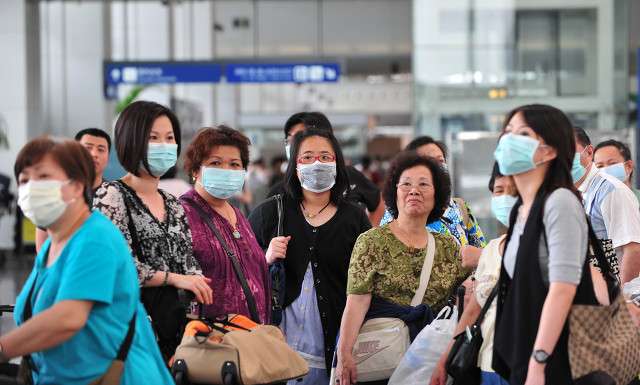
流感高峰期或在下个月!三款流感新药上市
第一财经· 2025-11-26 05:44
Core Viewpoint - The article discusses the rising demand for influenza antiviral medications as the flu season begins in China, highlighting the market dynamics and supply chain responses from key pharmaceutical companies [3][4]. Group 1: Influenza Season and Market Dynamics - The flu season in China typically starts in October to November, with peaks in late December and early January [3]. - Increased sales of antiviral medications have been observed on e-commerce platforms, leading to a rise in stock prices of related companies in the A-share market [3]. Group 2: Key Pharmaceutical Companies and Their Responses - Dongyang Sunshine Pharmaceutical holds a significant market share in the supply of Oseltamivir, stating that they have a robust supply chain and emergency plans to ensure stable drug supply during peak demand [4]. - Roche, the manufacturer of the antiviral drug Baloxavir marboxil (brand name "Xofluza"), has initiated local production in Shanghai to shorten supply chain times and enhance responsiveness to market demands [6]. - Roche has reported that the supply of Xofluza this year is over three times that of the previous year, with plans for flexible supply adjustments based on regional demand [7]. Group 3: New Drug Developments - Three new RNA polymerase inhibitors have been launched in China, produced by local companies, which include Qingfeng Pharmaceutical's Marbofloxacin, Zhongsheng Pharmaceutical's Anladiwei, and Jichuan Pharmaceutical's Maxilovirin [8][9]. - Zhongsheng Pharmaceutical's Anladiwei is noted as the world's first PB2 protein inhibitor for influenza treatment, specifically for adult patients [8].
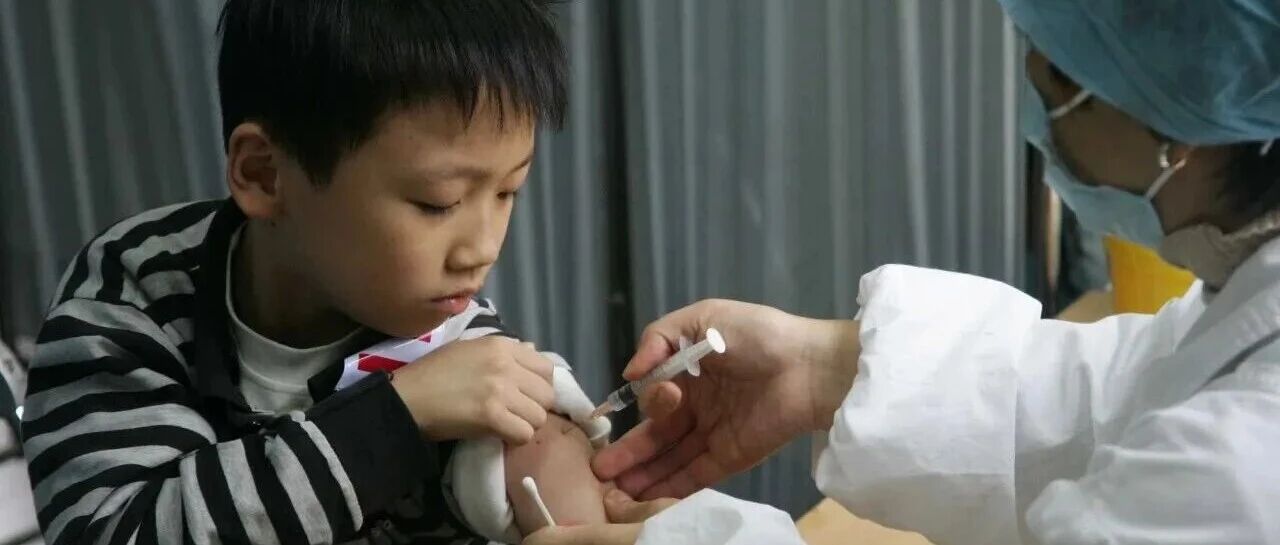
流感高峰期或在下个月!三款流感新药上市,速福达和奥司他韦还缺货吗?
Di Yi Cai Jing· 2025-11-26 05:30
流感特效药厂家众多。 当前,全国进入流感流行季,流感活动水平明显上升。 近日,中国疾病预防控制中心病毒病所研究员王大燕表示,监测数据显示,往年开始进入流感流行季的 时间一般都是在10—11月,个别年度也有9月份开始,流行高峰的时间一般出现在12月中下旬和1月初。 伴随着流感流行,流感药物需求增加。一些电商平台数据显示,流感抗病毒药物销量在增加。近两日, A股资本市场中的一些流感概念股股价也在上涨。抗流感特效药供应情况如何? 我国目前上市的对流感病毒敏感的药物有神经氨酸酶抑制剂、RNA聚合酶抑制剂和血凝素抑制剂三 种,前两者应用较广,且对应的生产厂家较多。 在神经氨酸酶抑制剂方面,代表性药物是奥司他韦,主要有颗粒、胶囊、干悬混剂三大规格,可以覆盖 儿童以及成人患者。 长期以来,在奥司他韦供应上,东阳光药(06887.HK)占据较高的市场份额。 东阳光药物方面回复第一财经记者表示,流感由于需求的突发性,过往常出现市场供应短缺,终端价格 短期大幅波动的现象。作为国内该品类的主要供应商之一,公司已构建了成熟、完善的供应链体系与应 急预案,有能力在疫情高峰期确保药品的稳定供应,为满足市场需求、维护终端价格稳定提供坚实保 ...
众生药业(002317.SZ):昂拉地韦颗粒III期临床试验正在积极推进中
Ge Long Hui· 2025-11-26 01:17
格隆汇11月26日丨众生药业(002317.SZ)在投资者互动平台表示,公司昂拉地韦颗粒III期临床试验正在 积极推进中。公司争取早日完成相关研究,申报药物上市,为广大患者提供更多治疗选择。 ...
[热闻寻踪]“国产流感创新药元年”迎大考,多家上市公司回应,揭示市场真实脉搏!
Quan Jing Wang· 2025-11-25 12:57
Core Viewpoint - The recent surge in flu activity across China has led to a significant increase in demand for flu-related products, prompting pharmaceutical companies to respond with new innovative treatments and ensuring supply chain stability [1][2][3]. Group 1: Market Demand and Product Supply - The flu season has seen a rapid increase in cases, with most provinces reaching epidemic levels, and the dominant strain being H3N2 [1]. - Sales of flu-related products have skyrocketed, with Oseltamivir sales on platforms like JD.com increasing by 4.5 times, and Mabalaoshu (another antiviral) sales increasing by 5 times [1]. - Companies like Renhe Pharmaceutical and Yiyigou have prioritized the supply of flu medications to meet the heightened demand during this peak season [2]. Group 2: Company Responses and Innovations - Multiple domestic innovative flu treatments have received approval, including drugs from companies like Zhongsheng Pharmaceutical and Qingfeng Pharmaceutical, marking 2025 as a potential "year of innovative flu drugs" in China [1]. - Companies such as Zhongsheng Pharmaceutical have ensured that their production capacity for the newly approved drug, Angladiwei, is sufficient to meet seasonal demand [3]. - Various companies are actively monitoring and adjusting their supply chains to address regional shortages of flu vaccines and medications [1][2]. Group 3: Product Offerings and Efficacy - Companies are offering a range of products targeting flu symptoms, including cough suppressants, antipyretics, and antiviral medications [4][5]. - Specific products like the children's cough syrup from Te Yi Pharmaceutical and the antiviral drug from Jichuan Pharmaceutical are highlighted for their effectiveness against flu symptoms [5][8]. - Health Yuan's TG-1000 is positioned as a competitive alternative to existing treatments, with a focus on its efficacy against both influenza A and B strains [10].
北京奥司他韦近7天销量暴涨237%!抗流感概念股批量涨停
2 1 Shi Ji Jing Ji Bao Dao· 2025-11-25 08:56
Core Viewpoint - The A-share market experienced a significant rally on November 25, with the ChiNext Index rising nearly 2%, driven by a surge in flu-related stocks due to an increase in flu activity across the country [1] Group 1: Market Performance - The ChiNext Index saw a nearly 2% increase on November 25, indicating strong market performance [1] - Flu-related stocks, such as Jindike and Xinhua Pharmaceutical, reached their daily limit up, reflecting heightened investor interest [1] Group 2: Flu Activity and Sales Data - National flu activity has rapidly increased in November, with Beijing entering a high incidence period for respiratory infectious diseases [1] - Sales of Oseltamivir surged by 237% over the past week, while sales of Maviral (Sofosbuvir) increased by 180% [1] - Data from Meituan indicates that special flu medications in Beijing have seen a month-on-month growth exceeding 130%, with Maviral growing over 110% and Oseltamivir granules increasing by over 85% [1] Group 3: Investment Opportunities - According to Everbright Securities, the rising flu epidemic is likely to increase public and market attention, leading to a growth in demand for flu prevention and treatment products [1] - Investment opportunities are suggested in flu vaccines, virus testing, cold medications, and special antiviral drugs, as well as blood products as a response to complex epidemic situations [1]