Gilead(GILD)

Search documents
Gilead Sciences vs GSK: Which HIV Drugmaker is a Smarter Buy Now?
ZACKS· 2025-05-20 18:01
Core Viewpoint - Gilead Sciences and GSK are leading companies in the HIV treatment market, each with strong portfolios and growth prospects, making it challenging to choose between them [3][25]. Gilead Sciences (GILD) - Gilead is a dominant player in the HIV market, with HIV drug sales accounting for 69% of total product sales in Q1 2025 [1]. - The flagship drug Biktarvy holds over 51% market share in the U.S. treatment market for HIV-1 infection [4]. - Descovy, for pre-exposure prophylaxis (PrEP), maintains over 40% market share in the U.S. [5]. - Gilead's innovation efforts include the late-stage studies for lenacapavir, which has received FDA priority review for HIV prevention, with a target action date of June 19, 2025 [5][6]. - Gilead's oncology portfolio includes the breast cancer drug Trodelvy and the Cell Therapy franchise, which is facing competitive pressures [7]. - The liver disease portfolio has been strengthened by the recent FDA approval of seladelpar for primary biliary cholangitis [8]. - As of March 31, 2025, Gilead's total debt-to-total-capital ratio was 56.7%, with $7.9 billion in cash and $22.1 billion in long-term debt [9]. GSK - GSK's HIV portfolio is driven by strong demand for Cabenuva, Apretude, and Dovato, with Dovato being the largest product in the HIV portfolio [10][11]. - GSK is developing three new integrase inhibitors (INSTIs) and has five planned launches, which are expected to drive future performance [12]. - Key drugs like Nucala and new oncology drugs Jemperli and Ojjaara are contributing to GSK's growth [13]. - GSK's recent approvals include vaccines and treatments for various conditions, although challenges in China and potential changes in U.S. vaccination policies may impact vaccine sales [14]. - As of March 31, 2025, GSK's net debt was $23.2 billion, with a debt/capital ratio of 57.4% [15]. Financial Estimates and Performance - GILD's 2025 sales are estimated to decrease by 0.84%, while EPS is expected to improve by 71.21% [16]. - GSK's 2025 sales are projected to increase by 6.2%, with EPS also expected to rise by 6.17% [18]. - GILD's shares have gained 15.7% this year, outperforming GSK's 14.7% increase, while the industry has declined by 6.2% [21]. - GILD trades at 13.11X forward earnings, while GSK trades at 8.44X [22]. - GSK offers a higher dividend yield of 4.48% compared to GILD's 3.08% [24]. Investment Outlook - Gilead's innovation in the HIV portfolio and potential approval of lenacapavir are strong growth catalysts [25]. - However, GILD's revenue may face pressure from new Medicare Part D models and challenges in the oncology sector [26]. - GSK's strong position in the HIV market, successful new launches, and promising pipeline candidates suggest it may be a better investment choice at current valuations [27][28].



美国生物医药“三座大山”压顶:关税、药价、专利悬崖
Hua Er Jie Jian Wen· 2025-05-20 08:22
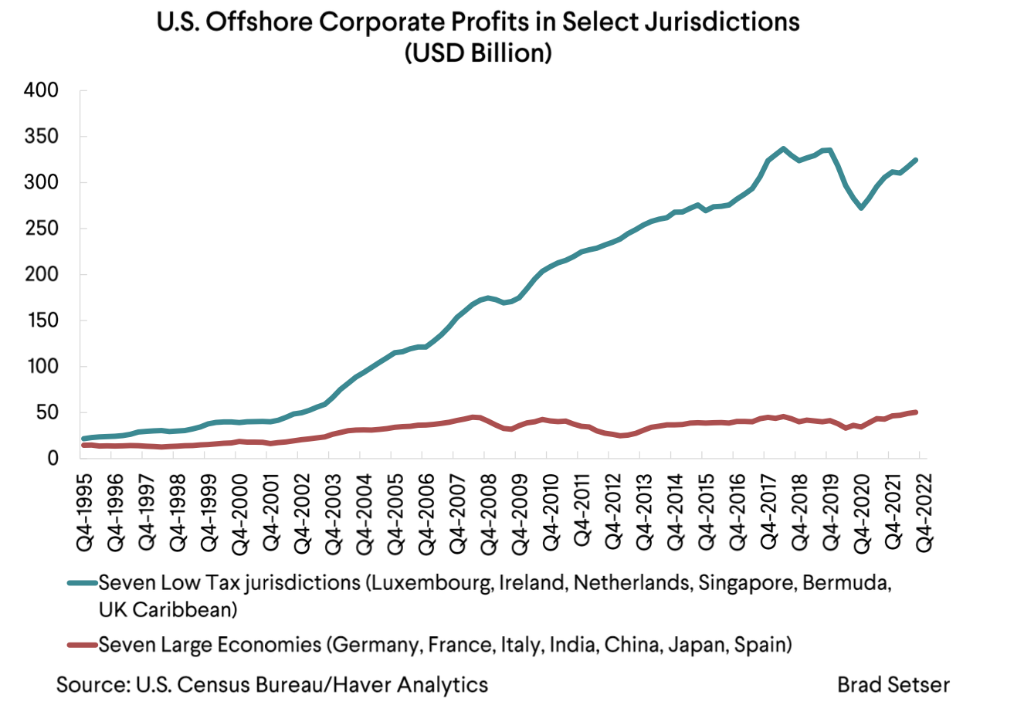
Core Viewpoint - The U.S. large biopharmaceutical sector is currently facing significant challenges, leading to a notable underperformance compared to the S&P 500 index, with a gap of approximately 15 percentage points since a key tariff announcement on April 2, 2025 [1][15]. Group 1: Challenges Facing the Biopharmaceutical Sector - The sector is under pressure from multiple factors, including high tariff barriers, drug price negotiation pressures, and an impending patent cliff, creating a murky outlook for the industry [1][2]. - Morgan Stanley analysts categorize these challenges as "overhangs," which are structural issues that have been exacerbated by recent policy changes [2]. Group 2: Tariff and Supply Chain Challenges - Specific tariff policies have been a direct trigger for the recent downturn in the sector, creating significant uncertainty in the market [3]. - Morgan Stanley believes that the impact of tariffs is largely "manageable," with companies able to respond through inventory management and accelerated product shipments [3][5]. - The expected tax rate for companies heavily reliant on U.S. production may rise from approximately 16-17% to 19-20%, similar to Gilead Sciences [3]. Group 3: Drug Price Negotiation Pressures - Drug pricing remains a persistent concern, with the "Most Favored Nation" (MFN) pricing policy posing potential risks, although its widespread implementation faces significant hurdles [6][7]. - The Inflation Reduction Act (IRA) is expected to have an incremental rather than disruptive impact on market expectations regarding drug pricing [8]. - Setser's testimony highlights the disparity in profit reporting between U.S. and overseas operations, with U.S. companies reporting minimal profits domestically while generating substantial profits abroad [9][12]. Group 4: Patent Expiration and Valuation - The upcoming patent expirations for key drugs between 2028 and 2030 are anticipated to suppress sector valuations, but this is viewed as a manageable "profit reset" rather than a crisis [13][14]. - Historical data suggests that the average earnings per share (EPS) erosion following patent expirations is around 15%, with a subsequent rebound often occurring [14]. Group 5: Current Valuation and Market Sentiment - The biopharmaceutical sector's valuation has dropped to a historical low, with a relative discount of 45-50% compared to the S&P 500 index [15][18]. - The sector has seen an overall decline of about 8% since the tariff announcement, while the S&P 500 has increased by approximately 5% [18][20]. Group 6: Potential Catalysts for Recovery - Clarity in policy execution regarding tariffs, MFN, and IRA could alleviate investor concerns and potentially lead to a recovery in the sector [23]. - Setser's recommendations for tax reforms aimed at reducing profit and production outflows could fundamentally alter the industry's profit and production landscape [24]. - The removal of unfavorable terms in the IRA, such as the "pill penalty," could serve as a significant positive catalyst for the sector [23][25].


Gilead Sciences, Inc. (GILD) BofA Securities Health Care Conference Transcript
Seeking Alpha· 2025-05-13 23:32
Core Insights - Gilead Sciences is focused on executing its strategy to drive top-line growth while maintaining operational discipline and advancing its pipeline [2] Group 1: Company Operations - Gilead is managing its operations amidst changing macroeconomic conditions, including potential impacts from MFN, tariffs, and IRA [2] - The company has a small team dedicated to scenario planning to navigate the fluid market environment [2]

Gilead Sciences (GILD) 2025 Conference Transcript
2025-05-13 19:20
Summary of Gilead's Conference Call Company Overview - **Company**: Gilead Sciences - **Industry**: Pharmaceuticals and Biotechnology Key Points and Arguments Macro Environment and Strategy - Gilead is focused on delivering its strategy, emphasizing top-line growth and operational discipline despite macroeconomic uncertainties [2][3] - The company is managing scenario planning with a small team to navigate the fluid environment [3][6] Product Pipeline and Launches - Gilead has several product launches in progress, including: - **Libdelzi** launched in August [4] - **Lenacapavir** for prevention, with a PDUFA date of June 19 [4][32] - Upcoming data for needle cell therapy expected by year-end [4] - The company is well-prepared with an average effective tax rate of about 20% over the last four years, benefiting from its IP being primarily in the US [5] Drug Pricing and Market Access - Gilead is actively considering the implications of potential drug pricing reforms, including the Most Favored Nation (MFN) policy and its impact on pricing strategies [10][17] - The company believes that the value of its medicines will be recognized, and it is committed to ensuring access to its products [15][16] HIV Business Segment - The HIV segment constitutes approximately two-thirds of Gilead's total revenues [20] - Gilead is concerned about potential funding cuts at the CDC and HHS, which could impact HIV surveillance and treatment efforts [21][22] - The company is focused on education and advocacy to ensure lawmakers understand the importance of CDC funding for HIV initiatives [21] Lenacapavir Launch Strategy - Lenacapavir is expected to redefine HIV prevention with a dosing schedule of every six months, showing over 96% efficacy in trials [29][30] - Gilead anticipates achieving approximately 75% access within six months post-launch and 90% by the end of the first year [34] - The company is exploring flexible distribution options, including specialty pharmacies and alternate sites of care [49][50] Competitive Landscape - Gilead is aware of the competitive landscape, particularly regarding the Glaxo product, and is leveraging learnings from previous launches to optimize its strategy [55][56] - The company aims to capture market share from existing PrEP users and expand awareness among high-risk populations [65][66] Biktarvy Performance - Biktarvy is projected to generate around $14 billion in revenue, accounting for nearly 50% of Gilead's total revenues [68] - The product has over 51% market share in the integrase inhibitor market and continues to grow despite challenges from Part D redesign [70][71] - Gilead believes there is still significant growth potential for Biktarvy, especially as it continues to address the needs of patients not currently virologically suppressed [75] Additional Important Insights - Gilead emphasizes the importance of prevention in reducing new HIV cases and is committed to increasing awareness and education for at-risk populations [27][66] - The company is preparing for a switch strategy at the launch of Lenacapavir, targeting existing PrEP users while also focusing on expanding the market [62][65] This summary encapsulates the critical insights from Gilead's conference call, highlighting the company's strategic focus, product pipeline, market dynamics, and competitive positioning in the pharmaceutical industry.
美股制药股盘前普跌,诺和诺德、艾伯维等跌幅领先
news flash· 2025-05-12 08:12
美股制药股盘前普跌,诺和诺德跌5.25%、艾伯维跌4.12%、阿斯利康跌3.8%、诺华制药跌3.7%、吉利 德科学跌3.46%。特朗普预告将签署行政令,药价立即降低30%-80%。 ...


小细胞肺癌:中国管线全球领先,研发聚焦三大新领域
KAIYUAN SECURITIES· 2025-05-12 06:44
Investment Rating - The investment rating for the biopharmaceutical industry is "Positive" (maintained) [2] Core Insights - The report highlights the aggressive nature of small cell lung cancer (SCLC), with extensive stage SCLC accounting for approximately 75% of cases, which often rely on systemic treatment and have a poor prognosis [6][21] - The first-line treatment for extensive stage SCLC primarily involves PD-1/PD-L1 immunotherapy combined with doublet chemotherapy, while there are limited approved drugs for later-line treatments, indicating a significant unmet clinical need [24][30] - The report identifies three key areas of focus for research and development in the SCLC field: Antibody-Drug Conjugates (ADC), DLL3 T-cell engagers (TCE), and next-generation immune-oncology (IO) therapies [30][34] Summary by Sections 1. SCLC Overview - SCLC accounts for about 15%-20% of all lung cancer cases, with a high incidence of early metastasis [18][19] - The majority of SCLC cases are extensive stage, which has a poor prognosis and relies heavily on systemic therapies [21][22] 2. Treatment Landscape - The standard treatment for extensive stage SCLC has been established as a combination of chemotherapy and PD-1/PD-L1 immunotherapy, but the overall prognosis remains poor [24][25] - The NCCN and CSCO guidelines recommend various treatment options, including the recent inclusion of Tarlatamab as a preferred second-line treatment [28][29] 3. Research and Development Focus - ADCs are rapidly advancing in the SCLC field, targeting multiple hot spots such as B7-H3, DLL3, and TROP-2, with no ADC products currently approved for SCLC [37][38] - DLL3 TCEs, particularly Tarlatamab, have shown promising early data and are expected to reshape the treatment landscape for SCLC [30][31] - Next-generation IO therapies are being developed to challenge the current PD-L1 standard in first-line SCLC treatment [8][36] 4. Investment Recommendations - The report suggests that companies with strong pipelines in the SCLC space, such as Zai Lab, Zai Lab-U, Innovent Biologics, and others, are likely to benefit from the anticipated growth in the market as new data emerges [9]



2 High-Yield Dividend Stocks to Buy in May and Hold Forever
The Motley Fool· 2025-05-10 12:45
Core Viewpoint - Investing in dividend stocks requires attention to a company's underlying operations rather than just high yields, with AbbVie and Gilead Sciences being highlighted as strong candidates for income investors [1][2]. Group 1: AbbVie - AbbVie is recognized as a "Dividend King," having raised its payouts for 53 consecutive years, making it a strong consideration for income investors [4]. - The company is well-known for its immunology drugs, particularly Skyrizi and Rinvoq, which have shown unexpectedly rapid sales growth [5][6]. - Following the loss of patent exclusivity for Humira, AbbVie has successfully returned to top-line growth, with a revised 2027 sales guidance for Skyrizi and Rinvoq exceeding $31 billion, up from $27 billion [6]. - AbbVie has a robust pipeline with numerous programs that are expected to lead to further approvals and label expansions, supporting its strong business fundamentals [8]. - The forward yield for AbbVie is over 3.5%, significantly higher than the S&P 500 average of 1.3%, indicating its potential as a long-term dividend stock [8]. Group 2: Gilead Sciences - Gilead Sciences is a leading drugmaker, particularly known for its dominance in the HIV market, with a revenue of $6.7 billion in the first quarter, despite flat overall sales due to lower Veklury sales [9]. - The HIV segment grew by 6% year-over-year, generating $4.6 billion, with Biktarvy being the top prescribed regimen in the U.S. [10]. - Gilead is diversifying its portfolio beyond HIV, with a focus on oncology, where over a third of its 58 pipeline programs are concentrated [12]. - The forward yield for Gilead is 3.2%, and the company has increased its dividends by nearly 84% over the past decade, making it an attractive option for long-term income-seeking investors [13].
Gilead(GILD) - 2025 Q1 - Quarterly Report
2025-05-07 20:32
Financial Performance - Total revenues for Q1 2025 were $6,667 million, a slight decrease of 0.3% compared to $6,686 million in Q1 2024[15] - Product sales amounted to $6,613 million in Q1 2025, down from $6,647 million in Q1 2024, reflecting a decrease of 0.5%[15] - Net income for Q1 2025 was $1,315 million, a significant recovery from a net loss of $4,170 million in Q1 2024[15] - Operating income for Q1 2025 was $2,237 million, compared to an operating loss of $4,322 million in the same period last year[15] - Basic earnings per share attributable to Gilead for Q1 2025 was $1.06, a recovery from a loss of $3.34 per share in Q1 2024[15] - Gilead's income before income taxes for Q1 2025 was $1,649 million, compared to a loss of $4,486 million in Q1 2024[86] Cash Flow and Investments - Cash provided by operating activities for the three months ended March 31, 2025, was $1,757 million, down from $2,219 million in the same period of 2024[24] - Net cash used in investing activities was $415 million for Q1 2025, compared to $2,207 million in Q1 2024, indicating a reduction in cash outflow[24] - The company reported a net cash used in financing activities of $3,426 million for Q1 2025, an increase from $1,361 million in Q1 2024[24] - Cash and cash equivalents at the end of the period were $7,926 million, up from $4,718 million at the end of Q1 2024[24] - Total cash and cash equivalents at the beginning of the period were $9,991 million, reflecting a strong liquidity position[24] Assets and Liabilities - Total current assets decreased to $16,901 million as of March 31, 2025, down from $19,173 million as of December 31, 2024[13] - Total assets decreased to $56,434 million as of March 31, 2025, compared to $58,995 million as of December 31, 2024[13] - Long-term debt decreased to $22,146 million as of March 31, 2025, down from $24,896 million as of December 31, 2024[13] - As of March 31, 2025, total debt, net amounted to $24,952 million, a decrease from $26,710 million as of December 31, 2024[69] - The company repaid $1.75 billion of principal balance related to senior unsecured notes due at maturity in February 2025[70] Research and Development - Research and development expenses decreased to $1,379 million in Q1 2025 from $1,520 million in Q1 2024, a reduction of approximately 9.3%[15] - A partial impairment charge of $2.4 billion was recorded for certain acquired in-process research and development assets during the three months ended March 31, 2024[38] - A partial impairment charge of $2.4 billion was recognized for the NSCLC IPR&D intangible asset due to a failed Phase 3 study[58] Legal and Regulatory Matters - The company intends to vigorously defend against various lawsuits, including those related to product liability involving approximately 22,000 active plaintiffs[79] - The company is involved in litigation with generic manufacturers regarding the exclusivity of its products, which could significantly impact revenues[73] - The company has approximately $220 million in accruals for legal matters as of March 31, 2025, down from $242 million as of December 31, 2024[72] - A settlement agreement was reached in April 2025 with the U.S. Attorney's Office for the Southern District of New York related to a government investigation[80] - The company accrued approximately $200 million for a settlement with the U.S. Attorney's Office for the Southern District of New York in April 2025[72] Segment Performance - Product sales in the HIV segment totaled $4,587 million for Q1 2025, up from $4,342 million in Q1 2024, representing an increase of 5.6%[29] - The company recognized $54 million in royalty, contract, and other revenues for Q1 2025, compared to $39 million in Q1 2024[29] Expenses - Selling and marketing expenses increased to $753 million in Q1 2025 from $743 million in Q1 2024, while general and administrative expenses decreased to $505 million from $632 million[89] - Gilead's total selling, general, and administrative expenses for Q1 2025 were $1,258 million, down from $1,375 million in Q1 2024[89] - Other (income) expense, net reported a loss of $328 million in Q1 2025, compared to a gain of $91 million in Q1 2024[68] Tax Matters - The effective tax rate for Q1 2025 was 20.2%, up from 7.0% in Q1 2024, primarily due to tax benefits from stock-based compensation and adjustments[86][87] - The company is currently under examination by the IRS for tax years 2019 to 2021, which may lead to disputes regarding tax deductions and income allocations[88] - Gilead's effective income tax rate in Q1 2024 was impacted by $3.9 billion of non-deductible acquired IPR&D expenses related to the acquisition of CymaBay[87] Other Financial Metrics - Unrealized losses related to equity securities amounted to $436 million for the three months ended March 31, 2025, compared to $15 million in the same period of 2024[44] - The fair value of the contingent consideration liability related to the acquisition of MYR GmbH increased to $216 million as of March 31, 2025, from $206 million at the beginning of the period[36] - The total estimated fair value of senior unsecured notes was $21.886 billion as of March 31, 2025, down from $23.335 billion at the end of 2024[39] - The liability related to future royalties from the acquisition of Immunomedics, Inc. was approximately $0.9 billion as of March 31, 2025[40] Acquisitions and Investments - Gilead made a $250 million upfront payment to LEO Pharma for a strategic partnership to develop STAT6 programs, with potential additional milestone payments of up to $1.5 billion[54] - Gilead acquired approximately 15.2 million additional shares of Arcus for $320 million, increasing its stake to approximately 30%[55] - The acquisition of CymaBay Therapeutics, Inc. was completed for total consideration of $3.9 billion in March 2024[51] Subsequent Events - There were no subsequent events or transactions to disclose beyond those already mentioned in the financial statements[90]
3 Biotech Giants Gaining From U.S. Sales and Policy Shifts
MarketBeat· 2025-05-02 11:02
Core Insights - The current global trade environment is marked by rising tariffs and tensions, prompting investors to seek stability in defensive sectors that are less impacted by economic fluctuations [1][2] - Large-cap biotech companies with a strong domestic focus, such as Gilead Sciences, Amgen, and AbbVie, are gaining attention as potential defensive investments due to their reliance on the U.S. market [2][3] Biotech Companies Overview - Gilead Sciences derives approximately 70.0% of its Q1 2025 product revenue from the U.S., Amgen generates about 74.7% of its Q4 2024 product sales domestically, and AbbVie obtains roughly 74.8% of its Q1 2025 net revenue from the United States [3][4] - The significant concentration of domestic sales provides a buffer against retaliatory tariffs and economic downturns, as demand for essential medicines tends to be inelastic [4][5] Financial Performance and Stability - Gilead Sciences has a market capitalization of around $132.66 billion, with a year-to-date stock gain of 15.3% and a low Beta of approximately 0.32, indicating defensive characteristics [11][13] - Amgen, valued at approximately $156.41 billion, reported a positive year-to-date performance of +11.6% and a Beta of 0.59, suggesting lower volatility [15][16] - AbbVie has a market capitalization of roughly $345.22 billion, achieving a 9.8% operational revenue increase in Q1 2025, with a forward P/E ratio of about 15.85 [18][19] Policy Environment - Recent U.S. government policy shifts are creating a supportive environment for domestic biotech companies, focusing on onshoring and reshoring manufacturing to enhance supply chain resilience [6][8] - Strategies include financial incentives, direct government investments, and prioritizing domestically produced medicines through 'Buy American' initiatives [7][8] Investment Appeal - The combination of strong cash flows, healthy dividends, and low Beta scores makes U.S.-focused biotech companies appealing during uncertain times [21][20] - Analysts have a Moderate Buy consensus on Gilead and AbbVie, while Amgen is rated as a Hold, reflecting confidence in their defensive qualities amidst market volatility [11][19][15]


Should You Buy, Sell or Hold GILD Stock Post Q1 Earnings Miss?
ZACKS· 2025-04-30 14:10
Core Viewpoint - Gilead Sciences, Inc. reported lower-than-expected first-quarter 2025 results, with adjusted earnings per share (EPS) of $1.81 and total revenues of $6.7 billion, both missing consensus estimates [1][2] Group 1: Financial Performance - Adjusted EPS of $1.81 missed the Zacks Consensus Estimate by a penny, while the previous year reported a loss per share of $1.32 [1] - Total revenues of $6.7 billion were flat year over year and missed the Zacks Consensus Estimate of $6.8 billion [1] - Key drugs Biktarvy and Trodelvy missed sales expectations, leading to a decline in stock price post-announcement [2] Group 2: HIV Portfolio Strength - Gilead's HIV product sales contributed $4.6 billion in the first quarter, with Biktarvy sales increasing 7% year over year to $3.15 billion despite missing estimates [4] - Biktarvy holds over 51% market share in the U.S. treatment market, indicating strong momentum [5] - The pipeline candidate lenacapavir showed 100% efficacy for HIV prevention in women, with FDA priority review expected by June 19, 2025 [6][7] Group 3: Liver Disease Portfolio - FDA approval of seladelpar for primary biliary cholangitis (PBC) strengthens Gilead's liver disease portfolio, with initial uptake being encouraging [8] Group 4: Oncology Business Challenges - Gilead's oncology portfolio faces competitive pressures, particularly in the Cell Therapy franchise and breast cancer drug Trodelvy, which saw lower-than-expected sales [10] - Potential launches of anito-cel and Trodelvy in 2026 may bolster the oncology business [11] Group 5: Stock Performance and Valuation - Gilead's shares have gained 13.6% year to date, outperforming the industry and S&P 500 [12] - The stock trades at a price/earnings ratio of 12.80x forward earnings, lower than the large-cap pharma industry's average of 15.77x [15] - The bottom-line estimate for 2025 has slightly decreased to $7.91, while the estimate for 2026 has increased to $8.69 [16] Group 6: Strategic Outlook - Gilead's continuous innovation in the HIV portfolio and strategic acquisitions are seen as positive for long-term growth [19][20] - The company maintains a strong cash position of $7.9 billion as of March 31, 2025, supporting a sustainable dividend yield of 2.97% [21]