
GAC GROUP(GNZUY)

Search documents
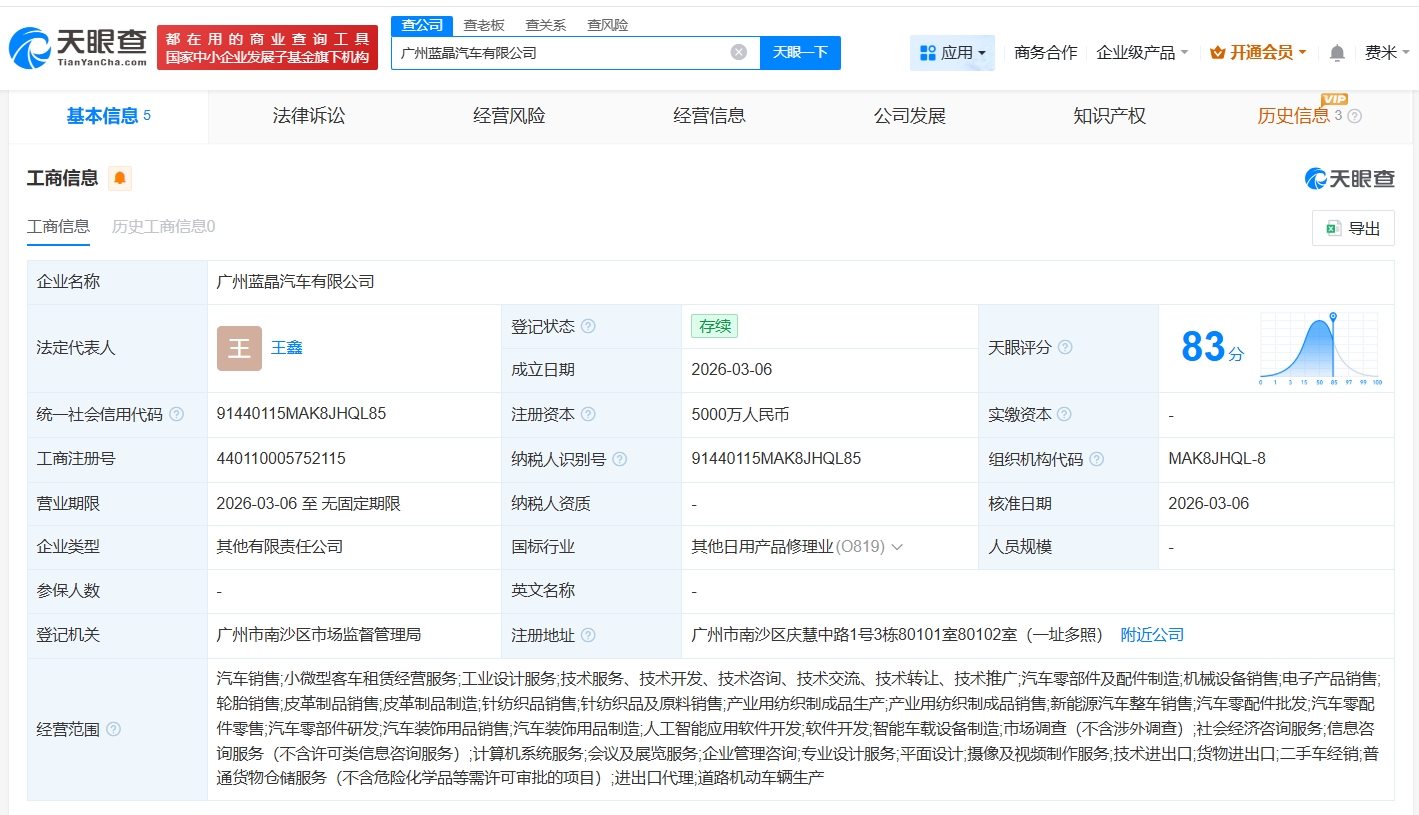
广汽集团成立蓝晶汽车公司
2 1 Shi Ji Jing Ji Bao Dao· 2026-03-10 06:55
Group 1 - Guangzhou Blue Crystal Automobile Co., Ltd. was recently established with a registered capital of 50 million RMB, focusing on the sale of new energy vehicles, production of motor vehicles, and development of artificial intelligence application software [1] - The company is jointly owned by GAC Group's GAC Trading Co., Ltd. and Guangzhou Heijing Investment Partnership (Limited Partnership), with GAC Trading holding a 97% stake and Heijing holding 3% [2] Group 2 - The legal representative of Guangzhou Blue Crystal Automobile Co., Ltd. is Wang Xin, and the company is registered in Nansha District, Guangzhou [2] - The business scope includes various services such as automotive sales, vehicle rental services, industrial design, and software development, among others [2]

全国人大代表,广汽集团党委书记、董事长冯兴亚:以科技创新为核心引擎 加快形成新质生产力
Qi Huo Ri Bao Wang· 2026-03-10 05:29
Core Insights - The Chinese automotive market is expected to reach sales of approximately 34 million vehicles by 2026, with a growth rate slowing to 3.5% [1] - The industry is entering a phase of micro-growth focused on stock competition, while accelerating the formation of new productive forces [1] - By 2025, both production and sales in the automotive sector are projected to exceed 34 million units, setting a new historical record, with new energy vehicles (NEVs) surpassing 16 million units and accounting for over 50% of domestic new car sales [1] Group 1 - The core of new productive forces is driven by technological innovation, focusing on key core technologies for autonomous control [1] - The automotive industry must undergo revolutionary changes in production methods, with a focus on management transformation and organizational efficiency [1] Group 2 - The formation of new productive forces requires an open and collaborative innovation ecosystem, integrating "automobile + energy + information + city" to create new value [2] - The development of new productive forces necessitates a global market presence, transitioning from "going out" to "going in" and "going up," aiming to build globally influential Chinese automotive brands [2]
两会专访丨全国人大代表、广汽集团董事长冯兴亚:“番禺行动”进入“内部装修”阶段,2026年广汽集团产销规模要重回200万辆
Mei Ri Jing Ji Xin Wen· 2026-03-09 07:39
Core Viewpoint - The rural market is identified as a strategic area for the national unified market and a key engine for domestic economic circulation, presenting significant consumption growth potential and stable supply capabilities [1] Group 1: Rural New Energy Vehicle Market - The activation of the rural new energy vehicle market can enhance transportation convenience for rural residents, assist in energy conservation and emission reduction, and inject new momentum into economic growth [1] - Challenges faced by rural consumers include sparse charging networks, insufficient fast-charging stations, inadequate after-sales service, and lack of financial support [1] - Recommendations include addressing energy supply bottlenecks, improving rural charging and swapping networks, establishing robust after-sales systems, and enhancing support for rural vehicle consumption [1] Group 2: Charging and Swapping Models - The swapping model is recognized as a major energy supply method for new energy vehicles, aligning with carbon neutrality strategies and addressing charging difficulties [3] - The strategic value of the swapping model is increasingly acknowledged at the national level, with expectations of forming a trillion-yuan industry ecosystem by 2030 [3] - Recommendations for the swapping model include establishing a unified national standard, enhancing operational subsidies, and coordinating the layout of swapping networks [3] Group 3: Overseas Market Expansion - GAC plans to increase its overseas sales of self-owned brands to nearly 130,000 units by 2025, representing a 47% year-on-year increase [4] - The company aims to cover over 90% of county markets in China by adding 600 full-brand experience stores by 2026 [2] - GAC's overseas strategy includes strengthening its presence in Europe, expanding into Australia, New Zealand, South Africa, and Southeast Asia, and establishing over 1,000 sales and service points globally [4] Group 4: Challenges in Overseas Expansion - GAC faces challenges in overseas markets due to differing standards, which necessitate product redevelopment, impacting efficiency and cost [5] - Localizing talent, supply chains, and sales service networks, as well as building logistics systems, are critical issues to overcome [5] Group 5: AI and Robotics Integration - GAC is integrating artificial intelligence into its strategy, focusing on product experience, operational efficiency, and digital transformation [8] - The company has initiated the commercial validation of humanoid robots in security and healthcare applications, with plans for mass production of the GoMate Mini robot [9] - GAC is also developing flying cars, with significant customer orders and production milestones expected by 2026 [9] Group 6: Production and Sales Goals - GAC aims to achieve a production and sales scale of 2 million vehicles by 2026, with a focus on enhancing self-owned brand sales to account for 60% of total sales [11] - The "Panyu Action" reform initiative is designed to transform the organization into a user-demand-oriented structure, enhancing innovation and efficiency [11] - In 2025, GAC's product planning efficiency improved by 30%, and the time for developing new models was reduced to 18-21 months [11]
广汽集团等成立新创业投资基金,出资额1.05亿
Zhong Guo Neng Yuan Wang· 2026-03-09 07:32
Group 1 - The Guangdong Guangqi Jianzhi Venture Capital Fund Partnership (Limited Partnership) has been established with a total investment of 105 million RMB [1] - The fund's managing partner is Guangzhou Yingpeng Private Fund Management Co., Ltd., and its business scope includes private equity investment, investment management, and asset management [1] - The fund is jointly funded by several partners, including Guangzhou Haizhi Venture Capital Co., Ltd., Guangqi Group's Guangqi Capital Co., Ltd., Haizhi Investment (Guangzhou) Co., Ltd., Guangzhou Yingpeng Private Fund Management Co., Ltd., and Guangzhou Jianzhi Private Fund Management Co., Ltd. [1]
广汽集团:智驾系统依托140万辆C端智能汽车和B端优质运营数据积累
Cai Jing Wang· 2026-03-09 02:22
Core Viewpoint - GAC Group has made significant advancements in the field of intelligent driving, developing the ADiGO GSD intelligent driving assistance system that mimics human reasoning and decision-making capabilities [1] Group 1: Technological Development - The ADiGO GSD system is built on years of experience in intelligent driving and utilizes innovative end-to-end model algorithms [1] - The system benefits from the accumulation of data from 1.4 million C-end smart vehicles and high-quality operational data from B-end [1] - GAC Group has developed a self-research simulation platform, capable of completing over 1 million kilometers of verification mileage in a single day [1] Group 2: Performance and Coverage - The ADiGO GSD system covers 99.9% of road scenarios for driving assistance and over 99.5% of parking spaces [1] - The extensive coverage of the system ensures that the intelligent driving assistance experience is applicable to a wide range of real-world conditions [1]
全国人大代表、广汽集团董事长冯兴亚:加快自动驾驶立法 护航汽车电动化智能化转型
Shang Hai Zheng Quan Bao· 2026-03-07 06:14
Core Viewpoint - The development of the autonomous driving industry is crucial for the transformation and upgrading of the automotive sector, with significant market potential and responsibilities for high-quality manufacturing [1] Group 1: Legislative and Standardization Needs - The establishment of a unified national standard and evaluation system is essential to address the bottlenecks in the industry's development [1] - Clear legal definitions regarding accident liability, road usage permissions, and data security management are necessary for the widespread adoption of autonomous vehicles [1] - A comprehensive legal framework is considered the "safety bottom line" for the large-scale implementation of autonomous driving [1] Group 2: Industry Competitiveness and Technological Advancements - The global autonomous driving industry is at a critical competitive stage, with China having developed its own advantages in smart driving technology [1] - Major automotive companies are increasing their R&D investments, with some achieving L4 level mass production capabilities [1] - The cost of Robotaxi models has significantly decreased, and commercial operations are beginning to scale [1] Group 3: Safety and Consumer Trust - Safety remains a fundamental principle in the automotive industry and is non-negotiable [1] - As the industry transitions to electrification and intelligence, the concept of safety is evolving [1] - Automotive companies must prioritize user safety in their technological innovations and enhance the safety of intelligent features to ensure secure smart travel for users [1]
全国人大代表、广汽集团董事长冯兴亚:加快自动驾驶立法 护航汽车电动化智能化转型
Shang Hai Zheng Quan Bao· 2026-03-06 20:35
Core Viewpoint - The article emphasizes the need for accelerating legislation on autonomous driving to support the development of the smart connected vehicle industry, which is seen as a crucial driver for the transformation and upgrading of the automotive sector [3][4]. Group 1: Legislative and Standardization Needs - The chairman of GAC Group, Feng Xingya, suggests that establishing a unified national standard and evaluation system is essential for overcoming bottlenecks in the industry [3]. - Clear legal definitions regarding accident liability, road usage permissions, and data security management are necessary as autonomous vehicles become more integrated into daily transportation [3][4]. - A comprehensive legal framework is viewed as the "safety bottom line" for the large-scale implementation of autonomous driving [3]. Group 2: Industry Development and Competitive Advantage - The global autonomous driving sector is at a critical competitive stage, with Chinese companies having developed advantages in smart driving technology [4]. - Major automotive companies are increasing their R&D investments, with some achieving L4 level mass production capabilities and significant cost reductions for Robotaxi models [4]. - The alignment of institutional supply with technological innovation is crucial for transforming technological advantages into industrial and market advantages, helping China gain a competitive edge in the global smart driving arena [4]. Group 3: Safety Concerns and Consumer Trust - Safety remains a fundamental principle in the automotive industry and is non-negotiable [4]. - As the industry transitions towards electrification and intelligence, the concept of safety is evolving, necessitating that companies prioritize user safety in their technological innovations [4]. - Enhancing vehicle safety and providing secure smart travel experiences for users are critical for building consumer trust in autonomous vehicles [4].
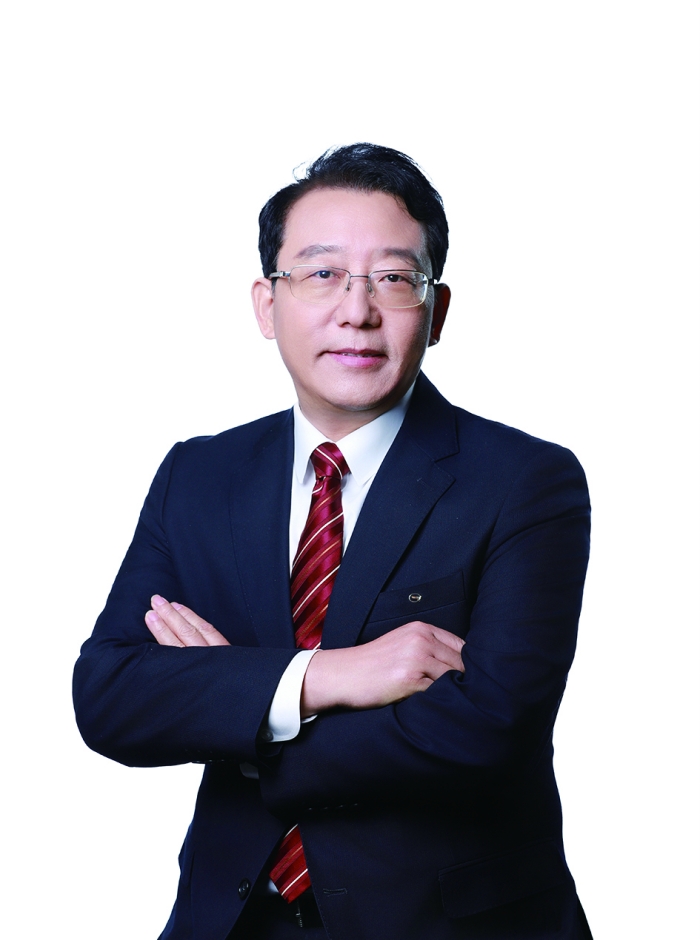
全国人大代表、广汽集团董事长冯兴亚:加快自动驾驶立法护航汽车电动化智能化转型
Shang Hai Zheng Quan Bao· 2026-03-06 20:07
Core Viewpoint - The article emphasizes the need for accelerated legislation on autonomous driving to support the electric and intelligent transformation of the automotive industry, highlighting the importance of establishing a unified national standard and evaluation system to address industry development bottlenecks [3][4]. Group 1: Legislative and Regulatory Framework - The chairman of GAC Group, Feng Xingya, suggests that a clear legal framework is essential for defining the responsibilities of car manufacturers, operators, and regulatory bodies to alleviate concerns and encourage the use of autonomous vehicles [4]. - A comprehensive legal framework is deemed the "safety bottom line" necessary for the large-scale implementation of autonomous driving technologies [3]. Group 2: Industry Development and Market Potential - The smart connected vehicle industry is identified as a crucial engine for the transformation and upgrading of the automotive sector, with a market potential valued in trillions [3]. - The article notes that various automotive companies are increasing their R&D investments, with some achieving L4 level mass production capabilities and significant cost reductions for Robotaxi models, indicating the initial stages of commercial operation [4]. Group 3: Safety and Consumer Concerns - Safety is highlighted as a fundamental principle in the automotive industry, with an evolving definition in the context of electric and intelligent vehicle transitions [4]. - Companies are urged to prioritize user safety in their technological innovations and enhance the safety features of vehicles to ensure secure intelligent travel for consumers [4].
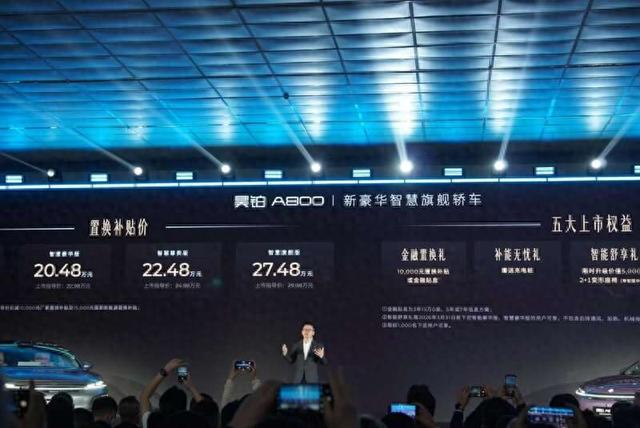
多项技术助力驾乘体验升级,广汽集团推出昊铂A800
Zhong Guo Qing Nian Bao· 2026-03-06 03:00
Core Viewpoint - GAC Group has launched the Haobo A800, a new luxury smart flagship sedan, featuring advanced technology and optimizations in various aspects such as chassis, safety, and intelligence [2]. Group 1: Vehicle Technology and Features - The Haobo A800 is equipped with a three-motor four-wheel drive smart digital chassis that can adjust power distribution to the left, right, front, and rear wheels in real-time, with a response time as fast as 10 milliseconds [2]. - The vehicle includes a "negative torque output" feature that enhances cornering precision, along with hardware configurations like dual-chamber air springs, SDC shock absorbers, and high-performance multi-link rear suspension [2]. - It incorporates high-speed blowout prevention technology and intelligent anti-motion sickness functions, balancing vehicle handling and passenger comfort through calibration testing and digital technology [2]. Group 2: Safety Features - The Haobo A800 is equipped with 14 safety airbags and utilizes the latest magazine battery 2.0 technology, successfully passing more stringent shooting tests than the new national standard puncture test [2]. - To ensure the stable operation of the four-laser radar intelligent driving assistance system, the vehicle features redundant designs for positioning, perception, computation, and power systems, enhancing overall travel safety [2]. Group 3: Intelligent Driving System - The vehicle is equipped with Huawei's Qian Kun intelligent driving ADS 4.1 system and features 896-line laser radar, with new urban navigation functions including three-point turns and park navigation assistance [2]. - The interior features the HarmonyOS cockpit 5, which integrates five major intelligent entities and a universal large model, enabling functions such as navigation error correction and fuzzy semantic vehicle control [2].
广汽集团(601238) - H股公告-广汽集团2026年2月证券变动月报表
2026-03-05 10:15
股份發行人及根據《上市規則》第十九B章上市的香港預託證券發行人的證券變動月報表 截至月份: 2026年2月28日 狀態: 新提交 致:香港交易及結算所有限公司 公司名稱: 廣州汽車集團股份有限公司(於中華人民共和國註冊成立的股份有限公司) 呈交日期: 2026年3月5日 I. 法定/註冊股本變動 | 1. 股份分類 | 普通股 | 股份類別 A | | | 於香港聯交所上市 (註1) | | 否 | | | --- | --- | --- | --- | --- | --- | --- | --- | --- | | 證券代號 (如上市) | 601238 | 說明 A股 | | | | | | | | | | 法定/註冊股份數目 | | | 面值 | | 法定/註冊股本 | | | 上月底結存 | | | 7,383,697,595 | RMB | | 1 RMB | | 7,383,697,595 | | 增加 / 減少 (-) | | | 0 | | | RMB | | 0 | | 本月底結存 | | | 7,383,697,595 | RMB | | 1 RMB | | 7,383,697,595 | ...