
Sandisk Corporation(SNDK)

Search documents
美股异动 | 存储概念股回调 西部数据(WDC.US)跌超10%
智通财经网· 2026-01-07 15:09
Core Viewpoint - The storage sector in the US stock market failed to maintain its upward momentum, with significant declines observed in major companies' stock prices [1] Company Performance - Western Digital (WDC.US) experienced a drop of over 10% [1] - Seagate Technology (STX.US) fell by more than 8% [1] - SanDisk Corp (SNDK.US) decreased by over 4.6% [1] - Micron Technology (MU.US) saw a decline of more than 1.4% [1]


SNDK, WDC and STX Forecast – Picks and Shovels for AI in Focus
FX Empire· 2026-01-07 13:48
Core Viewpoint - The content emphasizes the importance of conducting personal due diligence and consulting with competent advisors before making any financial decisions, particularly in relation to investments in cryptocurrencies and CFDs [1]. Group 1 - The website provides general news, personal analysis, and opinions, as well as materials from third parties for educational and research purposes [1]. - It explicitly states that the information should not be interpreted as a recommendation or advice for any financial actions, including investments or purchases [1]. - The accuracy and reliability of the information are not guaranteed, and users are advised to consider their individual financial situations before relying on the content [1]. Group 2 - The website includes information about complex financial instruments such as cryptocurrencies and CFDs, which carry a high risk of losing money [1]. - Users are encouraged to conduct their own research and fully understand the workings and risks of any financial instruments before investing [1].


Why is there a RAM shortage? AI demand and the mad scramble for memory chips could hit where it hurts
Fastcompany· 2026-01-07 13:27
Core Viewpoint - The stock prices of RAM and NAND manufacturers have surged due to a significant RAM shortage expected to last through 2026, primarily driven by increased demand from AI data centers [1][3][11]. Group 1: RAM Shortage Causes - The RAM shortage in 2026 is largely attributed to the rapid expansion of AI data centers by major tech companies like Google and Amazon, which require advanced RAM for their servers [3][6]. - AI data centers utilize a more advanced type of RAM compared to that used in consumer electronics, leading manufacturers to prioritize production for AI applications over traditional RAM [6][7]. Group 2: Impact on Prices - The shortage of RAM is causing a significant increase in conventional DRAM contract prices, which have risen between 55% and 60% quarter over quarter [8][9]. - As a result of rising component costs, consumers can expect to pay up to 20% more for smartphones and laptops this year, although some analysts suggest price increases may be less than 20% due to potential cost-cutting measures by manufacturers [9][10]. Group 3: Stock Market Reaction - The stock prices of major memory manufacturers have seen substantial increases, with Micron up over 44%, Seagate up 121%, Western Digital up 231%, and Sandisk up 653% over the past six months [11][13]. - This surge in stock prices follows a report from TrendForce and comments from Nvidia's CEO, highlighting the memory storage market as a significant growth opportunity driven by AI demands [12][13].
全球存储,飞奔去月球?
Xin Lang Cai Jing· 2026-01-07 11:39
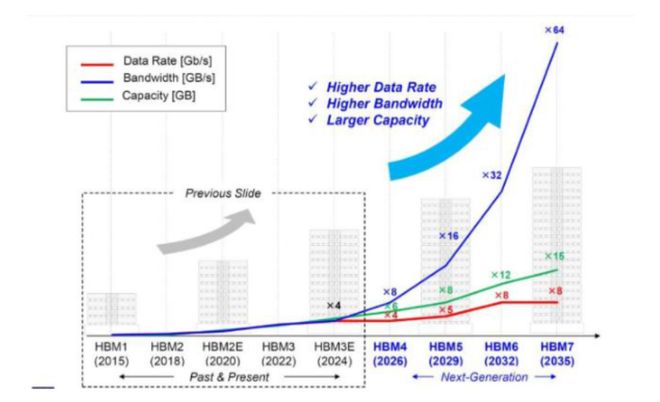
Group 1 - The core viewpoint of the article highlights the booming demand in the storage market, driven by advancements in technology and increasing needs for high-performance storage solutions [2][5][9] - The CES conference showcased significant developments in storage technology, particularly with SK Hynix unveiling its next-generation HBM4 chip, which is expected to dominate the market by 2026 [5][8] - Major storage stocks in the U.S. saw substantial gains following positive market sentiment, with SanDisk rising by 28%, Western Digital by 17%, Micron by 10%, and Seagate Technology by 14% [3][4] Group 2 - SK Hynix and Samsung Electronics are planning to increase server DRAM prices by 60% to 70% in Q1 2026, indicating strong market dynamics and potential price hikes across the board [8][9] - The competition between SK Hynix and Samsung Electronics is intensifying, with Samsung projected to surpass SK Hynix in storage chip revenue by Q3 2025, achieving $19.4 billion [9] - The Asia-Pacific Select ETF has significant holdings in both Samsung Electronics and SK Hynix, with recent performance showing a 145% return for Samsung and a 300% return for SK Hynix over the past year [11][12]
Dow Extends Record Highs: Investor Sentiment Improves Further, Fear & Greed Index Remains In 'Neutral Zone - Albertsons Companies (NYSE:ACI), SanDisk (NASDAQ:SNDK)
Benzinga· 2026-01-07 06:03
Market Sentiment - The CNN Money Fear and Greed index improved to a reading of 52.1, remaining in the "Neutral" zone, up from 47.9 [7] - U.S. stocks closed higher, with the Dow Jones index gaining approximately 1%, reaching record highs as investors shifted towards cyclical and blue-chip stocks [1] Sector Performance - Memory chip stocks, including Sandisk Corp., Western Digital Corp., and Seagate Technology Holdings, experienced significant gains due to expectations of rising memory prices amid a global supply crunch [2] - Most sectors on the S&P 500 ended positively, with materials, health care, and industrials showing the largest gains, while energy and communication services sectors closed lower [5] Company-Specific Developments - Tesla Inc. saw a decline of over 4%, marking its tenth drop in 11 sessions, influenced by competitive pressures in the robotaxi market and market share losses in Europe to BYD [3] - Investors are anticipating earnings results from Albertsons Companies Inc., UniFirst Corp., and Constellation Brands Inc. [6] Economic Indicators - The S&P Global services PMI decreased to 52.5 in December from 54.1 in the previous month, while the composite PMI fell to 52.7, the lowest in eight months [4]




大佬就是大佬!黄仁勋一句话引爆市场,牛股飙涨1080%,这类股集体闪崩
Xin Lang Cai Jing· 2026-01-07 05:37
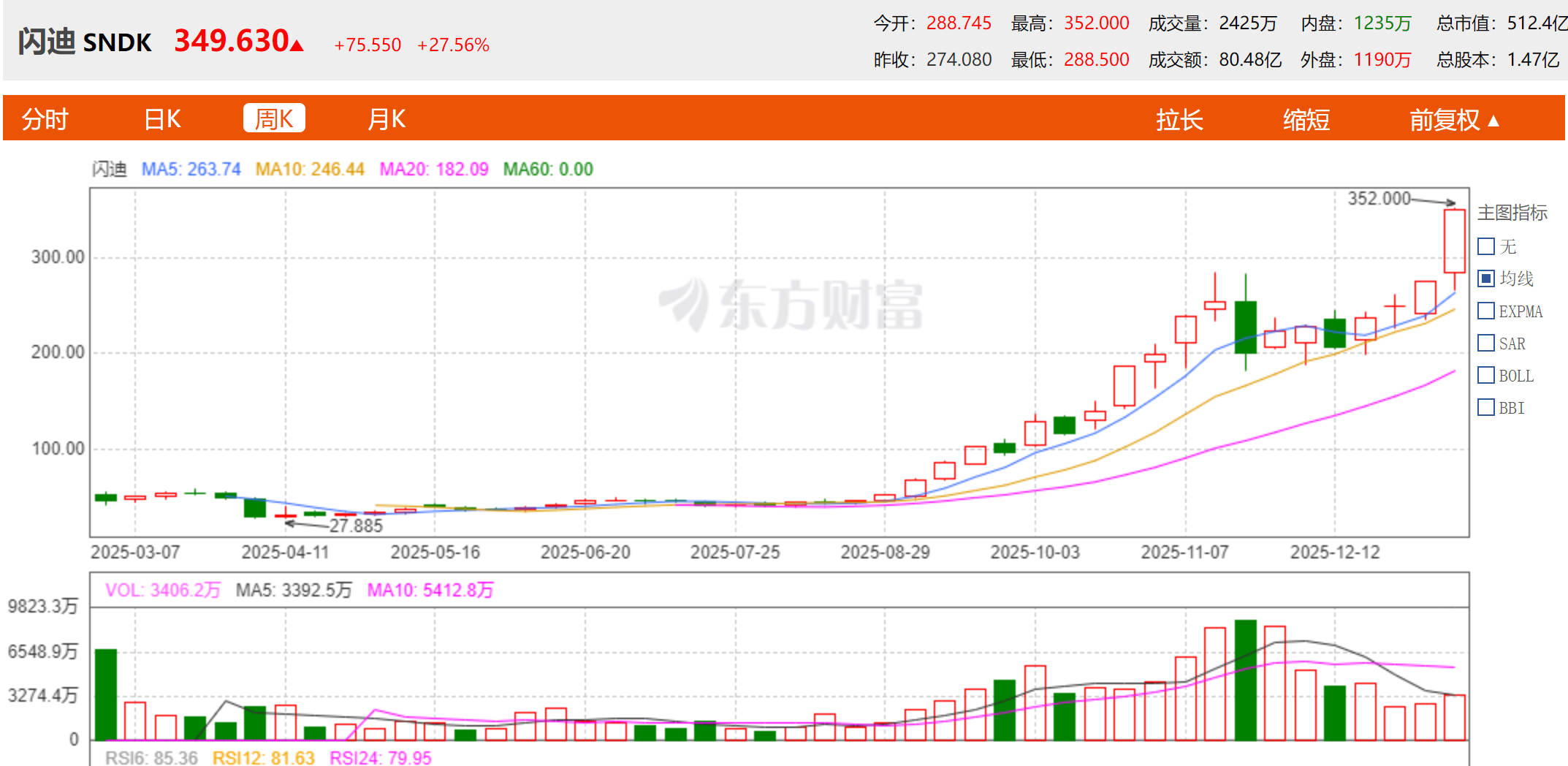
Core Viewpoint - Nvidia CEO Jensen Huang's remarks at CES 2026 have significantly impacted the stock market, leading to a surge in storage-related stocks while causing declines in data center cooling stocks [1][2]. Group 1: Storage Stocks Surge - SanDisk's stock price soared nearly 28% to $349.63 per share, reaching a market cap of $51.24 billion, marking a tenfold increase since February of the previous year [2][4]. - Huang emphasized the untapped potential of the storage market, predicting it could become the largest global storage market to support AI workloads, with current demand exceeding existing infrastructure capabilities [4]. - Other storage companies like Western Digital, Seagate, and Micron also saw significant stock price increases, with Western Digital up 16.77% to $219.38, Seagate up 14% to $330.42, and Micron up 10% to $343.43, all achieving double-digit percentage gains [6][7]. Group 2: AI-Driven Hardware Spending - The growth in AI training and inference demand is leading to tight memory supply and rising prices, boosting digital storage stocks [12]. - Analysts predict that companies will retain more data for training, analysis, and compliance, driving a surge in storage demand, particularly in sectors like drones, surveillance, and automotive technology [14]. - The focus on AI investment has shifted towards hardware spending, with expectations that AI inference will dominate beyond 2026 [14]. Group 3: Cooling Stocks Decline - Huang's comments raised concerns about the demand for data center cooling products, leading to declines in cooling-related stocks [15]. - Johnson Controls' stock fell 6.24%, Modine Manufacturing dropped 7.46%, and Trane Technologies decreased by 2.52%, with significant intraday losses [15][19]. - Analysts noted that the shift towards liquid cooling technology could impact traditional cooling systems, although some believe the recent sell-off may be excessive [21].



美股存储板块 SNDK 为何疯涨28%?道指冲刺“5万点”
3 6 Ke· 2026-01-07 03:54
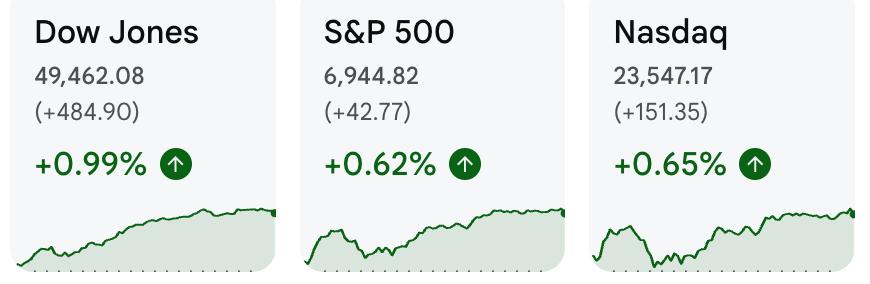
Core Viewpoint - The U.S. stock market continues its strong momentum into the new year, with the S&P 500 and Dow Jones reaching all-time closing highs, indicating a shift of funds from leading AI giants to deeper sectors of the supply chain, particularly benefiting the semiconductor industry [1] Group 1: Market Performance - The Dow Jones increased by 0.99% to 49,462.08 points, crossing the significant psychological barrier of 49,000 points [1] - The S&P 500 also set a new record, rising by 0.62% to 6,944.82 points [1] Group 2: Storage Sector Surge - The storage sector in the U.S. stock market experienced explosive growth, with significant gains in major companies: SanDisk (SNDK) surged by 27.56%, Micron (MU) rose by 10.02%, Western Digital (WDC) increased by 16.77%, and Seagate (STX) climbed by 14% [3] Group 3: AI Storage Architecture - NVIDIA introduced the "Inference Context Memory Storage Platform" at CES 2026, marking a shift in AI architecture where inference becomes a complex system engineering challenge rather than solely reliant on GPUs [5] - The new architecture addresses the need for handling large-scale token processing, creating a "G3.5 flash layer" that integrates enterprise-grade NAND flash storage directly with GPU systems [7][9] Group 4: Valuation Reconstruction - The introduction of NVIDIA's platform provides a clear quantitative anchor for storage demand, allowing analysts to accurately calculate storage needs based on the number of GPU racks deployed, leading to a shift from traditional P/B valuation to PE premium for storage companies [10] Group 5: Supply Chain Dynamics - Structural growth pressures are impacting the supply chain, with expectations of continued DRAM price increases due to production constraints, projected to grow by 51% in revenue by 2026, while NAND revenue is expected to grow by 45% [11][13] - The average selling price (ASP) for DRAM is anticipated to rise by 33%, and for NAND by 26%, reflecting strong demand in the memory semiconductor industry [13] Group 6: Industry Outlook - Wall Street consensus indicates that the current "storage supercycle" will last at least until 2027, with top storage companies' total market value potentially approaching $1.5 trillion by 2027, representing over 50% upside from current levels [16] - Major tech companies like Google, Amazon, and Microsoft have placed unlimited orders with manufacturers like Micron, highlighting the critical role of storage solutions in the AI landscape [19]
疯狂的存储!1盒内存条堪比北京上海1套房,闪迪股价暴涨10倍,“国产双雄”长鑫科技、长江存储狂飙,估值已达数千亿
Jin Rong Jie· 2026-01-07 03:03
厂商产能转向AI 供需失衡刺激存储价格狂飙 "疯狂的存储"上演,全球存储芯片市场正在经历前所未有的价格飙升。据韩国经济日报消息,韩国两大存储巨头三星电子与SK海力士已向客户发出涨价通 知,2026年第一季度服务器DRAM价格将较2025年第四季度上涨60%-70%。 在资本市场,存储板块应声暴涨,交易所数据显示,隔夜美股闪迪单日飙升27.56%,创下十个月来最大涨幅。美光科技涨幅超过10%,再次刷新历史高点。 希捷科技与西部数据分别上涨14%和16%以上。 2025年,美光和闪迪等存储龙头股价已经出现大幅上涨,近一年闪迪最大涨幅超过10倍。 存储芯片价格暴涨的根源在于供需严重失衡,内存制造商将产能重心转向HBM3E生产,这种高端内存专门服务于AI服务器需求。传统服务器DRAM产能因 此受到严重挤压,供应缺口持续扩大。 同时,谷歌、微软等科技巨头正大力发展基于推理的AI服务业务,对服务器通用DRAM需求呈现爆发式增长。博通为客户开发ASIC芯片的同时,也在大量 增加HBM3E订单,进一步加剧了DRAM供应紧张局面。 市场研究机构预测,传统DRAM合约价格环比上涨幅度将达到55%-60%。NAND闪存产品价格同样 ...
1盒内存条价格堪比上海1套房!内存暴涨,闪迪股价一夜飙升27%,李斌喊话“大家买车要早一点”
Xin Lang Cai Jing· 2026-01-07 02:53
Core Viewpoint - The price of memory modules, particularly DDR5 server memory, has surged dramatically, with a single 256G module exceeding 40,000 yuan, surpassing the value of many properties in Shanghai [1] Group 1: Memory Market Dynamics - The price of memory is highly volatile, changing almost daily, as indicated by industry expert Wu Shen [1] - On January 6, 2023, the U.S. storage sector experienced significant gains, with SanDisk's stock rising by 27%, marking its largest single-day increase in ten months, while Micron Technology increased by nearly 7% to reach a historical high [1] - Other companies in the sector, such as Seagate and Western Digital, also saw stock increases of nearly 10% [1] Group 2: Price Increases and Industry Impact - Samsung and SK Hynix have announced price increases for DRAM used in servers, PCs, and smartphones, with first-quarter quotes expected to rise by 60%-70% compared to the fourth quarter of the previous year [1] - The rising memory prices are exerting significant pressure on the automotive industry, as highlighted by NIO's founder Li Bin, who noted that the automotive sector is competing with AI, data centers, and the smartphone industry for memory resources [1] - Currently, the cost pressures from rising memory prices have not yet been passed on to end consumers, remaining within the tolerable limits for companies like NIO [1]