Sony Group(SONY)

Search documents
How to disable ACR on your TV (and why doing so makes such a big difference)
ZDNET· 2026-01-26 02:00
Core Insights - The article discusses the use of Automatic Content Recognition (ACR) technology in smart TVs, which tracks viewing habits and collects data for targeted advertising [3][12][17] - In 2022, advertisers spent approximately $18.6 billion on smart TV ads, with expectations for continued growth in this area [4] - ACR technology captures up to 7,200 images per hour, providing detailed insights into viewer preferences and personal information [6][17] Group 1: ACR Technology Overview - ACR operates in the background, identifying content displayed on screens by capturing screenshots and cross-referencing them with a media database [5] - This technology allows marketers to tailor content recommendations and track the effectiveness of advertisements [7] - The data collected includes sensitive personal information, raising concerns about potential misuse and privacy risks [8][18] Group 2: Privacy Concerns and User Control - Many users are unaware of ACR's presence and find it challenging to opt out due to complex settings [9][12] - The article provides instructions for disabling ACR on various smart TV brands, emphasizing the effort required to protect privacy [10][16][20] - Disabling ACR may limit some smart features of the TV, but it is recommended for those concerned about data privacy [16][18]


Media firms look beyond the home screen, eye eyeballs offshore
MINT· 2026-01-25 13:28
Core Insights - Indian media firms are seeking growth opportunities abroad due to revenue pressures in the domestic market [1][2] - Global partnerships are being formed to tap into higher-paying diasporic audiences [1][5] Industry Trends - The Indian media and entertainment market is experiencing challenges with low subscription prices, pressured advertisement rates, and intense competition [2][6] - Companies are diversifying their portfolios by exploring international markets, which offer better monetization opportunities [5][13] Strategic Partnerships - IN10 Media Network's MovieVerse Studios has partnered with Beacon Media to create a global content alliance focused on stories from the Global South [3][7] - SonyLIV has announced a partnership with YouTube TV to expand its subscription services in multiple countries [3] Revenue Potential - Overseas users can contribute up to 40% of overall revenues for some platforms, highlighting the financial incentive for global expansion [4] - Diaspora-heavy markets provide higher per-user revenue compared to the Indian market [5][9] Content Creation and Distribution - The partnership with Beacon Media aims to produce culturally relevant content for digital-first platforms [7][8] - Indian content has an existing audience in markets like the US, UK, and Australia, which can lead to increased licensing and distribution opportunities [9] Challenges in Global Expansion - Adapting storytelling and marketing strategies for international audiences is crucial, as what works in India may not resonate abroad [11] - The global market is competitive, requiring sharper curation and branding to stand out against various international productions [12]

JioStar moves Supreme Court against CCI probe over alleged abuse of dominance in Kerala TV market
MINT· 2026-01-25 07:04
Core Viewpoint - JioStar, owned by Reliance Industries, is challenging the Competition Commission of India's (CCI) investigation into alleged abuse of dominance and discriminatory pricing in Kerala's television distribution market [1][9]. Legal Proceedings - A Supreme Court hearing is scheduled for JioStar's appeal against a Kerala High Court ruling that upheld the CCI's investigation order [2]. - The case originated from a complaint by Asianet Digital Network, which accused JioStar of dominating the market by controlling popular Malayalam channels and exclusive rights to major sporting events [2][3]. Allegations of Discriminatory Pricing - Asianet claims that JioStar provided preferential discounts to Kerala Communicators Cable Ltd (KCCL), while denying similar terms to other distributors, violating the Telecom Regulatory Authority of India's (Trai) rules [3][4]. - It is alleged that JioStar effectively offered KCCL discounts exceeding 50% through marketing agreements, which Asianet argues were a facade to lower effective channel prices for KCCL [4][5]. Regulatory Context - The CCI initiated an investigation in February 2022 after finding a prima facie case against JioStar, clarifying that this step did not imply guilt [6]. - JioStar contends that the dispute falls under the jurisdiction of Trai and the 2017 Broadcasting Regulations, arguing that the CCI should not have intervened [7]. - The CCI maintains that its authority under the Competition Act applies even in regulated sectors, and its role in examining market power abuse is not excluded by the presence of another regulator [8]. Court Rulings - The Kerala High Court upheld the CCI's investigation, stating that competition law can coexist with sectoral regulation [8]. - JioStar's appeal was dismissed by a division bench of the Kerala High Court, allowing the CCI's investigation to proceed [9]. Company Background - JioStar was established in November 2024 following the merger of Reliance's media business with Disney's India operations, valued at approximately $8.5 billion [10]. - Reliance holds a controlling stake of around 63% in the joint venture, while Disney owns about 36.84% [10]. Market Position - As of the April-June quarter of 2025, JioStar's streaming platform JioHotstar led India's subscription video-on-demand market with a 25% share, followed by Amazon Prime Video at 23% and Netflix at 19% [11].

Hindi TV channels look beyond soaps as ‘reality’ sinks in
The Economic Times· 2026-01-24 10:45
Core Insights - The broadcasting industry is shifting its scheduling strategies by introducing reality shows on weekdays, moving away from the traditional fiction-led model [1][9] - Reality formats are appealing to advertisers due to their ability to attract gender-balanced audiences and their effectiveness across television and digital platforms [2][6] - The rise of non-fiction genres, driven by streaming platforms, is prompting TV channels to extend their programming to weekdays, targeting non-drama soap audiences [5][9] Industry Trends - Non-fiction shows are increasingly popular among advertisers, commanding a premium of 35% to 75% for sponsorships, as they aggregate essential audiences for brand campaigns [6][10] - Cricket remains the only male-targeted mass-appeal offering dominating weekday viewership, highlighting a gap for male audiences in non-fiction programming [7][9] - The strategy to incorporate more interactive non-fiction and game formats aims to enhance monetization and engage audiences across both television and mobile platforms [8][10]

Peanuts and Dr. Motion Put a Spring in Our Steps for 2026 With a Whimsical New Collaboration
PRWEB· 2026-01-23 17:00
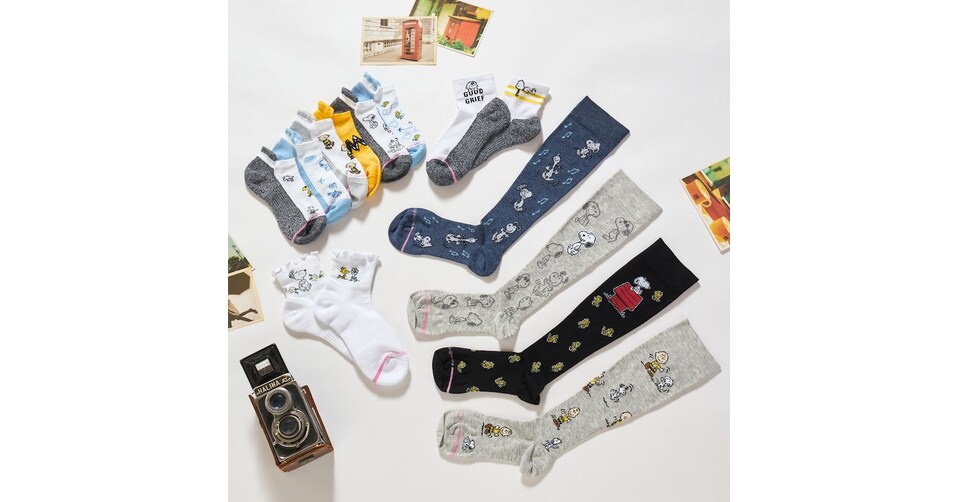
Group 1 - Dr. Motion has partnered with the Peanuts brand to launch a collection of women's everyday compression socks, emphasizing comfort and character [1][3] - The collection features various sock silhouettes, including ankle, quarter, and knee-high, with designs inspired by Peanuts characters like Snoopy and Charlie Brown [1][3] - Dr. Motion sold over 7 million pairs of socks in 2024 and is available in over 6,000 retail stores across the United States, including major retailers like Kohl's and T.J. Maxx [2] Group 2 - The Dr. Motion x Peanuts Collection will be available online and in select stores starting January 2026, marking the beginning of multiple collaborations inspired by Peanuts [3] - Dr. Motion is recognized as a leader in the compression and wellness sock category, having introduced stylish compression socks to the market and continuously expanding its product lines [4] - Peanuts, created by Charles M. Schulz in 1950, has a significant cultural impact and is owned by Peanuts Worldwide, which has partnerships with various companies and initiatives, including a collaboration with NASA [5]
突发!又一日企巨头爆雷
商业洞察· 2026-01-23 09:35
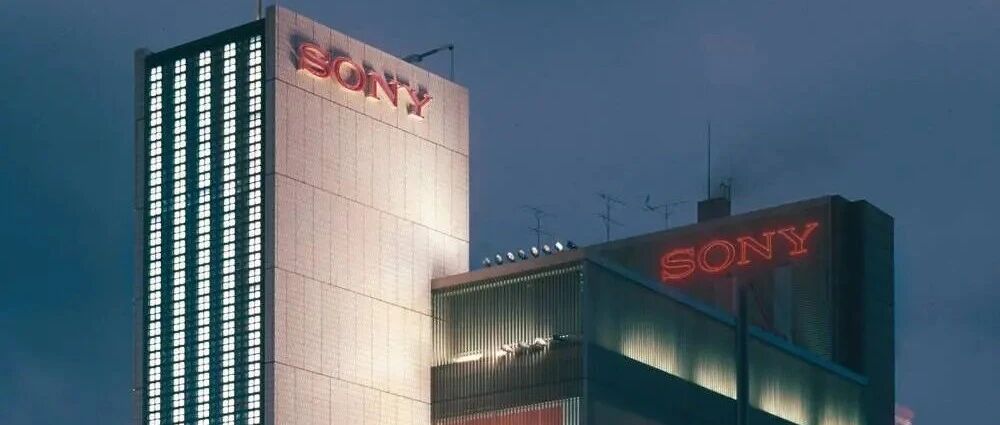
Core Viewpoint - Sony's decision to divest its television business to TCL marks the end of an era for Japanese brands in the global TV market, highlighting the rise of Chinese brands and the challenges faced by traditional players [12][14][26]. Group 1: Sony's Business Restructuring - Sony announced a major restructuring on October 20, 2023, to divest its television business, transferring it to a joint venture with TCL, where TCL will hold a 51% stake [12][14]. - This move signifies the end of Japanese dominance in global TV hardware manufacturing, as Sony relinquishes control over a once-proud segment of its business [14][26]. - The joint venture will continue to use the Sony and BRAVIA brands, ensuring brand recognition and customer loyalty while allowing Sony to focus on higher-margin areas like gaming and content [15][18]. Group 2: Market Dynamics and Competition - Chinese brands have captured over 50% of the Japanese TV market, with TCL holding a 13.8% global market share, positioning it as the second-largest TV brand worldwide [7][26][40]. - By 2024, foreign brands, including Sony, will collectively hold less than 5% of the Chinese market, indicating a significant decline in their competitive position [27]. - The partnership between TCL and Sony is seen as a strategic move to enhance TCL's brand prestige and global influence while allowing Sony to reduce operational pressures in a highly competitive market [17][18][44]. Group 3: Challenges Faced by Sony - Sony's television division has seen its global market share drop to 1.9%, reflecting a broader trend of declining Japanese brands in the consumer electronics space [26][34]. - Issues such as poor software adaptation, service delays, and customer dissatisfaction have contributed to a loss of trust among consumers, leading to a significant decline in brand loyalty [30][33]. - The overall decline of Japanese TV brands is evident, with significant drops in OLED TV shipments and a general retreat from the high-end market [34][35]. Group 4: TCL's Growth and Future Prospects - TCL has experienced substantial growth, with a 14.8% increase in global TV shipments in 2024, and is projected to surpass 30 million units in 2025 [40][41]. - The acquisition of Sony's TV business is expected to enhance TCL's capabilities in high-end markets, leveraging Sony's technology and brand reputation [44]. - The competitive landscape in the TV industry is shifting, with TCL's partnership with Sony potentially creating a formidable entity that could reshape market dynamics [45].

Make TVs Great Again
RealClearMarkets· 2026-01-23 09:00
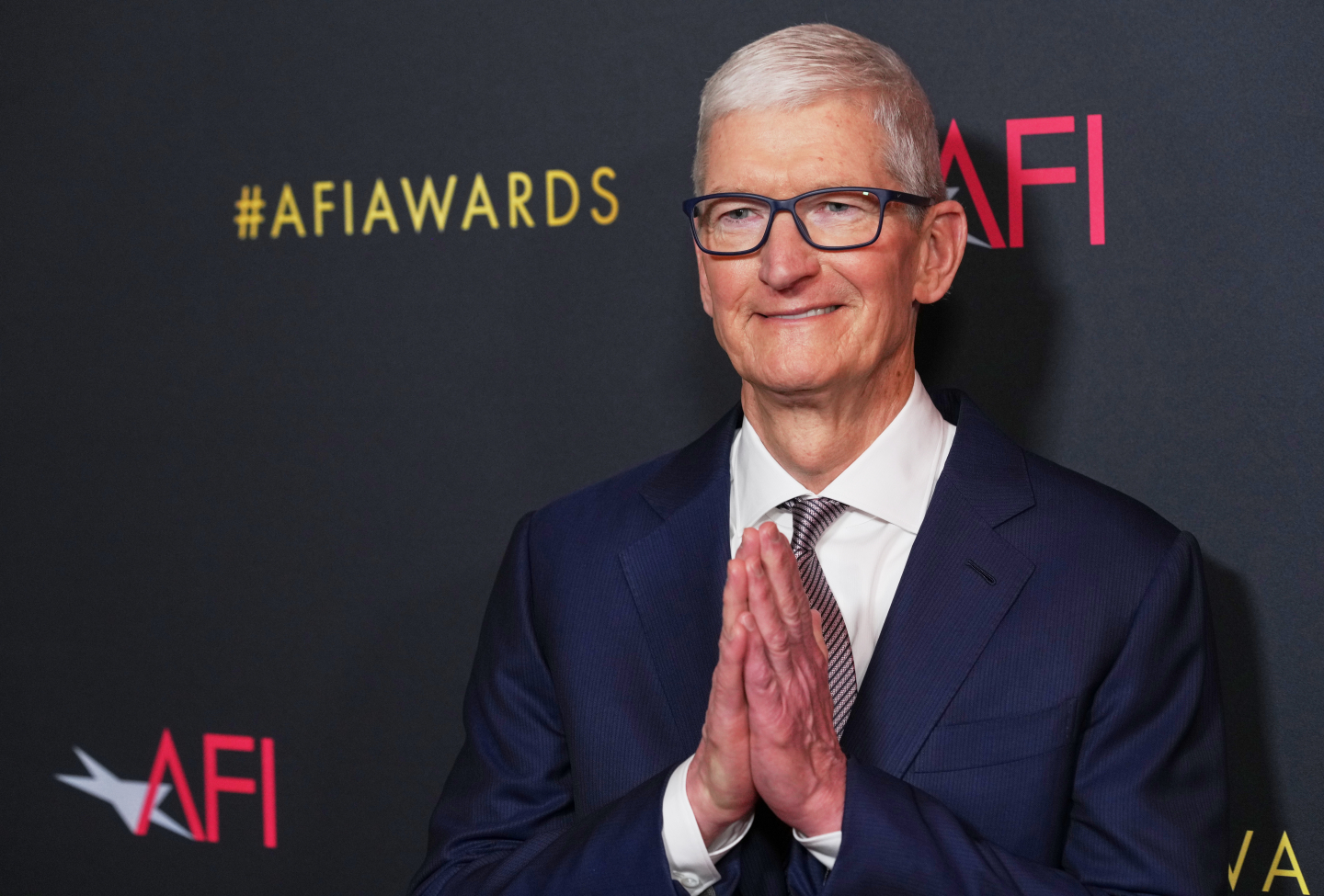
Core Viewpoint - The exit of Sony from the television market creates an opportunity for Apple to enter and potentially dominate the television set industry [1] Group 1: Market Dynamics - Sony's departure from the television market indicates a significant shift in the competitive landscape, leaving a gap that Apple could fill [1] - The television market is experiencing changes that may favor new entrants, particularly those with strong brand recognition like Apple [1] Group 2: Potential Opportunities - Apple's entry into the television set market could leverage its existing ecosystem, enhancing user experience and integration with other Apple products [1] - The move could also allow Apple to diversify its product offerings and tap into a new revenue stream [1]
索尼退场,日本电视全军覆没
芯世相· 2026-01-23 08:41
Core Viewpoint - Sony's decision to form a joint venture with TCL for its home entertainment business marks a significant shift in the global television market, indicating Japan's exit from the competitive landscape of television manufacturing [4][9]. Group 1: Sony's Strategic Move - Sony will transfer its television business and the BRAVIA brand to a joint venture with TCL, with TCL holding a 51% stake, effectively rebranding Sony's television operations [4]. - The move reflects Sony's lack of display panel production capabilities, which limits its profit margins in the television sector, relying instead on LG and TCL for panel supply [4][9]. - Sony's television market presence has been minimal, often categorized under "others" in market share rankings, and its television segment has historically underperformed compared to its other business units like CIS chips and gaming [4][9]. Group 2: Implications for the Japanese Market - The partnership signifies the end of Japan's independent television brands, as major players like Sharp, Toshiba, and Panasonic have either exited or significantly downsized their television operations [9][10]. - The historical context shows that since 2010, Japanese electronics companies have been selling off their consumer electronics divisions, with Sony's television business being the latest casualty [11][16]. - The decline of Japanese brands in the television market is attributed to their loss of panel production capabilities, which has led to a diminished ability to control pricing and market presence [20][26]. Group 3: The Rise of Chinese and Korean Competitors - TCL's acquisition of Sony's television business is positioned to enhance its competitive stance against Samsung, leveraging Sony's brand equity alongside its own manufacturing capabilities [9]. - The shift in market dynamics has seen Chinese and Korean companies dominate the display panel production, with significant investments leading to a loss of market share for Japanese firms [22][25]. - The transition from Japanese dominance in the television market to a landscape where Chinese and Korean manufacturers hold the majority of panel production capabilities illustrates a broader trend of technological and market leadership shifting eastward [20][29].

The Valuation Mirage: Why P/E Doesn’t Predict Returns Like You Think
The Calm Investor· 2026-01-23 07:16
This post is a detailed follow-up to this previous short post: The Price-Earnings Multiple tells you almost nothing about next years returns. The questions and comments I got were along the lines of “but it works on longer timeframes”, “you’re doing it wrong by only considering 26 data points” and so on. So here’s a much more detailed (no bite-sized simplistic takeaways – the word count should warn you!) exploration of the relationship between Index P/E and Forward Returns, how plain regression struggles in ...

索尼委身TCL,日企时代终落幕了
阿尔法工场研究院· 2026-01-23 04:09
Core Viewpoint - The collaboration between Sony and TCL marks a significant shift in the consumer electronics industry, highlighting the transition from traditional Japanese brands to Chinese manufacturers as key players in the market [5][24]. Group 1: Sony and TCL Collaboration - TCL announced a memorandum of understanding with Sony to establish a joint venture for Sony's home entertainment business, with TCL holding 51% and Sony 49% of the shares [5][7]. - The joint venture will focus on an integrated model for operating television and home audio businesses globally, indicating a shift in control from Sony to TCL [7][22]. - This partnership aims to combine Sony's high-quality audio-visual technology and brand value with TCL's advanced display technology and cost efficiency [20][22]. Group 2: Historical Context of Sony - Sony was once a dominant player in the television market, with its Trinitron technology setting the standard for picture quality in the 1980s and 1990s [9][10]. - The company enjoyed a long period of brand loyalty in China, despite higher prices compared to local brands [12]. - However, the rise of Chinese brands like TCL and Hisense, which offered lower prices and competitive technology, began to erode Sony's market share starting in the early 2000s [12][17]. Group 3: Challenges Faced by Sony - Sony's television business has faced significant challenges, including complaints about product reliability and a decline in brand trust among consumers [17]. - By 2025, Sony's television shipments had dropped to 2.6 million units, ranking it tenth in the market, far behind Chinese competitors [22][24]. - The company has been shifting its focus away from hardware to more profitable sectors like gaming, music, and image sensors, indicating a strategic realignment [24]. Group 4: Rise of Chinese Brands - Chinese brands have transitioned from being price competitors to leaders in technological innovation, with TCL and Hisense achieving significant market shares globally [31][33]. - By 2025, TCL's global television shipments reached 20.8 million units, marking a 4.1% increase year-on-year, while Hisense led the Chinese market in shipments [31][33]. - The collaboration between Sony and TCL symbolizes a broader trend of power shifting in the consumer electronics industry, with Chinese companies increasingly defining market standards [22][24].