TCL电视

Search documents
华创证券:首予TCL电子(01070)“强推”评级 目标价16港元
Zhi Tong Cai Jing· 2026-02-20 02:33
Group 1 - The core viewpoint is that TCL Electronics is expected to enhance its competitiveness and increase its overseas market share due to industry chain empowerment and structural upgrades in the television market [1][2] - The global television industry is transitioning into a phase of structural competition driven by upgrades, with increasing consumer demand for larger screens and advancements in display technology [1][2] - The average size of televisions has increased from 42.5 inches in 2017 to 52 inches in 2023, with Mini LED technology becoming a mainstream upgrade direction [1][2] Group 2 - The concentration of the upstream LCD panel industry in China has strengthened the competitive position of Chinese companies, with domestic panel manufacturers controlling over 70% of the market share by 2024 [2] - The global television market demand remains stable at around 200 million units, but the concentration among leading manufacturers has increased, with the CR4 rising from 45% in 2018 to 57% in the first half of 2025 [2] - TCL Electronics has seen its market share in the high-end segment increase from 10% to 20% in less than two years, indicating a successful encroachment on the market share of Korean competitors [3] Group 3 - TCL Electronics is transforming into a global leader driven by both profit and market share, with the average size of its television shipments increasing from 52.4 inches in 2021 to 63.3 inches in 2024 [3] - The share of TCL's shipments for televisions 65 inches and above has risen from 11.1% in 2021 to 29% in 2025, showcasing its focus on larger screen products [3] - TCL's Mini LED television market share is projected to reach 28.7% in the first half of 2025, making it the market leader [3] Group 4 - The company is leveraging its brand influence and global distribution network to foster innovation and growth in new business areas, such as distributed photovoltaic business, which is expected to grow by 104% to 12.87 billion HKD in 2024 [4] - The all-category marketing business is creating synergies with core black goods, becoming a stable growth point for the company [4] - The AI+AR glasses business has achieved a market share of 45% in the domestic market, positioning it as the industry leader [4]
冬奥会|竞技场外,它们也为中国赢下一块“金牌”
Bei Jing Ri Bao Ke Hu Duan· 2026-02-19 13:10
Core Insights - The article highlights the significant presence and contributions of Chinese companies at the Milan Winter Olympics, showcasing their impact across various sectors from athlete support to broadcasting technology [1][4][7]. Group 1: Athlete Experience and Engagement - The introduction of an AI-powered badge exchange station by Alibaba enhances the traditional badge swapping experience for athletes, combining technology with cultural practices [2]. - Athletes can instantly connect with family and friends post-competition through TCL technology, enhancing emotional engagement during the event [2][4]. - The use of 15 FPV drones for broadcasting provides immersive viewing experiences, allowing audiences to appreciate the dynamics of the competitions [3][4]. Group 2: Broadcasting and Technology - The integration of advanced technologies like "bullet time" and "time slice" effects revolutionizes the viewing experience, allowing for real-time analysis and enhanced visual appeal [4]. - Alibaba's AI technology significantly reduces the time required for post-production, enabling live generation of high-quality replays, which improves operational efficiency for broadcasters [4]. Group 3: Transportation and Logistics - The transportation logistics for the Winter Olympics are supported by 68 electric buses from Yutong, designed for optimal performance in cold conditions, ensuring efficient movement across the widely dispersed venues [5][6]. - These buses will continue to serve the local public transport system post-Olympics, contributing to sustainable urban mobility [6]. Group 4: Brand Presence and Influence - Chinese brands have a prominent presence at the opening ceremony, with a significant number of national teams wearing outfits from Chinese companies, reflecting the growing global influence of Chinese manufacturing [7]. - The participation of Chinese companies in various roles at the Olympics demonstrates a shift from mere production to innovation and quality, enhancing the global perception of "Made in China" [7].
TCL电子(01070.HK)深度研究报告:全球突破与盈利修复正当时
Ge Long Hui· 2026-02-17 22:03
Industry Overview - The global television industry has entered a phase of stock competition driven by structural upgrades, with future core drivers being larger screens and display technology advancements [1] - Consumer demand for larger televisions is increasing, with average global TV size rising from 42.5 inches in 2017 to 52 inches in 2023 [1] - Mini LED televisions are becoming a mainstream upgrade direction, with expected shipments of 8.2 million units in 2024, a 100% year-on-year increase, surpassing OLED televisions at 7 million units [1] Competitive Landscape - The concentration of the upstream supply chain has strengthened the competitiveness of Chinese companies, with the global LCD panel capacity now predominantly located in mainland China [1] - By 2024, the shipment area of mainland liquid crystal panel manufacturers is expected to exceed 70%, following the exit of major Korean companies like Samsung and LG [1] - The global TV market demand remains stable at around 200 million units, but market concentration has increased, with the global TV CR4 rising from 45% in 2018 to 57% in the first half of 2025 [1] Company Performance - TCL Electronics is transitioning to a global leader driven by both profit and market share, with average TV size increasing from 52.4 inches in 2021 to 63.3 inches in 2024 [2] - The share of TCL's TV shipments for sizes 65 inches and above has grown from 11.1% in 2021 to 29% by 2025 [2] - TCL's Mini LED TV market share is projected to increase by 4.1 percentage points to 28.7% in the first half of 2025, making it the market leader [2] Market Expansion - TCL's overseas market share is steadily increasing, with North America rising from 4.5% in 2016 to 18% in 2023, and Western Europe from 2% to 6% in the same period [2] - The company leverages its brand influence and global distribution network to empower innovative business development, including distributed photovoltaic business expected to grow 104% year-on-year to HKD 12.87 billion in 2024 [3] - The AI+AR glasses business is also performing well, with a market share of 45% in the domestic market as of Q1 2025, making it the industry leader [3] Investment Outlook - The integration of the supply chain enhances TCL Electronics' competitiveness, with expectations for continued growth in overseas market share [3] - The company is positioned to benefit from structural upgrades in the industry, with projected EPS of HKD 0.95, 1.12, and 1.31 for 2025 to 2027 [3] - A DCF valuation method suggests a target price of HKD 16.0, corresponding to PE ratios of 13, 11, and 10 for 2025 to 2027 [3]
TCL创始人、董事长李东生:继续完善全球化3.0体系
Jing Ji Guan Cha Wang· 2026-02-17 08:59
Group 1 - TCL will debut as an Olympic global partner at the 2026 Milan Winter Olympics, marking a new chapter in its globalization strategy [1] - The current global competition has shifted from cost and scale to a comprehensive comparison of values, technological capabilities, and industrial responsibilities [1] - The company defines this new phase as "Globalization 3.0," focusing on localizing the global industrial and supply chains [1] Group 2 - TCL aims to establish five local entities overseas, fostering local industrial ecosystems that include brand marketing, channel management, retail management, user service capabilities, and even product design [1] - The company is not just selling products abroad but is embedding R&D, manufacturing, and service capabilities in target markets [1] - In Poland, TCL is leveraging local talent in mathematics and algorithms to advance artificial intelligence technology [2] Group 3 - The "local for local" business model has dual strategic significance, contributing to local economic and social development while building long-term trust relationships [2] - TCL's confidence in its globalization efforts stems from its technological authority, exemplified by the construction of the world's first G8.6 generation printed OLED panel production line in Guangzhou [2] - The company is also committed to sustainable development, having launched a global code of conduct and a digital platform for carbon tracking [2] Group 4 - Looking ahead, TCL will maintain strategic focus on three core areas: smart terminals, semiconductor displays, and new energy photovoltaics [3] - The company plans to enhance its core capabilities by utilizing AI technology to improve advanced manufacturing levels and drive industrial efficiency [3] - TCL will continue to refine its Globalization 3.0 framework through deeper collaboration with global partners to explore new growth opportunities [3]

TCL创始人、董事长李东生:继续完善全球化3.0体系|2026商业新愿景
Jing Ji Guan Cha Wang· 2026-02-17 05:56
Group 1 - TCL will debut as an Olympic global partner at the 2026 Milan Winter Olympics, marking a new chapter in its globalization strategy [2] - The current global competition has shifted from cost and scale to a comprehensive comparison of values, technological capabilities, and industrial responsibilities [2] - The company defines this new phase as "Globalization 3.0," focusing on localizing global industrial and supply chains [2] Group 2 - TCL aims to establish five local entities overseas, fostering local industrial ecosystems with capabilities in brand marketing, channel management, retail management, user service, and product design [2] - The company is not just selling products abroad but is embedding core functions like R&D, manufacturing, and services in target markets [2] - In Poland, TCL is leveraging local talent in mathematics and algorithms to advance artificial intelligence technology [3] Group 3 - The "local for local" business model has dual strategic significance, contributing to local economic development and building long-term trust relationships [3] - TCL's confidence in its globalization efforts stems from its technological influence, exemplified by the construction of the world's first G8.6 generation printed OLED panel production line in Guangzhou [3] - The company is also committed to sustainable development, having launched a global code of conduct and a digital platform for carbon tracking [3] Group 4 - Looking ahead, TCL will maintain strategic focus on three core areas: smart terminals, semiconductor displays, and renewable energy photovoltaics [4] - The company plans to enhance its core capabilities by utilizing AI technology to improve advanced manufacturing levels and drive industrial efficiency [4] - TCL will continue to refine its Globalization 3.0 framework through deeper collaboration with global partners to explore new growth opportunities [4]

“什么值得买”发布2026年货消费趋势:生活有热爱,年货更对味
Zhong Guo Zhi Liang Xin Wen Wang· 2026-01-30 08:15
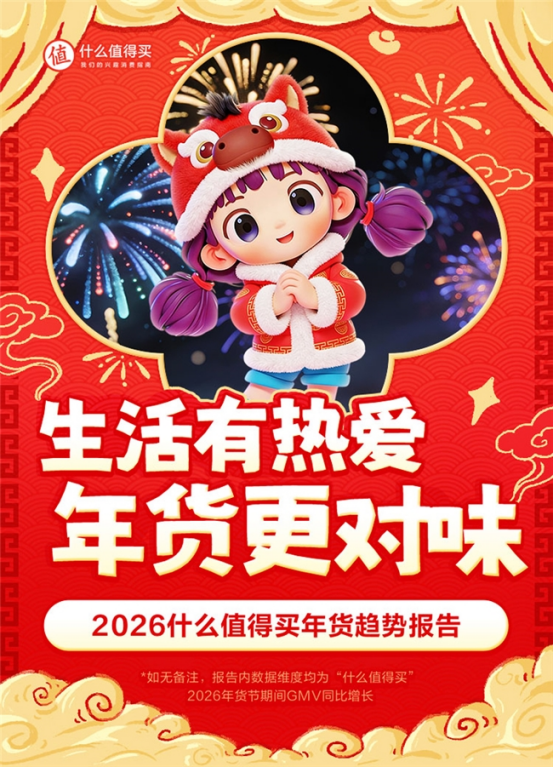
Core Insights - The 2026 "What Worth Buying" New Year Trend Report highlights a shift in consumer behavior towards interest-driven purchasing during the New Year festival, reflecting a more personalized and diverse approach to holiday shopping [1][3][4] Consumer Trends - Consumers are increasingly defining their New Year purchases based on personal interests, leading to a departure from traditional gift choices to more individualized selections such as vacations, pet gifts, and high-end food items [3][5] - The report indicates a significant rise in interest-driven consumption, with categories like digital devices, travel experiences, and health appliances gaining popularity [3][4] Product Performance - High-end products like the iPhone 17 Pro Max and Huawei Mate 80 Pro Max are leading sales, while traditional gifts like liquor remain popular due to their established gifting status [7] - The demand for pet-related products has surged, with pet apparel and grooming items seeing substantial year-over-year growth [8] Travel and Experience - There is a notable increase in travel-related purchases, with significant growth in the sales of ski equipment and vacation packages, indicating a trend towards experiential gifts for the New Year [9] - The report highlights that families are opting for travel as a way to celebrate the New Year, moving away from traditional homebound celebrations [9] Food and Beverage Trends - The New Year dinner is evolving, with consumers showing a preference for quality and diverse food options, including both traditional and global cuisines [10][12] - There is a growing focus on health-conscious food and beverage choices, with products emphasizing low sugar, high protein, and functional benefits becoming popular [13] Home and Lifestyle Products - The demand for home improvement and lifestyle products is rising, with consumers investing in smart appliances and personal care items to enhance their living environments [14][15] - The report notes a shift towards health-oriented gifts, with items like dietary supplements and home health devices becoming common choices for New Year gifting [15] Conclusion - The 2026 New Year market is characterized by a transformation towards interest-driven consumption, where consumers are curating personalized holiday experiences and products that reflect their values and lifestyles [15]
索尼电视卖身TCL,“中产白月光”还能卖上万块吗?
3 6 Ke· 2026-01-29 01:07
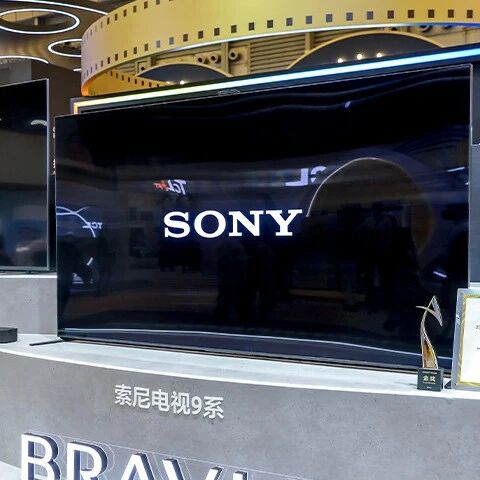
Core Viewpoint - The collaboration between TCL and Sony marks the end of the Japanese television era and signifies the rise of the Chinese television industry on a global scale [2][3][10]. Group 1: Company Collaboration - TCL and Sony have signed a memorandum of understanding to establish a joint venture, with TCL holding 51% and Sony 49%, focusing on global operations of Sony's television and home audio businesses [2][3]. - The joint venture is expected to begin operations in April 2027, pending regulatory approvals [3][4]. - This partnership aims to leverage Sony's expertise in audio-visual technology and TCL's strengths in display technology and cost control to create innovative products [6][11]. Group 2: Market Dynamics - The global television market is projected to see a total shipment of 220 million units in 2025, with TCL expected to ship approximately 30.4 million units, capturing a market share of 13.8% [6][11]. - Sony's television market share has significantly declined to about 1.25% in China, indicating a shift in consumer preferences and market dynamics [10][11]. - The competition in the television market is increasingly dominated by Chinese brands, with TCL and Hisense gaining substantial market shares, particularly in Japan [18][19]. Group 3: Industry Trends - The Japanese television giants have been gradually exiting the market, with significant sales and transfers of their businesses to Chinese companies over the past decade [17][19]. - The shift from traditional television to smart home integration is evident, as consumers increasingly seek multifunctional and aesthetically pleasing devices [27][30]. - The future of television is evolving towards becoming a central hub for smart home technology, with a focus on user experience and integration into daily life [29][30].

突发!又一日企巨头爆雷
商业洞察· 2026-01-23 09:35
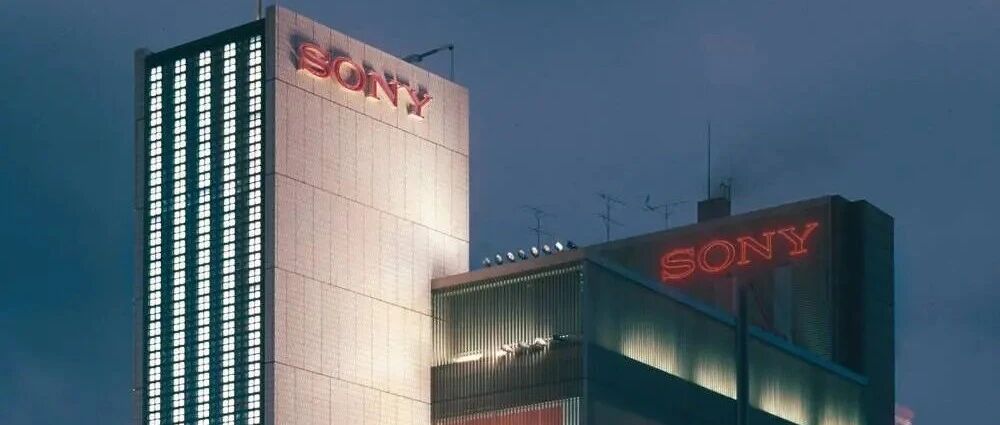
Core Viewpoint - Sony's decision to divest its television business to TCL marks the end of an era for Japanese brands in the global TV market, highlighting the rise of Chinese brands and the challenges faced by traditional players [12][14][26]. Group 1: Sony's Business Restructuring - Sony announced a major restructuring on October 20, 2023, to divest its television business, transferring it to a joint venture with TCL, where TCL will hold a 51% stake [12][14]. - This move signifies the end of Japanese dominance in global TV hardware manufacturing, as Sony relinquishes control over a once-proud segment of its business [14][26]. - The joint venture will continue to use the Sony and BRAVIA brands, ensuring brand recognition and customer loyalty while allowing Sony to focus on higher-margin areas like gaming and content [15][18]. Group 2: Market Dynamics and Competition - Chinese brands have captured over 50% of the Japanese TV market, with TCL holding a 13.8% global market share, positioning it as the second-largest TV brand worldwide [7][26][40]. - By 2024, foreign brands, including Sony, will collectively hold less than 5% of the Chinese market, indicating a significant decline in their competitive position [27]. - The partnership between TCL and Sony is seen as a strategic move to enhance TCL's brand prestige and global influence while allowing Sony to reduce operational pressures in a highly competitive market [17][18][44]. Group 3: Challenges Faced by Sony - Sony's television division has seen its global market share drop to 1.9%, reflecting a broader trend of declining Japanese brands in the consumer electronics space [26][34]. - Issues such as poor software adaptation, service delays, and customer dissatisfaction have contributed to a loss of trust among consumers, leading to a significant decline in brand loyalty [30][33]. - The overall decline of Japanese TV brands is evident, with significant drops in OLED TV shipments and a general retreat from the high-end market [34][35]. Group 4: TCL's Growth and Future Prospects - TCL has experienced substantial growth, with a 14.8% increase in global TV shipments in 2024, and is projected to surpass 30 million units in 2025 [40][41]. - The acquisition of Sony's TV business is expected to enhance TCL's capabilities in high-end markets, leveraging Sony's technology and brand reputation [44]. - The competitive landscape in the TV industry is shifting, with TCL's partnership with Sony potentially creating a formidable entity that could reshape market dynamics [45].
索尼委身TCL,日企时代终落幕了
阿尔法工场研究院· 2026-01-23 04:09
Core Viewpoint - The collaboration between Sony and TCL marks a significant shift in the consumer electronics industry, highlighting the transition from traditional Japanese brands to Chinese manufacturers as key players in the market [5][24]. Group 1: Sony and TCL Collaboration - TCL announced a memorandum of understanding with Sony to establish a joint venture for Sony's home entertainment business, with TCL holding 51% and Sony 49% of the shares [5][7]. - The joint venture will focus on an integrated model for operating television and home audio businesses globally, indicating a shift in control from Sony to TCL [7][22]. - This partnership aims to combine Sony's high-quality audio-visual technology and brand value with TCL's advanced display technology and cost efficiency [20][22]. Group 2: Historical Context of Sony - Sony was once a dominant player in the television market, with its Trinitron technology setting the standard for picture quality in the 1980s and 1990s [9][10]. - The company enjoyed a long period of brand loyalty in China, despite higher prices compared to local brands [12]. - However, the rise of Chinese brands like TCL and Hisense, which offered lower prices and competitive technology, began to erode Sony's market share starting in the early 2000s [12][17]. Group 3: Challenges Faced by Sony - Sony's television business has faced significant challenges, including complaints about product reliability and a decline in brand trust among consumers [17]. - By 2025, Sony's television shipments had dropped to 2.6 million units, ranking it tenth in the market, far behind Chinese competitors [22][24]. - The company has been shifting its focus away from hardware to more profitable sectors like gaming, music, and image sensors, indicating a strategic realignment [24]. Group 4: Rise of Chinese Brands - Chinese brands have transitioned from being price competitors to leaders in technological innovation, with TCL and Hisense achieving significant market shares globally [31][33]. - By 2025, TCL's global television shipments reached 20.8 million units, marking a 4.1% increase year-on-year, while Hisense led the Chinese market in shipments [31][33]. - The collaboration between Sony and TCL symbolizes a broader trend of power shifting in the consumer electronics industry, with Chinese companies increasingly defining market standards [22][24].

索尼把电视交给了TCL
36氪· 2026-01-23 00:00
Core Viewpoint - The collaboration between Sony and TCL is expected to reshape the global television market, with TCL taking a leading role in the joint venture, which may significantly enhance both companies' market shares and competitiveness [5][9]. Group 1: Joint Venture Details - Sony and TCL have signed a memorandum of understanding to potentially establish a joint venture focused on Sony's home entertainment business, including television and audio products [6]. - TCL will hold a 51% stake in the joint venture, while Sony will hold 49%, allowing TCL to take the lead in operations [7]. - The joint venture aims to leverage Sony's advanced technology and brand value alongside TCL's global scale and cost efficiency, potentially increasing the market share of both Sony and BRAVIA brands [7]. Group 2: Market Position and Competition - Samsung has maintained its position as the global television market leader for 20 consecutive years, while TCL is rapidly closing the gap as the second-largest player [10][12]. - By 2025, market share projections indicate Samsung at approximately 16.0%, with TCL and Hisense at 13.8% and 13.3%, respectively, forming a competitive top tier [12]. - Following the joint venture, Sony's projected global television shipment volume for 2025 is around 4 million units, ranking it tenth, indicating a significant opportunity for TCL to narrow the gap with Samsung [12]. Group 3: Historical Context and Challenges - Sony, once a dominant force in the television market, has struggled to keep pace with technological advancements and market shifts, leading to a decline in its market position [15][20]. - The company's failure to adapt quickly to the transition from CRT to LCD and plasma technologies has allowed competitors like Samsung and LG to surpass it [16][17]. - Sony's television business is now categorized under "other businesses" in its financial reports, reflecting a strategic shift towards more profitable segments like image sensors and gaming [20]. Group 4: TCL's Growth and Performance - TCL has experienced significant growth, with a 4.1% year-over-year increase in global television shipments, reaching 20.8 million units in the first three quarters of 2025 [25]. - The company's Mini LED televisions have seen a remarkable 153.3% increase in shipments, making it a standout product in the market [25]. - TCL's projected adjusted net profit for 2025 is expected to be between HKD 2.33 billion and 2.57 billion, representing a year-over-year growth of 45% to 60% [26].