UPS(UPS)

Search documents
Better Dividend Stock: UPS vs. Ford
The Motley Fool· 2025-05-17 22:41
Group 1: Dividend Risks - Both Ford and UPS are at risk of cutting their dividends due to challenging financial conditions, with UPS planning to pay out about $5.5 billion in dividends in 2025 and Ford potentially using up to 89% of its free cash flow (FCF) on dividends in 2025 [4][6] - UPS aims to pay out approximately 50% of its earnings in dividends, while Ford targets 40% to 50% of its FCF [2][4] - The trading environment has deteriorated, leading both companies to suspend or not update their guidance, with UPS experiencing a 9% decline in average daily volumes in the second quarter [5][6] Group 2: Company Performance - Ford's transition from internal combustion engine (ICE) vehicles to electric vehicles (EVs) is progressing slowly, with significant losses in its EV segment, reporting a loss of $5.1 billion in 2024 [10] - UPS is shifting its revenue mix from low-profitability business-to-consumer deliveries to higher-margin deliveries in small and medium-sized businesses (SMBs) and healthcare, which is expected to improve its financial performance [11][12] - UPS has seen impressive growth in its SMB segment, increasing its share of U.S. volume from 27% in 2021 to 28.9% in 2024, with a goal of reaching 40% [13] Group 3: Strategic Outlook - UPS is investing in productivity-enhancing technologies, which are expected to lead to cost reductions and improved returns on assets [12] - Ford faces significant challenges in the EV market, particularly with competition from Tesla, while UPS is on a better strategic trajectory despite near-term headwinds [14]



1 Ultra-High-Yield Dividend Stock Down More Than 50% to Buy Right Now
The Motley Fool· 2025-05-17 08:46
Core Viewpoint - UPS shares have dropped over 50% from their 2022 high, but the stock is viewed as a strong long-term investment opportunity due to its high dividend yield and potential for recovery [1]. Group 1: Reasons for Stock Decline - UPS stock experienced significant growth of nearly 150% from March 2020 to January 2022 due to increased package delivery volumes during the COVID-19 pandemic [4]. - The post-pandemic period saw a slowdown in UPS' business, compounded by challenging negotiations with the Teamsters Union, which affected profits despite avoiding a strike [5]. - UPS announced plans to cut its Amazon shipment volume by over 50% by 2026, leading to further declines in stock price, as Amazon accounted for 11.8% of UPS' total revenue in 2024 [6]. Group 2: Recovery and Growth Potential - UPS reported a 4.2% year-over-year increase in earnings for Q1 2025, indicating recovery as the higher costs from the Teamsters Union contract were front-loaded [8]. - The company is restructuring its network to cut approximately $3.5 billion in costs this year while focusing on more profitable shipment areas such as healthcare, international, B2B, and SMB markets [9][10]. - Despite uncertainties from tariffs affecting shipment volumes from China, UPS anticipates that these will be offset by increased shipments from China to non-U.S. destinations and other international routes [11]. Group 3: Investment Rationale - The demand for package deliveries is expected to grow over the next decade, supported by UPS' extensive delivery network, which provides a competitive advantage [12]. - UPS offers a forward dividend yield of 6.58%, which is attractive for generating total returns, although there is a possibility of a dividend cut [13]. - The stock is currently trading at 14.6 times forward earnings, a historically low valuation for the company, making it an appealing investment opportunity [13].

How to Play UPS Stock Now as Signs of Easing Trade Tensions Emerge
ZACKS· 2025-05-14 15:45
Core Viewpoint - The recent temporary reduction of tariffs between the United States and China has raised hopes for easing global trade tensions, which is beneficial for United Parcel Service (UPS) [1] Financial Performance - UPS reported Q1 2025 earnings of $1.49 per share, exceeding the Zacks Consensus Estimate of $1.44, marking a 4.2% year-over-year improvement [3] - Revenues for Q1 2025 reached $21.5 billion, surpassing the Zacks Consensus Estimate of $21.1 billion, but showed a 0.7% decline year-over-year [3] - U.S. Domestic Package revenues slightly increased to $14.46 billion despite a decline in volume, while International Package revenues rose 2.7% year-over-year to $4.37 billion due to a 7.1% increase in average daily volume [4] - Supply Chain Solutions revenues fell 14.8% year-over-year to $2.71 billion, primarily due to the divestiture of Coyote Logistics [4] Future Guidance - UPS anticipates a second-quarter adjusted operating margin of approximately 9.3% and revenues around $21 billion [5] - The effective tax rate is expected to be in the range of 23-23.5% [5] - Average daily volume for the U.S. Domestic segment is projected to decline by 9% in the June quarter, with International Package revenues expected to decrease roughly 2% year-over-year [5] Market Challenges - UPS faces revenue weakness due to geopolitical uncertainty and high inflation, negatively impacting consumer sentiment and growth expectations [7] - A slowdown in online sales and soft global manufacturing activity further complicate the situation [8] - High labor costs from agreements with the Teamsters union and rising capital expenses are expected to limit profit margins [8] - UPS shares have underperformed compared to the Zacks Transportation—Air Freight and Cargo industry, with a year-to-date decline of 32.6%, which is steeper than the industry's 25.5% drop [12] Earnings Estimates - The Zacks Consensus Estimate for UPS' second-quarter and third-quarter 2025 earnings, as well as full-year 2025 and 2026 earnings, has decreased over the past 60 days [13] - The current estimate for Q2 2025 earnings is $1.67, down from $1.84 30 days ago, reflecting a downward trend in earnings revisions [14] Valuation - UPS is trading at a forward 12-month Price/Sales ratio of 0.97X, slightly lower than the industry's 0.98X, indicating it may be undervalued compared to peers [14]

Jefferies:美国洞察-你需要了解的信息
2025-05-14 03:09
Summary of Key Points from the Conference Call Industry Overview - **Healthcare Sector**: Anticipation of an Executive Order on drug pricing expected next week, with a probability of over 70% for the implementation of Most Favored Nation (MFN) pricing to reduce the disparity between US and international drug prices [3][9] - **Transportation and Logistics**: Expected reduction in shipments due to tariffs, but supply chain disruptions may provide some offset. Favorable outlook for specific companies like XPO, NSC, and CP, while UPS and SAIA appear oversold [4] Company-Specific Insights - **Alphabet Inc. (GOOGL)**: Notable shift in search dynamics with the first-ever decline in Safari searches, raising concerns about AI search potentially replacing traditional search methods. However, long-term monetization of AI is expected to ramp up [2][27] - **Microsoft Corporation (MSFT)**: Azure reported a 35% year-over-year revenue growth, with a 34% increase in backlog, outperforming Amazon's AWS and Google's GCP. Combined cloud backlog growth of 33% indicates strong core demand despite AI capacity constraints [5][27] - **Tesla, Inc. (TSLA)**: Focus on Robotaxi and affordable model launches, but concerns over tariffs and execution risks contribute to share price volatility [6][27] - **Walmart Inc. (WMT)**: Anticipated Q1 sales are expected to be in line or slightly better, but caution is advised due to product mix and potential impacts on EBIT growth [5][27] - **Capital One Financial Corporation (COF)**: Continued performance exceeding expectations, with FY27 EPS estimates raised to approximately $25. Merger synergies of $2.7 billion expected to phase in from Q2 [7][27] - **MP Materials**: Potential factory closures in the US due to the absence of rare earth magnet flows from China, impacting industries such as aerospace and electric vehicles [7][27] - **GeneDx**: Management confidence in over 30% volume growth for NICU genetic diagnostics this year, with a compelling valuation at 4x projected 2026 revenues [8][27] Market Dynamics - **Quant Strategy**: Increasing EPS risk indicated by Q1 earnings beats and misses, with the Mag 7 model yielding a cumulative long-short return of 10.5% since its launch [2] - **Russell Rebalance**: Notable buy/sell pressure on specific stocks leading into the June 27 rebalance, with BAM, FLUT, and HWM among the top gainers, while SSB and HQY are under pressure [4] Additional Considerations - **Tariffs and Supply Chain**: The impact of tariffs on shipments and the potential for redirected flows to mitigate some negative effects [4] - **AI and Search Trends**: The evolving landscape of search engines and the implications of AI on traditional search methods [2] This summary encapsulates the critical insights and data points from the conference call, providing a comprehensive overview of the current state of the healthcare and technology sectors, along with specific company performances and market dynamics.





Amazon taps FedEx over UPS for multi-year large package delivery deal
Proactiveinvestors NA· 2025-05-13 15:52
Group 1 - Proactive provides fast, accessible, informative, and actionable business and finance news content to a global investment audience [2] - The news team covers medium and small-cap markets, as well as blue-chip companies, commodities, and broader investment stories [3] - Proactive's content includes insights across various sectors such as biotech, pharma, mining, natural resources, battery metals, oil and gas, crypto, and emerging technologies [3] Group 2 - Proactive is committed to adopting technology to enhance workflows and content production [4] - The company utilizes automation and software tools, including generative AI, while ensuring all content is edited and authored by humans [5]


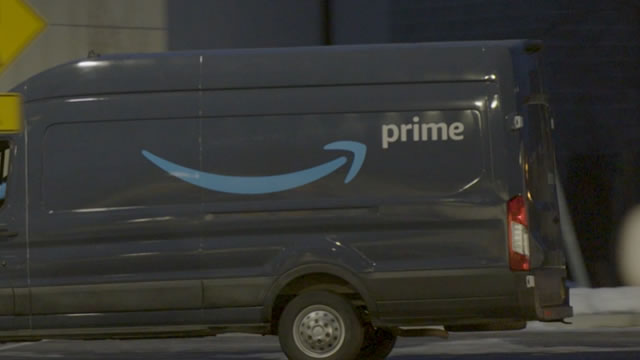
Amazon signs delivery deal with FedEx to fill void after UPS pulls back
New York Post· 2025-05-13 00:23
Core Insights - Amazon has entered into a multi-year agreement with FedEx for the delivery of select large packages, following UPS's decision to cut its less-profitable deliveries for Amazon and reduce its workforce by 20,000 jobs [1][10] - The deal is expected to provide Amazon with "cost favorability" compared to UPS, enhancing its delivery options [2][5] - FedEx's shares rose by 7% following the announcement, indicating positive market sentiment towards the partnership [1] Group 1 - The agreement with FedEx will not replace UPS, as FedEx will operate alongside Amazon's existing third-party partners, including UPS and USPS, as well as its own delivery network [3] - FedEx described the agreement as "mutually beneficial," suggesting a potential improvement in the relationship between the two companies after they severed residential delivery ties in 2019 [3][9] - UPS plans to reduce its shipment volumes for Amazon by over 50% by the second half of 2026, focusing on more profitable deliveries [4][10] Group 2 - The competitive landscape between FedEx and UPS has intensified over the past five years, with both companies vying for market share and often competing for the same customer accounts [10]

Amazon Adds FedEx to Delivery Partners as UPS Cuts Back
PYMNTS.com· 2025-05-13 00:15
Core Insights - Amazon has renewed its partnership with FedEx for the delivery of large packages, marking the first collaboration in six years since the relationship ended in 2019 [1][3] - The agreement comes after UPS announced plans to reduce its package deliveries for Amazon by half by the end of next year, indicating a shift in Amazon's logistics strategy [1][2] Group 1: Amazon's Logistics Strategy - Amazon will not use FedEx to replace its existing business with UPS; instead, FedEx will be one of several third-party partners for deliveries [2] - Amazon's logistics network, primarily composed of small businesses, handles over two-thirds of its package deliveries [3] - The company aims to balance capacity and improve service to customers by integrating multiple delivery partners [2] Group 2: FedEx and UPS Dynamics - FedEx has reached a multiyear agreement with Amazon to provide residential delivery of select large packages, indicating a strategic shift in their relationship [3][4] - UPS is pivoting away from low-margin, high-volume accounts, which includes reducing its volume from Amazon, as part of a strategy to enhance profit margins [3][4] - FedEx's previous decision to end its contracts with Amazon in 2019 was described as a strategic move to focus on the broader eCommerce market [5]

中美双边关税大幅降低 哪些美股将显著受益?
智通财经网· 2025-05-12 13:27
Core Points - The recent high-level economic talks between China and the U.S. in Geneva resulted in significant agreements, including a reduction of bilateral tariffs, with the U.S. canceling 91% of additional tariffs and China reciprocating with a similar reduction [1] - The easing of trade tensions is expected to boost cross-border trade, lower input costs, and alleviate supply chain pressures in key industries, leading to positive market reactions, particularly in shipping, semiconductors, and logistics [1] Shipping and Logistics - Stocks such as ZIM, Matson, FedEx, UPS, and Uber saw significant pre-market gains, benefiting from increased trade volumes and improved cross-border transportation efficiency due to reduced tariffs [3] Semiconductors - Companies like Nvidia, AMD, Marvell Technology, TSMC, ASML, and Intel experienced notable pre-market stock increases, as tariff reductions are expected to ease supply chain disruptions and lower manufacturing costs for chipmakers [4] Retailers - Major retailers including Walmart, Amazon, Costco, and Target reported pre-market stock gains, as lower import costs could enhance profit margins and pricing power for those reliant on Chinese goods [5] Automotive and Parts - Automotive stocks such as Tesla, Ford, General Motors, and Aptiv saw pre-market increases, benefiting from reduced costs of metals and electronic components, which could enhance profitability for major manufacturers [6] Industrial Equipment - Companies like Caterpillar and Deere & Company experienced stock gains, as tariff reductions on machinery parts may improve profit margins and production capacity for firms reliant on imported components [7] Consumer Electronics - Apple and Dell saw pre-market stock increases, as supply chain cost savings are expected to enhance profitability, particularly for companies with supply chains centered in China [8] Airlines - Airline stocks including United Airlines, American Airlines, Delta Airlines, and JetBlue experienced pre-market gains, as reduced tariffs could lower operational costs and potentially increase air freight demand due to strengthened global trade [9] Chinese Tech Giants Listed in the U.S. - Stocks of Alibaba, JD.com, and Baidu saw pre-market increases, as tariff reductions are likely to alleviate supply chain pressures and improve market access conditions for these companies [10]




UPS(UPS) - 2025 FY - Earnings Call Transcript
2025-05-08 13:00
Financial Data and Key Metrics Changes - The company reported consolidated profit growth in the first quarter, with U.S. operating profit increasing by $164 million and U.S. operating margin expanding by 110 basis points [38] - Last year, the company generated $6.3 billion in free cash flow and ended the year with over $6 billion in cash on the balance sheet [48] Business Line Data and Key Metrics Changes - The company plans to reduce Amazon's volume by more than 50% by June 2026, focusing on profitable segments while exiting unprofitable fulfillment center outbound volume [36][37] - Health care revenue totaled $10.5 billion last year and is expected to grow mid-single digits in 2025, with plans to acquire targeted companies to enhance capabilities [41][42] Market Data and Key Metrics Changes - The U.S. import volume is approximately 400,000 pieces per day, representing less than 2% of total global average daily volume and about 5% of consolidated revenue [50] - The company has seen strong growth in small and medium-sized businesses (SMBs), with SMBs making up 31.2% of total U.S. volume, the highest concentration in ten years [42] Company Strategy and Development Direction - The company is undertaking the largest network reconfiguration in its history, planning 164 operational closures, including 73 buildings, to improve cost structure and profitability [39][60] - The focus is on revenue quality and growth in key markets such as health care, international, and SMBs, while leveraging technology and automation to enhance efficiency [41][60] Management's Comments on Operating Environment and Future Outlook - Management acknowledged the challenging macro environment and emphasized the need for meaningful actions to improve performance and create additional value [19][20] - The company is confident that its strategic actions will lead to improved profitability, cash generation, and higher returns on invested capital, which should positively impact share price over time [46] Other Important Information - The company has maintained its dividend policy, marking the sixteenth consecutive year of dividend increases, and prioritizes reinvestment in the business [48][49] - The company is actively managing risks associated with voluntary carbon reduction commitments and trade policy changes, while also exploring opportunities in the evolving market landscape [16][50] Q&A Session Summary Question: Why is UPS reducing its volume from Amazon, and why now? - The company is exiting unprofitable Amazon fulfillment center outbound volume, which has pressured U.S. operating margins, while retaining profitable segments [36][37] Question: When will UPS redesign its network and reduce costs to grow profit? - The company has already begun profit growth, reporting a $164 million increase in U.S. operating profit and plans to remove $3.5 billion in expenses through network reconfiguration [38][39] Question: What plans do you have to grow the business, especially with reduced exposure to large customers? - The company expects growth by focusing on health care, international markets, and SMBs, with specific acquisitions planned to enhance capabilities [41][42] Question: Can you comment on investor confidence and stock performance? - Management expressed disappointment in stock performance but highlighted actions taken to improve profitability and cash generation, which should lead to higher share prices over time [44][46] Question: What is the status of the dividend policy and buybacks? - The dividend remains a hallmark of financial strength, with a focus on reinvestment, maintaining a strong financial condition, and using excess cash for share repurchases [48][49] Question: How will UPS be affected by tariff changes? - The company is well-positioned to manage complex trade policies but acknowledges exposure to potential price increases and consumer demand impacts due to tariffs [50][52] Question: How does RFID technology provide a competitive advantage? - RFID technology improves efficiency and visibility, with a significant reduction in manual scans, and the company plans to expand its deployment internationally [53][54] Question: How will UPS maintain competitiveness with closing drop-off locations? - The company continues to lead in service reliability and will remain accessible through a network of UPS stores and drop-off points, despite building closures [56][57] Question: Has there been a change in the cleanliness of package cars and driver appearance? - The company maintains high standards for vehicle cleanliness and has updated driver uniform guidelines to enhance comfort and visibility [58][59]
3 High-Yielding Dividend Stocks That Haven't Been This Cheap in Years
The Motley Fool· 2025-05-08 08:25
Core Viewpoint - Buying quality dividend stocks near multiyear lows can be advantageous for long-term investors, especially if the dividend remains intact as the stock price declines [1] Group 1: PepsiCo - PepsiCo has seen a 25% decline in value over the past 12 months, with first-quarter sales down approximately 2% [4] - Despite challenges, PepsiCo generated over 1% organic growth in the first quarter, and the decline in sales was significantly impacted by foreign exchange [5] - The company produced $7.3 billion in free cash flow over the last 12 months, matching its dividend payments, indicating that the dividend payout is not in imminent danger [6] Group 2: UnitedHealth Group - UnitedHealth Group is trading near a four-year low due to rising costs affecting its bottom line [7] - The company experienced a 4% year-over-year increase in adjusted earnings per share in the first quarter, despite challenges in its Medicare Advantage business [8] - With a modest payout ratio of 35%, UnitedHealth is not at serious risk of cutting its dividend, and it trades at a P/E multiple of 17, below its five-year average of nearly 20 [9] Group 3: United Parcel Service (UPS) - UPS is trading near its 52-week low, with revenue for the first quarter totaling $21.5 billion, slightly down from $21.7 billion in the previous year [10][11] - The company plans to cut 20,000 jobs and reduce deliveries involving Amazon to improve margins amid economic challenges [11] - UPS's diluted earnings per share were $1.40, below its quarterly dividend of $1.64, but the company has a plan to improve profitability, making it a potential contrarian buy [12][13]