
Walmart(WMT)

Search documents
沃尔玛系统故障影响数千名购物者
Xin Lang Cai Jing· 2025-12-30 14:22
Core Viewpoint - Walmart experienced a system outage that affected thousands of customers' access to its mobile app and website [1] Group 1: System Outage Details - Over 6,500 users reported issues with Walmart's systems shortly after 7 AM Eastern Time on Tuesday [1] - Approximately three-quarters of the users reported problems with the mobile app, while about one-quarter faced issues with the website [1] - Some users specifically reported difficulties or inability to check out [1]

Walmart Outage Affects Thousands of Shoppers
WSJ· 2025-12-30 13:30
Core Insights - Walmart experienced a significant outage that affected thousands of customers, preventing access to its mobile app and website [1] Company Impact - The outage highlights potential vulnerabilities in Walmart's digital infrastructure, which could impact customer satisfaction and sales [1]

美国人挤爆沃尔玛抗通胀、中国人却疯狂退山姆卡,真相是什么?
Sou Hu Cai Jing· 2025-12-30 11:38
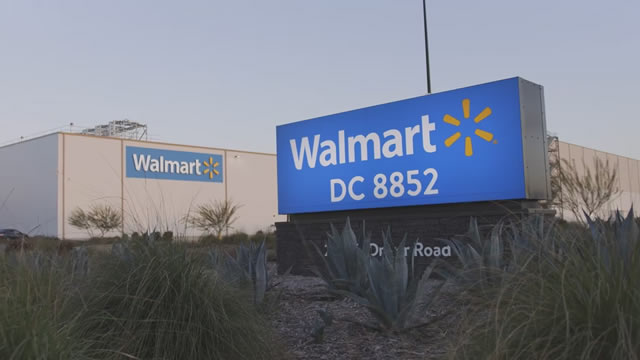
Core Viewpoint - The article analyzes the contrasting market performance of Walmart in the U.S. and China, highlighting the loyalty of American consumers amidst inflation while Chinese consumers are canceling their Sam's Club memberships, indicating a significant divergence in consumer behavior between the two countries [1]. Group 1: U.S. Market Performance - Despite inflation, American consumers continue to rely on Walmart as a necessary shopping destination, demonstrating strong loyalty [3][6]. - Walmart's competitive edge stems from its founder Sam Walton's management philosophy, which emphasizes efficient supply chain management and cost-cutting strategies [5]. - During the high inflation of the 1970s, Walmart expanded by leveraging its logistics efficiency and low-price strategy, positioning itself as a "safe haven" for consumers facing rising prices [6]. Group 2: Chinese Market Challenges - In China, Sam's Club is experiencing a membership cancellation trend, contrasting sharply with its previous popularity [8]. - From 2019 to early 2024, Walmart China closed 115 hypermarkets, while Sam's Club expanded from 23 to 47 locations but failed to retain some core members [10]. - The cancellation trend is attributed to members' disappointment with the lack of differentiated products, as popular items were replaced with more common brands, leading to feelings of betrayal among paying members [11]. Group 3: Consumer Preferences and Competition - Quality concerns have further exacerbated the situation, as incidents involving food safety have raised doubts among consumers [12]. - Chinese consumers prioritize freshness and smaller quantities, contrasting with the bulk purchasing habits favored by American consumers, which has made Sam's Club's business model less effective in China [14]. - The rise of competitors like Hema X and Metro, which offer products more aligned with local preferences, has diluted Sam's Club's market advantages [16]. Group 4: Strategic Adjustments - Walmart's strategic shift, including the sale of its entire stake in JD.com, has negatively impacted its online delivery services, contributing to consumer dissatisfaction [18]. - To regain traction in the Chinese market, Sam's Club may need to adapt its approach, focusing on quality and differentiation to rebuild trust with consumers [21].
贵金属风暴冲击市场情绪,美股三大指数集体收跌,中概股震荡走弱
Feng Huang Wang· 2025-12-29 22:52
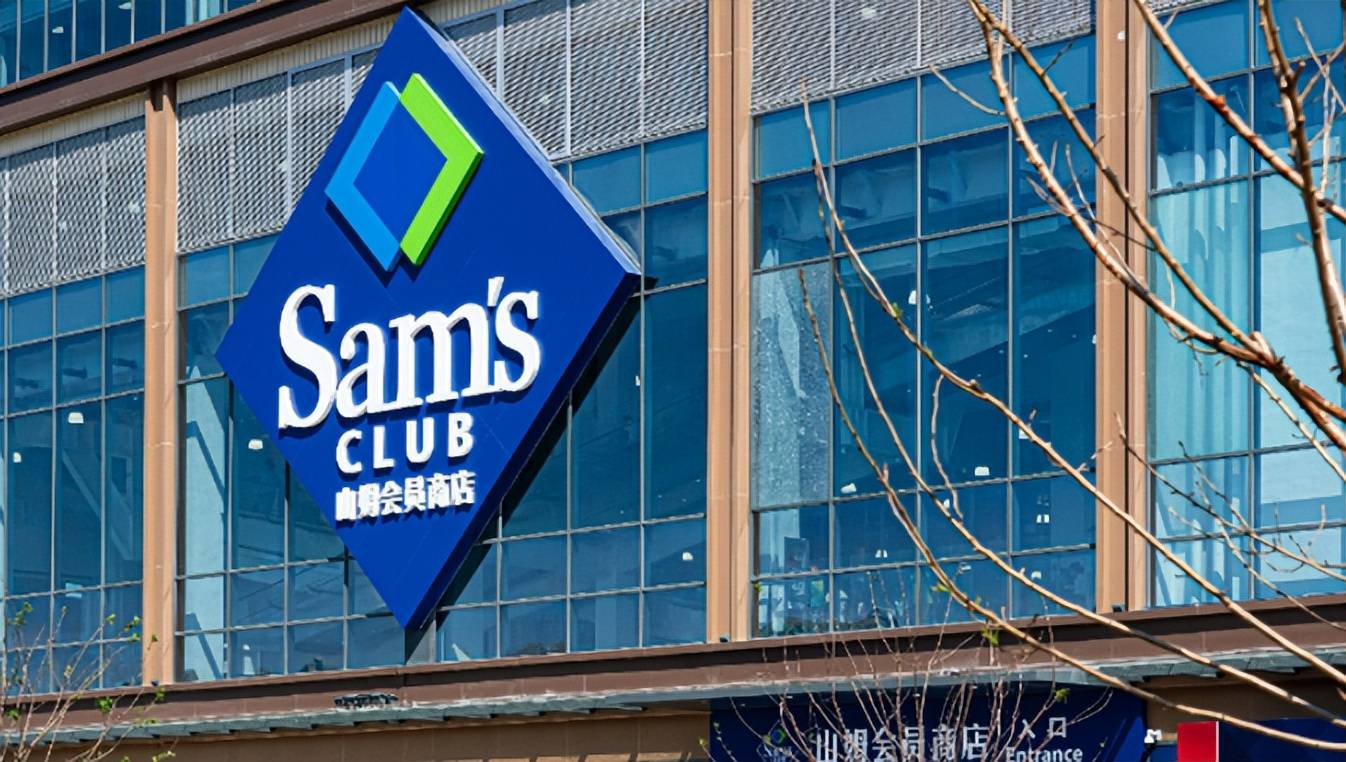
Market Performance - The U.S. stock market indices collectively declined due to heightened tensions from significant fluctuations in commodity prices, with the S&P 500 down 0.35% to 6905.74 points, the Nasdaq Composite down 0.5% to 23474.35 points, and the Dow Jones Industrial Average down 0.51% to 48461.93 points [1] - The mining sector experienced a collective drop, with First Majestic Silver down 4.13% and Newmont Mining down 5.64%, while lithium giant Albemarle fell by 3.62% [2] Commodity Market - Silver futures on Comex saw extreme volatility, reaching a high of $82 per ounce before plummeting to $71.6, marking a decrease of 7.20% [4] - Analysts suggest that precious metals have been severely overbought, and the recent declines may present a buying opportunity in the coming weeks [4] Company News - SoftBank Group announced a $4 billion acquisition of data center investment company DigitalBridge, marking a significant step in its artificial intelligence strategy [10] - Citigroup expects to record an after-tax loss of approximately $1.1 billion in Q4 related to the sale of its Russian business, with the transaction anticipated to complete next year [11] - Meta has acquired AI startup Manus, which was originally founded in China and later moved to Singapore, although financial terms of the deal were not disclosed [12] Sector-Specific Developments - Lululemon is facing a rare power struggle as founder Chip Wilson seeks to remove the current board, emphasizing the need for visionary leadership to drive the company's next phase of success [9] - Novo Nordisk has lowered the price of its weight loss drug semaglutide in China, following the impending expiration of its patent, with local companies preparing to introduce cheaper generic alternatives [8] Chinese Stocks - The Nasdaq Golden Dragon China Index fell by 0.67%, with notable declines in Alibaba (down 2.46%) and JD.com (down 0.44%), while NIO and NetEase saw gains of 4.71% and 0.92%, respectively [7]


Walmart’s $152M deal signals Arizona’s logistics real estate boom
Yahoo Finance· 2025-12-29 18:12
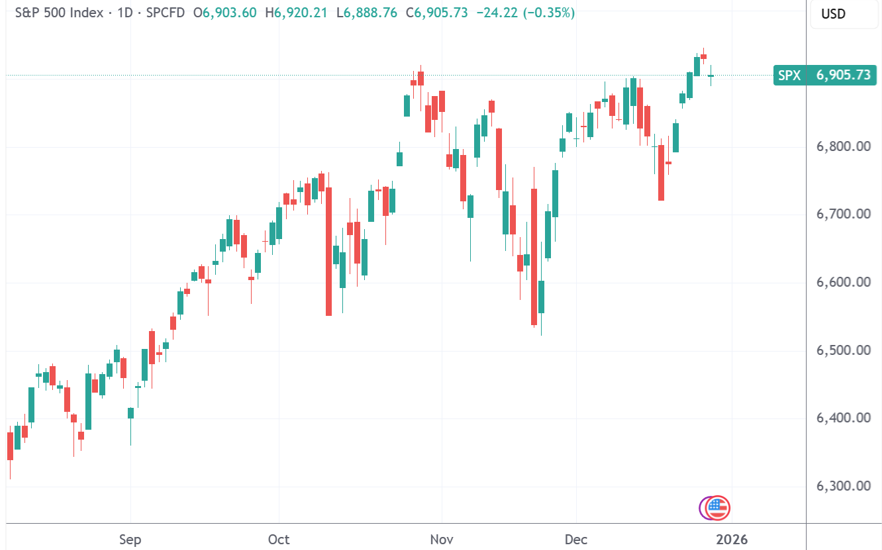
Core Insights - Walmart's acquisition of a $152 million warehouse complex in Glendale signifies a growing trend in Arizona's commercial logistics real estate market, positioning the state as a vital distribution hub for the U.S. Southwest [1][2]. Group 1: Acquisition Details - Walmart has purchased a newly completed 2.4 million-square-foot industrial campus, marking it as the second-largest industrial property sale in metro Phoenix history [2]. - The facility is designed for high-volume warehousing and distribution, with direct access to major highways, enhancing its logistical capabilities [2]. Group 2: Market Dynamics - Arizona is increasingly competing with established logistics hubs due to its strategic location, highway and rail connectivity, and a rapidly growing consumer base [3]. - The Outbound Tender Rejection Index (OTRI) for the Phoenix market has risen to 7.42%, indicating a tightening in local trucking capacity as carriers become more selective [5][7]. Group 3: Industrial Development Trends - There is a surge in industrial construction in the Phoenix area, particularly in sectors related to advanced manufacturing and semiconductor investments [8]. - New developments, such as the ReDiscover Logistics Park in Deer Valley, are targeting suppliers and manufacturers linked to Arizona's expanding chip ecosystem [9].
WMT & TGT Holiday Retail Test, A.I. Acceleration's Sales Impact
Youtube· 2025-12-29 17:00
Core Insights - The retail sector is experiencing varied performance during the holiday shopping season, with Walmart standing out as a top performer while Target faces challenges [1][2]. Group 1: Walmart Performance - Walmart's stock increased by 0.5%, making it the standout performer among big box retailers [1]. - Consumer sentiment towards Walmart is positive, with a focus on value, speed of shopping, and checkout efficiency [4]. - Walmart has implemented drone delivery services, which has generated significant consumer interest and engagement [5][6]. - The company is leveraging AI for price adjustments and has introduced an AI tool named Sparky, enhancing the shopping experience [7][8]. Group 2: Target Performance - Target's stock decreased by 1%, indicating ongoing challenges despite a focus on value and unique product offerings [1][12]. - Target has maintained a comparable share of voice in consumer discussions to Walmart, indicating strong brand presence [13]. - The retailer is emphasizing collectibles and personalized items to differentiate itself from competitors during the holiday season [14]. Group 3: Market Trends and Strategies - The overall holiday shopping data appears positive, with consumers actively spending [3]. - Target is attempting to improve its shopping experience and has seen a 9% increase in stock since its last earnings report, despite a longer-term downturn [16]. - A neutral to bullish covered call strategy is suggested for Target, allowing for potential upside while providing a cushion against downside risks [20].


Daryk Pengelly, Former Head of Membership & Business Development at Walmart Business Joins Teikametrics as Senior Vice President of Strategy and Business Development
Businesswire· 2025-12-29 14:00
BOSTON--(BUSINESS WIRE)--Teikametrics, the leading AI-powered optimization platform, today announced that Daryk Pengelly has joined as Senior Vice President of Strategy and Business Development, where he will lead strategy and strategic partnerships to drive growth and expand the platform's impact on eCommerce brands. "Daryk's wealth of experience in scaling high-growth businesses, coupled with his deep understanding of the B2B and consumer markets, makes him the ideal leader to help us acceler. ...

Walmart Founder Sam Walton's Genius Move: Why He Never Gave His 5 Kids Company Stock
Yahoo Finance· 2025-12-29 10:46
Group 1 - Sam Walton's estate planning strategy effectively protects the family's wealth from potential divorce-related claims by keeping Walmart stock out of his children's personal names and placing it in a trust [2][3] - The trust established by Sam Walton ensures that the shares remain within the family, regardless of marital changes among heirs, thereby preventing the dilution of the family fortune [3][4] - The Walton family utilizes a structure involving Walton Enterprises and the Walton Family Holdings Trust to maintain control over Walmart stock, ensuring it is not classified as marital property [4] Group 2 - The Walton family's wealth has significantly increased, with all three surviving children now part of the $100 billion club, and the broader heir group controlling nearly $440 billion in total wealth according to Bloomberg Billionaires Index data [6]
谁说山姆是中产?
远川研究所· 2025-12-29 07:35
2025年,中国中产网友单方面宣布,自己被山姆背刺了至少四次。 先是好丽友、卫龙、溜溜梅等工人阶级品牌入驻,玷污了山姆高贵的货架;接着有机大豆偷偷降级被抓个正着;随后前 阿里高管上任和商品AI精修图上线时间意外重合,导致阿里莫名躺枪。 最近,160块钱3瓶的海飞丝顶着舆论压力逆风上架,不出意外又刺痛了中产的神经。 起因各异,殊途同归。总结起来就是山姆下沉的太快,导致会员卡贬值,中产身份掉价,随之引发了轰轰烈烈的保卫山 姆货架运动。 将山姆的门槛解读为阶层入场券,很可能是中产们的一厢情愿。更接近事实的真相是: 山姆从来不是中产的代名词。 人民的山姆 知名品牌盼盼在打入中产阶级内部前可谓做足了功课,把盼盼改成了"panpan",还在包装上整了点法语单词和一面法 国国旗,但这点小伎俩怎么可能逃过中产会员的火眼金睛,最终惨遭下架。 中产与山姆的量子纠缠始于2016年,时任山姆中国区总裁文安德新官上任三把火,把150元的会员费涨价到260元,并 说出了那句精准拿捏中产心态话[1]: "如果有会员接受不了这个数字,那他们就不是我们的目标用户。即便会员制模式不是面向所有人,但我们就是要营造 出一种专属感。" 但这句话还有后 ...

中金首予沃尔玛“跑赢行业”评级 目标价125美元
Xin Lang Cai Jing· 2025-12-29 06:38
观点网讯:12月29日,中国国际金融股份有限公司(中金)发布研报,首次覆盖美国零售巨头沃尔玛, 给予"跑赢行业"评级,目标价125美元。该估值基于可比公司估值法,对应2027财年预测市盈率42倍。 免责声明:本文内容与数据由观点根据公开信息整理,不构成投资建议,使用前请核实。 来源:观点地产网 报告指出,沃尔玛已完成从传统零售商向全渠道生态平台的转型,依托成本优势及"仓+店"混合履约网 络,广告、会员等高毛利业务正成为第二增长曲线。中金预计,公司2026、2027财年每股盈利分别达 2.72美元、2.97美元,2025至2027财年盈利复合增速为10%,盈利质量与估值体系均具重构空间。 ...