ExxonMobil(XOM)

Search documents
TechnipFMC Secures Subsea Contract for the Hammerhead Project
ZACKS· 2025-09-26 16:46
Core Insights - TechnipFMC plc (FTI) has secured a significant subsea contract from ExxonMobil Guyana for the Hammerhead development, valued between $250 million and $500 million, following Exxon's final investment decision for the project aimed at increasing oil production in Guyana [1][7] Contract Scope - The contract encompasses management, engineering, and manufacturing of subsea production systems, including production and water injection capabilities, utilizing TechnipFMC's Subsea 2.0 platform components [2] Subsea Technology Unit Performance - TechnipFMC's Subsea unit is a key growth driver, achieving a record $2.6 billion in orders in Q2 2025, with a backlog of $15.8 billion, reflecting growth in six of the past seven quarters and a margin increase of 450 basis points to 21.8% [3] Strategic Collaboration - This contract represents TechnipFMC's seventh greenfield project with ExxonMobil Guyana since 2017, enhancing its portfolio and strategic relationship with Exxon, and paving the way for future opportunities in the Stabroek Block [4][7] Stabroek Block Significance - The Stabroek Block is a highly productive oil region, with ExxonMobil Guyana as the largest stakeholder (45% interest), alongside partners Chevron (30%) and CNOOC (25%), following Hess Corporation's acquisition by Chevron [6]


外资加码广东
2 1 Shi Ji Jing Ji Bao Dao· 2025-09-26 14:00
Core Viewpoint - Guangdong is becoming a preferred investment destination for multinational companies, showcasing significant growth in foreign direct investment (FDI) and new foreign enterprises, driven by its evolving economic landscape and strategic advantages [1][2]. Foreign Investment Growth - In the first eight months of this year, Guangdong established 21,000 new foreign enterprises, a year-on-year increase of 34%, with actual foreign investment amounting to 70.87 billion yuan, up 9.4% year-on-year [1]. - These growth rates significantly outpace the national averages of 14.8% and -12.7% for new foreign enterprises and FDI, respectively [1]. Investment in New Technologies - ExxonMobil's recent $10 billion investment in the Huizhou ethylene project represents a major shift towards high-end chemical production in Guangdong, featuring advanced technology and significant production capacity [3][4]. - The project will produce 1.6 million tons of ethylene annually and includes the world's largest single-unit low-density polyethylene facility, enhancing Guangdong's position in the global chemical supply chain [3][4]. Industry Transformation - The global petrochemical industry is undergoing a transformation towards reducing oil production and increasing chemical output, with Guangdong's robust industrial base supporting this shift [5]. - The region's extensive coastline and port infrastructure provide significant cost advantages for importing raw materials and exporting products, making it an attractive location for foreign investment [5]. Automotive Industry Development - The automotive sector is a key area for multinational investment, with companies like ZF Friedrichshafen establishing R&D centers in Guangdong to leverage the region's automotive ecosystem [7][8]. - The collaboration between ZF and local automotive manufacturers is fostering innovation in smart and electric vehicles, positioning Guangdong as a hub for automotive technology [9]. Consumer Market Dynamics - Guangdong's large and youthful population is driving demand for high-quality products, including beer, with foreign companies like Carlsberg investing in local production facilities to meet this demand [11][12]. - The region's beer market is experiencing growth, with Carlsberg's new brewery in Foshan expected to significantly enhance supply chain efficiency and profitability [11][12]. Strategic Investment Initiatives - Guangdong is enhancing its investment environment through targeted policies and initiatives aimed at attracting foreign capital, particularly in high-tech and emerging industries [14][15]. - The province's focus on "new quality investment" and the establishment of R&D headquarters for multinational companies reflect its commitment to fostering innovation and economic development [14][15]. Conclusion - The combination of Guangdong's market potential, strategic location, and supportive government policies is making it a focal point for foreign investment, particularly in high-tech and innovative sectors [17].
外资加码广东
21世纪经济报道· 2025-09-26 13:54
Core Viewpoint - Guangdong is becoming a preferred investment destination for multinational companies, driven by its strong economic indicators, innovative ecosystem, and large consumer market [3][4][10]. Investment Trends - In the first eight months of this year, Guangdong established 21,000 new foreign-funded enterprises, a year-on-year increase of 34%, with actual foreign direct investment (FDI) amounting to 70.87 billion yuan, up 9.4% year-on-year [3]. - The FDI growth rate in Guangdong is significantly higher than the national average, indicating a robust investment climate [3][4]. Industry Transformation - The shift from being a "world factory" to a hub for global technological innovation and emerging industries is evident, with Guangdong's population of 150 million providing a vast consumer base [4][10]. - Multinational companies are reassessing the value of investing in Guangdong, focusing on new fields and markets, and integrating advanced technologies with local innovation [4][10]. Major Projects - ExxonMobil's Huizhou Ethylene Project represents a significant investment of $10 billion, marking it as the first major wholly-owned petrochemical project by a U.S. company in China [6][9]. - The project will produce 1.6 million tons of ethylene annually and is expected to enhance Guangdong's production capacity for high-value basic chemical raw materials [6][10]. Environmental and Technological Innovations - The project incorporates advanced environmental technologies, aiming to reduce nitrogen oxides and sulfur oxides emissions by approximately 50% [7]. - ExxonMobil's R&D center in Daya Bay will focus on local development of materials recycling and carbon footprint reduction [7][10]. Automotive Industry Developments - ZF Friedrichshafen AG has established a research center in Guangzhou, aligning with Guangdong's automotive industry, which produced over 5 million vehicles in 2023, including 2.53 million new energy vehicles [12][13]. - The collaboration between ZF and local automotive companies is fostering innovation in smart driving technologies [12][13]. Consumer Market Dynamics - Guangdong's large and youthful population is driving demand for high-quality products, making it an attractive market for foreign beer companies like Carlsberg [20][21]. - Carlsberg's new brewery in Foshan is expected to significantly enhance its operational efficiency and market reach in Guangdong [20][21]. Strategic Investment Initiatives - Guangdong is enhancing its investment environment through targeted policies and initiatives aimed at attracting high-end manufacturing and innovative industries [26][27]. - The province is focusing on sectors such as artificial intelligence, new energy vehicles, and biomedicine as key areas for foreign investment [26][27]. Conclusion - The combination of a large consumer base, strong industrial support, and favorable investment policies positions Guangdong as a critical hub for multinational companies seeking growth and innovation opportunities in China [29].

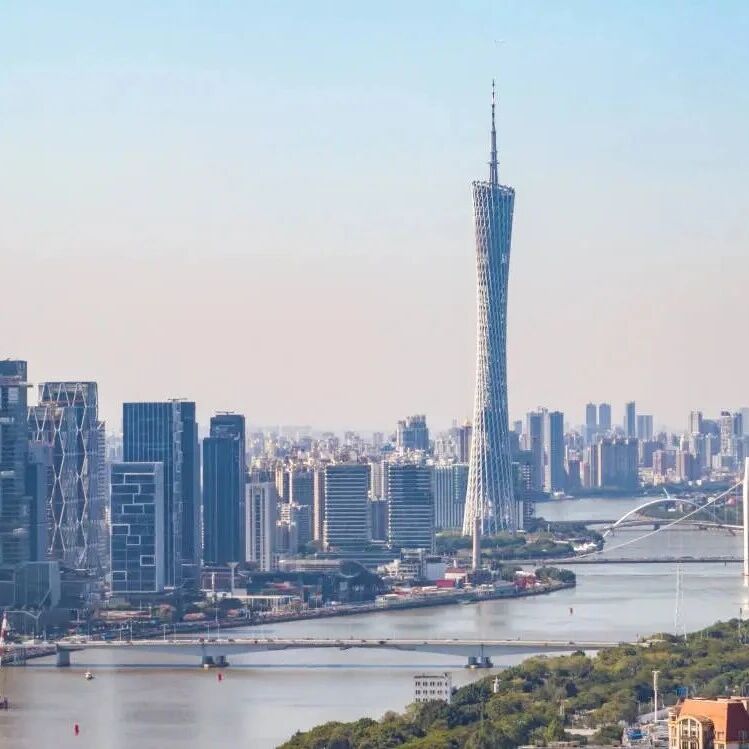
21评论|广东外资三重跃迁背后的开放进阶
2 1 Shi Ji Jing Ji Bao Dao· 2025-09-26 11:51
Core Viewpoint - Guangdong province is demonstrating strong foreign investment growth despite a global decline in foreign direct investment (FDI), with new foreign enterprises increasing by 34% and actual utilized FDI reaching 70.87 billion yuan, a 9.4% increase year-on-year [2][3]. Group 1: Foreign Investment Growth - Guangdong has established itself as a favored destination for foreign investment, with significant increases in new foreign enterprises and actual FDI, outperforming national averages [2][3]. - The province's strategic position in the new development pattern of China is enhancing its attractiveness to foreign investors [4][6]. Group 2: Historical Context of Foreign Investment - The evolution of foreign investment in Guangdong can be divided into three significant phases, each reflecting changes in national development and global industrial patterns [3][4]. - The initial phase focused on labor-intensive industries, while the second phase saw diversification and growth in technology-intensive sectors following China's WTO accession [4][5]. Group 3: Current Trends and Future Outlook - Guangdong is transitioning from a manufacturing base to a hub for innovation, with a focus on high-tech industries such as semiconductors, robotics, and biomedicine [6][7]. - Major foreign companies are increasingly investing in R&D and local supply chains, indicating a shift from mere manufacturing to collaborative innovation [8][9]. Group 4: Policy and Strategic Initiatives - The provincial government has implemented a series of policies to attract and retain foreign investment, including measures for investment promotion and protection of foreign enterprises [11][12]. - Guangdong's proactive approach in organizing investment activities and enhancing the business environment is contributing to its status as a leading investment destination [11][12]. Group 5: Regional and Global Integration - Guangdong's geographical advantages and its role in the Belt and Road Initiative are strengthening its regional supply chain networks, attracting significant foreign investment in various sectors [10][12]. - The province is positioned as a key player in the global supply chain, with major projects supporting local industries and meeting the growing demand from ASEAN markets [10][12].
埃克森美孚(XOM.US)伦敦交易部门翻倍扩编,押注全球能源套利机会
智通财经网· 2025-09-26 09:24
Group 1 - ExxonMobil has doubled the number of traders in the UK over the past two years, aiming to leverage its extensive global energy infrastructure for increased profits [1] - The company currently employs around 300 traders, analysts, and support staff in London and is actively recruiting globally to expand its network [1] - Despite the expansion, ExxonMobil's trading division remains smaller than competitors like BP and Shell, and its strategy is more conservative compared to peers [1] Group 2 - The growth in personnel is primarily due to external hiring, with some staff relocating from Brussels after a shift in trading operations [1] - CEO Darren Woods is focusing on arbitrage opportunities related to the company's assets, adopting a more cautious approach than European competitors [1] - The expanded London trading department will cover crude oil, natural gas, refined products, electricity, and freight, with ongoing recruitment including plans to hire graduates [1] Group 3 - In Singapore, ExxonMobil has hired the former head of Vitol Group's LNG business, Sid Bamba Waller, to lead its global LNG trading efforts [2] - The company aims to double its LNG sales to over 40 million tons per year by 2030 [2] - ExxonMobil is adjusting its compensation structure to align more closely with industry standards, offering performance-based cash bonuses to traders [2] Group 4 - As the London trading team expands, ExxonMobil plans to close its long-standing office in Letham Head, with remaining employees transitioning to the London trading center or the Fawley refining and integrated base [2]
Petrobras & Others Urge Cade to Safeguard Competition in Subsea Market
ZACKS· 2025-09-25 15:06
Core Insights - Petrobras, Exxon Mobil, and TechnipFMC have petitioned Brazil's antitrust regulator Cade to examine the merger between Subsea7 and Saipem due to concerns over market concentration and competition in the energy sector [1][9] Market Concentration Concerns - The merger between Subsea7 and Saipem is expected to create a new entity, Saipem7, which could lead to excessive concentration in subsea oil and gas services, potentially driving up costs and limiting options for Petrobras [2][3] - Nearly half of the vessels for Petrobras' subsea contracts are already owned by Subsea7 and Saipem, raising concerns about competition and project viability [2] Merger Details - The merger agreement signed in July 2025 will form Saipem7, projected to have revenues of approximately €21 billion and a combined backlog of €43 billion [5] - Shareholders of both companies will hold equal stakes in the new entity, with Subsea7 investors receiving 6.688 new Saipem shares for each Subsea7 share [5] - The merger is anticipated to generate annual synergies of around €300 million, enhancing shareholder value [5] Safeguarding Competition - Petrobras has highlighted the necessity of maintaining market balance and suggested that remedies such as asset sales or structural adjustments may be required if the merger proceeds [6] - These measures aim to ensure that multiple service providers can compete in public tenders, thereby protecting the interests of Petrobras and the broader energy ecosystem in Brazil [6] Commitment to Energy Future - Petrobras emphasizes its commitment to delivering safe and cost-effective energy while supporting regulatory oversight to maintain healthy competition, which is vital for innovation and growth in Brazil's energy sector [8]

XOM's Guyana Push: Unlocking 11B Barrels and a Decade of Growth
ZACKS· 2025-09-25 14:36
Core Insights - Exxon Mobil Corporation (XOM) has significant offshore reserves in Guyana, particularly in the Stabroek Block, with nearly 11 billion barrels of resources, marking the largest discovery in the oil and gas sector in the last 15 years [1][8] Production and Development - Exxon Mobil is actively increasing production in Guyana, having recently commenced operations at the Yellowtail project, its fourth development in the Stabroek Block, which will elevate total capacity to over 900,000 barrels per day [2][8] - The company has plans for further developments, with Uaru and Whiptail expected to start production in 2026 and 2027, respectively, and a final investment decision made for the Hammerhead project, the seventh development in Guyana [2][8] Economic Impact and Competitive Advantage - The deepwater development in Guyana is anticipated to be highly successful, contributing to the country's status as the fastest-growing economy globally, supported by low-cost production assets that enhance Exxon Mobil's long-term growth and profitability [3] - Exxon Mobil's low-cost production profile in Guyana provides a competitive edge over other international oil majors [3] Industry Comparisons - Other energy firms like ConocoPhillips (COP) and EOG Resources, Inc. (EOG) also maintain low-cost production profiles, particularly in U.S. shale basins, which allows them to remain profitable even during periods of low oil prices [4][5][6] Financial Performance - Over the past year, Exxon Mobil's shares have increased by 1.6%, compared to a 6.3% rise in the broader industry composite [7] - The Zacks Consensus Estimate for Exxon Mobil's 2025 earnings remains unchanged, with current estimates at $6.69 per share [10] - Exxon Mobil's trailing 12-month enterprise value to EBITDA (EV/EBITDA) ratio stands at 7.35X, above the industry average of 4.34X, indicating a premium valuation [12]
Exxon, Petrobras raise concerns over Saipem and Subsea 7 merger
Yahoo Finance· 2025-09-25 11:11
Core Viewpoint - ExxonMobil, Petrobras, and TechnipFMC have raised objections to the merger between Italy's Saipem and Norway's Subsea 7, urging Brazil's antitrust regulator to block the transaction due to concerns over competition in the oilfield services sector and potential price increases [1][2]. Group 1: Concerns Raised - The merger is expected to significantly affect competition in the markets for subsea umbilical, risers, and flowlines, as well as the supply of pipe-laying vessels [2]. - ExxonMobil indicated that the merger would limit customer options, resulting in a single relevant supplier in the deep-water pipeline installation market [2]. - TechnipFMC expressed similar concerns, stating that the deal would restrict competitors' access to Brazilian public tenders [2]. Group 2: Market Position - Petrobras highlighted that Saipem and Subsea 7 already control 47% of the vessels servicing its subsea engineering, procurement, construction, and installation (EPCI) contracts [3]. - The merger would create a new entity, Saipem7, with projected revenues of approximately €21 billion ($22.6 billion) and a combined backlog of €43 billion [4]. - A shareholders' agreement has been signed by Eni, CDP Equity, and Siem Industries to support the merger, with leadership roles designated for the new company [4].
Got $1,000? 3 Giant High-Yield Energy Stocks to Buy and Hold Forever
The Motley Fool· 2025-09-25 11:00
Core Viewpoint - The energy sector is volatile, but integrated energy companies like Chevron, ExxonMobil, and TotalEnergies offer a combination of yield, safety, and diversification for income investors [1][2]. Group 1: Integrated Energy Companies - The primary integrated energy companies include Chevron, Exxon, TotalEnergies, BP, and Shell, with BP and Shell having cut dividends in 2020, making them less reliable for dividend-focused investors [3][6]. - The integrated model of these companies helps to stabilize financial performance across the volatile energy sector by providing exposure to upstream, midstream, and downstream operations [4][3]. Group 2: Financial Strength - Exxon and Chevron are highlighted as the most financially conservative integrated energy companies, with Exxon's debt-to-equity ratio at approximately 0.15 and Chevron's at 0.20, allowing them to manage debt effectively during downturns [6][8]. - Both companies have a strong history of dividend payments, with Exxon maintaining a 43-year annual dividend streak and Chevron at 38 years, offering yields of nearly 3.5% and 4.4% respectively, significantly higher than the S&P 500's 1.2% yield [9][10]. Group 3: Clean Energy Transition - TotalEnergies is noted for its commitment to clean energy, having increased its capital investments in this area while maintaining its dividend, making it a better option than BP and Shell [11][12]. - In 2024, TotalEnergies' integrated power division contributed approximately 10% to its segment adjusted net operating income, reflecting a 17% year-over-year increase [13]. - Despite a high yield of 6.6%, U.S. investors face French taxes on dividends, which may reduce the effective yield [14]. Group 4: Investment Timing - The best time to invest in these integrated energy giants is during significant downturns in the energy market, although this is often the most challenging time to make such investments [15]. - Current relatively weak energy prices present a favorable opportunity for income-focused investors to consider these companies due to their high yields [16].


North Atlantic France SAS reaches a key milestone in its project to acquire a majority stake in Esso Société Anonyme Française SA and 100% of ExxonMobil Chemical France SAS, with the signing of a share purchase agreement
Globenewswire· 2025-09-24 18:39
Core Points - North Atlantic France SAS has signed a share purchase agreement to acquire a majority stake in Esso Société Anonyme Française SA and 100% of ExxonMobil Chemical France SAS, marking a significant milestone in its expansion strategy in France [1][2] - The acquisition aims to enhance European energy security and support the energy transition, with a commitment to maintaining employment and existing benefits [2][7] - The final acquisition price will be determined before the transaction's completion, which is expected in Q4 2025 [7] Company Strategy - North Atlantic aims to establish a long-term presence in France, focusing on strengthening energy security and resilience while promoting lower-carbon solutions [2][3] - The company plans to consolidate the Gravenchon site and implement an ambitious development plan to serve the French energy and industrial sectors [3] - Following the acquisition, North Atlantic will file a mandatory tender offer for the remaining shares of Esso S.A.F. on the same financial terms as the controlling block acquisition [3] Financial Adjustments - The purchase price for the controlling block has been adjusted downward to account for certain social liabilities, but this will not affect the price offered to minority shareholders [5] - Adjustments to the acquisition price include cash distributions prior to completion, a ticking fee mechanism based on accrued interest, and changes in the euro value of Esso S.A.F.'s inventory [5][6] Shareholder Information - A Shareholders Meeting for Esso S.A.F. is scheduled for November 4, 2025, to discuss a proposed distribution of reserves amounting to €60.21 per share, with payment set for November 14, 2025 [4]