GEICO

Search documents
3 Reasons Warren Buffett Might Buy UnitedHealth Group Stock
The Motley Fool· 2025-06-26 10:26
Group 1: Company Overview - UnitedHealth Group's stock is trading near five-year lows due to poor earnings and rising costs, leading to a bearish sentiment among investors [1] - The company has withdrawn its guidance, changed its CEO, and is under investigation by the Department of Justice regarding its billing practices [1] Group 2: Investment Potential - Warren Buffett may consider investing in UnitedHealth due to its current struggles, provided its financials remain strong and the business outlook is positive [2] - UnitedHealth is one of the largest health insurers in the U.S., providing a competitive advantage and a significant role in the healthcare industry [5] Group 3: Financial Performance - Over the past 12 months, UnitedHealth reported profits of $22 billion on revenues of $410 billion, resulting in a profit margin of over 5% [8] - The company anticipates long-term growth of 13% to 16% per year despite facing challenges [8] Group 4: Dividend Information - UnitedHealth offers a dividend yield of 2.9%, which is higher than the average S&P 500 stock yield of 1.3% [9] - The quarterly dividend payout has increased from $1.25 to $2.21 over five years, reflecting a compound annual growth rate of over 12% [9] Group 5: Valuation - UnitedHealth's stock is currently valued at 13 times its trailing earnings, presenting an attractive investment opportunity despite short-term concerns [12]



TWFG (TWFG) 2025 Conference Transcript
2025-06-11 21:00
Summary of TWFG Conference Call - June 11, 2025 Company Overview - **Company**: TWFG (The Woodlands Financial Group) - **Industry**: Insurance, specifically focusing on personal lines and independent agency distribution Key Points and Arguments Market Conditions and Growth Opportunities - Post-IPO, the market has reacted positively to TWFG, with favorable conditions observed except for a challenging week in April [3][4] - The personal lines insurance market is seen as a consolidation opportunity, with a potential market size of half a trillion dollars [5][6] - The company anticipates organic revenue growth of 12-16% and an adjusted EBITDA margin of 20-22% for 2025, driven by improved market conditions and new business incentives [7][8] Competitive Landscape - The competitive environment for private passenger auto insurance is rated at 7.5 out of 10, indicating a competitive market, while homeowners insurance is rated at 2.5 to 3, suggesting room for improvement [19][22] - Direct-to-consumer (DTC) channels like GEICO and Progressive are not seen as threats to independent agents; instead, collaboration is expected to continue [15][16] Distribution Model - The shift from captive agency models to independent agency models is noted, with independent agents now capturing a significant share of the market [16][28] - TWFG's "agency in a box" model is highlighted as a strategic advantage, providing comprehensive support to agents [31][34] Retention and Profitability - Agents retain 100% of the profits generated from their local operations, incentivizing them to grow their businesses within the TWFG framework [38][41] - The company emphasizes the importance of retention and productivity, which are expected to drive future growth [40][41] Expansion Strategy - TWFG is expanding into new states, focusing on recruiting talent and acquiring portfolios to strengthen its market position [42][43] - The company has successfully entered markets like Ohio and North Carolina through acquisitions and organic growth [43][44] M&A Strategy - M&A is viewed as an enhancement rather than a necessity for TWFG's operations, allowing for additional growth opportunities [60][61] - The company aims to be selective in M&A activities, focusing on acquiring businesses that can provide synergistic benefits [62][63] Technology Investments - Significant investments in technology are being made to improve operational efficiency and support agency growth [70][78] - The company is exploring AI applications to enhance workflows and improve productivity across its network [71][72] MGA Programs - TWFG has been successful in its MGA programs, particularly in challenging markets, and plans to expand these offerings [55][56] Additional Important Insights - The company has a unique position in the market due to its ability to bundle insurance products, which is a competitive advantage over DTC platforms [23][26] - The fragmented nature of the homeowners insurance market makes it less likely for independent agents to be displaced by DTC offerings [17][18] - TWFG's focus on scalable technology investments is expected to yield compounding benefits across its operations [78][81]
Tesla car insurance: How to shop and save
Yahoo Finance· 2025-06-03 15:58
Core Insights - Tesla Insurance is generally more expensive than traditional car insurance due to the higher repair and replacement costs associated with electric vehicles [1] Group 1: Tesla Insurance Overview - Tesla began offering car insurance in California in 2019 and has expanded to 11 other states [2] - The insurance includes standard coverage options such as liability, collision, and comprehensive insurance, along with additional options like rental reimbursement and roadside assistance [3] - Tesla Insurance can be managed through the Tesla app, allowing users to get quotes and file claims easily [4] Group 2: Pricing Mechanism - Tesla employs a "Real-Time Insurance" model that uses driving behavior data to price policies, calculating a "Safety Score" based on the previous 30 days of driving [6][7] - Higher Safety Scores and lower mileage result in lower monthly premiums, while the initial month assumes a Safety Score of 90 out of 100 [7] - In California, the Safety Score does not affect insurance rates, although it can be viewed in the Tesla app [8] Group 3: Factors Affecting Insurance Costs - The cost of Tesla Insurance is influenced by the vehicle's make, model, trim, year, and where it is garaged [10] - The amount and type of coverage selected also play a significant role in determining the premium [11] Group 4: Discounts Offered - Tesla Insurance provides various discounts, including those for good driving habits, defensive driving courses, and multi-car policies [12][13] - Specific discounts are available in certain states, such as airbag and anti-theft device discounts [13] Group 5: Customer Feedback - Customer reviews of Tesla Insurance are mixed, with some praising the convenience and lower costs compared to other insurers, while others express concerns about the impact of the Safety Score on premiums [14][15] - The fluctuating monthly premiums based on driving behavior can create budgeting challenges for some customers [18] Group 6: Comparison with Other Insurers - Tesla Insurance competes with major insurers like Allstate, GEICO, and Progressive, which also offer coverage for Tesla vehicles [16] - Other companies have similar usage-based insurance programs that reward good driving habits, but they may also lead to higher rates for poor driving behavior [16] Group 7: Shopping for Tesla Insurance - Potential customers are advised to assess their coverage needs, shop around for quotes, and consider customer service experiences when selecting an insurance provider [19]

This Hidden AI Gem Is Poised to Revolutionize an $3 Trillion Industry
The Motley Fool· 2025-06-02 23:45
Core Insights - The insurance industry is a $3 trillion market that is heavily regulated and resistant to disruption, making it challenging for start-ups to enter [1] - Lemonade, an AI-native insurer, aims to transform the insurance model by utilizing AI for core functions like onboarding, claims management, and policy pricing [2][6] - Despite initial struggles with profitability and a significant stock price decline of approximately 82% since early 2021, recent developments indicate potential for a turnaround [3][4] Company Performance - In Q1 2025, Lemonade achieved a milestone by surpassing $1 billion in in-force premium (IFP) for the first time, reflecting six consecutive quarters of growth [10] - The company maintained a gross loss ratio of 73%, which is within its target range and a positive sign given the challenges faced [11] - Revenue increased by 27% year-over-year, reaching $151.2 million, with expectations to break even on adjusted EBITDA by 2026 [12] Market Opportunities - Lemonade offers various insurance products, with car insurance representing a significant opportunity in a $365 billion market, currently reaching states that cover about 40% of the U.S. market [8] - The company is leveraging machine learning to optimize marketing spend and improve customer acquisition costs, which could enhance margins over time [7] Challenges and Risks - Proposed 25% U.S. tariffs on automotive parts could increase auto insurance loss ratios, complicating Lemonade's pricing model [13] - Customer retention has declined to 84% in Q1 from 88% the previous year, potentially impacting growth in key product lines [14] - Lemonade faces competition from established insurers like GEICO and Progressive, which have advantages in scale, pricing power, and brand recognition [15] Investment Perspective - Lemonade's stock is viewed as trading more on potential than current performance, with investor caution likely until the company can demonstrate competitive margins [16]


巴菲特投资密码:为什么他敢“5分钟收购百亿公司”?
Sou Hu Cai Jing· 2025-05-22 16:10
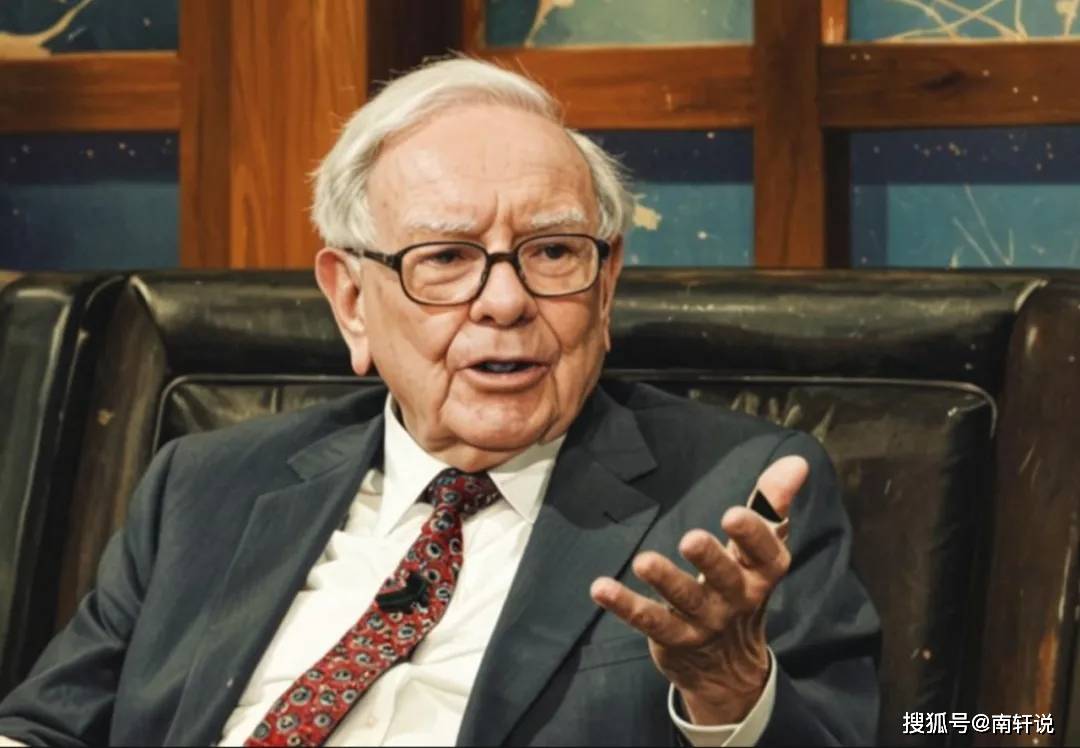
Core Insights - The essence of Buffett's investment philosophy is the concept of "circle of competence," which emphasizes knowing what to avoid rather than just what to invest in [3][11] - Buffett's strategic decisions, such as the acquisition of General Reinsurance for $18 billion, are based on decades of industry knowledge and understanding of market dynamics [5] - The investment in Japanese trading companies aligns with Buffett's principles of simplicity and traditional business models, as these companies control 20% of global commodity trade [4] Group 1: Investment Philosophy - Buffett's approach during the 1999 tech bubble, where he avoided internet stocks, resulted in Berkshire Hathaway profiting 10% when the bubble burst [4] - The concept of "human credibility" allows Buffett to expand his circle of competence beyond traditional industries, as seen in his investment in Apple after learning from past mistakes with IBM [9] - The balance between old and new energy investments, such as the $10 billion acquisition of Dominion Energy's natural gas assets, reflects a transitional strategy in energy [10] Group 2: Competitive Advantages - Coca-Cola exemplifies a physiological dependency moat with its global daily sales reaching 1.9 billion bottles in 2023 [7] - GEICO demonstrates a cost advantage moat, achieving a market share increase from 2.1% in 1996 to 13.7% in 2023 by lowering operational costs through a direct sales model [8] - The concept of "mind share" over market share is illustrated by Kodak's peak, where it held 90% of the global film market in 1975 [8] Group 3: Adaptation and Evolution - The investment strategies of companies like Himalaya Capital show a shift from traditional sectors to emerging industries, such as BYD in the Chinese renewable energy sector, yielding over 30 times returns [12] - Vanke's practice of leveraging accounts payable to strengthen its position in the real estate industry demonstrates a strategic approach to financial management [13] - The relevance of Buffett's model in the current AI and quantitative investment landscape suggests that focusing on deepening one's competitive advantages is more sustainable than chasing trends [15][16]
巴菲特最被低估的忠告:比智商更重要的,是这项被忽略的品质
Sou Hu Cai Jing· 2025-05-21 16:24
Core Insights - The article emphasizes the importance of integrity and character in investment decisions, as highlighted by Warren Buffett's "10% classmate shares" thought experiment [2][9] - It discusses the downfall of Long-Term Capital Management (LTCM) as a cautionary tale of high intelligence combined with greed and over-leverage leading to financial disaster [3][4] - The article advocates for the long-term economic value of integrity in business, suggesting that companies with strong ethical foundations tend to outperform their peers [8][15] Group 1: Investment Philosophy - Buffett's perspective on investment prioritizes management's character over financial metrics, suggesting that ethical leadership can mitigate risks [5][7] - The LTCM case illustrates the dangers of ignoring human behavior and market unpredictability, despite advanced mathematical models [4][3] - The concept of "trust assets" is crucial in Buffett's investment strategy, allowing for swift decision-making based on confidence in management [7] Group 2: Character and Business Success - Research indicates that companies with integrity yield a 2.5% higher long-term shareholder return compared to industry averages [8] - The article highlights the success of Chinese entrepreneur Duan Yongping, who built a strong corporate culture based on integrity, leading to resilience in the competitive smartphone market [8][15] - The case of Ningde Times demonstrates that adhering to ethical practices can lead to significant market share growth, increasing from 17% in 2017 to 37% in 2023 [13] Group 3: Ethical Challenges in Modern Finance - The rise of Web3 and quantitative trading has made integrity a rare commodity, with recent failures in decentralized finance (DeFi) underscoring the risks of a lack of moral constraints [12] - The article critiques the current societal trend towards shortcut thinking, contrasting it with Buffett's long-term commitment to integrity as a guiding principle [15]
Tesla and Waymo Are Poised to Poke Buffett's Golden Goose: Is Berkshire Hathaway Still a Safe Stock?
The Motley Fool· 2025-05-19 09:10
Core Insights - Berkshire Hathaway is expected to maintain strong performance under the future leadership of Greg Abel, as Warren Buffett believes the company's prospects will improve under Abel's management [1] - However, the company may face challenges from the rise of autonomous vehicles, particularly from Tesla and Waymo, which could disrupt its insurance business [1][6] Insurance Business Overview - Berkshire Hathaway's insurance segment, particularly GEICO, is a significant revenue source, contributing over 10% of total earnings from insurance premiums and an additional 15% from investment income [4] - GEICO is the third-largest auto insurance company in the U.S., holding a market share of approximately 12.3% [3] Impact of Autonomous Vehicles - The introduction of self-driving cars is anticipated to dramatically change the auto insurance landscape, with GEICO already preparing for this shift by focusing on product errors and omissions insurance rather than operator errors [10][11] - Waymo's robotaxi services have shown a significant reduction in accidents, with 92% fewer crashes involving injuries to pedestrians compared to human drivers [8] - Tesla plans to enter the robotaxi market, with CEO Elon Musk stating that most Tesla vehicles are capable of being used as robotaxis [9] Future Projections - Ark Invest predicts that the rise of robotaxis could lead to a 50% decline in auto sales in North America and Europe, which may negatively impact GEICO's revenue from auto insurance policies [12][13] - The shift to insurance for product errors may result in lower premiums compared to traditional auto insurance, potentially leading to a revenue decline for GEICO [13] Diversification and Long-term Outlook - Despite the challenges posed by robotaxis, Berkshire Hathaway's diversified business model, which generates more revenue from other sectors than from GEICO, may mitigate risks [16] - The company is expected to remain a safe long-term investment, with the potential for further diversification under Greg Abel's leadership [17]
18年年化33%!《滚雪球》作者详解巴菲特一笔鲜为人知的个人投资,完整还原他的真实决策逻辑︱重阳荐文
重阳投资· 2025-05-12 06:59
Core Viewpoint - The article emphasizes Warren Buffett's unique investment philosophy, focusing on risk assessment and the importance of maintaining a margin of safety rather than relying on complex financial models or predictions [2][3]. Group 1: Investment Philosophy - Buffett prioritizes evaluating potential disaster risks in investments, rejecting opportunities with significant risks immediately [3][10]. - He sets a baseline initial return rate of 15%, aiming for reasonable odds rather than excessive greed [3][9]. - Continuous learning and knowledge accumulation are crucial to Buffett's decision-making process, allowing for quick and accurate judgments [3][8]. Group 2: Key Investment Concepts - The article outlines four core concepts in value investing: intrinsic value, ignoring market volatility, the drawbacks of excessive trading and diversification, and the importance of a margin of safety [7]. - Buffett's investment decisions are characterized by a focus on a few critical factors rather than complex financial models, emphasizing sales growth and cost advantages [9][10]. Group 3: Case Study - Midcontinent Tab Card Company - The case study illustrates Buffett's investment in Midcontinent Tab Card Company, highlighting his initial rejection due to perceived disaster risks when the company was a startup challenging IBM [9]. - After the company demonstrated success in the market, Buffett reconsidered and invested, applying his principles of risk assessment and expected returns [9][10]. - The investment yielded an annualized return of 33% over 18 years, showcasing Buffett's effective application of his investment philosophy [9]. Group 4: Learning and Habits - Buffett's success is attributed to his diligent work habits and a deep-rooted understanding of investment principles acquired from a young age [7][8]. - He emphasizes the importance of avoiding bad habits and cultivating good ones, as they shape long-term success [7][8]. - The article suggests that Buffett's unique traits and disciplined approach to investing are key factors in his sustained success over decades [12][13].



HCI(HCI) - 2025 Q1 - Earnings Call Transcript
2025-05-08 21:45
Financial Data and Key Metrics Changes - HCI Group reported a 17% increase in gross earned premiums compared to the same quarter last year [5] - The net combined ratio improved to 56% from 67% in Q1 2024 [5] - Pre-tax net income was just over $100 million, with earnings per share at $5.35, up from $3.81 in the same quarter last year [9] Business Line Data and Key Metrics Changes - The real estate division, Greenleaf, entered a new multi-year lease agreement with GEICO for an office campus of 190,000 square feet, contributing to an off-balance sheet gain of approximately $85 million [7] - Hailrow reciprocal exchange commenced operations, assuming about 14,000 policies and $35 million in premium from citizens [6] Market Data and Key Metrics Changes - The growth loss ratio was less than 20%, down from 31% in the same quarter last year, reflecting low claim volume [10] - Claim frequency was down more than 40% from Q1 last year, attributed to legislative changes and favorable weather conditions [10] Company Strategy and Development Direction - HCI Group is focused on the separation of Exio to allow it to operate as a standalone company, which is expected to unlock new growth opportunities [21] - The company aims to replicate its success in the homeowners insurance market by leveraging Exio's technology platform [15] Management's Comments on Operating Environment and Future Outlook - Management expressed confidence in the company's ability to grow revenue while enhancing profitability, with expectations for continued strengthening of the balance sheet [12] - The company anticipates completing the conversion of its convertible notes, which will further improve shareholder equity [12] Other Important Information - HCI Group plans to redeem its 4.75% convertible senior notes, reducing debt by approximately $172 million [6] - Exio reported $52 million in revenue and $24 million in pre-tax income for Q1, indicating strong margins and solid performance [20] Q&A Session Summary Question: What areas of the homeowners market is Exio best suited to target? - Management indicated that Exio's technology has proven effective in Florida and other states, with potential applications in various lines of business [28][31] Question: Can you quantify the impact of favorable weather on the gross loss ratio? - The loss ratio was under 20%, with expectations that a more normalized loss ratio might be around 24-25% [32][33] Question: What are the expectations for June 1 renewals? - Management noted that there is plenty of capacity in the market, indicating a stable negotiation environment for reinsurance [34] Question: Why choose a spin-off for Exio? - The spin-off is intended to maximize value creation for existing shareholders and resolve any potential conflicts of interest [39][67] Question: How does Exio's technology benefit potential partners? - Exio's technology optimizes the assembly of a book of business for partners, regardless of whether they are admitted or non-admitted carriers [40] Question: What is the competitive landscape for the condo business? - The condo business is becoming more competitive, but HCI Group maintains pricing discipline [43]

巴菲特最被低估的演讲:段永平看了10遍
Sou Hu Cai Jing· 2025-05-08 14:11
Group 1 - The core idea of the article revolves around Warren Buffett's investment philosophy, emphasizing the importance of integrity, long-term value creation, and understanding the businesses one invests in [5][13][24] - Buffett highlights that integrity is more crucial than intelligence in assessing potential partners or employees, as a lack of integrity can lead to detrimental outcomes [6][7][10] - The article discusses the significance of time as a friend to good companies and an enemy to poor ones, suggesting that long-term investments in quality businesses yield better returns [13][14][15] Group 2 - Buffett prefers investing in companies that are easy to understand, which allows him to filter out a significant portion of potential investments [16][17][21] - The concept of a "moat" is introduced, where companies with strong competitive advantages are more likely to succeed over time [20][19] - The article emphasizes the importance of recognizing the long-term potential of companies, such as Coca-Cola, which has a strong market presence and consistent consumer demand [31][32][33] Group 3 - The article discusses the importance of understanding one's investment circle of competence, suggesting that investors should only invest in businesses they fully comprehend [28][29][30] - Buffett stresses the need for a rational approach to investment timing, focusing on the intrinsic value of companies rather than short-term market fluctuations [35][36][37] - The narrative includes a cautionary tale about the risks of overconfidence in investment decisions, highlighting that both ignorance and overestimation of knowledge can lead to financial failure [42][43][44]