再鼎医药

Search documents
外企高管转型中国创新药“推销员”,黄仁勋也来共享顶级资本盛宴
第一财经· 2026-01-17 17:47
Core Insights - The JPMorgan Healthcare Conference, known as the "Spring Festival of the Pharmaceutical Industry," has increasingly highlighted the role of Chinese biopharmaceutical companies and investors, indicating a shift towards recognizing China's innovation capabilities in drug development [3][11]. Group 1: Conference Highlights - The conference showcased a growing interest in Chinese innovation, with discussions frequently focusing on collaboration opportunities and the competitive landscape involving China [3][11]. - Many multinational pharmaceutical companies organized closed-door sessions specifically for Chinese innovation, reflecting a significant engagement with Chinese projects [10][11]. - The overall sentiment towards Chinese biopharmaceutical companies has improved, with global capital increasingly viewing them as equal partners in technology output rather than just recipients of foreign investment [13][14]. Group 2: Industry Trends - The trend of multinational pharmaceutical executives transitioning to roles in Chinese biopharmaceutical firms is notable, as they bring valuable experience and networks to the industry [8][10]. - The urgency for multinational companies to acquire innovative assets from China is driven by the impending patent cliffs for blockbuster drugs, creating a historical opportunity for Chinese innovations to enter global markets [14]. - The number of licensing agreements for innovative drugs from China is expected to rise, with over one-third of such agreements in 2025 already coming from Chinese companies [14][15]. Group 3: AI in Biopharmaceuticals - The integration of AI in drug discovery is becoming a focal point, with predictions that AI could significantly reduce the time and cost of early drug development [19][24]. - Major pharmaceutical companies are increasingly collaborating with AI firms to enhance their drug development processes, as seen in partnerships announced during the conference [21][23]. - The AI pharmaceutical market is projected to grow from over $1 billion in 2022 to nearly $3 billion by 2026, indicating a robust future for AI-driven drug discovery [24].

外企高管转型中国创新药“推销员”,黄仁勋也来共享顶级资本盛宴
Di Yi Cai Jing· 2026-01-17 12:16
Group 1 - The core message of the news is that Chinese innovative drugs are transitioning from dawn to a breakthrough moment, with the development cycle of drug research expected to be significantly shortened due to advancements in AI and other technologies [1][21] - The JPMorgan Healthcare Conference, known as the "Spring Festival of the Pharmaceutical Industry," has increasingly featured Chinese investors and biopharmaceutical companies, indicating a growing focus on China in global discussions [1][6] - Many discussions at the conference highlighted the speed and efficiency of Chinese biotechnology companies in advancing projects, positioning them as equal technology exporters in global competition [29][30] Group 2 - Josh Smiley, president of Zai Lab, emphasized the need for more effort in promoting their story to investors, reflecting the increased intensity of the conference compared to a decade ago [23][26] - Chen Feng, CEO of Bole Capital, noted that many multinational pharmaceutical companies arranged closed-door meetings specifically for Chinese innovation, indicating a strong interest in collaboration [5][27] - The conference showcased a significant presence of Chinese companies, with over 100 CEOs from domestic biotech firms attending, highlighting the active engagement of Chinese enterprises on the international stage [5][27] Group 3 - The acquisition of a new dual-antibody drug by AbbVie for up to $5.6 billion from Rongchang Biotech marked a significant transaction, indicating a robust trend in Chinese innovative drug licensing expected to continue through 2026 [30] - The global pharmaceutical market is increasingly recognizing Chinese innovation as a vital source for their pipelines, with a notable shift in attitudes towards collaboration with Chinese firms [29][30] - The AI pharmaceutical market is projected to grow from over $1 billion in 2022 to nearly $3 billion by 2026, reflecting the industry's increasing reliance on AI technologies for drug discovery [41] Group 4 - AI technologies for drug discovery have become a major focus in the investment community, with significant collaborations announced at the conference, such as the $1 billion partnership between NVIDIA and Eli Lilly [37][40] - The success rate of AI-generated drug molecules in Phase I clinical trials is expected to reach 80-90% by 2025, surpassing historical averages, indicating a breakthrough in the clinical validation of AI-driven drug development [41][42] - The shift in AI pharmaceutical competition is moving from models and algorithms to data quality and generation, emphasizing the importance of high-quality data in drug development [40]


深度|外企高管转型中国创新药“推销员”,黄仁勋也来共享顶级资本盛宴
Di Yi Cai Jing· 2026-01-17 12:12
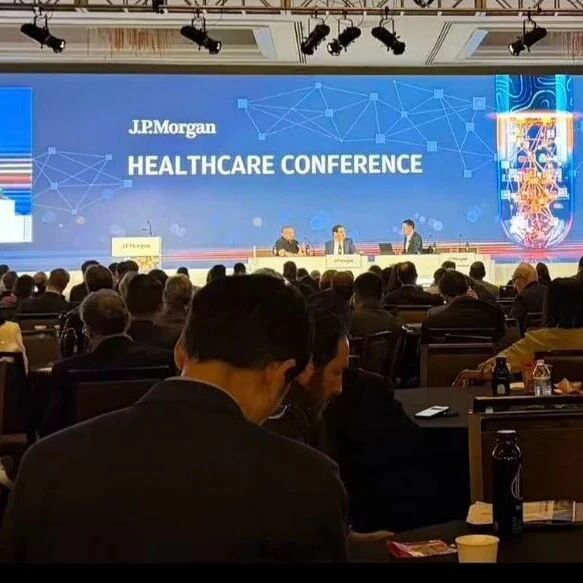
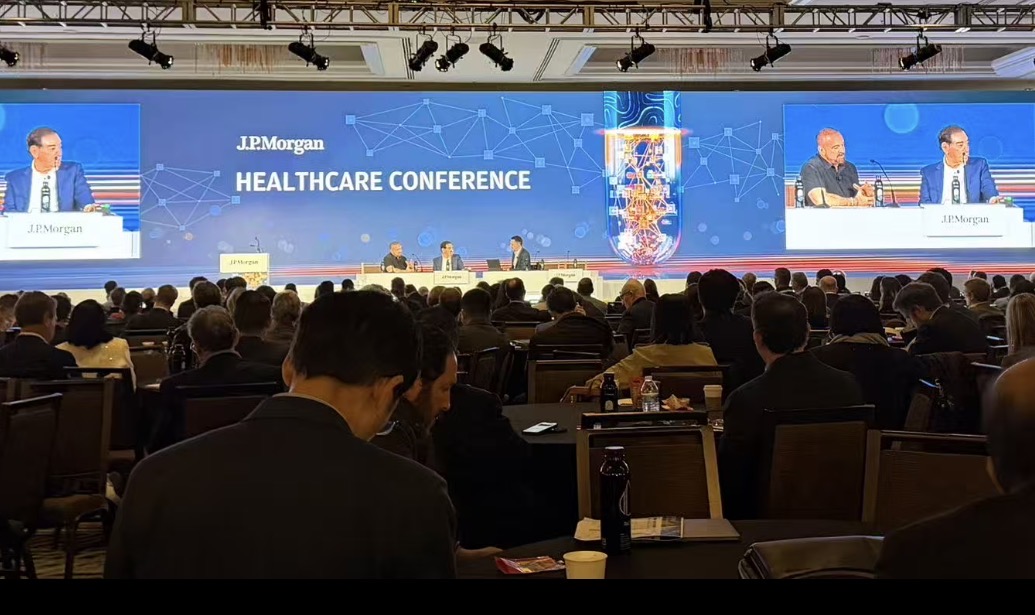
Group 1: JPM Conference Overview - The JPMorgan Healthcare Conference, known as the "Spring Festival of the Pharmaceutical Industry," concluded this weekend, highlighting its status as a premier global healthcare investment event and a barometer for investment trends [1] - This year's conference saw a significant presence of Chinese investors and biopharmaceutical companies, with discussions frequently focusing on China, covering innovation pipelines, collaboration opportunities, and global competition [1][8] - The conference signaled a positive outlook for Chinese innovative drugs, indicating a transition from dawn to dawn, with advancements in AI technology expected to significantly shorten drug development cycles [1] Group 2: Executive Insights - Josh Smiley, President of Zai Lab, participated in the JPM conference, emphasizing the increased effort required to keep pace with the event's demands, having held 14 meetings in one day [3][4] - Smiley noted the shift from a multinational pharmaceutical executive to leading a smaller Chinese company, highlighting the need for more effort in "selling" the company's story to investors [6] - Chen Feng, CEO of Boying Capital, also attended the conference, bringing nearly 20 projects from Chinese companies to connect with multinational pharmaceutical firms and global capital [7] Group 3: Chinese Innovation and Global Perception - The term "China" emerged as a key theme at the conference, with major pharmaceutical companies actively seeking to incorporate Chinese innovative assets into their research pipelines [8][9] - There is a growing recognition of Chinese biotechnology companies as equal partners in global competition, with many multinational firms viewing Chinese innovation as a vital source for their pipelines [9] - The conference featured closed-door sessions specifically for Chinese innovation, organized by companies like Pfizer and Roche, indicating a strong interest in Chinese projects [7] Group 4: Market Dynamics and Opportunities - The acquisition of a new dual-antibody drug by AbbVie for up to $5.6 billion from Rongchang Biotech marked a significant transaction, reflecting the increasing momentum of Chinese innovative drugs in global markets [10] - Over one-third of the announced innovative drug licensing agreements in 2025 are expected to originate from China, indicating a robust trend in international collaborations [10] - Despite the enthusiasm in the biopharmaceutical capital market, challenges remain, particularly regarding geopolitical risks and regulatory uncertainties that could impact investment decisions [12] Group 5: AI in Drug Development - AI technology has become a focal point at the conference, with companies increasingly leveraging AI to enhance drug discovery and development processes [17] - A partnership between Nvidia and Eli Lilly was announced, involving a $1 billion investment to establish a joint research lab aimed at accelerating AI-driven drug development [17][18] - The global AI pharmaceutical market exceeded $1 billion in 2022 and is projected to approach $3 billion by 2026, highlighting the rapid growth and potential of AI in the industry [21] Group 6: Future Trends and Challenges - The success rate of AI-generated drug molecules in Phase I clinical trials is projected to reach 80-90% by 2025, surpassing historical averages, indicating a significant breakthrough in drug development [21] - The transition of AI pharmaceutical development from early research to clinical validation is seen as a critical milestone for the industry [22] - Companies are increasingly focused on generating high-quality data and building robust AI models to maintain a competitive edge in drug development [20]
JPM医疗年会Day 3回顾:从创新到执行和兑现
GLP1减重宝典· 2026-01-16 15:29
Core Insights - The article emphasizes the significant advancements and global presence of Chinese companies in the biopharmaceutical sector, particularly at the JPM 2026 conference, showcasing their capabilities in both service and innovation [7][10]. Group 1: Chinese Companies at JPM 2026 - WuXi Biologics reported a substantial increase in its CRDMO business, achieving 209 comprehensive project collaborations by 2025, up from 150 in 2024, with a focus on complex projects like bispecific antibodies and ADCs [7][8]. - Ascentage Pharma highlighted its global innovation pipeline, featuring key products like the third-generation BCR-ABL inhibitor and BCL-2 inhibitor, which are driving growth in hematological oncology [9]. - Approximately 24 Chinese innovative pharmaceutical companies presented their clinical data and R&D progress at the conference, indicating a shift from being followers to systemic innovators in the global market [9][10]. Group 2: Multinational Pharmaceutical Companies - AbbVie projected an 8% revenue growth for 2025, with a 19% increase in sales from growth platforms, emphasizing the potential of its core immunology products [11]. - Sanofi reiterated its commitment to commercializing respiratory and vaccine-related assets while enhancing its pipeline through external collaborations [11]. - Gilead focused on its long-term strategy in virology, aiming for extended dosing forms and broader disease coverage [12]. Group 3: Healthcare Services and Capital Markets - The third day of the conference saw a shift towards discussions on cash flow, asset quality, and operational resilience among healthcare systems, with many reporting progress in cost control and operational integration [13]. - There was a cautious approach to mergers and acquisitions, with executives indicating a preference for manageable, cash-flow-positive targets rather than high-premium, long-cycle assets [13]. Group 4: Overall Conference Signals - The overall tone of the conference shifted towards practicality, focusing on verifiable results and execution capabilities rather than speculative narratives [14].
金元证券每日晨报-20260116
Jinyuan Securities· 2026-01-16 02:18
Market Overview - The Dow Jones Industrial Average increased by 0.60% to close at 49,442.44 points, while the S&P 500 rose by 0.26% to 6,944.47 points and the Nasdaq Composite gained 0.25% to 23,530.02 points [1][12] - In the European market, the DAX index rose by 0.26% to 25,352.39 points, while the CAC40 index fell by 0.21% to 8,313.12 points, and the FTSE 100 index increased by 0.54% to 10,238.94 points [6][12] - The Hang Seng Index in the Asia-Pacific region decreased by 0.28% to 26,923.62 points, and the Nikkei 225 index fell by 0.42% to 54,110.5 points [6][12] Domestic News - The People's Bank of China announced a reduction in the re-lending and re-discount rates by 0.25 percentage points effective January 19, 2026, with new rates set at 0.95%, 1.15%, and 1.25% for 3-month, 6-month, and 1-year loans respectively [13] - The State Grid Corporation of China is expected to reach a fixed asset investment of 4 trillion yuan during the 14th Five-Year Plan period, marking a 40% increase compared to the previous plan [14] - China Aerospace Science and Technology Corporation held a meeting to discuss major aerospace projects for 2026, emphasizing the importance of advancing manned lunar missions and deep space exploration [15] - The first gold ETF in the market with a scale exceeding 100 billion yuan was established, with the Huaan Gold ETF reaching a circulation scale of 100.762 billion yuan [16] Company News - OpenAI is seeking to strengthen its hardware supply chain in the U.S. and is looking for partners to expand into consumer devices, robotics, and cloud data centers [17] - Apple announced the expansion of Apple Pay's cross-border payment support, allowing Chinese cardholders to use their Visa debit cards for payments abroad [17] - Alibaba's Qianwen App has integrated various services within the Alibaba ecosystem, enabling users to order food, shop, and book travel through AI functionalities [17] - Tian Sheng New Materials signed a share transfer agreement, while Jintong Co. acquired a 24% stake in Anhui Jinsha Molybdenum Co. for 173.087 million yuan, increasing its ownership from 10% to 34% [17]
医院卖34.93元药店19元 同款药为何不同价?
2 1 Shi Ji Jing Ji Bao Dao· 2026-01-16 00:22
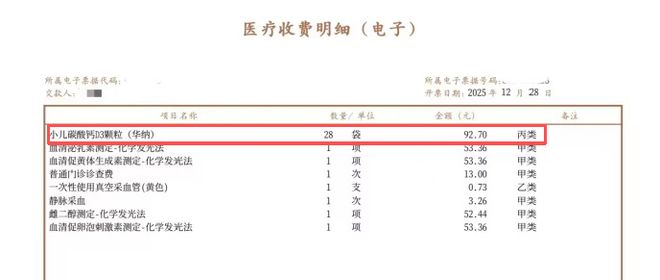
Core Viewpoint - The significant price discrepancies between hospital and retail pharmacy prices for the same medication raise concerns about the effectiveness of centralized procurement policies and the trust in public healthcare systems [2][3]. Price Discrepancies - A specific example highlights that the price of pediatric calcium carbonate D3 granules is 34.93 yuan in a hospital, while the same product is priced at approximately 19 yuan in pharmacies and e-commerce platforms, resulting in a price difference of 15.93 yuan [2]. - The price of the same medication can vary significantly across different sales channels, with instances of hospital prices being higher than retail prices and vice versa [3]. Centralized Procurement Issues - The pediatric calcium carbonate D3 granules were included in centralized procurement in 2022, with a winning bid price of 3.795 yuan per bag, which was further reduced to 2.495 yuan per bag in subsequent procurement rounds [3][4]. - Despite the centralized procurement prices, hospitals are reportedly selling the medication at prices that exceed these rates, indicating a disconnect between procurement prices and actual supply costs [4][6]. Factors Contributing to Price Differences - The pricing discrepancies are attributed to several factors, including the dynamic nature of market conditions, hidden service costs in hospitals, and the competitive pricing strategies of retail pharmacies and e-commerce platforms [6][7]. - Regulatory gaps and insufficient monitoring of real-time prices across different sales channels contribute to the lack of price uniformity [8]. Regulatory Responses - The National Medical Insurance Administration has initiated measures to address price discrepancies, including monitoring and comparing prices across various platforms to ensure compliance with procurement guidelines [10][11]. - Local governments are also implementing stricter regulations to align hospital prices with those of retail pharmacies and e-commerce platforms, emphasizing the need for transparency and fairness in drug pricing [11][12]. Future Directions - Experts suggest that a more transparent pricing mechanism is necessary, potentially resembling e-commerce platforms, to allow for direct price comparisons and foster competition among pharmaceutical companies [12].

1月16日早餐 | 央行下调再贷款、再贴现利率;台积电业绩大增
Xuan Gu Bao· 2026-01-16 00:12
Market Overview - US stock market rebounded with major indices reversing two consecutive declines; S&P 500 rose by 0.26%, Dow Jones increased by 0.60%, and Nasdaq gained 0.25% [1] - TSMC's strong earnings boosted chip stocks, with the chip index rising nearly 2%; TSMC's US shares surged over 4%, reaching a historical high [1] - The Nasdaq Golden Dragon China Index fell by 0.60%, with notable declines in Tencent Music (down 4.9%) and Kingsoft Cloud (down 4.6%) [1] Economic Indicators - US unemployment data release led to a rapid increase in US Treasury yields; the US dollar index accelerated its rebound, reaching a six-week high [2] - Offshore RMB rebounded over 100 points, surpassing 6.97, marking a 20-month high [2] Commodity Market - Precious metals experienced a pullback; gold fell over 1% and silver dropped over 7% during intraday trading [3] - Oil prices plummeted, closing down over 4%, marking the largest decline in nearly seven months [4] Semiconductor Industry - TSMC reported a 35% year-on-year increase in Q4 net profit, significantly exceeding market expectations; projected capital expenditures for 2025 are $40.9 billion, with guidance for 2026 raised to $52-56 billion [17] - The semiconductor industry is expected to see continued demand, with TSMC planning to raise wafer foundry prices over the next four years due to ongoing supply shortages [20] Storage Sector - Bernstein analysts highlighted an unprecedented storage supercycle driven by AI, raising SanDisk's target price from $300 to $580 [21] - The average selling prices of NAND and DRAM are experiencing sharp increases due to supply-demand imbalances [22] Carbon Fiber Development - A breakthrough in high-performance T1000-grade carbon fiber has been achieved, enhancing China's competitiveness in high-end materials [23] - The carbon fiber industry is expected to see significant growth, with projections indicating that by 2030, China's carbon fiber capacity will exceed 250,000 tons, capturing over 50% of global demand [23] Power Grid Investment - The State Grid's 14th Five-Year Plan anticipates fixed asset investments of 4 trillion yuan, a 40% increase from the previous plan, focusing on green transformation and new power systems [24] New Stock Offerings - Hengyun Chang, a semiconductor equipment supplier, is set to launch an IPO on the Sci-Tech Innovation Board with a subscription price of 92.18 yuan per share [25]
“几乎每场讨论都会谈到中国”!秀管线、谈合作、见投资人 从医药行业“春晚”看中国创新药产业跃迁
Zheng Quan Shi Bao· 2026-01-15 16:01
Core Insights - The 44th JPMorgan Global Healthcare Conference highlighted a shift in focus for Chinese innovative drug companies from local innovation to global competitiveness, emphasizing international collaboration and commercialization strategies [1][5]. Group 1: Conference Overview - The JPMorgan conference took place from January 12 to January 15 in San Francisco, attracting numerous Hong Kong biotech companies [1]. - Participants reported a busy schedule filled with meetings, showcasing drug pipelines, discussing collaborations, and engaging with investors [2][3]. Group 2: Industry Trends - There is a noticeable increase in discussions surrounding Chinese innovation in the pharmaceutical sector, with a shift from skepticism to recognition of China's role in global drug development [4][5]. - Chinese companies are now presenting more substantial clinical data and international collaboration cases, moving beyond initial concept pitches [5]. Group 3: Company Strategies - Companies like InSilico Medicine and Eucure Biopharma are focusing on showcasing their unique technologies and clinical data to attract international partnerships and investments [3][5]. - The emphasis is on demonstrating global competitiveness and the ability to innovate, with a strategic shift towards international collaboration and long-term value creation [6][7]. Group 4: Future Directions - Chinese innovative drug companies aim to reshape international perceptions from being cost-driven to innovation-driven, integrating into the global biopharmaceutical innovation network [7]. - The industry is expected to produce globally influential pharmaceutical giants, reflecting the rapid growth and development of Chinese biotech firms [7].
“几乎每场讨论都会谈到中国”!秀管线、谈合作、见投资人,从医药行业“春晚”看中国创新药产业跃迁
证券时报· 2026-01-15 15:55
Core Viewpoint - The 44th JPMorgan Global Healthcare Conference reflects a shift in focus for Chinese innovative drug companies from local innovation to building global competitiveness, emphasizing global development strategies and commercialization [1][7]. Group 1: Conference Highlights - The conference attracted numerous Hong Kong biopharmaceutical companies, showcasing their pipelines and engaging with investors [1]. - Companies reported a busy schedule with extensive meetings, indicating a high level of interest from multinational pharmaceutical executives and top fund managers in Chinese innovative drugs [4]. - The participation of Chinese companies has become more organized and active, with discussions shifting from early concepts to solid clinical data and international collaboration cases [7][8]. Group 2: Company Strategies and Goals - Companies like InSilico Medicine and Eucure Biopharma focused on showcasing their unique technologies and clinical data, aiming to establish deep collaborations with multinational firms and investors [5][11]. - The emphasis was on demonstrating the differentiation and international competitiveness of their platforms, with a shift from merely presenting pipeline quantity to highlighting unique advantages [8]. - Companies are increasingly adopting global strategies, including licensing and overseas clinical trials, reflecting a transition from "fast-follow" to "global synchronous innovation" [8]. Group 3: Key Messages for Global Market - Chinese innovative drug companies need to convey their scientific rigor and innovation capabilities through high-quality clinical data and advanced technology platforms [11][12]. - The importance of global cooperation and a long-term sustainable development approach was highlighted, aiming to reshape international perceptions of Chinese innovation from cost advantages to innovation-driven value [12]. - The rapid growth of Chinese biotech firms is seen as a microcosm of the industry's evolution, with expectations for the emergence of globally influential pharmaceutical giants from China [12].
JPM医疗年会Day1-2回顾:从中国管线到全球竞争格局
GLP1减重宝典· 2026-01-15 15:45
Core Insights - The JPM Healthcare Conference 2026 highlighted a significant shift in the narrative surrounding Chinese innovation assets, which are increasingly recognized as critical components for multinational pharmaceutical companies' long-term growth strategies [4][5][24] - The conference emphasized the importance of clinical advancement efficiency and global development pace for Chinese pharmaceutical companies, marking the entry of their innovation pipelines into the core narratives of multinational firms as just the beginning [24] Group 1: Chinese Companies' Innovations - Chinese companies are now being integrated into the core strategies of multinational pharmaceutical firms, moving beyond previous "single-point licensing" narratives to being key contributors in oncology, neuroscience, and metabolic diseases [5][9] - Notable collaborations include SystImmune's BL-B01D1, which has a potential total deal value of $800 million with Bristol-Myers Squibb, and the KarXT project, which is prioritized for development in the psychiatric pipeline [5][7] - The partnership between 3SBio and Pfizer on the PD-1 and VEGF bispecific antibody SSGJ-707 is highlighted as a significant transaction, indicating its strategic importance in the next-generation oncology immunotherapy landscape [7][9] Group 2: Multinational Companies' Strategies - Multinational companies are focusing on a 2030 pricing framework, with strategic decisions revolving around which assets will shape the next industry reshuffle [10][24] - Bristol-Myers Squibb plans to launch 10 new drugs by 2030, emphasizing a multi-pillar approach to mitigate risks associated with patent cliffs [10][12] - Vertex Pharmaceuticals and Madrigal Pharmaceuticals are adopting a focused strategy on single disease areas, with Madrigal positioning itself as a leader in the MASH field and Vertex concentrating on cystic fibrosis and gene therapy [12][15] Group 3: Market Dynamics and Challenges - The second day of the conference shifted focus to practical execution challenges, including competition in metabolic diseases, patent expirations, and supply chain management [16][24] - Eli Lilly expressed uncertainty regarding the market performance of its oral GLP-1 candidate, while Novo Nordisk acknowledged significant competitive pressures and emphasized direct patient channel management [16][18] - Bayer updated its assessment of patent expirations for Xarelto and Eylea, indicating a gradual approach to managing revenue impacts while relying on new product launches for future growth [18][19] Group 4: Supply Chain and Manufacturing - The importance of local manufacturing capabilities was underscored, with Samsung Biologics discussing its U.S. production capacity to meet growing demand [21][24] - Companies like Teva and Sandoz are focusing on the strategic value of biosimilars in light of upcoming patent expirations, indicating a long-term structural adjustment rather than a short-term fix [19][21]