
步步高

Search documents
自有品牌,高鑫零售永辉家家悦的“难言之隐”
Ge Long Hui· 2025-12-26 14:06
Core Viewpoint - The Chinese supermarket industry is facing significant challenges, with many companies struggling to adapt to market changes and competition from foreign retailers, leading to declining revenues and profitability [1][5][11]. Industry Overview - The departure of Zhang Jingyi from Yonghui Supermarket highlights the difficulties faced by Chinese supermarkets in recent years, including the impact of e-commerce and the pandemic [1]. - Many Chinese supermarket companies have attempted to innovate and adjust their product offerings, but customer traffic remains low, and profitability is still a major issue [1][5]. Comparison with Foreign Supermarkets - In contrast to the struggles of Chinese supermarkets, foreign retailers like Walmart, Costco, and Metro have maintained strong profitability, with Walmart reporting a revenue of $161.63 billion and a net profit increase of 53.3% in its latest fiscal quarter [6][8]. - In the first half of 2023, over 60% of the 13 listed Chinese supermarket companies reported a decline in revenue, with some facing significant losses [5][9]. Financial Performance of Chinese Supermarkets - Lianhua Supermarket reported a revenue decline of approximately 13.3% in the first half of 2023, continuing a trend of losses that have accumulated to over 2 billion yuan since 2017 [9][10]. - Other companies like Bubugao and Renrenle also reported severe losses, with Bubugao's revenue dropping by 69.29% and a net loss of 449 million yuan [9][10]. Self-Brand Development - The development of private labels is crucial for supermarkets to differentiate themselves and improve profit margins, yet Chinese supermarkets lag significantly behind their foreign counterparts in this area [12][13]. - In the U.S., private label sales grew by 11.3% in 2022, while in China, the private label market share is only about 1% [12][13]. Challenges in Private Label Strategy - Chinese supermarkets have been slow to develop effective private label strategies, often relying on OEM and ODM products rather than creating unique offerings [35][36]. - The lack of dedicated procurement teams for private labels in Chinese supermarkets contrasts sharply with the practices of foreign retailers, which often have specialized teams focused on private label development [36][42]. Future Opportunities - Despite the current challenges, the potential for growth in the Chinese supermarket sector remains, given the country's manufacturing and consumer capabilities [43].


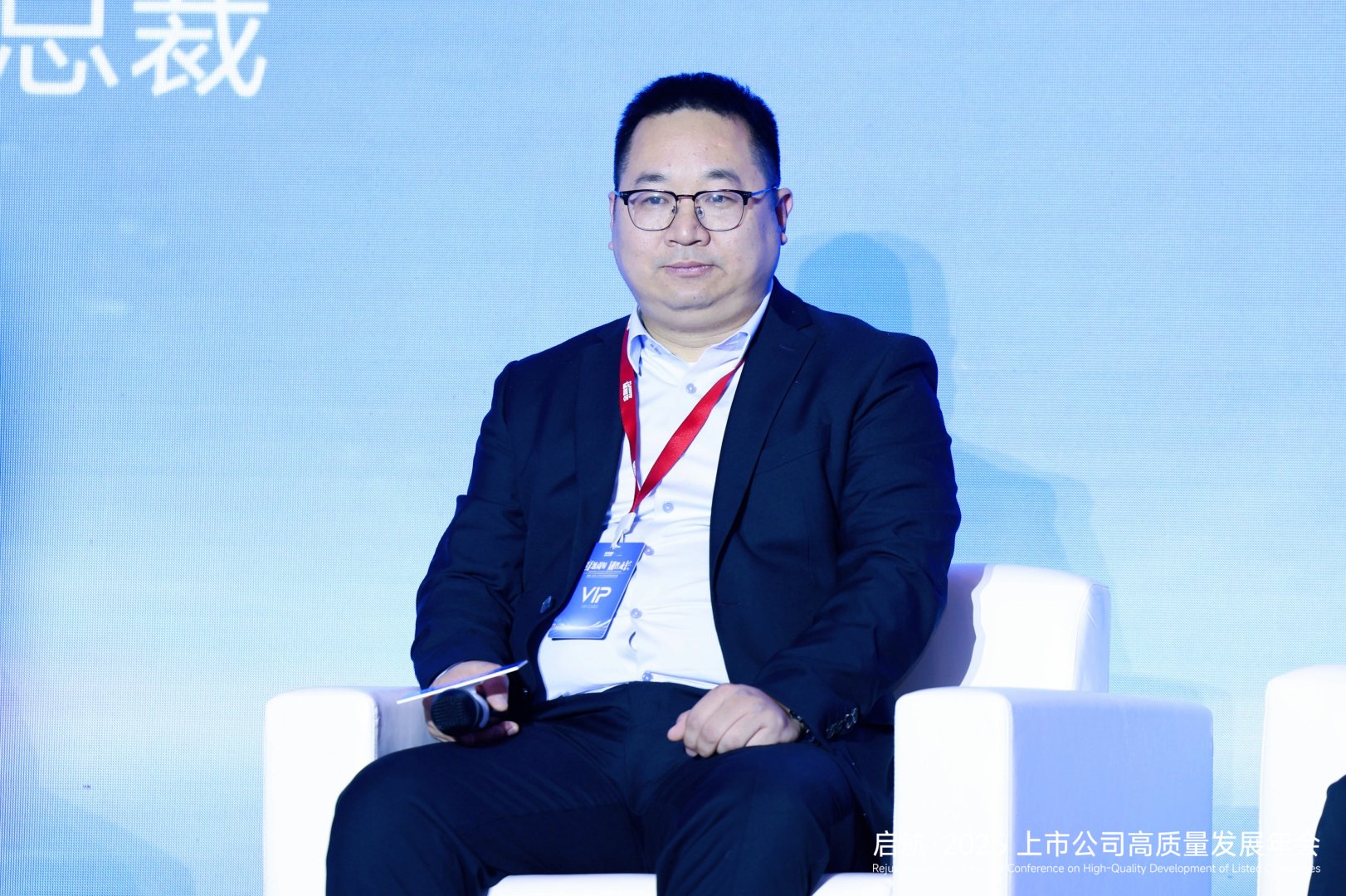
数智化破解零售“细节之困” 多点数智张宇:以技术重构消费新基建底层逻辑
Jin Rong Jie· 2025-12-26 12:07
Core Insights - The "2025 Financial Annual Conference" held in Beijing focused on "crossing cycles and resilient growth," gathering leaders from regulatory bodies, industry associations, and over 200 listed companies to discuss development paths and empower high-quality growth in the capital market [1] Group 1: Event Overview - The "2025 High-Quality Development Annual Conference" was a significant part of the event, aimed at promoting high-quality development among listed companies [1] - The "Golden Intelligence Award" was announced, recognizing over 140 companies, including Haier Smart Home and Eastroc Beverage, from more than 8,000 A-share, Hong Kong stock, and Chinese concept stock companies for their exemplary high-quality development [1] Group 2: Retail Industry Insights - Zhang Yu, Vice President of Duodian Shuzhi, discussed the digital transformation path in the retail industry, emphasizing the differences in consumption dynamics between urban and lower-tier markets [2] - The retail sector faces critical operational pain points, such as product selection and ordering difficulties, which are exacerbated by reliance on experience-based decision-making [3][4] - The challenges of clearing short-shelf-life products, like fresh produce, are often left to store managers' judgment, lacking scientific basis [3] Group 3: Digital Solutions - Duodian Shuzhi aims to shift retail companies from traditional experience-based decision-making to data-driven scientific decision-making through various digital tools [4] - The newly released operating system and AI applications, such as "AI Superior Products" and "AI Clearance," address the identified industry pain points by providing data-driven insights for product selection and clearance strategies [4][5] - The company emphasizes the importance of understanding regional consumer preferences, as products that perform well in one city may not in another, highlighting the need for a data and AI-based decision-making system [5] Group 4: Strategic Implications - The insights shared by Zhang Yu provide a clear technological path for the retail industry to achieve resilient growth by addressing pain points through digital means [5] - The focus on precise matching of "people, goods, and venues" is essential for capturing growth opportunities in an increasingly differentiated consumer market [5]
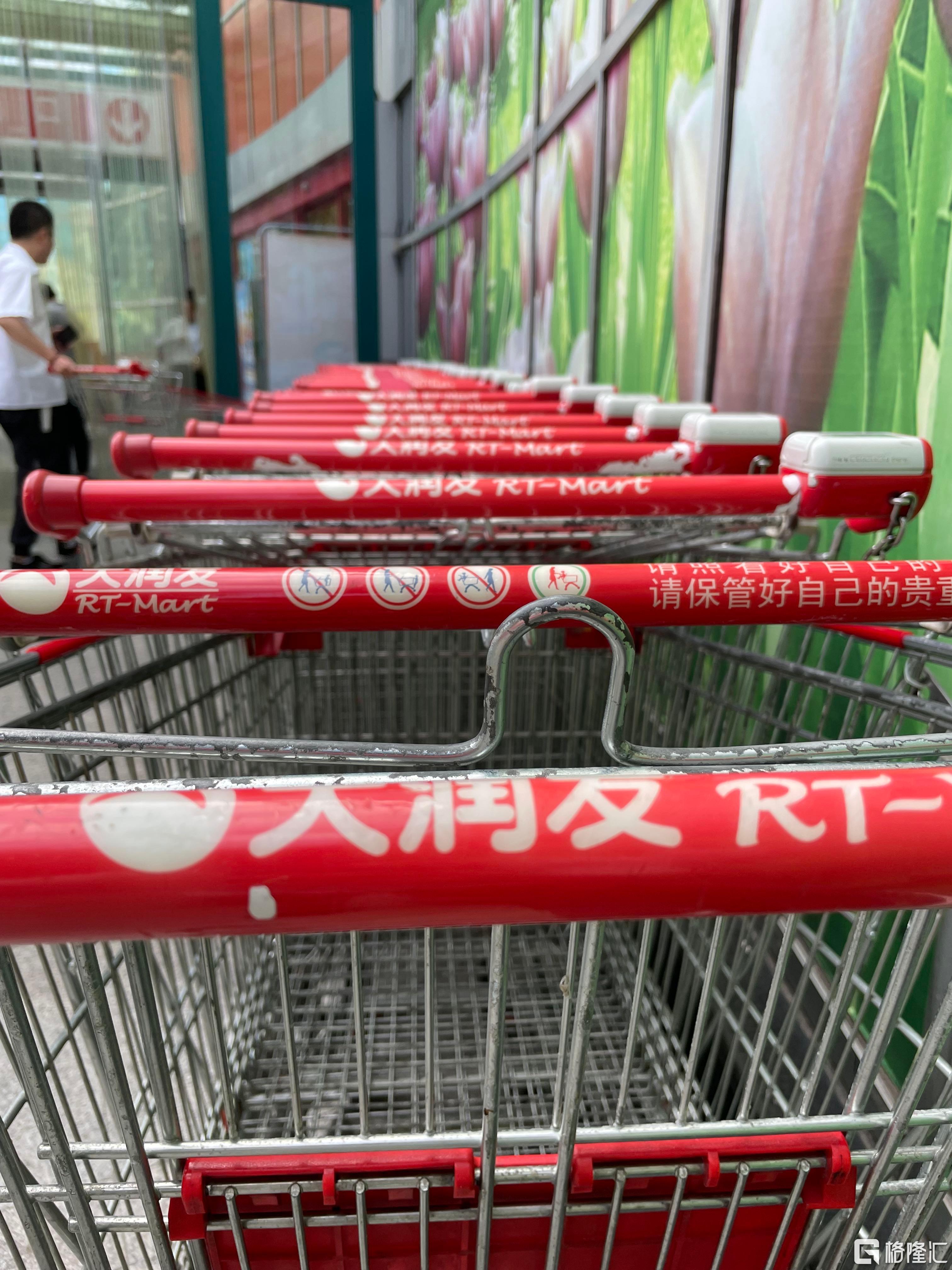
步步高跌2.11%,成交额4.30亿元,主力资金净流出5242.17万元
Xin Lang Cai Jing· 2025-12-25 02:37
Group 1 - The core viewpoint of the news is that Bubu Gao's stock has experienced fluctuations, with a recent decline of 2.11% and a year-to-date increase of 40.76% [1] - As of December 25, Bubu Gao's stock price is reported at 5.56 yuan per share, with a total market capitalization of 14.949 billion yuan [1] - The company has seen a net outflow of main funds amounting to 52.4217 million yuan, with significant selling pressure observed [1] Group 2 - Bubu Gao operates in the general retail sector, specifically in supermarkets, and is involved in various concepts such as community group buying and new retail [2] - For the period from January to September 2025, Bubu Gao achieved a revenue of 3.194 billion yuan, reflecting a year-on-year growth of 26.48%, while the net profit attributable to the parent company decreased by 88.83% to 226 million yuan [2] - The number of shareholders increased by 95% to 172,500, while the average circulating shares per person decreased by 27.06% to 12,476 shares [2] Group 3 - Since its A-share listing, Bubu Gao has distributed a total of 1.677 billion yuan in dividends, with no dividends paid in the last three years [3] - As of September 30, 2025, Hong Kong Central Clearing Limited has exited the list of the top ten circulating shareholders [3]

众泰汽车:公司与步步高没有合作
Mei Ri Jing Ji Xin Wen· 2025-12-24 14:36
Core Viewpoint - Zhontai Automobile has confirmed that there is currently no cooperation with the BBK Group regarding a potential restructuring [1] Group 1 - As of December 24, the company stated on the investor interaction platform that it has not engaged in any collaboration with BBK [1] - The company emphasized that if any cooperation occurs in the future, it will fulfill its information disclosure obligations in accordance with relevant laws and regulations [1]

众泰汽车(000980.SZ):与步步高没有合作
Ge Long Hui· 2025-12-24 13:06
Group 1 - The core point of the article is that Zhongtai Automobile (000980.SZ) has stated there is currently no cooperation with Bubu Gao, and any future collaboration will be disclosed in accordance with relevant laws and regulations [1]
众泰汽车:与步步高没有合作
Ge Long Hui· 2025-12-24 13:03
Group 1 - The core point of the article is that Zhongtai Automobile (000980.SZ) has confirmed there is currently no collaboration with Bubu Gao, and any future cooperation will be disclosed in accordance with relevant laws and regulations [1]
折扣店洗牌开始?好特卖多地闭店:“高成本选址”与“低价模式”矛盾凸显
Hua Xia Shi Bao· 2025-12-24 05:15
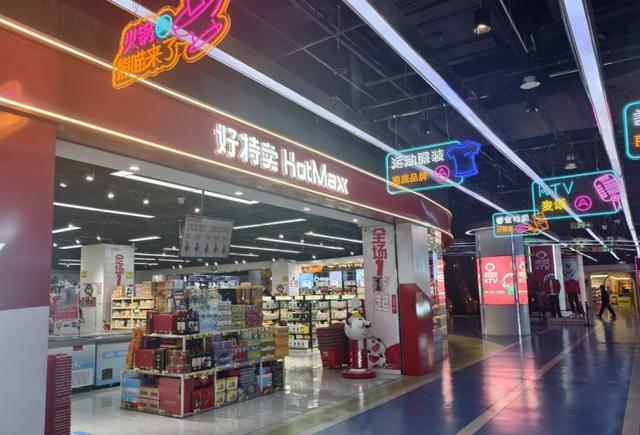
Core Viewpoint - The discount retail brand "Hao Te Mai" is facing significant challenges as it slows down its expansion and closes stores in key cities, amidst increasing competition from both internet giants and traditional supermarkets [1][2][4] Group 1: Company Overview - Hao Te Mai was established in 2020, initially focusing on selling near-expiry products, and has since evolved into a chain retail brand specializing in discount goods [2] - The company has received five rounds of financing, with the last round occurring on August 16, 2021, and its parent company, Shanghai Xinguo Technology Co., Ltd., has investors including Wuyuan Capital and Jiayuan Capital [2] - As of now, Hao Te Mai has over 1,000 stores nationwide, which is relatively modest compared to competitors like Mingming Henmang and Wancheng Group, both of which have over 15,000 stores [2] Group 2: Business Model and Challenges - Hao Te Mai's franchise model requires potential franchisees to prove they have over 1 million yuan in liquid assets, with initial investment costs starting at approximately 730,000 yuan [3] - The company's business model faces structural contradictions, as it operates in high-rent shopping centers while offering low-priced products, leading to unsustainable profit margins [3][5] - The brand is experiencing increased competition from major players like Meituan, JD.com, and Hema, which are rapidly expanding their discount retail presence [4][5] Group 3: Market Competition - Internet giants are aggressively opening new stores in the discount sector, with Meituan's "Happy Monkey" and JD.com's discount supermarkets launching multiple locations [4] - Traditional supermarkets are also adapting by launching their own discount formats, such as Wumart's "Wumart Super Value," which adds to the competitive pressure on Hao Te Mai [5] - Experts suggest that the current discount model is under severe challenge, as brands like Hema and Aldi are establishing differentiated advantages through strong private label systems [5]
「新消费观察」折扣店洗牌开始?好特卖多地闭店:“高成本选址”与“低价模式”矛盾凸显
Hua Xia Shi Bao· 2025-12-23 14:37
Core Insights - The discount retail brand "Hao Te Mai" is reportedly closing stores in major cities like Guangzhou, Changsha, Hangzhou, and Beijing, while also slowing down its expansion pace and halting new franchise applications in some areas [2][3] - The discount retail sector has seen rapid growth this year, with major players like Meituan, JD.com, and Hema entering the market, intensifying competition for Hao Te Mai [2][6] Company Overview - Hao Te Mai was established in 2020, initially focusing on selling near-expiry products, and has since evolved into a chain retail brand specializing in discount goods [3] - The company has received five rounds of financing, with the last round occurring on August 16, 2021, and its parent company, Shanghai Xinguo Technology Co., Ltd., currently operates over 1,000 stores nationwide [3][4] Franchise Model - Hao Te Mai's franchise model includes self-operated and managed franchises, requiring franchisees to prove they have over 1 million yuan in liquid assets [4] - The initial investment for franchisees is at least 730,000 yuan, covering various costs such as brand usage fees, preparation fees, renovation, and security deposits [4] Market Challenges - The business model of Hao Te Mai faces structural contradictions, as it operates in high-rent shopping centers while offering low-priced products, leading to sustainability issues [5] - The company is under pressure from both internet giants and traditional supermarkets, which are expanding their discount offerings and optimizing supply chains [6][7] Competitive Landscape - Major competitors like Hema, JD.com, and Meituan are rapidly opening new stores, with Hema's discount brand "Chao He Suan NB" exceeding 350 locations by October 2025 [6][7] - Traditional supermarkets are also adapting by launching their own discount formats, further complicating the competitive environment for Hao Te Mai [6][7] Consumer Behavior - Experts suggest that the overuse of the "discount" concept may reshape consumer perceptions, moving away from a sole focus on low prices [7] - True discount stores should focus on sustainable low pricing through supply chain restructuring and bulk purchasing, a model that competitors like Hema and Aldi are successfully implementing [7]
纳智捷、众泰、极越,能成为“复活版”的蔚小理吗?
Xin Lang Cai Jing· 2025-12-23 11:43
Core Viewpoint - The end of the full exemption of vehicle purchase tax in China starting in 2026 will significantly increase consumer costs, yet the anticipated surge in vehicle purchases has not materialized, revealing market fatigue [1][2]. Industry Overview - The impending policy change has led consumers to rush purchases in 2025, resulting in a temporary spike in sales but an overall decline in growth rates due to market saturation [2]. - The automotive industry is experiencing extreme price competition, leading to compressed profit margins and layoffs among major manufacturers [2]. Mergers and Acquisitions - Recent acquisition rumors, including Foxconn's full acquisition of the struggling brand Luxgen and potential restructuring of Zotye by OPPO/vivo and others, indicate a shift in strategy among major players [3][9]. - Foxconn's acquisition of Luxgen is seen as a strategic move to leverage the brand for its electric vehicle ambitions, transitioning from a contract manufacturer to a legitimate automotive player [7][8]. Brand Analysis - Luxgen, once popular for its electronic features, has suffered from high fuel consumption and outdated technology, leading to its exit from the mainland market in 2020 [6]. - Despite its tarnished reputation, Luxgen's existing infrastructure and brand recognition provide Foxconn with a platform to showcase its technological advancements in electric vehicles [8]. Competitive Landscape - The entry of tech giants like Xiaomi and Huawei into the automotive sector has intensified competition, prompting traditional players to seek strategic partnerships to maintain relevance [11][12]. - Zotye's production capacity and qualifications have become valuable assets in the current market, attracting interest from major tech firms looking to secure a foothold in the automotive industry [9][10]. Future Outlook - The end of the vehicle purchase tax exemption marks a significant shift in the Chinese automotive landscape, with increased operational pressures and competition expected [16][17]. - The focus will shift from merely acquiring technology to integrating supply chain management and creating comprehensive ecosystems in the automotive sector [17].
网传段永平牵头OPPO、vivo联手众泰汽车造车,众泰汽车:目前没有合作
Xin Lang Cai Jing· 2025-12-23 01:33
Core Viewpoint - Recent rumors suggest that Duan Yongping will lead OPPO and vivo in participating in the restructuring of Zotye Auto, but both OPPO and vivo have not responded officially as of the report date [1][2]. Group 1: Company Developments - Zotye Auto's new board of directors, announced in October, includes nearly half of its non-independent directors who previously worked at Chery Automobile, raising speculation about a potential collaboration between Budweiser and Chery in the restructuring of Zotye Auto [2]. - Independent directors Ma Yanhong and Xu Mingzhe are closely associated with Duan Yongping's BBK Group, further fueling industry speculation about possible partnerships involving OPPO and vivo in terms of technology and distribution [2]. Group 2: Official Responses - As of the report date, both OPPO and vivo have not provided any official comments regarding the rumors of their involvement in Zotye Auto's restructuring [1][2]. - Zotye Auto has addressed investor inquiries about potential collaboration with Chery and Budweiser, stating that there is currently no partnership and that any future collaborations will be disclosed in accordance with legal requirements [2].