
三博脑科

Search documents
蓝思科技联手强脑科技 一场“穿越颅骨”的工业突围
Xin Lang Cai Jing· 2026-01-09 06:43
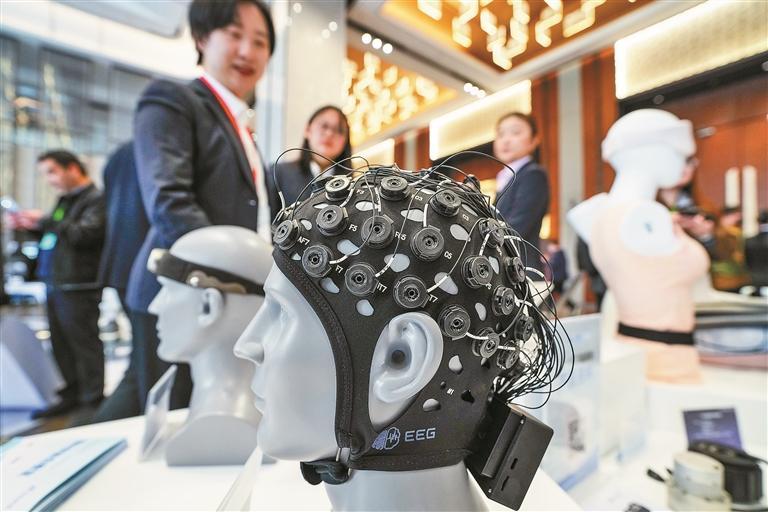
Core Insights - The brain-computer interface (BCI) sector in China's A-share market has experienced a significant surge, driven by a major funding round of approximately 2 billion RMB for BrainCo, a leading player in the field, marking it as the second-largest single financing in the global BCI sector after Neuralink [2][23][25] - The partnership between BrainCo and Lens Technology signifies a transformative shift in the BCI industry from experimental research to large-scale industrial production, indicating a convergence of soft neural signals and hard manufacturing capabilities [4][26] Company Developments - Lens Technology has positioned itself as a strategic investor and the exclusive manufacturer of core hardware modules for BrainCo, highlighting its ambition to transition from a consumer electronics supplier to a key player in the BCI market [5][27] - The collaboration between Lens Technology and BrainCo is seen as a critical move for Lens, as it seeks new growth avenues amid declining returns from traditional consumer electronics [5][27][30] Market Dynamics - The BCI market in China is projected to reach 3.83 billion RMB by 2025, with non-invasive products accounting for approximately 82% of the market share, indicating a strategic focus on safer, less invasive technologies [9][30] - BrainCo's proprietary dry electrode sensor technology has eliminated the need for conductive gels, facilitating high-precision brain signal acquisition and enabling a wide range of applications from medical to consumer products [9][30][31] Technological Advancements - BrainCo has developed a diverse product matrix, including a brain-machine interface for social communication aimed at children with autism and a sleep aid device that has received FDA certification, showcasing its commercial viability [10][31] - The collaboration between BrainCo and Lens Technology is expected to accelerate the commercialization of BCI technologies, moving beyond research to practical applications that address real-world issues [10][31] Industry Landscape - The BCI industry in China is characterized by a dual-core structure, with significant contributions from institutions in Beijing and Shanghai, fostering a competitive environment for technological advancements [11][32] - Beijing's Brain Science and Brain-like Research Institute is leading in high-throughput semi-invasive wireless brain-machine systems, while Shanghai focuses on brain mapping and clinical applications, creating a robust ecosystem for BCI development [13][35] Future Outlook - The Chinese government aims to establish a reliable BCI industry system by 2030, with plans to cultivate leading global enterprises, indicating strong institutional support for the sector [19][41] - The next three to five years are anticipated to be a period of significant industry reshuffling, with potential volatility in stock prices and technological pathways, as the market matures [20][41]



脑机接口虚火?但再不下手就晚了
3 6 Ke· 2026-01-09 02:14
Core Insights - The brain-computer interface (BCI) sector is experiencing a surge in investment and interest, particularly following the announcement from Neuralink about plans for large-scale production by 2026 [1][2] - Strong Brain Technology has successfully raised 2 billion yuan to accelerate the development of core technologies and product scaling in the BCI field [1] - The Chinese government has recognized BCIs as a key future industry, with significant funding allocated to support research and development [1] Investment Trends - Major venture capital firms such as Sequoia China, IDG, and Baidu Ventures are investing in various BCI companies, indicating a potential boom in financing for the sector in 2026 [2] - The investment landscape is shifting from primarily medical-focused investors to include those from technology and consumer sectors, highlighting the broader applications of BCIs [2] Non-Invasive BCI Developments - Non-invasive BCIs, led by Strong Brain Technology, are gaining traction with applications in various fields including healthcare and entertainment [2][4] - Despite previous challenges in the non-invasive BCI market, advancements in technology are leading to improved signal quality and broader applications [4][5] - The current focus is on developing smart prosthetics and other applications rather than pure brain control, utilizing muscle signals and AI algorithms for better accuracy [4] Invasive BCI Innovations - Invasive BCIs are facing stringent regulatory and safety challenges but are still attracting investment due to their high technical barriers and clinical value [6][7] - Companies like Borycon and Ladder Medical are making significant strides in clinical trials and product development, with Borycon's system showing promising results in patient rehabilitation [9][10][12] - The competitive landscape includes several players in Beijing and Shanghai, with a focus on developing comprehensive systems that integrate electrodes, algorithms, and neural chips [7][15] Future Outlook - 2026 is anticipated to be a pivotal year for the BCI industry, with advancements in technology and regulatory support paving the way for broader adoption [17][18] - The establishment of independent billing for BCI services by the National Medical Insurance Administration reflects a commitment to supporting the industry's growth [17]
是风口还是泡沫? 多家公司提示风险
Shen Zhen Shang Bao· 2026-01-08 18:02
Group 1 - The core focus of the news is the surge in stock prices of companies involved in brain-computer interface (BCI) technology, reminiscent of the AI boom following AlphaGo's victory over Lee Sedol in 2016, with a notable increase in the sector's stock prices exceeding 12% on the first trading day of 2026 [1] - Companies like Sanbo Neuroscience and Xiangyu Medical have experienced consecutive trading halts, with Xiangyu Medical and Weisi Medical achieving two 20% trading halts in four trading days, indicating strong market interest [1] - The market's enthusiasm is driven by the perceived potential of the BCI sector, with Morgan Stanley predicting that the U.S. market for BCI implant devices could reach $80 billion by 2035 [1] Group 2 - Despite the excitement, experts caution that medical-grade applications of BCI are expected to take 3 to 5 years for approval, while consumer-grade products face challenges such as bulkiness, low user engagement, and high costs [2] - Historical precedents raise concerns about the sustainability of the current hype, with past instances like the metaverse index and AI stocks experiencing significant volatility [2] - Investment in the BCI sector has seen 16 financing events totaling 983 million yuan in 2025, but no products have been commercially launched yet, indicating that many startups are still in the concept validation stage [2] Group 3 - Sanbo Neuroscience clarified that it does not engage in the research, production, or sales of BCI products, and the revenue from neuro-regulation technology is minimal, having little impact on overall performance [3] - Xiangyu Medical acknowledged its investment in BCI technology but noted that related products have not achieved significant sales volume as of the end of 2025 [3] - Some companies, like Yahui Long, faced regulatory warnings for inaccurate disclosures related to BCI partnerships, highlighting the risks of speculative trading in this sector [3]





一言千金!马斯克引爆脑机接口
Shen Zhen Shang Bao· 2026-01-08 18:02
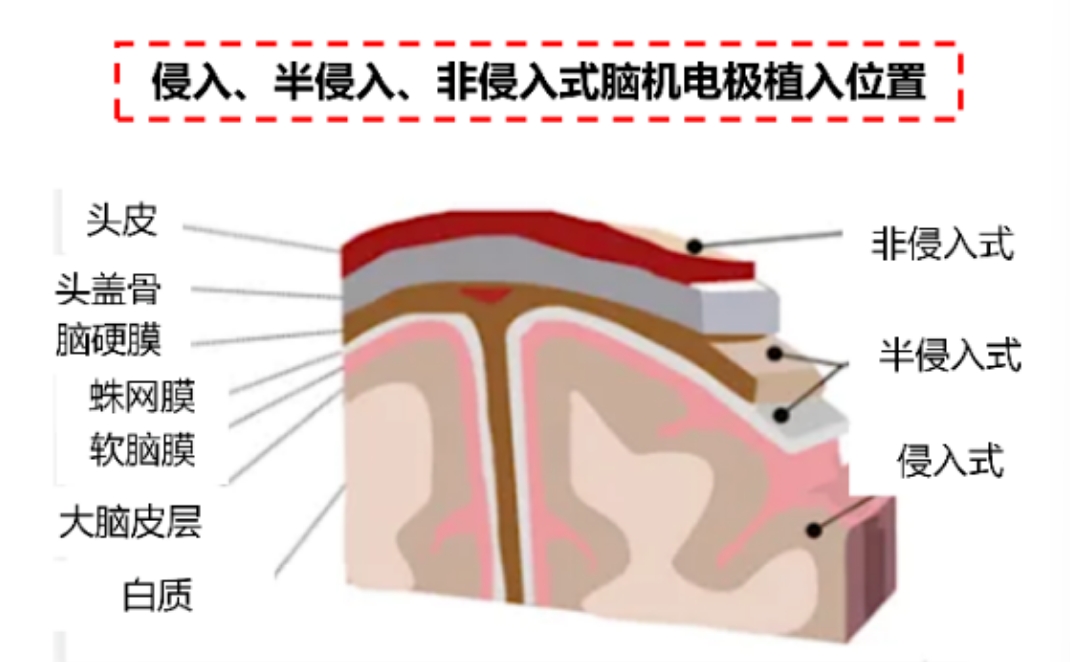
Core Viewpoint - The announcement by Elon Musk regarding Neuralink's plans for large-scale production of brain-machine interface (BMI) devices by 2026 has ignited significant interest in the capital markets, indicating a shift from experimental to industrial-scale applications of this technology [3][5]. Industry Developments - Brain-machine interfaces (BMIs) are categorized into three types: invasive, semi-invasive, and non-invasive, each with varying levels of signal quality and risk [4]. - Neuralink has achieved rapid advancements, including a 1.5-second implantation process and successful trials on both animals and humans, with seven patients receiving implants as of mid-2025 [4][5]. - The Chinese government has shown support for the BMI industry, with policies and plans aimed at fostering innovation and development in this field [8][10]. Market Reaction - Following Musk's announcement, the A-share market saw a surge in BMI-related stocks, with significant gains observed in various companies within this sector [6]. - Strong Brain Technology, a company focused on non-invasive BMI technology, secured approximately 2 billion yuan in funding, highlighting investor confidence in the BMI market [6]. Future Outlook - Experts predict that 2026 could be a pivotal year for BMIs, marking the transition of this technology from laboratory settings to commercial viability [7][10]. - The advancements in BMI technology are expected to lead to a broader range of applications in the medical field, moving from experimental tools to widely available products [10].
三博脑科1月8日龙虎榜数据
Zheng Quan Shi Bao Wang· 2026-01-08 09:29
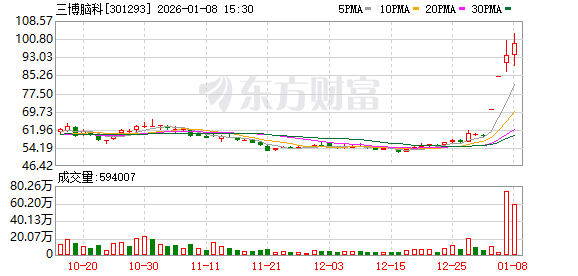
Group 1 - The stock of Sanbo Brain Science increased by 5.39% with a turnover rate of 36.91%, and a total transaction amount of 5.687 billion yuan, showing a fluctuation of 15.81% [2] - Institutional investors net sold 93.6649 million yuan, while the Shenzhen Stock Connect recorded a net purchase of 10.4 million yuan [2] - The top five trading departments accounted for a total transaction of 1.521 billion yuan, with a net sell of 71.0119 million yuan [2] Group 2 - The latest margin trading data shows a total margin balance of 817 million yuan, with a financing balance of 813 million yuan and a securities lending balance of 4.3345 million yuan [3] - Over the past five days, the financing balance increased by 228 million yuan, representing a growth of 39.00%, while the securities lending balance rose by 2.6499 million yuan, a growth of 157.30% [3] - Specific trading data on January 8 indicates that the top buying and selling departments included the Shenzhen Stock Connect and several institutional specialized seats, with significant buy and sell amounts recorded [4]
爆发!这一概念重燃,多股大涨
Zheng Quan Shi Bao· 2026-01-08 07:00
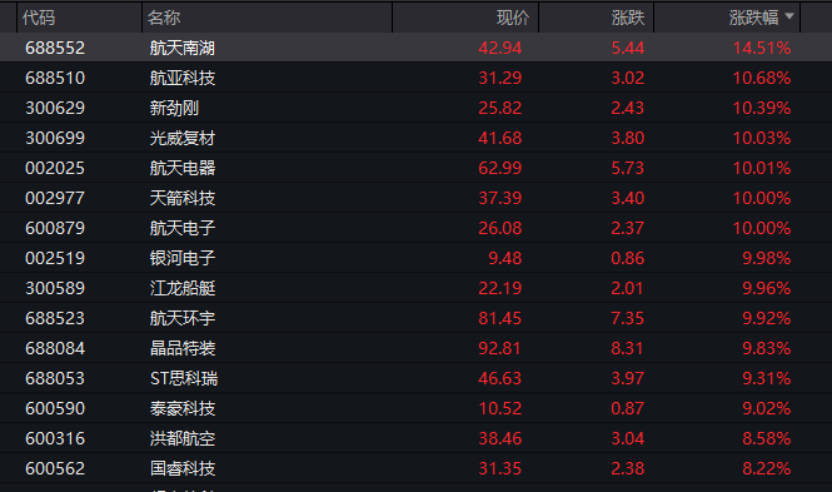
A股市场今天(1月8日)上午主要股指涨跌互现,国防军工板块领涨,券商股则集体陷入调整。 概念板块方面,今天上午A股市场和港股市场的脑机接口概念均重新活跃,相关概念指数涨幅超过4%,多股大涨。不 过,近日已有不少上市公司澄清或提示相关炒作风险。 | 代码 | 名称 | 现价 | 涨跌 | 涨跌幅 ▲ | | --- | --- | --- | --- | --- | | 002945 | 华林证券 | 16.92 | -1.88 | -10.00% | | 600909 | 华安证券 | 7.15 | -0.38 | -5.05% | | 600599 | *ST熊猫 | 8.54 | -0.45 | -5.01% | | 600053 | 九鼎投资 | 20.67 | -0.89 | -4.13% | | 601688 | 华泰证券 | 24.20 | -1.02 | -4.04% | | 601377 | 兴业讲券 | 7.32 | -0.30 | -3.94% | | 000776 | 广发证券 | 22.28 | -0.88 | -3.80% | | 601211 | 国泰海通 | 21.52 | -0 ...
脑机接口概念持续活跃,医疗设备ETF(159873)标的指数急升涨近2%,重磅政策引导推进脑机接口商业化
Xin Lang Cai Jing· 2026-01-08 05:18
Core Insights - The medical device ETF (159873) has seen a significant increase in trading volume and share growth, with a turnover of 4.65% and a transaction value of 5.525 million yuan as of January 8, 2026, reflecting a strong performance in the sector [1] - The underlying index, the CSI All Share Medical Devices and Services Index (H30178), rose by 1.83%, with notable gains from individual stocks such as Kefu Medical (301087) up 19.78%, Shuoshi Biology (688399) up 11.51%, and Lepu Medical (300003) up 7.99% [1] - Over the past two weeks, the medical device ETF has grown by 8.6124 million yuan in scale and 8 million shares in volume, indicating robust investor interest [1] Product Highlights - The medical device ETF (159873) closely tracks the CSI All Share Medical Devices and Services Index, which selects listed companies in the healthcare sector to reflect the overall performance of the theme [1] Hot Events 1. Eight departments, including the Ministry of Industry and Information Technology, have issued an implementation opinion to accelerate the industrialization and commercialization of new terminals such as brain-computer interfaces, aiming for significant advancements in AI technology by 2027 [2] 2. Sichuan Province has set a maximum price of 6,583 yuan per session for brain-computer interface medical services, effective from April 30 this year, as part of a broader integration of 82 neurological service pricing projects [2] Institutional Views - The brain-computer interface industry is entering a phase of accelerated industrialization, supported by a comprehensive policy framework that includes planning, payment, and standards [2] - Zhongyin Securities notes that the National Medical Insurance Administration established independent charging items for invasive and non-invasive brain-computer interfaces in March 2025, with further support from multiple government departments [2] - Global initiatives, such as Neuralink's plans for large-scale production and optimized surgical processes, alongside domestic advancements from companies like Shanghai Ladder Medical and Boruikang, indicate a clearer path for domestic technology development [2]
A股脑机接口股继续强势,南京熊猫、普利特、创新医疗4连板
Ge Long Hui· 2026-01-08 02:41
Group 1 - The core viewpoint of the article highlights a significant surge in A-share market stocks related to brain-computer interface (BCI) technology, driven by recent developments in the sector [1] - Aipeng Medical reached a 20% daily limit increase, while Kefu Medical rose over 15%, indicating strong investor interest in BCI-related companies [1] - Notable stocks such as Nanjing Panda, Pulite, and Innovation Medical achieved a 10% daily limit increase, reflecting a broader trend of positive market sentiment towards BCI stocks [1] Group 2 - The article mentions that on January 6, Strong Brain Technology, a leading company in the BCI field, announced the completion of approximately 2 billion RMB in financing, marking a significant milestone for the industry [1] - This financing round is noted to be the second largest globally in the BCI sector, only behind Neuralink, which is owned by Elon Musk [1] - The financing success of Strong Brain Technology is expected to further stimulate interest and investment in the BCI market, potentially leading to more advancements and innovations in the field [1]


创业板两融余额增加54.95亿元
Zheng Quan Shi Bao Wang· 2026-01-08 01:37
创业板股最新融资余额为5660.07亿元,环比增加55.13亿元,43只股融资余额环比增长超10%,融资余 额环比降幅超10%的有11只。 证券时报·数据宝统计显示,1月7日创业板指上涨0.31%,创业板股两融余额合计5679.25亿元,较上一 交易日增加54.95亿元,已连续3个交易日增加。其中,融资余额合计5660.07亿元,环比上一日增加 55.13亿元;为连续3个交易日增加。融券余额19.18亿元,环比减少1817.98万元。 具体来看,融资余额增长的创业板股有582只,其中,43股融资余额增幅超过10%。增幅最大的是美好 医疗,该股最新融资余额3.83亿元,环比上一交易日增幅为182.84%;股价表现上,该股当日上涨 20.01%,表现强于创业板指;融资余额增幅较多的还有珂玛科技、三博脑科等,分别增长64.47%、 49.24%。 融资余额增幅10%以上的个股中,从市场表现来看,当日平均上涨3.71%,上涨的有32只,涨停的有美 好医疗、邵阳液压等3只,涨幅居前的有欣锐科技、长川科技、英诺激光,涨幅分别为13.28%、 13.09%、12.31%。跌幅居前的有熵基科技、雷尔伟、可孚医疗,跌幅分别为9 ...

脑机接口竞赛打响 多家公司预订2026里程碑
2 1 Shi Ji Jing Ji Bao Dao· 2026-01-07 23:08
Core Insights - The brain-computer interface (BCI) market is poised for significant growth, driven by advancements in technology and supportive policies, with a projected global market size reaching $40 billion by 2030 and $145 billion by 2040 in medical applications alone [3][4]. Industry Overview - BCI technology connects the brain with external devices for information exchange, categorized into three types: invasive, semi-invasive, and non-invasive, each with varying signal quality and safety [2]. - The medical sector is the primary application area for BCI technology, accounting for 56% of its applications, significantly improving the quality of life for patients with severe motor disabilities [3]. Market Dynamics - The A-share market has seen a surge in BCI-related stocks, with over 50 billion yuan flowing into the sector, indicating strong investor interest following announcements from Neuralink about large-scale production plans [1][5]. - Companies like Beiyikang, Sanbo Neurosurgery, and Aipeng Medical are actively involved in BCI development, with significant advancements in both invasive and non-invasive technologies [5][6]. Investment Landscape - Neuralink's recent funding round raised $650 million, valuing the company at $9 billion, highlighting the market's optimism for invasive BCI technologies [8]. - The BCI sector in China has experienced nearly 100 financing events in the past five years, with total funding exceeding 10 billion yuan, indicating robust investment activity [8]. Challenges and Considerations - Despite the optimistic outlook, the BCI industry faces challenges such as high development costs, lengthy clinical validation processes, and reliance on imported core components [9]. - The commercial viability of BCI products is still in its early stages, with a need for clearer pathways to market for both invasive and non-invasive products [9].