
九毛九

Search documents
九毛九1月22日斥资200.3万港元回购95.7万股
Zhi Tong Cai Jing· 2026-01-22 11:04
九毛九(09922)发布公告,该公司于2026年1月22日斥资200.3万港元回购95.7万股股份,每股回购价格为 2.08-2.1港元。 ...
九毛九(09922)1月22日斥资200.3万港元回购95.7万股
智通财经网· 2026-01-22 10:59
智通财经APP讯,九毛九(09922)发布公告,该公司于2026年1月22日斥资200.3万港元回购95.7万股股 份,每股回购价格为2.08-2.1港元。 ...
九毛九(09922) - 翌日披露报表
2026-01-22 10:50
FF305 翌日披露報表 (股份發行人 ── 已發行股份或庫存股份變動、股份購回及/或在場内出售庫存股份) 表格類別: 股票 狀態: 新提交 公司名稱: 九毛九国际控股有限公司 (於開曼群島註冊成立的有限公司) 呈交日期: 2026年1月22日 如上市發行人的已發行股份或庫存股份出現變動而須根據《香港聯合交易所有限公司(「香港聯交所」)證券上市規則》(「《主板上市規則》」)第13.25A條 / 《香港聯合交易所有限公司GEM證券 上市規則》(「《GEM上市規則》」)第17.27A條作出披露,必須填妥第一章節 。 | 第一章節 | | | | | | | | | | --- | --- | --- | --- | --- | --- | --- | --- | --- | | 1. 股份分類 | 普通股 | 股份類別 | 不適用 | | 於香港聯交所上市 | | 是 | | | 證券代號 (如上市) | 09922 | 說明 | | | | | | | | A. 已發行股份或庫存股份變動 | | | | | | | | | | | | 已發行股份(不包括庫存股份)變動 | | | 庫存股份變動 | | | | ...
餐饮业集体进入“瘦身”时代
3 6 Ke· 2026-01-21 12:12
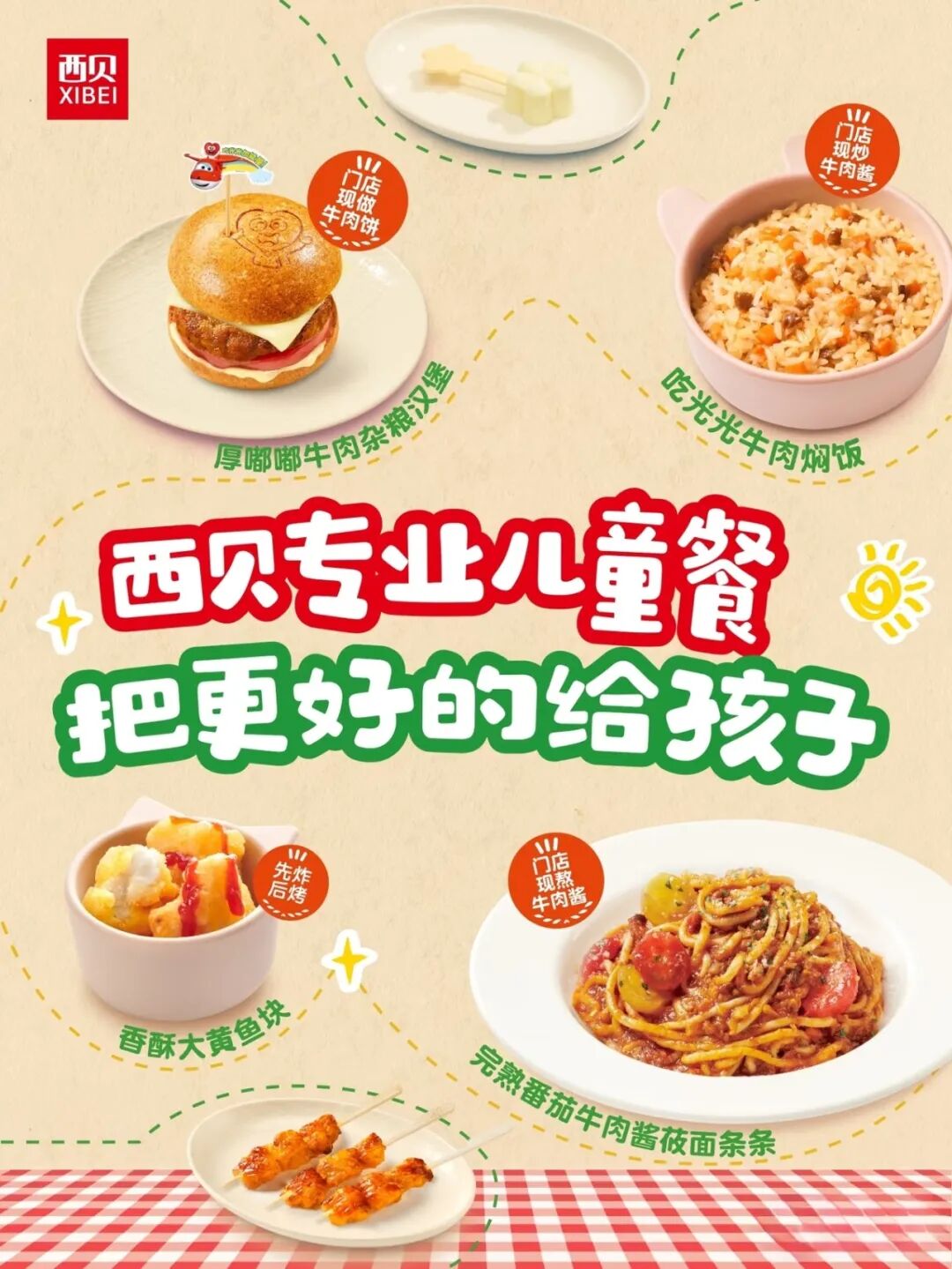
未来的赢家,可能不再是那些装修最奢华、店面最大的"巨兽",而是那些离生活最近、供应链最稳、效率最高的品牌。。 2025年9月,罗永浩针对西贝预制菜卖得贵的一声质疑,如同推倒了多米诺骨牌的第一块,引发了长达四个月的舆论围剿。 面对质疑,西贝迅速采取了一系列"去预制化"的补救措施。 在菜品上,西贝将部分原本由中央厨房加工的工序撤回门店,试图强调现串现烤的烟火气,并对菜单进行大手术,降低了30多道菜的价格,平均降幅达 20%左右。 在服务端,西贝试图通过给员工涨薪来提振士气,并全面发力"欢乐家庭餐厅"概念,用儿童套餐和魔术生日会锁住家庭客群。 然而,这些温情脉脉的细节并未能抵消沉重的成本压力。为了控费止损,西贝开始了近乎残酷的自我瘦身,通过优化供应链和精减亏损门店来强行止血。 这场风波,表面上是关于"预制菜卖得贵"的控诉,实则是消费者对上一代连锁中餐积怨已久的爆发。 最新的震荡发生在2026年1月15日,创始人贾国龙证实,西贝计划关闭102家门店。当然,这不仅是西贝的至暗时刻。 西贝的收缩代表了那种依靠"高房租、高溢价、商场流量"支撑的旧模式,在理性消费席卷而来的今天彻底失灵。 时下的餐饮巨头们,正集体步入一场残酷 ...

九毛九(09922)1月21日斥资200.25万港元回购96.2万股
智通财经网· 2026-01-21 11:41
智通财经APP讯,九毛九(09922)发布公告,于2026年1月21日,该公司斥资200.25万港元回购96.2万股股 份,每股回购价2.06-2.1港元。 ...
九毛九(09922.HK)1月21日耗资200.2万港元回购96.2万股
Ge Long Hui· 2026-01-21 11:40
格隆汇1月21日丨九毛九(09922.HK)公告,1月21日耗资200.2万港元回购96.2万股。 ...
九毛九(09922) - 翌日披露报表
2026-01-21 11:35
FF305 翌日披露報表 (股份發行人 ── 已發行股份或庫存股份變動、股份購回及/或在場内出售庫存股份) 表格類別: 股票 狀態: 新提交 公司名稱: 九毛九国际控股有限公司 (於開曼群島註冊成立的有限公司) 呈交日期: 2026年1月21日 如上市發行人的已發行股份或庫存股份出現變動而須根據《香港聯合交易所有限公司(「香港聯交所」)證券上市規則》(「《主板上市規則》」)第13.25A條 / 《香港聯合交易所有限公司GEM證券 上市規則》(「《GEM上市規則》」)第17.27A條作出披露,必須填妥第一章節 。 986,000 0.0708 % HKD 2.03 | 13). | 購回以作註銷但尚未註銷之股份 | | 986,000 | 0.0708 % | HKD | 2.03 | | --- | --- | --- | --- | --- | --- | --- | | | 變動日期 | 2026年1月16日 | | | | | | 14). | 購回以作註銷但尚未註銷之股份 | | 975,000 | 0.0701 % | HKD | 2.05 | | | 變動日期 | 2026年1月19日 | | | ...
小菜园(999 HK):强化性价比优势,拥抱高质量增长
HTSC· 2026-01-21 10:35
Investment Rating - The investment rating for the company is maintained as "Buy" with a target price of HKD 11.41 [1]. Core Insights - The report highlights that the restaurant industry in 2025 is significantly affected by the rhythm of takeaway subsidies, with a notable enhancement in cost-performance advantages for low-priced daily items under substantial subsidies [5]. - The company is actively optimizing its single-store performance and increasing profits, benefiting from enhanced subsidies starting from Q2 2025, leading to a year-on-year growth of 13.7% in takeaway revenue for the first half of 2025 [5]. - The company is expected to accelerate store openings in the second half of 2025, with a focus on both existing and new regions, while also adjusting menu prices to maintain its core competitiveness of "delicious and affordable" [6][7]. Financial Projections - Revenue projections for the company are as follows: - 2024: RMB 5,210 million - 2025: RMB 5,343 million (growth of 2.56%) - 2026: RMB 6,177 million (growth of 15.61%) - 2027: RMB 7,329 million (growth of 18.64%) [4]. - Net profit attributable to the parent company is projected to be: - 2024: RMB 580.62 million - 2025: RMB 701.10 million (growth of 20.75%) - 2026: RMB 785.75 million (growth of 12.07%) - 2027: RMB 930.10 million (growth of 18.37%) [4]. - The report anticipates a decrease in net profit estimates for 2025-2027 due to short-term disruptions from channel adjustments and price reductions, with EPS projected at RMB 0.60, 0.67, and 0.79 for 2025, 2026, and 2027 respectively [9]. Market Position and Strategy - The company is implementing a stock incentive plan to deepen the alignment of interests among stakeholders, including founders and executives, while also exploring new retail platforms to leverage its supply chain capabilities [8]. - As of the end of 2025, the company operates approximately 818 stores across 14 provinces and 193 cities in China, with an estimated 146 new stores expected to open in the second half of 2025 [7].
土鸡誓进城 老乡鸡三闯港交所
BambooWorks· 2026-01-21 09:31
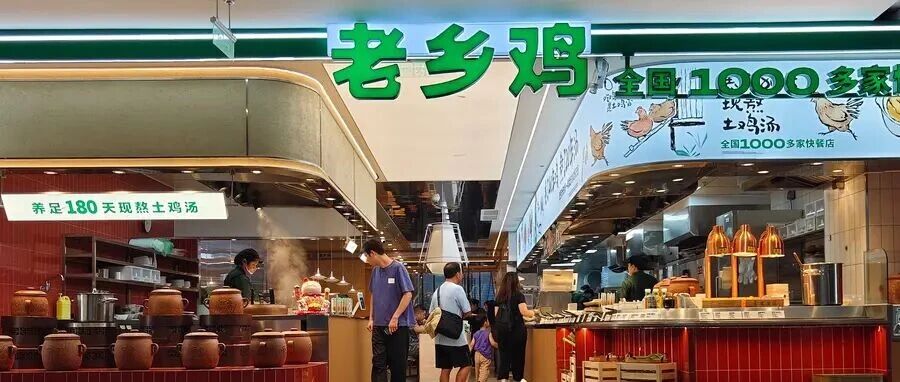
Core Viewpoint - The article discusses the challenges and developments of Lao Xiang Ji, China's largest Chinese fast-food brand, as it attempts to go public in Hong Kong after previous unsuccessful attempts in the A-share market [1][3]. Group 1: Company Overview - Lao Xiang Ji, originally named "Fei Xi Lao Mu Ji," was founded in 2003 by veteran Shu Congxuan and has grown to become a leading player in the Chinese fast-food market [3][5]. - The company changed its name to "Lao Xiang Ji" in 2012 to facilitate national brand recognition and expansion beyond its home province of Anhui [5]. Group 2: Financial Performance - In the first eight months of the previous year, the company reported revenues of 4.578 billion yuan and a net profit of 371 million yuan, reflecting a year-on-year revenue increase of 11% and a profit increase of 12% [2][6]. - Projected net profits for 2022, 2023, and 2024 are 252 million, 375 million, and 409 million yuan respectively, with a significant growth of 49% in 2023 compared to 2022, primarily driven by strong performance in direct stores [6][9]. Group 3: Market Position and Strategy - Lao Xiang Ji holds the top position in the Chinese fast-food market with a market share of only 0.9%, indicating a highly fragmented market with over 1.7 million restaurants [2][9]. - The company has adopted a dual strategy of direct and franchise operations, with plans to expand its franchise model after initially focusing solely on direct stores for 17 years [7]. Group 4: Industry Insights - The Chinese fast-food market is expected to grow from 809.7 billion yuan in 2024 to 1,205.8 billion yuan by 2029, with a compound annual growth rate of 8.3% [8]. - Lao Xiang Ji's average daily sales per store are projected to be 15,100 yuan in 2024, ranking first among the top five Chinese fast-food brands [8]. Group 5: Challenges and Future Outlook - Despite being a market leader, Lao Xiang Ji faces challenges with a low market share and high competition, as well as a relatively low gross margin of 20% to 25% compared to competitors [9]. - The company's future growth will depend on the new leadership's ability to transform Lao Xiang Ji from a regional leader into a national giant [9].
智通港股解盘 | 等待事件平息避险资产继续冲高 提振消费政策密集出台
Zhi Tong Cai Jing· 2026-01-20 12:48
Market Overview - US stock futures are declining, with Dow Jones futures down 1.56%, S&P 500 futures down 1.70%, and Nasdaq 100 futures down 2% [1] - Hong Kong's Hang Seng Index closed down 0.29% amid ongoing concerns regarding Greenland and potential tariffs imposed by the US [1] - Gold prices continue to rise, increasing by 1.23% to $4728.32 per ounce, with a year-to-date increase of nearly 10% [1] A-Share Market - A-share financing buy-in amounts fell to 267.4 billion yuan on January 19, a decrease of 20.35% from the previous week and 40.68% from the peak of 450.8 billion yuan on January 14 [2] - Major insurance stocks like China Pacific Insurance and China Life Insurance performed well, each rising over 4% [2] Consumer Sector - The National Development and Reform Commission announced plans to stimulate consumption from 2025, including issuing long-term special bonds worth 1.3 trillion yuan [3] - Airline stocks such as China Eastern Airlines, Air China, and China Southern Airlines saw gains of over 4% due to positive market sentiment [3] Food and Beverage Sector - Companies like Anjuke Foods and Yihai International are expected to show strong sales growth, with Anjuke reaching historical highs [4] - Nine Mao Jiu announced a share buyback, resulting in a nearly 6% increase in stock price [4] Smart Driving Sector - Xixiang Group plans to acquire a 51% stake in Kuangshi Technology, marking its entry into the smart driving industry, with stock surging over 20% [5] - Youjia Innovation signed a memorandum with Sterling Tools Limited to deploy ADAS and DMS systems in India, leading to a stock increase of over 7% [6] Real Estate Sector - New policies support urban renewal and market stabilization, encouraging real estate companies to shift towards stock renovation and light asset services [7] - Key players include China Resources Land, Longfor Group, and China Overseas Land [7] Tobacco Industry - China Tobacco Hong Kong is building a global sales platform for Chinese cigars, signing exclusive distribution agreements with several regional tobacco companies [8] - The company’s core business segments contribute significantly to its revenue, with leaf product imports accounting for 81.4% of total revenue [8][9]