
诺华

Search documents
特朗普单方面宣布这一关税100%,欧美贸易协议再陷混乱
Sou Hu Cai Jing· 2025-09-27 02:22
Core Points - The European Commission has agreed to set a 15% cap on drug tariffs for American pharmaceuticals, providing protection for European companies [1] - President Trump announced a 100% tariff on all imported brand-name or patented drugs starting October 1, disrupting the recently established EU-US drug tariff agreement [1][3] - Trump stated that companies that have begun drug production investments in the US may qualify for exemptions, potentially benefiting European pharmaceutical giants like Roche, Novartis, and AstraZeneca [1] Group 1 - The EU and US had previously agreed to a unified 15% tariff, excluding generics, but Trump's actions are seen as a violation of this agreement and lacking legal basis [3] - The Brussels-based Innovative Pharmaceutical Group criticized Trump's repeated actions for undermining policy stability and emphasized the need for a focus on reasonable ways to share global R&D costs without harming patient interests [3] - Analysts suggest that Trump is using tariffs as a political tool to force concessions from other countries and raise drug prices, which threatens the EU pharmaceutical industry and directly impacts patient affordability [3] Group 2 - The Belgian Pharmaceutical Association expressed anticipation for the EU's response to Trump's tax announcement, stating that it violates the EU-US agreement and could significantly impact multiple EU countries, including Belgium [3] - The current uncertainty is putting pressure on investment decisions in Europe [3]

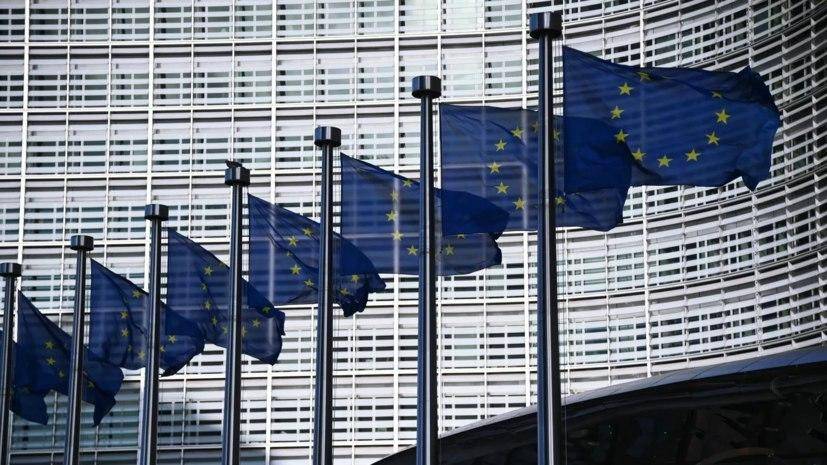
白宫:最新药品关税不适用于已与美达成贸易协定国家!特朗普此前宣布对专利及品牌药品加征100%关税
Mei Ri Jing Ji Xin Wen· 2025-09-26 23:12
Group 1 - The U.S. government announced that new tariffs on pharmaceuticals will not apply to countries with existing trade agreements, maintaining a 15% tariff cap for partners like the EU and Japan [1][2] - President Trump declared a 100% tariff on all brand-name and patented drugs starting October 1, complicating the recently established U.S.-EU pharmaceutical tariff agreement [2][3] - European pharmaceutical companies, including Roche, Novartis, and AstraZeneca, may benefit from exemptions if they have initiated drug production investments in the U.S., but most face new tariff barriers [2][3] Group 2 - The Belgian Pharmaceutical Association expressed concerns that the new tariffs violate the U.S.-EU agreement and could significantly impact multiple EU countries, creating uncertainty for investment decisions [3] - Economic analysts from Goldman Sachs and Morgan Stanley indicated that the tariffs could lead to increased prices for EU goods in the U.S., potentially passing the burden onto American consumers [4] - The U.S. economy is showing signs of slowing growth, with predictions of only 1.25% growth in 2026, significantly lower than the expected 2.8% in 2024, partly due to the impact of tariff policies [4]
特朗普100%药品关税又是“狼来了”?多家上市药企高管回应
经济观察报· 2025-09-26 10:22
Core Viewpoint - The potential imposition of a 100% tariff on imported brand and patented drugs by the Trump administration starting October 1, 2025, has raised concerns among pharmaceutical companies, particularly those in China, leading to a decline in their stock prices [2][3]. Group 1: Impact on Pharmaceutical Companies - The announcement of the tariff has caused significant declines in the stock prices of Chinese pharmaceutical companies, with Heng Rui Pharmaceutical dropping 3.03% in A-shares and 2.23% in Hong Kong shares, and BeiGene falling 4.38% in A-shares and 1.55% in Hong Kong shares [2]. - The Hang Seng Innovative Drug Index (HSIDI) fell by 2.37%, with notable declines in stocks such as Fosun Pharma, which dropped 5.82%, and 3SBio, which fell by 5.34% [3]. - Industry experts suggest that the impact of the tariff on Chinese pharmaceutical companies may be limited, as many are focused on generic drugs and active pharmaceutical ingredients (APIs) [4]. Group 2: Industry Perspectives - Some industry leaders believe that the tariff policy may not be implemented as proposed, citing the high cost of drugs in the U.S. and the potential for political changes in future administrations [4][5]. - Companies like Heng Rui Pharmaceutical indicated that their current exports primarily consist of generics and APIs, suggesting minimal impact from the proposed tariffs [4]. - Other companies, such as Lepu Biopharma, noted that their licensing partnerships would shield them from significant effects [5]. Group 3: U.S. Policy Context - The Trump administration has previously threatened to impose tariffs on imported drugs, with discussions around a 200% tariff and subsequent smaller tariffs leading to a potential increase over time [6][7]. - Major multinational pharmaceutical companies have responded to the tariff threats by committing to significant investments in U.S. manufacturing, with companies like Novartis and Roche pledging $23 billion and $50 billion respectively over the next five years [8].

特朗普100%药品关税又是“狼来了”?多家上市药企高管回应
Sou Hu Cai Jing· 2025-09-26 10:21
Core Viewpoint - The potential implementation of a 100% tariff on all brand-name and patented drugs by the U.S. government starting October 1, 2025, unless companies are building drug manufacturing plants in the U.S. [2] Group 1: Market Reaction - Pharmaceutical stocks in multiple markets, including China, Japan, and South Korea, experienced a collective decline following the announcement [3] - Specific declines included a 3.03% drop in Hengrui Medicine (600276.SH/01276.HK) A-shares and a 2.23% drop in Hong Kong shares, while BeiGene (ONC.NASDAQ/06160.HK/688235.SH) saw a 4.38% drop in A-shares and a 1.55% drop in Hong Kong shares [3] - The Hang Seng Innovative Drug Index (HSIDI) fell by 2.37%, with notable declines in stocks such as Fosun Pharma (600196.SH/02196.HK) down 5.82% and 3SBio (01530.HK) down 5.34% [4] Group 2: Industry Perspectives - Industry experts suggest that Chinese pharmaceutical companies aiming to expand internationally need to consider the potential implementation of this policy and explore possible solutions [5] - Some executives believe that the high cost of drugs in the U.S. may hinder the realization of this policy [5] - Hengrui Medicine's executive noted that the impact of the potential policy would be limited as their exports mainly consist of generic drugs and APIs [5] - Other companies, such as Lepu Biopharma, indicated that their licensing partnerships would not be significantly affected [5] - Investors pointed out that this is a political issue that could change with future administrations, suggesting that while there may be short-term negative impacts, the long-term effects may not be significant [5] Group 3: Historical Context - Historically, pharmaceuticals have been excluded from tariff lists, but President Trump has repeatedly threatened to impose tariffs on imported drugs this year [5] - The Trump administration initiated a "232 investigation" under the Trade Expansion Act of 1962, which allows for tariffs if imports threaten national security [6] - Previous statements from Trump indicated plans for escalating tariffs on imported drugs, with initial small tariffs leading to potential increases up to 250% [7] Group 4: Investment Commitments - In response to the tariff threats, several multinational pharmaceutical companies have committed to investing in U.S. manufacturing facilities, with significant investments announced by companies like Novartis, Roche, Sanofi, and AstraZeneca [8] - Notably, Novartis and Roche pledged $23 billion and $50 billion respectively over five years, while AstraZeneca committed to a $50 billion investment by 2030 [8]
特朗普挥棒,医药行业如何迎击100%关税冲击波?
2 1 Shi Ji Jing Ji Bao Dao· 2025-09-26 08:57
Core Viewpoint - Global pharmaceutical companies face a challenging decision: invest billions in building factories in the U.S. or bear up to 100% tariff costs on imported drugs [1][2] Tariff Policy and Market Impact - The U.S. will impose new tariffs starting October 1, including a 100% tariff on patented and branded drugs, significantly increasing import costs [1][2] - The policy aims to encourage pharmaceutical companies to relocate production to the U.S., reducing reliance on overseas supply chains and creating local jobs [2][4] - Capital markets reacted negatively, with Hong Kong pharmaceutical stocks experiencing declines, indicating market concerns over the tariff implications [2] Industry Response and Strategic Adjustments - Companies reliant on single overseas production bases must urgently evaluate alternatives, such as accelerating factory construction in the U.S. or seeking non-U.S. production options [3] - The tariff policy is expected to accelerate the shift of pharmaceutical distribution networks globally, with Indian pharmaceutical companies potentially benefiting from this transition [4] Implications for Chinese Pharmaceutical Companies - The impact of the tariff on Chinese pharmaceutical companies is expected to be limited, primarily affecting patented drugs, with operational challenges in implementing the policy [5] - Increased scrutiny on foreign investments in the healthcare sector by the U.S. could pose challenges for Chinese companies, particularly regarding data transfer regulations and compliance [6][7] Market Trends and Future Projections - The trend of Chinese innovative drugs gaining approval in the U.S. is expected to rise, with projections indicating that by 2040, Chinese drugs could account for 35% of new drug approvals by the FDA [8] - The Hong Kong market has become increasingly attractive for Chinese biotech companies, with significant fundraising activity observed in 2023 [8][9] Regulatory Environment and Listing Challenges - Recent regulatory changes in Hong Kong have made it easier for biotech companies to list, with a notable increase in the number of companies opting for confidential submissions [9][10] - The U.S. investment review mechanisms pose additional challenges for biotech companies seeking to attract capital, particularly in sensitive technology sectors [7][11]
突发“黑天鹅”!刚刚,医药板块集体大跌!
天天基金网· 2025-09-26 05:13
Group 1 - The article discusses the new tariffs announced by President Trump on various imported products, including a 25% tariff on heavy trucks, 50% on kitchen cabinets, 30% on furniture, and 100% on patented and branded drugs starting from October 1, 2025, unless companies build manufacturing plants in the U.S. [3][8][10] - The pharmaceutical sector in the Asia-Pacific market experienced a decline following the announcement, with the A-share pharmaceutical and biotechnology sector also showing a downward trend [4][6][10] - Specific indices related to weight-loss drugs, innovative drugs, and CROs saw significant declines, with the weight-loss drug index dropping by 1.56% and the innovative drug index by 1.48% [5][6] Group 2 - Individual stocks such as Sunflower and Aosaikang saw substantial declines, with Sunflower dropping over 12% and Aosaikang down by 9% [6][7] - The Hong Kong biotechnology index opened nearly 2% lower and continued to decline, with companies like MicroPort Medical and WuXi Biologics showing notable drops [7][10] - The article highlights that the high tariffs could increase costs and disrupt the drug supply chain, potentially putting patients at risk [9][10] Group 3 - The article mentions that major pharmaceutical companies like Johnson & Johnson and GlaxoSmithKline have announced plans to increase investments in the U.S. in response to the tariffs, with Johnson & Johnson planning to invest $55 billion [10] - The long-term implications of Trump's tariff policy could lead to higher drug costs for patients, as the high production costs in the U.S. may offset any benefits from the tariffs [10]

特朗普再挥“关税大棒”,港股通创新药遭错杀?100%创新药研发标的“520880”跌2.5%溢价飙升!
Xin Lang Ji Jin· 2025-09-26 02:46
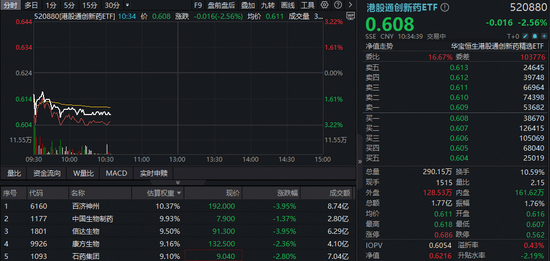
Group 1 - The Hong Kong stock market for innovative pharmaceuticals opened significantly lower, with the Hong Kong Stock Connect Innovative Drug ETF (520880) dropping over 2.5% [1][3] - Out of 37 constituent stocks, 35 experienced declines, with Kelun-Bio falling over 5%, and major stocks like BeiGene, Innovent Biologics, and 3SBio dropping more than 3% [1][3] - The recent announcement by U.S. President Trump regarding a new round of high tariffs on various imported products, including a 100% tariff on pharmaceutical products, has negatively impacted pharmaceutical stocks in Japan and Australia [3][4] Group 2 - Analysts suggest that the tariff policy will mainly affect multinational pharmaceutical companies reliant on the U.S. market and those exporting brand or patented drugs to the U.S. [4] - Chinese pharmaceutical companies are expected to be less affected, particularly innovative drug research firms, as they primarily utilize IP transfer models and have a low export ratio to the U.S. [4] - The significant adjustment in the Hong Kong Stock Connect innovative drug sector may be more influenced by market sentiment, presenting potential buying opportunities for quality innovative drug companies [4][6] Group 3 - The Hong Kong Stock Connect Innovative Drug ETF (520880) has seen a strong inflow of funds, with net subscriptions exceeding 640 million yuan over the past 20 trading days [6] - The fund manager indicated that the innovative drug investment has entered an alpha phase, where stock selection factors are becoming more significant than market trends [6] - The ETF focuses exclusively on innovative drug research companies, excluding CXO firms, and has shown a cumulative increase of 119.75% year-to-date, outperforming other innovative drug indices [6][7]
东吴证券:MNC纷纷下注小核酸领域 中国企业有望抢占全球蓝海市场
Zhi Tong Cai Jing· 2025-09-24 07:24
Core Insights - The RNAi therapy market is projected to reach a global market size of $25 billion by 2030, with a significant share in common diseases and tumors, accounting for 54% of the total market size [3] - The Chinese RNAi therapy market is expected to grow from approximately $4 million in 2022 to over $300 million by 2025, with a CAGR exceeding 300%, and is projected to reach around $3 billion by 2030 [3][1] Group 1: Market Trends - The global RNAi therapy market has seen a substantial increase from $12 million in 2018 to $362 million in 2020, with a CAGR of 449.2% [3] - The recent surge in small nucleic acid drugs has led to a wave of business development (BD) activities, with major pharmaceutical companies like Novartis, AZ, and others investing heavily in this field [4] Group 2: Technological Advancements - Recent breakthroughs in small nucleic acid drug design have addressed challenges such as vascular degradation, immune activation, and delivery mechanisms, enhancing the potential for effective treatments [2] - Successful approvals of multiple small nucleic acid drugs, such as Nusinersen with $1.6 billion in sales, Vutrisiran with $970 million (yoy +73%), and Inclisiran with $750 million (yoy +112%), demonstrate their efficacy and safety [2] Group 3: Investment Opportunities - The current landscape shows a limited number of approved small nucleic acid drugs, with 22 drugs expected to be approved by mid-2025, indicating a potential for market expansion [5] - Companies with innovative pipelines and technology platforms, such as Yuyuan Pharmaceutical and Chengdu XianDao, are highlighted as potential investment targets [6]

以创新为底色,百利天恒共绘生物医药产业新图景
Xin Hua She· 2025-09-19 09:32
Core Insights - The 2025 World Lung Cancer Conference showcased significant advancements in innovative drugs from Chinese pharmaceutical companies, highlighting the increasing international recognition of Chinese innovation in the pharmaceutical sector [1][2]. Group 1: Company Achievements - Sichuan BaiLi TianHeng Pharmaceutical Co., Ltd. presented its groundbreaking EGFR×HER3 dual antibody ADC, iza-bren, which is the first of its kind to enter Phase III clinical trials globally [1][3]. - The clinical trials for iza-bren demonstrated a tumor shrinkage rate of 94% in patients with advanced EGFR-mutant non-small cell lung cancer (NSCLC), significantly outperforming existing treatments [2][3]. - BaiLi TianHeng has established a global strategic partnership with Bristol-Myers Squibb, with a total deal value of up to $8.4 billion, marking iza-bren as the first Chinese dual antibody ADC to enter international markets [4]. Group 2: Industry Trends - The number of approved innovative drugs in China has steadily increased, with 197 innovative drugs approved from 2018 to 2024, and the annual approval rate rising from 11 in 2018 to 48 in 2024 [3]. - Over 120 Chinese pharmaceutical companies are engaged in ADC research, contributing to a global pipeline of over 600 projects [2][3]. - The Chinese biopharmaceutical sector benefits from a growing number of biotech companies, a robust clinical research infrastructure, and an evolving regulatory environment that enhances the speed of drug approvals [6].
以创新为底色 百利天恒共绘生物医药产业新图景
Xin Hua She· 2025-09-19 08:42
Core Insights - The 2025 World Lung Cancer Conference showcased significant advancements in innovative drugs from Chinese pharmaceutical companies, highlighting the increasing international recognition of Chinese innovation in the pharmaceutical sector [1] Group 1: Conference Highlights - The conference featured 35 oral presentations from Chinese scholars, with two participating in the chair discussion, indicating a strong presence of Chinese research [1] - Baili Tianheng's drug, iza-bren, is the world's first and only EGFR×HER3 dual antibody ADC to enter Phase III clinical trials, with two key research results selected for the conference's official news release program [1][3] Group 2: Clinical Research Results - In a Phase II study, 40 patients with advanced EGFR-mutant non-small cell lung cancer (NSCLC) treated with iza-bren and osimertinib showed effective tumor shrinkage, outperforming the current best drug's 86% shrinkage rate [2] - Another study reported that 94% of 50 patients with advanced EGFR-mutant NSCLC experienced tumor shrinkage, with a time to recurrence exceeding one year, nearly doubling the duration compared to existing global standards [2] Group 3: ADC Development and Market Trends - ADCs are recognized as a highly innovative and promising direction in cancer treatment, with over 120 Chinese pharmaceutical companies engaged in ADC research and more than 600 projects globally [2] - From 2018 to 2024, China has approved a total of 197 innovative drugs, with the annual approval rate increasing from 11 in 2018 to 48 in 2024, indicating a robust growth trend in innovative drug development [3] Group 4: Strategic Partnerships and Market Positioning - Baili Tianheng entered a global strategic partnership with Bristol-Myers Squibb for iza-bren, with a total deal value of up to $8.4 billion, marking a significant milestone for a Chinese dual antibody ADC [4] - The company's market capitalization surged from 9.9 billion yuan at its IPO to over 150 billion yuan, reflecting strong investor interest and confidence in its innovative drug pipeline [4] Group 5: Future Plans and Industry Advantages - Baili Tianheng plans to commercialize its innovative drugs in China by 2026 and aims for global market approval by 2029, aspiring to become a competitive multinational corporation (MNC) [5] - The company leverages China's unique advantages, including a growing number of biotech firms, robust clinical research infrastructure, and an efficient regulatory environment, to enhance its drug development capabilities [6]