Wayfair

Search documents
Wayfair(W) - 2025 FY - Earnings Call Transcript
2025-09-04 19:35
Financial Data and Key Metrics Changes - The company reported a revenue of $12 billion, operating in four countries: the U.S., Canada, UK, and Ireland [2] - The total addressable market (TAM) for home goods in these countries exceeds $500 billion, indicating significant growth potential [7] Business Line Data and Key Metrics Changes - The company has developed a proprietary logistics network of approximately 25 million square feet, which includes fulfillment centers and transportation terminals [4] - The logistics capabilities are tailored for heavier, bulkier items, which differentiates the company from general e-commerce players focused on lighter packages [12][13] Market Data and Key Metrics Changes - The home goods category is described as cyclical, with current market conditions being relatively flat after a decline [10] - The company believes it can gain market share even in a down market due to its unique model and execution [11] Company Strategy and Development Direction - The company aims to be the go-to destination for all home goods, leveraging its technology, supplier network, and logistics capabilities [5][7] - The strategy includes expanding its brand portfolio with specialty retail brands and a luxury platform, while also exploring brick-and-mortar stores [6] Management's Comments on Operating Environment and Future Outlook - Management acknowledges the cyclical nature of the home goods market but remains optimistic about gaining market share [10][11] - The company is focused on maintaining operational efficiency while pursuing growth, targeting a 10% adjusted EBITDA margin in the future [47] Other Important Information - The company has closed its German operations to focus on more promising markets like Canada and the UK [44][45] - The company plans to open new physical retail locations in Atlanta and New York, building on the success of its Chicago store [42][40] Q&A Session Summary Question: How does the company view the current category and its market share? - The company sees the home goods category as cyclical but believes it can gain share in both down and up markets due to its execution and model [10][11] Question: What investments have been made in the logistics network? - The company has built an expansive logistics capability since 2015, focusing on the unique needs of heavier, bulkier items [12][13] Question: How does the company balance pricing and promotions? - Promotions are primarily funded by suppliers, and the company aims to optimize pricing to grow gross profit dollars while maintaining margins [19][20] Question: What is the strategy for supplier advertising? - Supplier advertising has grown from 1% to 1.5% of revenue, with expectations for continued growth as the company improves its advertising tools [21][22] Question: How does the company align its various brands? - The company ensures that its brands do not compete directly with each other, leveraging its logistics and technology to provide a unique shopping experience [26][28] Question: What are the learnings from the Chicago store? - The Chicago store has been successful, creating a positive halo effect in the region, and the company plans to apply these learnings to future store openings [40][41] Question: What is the current international strategy? - The company is focusing on Canada, the UK, and Ireland, with no plans to expand further into Europe after closing its German operations [44][45]

Wayfair Inc. (W) Ayfair Inc. Presents At Citi's 2025 Global Technology, Media And Telecommunications Conference Transcript
Seeking Alpha· 2025-09-03 22:15
Group 1 - The discussion revolves around the impact of tariffs on the industry, indicating that there has been recent noise regarding tariffs which could potentially affect the market [2][4] - The company is actively monitoring the situation and engaging with trade associations to stay informed about tariff developments, although they do not have any unique insights beyond what is publicly available [4]


Wayfair (W) 2025 Conference Transcript
2025-09-03 20:32
Summary of Wayfair (W) 2025 Conference Call Company Overview - **Company**: Wayfair (W) - **Date**: September 03, 2025 - **Context**: Discussion on tariffs, competitive positioning, revenue trends, and strategic initiatives Key Points Tariffs and Supply Chain - Recent tariff discussions have been ongoing, but impacts have been limited so far [4][5][6] - Wayfair's model benefits from a wide base of suppliers across various countries, allowing flexibility in response to tariffs and freight costs [6][8] - The company has managed to keep prices competitive despite tariff pressures, indicating effective supply chain management [10][11] Revenue Trends and Demand - No significant pull forward in demand has been observed, except for a brief spike in large appliances [15][16] - Revenue numbers showed an increase in Q2, with stable pricing on best-selling items [10][26] - Suppliers are managing costs effectively, absorbing some price increases without passing them on to consumers [20][21][23] Competitive Positioning - Wayfair has maintained and grown market share since its IPO in 2014, with a significant increase in revenue from $1 billion to $12 billion pre-COVID [28][29] - The company attributes its market share growth to a combination of price, selection, availability, and delivery speed [30][34] - Competitors like Amazon and HomeGoods have also gained share, while many smaller players have lost ground [36][38] Brick-and-Mortar Strategy - Wayfair is expanding its physical store presence, with plans for new locations in Chicago, Atlanta, and New York [44][50] - The Chicago store has shown positive performance, contributing to increased sales in the region [49][50] CastleGate Logistics - CastleGate has seen a 40% year-over-year increase in usage, with penetration in fulfillment centers reaching 25% [53][54] - The logistics network is optimized for large, bulky items, providing cost advantages and improving delivery speed [55][56] Technology and GenAI Initiatives - Wayfair is leveraging GenAI to enhance customer experience, improve ad efficacy, and streamline operations [72][74] - The company is investing in technology to maintain a competitive edge and improve supplier interactions [75][76] Advertising and Marketing Strategy - Advertising expenses have been managed effectively, with a focus on mid-funnel marketing strategies yielding positive results [90][92] - The company aims to maintain a contribution margin of around 15% while optimizing gross margins [92][96] Financial Outlook - Gross margins are expected to remain in the 30-31% range, with potential for improvement through various levers [96][97] - The company is focused on achieving a 10% adjusted EBITDA margin through careful management of costs and revenue growth [98] Additional Insights - The competitive landscape remains fragmented, with many players losing market share, which presents opportunities for Wayfair to capture more customers [41][42] - The company is optimistic about future growth as it continues to enhance its technology and logistics capabilities [43][44]
Why Is Wayfair (W) Up 5.4% Since Last Earnings Report?
ZACKS· 2025-09-03 16:36
Core Insights - Wayfair's Q2 2025 earnings exceeded estimates, with non-GAAP earnings of 87 cents per share, surpassing the Zacks Consensus Estimate by 141.67% [2] - Net revenues reached $3.3 billion, beating the consensus mark by 4.25%, with a year-over-year increase of $156 million [2] - The active customer base declined by 4.5% year-over-year to 21 million, missing the consensus estimate by 4.7% [3] Financial Performance - U.S. net revenues, accounting for 87.8% of total revenues, increased by 5.3% year-over-year to $2.9 billion, beating the consensus estimate by 3.88% [4] - International net revenues rose by 3.1% year-over-year to $399 million, but missed the consensus mark by 12.11% [4] - Average order value increased from $313 to $328 year-over-year, surpassing the consensus estimate by 1.4% [5] Operational Metrics - Gross margin for Q2 was 30.1%, slightly down from 30.2% in the previous year [6] - Adjusted EBITDA was $205 million, up from $163 million year-over-year, representing a 6.3% margin [6] - Total delivered orders remained stable at 10 million year-over-year, with repeat customers placing 8.1 million orders, down 1.2% [5] Balance Sheet and Cash Flow - As of June 30, 2025, cash and short-term investments were $1.4 billion, with long-term debt at $2.9 billion [9] - Net cash provided by operations was $177 million, compared to a cash outflow of $96 million in the previous quarter [9] - Free cash flow for the second quarter was reported at $230 million [9] Future Guidance - For Q3 2025, Wayfair anticipates revenue growth in the low to mid-single digit range year-over-year, with a projected gross margin at the lower end of the 30-31% target range [10] - Adjusted EBITDA margin is expected to fall within the 5-6% range for Q3 2025 [10] - Advertising expenses are forecasted to represent 11-12% of net revenue [11] Market Position and Outlook - Estimates for Wayfair have been trending upward, with a consensus estimate shift of 52.73% [12] - The company holds a Zacks Rank 2 (Buy), indicating expectations for above-average returns in the coming months [14] - Wayfair has a strong Growth Score of A, with an aggregate VGM Score of A, reflecting its overall investment potential [13]

There will likely not be a revival of these furniture cities, it's too late, says Jim Cramer
CNBC Television· 2025-08-26 23:36
Industry Analysis & National Security Concerns - The potential wiping out of domestic industries due to cheaper overseas manufacturing raises national security concerns, particularly regarding supply chain risks [1][2] - Tariffs are considered as a tool to prevent other countries from dumping steel or aluminum, and to encourage domestic production of essential goods like rare earth minerals and semiconductors [2][3] - The American furniture industry's decline is attributed to high manufacturing costs, leading manufacturers to move production overseas [4] Furniture Market Dynamics - Wayfair's furniture is cheap and good enough, with tariffs potentially only increasing prices without bringing manufacturing back [6] - High-quality furniture makers like William Sonoma and RH face difficulty finding skilled workers in the US [7] - Ethan Allen manufactures approximately 75% of its furniture in the US, potentially benefiting from tariffs [8] Economic & Policy Implications - The trade-off between domestic jobs and cheaper goods through globalization is acknowledged [4] - The revival of American furniture manufacturing is viewed skeptically, with doubts about its cost-effectiveness and impact on national security [7][8] - Nostalgia for past manufacturing glory is not a viable policy [9]

特朗普已完成同欧盟、日本、韩国贸易协议,将征很高家具关税
Hua Er Jie Jian Wen· 2025-08-26 22:23
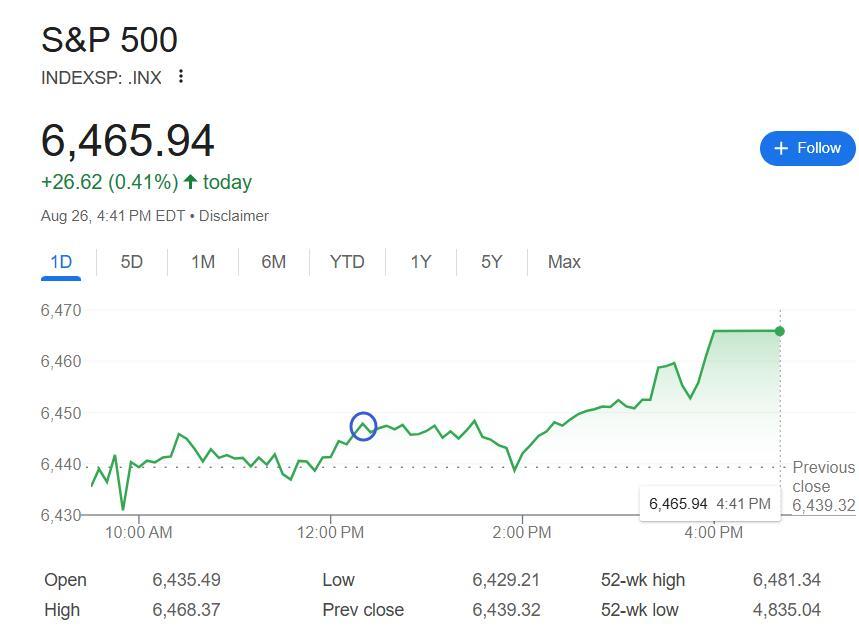
Group 1 - President Trump announced the completion of trade agreements with the EU, Japan, and South Korea, indicating a focus on revitalizing the U.S. furniture manufacturing industry through potential high tariffs on imported furniture, possibly up to 200% [1][5] - Following Trump's comments on furniture tariffs, furniture stocks experienced volatility, with Wayfair dropping nearly 6% after a previous rise, and other furniture stocks like Williams-Sonoma and RH also closing lower [5] - The U.S. stock market showed slight gains during Trump's speech, with the S&P 500 and Nasdaq both rising, while semiconductor stocks outperformed the broader market [1] Group 2 - The trade agreements with the EU, Japan, and South Korea, announced in July, have raised concerns about potential issues and fairness, particularly regarding tariff rates and investment commitments [10][11][12] - The EU agreement includes a 15% tariff on many EU imports, while the EU has committed to significant investments in the U.S. However, there are doubts about the reciprocity of the agreement [10] - The Japan agreement involves a reduction of tariffs from 25% to 15% and a commitment from Japan to invest $550 billion, but there are discrepancies in profit distribution interpretations between the U.S. and Japan [11][12] - The South Korea agreement sets a tariff cap of 15% on imports, avoiding a previously threatened 25% rate, but U.S. officials have expressed dissatisfaction with the lack of detail on South Korea's investment commitments [12]
中办、国办重磅文件公布;特朗普:希望与金正恩会面;鸿蒙智行发布首款低于20万车型;上海楼市大消息
Di Yi Cai Jing Zi Xun· 2025-08-26 01:33
Market Overview - US stock markets experienced a decline on Monday, with the Dow Jones falling by 349.27 points, a decrease of 0.77%, closing at 45282.47 points. The Nasdaq dropped by 0.22% to 21449.29 points, and the S&P 500 index fell by 0.43% to 6439.32 points. Consumer goods and healthcare sectors led the decline [1] - Notable tech stocks showed mixed results, with Tesla rising by 1.9%, Google by 1.1%, and Nvidia by 1.0%. In contrast, Apple and Meta both fell by 0.2%, while Microsoft decreased by 0.6% [1] Individual Stock Movements - Intel's stock fell by 1% following the announcement of a government investment in the chip manufacturer [2] - Keurig Dr Pepper's shares dropped by 11.5% after the company announced a cash acquisition of JDE Peet's for $18.4 billion [3] - Furniture retailers RH and Wayfair both saw declines of over 5% due to President Trump's announcement of an investigation into furniture import tariffs [4] Economic Indicators - The Dallas Fed's manufacturing index fell from 0.9 in July to -1.8 in August, indicating a return to contraction [5] - The Chicago Fed National Activity Index dropped to -0.19 in July, suggesting growth below long-term averages, with negative employment indicators highlighting labor market weaknesses [5] - New home sales in the US decreased by 0.6% last month, with an annualized rate of 652,000 units, reflecting ongoing struggles in the housing market amid high mortgage rates [4] Federal Reserve Outlook - Comments from Federal Reserve Chair Jerome Powell have led to adjustments in Wall Street's expectations, with Barclays, BNP Paribas, and Deutsche Bank predicting a 25 basis point rate cut next month. The likelihood of the Fed restarting easing measures in September is estimated at 80% [4] - The upcoming release of the Personal Consumption Expenditures (PCE) price index and non-farm payroll data is anticipated to influence market sentiment [4]



美股全线下挫,道指跌近350点
第一财经· 2025-08-25 23:46
Market Overview - US stock markets experienced a decline on Monday, with the Dow Jones Industrial Average falling by 349.27 points (0.77%) to close at 45282.47 points, the Nasdaq Composite down 0.22% to 21449.29 points, and the S&P 500 decreasing by 0.43% to 6439.32 points, led by declines in consumer goods and healthcare sectors [3] - Notable tech stocks showed mixed results, with Tesla up 1.9%, Google up 1.1%, and Nvidia up 1.0%, while Apple and Meta fell by 0.2% and Microsoft by 0.6% [3] Federal Reserve and Economic Indicators - Federal Reserve Chairman Jerome Powell's comments at Jackson Hole prompted Wall Street to adjust its expectations, with Barclays, BNP Paribas, and Deutsche Bank forecasting a 25 basis point rate cut next month, and the likelihood of a September easing estimated at around 80% [3] - The 10-year US Treasury yield rose by 2.3 basis points to 4.28%, while the 2-year yield increased by 4.4 basis points to 3.73%, closely linked to interest rate expectations [3] Upcoming Reports and Economic Data - Investors are awaiting Nvidia's earnings report, particularly the potential impact of a recent revenue-sharing agreement with the US government on the company's performance [4] - The personal consumption expenditures (PCE) price index, a key inflation indicator for the Fed, is set to be released on Friday, with non-farm payroll data expected next week [4] - The US Commerce Department reported a 0.6% decline in new home sales last month, with an annualized rate of 652,000 units, indicating ongoing struggles in the housing market amid high mortgage rates [4] Manufacturing and Employment Indicators - The Dallas Fed's monthly manufacturing index dropped from 0.9 in July to -1.8 in August, indicating a return to contraction [5] - The Chicago Fed National Activity Index fell to -0.19 in July, suggesting growth below long-term averages, with negative employment indicators highlighting labor market weaknesses [5] Individual Company Movements - Intel shares fell by 1% following the US government's announcement of plans to invest in the chip manufacturer [6] - Keurig Dr Pepper's stock dropped by 11.5% after announcing a $18.4 billion cash acquisition of JDE Peet's [7] - Furniture retailers RH and Wayfair both declined by over 5% after President Trump announced an investigation into furniture import tariffs [8] Commodity Prices - International oil prices increased, with WTI crude rising by 1.79% to $64.80 per barrel and Brent crude up 1.58% to $68.80 per barrel [8] - Gold prices showed slight fluctuations, with COMEX gold futures for August delivery down 0.02% to $3373.80 per ounce [8]

Stocks Fall as Investors Await Nvidia | Closing Bell
Bloomberg Television· 2025-08-25 20:43
Market Performance & Trends - Majority of stocks shifted from green on Friday to red today, indicating a potential waning of the relief rally following Jay Powell's comments at Jackson Hole [2] - Traders are anticipating India's announcements on Wednesday, which are expected to set the tone for the week [3] - The likelihood of a September rate cut is at approximately 84%, a decrease from above 100% previously discussed, and the possibility of a 50 basis point rate cut is no longer under consideration [5][6] - The Dow Jones Industrial Average decreased by approximately 0.8% or more than 300 points, while the Dow transports also fell by about 1.8% or 300 points [6] - The S&P 500 saw approximately 400 stocks decline, pushing the index down by 0.4% or 28 points [7] - The tech sector experienced significant declines, while communication services and energy sectors showed some positive performance [8][9] Mergers & Acquisitions - Puma shares rose as much as 20% after reports that the Pino family is considering options for the sportswear company, with the family owning about 29% of Puma through their Artemus vehicle [11][12] - Dr Pepper agreed to acquire JD Peet's for approximately $8.4 billion to strengthen its coffee business [13] - Keurig Dr Pepper's stock closed down about 11% following the announcement of the JD Peet's acquisition [15] Tariffs & Regulations - Fertilizer stocks increased after the USGS draft included Potash in the 2025 list of critical minerals [10] - Furniture-related companies like RH and Wayfair are affected by Trump's tariff investigation on furniture imports into the U S [17] - Bank of America downgraded American Eagle's stock due to tariff pressures on profitability, with the stock down about 25% year-to-date [18][20] Other News - Netflix is creating "Netflix Houses," 100,000 square feet permanent year-round homes for fans, featuring popular shows [23] - The U S and South Korea may have reached a trade deal [27]

RH, Wayfair slump as Trump announces furniture tariff investigation
Proactiveinvestors NA· 2025-08-25 17:06
Group 1 - Proactive provides fast, accessible, informative, and actionable business and finance news content to a global investment audience [2] - The news team covers medium and small-cap markets, as well as blue-chip companies, commodities, and broader investment stories [3] - Proactive's content includes insights across various sectors such as biotech, pharma, mining, natural resources, battery metals, oil and gas, crypto, and emerging technologies [3] Group 2 - Proactive is committed to adopting technology to enhance workflows and content production [4] - The company utilizes automation and software tools, including generative AI, while ensuring all content is edited and authored by humans [5]