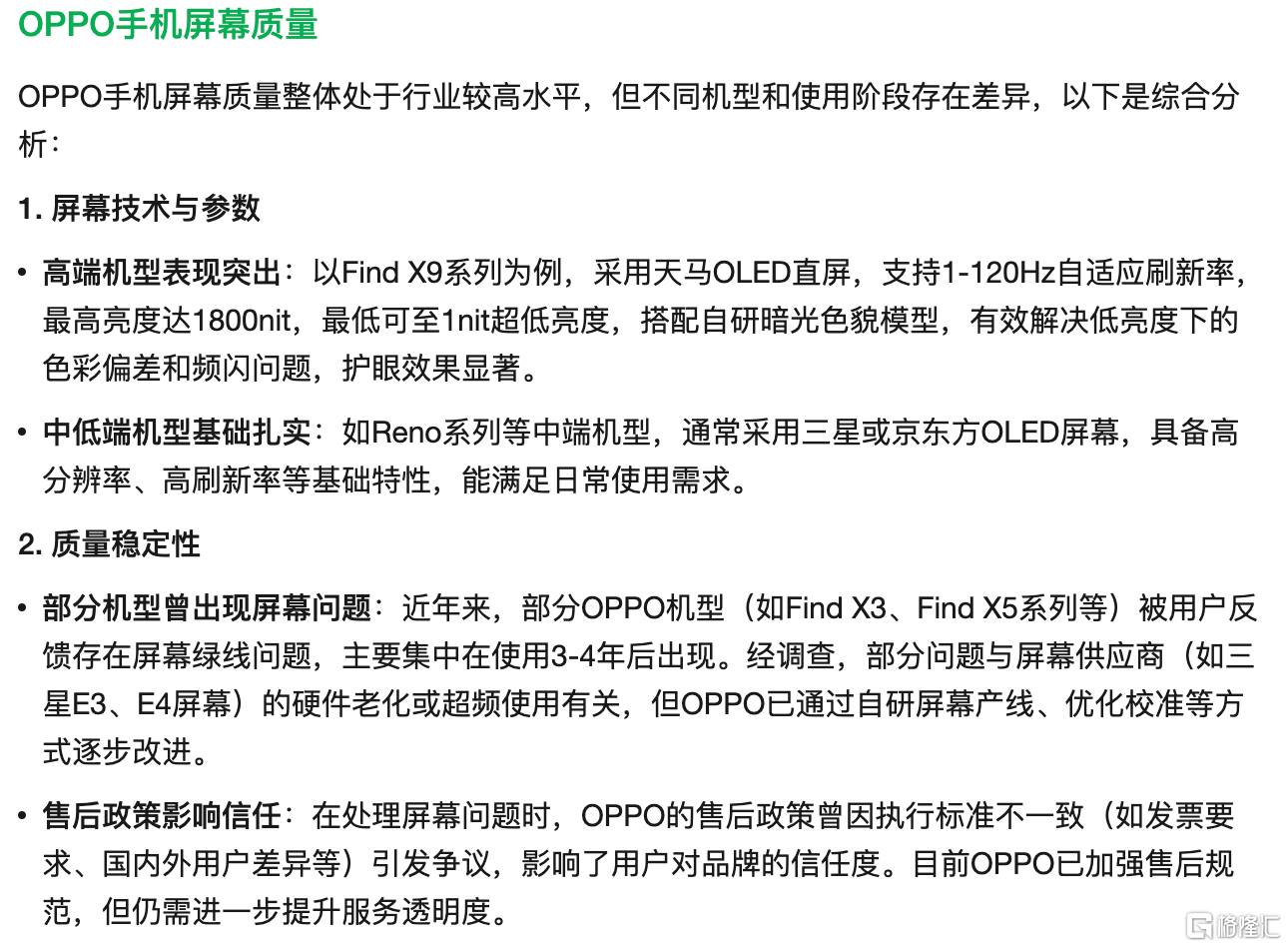
荣耀

Search documents
打破双雄垄断!摩托罗拉 Razr 系列领跑西欧折叠屏市场
Ge Long Hui· 2025-11-07 05:55
Group 1 - Motorola's Razr 60 leads the Western European foldable smartphone market with a 15% share, and combined with Razr 50, the total share reaches approximately 27%, comparable to last year's leading model [1] - Google Pixel 9 Pro Fold follows with just over 10% market share, indicating a more balanced competitive landscape [1] - The foldable smartphone market in Western Europe, traditionally dominated by Samsung's Galaxy Z series and Honor's Magic V series, is experiencing a shift with Motorola and Google gaining ground [1] Group 2 - Google's Pixel 10 Pro Fold launched in early October in major European channels, supported by promotional activities, leading to a strong start in markets like the UK [2] - Motorola's Razr 50 and 60 series are expanding distribution and are expected to surpass Honor, becoming the second-largest brand in the European foldable market [2] - The Western European market is transitioning from a dual-brand to a four-brand competition, with increased activity expected during the holiday season [2] Group 3 - Apple is anticipated to enter the foldable smartphone market in the second half of next year, which may reshape resource allocation among carriers and high-end price segments [2] - Brands that secure core carrier partnerships, maintain stable software updates, and demonstrate the practicality of large screens in daily use are likely to succeed in the foldable market [2] - Brands that are slow to act or have limited product lines may find their growth space further squeezed between high-end Apple models and cost-effective alternatives [2]

份额 27% 领跑!摩托罗拉成西欧折叠屏市场最大黑马
智通财经网· 2025-11-07 05:32
Core Insights - Motorola's Razr 60 leads the Western European foldable smartphone market with a 15% share, and combined with Razr 50, the total share reaches approximately 27%, matching last year's leading model [1] - Google Pixel 9 Pro Fold follows with just over 10% market share, indicating a more balanced competitive landscape [1] - The long-dominant market by Samsung's Galaxy Z series and Honor's Magic V series is experiencing a shift, with Motorola and Google successfully gaining market share through better carrier channel performance, competitive pricing, and appealing designs [1] Group 1 - Google's Pixel 10 Pro Fold launched in early October in major European channels, supported by promotional activities, leading to a strong start in markets like the UK [2] - Motorola's Razr 50 and 60 series are expanding distribution and are expected to surpass Honor, becoming the second-largest brand in the European foldable market [2] - Both brands are anticipated to maintain strong momentum during the holiday season with broader channel strategies and promotional efforts, competing against Samsung's newly launched Galaxy Z7 series [2] Group 2 - The Western European market is transitioning from a dual-brand to a four-brand competition landscape [2] - With the launch of Pixel 10 Pro Fold and further market expansion of Razr, the foldable category is expected to see increased competition during the holiday season [2] - Brands that demonstrate confidence in product design and maintain stable execution with carriers are likely to achieve growth in the next phase [2] Group 3 - Apple is expected to enter the foldable smartphone market in the second half of next year, which will reshape carrier resource allocation and high-end price segment dynamics [2] - Brands that can secure core carrier partnerships, maintain consistent software updates, and prove the practicality of large screens in daily use will likely succeed in the foldable market [2] - Conversely, brands that are slow to act or have limited product lines may find their growth space further squeezed between high-end Apple models and cost-effective alternatives [2]
GSMA会长白德伟:中国5G和5G-A应用创新成果令人欣慰
Huan Qiu Wang· 2025-11-07 03:17
Core Insights - The 13th MWC Shanghai is seen as a "new starting point" in the context of China's 12-year zodiac cycle, marking a new phase of development in the mobile communication industry [1] - MWC Shanghai serves as a global barometer for mobile communication industry trends, showcasing China's position as the largest 5G market and a leader in mobile ecosystem innovation [1] Group 1: Event Scale and Partnerships - MWC Shanghai 2025 attracted 45,000 attendees from 12,500 companies across 128 countries and regions, with plans for further expansion in 2026 [3] - The first batch of 17 strategic partners for MWC Shanghai 2026 includes major telecom operators and technology companies such as Huawei, ZTE, and Qualcomm, as well as international organizations [3] Group 2: Themes and Focus Areas - MWC Shanghai 2026 will focus on themes like "Smart Infrastructure," "Intelligent Connectivity," and "Enterprise Intelligence Transformation," featuring various core segments including main forums and innovation activities [4] - The "Industry Digital Future" section will highlight trends in sectors such as intelligent connected vehicles, low-altitude economy, smart manufacturing, healthcare, education, sports entertainment, and fintech [5] Group 3: Integration of AI and Telecommunications - The integration of mobile communication technology and AI is at a critical stage, with trends showing mutual empowerment and collaborative development [6] - The telecommunications sector is essential for AI usage, as 86% of people connect to the internet via mobile devices, necessitating enhanced network capabilities to support AI traffic [6] Group 4: China's Development in Mobile Communication - China has made significant progress in 5G and 5G-Advanced application innovations, with rapid advancements in AI applications [6] - According to GSMA's report, by 2030, mobile technology and digital transformation are expected to contribute $2 trillion to China's economy, with 5G benefiting various industries [6]


2025消费电子创新大会开幕 鸿蒙6全系产品全球首展
Shen Zhen Shang Bao· 2025-11-07 02:36
Group 1 - The 2025 Consumer Electronics Innovation Conference (CEIC 2025) was held in Shenzhen, showcasing nearly 300 technology companies and over 2000 new tech products, focusing on the latest achievements and trends in consumer electronics [1] - The conference was organized by the He Tao "6+1" International Industry and Standards Organization and the International Economic and Technical Cooperation Center of the Ministry of Industry and Information Technology, emphasizing five key areas: smart terminals, smart vehicles, smart homes, digital health, and new technologies [1] - Notable exhibitors included major companies such as China Mobile, Huawei, BYD, NIO, and Samsung, along with various specialized exhibition areas like the Huaqiangbei Street and university innovation zones [1] Group 2 - Huawei's HarmonyOS 6 product line was showcased for the first time globally, featuring seamless collaboration among devices, including smartphones, tablets, and wearables [2] - Innovative products displayed included EHang's first airworthy passenger drone and humanoid robots from Zhongqing and Leju, highlighting advancements in smart terminals and transportation [2] - The smart vehicle section featured real vehicle cockpits from companies like Huawei, BYD, NIO, and Xpeng, demonstrating deep integration with home automation systems [2] Group 3 - The conference included three main forums and 16 sub-forums, with over 300 industry experts sharing cutting-edge insights [3]

大疆、影石还没争出第一,大批友商已经赶在路上|知料
3 6 Ke· 2025-11-07 02:05
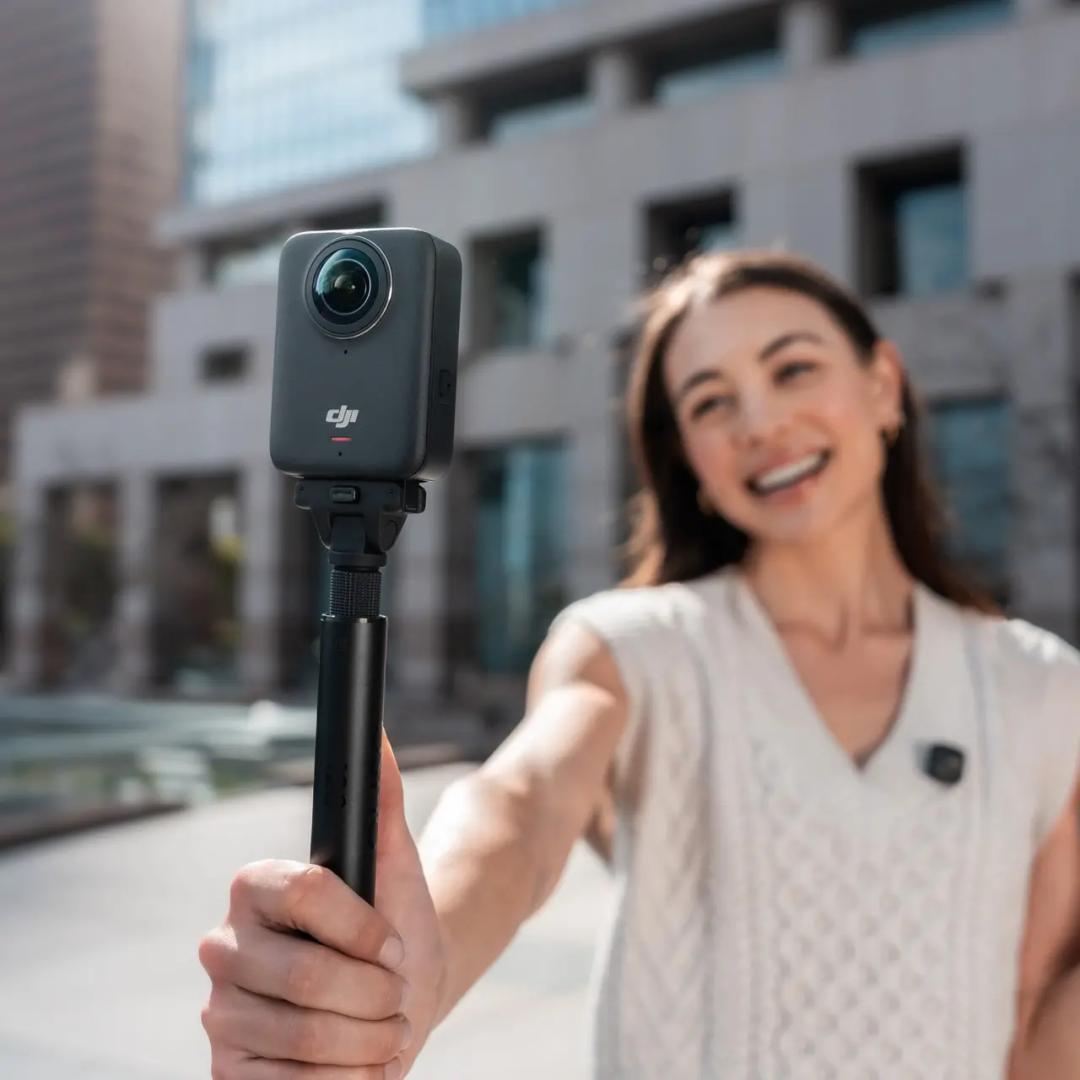
Core Insights - The competition for market share in the panoramic camera sector has intensified, with conflicting reports on the market shares of companies like Insta360 and DJI, highlighting the volatility of the market [1][2][6] - The entry of new players, including hardware companies and internet giants, into the smart imaging sector is reshaping the landscape, with significant investments and innovations being made [4][12][20] - The global user base for vlogging and outdoor activities presents a substantial opportunity for growth in smart imaging devices, with current penetration rates being low [6][18] Market Share Discrepancies - A report from Jiucheng Consulting indicated that Insta360's market share dropped from 92% to 49%, while DJI captured 43% in the third quarter [1] - Conversely, Frost & Sullivan reported that Insta360 held a 75% market share compared to DJI's 17.1%, suggesting significant discrepancies in market analysis [1][2] Competitive Landscape - The launch of DJI's Osmo360 has disrupted Insta360's dominance, showcasing strong market performance within just 90 days of release [2] - New entrants are focusing on niche markets and differentiated product offerings to avoid direct competition with established players like DJI and Insta360 [7][10] Emerging Trends - Companies like Looki and XbotGo are innovating by targeting specific user needs, such as AI-driven features and sports event recording, which are not directly competing with traditional action cameras [9][10][11] - The rise of smartphone manufacturers entering the smart imaging space is seen as a defensive move to protect their market share against emerging competitors [12][19] Industry Dynamics - The smart imaging market is characterized by low barriers to entry, with many startups able to develop products quickly due to a robust supply chain in regions like the Pearl River Delta [21][23] - However, achieving brand recognition and competitive pricing on a global scale remains a challenge for new entrants, as established companies like DJI and Insta360 have significant advantages in technology and market presence [23][25]

实探CEIC2025:华为、比亚迪、荣耀等企业亮相
Xin Lang Cai Jing· 2025-11-06 21:08
Core Insights - The 2025 Consumer Electronics Innovation Conference (CEIC 2025) commenced in Shenzhen, focusing on "New Electronics, New Experiences, New Consumption" [1] Group 1: Event Overview - The conference attracted nearly 300 tech companies from 20 countries and regions, showcasing over 2,000 new tech products, with more than 18,000 attendees on the first day [2] - The event is co-hosted by the He Tao "6+1" International Industry and Standards Organization and the International Economic and Technical Cooperation Center of the Ministry of Industry and Information Technology, focusing on five key areas: smart terminals, smart vehicles, smart homes, digital health, and new technologies [2] Group 2: Product Highlights - Huawei's HarmonyOS 6 products made their global debut, featuring seamless collaboration across devices such as TVs, computers, tablets, smartphones, and wearables [2] - Innovations showcased include Honor's foldable screen applications and EHang's first airworthy passenger drone, attracting significant attention from attendees [2][3] Group 3: Smart Vehicle and Home Innovations - Major automotive companies like Huawei, BYD, and NIO presented real vehicle cockpits, demonstrating home-vehicle connectivity, allowing users to control home devices via in-car screens [3] - China Mobile introduced a comprehensive family care model covering elderly, children, pets, and plants, along with the first family companion robot, showcasing advancements in smart home technology [3] Group 4: Digital Health and New Technologies - The digital health section featured various smart wearables and remote care systems, including health monitoring watches and sleep analysis mattresses, highlighting trends in digital health [3] - Semiconductor companies like Shanghai HiSilicon presented chips and solutions for consumer electronics and smart homes, with Ouyue Semiconductor showcasing the leading Longquan 560 series automotive-grade AI chips [3] Group 5: Industry Support and Development - Shenzhen's industrial advantages foster innovation, supported by a special policy established in March, which allocated 5 billion yuan for an AI terminal fund and 1 billion yuan for a network and communication fund, targeting the consumer electronics supply chain [3]
AI手机按下加速键,广东移动多款产品“上新”
2 1 Shi Ji Jing Ji Bao Dao· 2025-11-06 13:17
Core Insights - China Mobile Guangdong Company held a quarterly terminal ordering and AI product promotion conference, emphasizing the future of the AI terminal ecosystem with over 300 participants including industry experts and leading smartphone manufacturers [1] - The company has accelerated the development of the AI smartphone industry since the first AI smartphone ordering conference in August, launching multiple AI smartphone models with significant sales achievements [1][2] Group 1 - The conference featured presentations from major manufacturers like ZTE, Huawei, realme, vivo, OPPO, and Honor, showcasing their latest AI terminal products and exclusive ordering policies [1] - The cumulative sales of AI smartphones have surpassed 148,000 units, with a single-day peak sales of over 2,200 units [1] Group 2 - China Mobile Guangdong Company aims to expand market boundaries through a "hit product matrix" and has partnered with vivo, Honor, and OPPO to launch four new AI smartphone models [2] - The company plans to implement precise policies to activate cooperation, offering comprehensive and high-impact policy support to enhance customer and channel store participation [2] - Future strategies include extending marketing efforts into more scenarios and continuously iterating AI terminal products and services in collaboration with industry partners to enhance user experience and drive high-quality industry development [2]

机构:2025年三季度中国智能手机销量同比下降2.7%,但四季度开局乐观
Bei Jing Shang Bao· 2025-11-06 13:16
值得注意的是,该机构称Q4市场开局强劲,10月前两周中国智能手机整体销量同比增长11%,分析师 预计,在iPhone 17需求推动下Q4销量增长势头向好。 前五名依次为vivo、华为、小米、OPPO及荣耀,苹果位列第六。 北京商报讯(记者陶凤 王天逸)11月6日,Counterpoint Market Pulse发布初步数据显示,2025年Q3中国 智能手机销量同比下降2.7%。受到暑假和开学季的持续经济影响,消费者需求依然低迷。尽管国家补 贴政策的影响在Q1后有所减弱,但该政策仍持续支撑着中国智能手机的平均售价(ASP)。 ...
独立第五年,李健带荣耀走向新蓝海
Guan Cha Zhe Wang· 2025-11-06 12:40
Core Insights - Honor is celebrating its fifth anniversary and has successfully navigated its survival phase while finding a unique growth path in a highly competitive smartphone market [1] - The company is transitioning from a hardware manufacturer to an AI ecosystem leader under the leadership of CEO Zhao Jian, leveraging an "open ecosystem" strategy and "self-evolution capability" [1][3] Industry Context - The smartphone market is characterized by intense competition and significant product homogeneity, leading to shrinking profit margins. In Q3, the Chinese smartphone market saw a 3% year-on-year decline, indicating that growth through hardware upgrades has reached its limits [4][5] - Honor's strategic shift reflects a broader industry transformation from hardware-centric competition to ecosystem empowerment, as companies seek to create value through diverse revenue streams beyond device sales [7][8] Strategic Initiatives - Honor introduced the "1X3XN" ecosystem strategy and the AI operating system MagicOS 10, aiming to connect the upstream and downstream of the industry chain [3][5] - The strategy emphasizes collaboration and co-creation within the AI ecosystem, positioning Honor as not just a device manufacturer but also as an enabler and integrator of AI solutions across various sectors [7][10] Competitive Landscape - Honor's approach contrasts with the "walled garden" model of Apple and the fragmented model of early Android, opting for a balanced strategy that maintains system openness while ensuring user experience consistency through MagicOS 10 [9][10] - The company is establishing itself as a "chain master" in Shenzhen's AI terminal industry, leveraging local advantages to create a robust AI terminal industry cluster [17][18] Regional Advantages - Shenzhen's status as a "hardware Silicon Valley" provides Honor with unparalleled supply chain efficiency and innovation capabilities, allowing rapid product development [15][18] - The local government's proactive AI policies support Honor's growth, aiming to achieve an AI terminal industry scale of 800 billion yuan by 2026 [15][18] Future Outlook - Honor's open ecosystem strategy represents a significant shift in China's tech industry, moving from "point breakthroughs" to "system innovation" [19] - The company faces challenges in proving the commercial value and technological advantages of its open model amid increasing competition from global tech giants [19]
OPPO的公关,跟不上OPPO的技术
Ge Long Hui· 2025-11-06 12:03
Core Viewpoint - OPPO's recent sales success with the Find X9 series is overshadowed by negative publicity surrounding the "green line" issue, highlighting the need for improved public relations and brand positioning as the company aims for higher-end market penetration [2][4][18]. Sales Performance - The Find X9 series achieved over 1 million units sold within 10 days of its launch on October 22 [2]. - Despite a slight decline of 0.6% in China's smartphone shipments year-on-year by Q3 2025, OPPO is the only domestic brand among the top five to show growth [2]. Public Relations Challenges - The "green line" controversy erupted around the same time as the Find X9's launch, leading to speculation about potential external influences [4]. - OPPO's decision to remain silent on the issue has resulted in a vacuum of information, allowing negative narratives to dominate public perception [13][18]. - Users reported difficulties in contacting customer service and dissatisfaction with the company's response to the screen issue, which has further damaged its reputation [8][9]. Comparison with Competitors - Apple's handling of similar issues in the past, such as the iPhone X's screen problems, contrasts with OPPO's approach, as Apple managed to maintain sales momentum despite negative press [7][10]. - OPPO's public relations strategy has not effectively communicated its technological advancements and efforts to improve screen quality, unlike competitors who have successfully built strong brand identities [21][24]. Brand Positioning and Identity - OPPO's brand lacks distinctiveness compared to competitors like Huawei, Xiaomi, and Vivo, which have successfully associated their brands with specific technological attributes [20][24]. - Despite being a leader in 5G patent applications and having made significant investments in display technology, OPPO's achievements are not well recognized by consumers [21][22][24]. - The company needs to enhance its brand narrative to resonate with consumers and differentiate itself in a competitive market [34][35].