赛诺菲

Search documents
FDA计划逐步让“猴哥”退出新药研发? 提出三大替代方向,但业内认为还需更多研究
Mei Ri Jing Ji Xin Wen· 2025-04-12 14:44
Core Viewpoint - The FDA's recent policy shift aims to gradually eliminate mandatory animal testing in monoclonal antibody therapies and drug development, promoting alternatives like AI, organoids, and organ-on-a-chip technologies [1][2]. Group 1: Impact on Companies - Traditional CROs like Zhaoyan New Drug and Charles River Laboratories faced significant stock price declines following the announcement, with Charles River's stock dropping 28.13% and Zhaoyan's by 9.98% [1]. - The FDA's new policy is seen as a potential game-changer for the industry, providing a clear direction for reducing reliance on animal testing [3][4]. Group 2: Industry Perspectives - Industry experts acknowledge that while the new regulations indicate a shift, substantial clinical data is still needed to validate the effectiveness of organoids in toxicity prediction compared to animal testing [2][6]. - The TGN1412 incident highlights the limitations of animal testing, as severe reactions occurred in human trials that were not predicted by prior monkey studies, underscoring the need for alternative methods [2][5]. Group 3: Technological Advancements - Organoid and organ-on-a-chip technologies have been in development for over a decade and are now being recognized for their potential to simulate human responses more accurately than animal models [4][5]. - The FDA has identified specific organ models, such as liver and heart, that can be utilized in drug development, indicating a structured approach to integrating these technologies into regulatory frameworks [5][6]. Group 4: Financial and Market Trends - The organoid and organ-on-a-chip sectors are still in early development stages, with significant investments from major pharmaceutical companies like Johnson & Johnson and Merck, indicating growing confidence in these technologies [9][10]. - Despite a challenging investment climate, the organoid industry has seen optimistic funding trends, with companies securing millions in financing even during downturns [9]. Group 5: Future Outlook - The combination of organoids and AI is expected to enhance drug efficacy predictions and reduce toxicity screening failures, which are critical for successful drug development [10]. - As the industry moves towards adopting these technologies, the potential for improved drug safety and efficacy could redefine the landscape of pharmaceutical research and development [10].


Why You Shouldn't Bet Against Sanofi (SNY) Stock
ZACKS· 2025-04-11 14:10
Company Overview - Sanofi (SNY) is currently positioned as an intriguing investment choice within the Large Cap Pharmaceuticals sector due to solid earnings estimate revisions and favorable industry ranking [1][3]. - The company has experienced positive earnings estimate revisions over the past month, indicating increased analyst optimism regarding its short and long-term prospects [3]. Industry Analysis - The Large Cap Pharmaceuticals industry holds a Zacks Industry Rank of 71 out of more than 250 industries, suggesting a strong position relative to other sectors [2]. - The overall positive trends in the industry may benefit individual securities, including Sanofi, as a rising tide can lift all boats within the sector [2]. Earnings Estimates - Current quarter earnings estimates for Sanofi have increased from $0.87 per share to $0.89 per share, while current year estimates have risen from $4.21 per share to $4.34 per share [4]. - Sanofi currently holds a Zacks Rank of 3 (Hold), which is considered a favorable signal for potential investors [4]. Investment Consideration - Given the strong industry performance and solid estimate revisions, Sanofi is recommended as a compelling option for investors looking for opportunities in a robust industry segment [5].


【招银研究|行业深度】AI应用之生物医药——科技变革初绽医药新格局
招商银行研究· 2025-04-09 09:25
Overview - AI-driven drug development, known as AIDD, is gaining traction in the pharmaceutical industry, focusing on target and drug discovery, preclinical experiment design, clinical development, and repurposing existing drugs [1][8][9] - The demand for AI in drug development is increasing due to the rising complexity and costs associated with new drug development, with a compound annual growth rate (CAGR) of 49.7% in AI pharmaceutical investment from 2015 to 2022 [1][22][23] - The global AI pharmaceutical market is projected to reach $5.62 billion by 2028, with long-term forecasts suggesting a market size of $28 billion to $53 billion [1][23] Target and Drug Discovery - AI technology is primarily applied in target and drug discovery, utilizing traditional methods like knowledge graphs and deep learning, but still requires wet lab validation [2][28] - AI can significantly reduce the time and cost of early drug development phases, with examples showing reductions from years to months in target validation and lead compound identification [32][33] - The need for proprietary databases is increasing as AI models require high-quality data for effective target prediction [33][36] Clinical Development - The application of large language models (LLMs) in clinical development is still in its exploratory phase, but it holds significant potential for improving processes such as patient matching and trial design [55][58] - Companies like Sanofi and IQVIA are actively integrating AI technologies to automate clinical documentation and enhance research workflows [61][62] R&D Progress and Market Landscape - The majority of AI-driven drug candidates are in early stages, with many awaiting clinical data readouts, and the first fully AI-discovered drug is currently in clinical trials [63][64] - Domestic companies are making significant progress in AI drug development, with several candidates in clinical trials, indicating a competitive landscape [67] - AI-driven drug development is expected to improve clinical success rates, with studies showing higher success rates for AI-discovered molecules compared to historical averages [68] Investment Trends - The AI pharmaceutical investment landscape is vibrant, with significant funding growth from $840 million in 2015 to $14.18 billion in 2022, and a projected stable investment level in 2024 [23][25] - Major pharmaceutical companies are increasingly collaborating with AI biotech firms, with numerous transactions indicating a shift towards AI-driven platforms [71][72] Business Models and Market Dynamics - The primary business models in AI pharmaceuticals include AI+SaaS, AI+CRO, and AI+Biotech, with the latter showing greater market potential [75] - The integration of algorithms, computational power, and data is crucial for the success of AI applications in drug development, necessitating a combination of traditional and AI-driven methodologies [75]
凯辉基金携手赛诺菲设立20亿医药创新基金;长三角硬科技基金完成备案丨03.31-04.06
创业邦· 2025-04-08 00:08
Key Points - The article discusses various government-led investment funds established across different regions in China, focusing on strategic emerging industries and technological innovation [5][6][8][10][12][14][15][19][20][21]. Group 1: Government Guidance Funds - Hefei plans to establish a 10 billion yuan future industry fund to support the development of the intelligent robotics industry, with an additional 2 billion yuan allocated for public service platforms over three years [5]. - The Zhongguancun War New Fund, with a scale of 10 billion yuan, was launched to focus on strategic emerging industries and support hard technology enterprises [5]. - Chongqing's first S mother fund aims for a target scale of 3.6 billion yuan, focusing on strategic emerging industries and optimizing private equity investment exit mechanisms [6][7]. - Tianjin's state-owned industry development mother fund is set to reach approximately 6 billion yuan, supporting major strategic projects and optimizing state-owned enterprise structures [8]. Group 2: New Investment Funds - The first QFLP fund in Anhui has been established with a total scale of 300 million yuan, focusing on cross-border investment in key projects [8]. - Shenzhen's Longgang District has set up a 2 billion yuan district-level government-guided merger fund, targeting new generation information technology and strategic emerging industries [8]. - The Linyi City Carbon Neutral Industry Investment Fund is recruiting sub-fund management institutions, focusing on new energy and advanced manufacturing [9]. - The Zhengzhou Airport New Emerging Industry Development Fund has completed registration with a total scale of 5 billion yuan, focusing on equity investment and asset management [10]. Group 3: Industry-Specific Funds - The Shanghai Jing'an District has established a beauty industry investment fund with a total scale of 2 billion yuan, focusing on innovative brands in the beauty sector [11]. - Ningbo is planning to set up two new funds, one for the intelligent IoT industry with a scale of 300 million yuan and another for new display technology with a scale of 150 million yuan [11]. - The Jiangsu Province Strategic Emerging Industry Mother Fund is collaborating with Yancheng to establish a 2 billion yuan green low-carbon industry fund [12]. - The Guizhou Qianli Biopharmaceutical Venture Capital Fund has been established with a total scale of 500 million yuan, focusing on the biopharmaceutical industry [19]. Group 4: Corporate Participation in Funds - Companies like BoRui Pharmaceutical and ZhiTe New Materials are participating in various investment funds, focusing on early-stage projects in the pharmaceutical and new materials sectors [19][20]. - The establishment of the Guangzhou Tianze Aorong Equity Investment Fund, with a total scale of 500 million yuan, aims to invest in technology innovation [20]. - The Zhejiang Dongfang Group's subsidiary has registered a digital economy-focused investment fund with a scale of 200 million yuan [21].

板块持续跑赢大盘,关注对等关税下医药供应链影响
Tai Ping Yang Zheng Quan· 2025-04-07 14:45
Investment Rating - The report recommends a "Buy" rating for multiple companies in the pharmaceutical sector, including Junshi Biosciences, Hualing Pharmaceutical-B, Aorite, Tonghe Pharmaceutical, and others [3]. Core Insights - The pharmaceutical sector has outperformed the market, with a 1.20% increase, surpassing the CSI 300 index by 2.57 percentage points. Sub-sectors such as innovative drugs, new medical infrastructure, and pharmacies performed well, while pharmaceutical outsourcing, medical devices, and hospitals lagged behind [6][36]. - There is a significant unmet need for Obstructive Sleep Apnea (OSA) treatment, with GLP-1RA drugs showing remarkable efficacy. The FDA approved Tirzepatide as the first and only prescription drug for treating moderate to severe OSA in adults with obesity [5][26]. Summary by Sections Industry Perspective and Investment Recommendations - OSA is linked to various health issues, including hypertension, and has a high prevalence among adults in China, with 176 million affected. The prevalence of hypertension among OSA patients is notably high [16][17]. - Investment strategies should focus on innovative drugs, particularly in the context of increased liquidity and risk appetite in the market. The upcoming AACR and ASCO meetings are expected to catalyze interest in biotech innovations [30][31]. Industry Performance - The pharmaceutical sector's performance is highlighted, with innovative drugs and medical infrastructure leading the gains. The overall industry P/E ratio stands at 26.88, with a premium of 30.38% compared to the broader A-share market [36]. Company Dynamics - Notable company updates include: - Fuyuan Pharmaceutical reported a revenue of 3.446 billion yuan for 2024, a 3.17% increase year-on-year [37]. - Jingxin Pharmaceutical announced a share buyback totaling approximately 350 million shares [37]. - Heng Rui Medicine received approval for a new indication for its innovative drug, indicating ongoing development and regulatory progress [37].
第二十七届北京科博会进入倒计时,今年将设六大展区
Xin Jing Bao· 2025-04-07 12:39
目前,5万平方米展览已基本招满,参展企业和机构约800家,省部级以上专精特新和高新技术企业占比 超8成。其中,信息技术展区由智谱、超云数字、新元纵横、北京邮电大学等组成;智能制造展区由中 国五矿、首钢集团、北汽集团、理想汽车、优必选等组成;医药健康展区由首农集团、阿斯利康、赛诺 菲、长木谷医疗等组成;数字经济展区由中国银行、昆仑万维(300418)、北建院等组成;绿色双碳展 区由国家能源投资集团、京能集团、小米等组成;河北、山西、青海、内蒙古、吉林、广东、广西、西 藏、新疆、武汉等10个省区市组成区域创新展区。 新京报讯(记者陈琳)第二十七届北京国际科技博览会(简称北京科博会)将于5月8日至11日在国家会 议中心举办。4月7日,北京市贸促会介绍了本届北京科博会的筹备情况及展会特点。北京市贸促会副主 任朱家亮介绍,本届北京科博会展览总面积约5万平方米,目前展览已基本招满,参展企业和机构约800 家,省部级以上专精特新和高新技术企业占比超8成。 本届北京科博会主题为"科技引领 创享未来",设置信息科技、智能制造、医药健康、绿色双碳、数字 经济和区域创新等六大展区,同期还将举办2025北京国际投资贸易洽谈会(京洽会 ...
LP周报丨100亿,合肥投向机器人
投中网· 2025-04-05 03:21
以下文章来源于LP波谱 ,作者杨博宇 LP波谱 . 本账号专注LP市场报道。"波浪、谱系"是识别市场的维度,也是定义市场的坐标;此外,波谱(Pop Art)也意为放低意义与史诗的执念,认同商业的日常 之美。 将投中网设为"星标⭐",第一时间收获最新推送 聚焦LP出资、新基金、GP招募,捕捉LP圈一周商业情报。 作者丨 杨博宇 来源丨 LP波谱 知名投资人朱啸虎在上周宣称已经退出多家人形机器人公司,并直言这一赛道已经孕育大量泡沫,并且商业化迟迟不见明朗。不过,合肥最近给出了不 同意见——不仅计划设立 100 亿元的未来产业基金,还将投资标的瞄准了机器人赛道。 在本周 LP 圈的各大动态中,合肥发布的产业投资战略格外引人注目,它将设立 100 亿未来产业基金,其中第一大投资方向是机器人。不仅如此,在 当天的发布现场,合肥市各县区、科大硅谷重点机器人项目也集中签约,总签约金额超 65 亿。 与此同时,合肥联合产业方发起成立智能机器人产业生态联盟。华为、科大讯飞、江淮汽车、联想集团、阳光电源、中科星驰、埃夫特、江淮中心、乐 聚机器人、聆动通用、中科深谷、众擎机器人、敬科机器人、零次方等企业都将参与其中。 可见,正如当 ...
净利1.7亿,主板IPO过会!东方证券保荐
Sou Hu Cai Jing· 2025-04-04 17:13
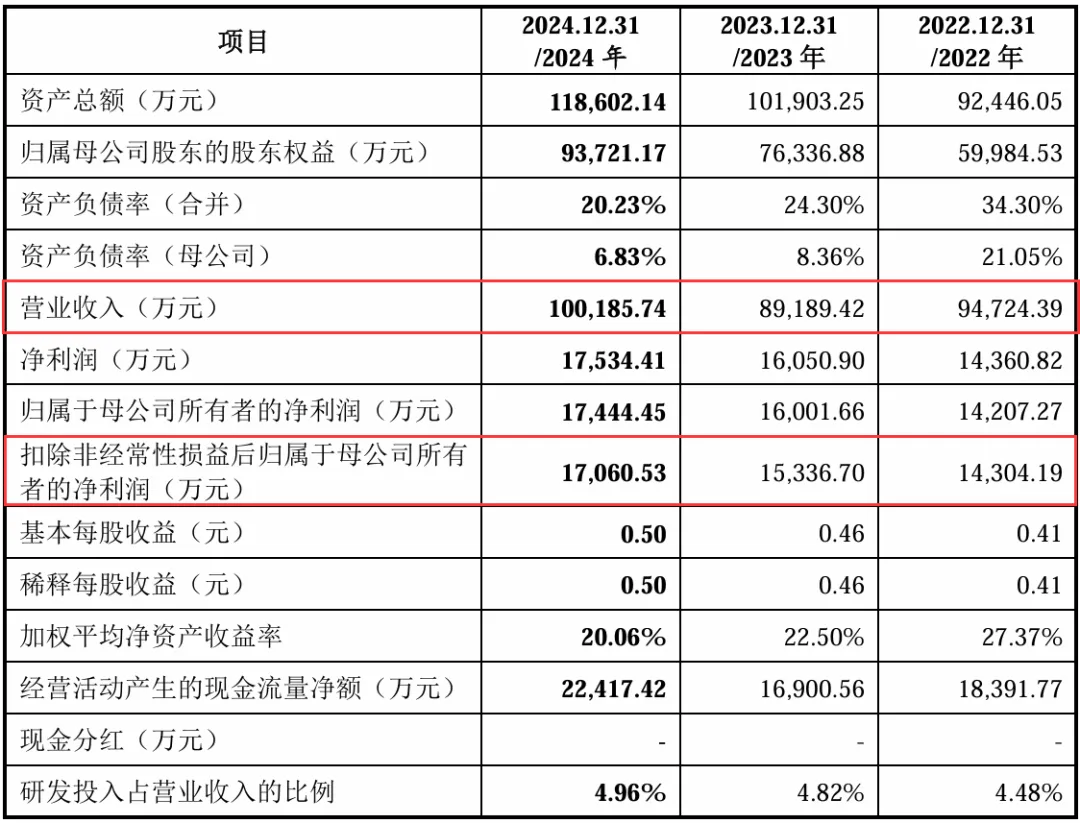
Core Viewpoint - The Shanghai Stock Exchange has approved the IPO of Jiyuan Group, a company specializing in the research and development of dietary nutritional supplements, marking a significant step in its growth and expansion in the global market [1]. Company Overview - Jiyuan Group is an international enterprise focused on the R&D and industrialization of dietary nutritional supplements, providing innovative and customized nutritional raw materials and formulations [2]. - The company is the largest global supplier of HMB (beta-hydroxy-beta-methylbutyrate) and a core supplier of high-quality glucosamine and other products, with a strong market presence across major regions including China, Asia, the US, Europe, Australia, and South America [2][9]. Financial Performance - The company reported revenues of 947 million yuan, 892 million yuan, and 1.002 billion yuan for the years 2022, 2023, and 2024, respectively, with net profits of 143 million yuan, 153 million yuan, and 171 million yuan during the same period [4]. - As of December 31, 2024, total assets amounted to 1.186 billion yuan, with a debt-to-asset ratio of 20.23% [5]. - The company anticipates a revenue growth of approximately 14.39% year-on-year for Q1 2025, with net profit expected to increase by about 6.42% to 11.55% [5]. Market Position - Jiyuan Group holds a market share of approximately 65.80% in the global HMB market, with projected shares of 52.27% and 53.34% for 2023 and 2024, respectively [9]. - The company has established a solid position in the glucosamine market, with market shares of 11.92%, 13.85%, and 12.61% from 2022 to 2024 [10]. Client Relationships - The company heavily relies on Abbott Group, with sales to Abbott accounting for 23.44%, 17.38%, and 19.44% of its main business revenue over the reporting periods, and 69.26%, 64.69%, and 66.19% of its HMB business revenue [11]. - Over 90% of the company's revenue comes from international sales, primarily in the US, Europe, Australia, and Southeast Asia [11]. IPO Fund Utilization - The company plans to raise 603 million yuan through its IPO, which will be allocated to the construction of a nutritional health raw material production base, expansion of production lines, establishment of a technology innovation center, and to supplement working capital [7][8].

LP圈发生了什么
投资界· 2025-04-04 07:56
「解码 LP 」系投资界旗下专注 LP 报道公众号,关注各地基金政策,捕捉 LP 最新动态,欢迎关注! 根据公开信息统计:截至周四下午,本周(3月29日-4月3日)LP动态共26起。 LP 普洛斯募资,投向一个万亿赛道 投资界获悉,普洛斯最新推出的中国数据中心收益基金一期已完成募集,投资规模约2 6亿 人民币,投资人包括国内领先投资管理公司及知名国际机构投资人,普洛斯担任基金管理人 及资产管理人。 这是普洛斯推出的首个数据中心主题投资策略。普洛斯主要聚焦不动产和私募股权投资,目 前资产管理规模超8 0 0亿美元,已是全球基础设施江湖不可忽视的存在。此次推出的数据中 心基金,是其长期管理运营物流基础设施基金基础上,把私募基金拓展到数据中心这一新的 资产品类,可谓从零到一一个新的突破。 LP 安徽老乡,联手募集3 0亿 一群安徽老乡成立的基金来了。 近日举办的2 0 2 5徽商大会上,3 0亿元徽商产业基金正式启动,由联想、迈瑞、奇瑞、科大 讯飞、蔚来、阳光电源、国轩高科等知名徽商企业联合成立。接下来,该基金将重点投资徽 商科创企业和科创项目。 取自徽商,用之徽商。产业良性循环之风蔚然兴起。近年来,为进一步招商引 ...
SNY's Rilzabrutinib Gets FDA's Orphan Drug Tag for Two Rare Diseases
ZACKS· 2025-04-03 16:30
Core Viewpoint - Sanofi's investigational BTK inhibitor, rilzabrutinib, has received orphan drug designation from the FDA for treating warm autoimmune hemolytic anemia (wAIHA) and IgG4-related disease (IgG4-RD), addressing significant unmet medical needs in these rare diseases [1][2]. Company Developments - Rilzabrutinib is currently undergoing mid-stage studies for both wAIHA and IgG4-RD, with no approved therapies available for these conditions [1]. - Data from a phase IIb study for wAIHA indicated clinically meaningful outcomes in response rates and disease markers [5]. - A phase IIa study for IgG4-RD patients showed a reduction in disease flare and other disease markers after 52 weeks of treatment, with further details to be announced at an upcoming medical conference [6]. Regulatory Status - A regulatory application for rilzabrutinib to treat immune thrombocytopenia (ITP) is under review in the United States, with a decision expected on August 29, 2025. The drug has received both fast-track and orphan drug designations for ITP [8]. - Rilzabrutinib is also under review in the European Union and China for ITP treatment [9]. Market Performance - Year-to-date, Sanofi's shares have increased by 11.9%, outperforming the industry average rise of 0.8% [3].