华熙生物

Search documents
济南|稳生产 强品牌 促消费 济南以供给升级助力消费提振
Da Zhong Ri Bao· 2025-06-26 00:50
Group 1 - The core viewpoint emphasizes the importance of industrial stability and optimization in boosting consumption and ensuring supply chain efficiency [1][2] - Jinan's industrial and information technology bureau has implemented an action plan focusing on "stabilizing production, strengthening brands, and promoting consumption" to adapt to the diverse and high-quality consumption demands of residents [1][2] - From January to May, Jinan's industrial added value increased by 8.2% year-on-year, outperforming national and provincial averages by 1.9 and 0.4 percentage points respectively [2] Group 2 - The city is accelerating industrial equipment upgrades, with 41 long-term national bond projects reported in the industrial sector and 5 in the electronic information sector, totaling a financing demand of 5.67 billion yuan [2] - A total of 770 enterprises are implementing 1,004 industrial technology transformation projects, with 313 projects exceeding 100 million yuan [2] - The automotive manufacturing sector saw a significant increase, with added value growing by 37.8% and retail sales of new energy vehicles rising by 16.0% year-on-year [2] Group 3 - Jinan is focusing on creating a diverse and distinctive product matrix to meet the demands of consumption upgrades, leveraging its status as a demonstration city for the "Three Products" strategy in consumer goods [3] - The city aims to enhance the competitiveness and brand influence of consumer goods through digitalization and flexible production [3] - Notable companies like Qilu Pharmaceutical and Jincheng Pharmaceutical have been selected as typical cases for the national "Digital Three Products" application scenarios [3] Group 4 - Jinan is developing several provincial-level characteristic food industry clusters, including food and beverage processing and deep processing of agricultural products [4] - The city has established a "cosmetics industry belt" and is promoting high-end industrial parks focused on rose flower raw material development [4] Group 5 - The industrial and information technology bureau is enhancing supply-demand connections through a three-pronged approach: offline precision matching, online digital empowerment, and innovative scenario expansion [5] - The "Hundred Events, Ten Thousand Enterprises" supply-demand matching initiative has held 183 events, with 2,500 registered enterprises on the service platform [5] - The bureau is also promoting the commercialization of cutting-edge technologies such as autonomous driving and brain-computer interfaces [5][6]


新时代企业家精神的“破圈”与“破局”
Zheng Quan Shi Bao· 2025-06-25 18:19
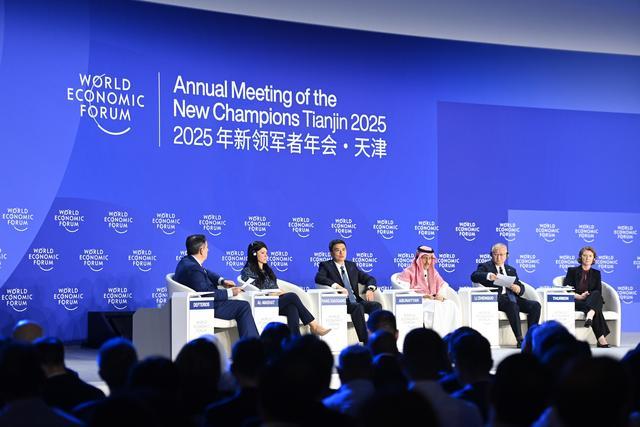
Group 1 - The 2025 Summer Davos Forum focuses on "New Era Entrepreneurship" as a theme to assess the global economy amidst significant changes [1] - Entrepreneurs from sectors like cloud computing, autonomous driving, and AI are showcasing how to break boundaries and find solutions in the new era [1] - The concept of "breaking boundaries" is highlighted through deep industry integration, where entrepreneurs recognize the limitations of single-industry growth and seek cross-industry resource sharing [1] Group 2 - International cooperation is emphasized as entrepreneurs actively seek cross-border collaboration despite challenges in economic globalization [2] - The need for multinational companies to reassess their development strategies and build localized supply chains is underscored by industry leaders [2] - Innovation is identified as a crucial tool for navigating challenges and seizing opportunities in a slowing global economy, with examples of user-centric and technology-driven approaches from Chinese entrepreneurs [2]
欧莱雅中国CEO出席,一场大会点亮美妆品牌价值“灯塔”
FBeauty未来迹· 2025-06-25 13:17
Core Viewpoint - The beauty industry in China is facing three major crises: brand commoditization, price competition, and value hollowing, which threaten the unique identity and emotional connection of brands with consumers [2][3][13]. Group 1: Brand Commoditization - The rise of e-commerce and algorithm-driven marketing has led to the commoditization of beauty brands, where unique brand identities are lost in the pursuit of "best-selling" products [4][5]. - Brands are increasingly perceived as interchangeable, with consumers focusing on product functionality rather than brand stories or emotional connections, leading to a dilution of brand value [6][10]. - The phenomenon of "ingredient marketing" has resulted in brands being labeled as "ingredient carriers," where the popularity of specific ingredients overshadows the brand itself [4][6]. Group 2: Price Competition - The beauty industry is experiencing a "price war," driven by frequent promotional events and a culture of discounting, which diminishes brand loyalty and increases price sensitivity among consumers [7][8]. - Brands are caught in a "prisoner's dilemma," where not participating in promotions risks losing market visibility, leading to unsustainable business practices [8][9]. - The reliance on discounts has resulted in high marketing costs and reduced profit margins, pushing some brands into a cycle of "loss-leading for sales volume" [7][8]. Group 3: Value Hollowing - The focus on short-term returns on investment (ROI) has led to a neglect of product innovation and consumer relationship building, resulting in a hollowing out of brand value [10][11]. - The shift from sales points to experience points in retail highlights the need for brands to provide deeper consumer engagement beyond just product offerings [11][12]. - The overall trend indicates that without addressing these issues, the beauty industry risks losing its core values and innovative capabilities, leading to a less sustainable market environment [14][24]. Group 4: Industry Response - There is a call for a collective awakening among brands, platforms, and consumers to prioritize genuine product innovation and brand storytelling over mere traffic and price competition [14][15]. - Recent initiatives, such as the "China Fragrance and Cosmetic Brand Development Conference," aim to address these challenges and promote sustainable growth within the industry [15][23]. - The industry is encouraged to recognize that true value lies in unique brand resonance and continuous innovation, which are essential for long-term success [16][24].



贴牌玻尿酸:危脸的医美生意
阿尔法工场研究院· 2025-06-25 10:59
Core Viewpoint - The article highlights the risks associated with the "private label hyaluronic acid" model in the medical aesthetics industry, where legitimate products are used for marketing while unregulated or low-quality products are injected into consumers, leading to potential health hazards [1][3][40]. Group 1: Market Dynamics - The "private label hyaluronic acid" has gained popularity due to its high profit margins, with some products showing a price difference of over 10 times from production to retail [4][18]. - The medical aesthetics market is experiencing a surge in demand for hyaluronic acid, which is widely used for cosmetic procedures, creating a lucrative environment for private label products [5][12]. - As of 2024, there are approximately 70 active medical-grade hyaluronic acid products in the market, with intense competition among manufacturers [12]. Group 2: Regulatory Environment - The production of medical-grade hyaluronic acid requires strict regulatory compliance, and currently, only 15 domestic companies have the necessary production qualifications in China [8][10]. - The phenomenon of "one certificate, multiple brands" allows manufacturers to produce various products under a single medical device registration, creating a loophole for private label products [10][11]. - Recent regulations from the National Medical Products Administration have prohibited the commission of production for high-risk products, including hyaluronic acid, indicating a tightening of oversight in the industry [35][36]. Group 3: Consumer Risks - The influx of unregulated or poorly manufactured hyaluronic acid products poses significant risks to consumers, including severe health complications such as facial necrosis or disfigurement [2][42]. - Cases have emerged where consumers received injections of unverified products, leading to complaints and potential legal issues for medical institutions [27][29][38]. - The article warns that if incidents of health risks continue, consumer trust in legitimate medical aesthetics channels may collapse, undermining the industry's credibility [43]. Group 4: Business Strategies - Medical institutions are increasingly adopting the private label model to gain pricing power and differentiate themselves in a saturated market, often branding these products as exclusive or specially developed [14][40]. - The strategy of using legitimate products for marketing while substituting them with private label versions is referred to as "cat swapping," reflecting a deceptive practice that could harm consumer safety [40][41]. - The article suggests that the current business model driven by high profits and regulatory gaps may not be sustainable in the long term, urging companies to focus on brand integrity and consumer safety [44].


夏季达沃斯论坛|为创新营造良好“生态系统”——来自2025夏季达沃斯论坛的“新”声
Xin Hua She· 2025-06-25 10:25
Group 1 - The 2025 Summer Davos Forum in Tianjin focuses on the theme of "innovation ecology," highlighting its importance in determining the outcomes of technological breakthroughs [3][7] - The establishment of the "Paxini Embodied Intelligent Super Data Factory" in Tianjin aims to leverage the city's educational resources and industrial applications for technological research and commercialization [1] - Companies like Huaxi Biotechnology are investing significantly in building platforms for synthetic biology, establishing collaborations with over 20 renowned research institutions to create a complete ecosystem from basic research to industrial application [3][4] Group 2 - Government support is crucial for fostering an innovative ecosystem, as it helps establish communication channels among companies and provides policy and financial support for digital transformation [6] - Companies are increasingly focusing on co-building industrial capabilities with local communities rather than just product output, as seen in TCL's approach to embracing artificial intelligence [6] - Schneider Electric has established five R&D centers across China, creating a collaborative innovation network that spans its entire business line [6]
2025山东省外贸优品购物季第四期活动圆满收官
Qi Lu Wan Bao· 2025-06-25 08:26
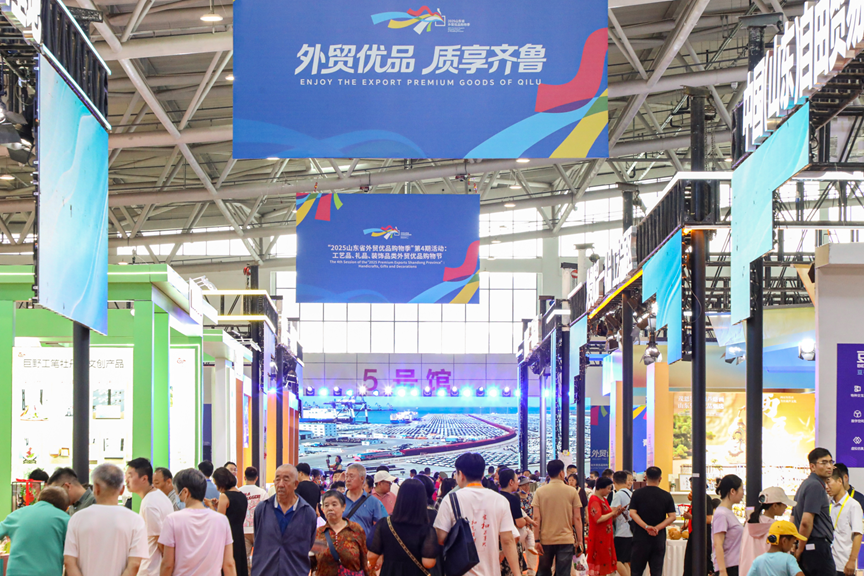
Core Insights - The "2025 Shandong Province Foreign Trade Quality Products Shopping Season" successfully concluded its fourth phase, focusing on crafts, gifts, and decorative items, attracting nearly 300 foreign trade enterprises and over 2,067 professional buyers [1][3] - The event generated nearly 4 million yuan in on-site sales and established over 45 million yuan in intended cooperation [1] Group 1: Event Overview - The shopping festival showcased the rich heritage and international competitiveness of Shandong's craft industry through various themed exhibition areas [3] - Interactive zones, such as the grass willow handmade area and ceramic experience zone, engaged consumers and highlighted traditional craftsmanship [3] Group 2: Online and Offline Integration - The event integrated online channels, organizing live streaming sessions to broaden market access for foreign trade enterprises, with over 5.2 million visitors and more than one million online views [5] - Leading brands participated in online promotions, enhancing brand visibility and consumer engagement [5] Group 3: Trade Facilitation and Collaboration - The shopping festival served as an efficient trade matching platform, launching the "Internal and External Trade Integration Action" to foster collaboration between domestic and foreign products [6][8] - A memorandum for national market integration was signed, promoting a collaborative ecosystem for traditional and foreign trade products [6] Group 4: Future Directions - The Shandong Provincial Department of Commerce emphasized the importance of ongoing shopping season events to support domestic demand and facilitate the transformation of foreign trade enterprises [8] - The successful execution of the shopping festival reflects the resilience of China's economy and aims to accelerate the integration of internal and external trade [8]
华熙生物:从实验室到百货架的全产业链力
Zhong Guo Jing Ji Wang· 2025-06-25 06:42
Core Insights - The efficiency of commercializing scientific research results has become a key measure of corporate development capabilities in a competitive market [1] - Huaxi Biological, a leading global biotechnology company, has effectively transformed its research achievements in hyaluronic acid (HA) into market recognition through strong R&D and market insight [1][2] Company Overview - Huaxi Biological has focused on the research and application of hyaluronic acid and its derivatives since its establishment, successfully building a globally recognized brand in the hyaluronic acid industry over 20 years [2] - As of the end of 2024, Huaxi Biological has applied for 1,047 patents, including 826 invention patents and 587 authorized patents, with R&D investment of 466 million yuan, accounting for 8.68% of its revenue, ranking among the top in A-share listed companies [2] Market Positioning - The company emphasizes understanding consumer needs while conducting B-end research, leading to a strong focus on high-value products in the pharmaceutical and cosmetic sectors [3] - Huaxi Biological has developed a range of HA products, including pharmaceutical-grade, cosmetic-grade, and food-grade HA, to meet diverse consumer demands [3] Product Innovation - The launch of the "Next Throw" repair essence, utilizing HA targeting technology, demonstrates the company's ability to respond to scientific advancements and market trends [3] - The collaboration with the Palace Museum to create a lipstick line integrates traditional culture with modern technology, enhancing brand value and market competitiveness [5][6] Strategic Capabilities - Huaxi Biological has established three core capabilities: strong R&D innovation, effective results conversion, and high market conversion efficiency, enabling it to serve global enterprises and consumers [7] - In 2023, the company achieved revenue exceeding 6 billion yuan, solidifying its leadership in the global hyaluronic acid market [7] Future Directions - The company is exploring the health benefits of various polysaccharides and building a sugar library to support future research and applications [7] - Huaxi Biological's experience in transforming scientific achievements is seen as essential for Chinese enterprises undergoing significant transitions in the current economic landscape [7]
2025年中国玻尿酸三巨头经营密码分析:昊海生科“投资并购”助推医美,华熙生物全产业链覆盖,爱美客聚焦医美
Qian Zhan Wang· 2025-06-24 07:19
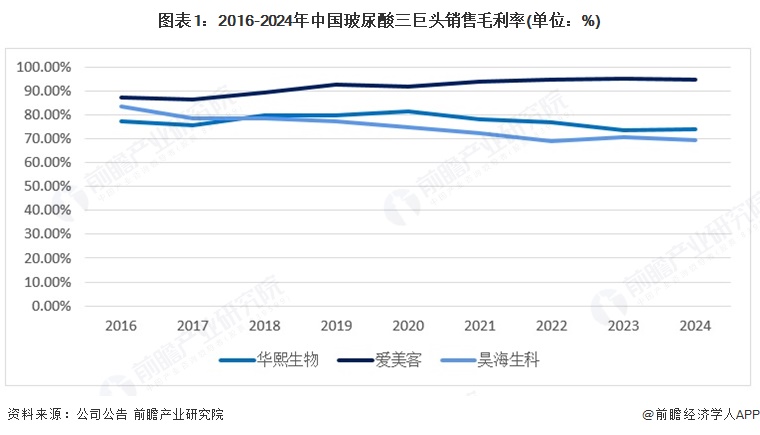
Core Insights - The medical beauty industry, particularly the hyaluronic acid market, is experiencing rapid growth, with major players like Aimeike, Huaxi Biological, and Haohai Biological achieving significant revenue increases and maintaining high gross profit margins, although there are signs of potential declines in these margins due to increased competition and market saturation [1][2][7][8] Group 1: Sales and Profitability - The overall gross profit margin for the leading companies in the hyaluronic acid market remains above 70%, with Aimeike reaching a peak margin of 95% by 2024, while Huaxi Biological and Haohai Biological are projected to see declines in their margins to 74.07% and 69.52% respectively by 2024 [1] - Aimeike's injection products contribute nearly 98% of its total revenue in 2024, with sales of solution-type injections reaching 1.744 billion and gel-type injections at 1.216 billion [8] Group 2: Business Development Strategies - Haohai Biological has pursued a strategy of mergers and acquisitions since 2007, completing nearly 20 transactions to expand its business into various sectors, including ophthalmology and medical aesthetics, with medical beauty and wound care projected to generate 1.195 billion in revenue in 2024, reflecting a 13.06% year-on-year growth [2][5] - Huaxi Biological has diversified its business model since 2012, moving from raw material supply to include medical, functional skincare, and functional food sectors, with functional skincare sales expected to reach 2.569 billion in 2024, accounting for 47.84% of total revenue [7]

深夜回应!两大巨头纷争迎“终章”
Zhong Guo Ji Jin Bao· 2025-06-24 04:31
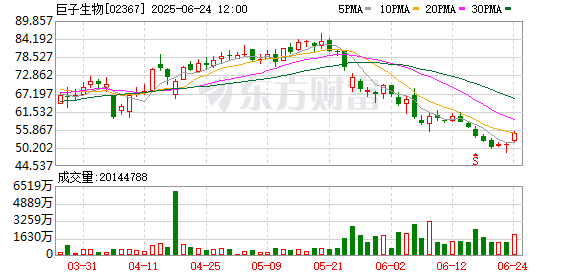
Group 1 - The core issue revolves around the dispute between two major players in the medical beauty industry, Juzi Biotechnology and Huaxi Biotechnology, regarding recombinant collagen products [2] - Juzi Biotechnology acknowledged limitations in its current quality standards, testing methods, and labeling, which are not fully aligned with the industry's evolving high standards and technological advancements [2][7] - Following the announcement, Juzi Biotechnology's stock price surged over 7% on June 24 [3] Group 2 - Juzi Biotechnology outlined three future initiatives: collaborating with research institutions to enhance testing methods for recombinant collagen in cosmetics, gradually disclosing key technical parameters and quality control data, and actively participating in the formulation of national and industry standards for recombinant collagen [7] - Huaxi Biotechnology previously addressed concerns about the lack of relevant testing standards in the recombinant collagen sector, emphasizing the misuse of the term "collagen" and the need for clear scientific conclusions to avoid misleading the market and consumers [10]
深夜回应!两大巨头纷争迎“终章”
中国基金报· 2025-06-24 04:25
Core Viewpoint - The article discusses the ongoing dispute between two major players in the beauty industry, Juzi Biotechnology and Huaxi Biotechnology, focusing on Juzi's acknowledgment of limitations in their collagen product standards and their plans for improvement [2][8]. Group 1: Juzi Biotechnology's Response - Juzi Biotechnology admitted that their current quality standards, testing methods, and labeling have limitations that do not fully meet the high standards and requirements of industry development and technological advancement [2][8]. - The company plans to collaborate with research institutions to accelerate the optimization and validation of qualitative and quantitative testing methods for recombinant collagen in cosmetics [8]. - Juzi will gradually disclose key technical parameters and quality control data for raw materials and finished products to empower industry development and accept public supervision [8]. Group 2: Industry Standards and Developments - The latest industry standard for recombinant collagen dressings, YY/T 1947-2025, is set to be implemented in March 2026, indicating a need for updated compliance among companies [6]. - Juzi Biotechnology emphasized the necessity for continuous optimization and iteration of their quality standards and methods in response to the rapid development of the recombinant collagen industry and increasing consumer quality demands [8]. Group 3: Huaxi Biotechnology's Position - Huaxi Biotechnology previously addressed concerns regarding the lack of relevant testing standards in the recombinant collagen field, highlighting the misuse of the term "collagen" in the market [9]. - They criticized the misleading use of the term "collagen" by some companies, which do not produce the actual collagen sequence and structure, thus lacking physiological functionality [9]. - Huaxi believes that clear and scientifically verifiable conclusions are essential to avoid prolonged disputes and help companies resolve their issues quickly [9].