宇树科技

Search documents
具身智能行业研究:上纬启元Q1正式亮相,宇树腾讯战略合作落地
SINOLINK SECURITIES· 2026-01-11 12:50
Investment Rating - The report indicates a positive investment outlook for the humanoid robotics sector, highlighting 2026 as a pivotal year for the realization of humanoid robots from concept to mass production [3][19]. Core Insights - The robotics industry is experiencing accelerated growth, with significant advancements in humanoid robot designs, including the announcement of Tesla's third-generation robot and the unveiling of the world's first fully controllable small humanoid robot, "Shangwei Q1" [1][24]. - Strategic collaborations are forming, such as the partnership between Tencent's Robotics X Lab and Yushun Technology, aimed at enhancing humanoid robot applications in various sectors [1][21]. - The report emphasizes the importance of technological convergence in the development of humanoid robots, with companies like Xiaopeng leveraging their expertise in smart vehicles to enhance robot capabilities [19]. Summary by Sections 1. Robotics - The robotics sector is witnessing a surge in activity, with a focus on commercial applications and ecosystem development. Companies are making strides in integrating AI services into robotics, enhancing their capabilities [8][9]. - The unveiling of the "Shangwei Q1" humanoid robot marks a significant step towards personal and family-oriented robotics, emphasizing portability and user-friendliness [24][26]. - Major industry players are collaborating to create robust ecosystems, as seen in the partnership between Tencent and Yushun Technology, which aims to deploy humanoid robots in cultural and commercial settings [21][22]. 2. Investment Recommendations - 2026 is projected to be a critical year for humanoid robots, with expectations for mass production and significant market penetration. The report identifies key areas for investment, including supply chain consolidation and technological advancements in electric drive systems and smart hands [3][19]. - The report suggests focusing on leading companies in the supply chain and technology sectors, as well as exploring opportunities in both domestic and international markets [3][19]. 3. Key Components - The report highlights the launch of the "CHOHO Hand" by Zhenghe Industrial, showcasing its capabilities and strategic partnerships aimed at enhancing the robotics ecosystem [2][28]. - The emphasis on core component innovation is critical, with companies like Zhishen Technology achieving significant funding to accelerate product development and market entry [28].




招商证券:A股有望延续上行,1月科技+周期牛的主线不会有变化
Xin Lang Cai Jing· 2026-01-11 11:23
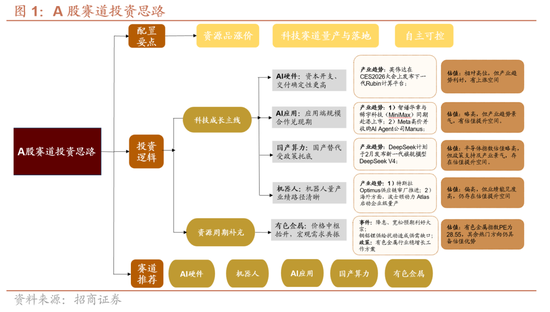
Core Insights - The 2026 industry trend update focuses on AI computing hardware, edge AI, physical AI (autonomous driving, robotics, brain-computer interfaces), AI large models and applications, and commercial aerospace [2][6][8] - The CES 2026 event in Las Vegas highlighted a shift from traditional consumer hardware to AI infrastructure and industrial intelligence, covering various sectors including artificial intelligence, robotics, automotive technology, digital health, and quantum technology [2][7][18] Market Performance - The A-share market has continued its upward trend into 2026, driven by significant net inflows of financing, with a total of 857.8 billion yuan in the first four trading days of January [3][4][8] - The average guarantee ratio of margin trading has increased due to rising stock prices, indicating strong market confidence [3][8] Industry Trends - AI computing hardware advancements include NVIDIA's launch of the next-generation Rubin computing platform, which integrates various components for enhanced performance and cost efficiency [9][21][24] - Edge AI is gaining traction with products like ByteDance's "Doubao" AI glasses entering the market, indicating a shift towards productization in consumer electronics [10][11] - Physical AI developments include NVIDIA's Alpamayo autonomous driving ecosystem, which aims to enhance vehicle decision-making capabilities through multi-step reasoning [12][34][36] Funding and Investment - Significant net inflows in financing have been observed, while ETF redemptions have occurred, indicating a mixed sentiment in the investment landscape [4][8] - Meta's acquisition of AI startup Manus for over $2 billion reflects a strategic move to enhance its AI capabilities and address application gaps [4][14] Valuation Metrics - The overall valuation level of A-shares has increased, with the Wind All A Index PE (TTM) at 18.15, indicating a relatively high valuation compared to historical levels [4][8] Sector Recommendations - The report recommends focusing on cyclical and technology sectors, particularly in the context of the upcoming spring market dynamics and annual report previews [3][8] - Key sectors to watch include power equipment, machinery, non-bank financials, electronics, and basic chemicals, with an emphasis on AI hardware, robotics, and AI applications [8][12]



机器狗表演吸引观众下单
Xin Lang Cai Jing· 2026-01-11 06:51
Core Insights - Yushu Technology has opened its first offline store in Chaoyang District, attracting significant attention from families and children interested in robotics [2] Group 1: Store Opening and Customer Engagement - The store is located in JD Mall (Beijing Shuangjing) and features a popular robot demonstration area where children interact with robotic dogs [2] - The store officially opened at the end of last month, and many parents have found the robots practical, leading to on-site purchases [2] Group 2: Customer Experience - Visitors, including children and parents, are actively engaging with the robots, with children expressing excitement over the robots' ability to respond to commands [2] - The store showcases both bipedal and quadrupedal robots, enhancing the interactive experience for attendees [2]
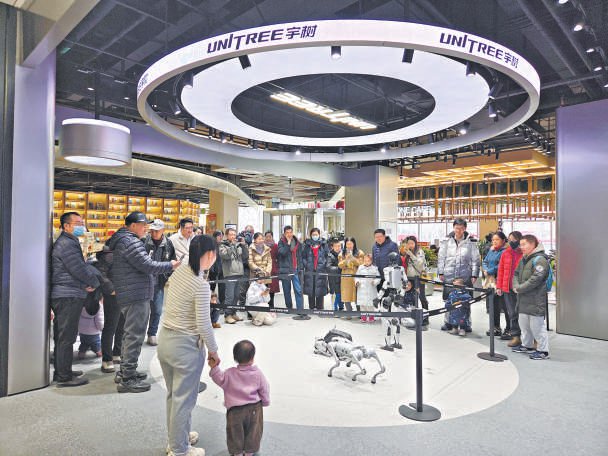
中国手搓党,重塑创业
吴晓波频道· 2026-01-11 03:45
Core Insights - The article discusses the rise of "handmade" or "DIY" culture, particularly in the context of app development and hardware creation, highlighting how low barriers to entry and technological advancements have led to a surge in individual creativity and entrepreneurship [2][51]. Group 1: Rise of DIY Culture - A new app called "Are You Dead?" gained popularity quickly, reaching the top of the paid app charts within 48 hours, showcasing the potential for simple, creative ideas to capture market interest [3][21]. - The term "handmade" has evolved from a gaming slang to represent a culture where individuals use personal creativity and skills to turn imaginative ideas into reality [10][11]. - The popularity of "handmade" has been fueled by the COVID-19 pandemic, leading to a surge in creativity among individuals who began to create projects without relying on existing tools [14][15]. Group 2: Technological and Market Trends - The emergence of generative AI has broadened the definition of "handmade," allowing individuals with no coding experience to create applications through natural language descriptions [19][50]. - The hardware supply chain has become more accessible, enabling creators to source components easily, thus lowering the entry barriers for DIY projects [23][30]. - The "handmade economy" is generating significant revenue, with many creators monetizing their projects through social media or by developing commercially viable products [24][25]. Group 3: Impact on Industry and Investment - Companies like Jialichuang have benefited from the "handmade economy," reporting substantial revenue growth, with projected revenues of nearly 8 billion yuan and a net profit of approximately 1 billion yuan in 2024 [36]. - The trend of "handmade" is not just a hobby but is evolving into a new economic model, with many young entrepreneurs gaining attention from investors due to their innovative ideas and technical skills [31][32]. - The article suggests that the current phase of "handmade" represents a transitional period before industrialization, where individual creativity is being recognized as a valuable asset in the market [51][52].

宇树科技全球首家线下店落地北京
Xin Lang Cai Jing· 2026-01-11 02:47
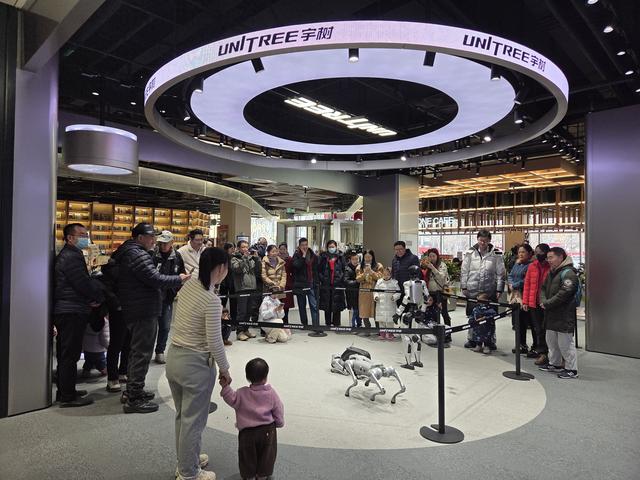
Core Insights - Yushu Technology has opened its first offline store in Beijing, attracting significant attention from families and children interested in interactive robotics [1] Group 1: Store Opening and Customer Engagement - The store is located in JD Mall, Beijing, and features a popular robot demonstration area that draws crowds, particularly children eager to interact with the robots [1] - Customers, including parents and young couples, are showing interest in the robots, with some expressing excitement about the technology's potential [1] Group 2: Product Offerings and Sales - The store showcases bipedal and quadrupedal robots (robot dogs), indicating a focus on diverse robotic applications [1] - Since its opening on December 31, the store has reported satisfactory sales, with a mix of individual and corporate customers purchasing robots for personal use and commercial performances [1]
宇树科技全球首店开业近半个月,现场市民与机器人火热互动
Xin Lang Cai Jing· 2026-01-11 01:43
Group 1 - The first offline store of Yushu Technology has opened in Beijing Chaoyang, attracting significant attention with its robot demonstration area, particularly from children [2][4] - The store features both bipedal and quadrupedal robots (robot dogs), and has seen a decent sales performance since its opening on December 31 of the previous year, with customers including both individual users and businesses [4] - Visitors express excitement about the robots' capabilities, with one parent noting the importance of experiencing cutting-edge technology and hoping for more practical applications and affordable prices in the future [4] Group 2 - The robot demonstration area has become a popular attraction, with children and parents engaging in interactive experiences, showcasing the appeal of robotics in entertainment and education [2][6] - The store's location within the JD Mall in Beijing provides a strategic advantage, allowing for high foot traffic and visibility to potential customers [2] - The positive reception of the robots indicates a growing interest in robotics as a significant trend for future development [4]

CES 2026观察:“物理AI时刻”要靠中国制造落地
Jing Ji Guan Cha Wang· 2026-01-10 11:01
Group 1: Physical AI and Computing Power - The core theme of CES 2026 is the emergence of "Physical AI," where AI technology is transitioning from generating text or video to interacting with physical hardware [4][10] - AMD's chairwoman, Lisa Su, highlighted the increasing demand for computing power, predicting a 100-fold increase in global computing capacity over the next five years [3][4] - The presence of over 200 Chinese companies at CES indicates a strong support for the "Physical AI moment," showcasing various AI applications in physical products [4][23] Group 2: Robotics Innovations - The robotics sector at CES has shifted focus from mere physical movement to specific job functions and operational scenarios, with Chinese companies leading this evolution [5][9] - Companies like Pasoni and Fourier Intelligence showcased advanced robots capable of performing intricate tasks, such as ice cream making and automotive part sorting, demonstrating significant advancements in robotic dexterity [5][6] - The global sales of robots are projected to reach approximately $45 billion by 2026, with expectations to exceed $60 billion by 2030, driven by rising labor costs and efficiency in Chinese manufacturing [8][9] Group 3: Smart Glasses and AR Technology - Chinese companies are aggressively entering the AR/AI glasses market, aiming to redefine the concept of a "second screen" beyond smartphones [11][12] - Innovations include the launch of the world's first dual-lens AR glasses with eSIM functionality by Thunderbird Innovation, allowing users to make calls and connect to the internet without a smartphone [12][13] - The global market for smart glasses is expected to see significant growth, with sales projected to reach around $10.7 billion by 2026, reflecting an over 80% year-on-year increase [18][23] Group 4: Display and Chip Technology - Companies like Tianma Microelectronics and TCL Huaxing are pushing the boundaries of display technology, with innovations such as large-scale OLED screens and advanced automotive displays [19][20] - Lenovo and NVIDIA announced a partnership to enhance AI infrastructure, aiming to quadruple their business collaboration over the next few years [22] - The trend in AI chip development is moving towards high computing power, low energy consumption, and integration, with significant growth expected in AI terminal sales by 2028 [22][23]




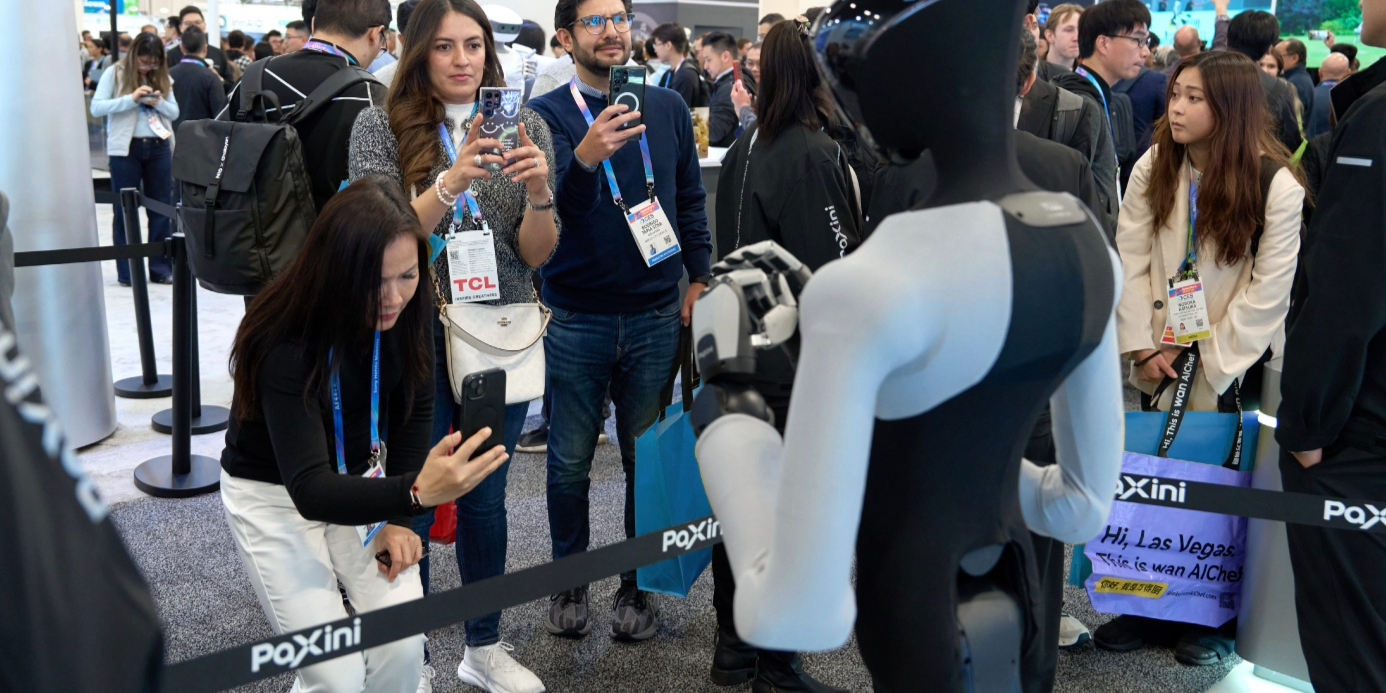
CES 2026:智元机器人、星动纪元、宇树科技、云深处、傅利叶、北京人形、魔法原子、加速进化、众擎机器人、银河通用都有哪些亮点产品?
机器人大讲堂· 2026-01-10 09:05
Core Insights - The article highlights the dominance of Chinese humanoid robot companies at CES 2026, with 20 companies participating, accounting for 58.8% of the total exhibitors, significantly outpacing the 5 companies from the US and South Korea, each representing 14.7% [2][3]. Group 1: Chinese Humanoid Robot Companies - Chinese humanoid robot companies showcased a wide range of products, including those from YuTree Technology, ZhiYuan Robotics, and others, demonstrating a collective strength in the industry [3]. - ZhiYuan Robotics presented its full series of humanoid robots, including the Expedition A2, which features multilingual interaction capabilities [4]. - The Lingxi X2 robot received positive feedback for its cultural integration through dance and Tai Chi demonstrations [6]. - The G2 robot showcased its adaptability in service scenarios by simulating a hotel waiter [7]. - ZhiYuan also launched the Genie Sim 3.0, an open-source simulation platform aimed at supporting industry technology development [9]. Group 2: Notable Exhibitors and Innovations - Xingdong Era displayed its core products, including the Xingdong L7 and Q5 humanoid robots, which have been implemented in logistics and manufacturing [10]. - The company reported collaborations with 9 of the top 10 global tech firms and secured a significant order worth nearly 50 million yuan in the logistics sector [12]. - Fourier's GR-3 humanoid robot attracted attention for its friendly design and multi-modal interaction system [13]. - YuTree Technology highlighted its humanoid robots H2, R1, and G1, along with quadruped robots, showcasing technological breakthroughs [17]. - The A2 quadruped robot is designed for industrial applications, capable of carrying a load of 25 kg [19]. Group 3: International Competitors - Boston Dynamics announced the mass production of its Atlas humanoid robot, which features advanced capabilities and has secured initial orders from major stakeholders [76][78]. - NEURA Robotics introduced its third-generation humanoid robot, designed in collaboration with Porsche, combining industrial performance with consumer-friendly aesthetics [79][82]. Group 4: Industry Trends and Future Outlook - The CES 2026 event signals a critical period for the commercialization of humanoid robots, with a shift in focus from concept demonstrations to order fulfillment and practical applications [83]. - Key areas of competition will include product reliability, scene adaptability, and scalable profitability, with industrial manufacturing, logistics, and companion services emerging as significant market segments [83].
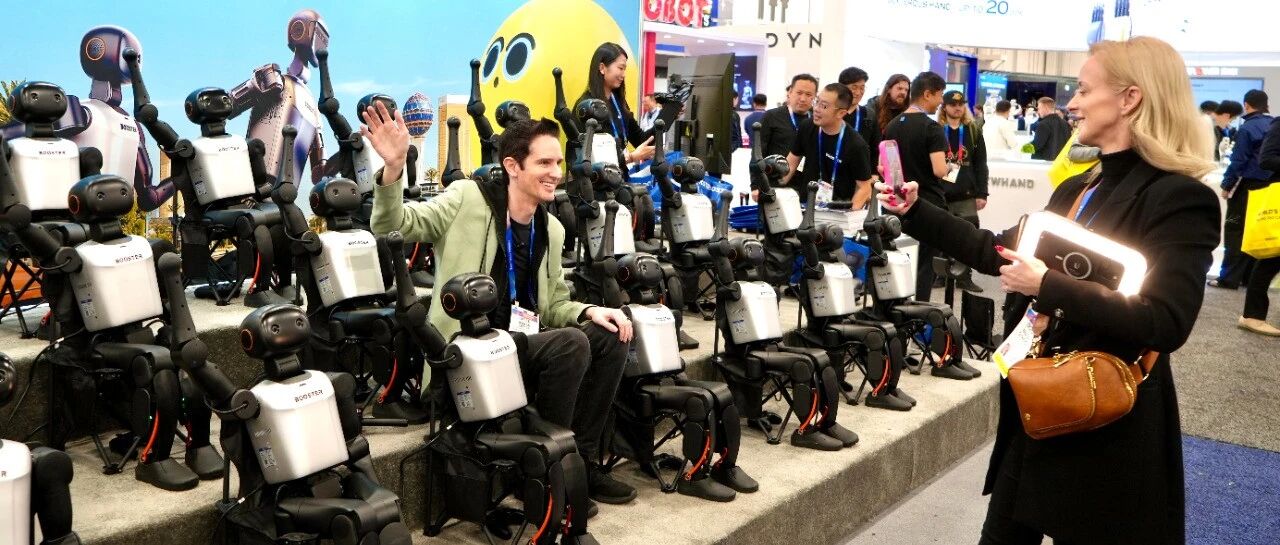
给具身机器人上保险
经济观察报· 2026-01-10 08:22
Core Viewpoint - The demand for insurance has become a prerequisite for the mass sales of embodied robots, which is a significant shift in the industry [5][10]. Group 1: Market Development - The founder of an embodied robot company, Hu Lei, is optimistic about producing over 200 robots for commercial performances this year, which is more than five times the output expected in 2025 [2]. - The "Ecological Report on Humanoid Robots 2025" indicates that the industry is entering a phase of large-scale production, with leading companies expected to deliver thousands of units [3]. - The spending on embodied intelligent robots in China is projected to exceed $1.4 billion in 2025 and soar to $77 billion by 2030, with a compound annual growth rate (CAGR) of 94% [9]. Group 2: Insurance Demand - As the number of robots purchased increases, downstream companies are increasingly aware of the risks and are requesting insurance to cover potential damages and liabilities [4][10]. - Major insurance companies have begun to offer specialized insurance products for embodied robots, but they face challenges in risk assessment due to a lack of operational data from manufacturers [5][15]. - The relationship between embodied robots and insurance is likened to the necessity of car insurance for vehicles, highlighting the growing need for insurance as robots are used in various applications [12]. Group 3: Challenges in Insurance - Insurance companies are hesitant to offer mass coverage due to the absence of critical operational data, which is often withheld by manufacturers citing confidentiality [15][16]. - The uniform appearance of robots poses a risk of fraud in claims, leading insurers to limit the number of robots they cover [16]. - The rapid technological advancements in embodied robots outpace the development of insurance risk models, complicating the underwriting process [21][22]. Group 4: Solutions and Innovations - Insurance companies are exploring partnerships with robot leasing platforms to obtain necessary data while managing risks through innovative models like "insurance + leasing" [19][20]. - There is a push for dynamic risk assessment models that can adapt to the fast-paced changes in robot technology and application scenarios [22]. - Collaborative efforts between insurance companies, research institutions, and manufacturers are essential for developing a comprehensive risk database for accurate pricing and risk management [22].


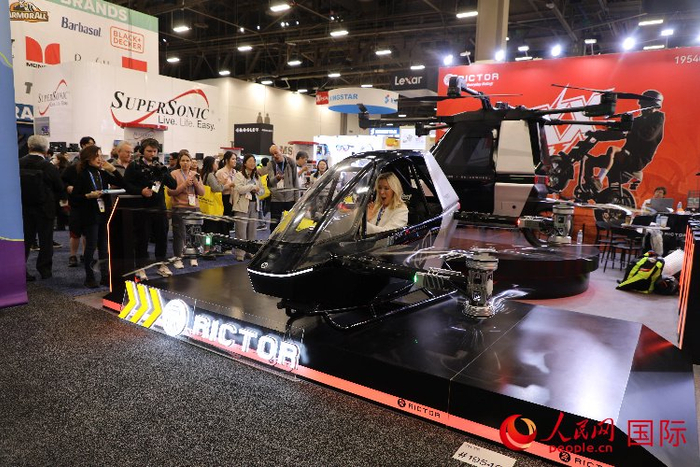
中国企业创新实力闪耀美国消费电子展
Ren Min Wang· 2026-01-10 06:56
Group 1: Event Overview - The 2026 Consumer Electronics Show (CES) took place in Las Vegas from January 6 to January 9, attracting over 4,100 exhibitors showcasing innovations in artificial intelligence, digital health, mobility, and robotics [1] - Over 1,000 Chinese companies participated, highlighting their strong innovation capabilities and industrial upgrade momentum [2][4] Group 2: Company Highlights - Leading Chinese companies such as Lenovo, TCL, Hisense, Geely, and BOE showcased their latest products and technologies, receiving significant attention [2] - Hisense's Vice President emphasized the company's transition from "Made in China" to "Created in China," showcasing their global presence with 30 R&D centers and 37 industrial parks [5] - TCL occupied the largest booth at CES, focusing on technological innovations across various products, indicating a shift from low-cost branding to capturing the mid-to-high-end global market [6] Group 3: Innovation and Technology - Lenovo held a technology innovation conference at CES, presenting a series of products centered around mixed artificial intelligence, demonstrating clear innovation direction and successful product implementation [8] - The event showcased advancements in smart devices, including TCL's latest display technologies and Hisense's interactive robots, reflecting the growing capabilities of Chinese manufacturers in the global market [6][9]