
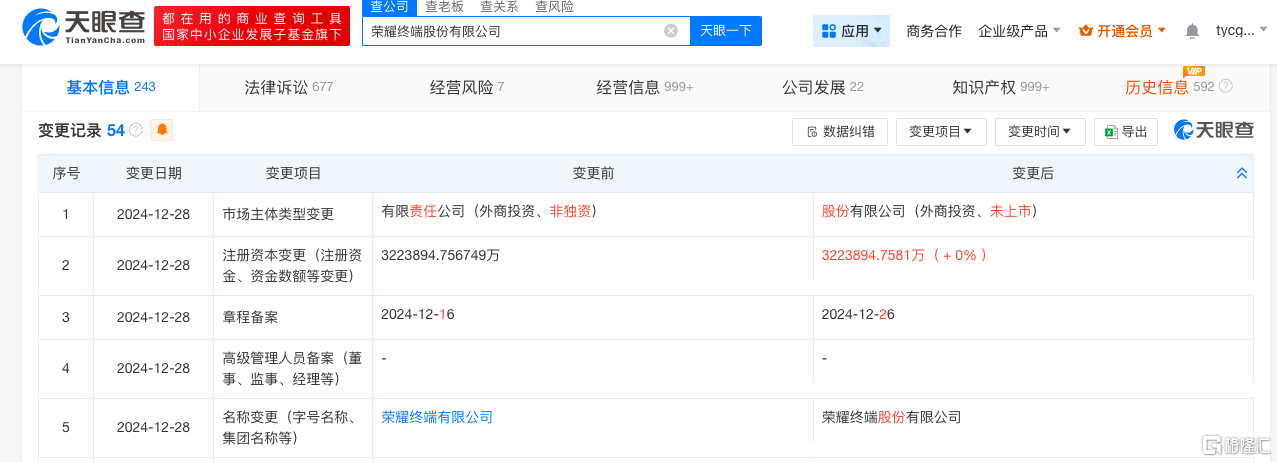
荣耀终端股份有限公司

Search documents
AI赋能消费电子,南山区政企协作“链”通共赢新局
Sou Hu Cai Jing· 2025-07-24 17:50
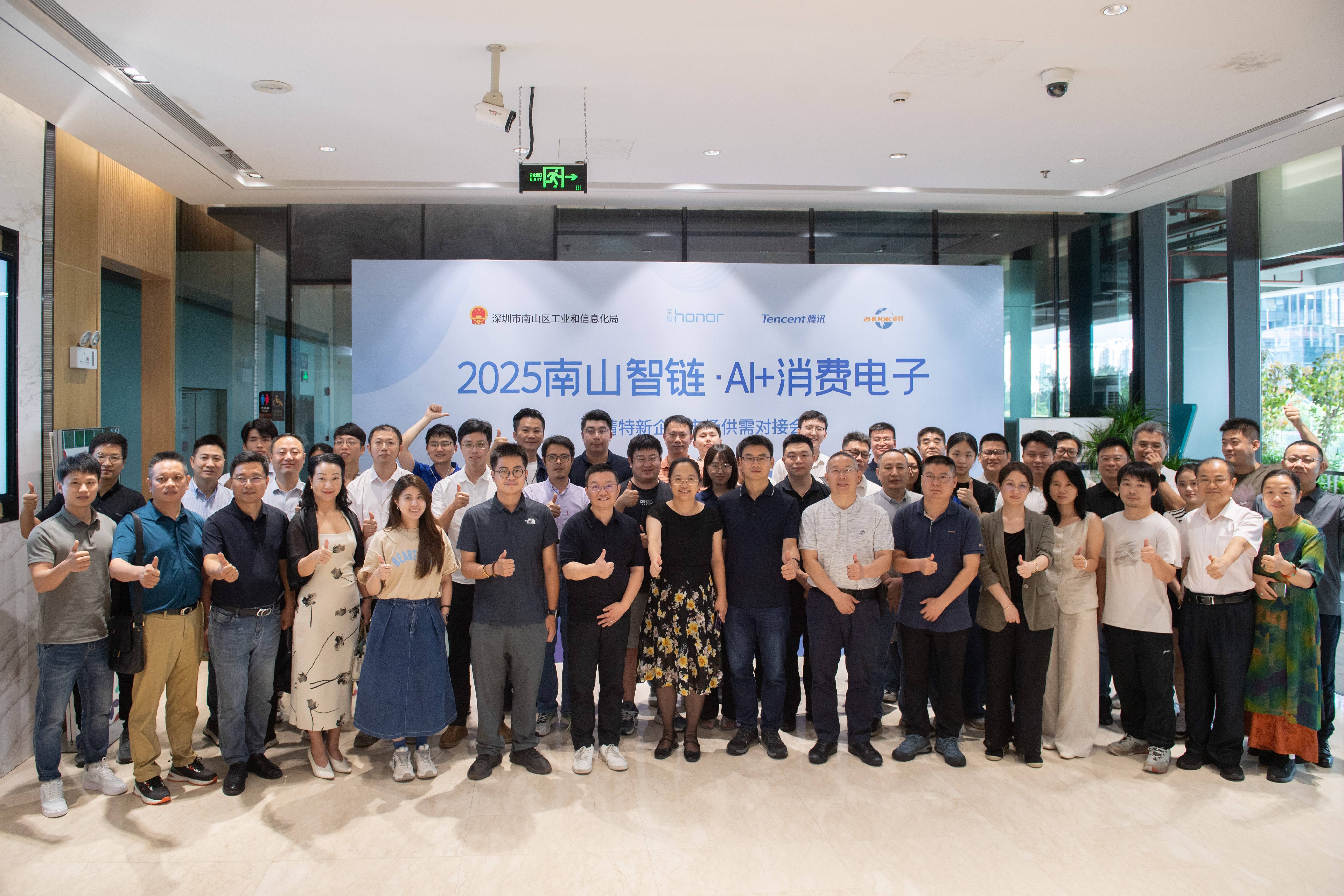
Core Viewpoint - The event held on July 23 focused on the integration of AI and consumer electronics, aiming to enhance market collaboration and innovation among specialized and innovative enterprises in Nanshan District [1][5][14] Group 1: Event Overview - The 2025 Nanshan Intelligent Chain AI + Consumer Electronics "Specialized and Innovative" Enterprise Market Supply and Demand Matching Conference was organized to explore AI hardware supply and demand, vertical application scenarios, and market space [1] - The event was hosted by the Nanshan District Industrial and Information Technology Bureau and supported by major companies like Honor and Tencent Cloud [1][5] Group 2: Government Initiatives - The Shenzhen Municipal Bureau of Industry and Information Technology issued a plan to support enterprises in expanding domestic markets through various initiatives, including industry matchmaking events and AI empowerment [5] - The conference is part of a broader strategy to facilitate the integration of AI and consumer electronics, which is expected to drive economic growth and innovation [5][14] Group 3: Industry Collaboration - The event showcased the collaboration between government, leading enterprises, and specialized innovative companies to break down supply-demand barriers and foster market opportunities [9] - Honor, a leader in smart terminals, announced plans to invest over $10 billion in the next five years to build an open AI terminal ecosystem with global partners [9][10] Group 4: Market Potential - The deep integration of AI and consumer electronics is seen as a catalyst for new market opportunities, including smart wearables and smart home technologies [14] - Nanshan District is recognized for its high innovation density and comprehensive industry chain advantages in the AI + consumer electronics sector [14]


荣耀CEO李健,闯关IPO 180天
和讯· 2025-07-18 09:47
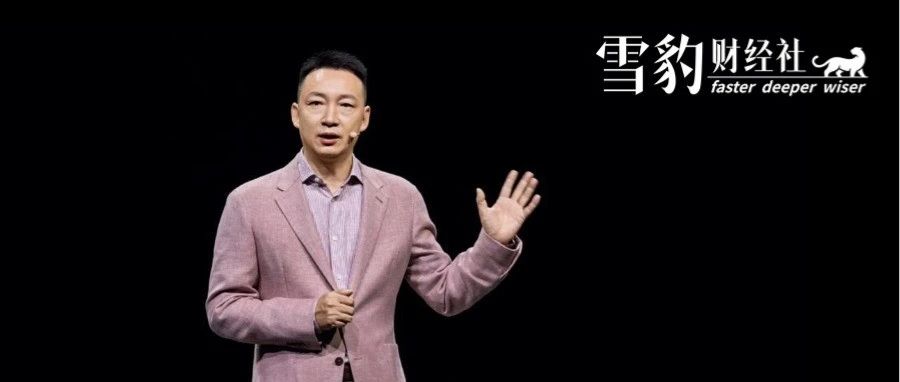
Core Viewpoint - The article discusses the challenges and strategic changes faced by Honor under the leadership of CEO Li Jian, highlighting the company's efforts to regain market share and prepare for its upcoming IPO amidst a competitive smartphone landscape [3][4][15]. Group 1: Leadership Changes and Market Challenges - Li Jian took over as CEO of Honor after the departure of Zhao Ming, leading to significant internal restructuring and the reassignment of over 30 key positions in the China region [3][12]. - Honor's market share has declined, with IDC reporting a drop to 13.7% in Q1 2025, down from 17.1% a year prior, resulting in a sixth-place ranking in the Chinese market [6][16]. - The company faced a challenging start in 2025, with key executives leaving and a lack of new product launches compared to competitors [6][11]. Group 2: Product Launches and Sales Performance - The launch of the Honor 400 series marked a critical moment for the company, achieving over 1 million activations and becoming the best-selling new product during the 618 shopping festival [12][14]. - The Honor 400 series features competitive specifications, including a Snapdragon 7 flagship platform and a 200-megapixel camera, with a starting price of 2499 yuan [12][13]. - Following the success of the 400 series, Honor plans to focus on the foldable phone market with the release of the Magic V5, which emphasizes lightweight design [13][14]. Group 3: IPO Preparation and Valuation Concerns - Honor is preparing for its IPO, having received guidance approval from the China Securities Regulatory Commission, with a target to complete the process by early next year [4][15]. - The company's valuation has reportedly decreased by 23% since its separation from Huawei, with a pre-IPO valuation of 200 billion yuan compared to 260 billion yuan in 2020 [16][18]. - To enhance its market appeal, Honor is diversifying into AI and robotics, announcing a $10 billion investment over five years to build an AI ecosystem [15][17].
2025年第27周:数码家电行业周度市场观察
艾瑞咨询· 2025-07-18 02:54
Group 1: AI Applications and Market Trends - In 2024, global AI app in-app purchase revenue reached $1.2 billion, a year-on-year increase of 179%, with ChatBot and Art Generator as mainstream products [2] - The productivity tools enhanced by AI grew by 34.9%, reaching $14.3 billion, indicating a trend towards maturity in AI products with clear user profiles [2] - The AI companion products primarily attract young female users, but their profitability remains limited [2] Group 2: Humanoid Robots and Market Dynamics - The humanoid robot industry is expected to experience explosive growth in 2025, with sales and investment significantly increasing [3] - Current humanoid robots face practical challenges, relying on preset programs and lacking true intelligent decision-making capabilities [3] - The market demand is driven by price reductions and improved scenario adaptability, but achieving practical applications may take 5 to 10 years [3] Group 3: Middle East as an AI Hub - The Middle East is emerging as a new global AI development hub due to low energy costs, supportive policies, and its strategic position amid US-China tech competition [4] - Cities like Dubai and Abu Dhabi are attracting numerous AI startups and capital, facilitating economic transformation away from oil dependency [4] Group 4: AI Startups and IPO Trends - Chinese AI startups are initiating a wave of IPOs, with the "AI Six Dragons" starting their public offerings amid a cooling market [5] - Despite significant funding in 2023, the market is becoming more rational, focusing on commercialization challenges [5] - The competition is intensifying with the entry of large companies and the rise of open-source models, making sustainable profitability crucial [5] Group 5: Large Model Competition - US and Chinese AI companies are adopting different strategies in the large model competition, with US firms aggressively hiring talent while Chinese firms are downsizing [6] - Major companies are investing heavily in talent acquisition, while startups are focusing on survival and technological breakthroughs [6] Group 6: Smart Home Appliances and Consumer Trends - The 618 shopping festival, combined with government subsidies, significantly boosted the sales of small smart home appliances, particularly among young consumers [7] - The market is shifting towards smart and health-oriented products, with sales of certain smart appliances increasing by 69% [7] - The small appliance market is expected to enter a high-quality development phase by 2025, with brands focusing on technological innovation [7] Group 7: AI Glasses Market - The AI glasses market is anticipated to see explosive growth in 2025, with major companies launching new products and the supply chain maturing [12] - Key advancements in hardware and software are enhancing performance and user experience, although the market is still in its early stages [12] - Competition is shifting from concept to comprehensive strength, with established brands leveraging cost control and ecosystem integration [12] Group 8: Robotics and AI Integration - The humanoid robot brand CASBOT has secured nearly $15 million in funding to enhance product development and market expansion [13] - The company aims to deliver over 300 units within the year, focusing on industrial applications while planning to expand into household scenarios in the future [13] Group 9: Xiaomi's AI Ambitions - Xiaomi has launched its first AI smart glasses, marking a significant step in its AI terminal strategy, with a focus on integrating various smart devices [14][15] - Despite the optimistic market outlook, challenges such as short battery life and immature technology remain [15] Group 10: New Ventures in Home Appliances - Pop Mart is reportedly preparing to enter the small home appliance market, indicating a potential new growth avenue by combining its IP design with appliance development [24] - The company is actively recruiting talent for this initiative, suggesting a strategic shift towards diversifying its product offerings [24] Group 11: Honor's IPO Progress - Honor Technology has completed its IPO counseling registration, potentially becoming the first company in the AI terminal ecosystem to go public in A-shares [25] - This move could reshape the valuation system in the AI sector and significantly impact the market landscape [25] Group 12: DJI and Honor's Robotics Strategies - DJI is leveraging its drone technology to enter the robotic vacuum market, while Honor is adopting a market-driven approach to expand into educational and companion robots [27][28] - The differing strategies highlight the importance of aligning technology with market needs for success in the robotics sector [28]

“悍将”李健换血荣耀,闯关2000亿
Xin Lang Cai Jing· 2025-07-14 07:19
Core Viewpoint - The article discusses the leadership changes at Honor and the company's strategic efforts to revitalize its market position and prepare for an IPO by 2026, emphasizing the need for product innovation and sales recovery amid a challenging competitive landscape [2][9]. Group 1: Leadership Changes - Li Jian took over as CEO from Zhao Ming and has implemented significant personnel changes, including a major restructuring of the sales and marketing teams [4][8]. - Under Li Jian's leadership, Honor has seen a high turnover rate, with 45% of key positions being replaced, and a notable increase in younger employees [6][7]. - Li Jian's management style is described as strong and decisive, contrasting with his predecessor's more lenient approach [2][4]. Group 2: Market Performance - Honor's market share has declined significantly, dropping to 13.7% in Q1 2025, marking its lowest position in two years [4][9]. - The company has faced intense competition from Huawei and Xiaomi, particularly in the high-end smartphone market, where its market share for models priced over $600 fell by 34% [9][10]. - Despite these challenges, the launch of the Honor 400 series has shown promising sales, with over one million units activated within a month, representing a 195% increase compared to previous series [11][12]. Group 3: Product Strategy - The Honor 400 series features competitive specifications, including a Snapdragon 7 Gen4 processor and a starting price of 2499 yuan, positioning it as a value-for-money option in the mid-range market [11][12]. - The recent launch of the Magic V5 foldable phone aims to capitalize on Honor's strengths in this segment, with a focus on lightweight design and advanced technology [12][13]. - Honor's strategy includes a shift towards AI and smart devices, with plans to invest $10 billion over five years to build an AI ecosystem [16][17]. Group 4: Financial Outlook - Honor's valuation is projected at 200 billion yuan ahead of its IPO, necessitating a strong performance in sales and profitability to attract investor interest [2][16]. - The company is focusing on maintaining core profits from its digital and mid-range products while cautiously managing R&D investments [18][19]. - Employee sentiment regarding stock options and internal morale appears to be mixed, with some expressing skepticism about the company's future valuation [19][20].
荣耀:一束潜能之光与一个时代意象
雪豹财经社· 2025-07-13 14:24
Core Viewpoint - Honor has successfully transitioned from a struggling company to one of the top three smartphone manufacturers in China, initiating a significant AI transformation and preparing for an IPO, marking a pivotal moment in its strategic evolution [3][5][30]. Group 1: Company Evolution - Honor began its independent journey in late 2020, requiring a complete rebuild of its technology, brand, and market capabilities [2]. - Despite initial skepticism from the market, Honor has not only survived but thrived, establishing itself among the leading smartphone brands in China [3][30]. - The company is now positioned to become the first "AI terminal ecosystem" company listed on the A-share market, indicating a shift from traditional hardware manufacturing to a focus on AI-driven ecosystems [5][6]. Group 2: Strategic Transformation - Honor's strategic shift reflects a deep understanding of the evolving consumer electronics landscape, moving from hardware-centric models to creating a comprehensive AI terminal ecosystem [6][7]. - The launch of the IPO process is seen as a critical step in accelerating the development of this AI ecosystem, providing necessary capital support [5][6]. - The company's approach emphasizes the integration of AI into user experiences, moving beyond mere hardware performance to delivering seamless, intelligent interactions [7][8]. Group 3: Product Innovation - The release of the Honor Magic V5 marks the first flagship product following the company's transition to an AI terminal ecosystem, showcasing advanced features and capabilities [10][24]. - Honor positions the Magic V5 as a leading AI smartphone, integrating cutting-edge technology and design to enhance user productivity and experience [10][15]. - The device aims to address contemporary challenges faced by users, such as time management and efficiency, through innovative AI functionalities [17][24]. Group 4: AI Strategy - Honor's "Alpha Strategy" outlines a three-phase approach to AI integration, focusing on developing smart devices, building an AI ecosystem, and exploring human-machine collaboration [21][24]. - The company plans to invest over $10 billion in the next five years to establish a comprehensive AI ecosystem, indicating a long-term commitment to this strategic direction [24][29]. - Honor's AI strategy emphasizes collaboration with various stakeholders to create a robust ecosystem, moving away from traditional hardware competition towards a more integrated AI-driven approach [29][30].
便利通关助“深圳智造”拓市场
Jing Ji Ri Bao· 2025-07-12 22:23
Core Insights - The Belt and Road Initiative has significantly enhanced economic and trade cooperation between Shenzhen and Central Asia, with Shenzhen's exports to the five Central Asian countries reaching 6.64 billion yuan in the first five months of this year, a year-on-year increase of 21% [1] - Exports of smartphones and computers have seen remarkable growth, with smartphone exports amounting to 570 million yuan (up 59.5%) and computer exports reaching 420 million yuan (up 103.6%) [1] Group 1 - Shenzhen Customs has improved regulatory efficiency and optimized customs services, facilitating faster and more stable international expansion for enterprises [1] - Lenovo's automated systems are now efficiently transporting computers to Central Asian countries, although challenges remain with mandatory inspections of imported key components [1] - Shenzhen Customs has implemented a "no overnight" inspection directive, allowing for rapid clearance of key components, significantly enhancing production efficiency [2] Group 2 - The "zero delay" customs clearance service tailored for domestic smartphones has been praised by companies, with pre-arrival document reviews ensuring immediate inspections upon arrival [2] - Shenzhen Customs is actively cultivating Authorized Economic Operator (AEO) enterprises to facilitate smoother trade with Central Asian countries, enhancing customs convenience [3] - The customs authority has streamlined the declaration process and employed measures like advance document review and categorized inspections to reduce operational time [3]
李健要找到自己的「荣耀」
Ge Long Hui· 2025-07-11 02:44
Core Viewpoint - Honor is set to launch a series of new products in the second half of the year, aiming to stabilize internal operations and prepare for an upcoming IPO, under the leadership of new CEO Li Jian [1][7][18]. Group 1: Internal Stability - The internal environment at Honor has been relatively unstable due to leadership changes, with six out of eight regional heads being adjusted since the resignation of former CEO Zhao Ming [4][5]. - Li Jian has initiated the "Eagle Plan" to reform the management structure, opening 38 key positions for public competition, resulting in a 45% adjustment in leadership roles [5][6]. - The launch of numerous new products is seen as a way to demonstrate internal stability and boost employee morale [6][18]. Group 2: Shareholder Expectations - Honor's immediate priority is its IPO, with recent steps taken to prepare for this, including completing a share reform and filing for guidance with the Shenzhen Securities Regulatory Bureau [8][10]. - Recent sales data indicates a decline in market share, with a 12.8% year-on-year drop in smartphone shipments, which raises concerns among shareholders about maintaining a favorable valuation [10][11]. Group 3: Li Jian's Leadership Challenges - Li Jian faces significant pressure to ensure that the company's operations and leadership remain stable, especially in light of the IPO requirements that stipulate no major changes in business or management within three years [11][12]. - The "Alpha Strategy" announced by Li Jian focuses on developing AI smart terminals and ecosystems, which aligns with current market trends [13][15]. - There is a need for tangible product innovations to support the strategic narrative, as previous efforts may not be sufficient to meet market expectations [17][18]. Group 4: Product Development and Market Position - The recent launch of the Honor Magic V5 showcases advancements in product design, particularly in achieving thinner foldable screens, but the innovations are not deemed groundbreaking [20][22]. - Li Jian is tasked with finding a unique identity for Honor that distinguishes it from competitors, especially as the company faces pressure from Huawei's return to the market [36][37]. - The success of the Magic V5 is seen as a positive start, but sustaining the company's valuation and supporting significant investments in AI will require new revenue streams [38][39].
华为回归,荣耀溃败
Xin Lang Cai Jing· 2025-07-11 00:24
Core Viewpoint - Honor has officially initiated its IPO process, marking a significant step towards entering the A-share market, despite facing challenges in market share and leadership stability [1][3]. Group 1: IPO Progress - Honor submitted its IPO counseling record on June 26, with CITIC Securities as the counseling institution, indicating a critical step towards its A-share IPO [1]. - The CFO revealed that the IPO process consists of six stages, with the first stage completed and the second stage underway, expected to take at least three months [3]. Group 2: Market Position and Challenges - Honor held a 17.1% market share in Q1 2024, ranking first in the domestic market, but fell out of the top five by Q1 2025 [3][9]. - The return of Huawei to the market with new products has significantly impacted Honor's market position, leading to a decline in its competitive edge [5][6]. - Honor's new CEO has shifted focus to mid-range products, launching several new models that achieved record sales, but this strategy poses risks due to lower profit margins and intense competition [7]. Group 3: Leadership Changes - The sudden resignation of CEO Zhao Ming, a key figure in Honor's revival, has led to significant internal turmoil and a wave of executive departures [8][11]. - The new CEO initiated a major restructuring, resulting in a high turnover of management positions, which has created organizational instability [11]. Group 4: Strategic Vision - Honor aims to transform from a smartphone manufacturer to a leading AI terminal ecosystem company, with a five-year investment plan of $10 billion [12][14]. - The company has launched new products and formed partnerships to build an AI service ecosystem, but faces skepticism from the market regarding its ability to compete with established players [14][15]. Group 5: Future Outlook - Honor's goal for 2025 is to return to the top three in market share, but this ambition is challenged by Huawei's resurgence and the competitive landscape of the smartphone market [15].
首届“荣耀阿尔法艺术与科技之旅”在京收官
Ren Min Wang· 2025-07-10 02:49
Core Insights - The first "Honor Alpha Art and Technology Journey" concluded in Beijing, focusing on the theme "AI-driven symbiosis of technology and humanities, unleashing youth creativity" [1] - The event gathered 12 young representatives from various countries to explore the charm of Chinese technology and art culture over a 10-day period [1] - The initiative aligns with Honor's AI terminal ecosystem, creating an integrated innovation system involving academia, research, and application [1] Group 1 - The journey started in Shenzhen, where participants visited Honor's headquarters and engaged in workshops on industrial design and user experience [2] - In Guangzhou, the focus was on the dialogue between Lingnan culture and modern design, with activities including visits to cultural landmarks [2] - The closing ceremony featured discussions among international representatives, academic leaders, and industry figures on the role of youth in driving innovation through the integration of technology and humanities [2] Group 2 - Honor's Senior Vice President Xu Zhiyu highlighted that over the past four years, the company has collaborated on more than 100 strategic projects across various fields [2] - In the last five years, Honor has engaged over 34,000 young talents, indicating a strong commitment to fostering connections with educational institutions and youth [2] - The company plans to continue these efforts in the coming years, aiming to establish relationships with more universities and young talents [2]
爱施德(002416) - 2025年7月7日-9日 投资者关系活动记录表
2025-07-09 10:14
Group 1: Company Overview - Aishide Co., Ltd. was established in June 1998 and listed on the Shenzhen Stock Exchange in May 2010 [2] - The company is a leading provider of digital smart distribution and retail services, focusing on mobile smart terminals, 3C digital products, communication and value-added services, and fast-moving consumer goods [2] - Aishide has established long-term strategic partnerships with numerous top brands and has developed its own brands in the 3C digital and fast-moving consumer goods sectors [2] Group 2: Investment Activities - Aishide's investment fund, Aishide Smart City Fund, has a scale of RMB 500 million, focusing on smart terminals, artificial intelligence, and low-altitude economy [3] - The fund's first investment project is in Hangzhou Yundong Technology Co., Ltd., which recently completed a financing round of nearly RMB 500 million [3] Group 3: Strategic Partnerships - Aishide serves as the online and offline retail service provider for the Honor brand and is an authorized service provider in multiple countries including Hong Kong, Thailand, and Vietnam [3] - The company invested RMB 660 million in a joint acquisition of Honor in 2020, with further details available in previous announcements [3] Group 4: AI and Digital Transformation - Aishide has established Shenzhen Aishide Smart Computing Technology Co., Ltd. in collaboration with Shanghai Xiaoyi Technology Co., Ltd. to advance its AI computing strategy [4] - The company has signed its first computing power project, marking a transition from planning to practice in its computing strategy [4] Group 5: Shareholder Returns - Since its listing, Aishide has distributed over RMB 1 billion in cash dividends, with more than RMB 600 million in dividends planned for the 2024 fiscal year [5] - The company has a shareholder return plan for the next three years (2023-2025) aimed at providing stable returns while ensuring sustainable operations [5]
