
领益智造

Search documents
通信对话电子-哪些消费电子公司布局商业航天-电池砷化镓外延企业
2026-01-16 02:53
Summary of Conference Call on Commercial Aerospace and GaAs Battery Industry Industry Overview - The conference call discusses the commercial aerospace sector and the GaAs (Gallium Arsenide) battery industry, highlighting the involvement of various consumer electronics companies in these fields [1][2]. Key Companies and Their Contributions - **信维通信 (Swincom)**: Holds a unique position in the connector business for commercial aerospace, with plans to expand into antenna components. The company is currently the sole supplier in the connector sector [2]. - **领益智造 (Lingyi iTech)**: Provides structural components and related products, generating approximately 200 million RMB in revenue last year [1][2]. - **蓝思科技 (Lens Technology)**: Engaged in the production of ground receiving end glass and UTG products, with plans to expand into solar wing boards and coating-related businesses [2]. - **大族激光 (Han's Laser)**: Supplies laser welding machines and robots for the commercial aerospace industry, achieving revenue in the millions [2]. - **3D Printing Companies**: Companies like Platinum, Huashu, Huichuangda, and Jinyang are applying 3D printing technology to aerospace components to meet cost reduction and efficiency demands [2]. Market Dynamics and Growth Potential - The market for micro solar GaAs battery cells is expected to grow significantly due to the surge in satellite launches, increased power requirements per satellite, and emerging applications in space computing [5][6]. - The global low Earth orbit satellite network competition is projected to expand the market size from billions to potentially hundreds of billions or even trillions of RMB [5][6]. - Each launch of 1,000 satellites could correspond to a market size of approximately 2 billion RMB, with annual launches exceeding 5,000 satellites potentially exceeding 10 billion RMB [5][6]. Advantages of GaAs Batteries - GaAs batteries exhibit high energy conversion efficiency (over 30%), strong radiation resistance (90% efficiency retention), long lifespan (15-20 years), and high power-to-weight ratio (over 0.35 W/g) [7][9]. - Despite their advantages, the high cost (60-70 USD per watt) limits their widespread adoption in low-cost satellite constellations [7][9]. Competitive Advantages of Consumer Electronics Companies - Consumer electronics companies possess advantages in production capacity, material reuse, and technological synergies, enabling them to meet the demands of large-scale satellite component production [4]. - Their experience in miniaturization and integration can be effectively applied to the lightweight and cost-control needs of low Earth orbit satellites [4]. Future Outlook for GaAs Technology - The future growth of GaAs batteries is driven by the increasing number of satellites, expanded power requirements, and new space applications [5][6]. - Domestic companies like 干照光电 (Guan Zhao Optoelectronics) and 三安光电 (San'an Optoelectronics) are already producing GaAs products for commercial aerospace, contributing to a stable supply chain [10][11]. Conclusion - The commercial aerospace and GaAs battery sectors are poised for significant growth, driven by technological advancements and increasing demand for satellite capabilities. Consumer electronics companies are well-positioned to capitalize on these opportunities through their existing capabilities and innovations in production and materials.
电子行业今日涨1.67%,主力资金净流入120.83亿元
Zheng Quan Shi Bao Wang· 2026-01-15 09:55
Market Overview - The Shanghai Composite Index fell by 0.33% on January 15, with 11 sectors experiencing gains, led by the electronics and basic chemicals sectors, which rose by 1.67% and 1.40% respectively [1] - The sectors with the largest declines were comprehensive and defense industries, which fell by 3.35% and 2.80% respectively [1] Capital Flow Analysis - The net outflow of capital from the two markets was 62.864 billion yuan, with six sectors seeing net inflows [1] - The electronics sector had the highest net inflow of capital, amounting to 12.083 billion yuan, while the non-ferrous metals sector followed with a net inflow of 1.936 billion yuan [1] Electronics Sector Performance - The electronics sector rose by 1.67%, with a total of 476 stocks in the sector, of which 283 increased in value and 7 hit the daily limit [2] - The leading stocks in terms of net capital inflow included Luxshare Precision, which saw an inflow of 2.936 billion yuan, followed by Wolong Nuclear Materials and Jiangbolong with inflows of 1.705 billion yuan and 909 million yuan respectively [2] Electronics Sector Capital Inflow - The top stocks by capital inflow in the electronics sector included: - Luxshare Precision: +7.07%, turnover rate 3.62%, capital flow 2.935 billion yuan - Wolong Nuclear Materials: +10.01%, turnover rate 14.35%, capital flow 1.705 billion yuan - Jiangbolong: +9.39%, turnover rate 9.05%, capital flow 908.607 million yuan [2] Electronics Sector Capital Outflow - The stocks with the highest capital outflow in the electronics sector included: - Zhenray Technology: -2.12%, turnover rate 11.27%, capital outflow -462.808 million yuan - Lingyi Technology: -1.16%, turnover rate 2.70%, capital outflow -431.998 million yuan - SMIC: -0.04%, turnover rate 2.78%, capital outflow -415.740 million yuan [3]




2025中国企业ESG“金责奖”最佳环境E责任奖揭晓
Xin Lang Cai Jing· 2026-01-15 07:31
Core Viewpoint - The 2025 China Enterprise ESG "Golden Responsibility Award" aims to recognize companies that have made significant contributions to ESG (Environmental, Social, and Governance) practices, with over 5,000 enterprises participating in the evaluation process [1][4]. Group 1: ESG Award Overview - The award was launched in November 2025 by Sina Finance ESG Rating Center, focusing on promoting sustainable development and responsible investment [1][4]. - The evaluation process included comprehensive performance assessments, professional scoring, and online voting to determine the winners [1][4]. Group 2: Award Winners - The winners of the Best Environmental Responsibility Award include notable companies such as Sungrow Power Supply, Industrial Fulian, Kweichow Moutai, Geely Automobile, Haier Smart Home, Hisense Visual Technology, Linyang Electronics, Tongwei Co., Weichai Power, and Luxshare Precision [2][5]. - The award committee congratulated the winners and expressed hope that these companies will lead by example in enhancing their ESG capabilities and contribute to high-quality development in China [2][5]. Group 3: ESG Rating Center Introduction - The Sina Finance ESG Rating Center is the first Chinese platform dedicated to ESG information and ratings, promoting sustainable development and responsible investment [3][6]. - The center aims to establish ESG evaluation standards suitable for China's characteristics and enhance corporate ratings through collaboration with leading ESG enterprises and partners [3][6].






全球每卖三台手机,就有一台广东造
2 1 Shi Ji Jing Ji Bao Dao· 2026-01-15 01:11
Core Insights - The article highlights the dominance of Guangdong in the global smartphone market, with one in three smartphones sold worldwide being manufactured in the region. Guangdong's "smartphone team" includes major brands like Huawei, OPPO, Vivo, Honor, and Transsion, which collectively represent a significant portion of the global market share [1][6][30]. Group 1: Market Position and Performance - In 2024, the combined shipment volume of Guangdong smartphone brands is projected to account for approximately 34.6% of the global market [6][7]. - Huawei's global smartphone shipment volume is expected to reach 48.4 million units in 2024, holding a 4% market share [7]. - OPPO is projected to ship 104.8 million units globally in 2024, securing an 8.5% market share [8]. - Vivo's global shipment volume is anticipated to be 101 million units in 2024, with a market share of 8.5% [10]. - Transsion is expected to ship 106.9 million units in 2024, achieving an 8.6% market share, ranking fourth globally [12]. Group 2: Innovation and Technology - Guangdong's smartphone industry is characterized by a robust supply chain and innovation ecosystem, with 95% of smartphone components available within a one-hour commute in Dongguan [2][6]. - The region is advancing towards AI integration in smartphones, with brands like Huawei and Vivo launching AI-enabled devices that enhance user experience [17]. - Huawei's Mate 60 is noted as the world's first smartphone supporting satellite communication, showcasing technological advancements [18]. Group 3: Industry Structure and Ecosystem - The smartphone industry in Guangdong is structured around a "triangular" ecosystem involving design in Shenzhen, manufacturing in Dongguan, and component supply in Huizhou, creating a world-class supply chain [2][6]. - The region is home to leading companies in various sectors, including semiconductor design (e.g., HiSilicon), battery production (e.g., Desay Battery), and PCB manufacturing, contributing to a comprehensive smartphone manufacturing base [23][24][29]. - The industry is shifting from price competition to a focus on quality, technology, and brand, reflecting a broader trend in global manufacturing [3].


全球每卖三台手机,就有一台广东造
21世纪经济报道· 2026-01-15 01:08
Core Viewpoint - The article emphasizes the dominance of Guangdong in the global smartphone market, highlighting its significant contribution to smartphone manufacturing and innovation, with one in three smartphones sold worldwide being produced in Guangdong [1][14]. Group 1: Guangdong's Smartphone Industry - Guangdong is the most important hub for smartphone production in China, with major brands like Huawei, OPPO, vivo, Honor, and Transsion leading the market [14]. - In 2024, the combined shipment volume of Guangdong smartphone brands is expected to account for approximately 34.6% of the global market [14]. - The region's smartphone production ecosystem includes a robust supply chain, with 95% of smartphone components available within a one-hour commute in Dongguan [7][36]. Group 2: Competitive Advantages of Guangdong Brands - The "Five Tigers" of Guangdong (Huawei, OPPO, vivo, Honor, and Transsion) leverage unique strengths: Huawei focuses on technological innovation, vivo targets young consumers with imaging technology, OPPO emphasizes cost-effectiveness, Honor enhances user experience, and Transsion excels in overseas markets [4][7]. - In the high-end market, these brands collectively hold about half of the market share, showcasing their strong product competitiveness [15]. Group 3: Innovations and Future Trends - The integration of AI technology is becoming a new driving force for smartphone evolution, with Guangdong brands accelerating their development of AI capabilities in mobile devices [10][29]. - The article notes that Guangdong is transitioning from price competition to a focus on quality, technology, and brand value, indicating a shift towards higher-value products [10]. Group 4: Key Metrics and Market Performance - In 2024, Huawei's global smartphone shipment is projected to be 48.4 million units, capturing a 4% market share [16]. - OPPO is expected to ship 104.8 million units globally in 2024, holding an 8.5% market share, while vivo is anticipated to achieve similar figures [17][18]. - Transsion's smartphone shipments are projected to reach 106.9 million units in 2024, maintaining a 9.0% market share, reflecting its strong growth in emerging markets [20]. Group 5: Supply Chain and Manufacturing Capabilities - Guangdong's supply chain includes leading companies in semiconductor design, battery production, and PCB manufacturing, establishing it as a global innovation hub [22][34][35]. - The region's battery production is expected to reach 7.349 billion units in 2024, making it the largest producer in China [34].


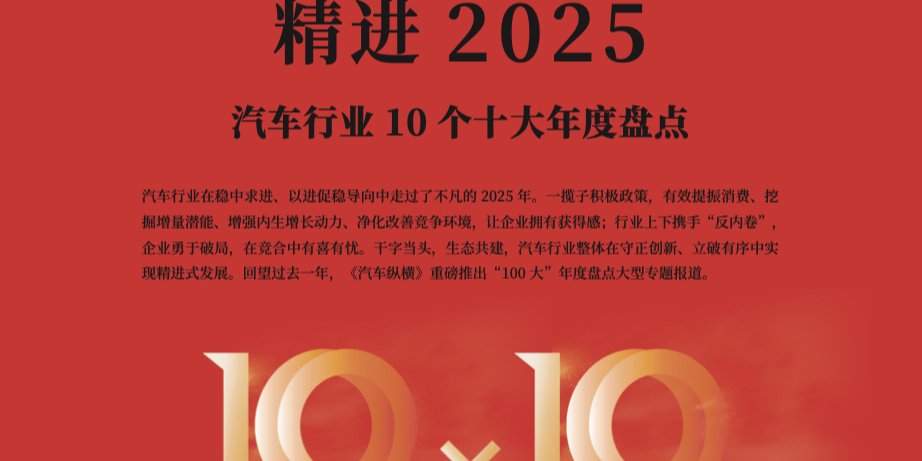
2025汽车供应链十大年度热点 | 精进2025——汽车行业10个十大年度盘点
Jing Ji Guan Cha Wang· 2026-01-15 00:31
Core Insights - The automotive industry in 2025 has experienced significant growth driven by proactive policies that enhance consumption, stimulate internal growth, and improve the competitive environment [2] - The industry is undergoing a transformation characterized by electric and intelligent vehicle development, geopolitical challenges, and supply chain restructuring [4] Group 1: Supply Chain Developments - The takeover of Nexperia by the Dutch government has disrupted the global automotive chip supply chain, leading to production halts and capacity adjustments among major automakers [5][6] - The introduction of a 60-day payment term for suppliers aims to alleviate financial pressures on small and medium-sized enterprises, fostering a healthier supply chain ecosystem [7][8] - Chinese automotive supply chain companies are increasingly focusing on overseas markets, with significant investments in Southeast Asia, North America, and Europe to enhance local production capabilities [11][12] Group 2: Financing and Market Trends - A surge in Chinese automotive technology companies listing in Hong Kong reflects a growing trend towards capitalizing on the smart vehicle sector, with several firms successfully raising funds for technological advancements [9][10] - The automotive supply chain is witnessing a wave of mergers and acquisitions, with companies seeking to enhance their market positions and technological capabilities [13][14] Group 3: Technological Innovations - The automotive industry is moving towards an "oil-electric intelligence" model, with advancements in technology enabling the integration of intelligent features into traditional fuel vehicles [15][17] - The battery industry is experiencing rapid advancements, particularly in solid-state battery technology, which is crucial for the future of electric vehicles [20][21] - The proliferation of L2+ level advanced driver-assistance systems (ADAS) is reshaping the automotive supply chain, emphasizing the importance of safety and compliance [22][23] Group 4: Industry Challenges and Opportunities - A wave of bankruptcies among European and American automotive suppliers highlights the challenges faced during the transition to electric vehicles, revealing vulnerabilities in traditional supply chains [18][19] - The 2025 China Automotive Supply Chain Conference has set the stage for future developments, focusing on internationalization and innovation within the industry [24][26]


粤产“手机天团”图鉴:全球十大顶流,广东独占五席
2 1 Shi Ji Jing Ji Bao Dao· 2026-01-14 23:13
一代人有一代人的广货记忆。近10余年间,智能手机崛起为最强的广货爆款,不仅风靡全球,更悄然推 动着广东制造的生态进化。全球每卖出三台手机,就有一台是广东制造。 全球手机江湖群雄并起,但前十强品牌中广东独占5席。Vivo、传音、OPPO、荣耀、华为——广东手 机"五虎将"各凭绝技纵横天下,共同谱写"新广货"商业传奇。 华为身怀"鸿蒙心法"与"麒麟内功"双重绝技,以技术创新筑起护城河;vivo练就"影像玄功",深谙"得年 轻人者得天下"的市场哲学,于细节处彰显匠心;OPPO精通 "普惠剑法",以高性价比为利刃,不断开 辟疆土;荣耀手握"场景轻功",精于重构交互与生态,以实用体验快速赢得用户;传音则身怀"海外秘 功",驰骋非洲市场,稳握半壁江山。 广东"手机天团"之所以能征善战,离不开背后强大的功法秘笈——广东手机产业链和创新链。"五虎 将"绝世武功,正是广东产业生态共同练就的结晶。从芯片到系统,无数配套企业不断攻坚技术、持续 创新产品,才构成了这套武学的修炼根基。 广货以新独步江湖,源源不断的AI眼镜、无人机、智能穿戴等"新广货"正加速走向全球,彰显出强大的 市场活力与供应链韧性,演绎着广东制造业深度融入并不断向 ...
最强广货爆款
2 1 Shi Ji Jing Ji Bao Dao· 2026-01-14 23:13
一代人有一代人的广货记忆。近10余年间,智能手机崛起为最强的广货爆款,不仅风靡全球,更悄然推 动着广东制造的生态进化。全球每卖出三台手机,就有一台是广东企业制造。 全球手机江湖群雄并起,但前十强品牌中广东独占5席。vivo、传音、OPPO、荣耀、华为——广东手 机"五虎将"各凭绝技纵横天下,共同谱写"新广货"商业传奇。 华为身怀"鸿蒙心法"与"麒麟内功"双重绝技,以技术创新筑起护城河;vivo练就"影像玄功",深谙"得年 轻人者得天下"的市场哲学,于细节处彰显匠心;OPPO精通 "普惠剑法",以高性价比为利刃,不断开 辟疆土;荣耀手握"场景轻功",精于重构交互与生态,以实用体验快速赢得用户;传音则身怀"海外秘 功",驰骋非洲市场,稳握半壁江山。 广东"手机天团"之所以能征善战,离不开背后强大的功法秘籍——广东手机产业链和创新链。"五虎 将"绝世武功,正是广东产业生态共同练就的结晶。从芯片到系统,无数配套企业不断攻坚技术、持续 创新产品,才构成了这套武学的修炼根基。 一部手机里,95%的零部件可以在东莞的"一小时通勤圈"内配齐。立讯精密、海思半导体、领益智造、 德赛电池……这些"隐秘而伟大"的制造先锋,以先进制 ...
江西脑机接口工厂开建 产业向规模化量产跨越
Zheng Quan Shi Bao· 2026-01-14 17:33
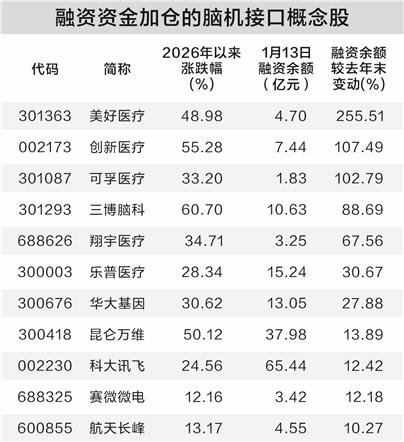
Group 1 - The core point of the article highlights the significant advancements in the brain-computer interface (BCI) industry, particularly with the construction of Brain Tiger Technology's "super factory" in Jiangxi, which marks a transition from laboratory research to large-scale production of BCI systems [3] - The factory aims to produce the first domestically developed and the world's second fully implanted, wireless, and fully functional BCI system, targeting stable supply of tens of thousands of units [3] - The BCI technology shows immense potential across various sectors, including healthcare, consumer electronics, and military aerospace, with significant developments occurring globally [3] Group 2 - The Chinese government is actively promoting the BCI industry, with a policy document issued in July 2025 outlining goals for technological breakthroughs and the establishment of a robust industry framework by 2030 [4] - The market for BCIs is projected to grow significantly, with global market size expected to reach approximately $2.62 billion in 2024 and $12.4 billion by 2034, while China's market is anticipated to grow from 3.2 billion yuan in 2024 to 5.58 billion yuan by 2027, reflecting a compound annual growth rate of about 20% [4] Group 3 - The BCI sector has attracted substantial investment, with the A-share market seeing a cumulative increase of over 20% in the BCI theme index since 2026, and several stocks experiencing gains exceeding 50% [5] - As of January 13, 2023, 19 out of 26 BCI concept stocks were eligible for margin trading, with a total financing balance of nearly 25.5 billion yuan, an increase of over 15% compared to the end of the previous year [5] - Notable companies such as Meihua Medical and Innovation Medical have seen significant increases in their financing balances, indicating strong investor interest and strategic partnerships in the BCI field [5][6]

领益智造(002600.SZ):累计回购0.52%股份 回购股份已实施完毕
Ge Long Hui A P P· 2026-01-14 12:02
格隆汇1月14日丨领益智造(002600.SZ)公布,截至2026年1月14日,公司累计通过回购专用证券账户以 集中竞价交易方式回购公司股份38,231,900股,占公司总股本的0.52%,最高成交价为8.55元/股,最低 成交价为8.06元/股,成交金额为319,911,973.82元(不含交易费用),上述情况符合公司既定的回购方 案及法律法规的要求。至此,公司本次回购股份已实施完毕。 ...